 Seeking LED
Hazardous Area Batten Lights for Industrial Applications
0Discover hazardous area batten lights for Zone 1 and Zone 2 applications. Learn certifications, installation requirements, service life, and LED advantages.
View detailsSearch the whole station
Class 1 Div 1 vs Class 1 Div 2 refers to two hazardous location classifications defined by the NEC for environments containing flammable gases or vapors. Class 1 Div 1 areas contain hazardous substances continuously or frequently during normal operation, while Class 1 Div 2 areas contain them only under abnormal conditions such as leaks, equipment failure, or accidental release.
That sounds simple enough. In real facilities, the distinction becomes expensive very quickly.
I’ve walked through chemical blending rooms where a wrong fixture selection delayed inspection approvals for weeks. I’ve also seen maintenance teams overspend heavily by installing Class 1 Division 1 equipment in areas that only required Division 2 protection.
Hazardous location classification is not just a compliance exercise. It directly affects:
And in oil, gas, marine, grain, or chemical facilities, mistakes are rarely small.
Under the National Electrical Code (NEC), “Class 1” refers to environments where flammable gases or vapors may exist in the air.
Typical substances include:
These gases can ignite if exposed to:
According to the National Fire Protection Association (NFPA), hazardous locations require specialized electrical protection methods to reduce ignition risk in explosive atmospheres.
That’s why standard commercial lighting is never acceptable in classified zones.
This is where confusion usually starts.
The difference is not about the gas itself.
It’s about the probability of the hazardous atmosphere being present.
A Class 1 Division 1 environment contains ignitable gas or vapor during normal operations.
That means hazardous material may exist:
Examples include:
Equipment in these zones must remain safe even if explosive gas is present all the time.
A Class 1 Division 2 hazardous location only becomes dangerous during abnormal situations.
Examples include:
Under normal operation, explosive gas is not expected to be present continuously.
Typical Division 2 areas include:
That difference changes everything about equipment design and certification.
| Feature | Class 1 Div 1 | Class 1 Div 2 |
|---|---|---|
| Hazard Presence | Frequent or continuous | Abnormal conditions only |
| Ignition Risk | High | Moderate |
| Equipment Protection | Maximum protection required | Reduced protection acceptable |
| Installation Cost | Higher | Lower |
| Typical Facilities | Refineries, tank interiors | Storage rooms, adjacent zones |
| Maintenance Complexity | More demanding | Easier access |
In older industrial plants, hazardous zone boundaries evolve over time.
Equipment changes. Ventilation changes. Production lines expand.
But drawings don’t always get updated.
One petrochemical facility I visited had:
Both problems existed simultaneously.
That’s more common than most people think.
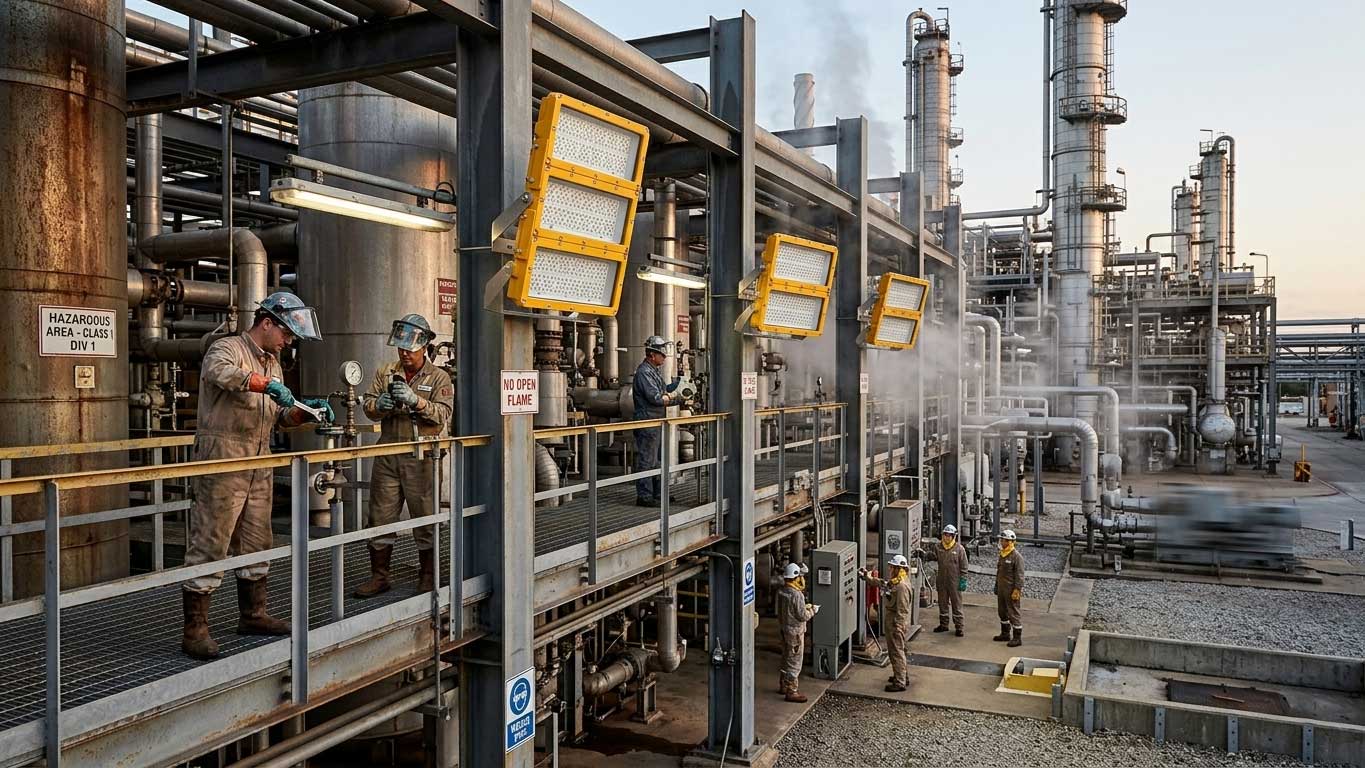
Equipment approved for Division 1 environments usually includes:
The enclosure itself is designed to contain an internal explosion without igniting the surrounding atmosphere.
That’s important.
Many people assume explosion-proof fixtures “prevent explosions.”
They don’t.
They contain them safely.
Hazardous gases ignite at different temperatures.
That’s why NEC and UL standards use temperature classifications like:
For example:
Hydrogen has different ignition behavior than propane.
A lighting fixture safe for one gas group may not be safe for another.
This detail gets overlooked constantly during purchasing.
According to OSHA incident data, hazardous atmosphere ignition events remain heavily associated with improper equipment selection and maintenance failures.
That’s one reason inspection standards continue tightening globally.
Older HID fixtures generated substantial heat.
Modern LED hazardous lighting reduced several major problems:
One offshore maintenance supervisor told me their relamping intervals dropped dramatically after switching from HID to LED explosion proof fixtures.
Less maintenance means fewer shutdowns and fewer workers entering hazardous zones.
That alone matters financially.
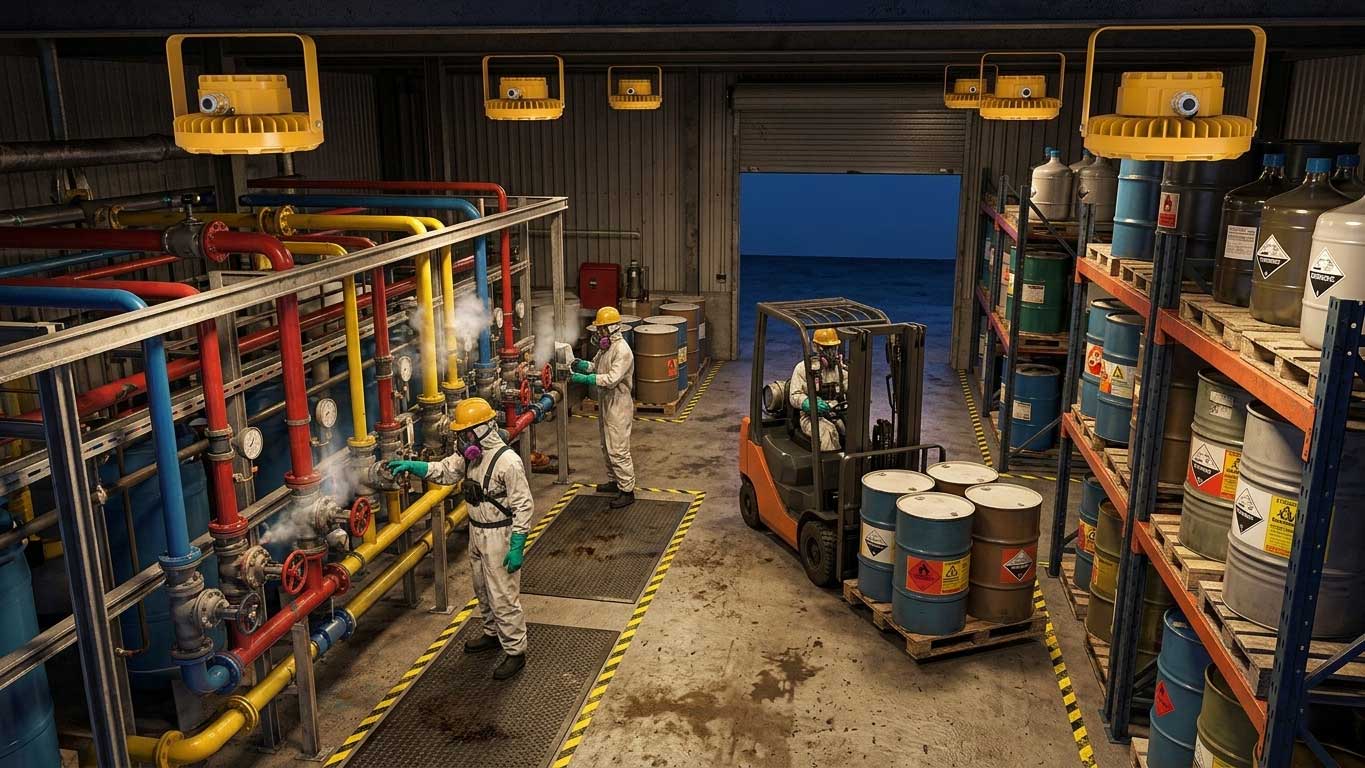
The biggest purchasing mistakes usually involve:
One facility near the Gulf Coast installed uncertified imported fixtures to reduce costs.
Corrosion damaged seals within months.
Inspection failed immediately afterward.
Cheap hazardous lighting often becomes expensive hazardous lighting.
SEEKINGLED designs hazardous location fixtures for environments that are rarely clean or predictable.
Actual industrial conditions include:
That’s why industrial buyers increasingly prioritize:
Lab performance means very little if fixtures fail after two winters offshore.
Different regions use different hazardous location standards.
| Standard | Region |
|---|---|
| NEC Class/Division | United States |
| ATEX | European Union |
| IECEx | International |
Many global facilities now request multi-certified equipment for operational flexibility.
Especially multinational oil and gas operators.
Yes. Division 1 equipment exceeds Division 2 protection requirements.
Generally yes, because hazardous gas is not normally present during standard operation.
Absolutely. LED technology does not eliminate ignition risk.
Common certifications include UL844, ATEX, and IECEx depending on region and application.
The difference between class 1 div 1 vs class 1 div 2 is not academic paperwork.
It affects:
And once you spend enough time inside industrial facilities, you notice something interesting:
The safest hazardous installations are usually the boring ones.
Nothing overheats.
Nothing sparks.
Nothing fails unexpectedly.
That’s the goal.
Reliable hazardous lighting should disappear into the background while continuing to work year after year.
And in high-risk industrial environments, that kind of reliability matters far more than marketing claims ever will.
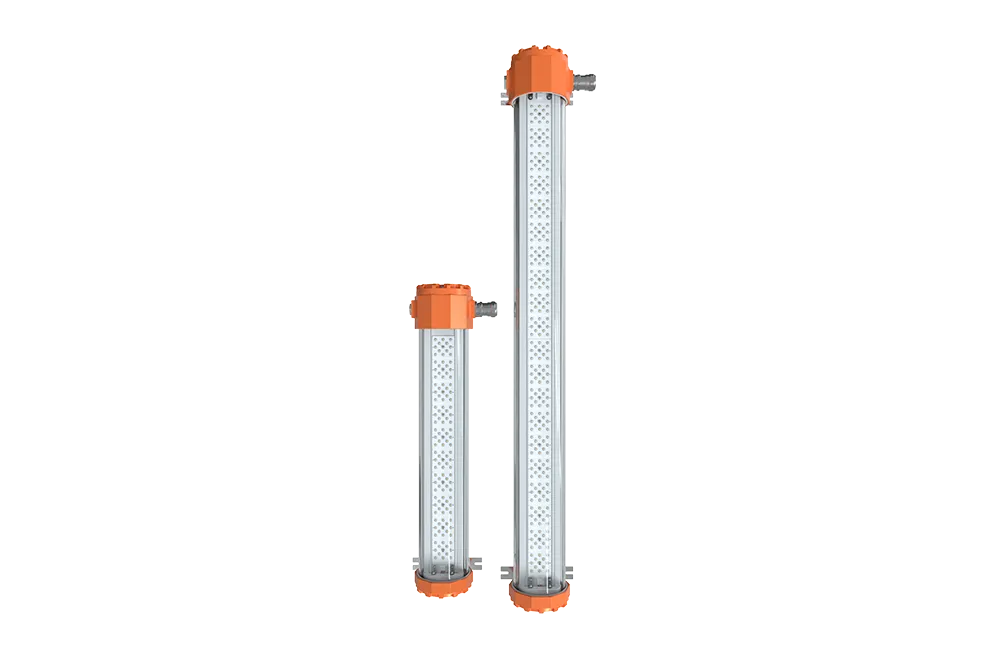
SEEKINGLED LED Linear Explosion Proof Light and Explosion Proof lighting is ATEX and IECEx certified for Zone 1, Zone 2, Zone 21 and Zone 22 hazardous locations, built for long-term industrial use.
View details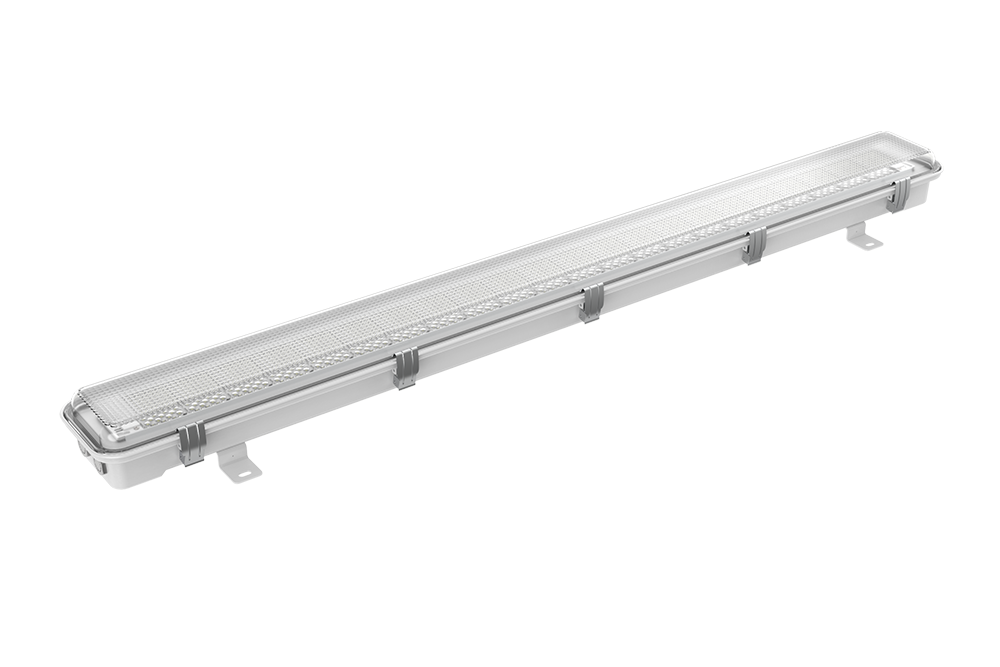
LED Linear Explosion Proof Lights and EX Proof lights for Zone 1, Zone 2, Zone 21 and Zone 22 hazardous areas. ATEX & IECEx certified explosion proof LED linear lighting with emergency function, adjustable power and IP67 protection by SEEKINGLED.
View details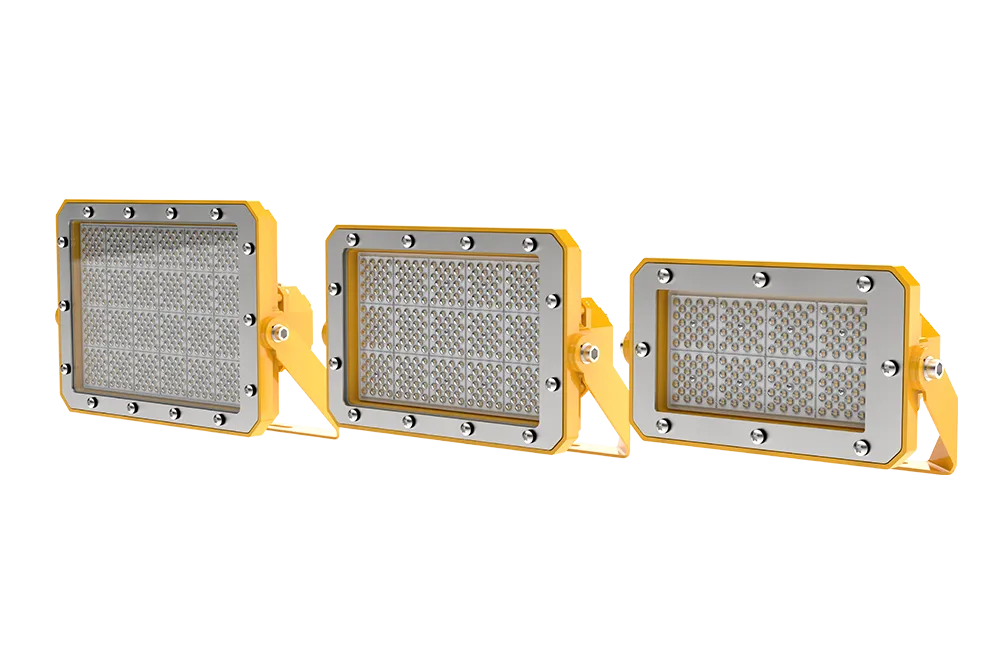
SEEKINGLED LED Explosion Proof Flood Lights are ATEX certified for Zone 2 and Zone 22 hazardous areas, offering high efficiency, adjustable power and integrated junction box.
View details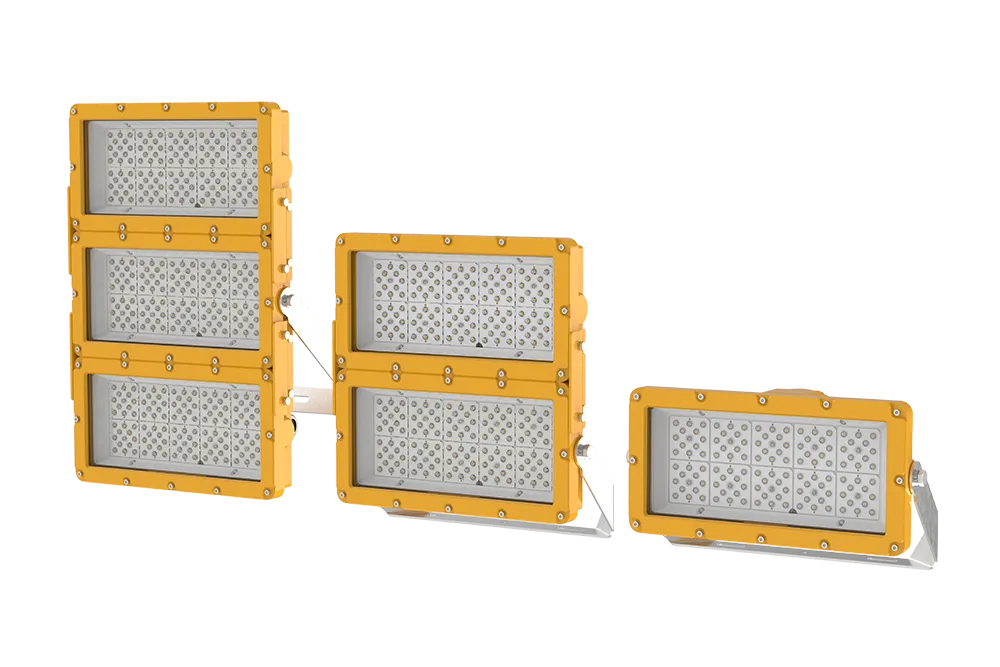
SEEKINGLED LED Explosion Proof Flood Lights are flameproof ATEX and IECEx certified for Zone 1 and Zone 2 hazardous areas, offering high power, adjustable output and long service life.
View details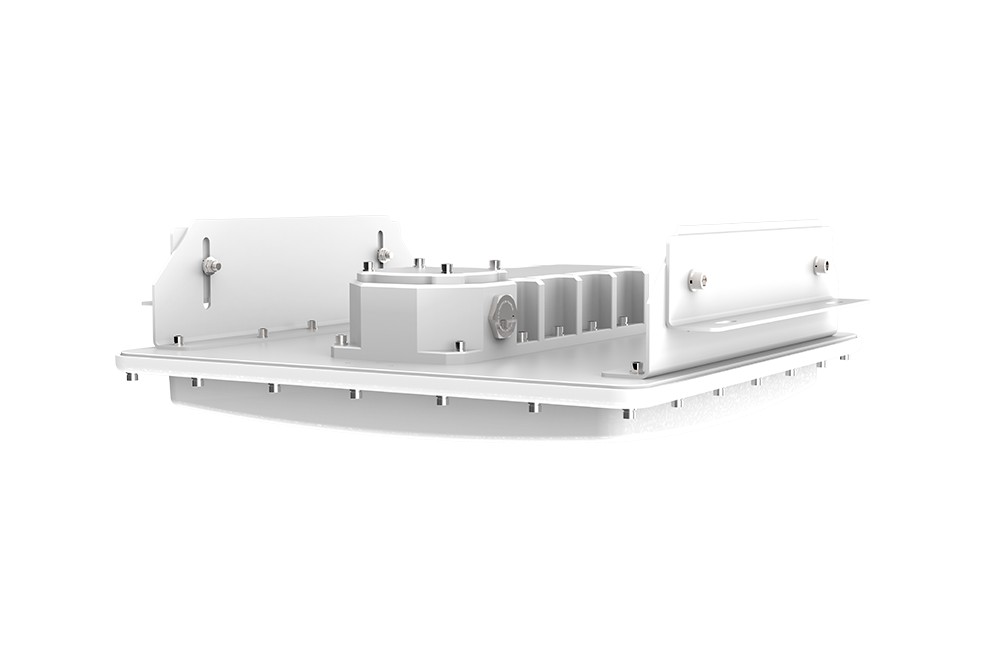
SEEKINGLED LED Gas Station Canopy Lights are ATEX certified for Zone 2 and Zone 22 hazardous areas, featuring adjustable power and built-in explosion-proof junction box.
View details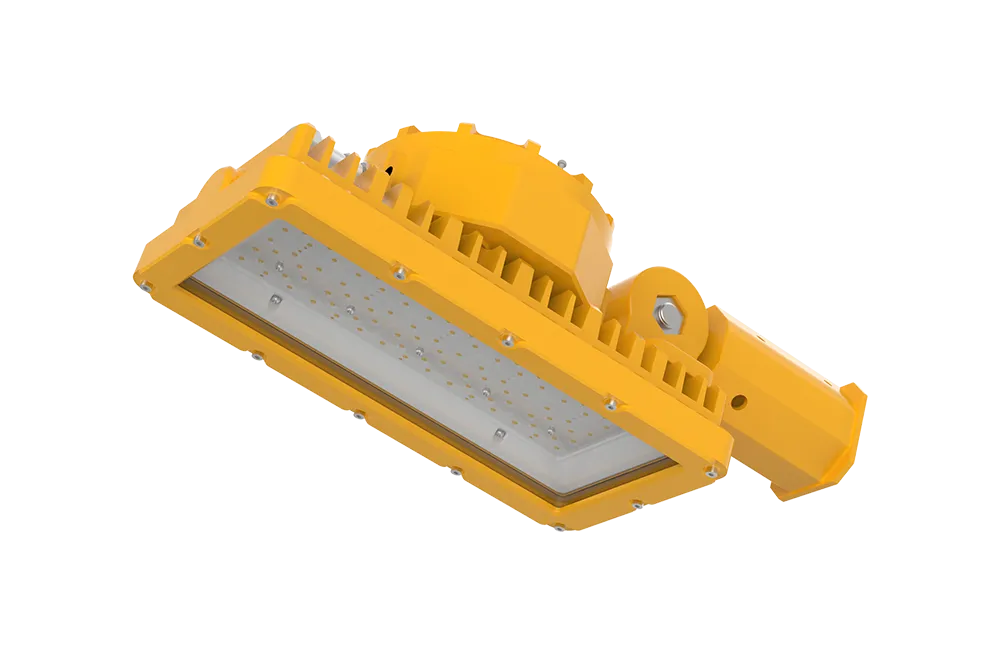
ATEX: Ex II 2G Ex db IIB T6/T5 GbEx II 2D Ex tb IIIC T80°C/ T95°C Db IECEx Ex db IIB T6 Gb;Ex tb IIIC T80°C Db Feature: ● For Zone 1,2 and Zone 21,22● Flameproof type, the strongest● 100W can replace 250W HID,energy saving● Power:60W,80W,100W Application: Oil and gas, marine, Chemical, pharmaceutical, semiconductor,mining,military industr…
View details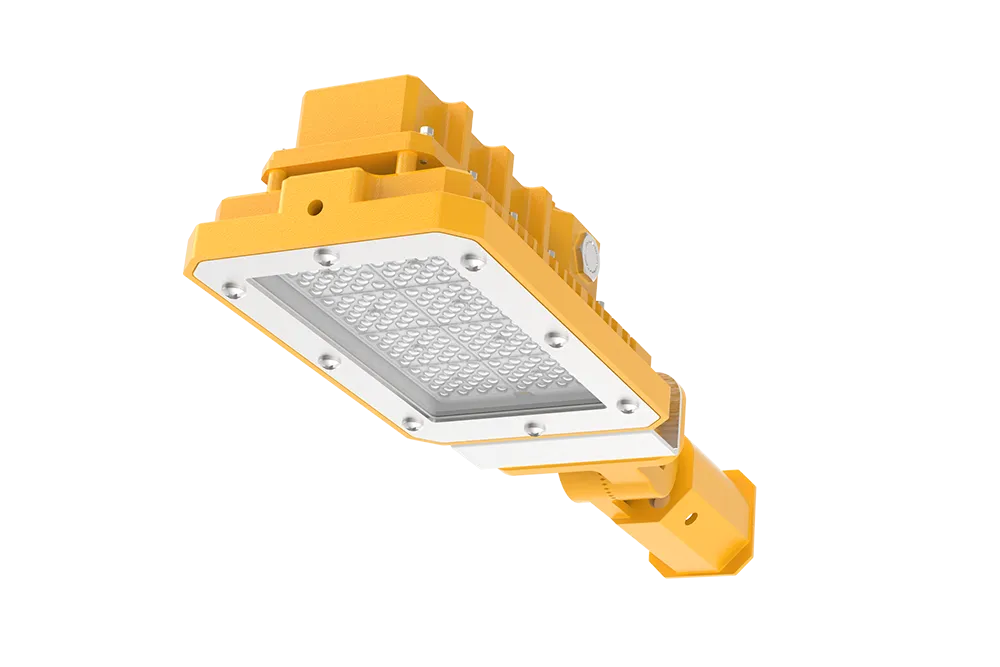
ATEX: II 3G Ex nR ⅡC T5/T6 GcII 3D Ex tc ⅢC T80℃/T95℃Dc ATEX Certificate NO: TÜV CY 26 ATEX 0207611 X Feature: ● For Zone 2 and Zone 22● 150W can replace 250W HID lamps,Energy saving● Power:50W,75W,100W,150W,200W Application: Oil and gas, marine, Chemical, pharmaceutical, semiconductor,mining,military industry, paint booth,power plant ETC…
View details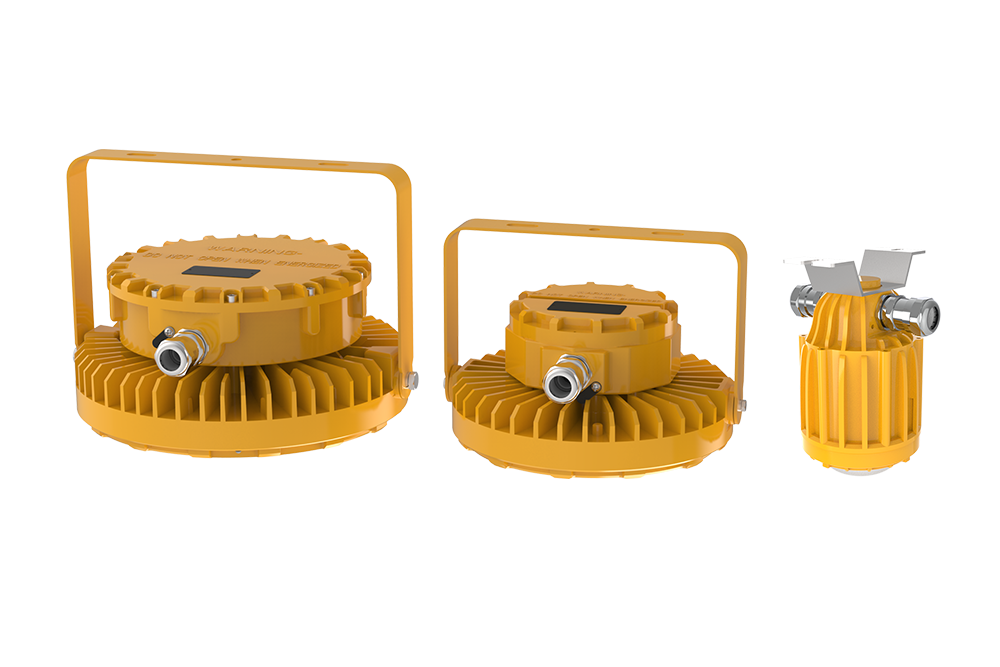
LED explosion proof high bay lights are designed for Zone 1, Zone 2, Zone 21 and Zone 22 hazardous areas. This page introduces the HB21 Series from SEEKING, including certifications, power options and real application considerations.
View details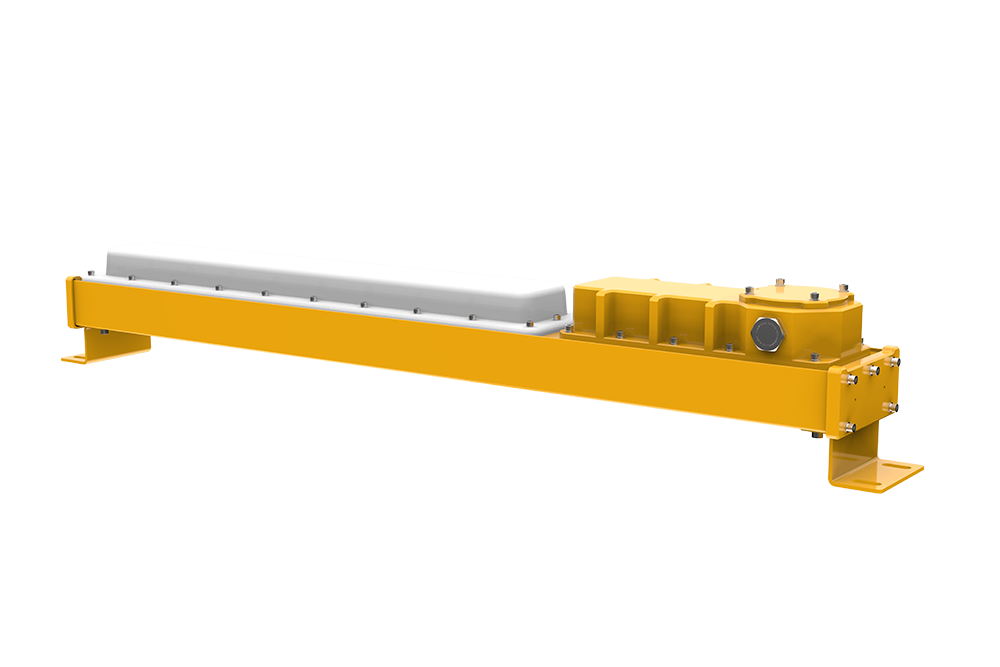
LED Linear Explosion Proof Lights from SEEKINGLED. LU Series Flame Proof lights ATEX-certified explosion proof LED linear lighting for Zone 2 gas and Zone 22 dust areas, IP69K, IK10, long lifetime and flexible power options.
View details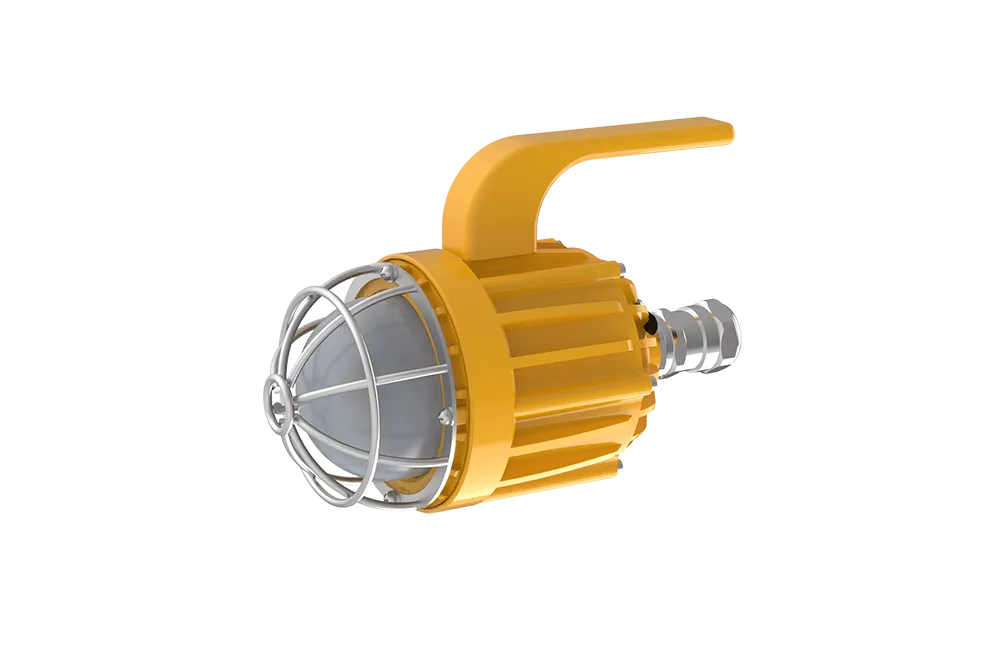
Certified explosion proof work lights for Zone 1 & 21 hazardous areas. Portable, ATEX & IECEx approved, built for oil, gas and chemical plants by SEEKINGLED.
View details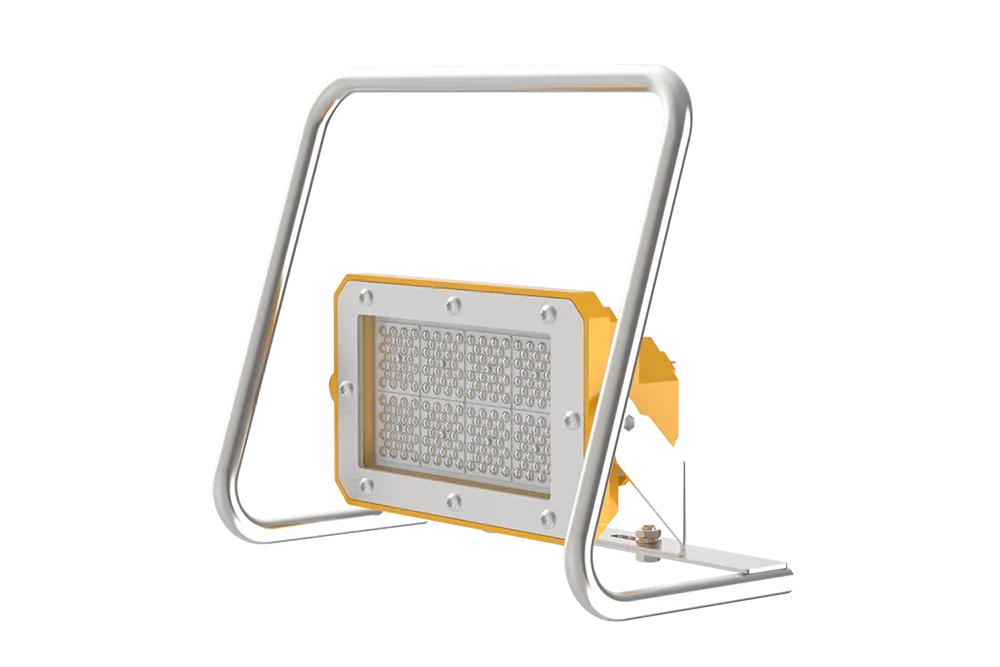
ATEX: II 3G Ex nR ⅡC T6 GcII 3D Ex tc ⅢC T80℃ Dc ATEX Certificate NO: TÜV CY 26 ATEX 0207611 X Feature: ● For Zone 2 and Zone 22● Accepts battery-powered supply● indestructible● Power:AC input:50W,75W,100WDC input:15W,25W,35W Application: Oil and gas, marine, Chemical, pharmaceutical, semiconductor,mining,military industry, paint booth,po…
View details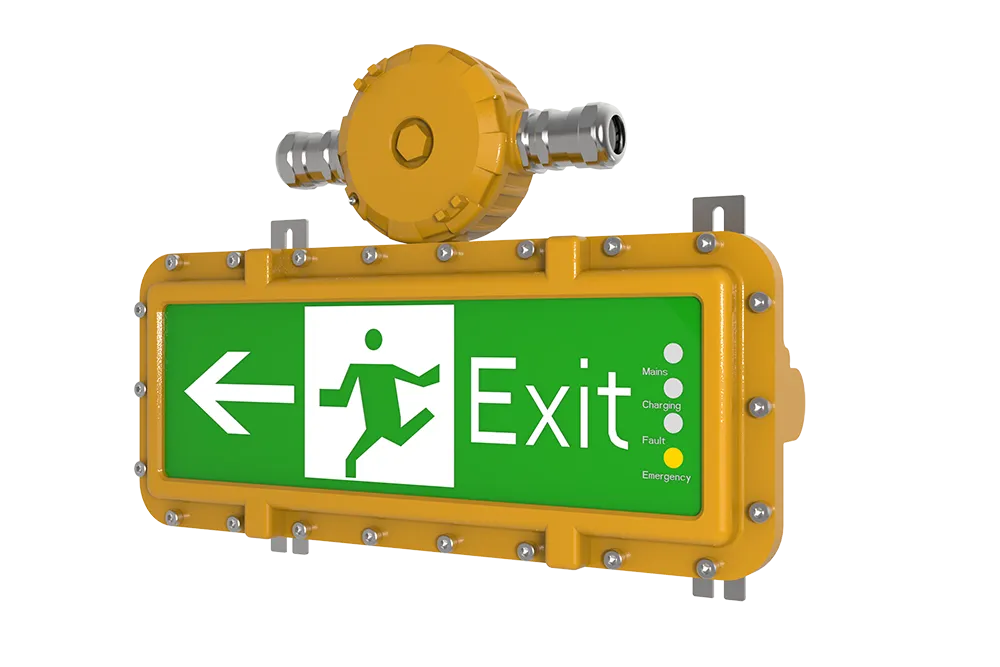
ATEX: Ex II 2G Ex db IIB T6 GbEx II 2D Ex tb IIIC T80°C Db IECEx Ex db IIB T6 Gb;Ex tb IIIC T80°C Db Feature: ● For Zone 1,2 and Zone 21,22● Flameproof type, the strongest Application: Oil and gas, marine, Chemical, pharmaceutical, semiconductor,mining,military industry, paint booth,power plant ETC hazardous area. Technical Specifications:…
View details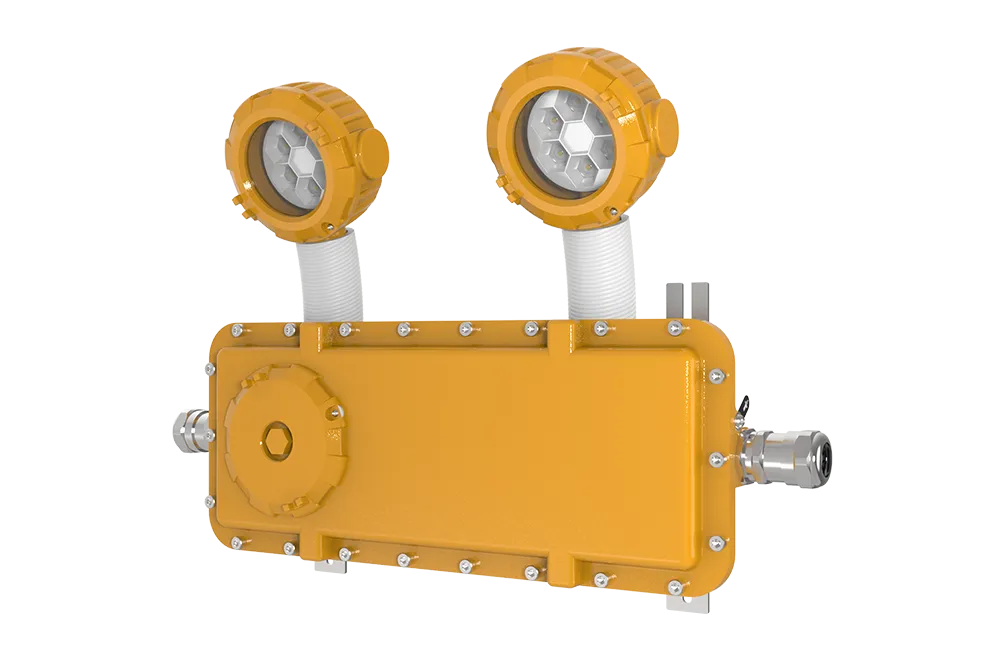
ATEX: Ex II 2G Ex db IIB T6 GbEx II 2D Ex tb IIIC T80°C Db IECEx Ex db IIB T6 Gb;Ex tb IIIC T80°C Db Feature: ● For Zone 1,2 and Zone 21,22● Flameproof type, the strongest Application: Oil and gas, marine, Chemical, pharmaceutical, semiconductor,mining,military industry, paint booth,power plant ETC hazardous area. Technical Specifications:…
View details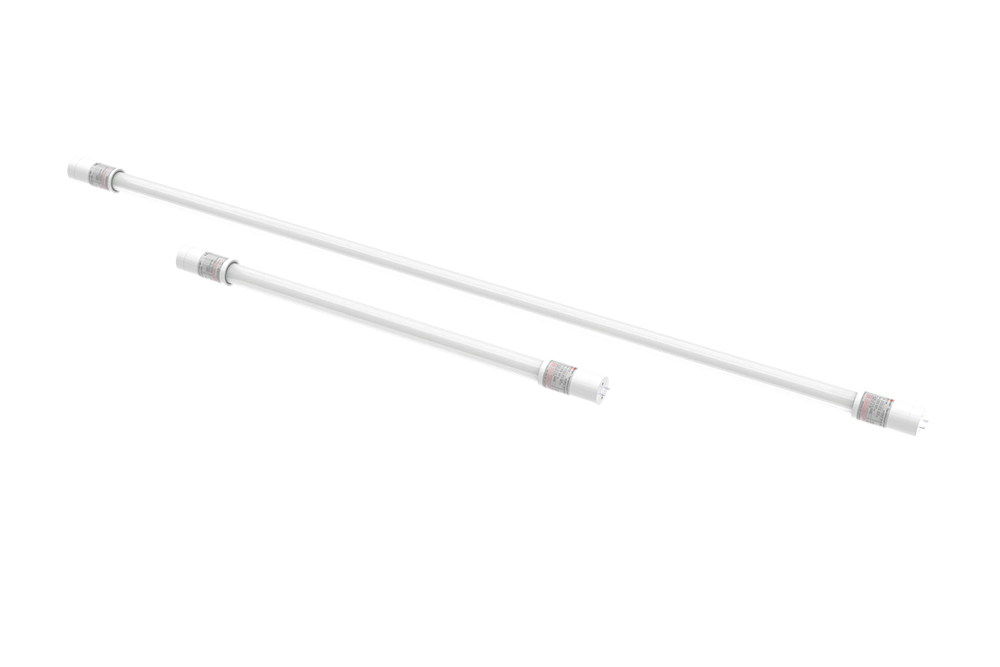
ATEX: Ex II 2G Ex d e IIB T6 Gb ATEX: Ex d e IIB T6 Gb; Feature: ● For Zone 1,2● 9W can replace 18W fluorescent lamps,50% Energy saving Application: Oil and gas, marine, Chemical, pharmaceutical, semiconductor,mining,military industry, paint booth,power plant ETC hazardous area. Technical Specifications: Standards:60079-0, 60079-1, 60079…
View details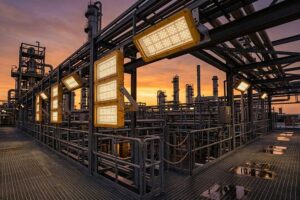
Discover hazardous area batten lights for Zone 1 and Zone 2 applications. Learn certifications, installation requirements, service life, and LED advantages.
View details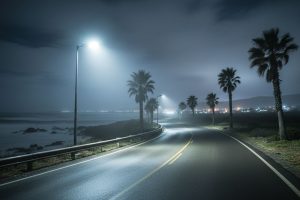
High-performance 100 watt LED street light with 160 lm/W efficiency. Proven in real projects for roads, parking lots and city lighting. SEEKINGLED.
View details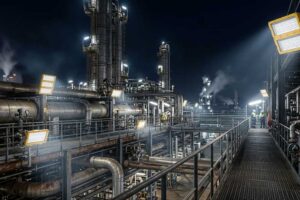
What is LED ATEX lighting? Learn how ATEX-certified LED lighting works in hazardous zones, why industries use it, and how to choose safe explosion-proof fixtures.
View details
how many amps does a 150 watt led light use in real installations? Learn the current draw at 120V and 240V, practical load calculations, and electrical tips from SEEKINGLED.
View details