 Seeking LED
LED High Bay Lighting Guide: What Actually Works in Real Warehouses
161LED high bay lighting guide based on real warehouse projects. Learn mounting height, spacing, lux targets, and efficiency data with SEEKINGLED.
View detailsSearch the whole station
Explosion proof portable lighting is certified mobile lighting designed for hazardous locations where flammable gas, vapor, or combustible dust may be present. It provides safe temporary illumination for maintenance, shutdowns, inspections, and emergency work without creating ignition risks. For oil, gas, marine, chemical, and confined-space jobs, it is the correct portable lighting solution.
That answer is direct because the field reality is direct.
I’ve seen maintenance crews carry ordinary rechargeable work lights into classified areas simply because “the task will only take ten minutes.” That logic disappears quickly when safety officers arrive—or worse, when vapor readings spike.
Over the past decade, I’ve worked with industrial LED lighting projects across refineries, offshore terminals, tank farms, chemical plants, and food-processing sites. Portable lighting is often overlooked during procurement, yet it becomes critical during outages, inspections, and emergency repairs. Permanent fixtures light the plant. Portable fixtures keep the plant moving.
Explosion proof portable lighting refers to movable luminaires engineered and certified for explosive atmospheres. Unlike ordinary hand lamps or site floodlights, these units are designed to prevent ignition from:
Depending on region and certification pathway, products may comply with:
Typical hazardous zones include:
This is why a standard jobsite lamp is not an acceptable substitute.
Permanent lighting systems cover normal operations. Problems start during abnormal ones.
Examples:
I once supported a turnaround where fixed lighting was excellent—until scaffolding blocked half of it. Portable certified lights became the difference between safe work and constant delays.
According to OSHA guidance on hazardous atmospheres and temporary work environments, visibility and approved equipment are core factors in maintenance safety planning.
Portable light is not backup. Often, it is primary task lighting.
Buyers often ask lumen output first.
Wrong first question.
Ask:
If paperwork is vague, stop there.
Many datasheets quote runtime at low mode.
That’s not how crews use lights during shutdowns.
In one field comparison, two units both claimed “8 hours.” One delivered just under 4 hours on high mode in cold weather. The other exceeded 6.
Cold temperatures, battery age, and output setting matter.
For serious use, choose units with:
Portable lights get dropped. Frequently.
They are dragged across gratings, set in oil residue, exposed to cleaners, hit by tools.
Look for:
Not every task needs a flood beam.
Use cases differ:
A 5,000-lumen light aimed badly can be worse than a 2,000-lumen unit with controlled optics.
| Industry | Common Use | Why Portable Matters |
|---|---|---|
| Oil & Gas | Valve repair, shutdown work | Temporary task zones |
| Chemical Plants | Leak inspection | Safe mobile lighting |
| Marine | Cargo pump rooms | Tight confined spaces |
| Food & Grain | Dust-risk maintenance | No ignition source |
| Mining | Mobile service work | Rugged temporary light |
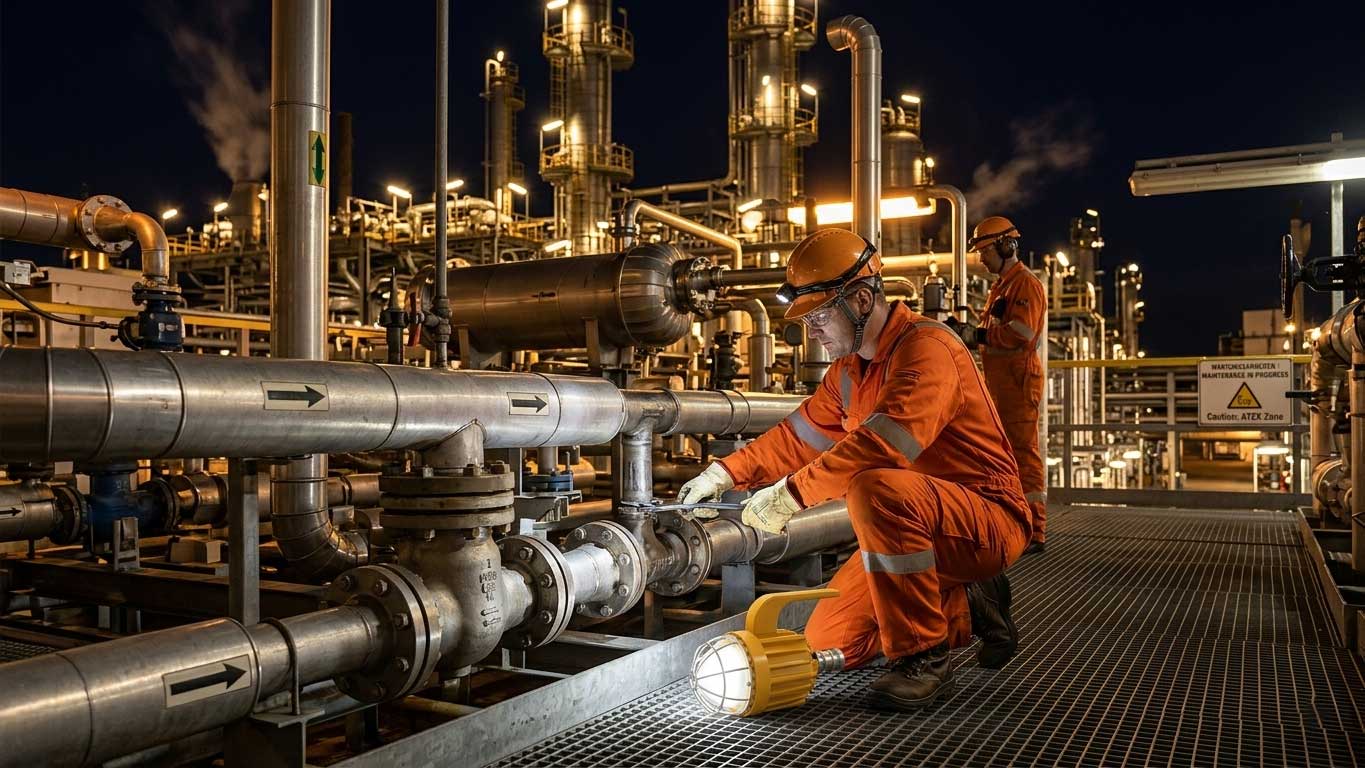
Best for:
Limitations:
Best for:
Limitations:
My practical advice: large sites often need both.
This sounds minor until it isn’t.
At one marine terminal, several portable lights were technically operational—but unusable because handles cracked after repeated transport.
The LEDs were fine. The housing was fine. The carrying points failed.
That delayed deployment during emergency work.
When selecting portable explosion proof light products, evaluate the whole tool, not just the light engine.
SEEKINGLED focuses on industrial lighting where reliability and usability matter in actual work conditions.
Customers often value:
Good products reduce downtime. Good support reduces procurement friction.
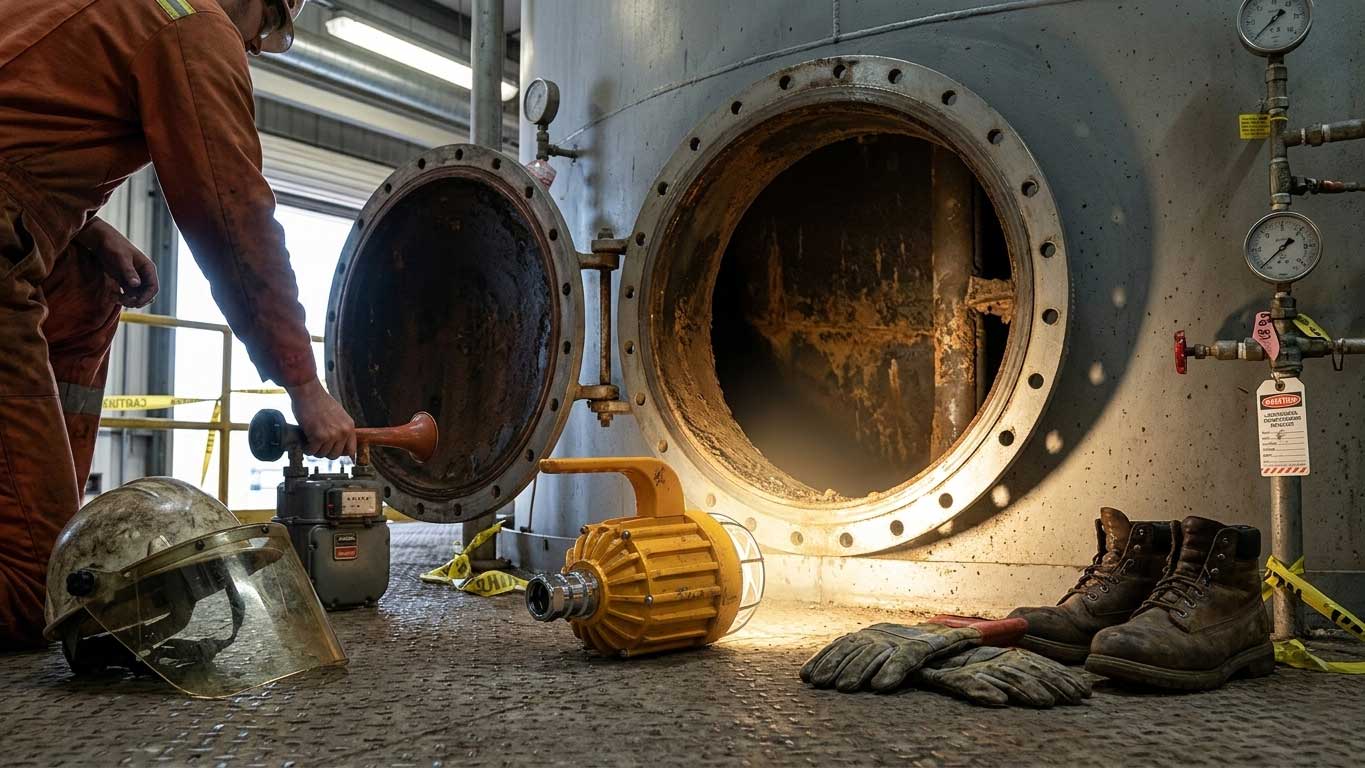
The cheapest portable light often becomes the most expensive delay.
Do not assume so. Hazardous areas require certified equipment suitable for the classification.
It depends on task distance and work detail. Many maintenance tasks need 2,000–6,000 lumens, but optics matter as much as output.
For industrial shutdown work, practical targets are 6–10 hours at usable brightness.
They are different protection concepts. Product selection depends on area classification and engineering requirements.
When teams ask me for the best explosion proof portable lighting, I ask what job it must survive.
Not what lumen number they want.
Because the real test is this:
Can it be carried fast, set down safely, run all shift, survive impacts, and still pass inspection next year?
Brightness sells lights. Reliability keeps jobs moving.
That’s why the right explosion proof portable lighting earns its cost quietly.
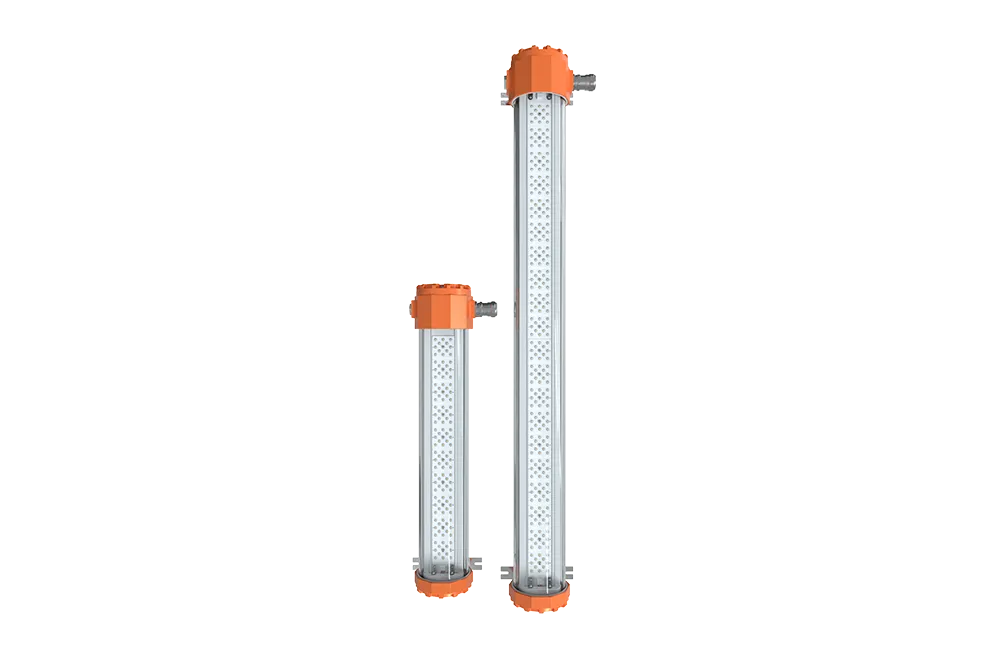
SEEKINGLED LED Linear Explosion Proof Light and Explosion Proof lighting is ATEX and IECEx certified for Zone 1, Zone 2, Zone 21 and Zone 22 hazardous locations, built for long-term industrial use.
View details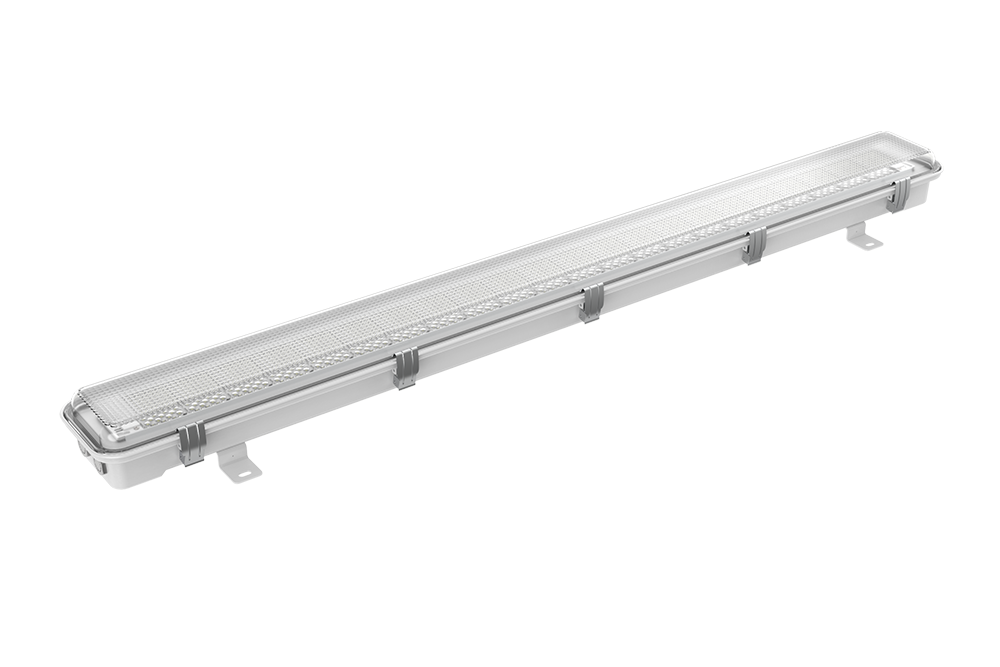
LED Linear Explosion Proof Lights and EX Proof lights for Zone 1, Zone 2, Zone 21 and Zone 22 hazardous areas. ATEX & IECEx certified explosion proof LED linear lighting with emergency function, adjustable power and IP67 protection by SEEKINGLED.
View details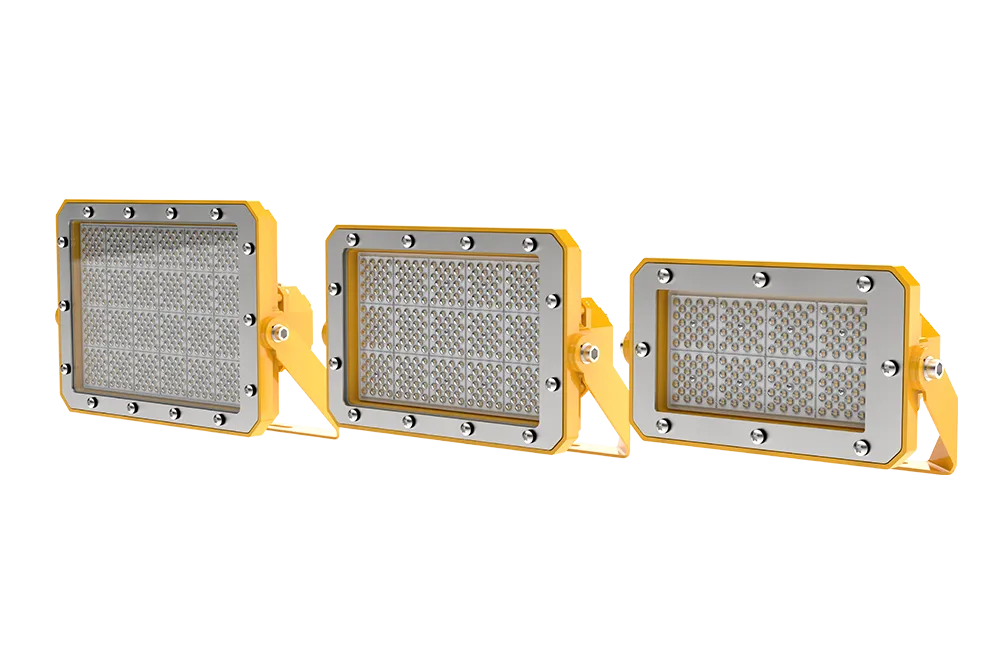
SEEKINGLED LED Explosion Proof Flood Lights are ATEX certified for Zone 2 and Zone 22 hazardous areas, offering high efficiency, adjustable power and integrated junction box.
View details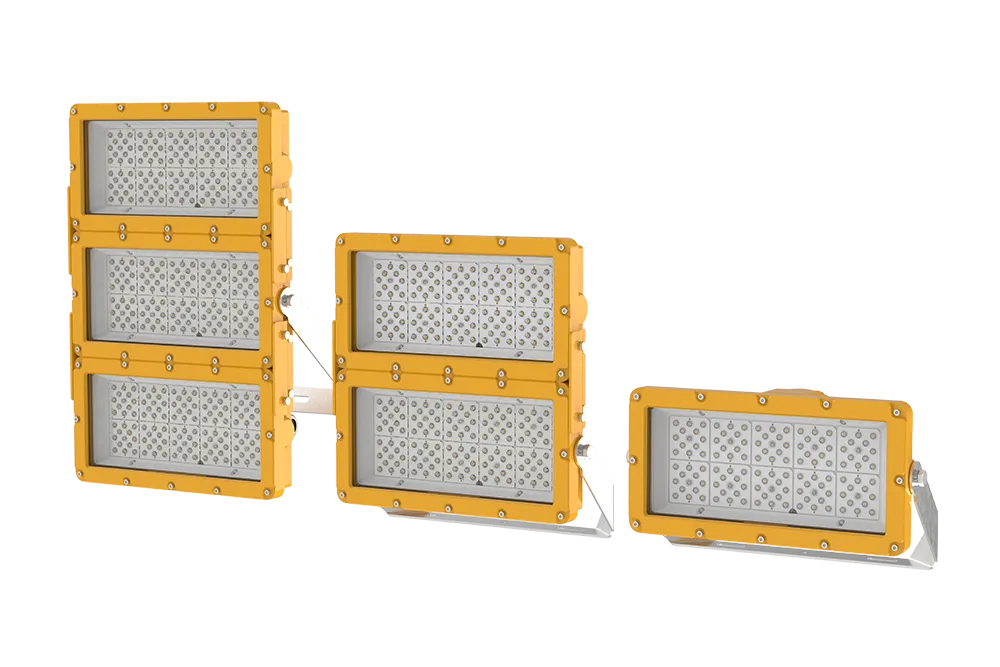
SEEKINGLED LED Explosion Proof Flood Lights are flameproof ATEX and IECEx certified for Zone 1 and Zone 2 hazardous areas, offering high power, adjustable output and long service life.
View details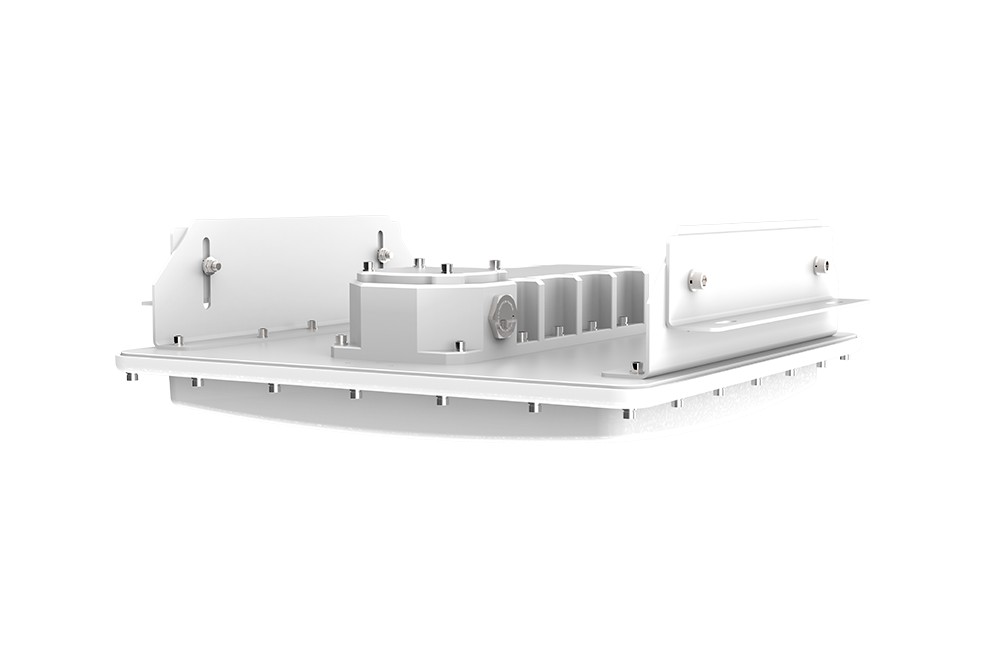
SEEKINGLED LED Gas Station Canopy Lights are ATEX certified for Zone 2 and Zone 22 hazardous areas, featuring adjustable power and built-in explosion-proof junction box.
View details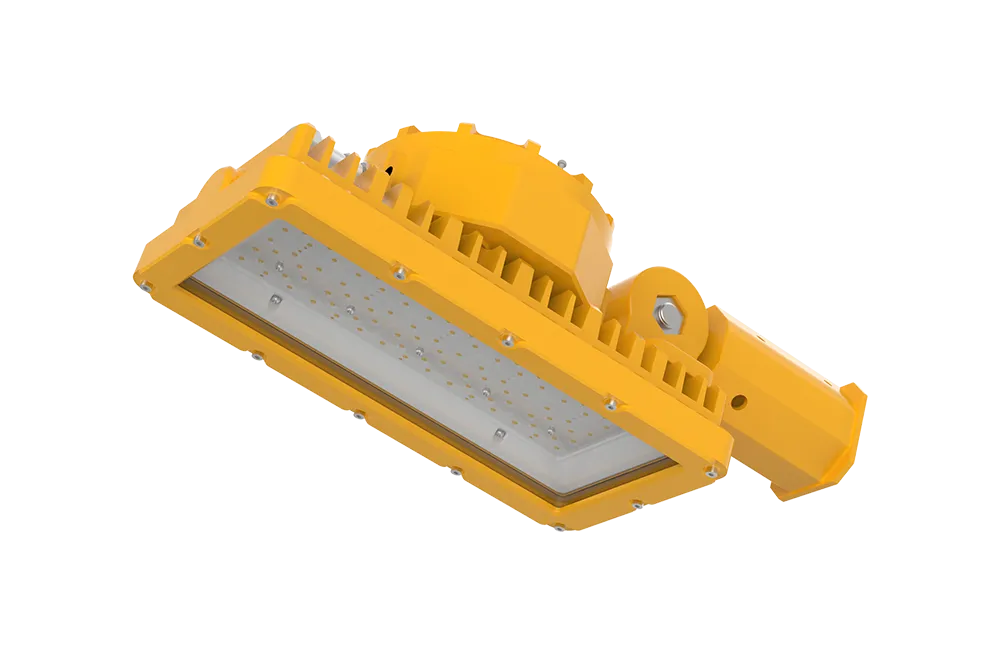
ATEX: Ex II 2G Ex db IIB T6/T5 GbEx II 2D Ex tb IIIC T80°C/ T95°C Db IECEx Ex db IIB T6 Gb;Ex tb IIIC T80°C Db Feature: ● For Zone 1,2 and Zone 21,22● Flameproof type, the strongest● 100W can replace 250W HID,energy saving● Power:60W,80W,100W Application: Oil and gas, marine, Chemical, pharmaceutical, semiconductor,mining,military industr…
View details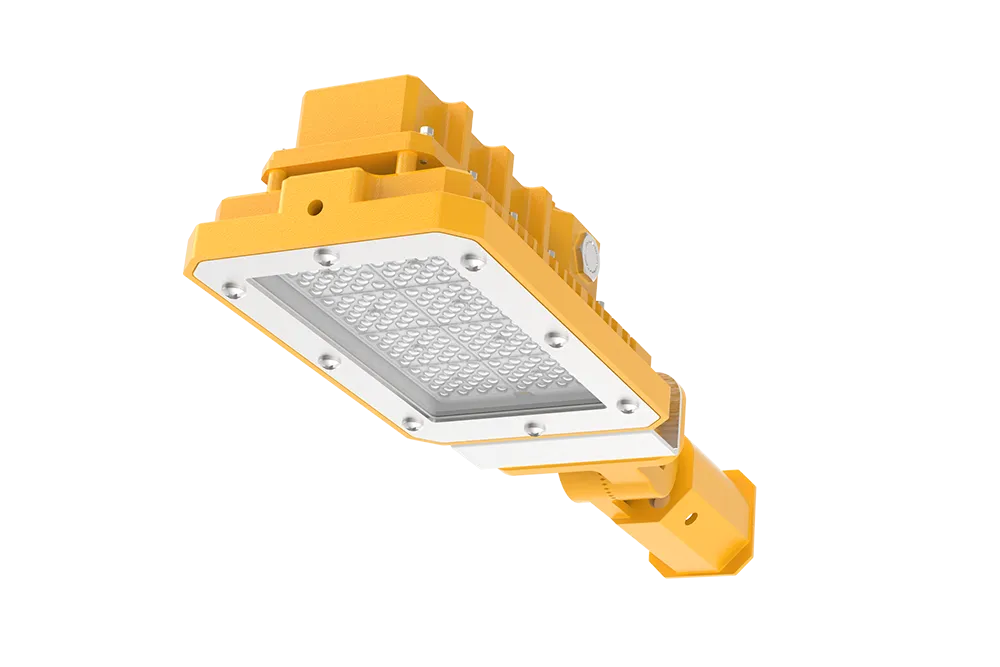
ATEX: II 3G Ex nR ⅡC T5/T6 GcII 3D Ex tc ⅢC T80℃/T95℃Dc ATEX Certificate NO: TÜV CY 26 ATEX 0207611 X Feature: ● For Zone 2 and Zone 22● 150W can replace 250W HID lamps,Energy saving● Power:50W,75W,100W,150W,200W Application: Oil and gas, marine, Chemical, pharmaceutical, semiconductor,mining,military industry, paint booth,power plant ETC…
View details
LED explosion proof high bay lights are designed for Zone 1, Zone 2, Zone 21 and Zone 22 hazardous areas. This page introduces the HB21 Series from SEEKING, including certifications, power options and real application considerations.
View details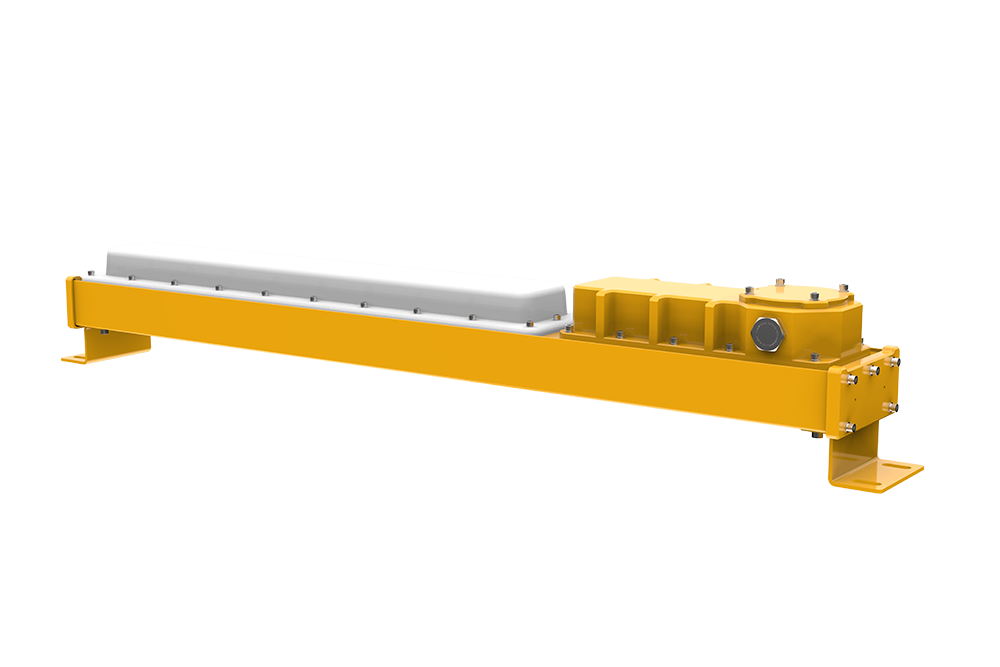
LED Linear Explosion Proof Lights from SEEKINGLED. LU Series Flame Proof lights ATEX-certified explosion proof LED linear lighting for Zone 2 gas and Zone 22 dust areas, IP69K, IK10, long lifetime and flexible power options.
View details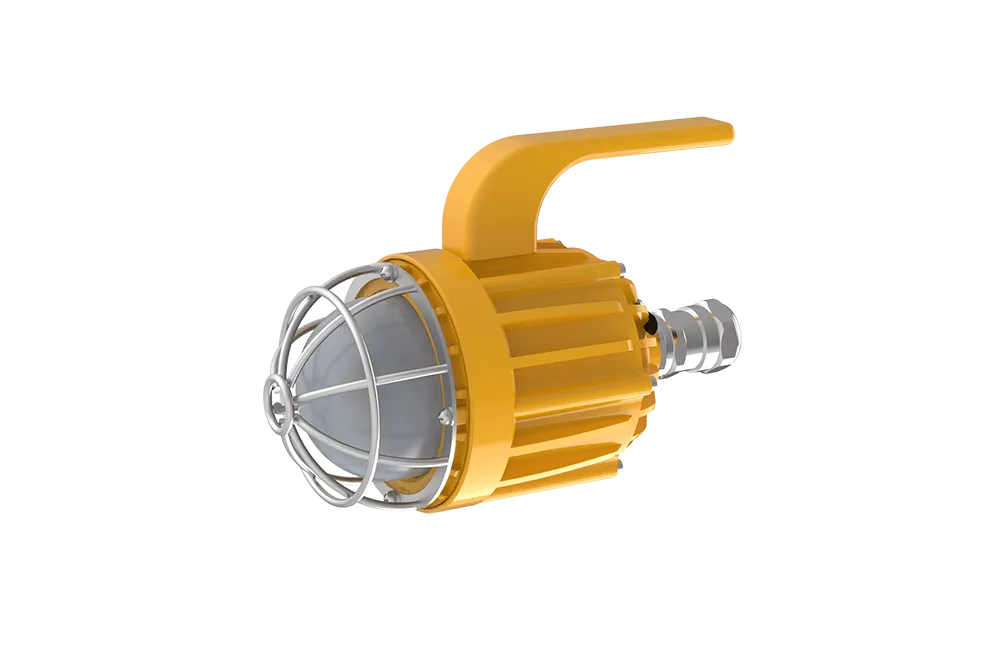
Certified explosion proof work lights for Zone 1 & 21 hazardous areas. Portable, ATEX & IECEx approved, built for oil, gas and chemical plants by SEEKINGLED.
View details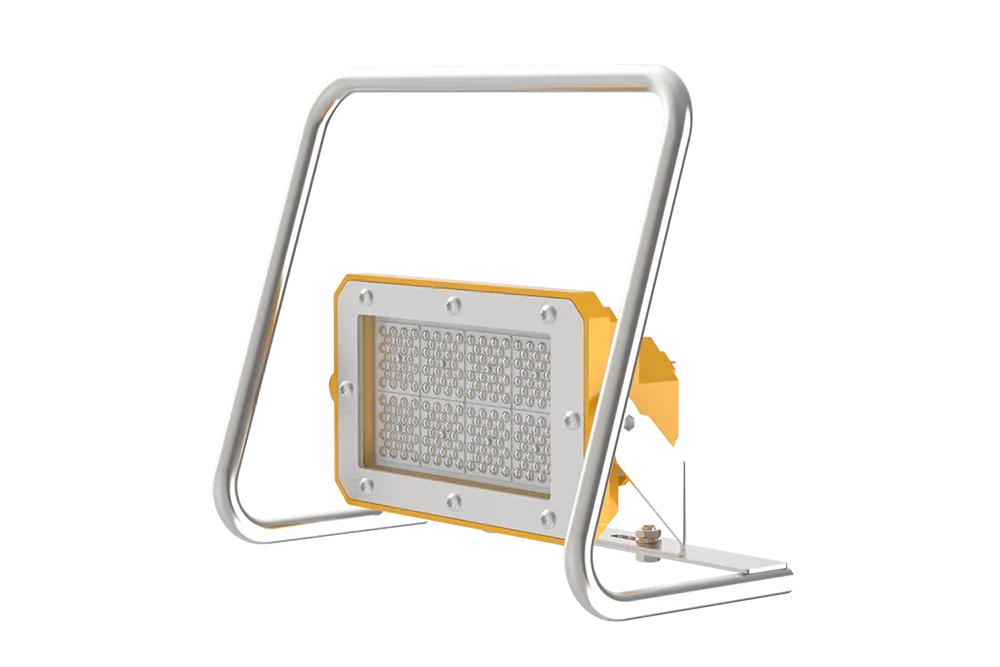
ATEX: II 3G Ex nR ⅡC T6 GcII 3D Ex tc ⅢC T80℃ Dc ATEX Certificate NO: TÜV CY 26 ATEX 0207611 X Feature: ● For Zone 2 and Zone 22● Accepts battery-powered supply● indestructible● Power:AC input:50W,75W,100WDC input:15W,25W,35W Application: Oil and gas, marine, Chemical, pharmaceutical, semiconductor,mining,military industry, paint booth,po…
View details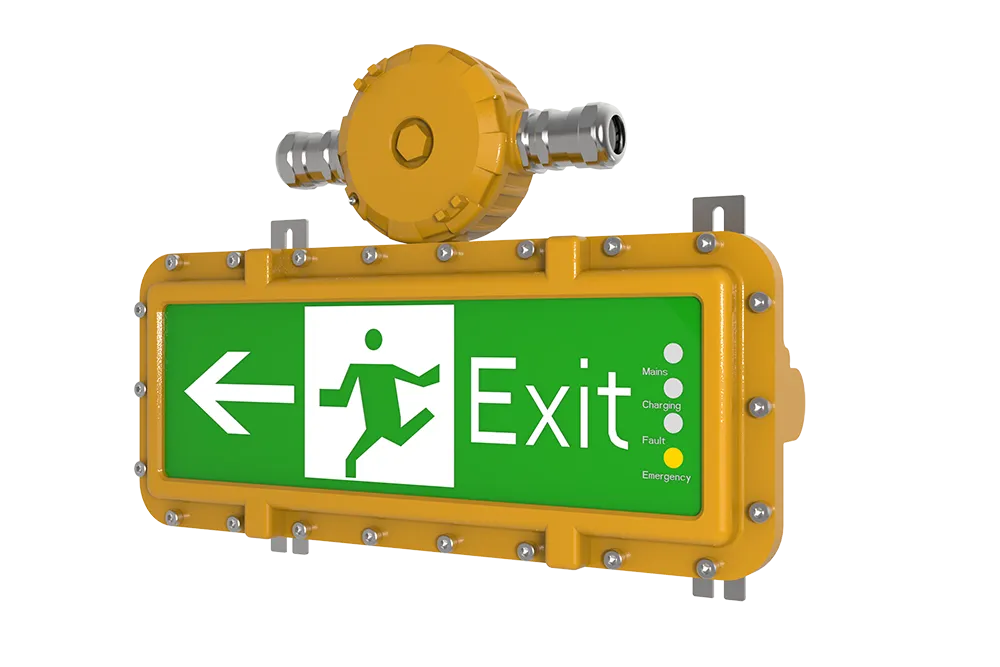
ATEX: Ex II 2G Ex db IIB T6 GbEx II 2D Ex tb IIIC T80°C Db IECEx Ex db IIB T6 Gb;Ex tb IIIC T80°C Db Feature: ● For Zone 1,2 and Zone 21,22● Flameproof type, the strongest Application: Oil and gas, marine, Chemical, pharmaceutical, semiconductor,mining,military industry, paint booth,power plant ETC hazardous area. Technical Specifications:…
View details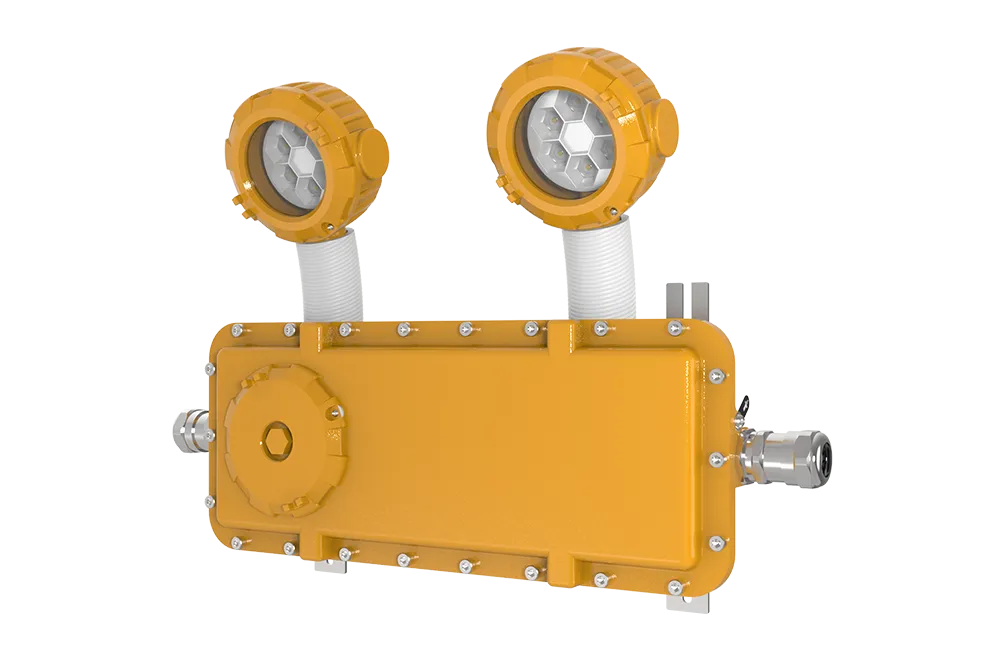
ATEX: Ex II 2G Ex db IIB T6 GbEx II 2D Ex tb IIIC T80°C Db IECEx Ex db IIB T6 Gb;Ex tb IIIC T80°C Db Feature: ● For Zone 1,2 and Zone 21,22● Flameproof type, the strongest Application: Oil and gas, marine, Chemical, pharmaceutical, semiconductor,mining,military industry, paint booth,power plant ETC hazardous area. Technical Specifications:…
View details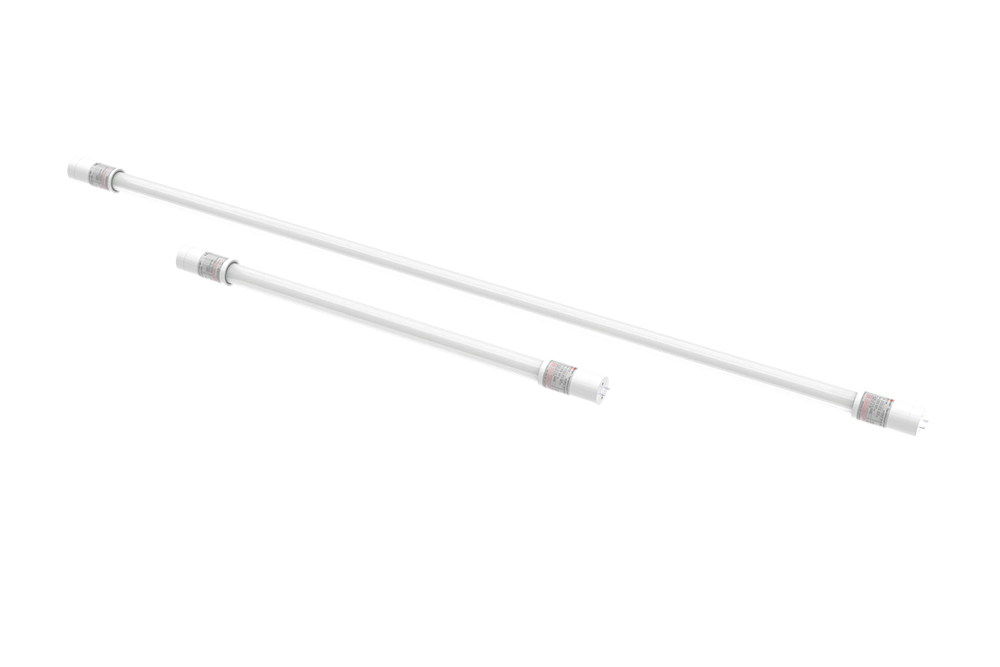
ATEX: Ex II 2G Ex d e IIB T6 Gb ATEX: Ex d e IIB T6 Gb; Feature: ● For Zone 1,2● 9W can replace 18W fluorescent lamps,50% Energy saving Application: Oil and gas, marine, Chemical, pharmaceutical, semiconductor,mining,military industry, paint booth,power plant ETC hazardous area. Technical Specifications: Standards:60079-0, 60079-1, 60079…
View details
LED high bay lighting guide based on real warehouse projects. Learn mounting height, spacing, lux targets, and efficiency data with SEEKINGLED.
View details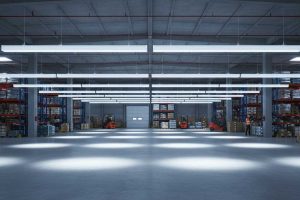
What does the cut line look like on LED lights? This guide explains how beam edges appear in real installations and why cut line quality affects LED linear lighting performance.
View details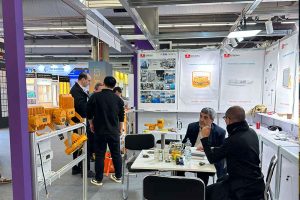
Today, March 11th, our Explosion proof light products continue to be a major highlight at the show, with a constant stream of buyers stopping by and engaging in discussions!Not only are the LO Series and BAY51 Series explosion proof linear light s...
View details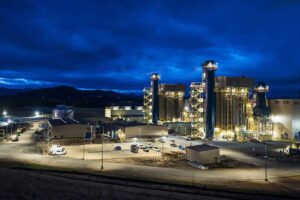
Explosion-proof lights are essential for upstream natural gas extraction. SEEKINGLED FL7 Series ensures Zone 0/1 compliance, ATEX & IECEx certification, and safe high-lumen illumination.
View details