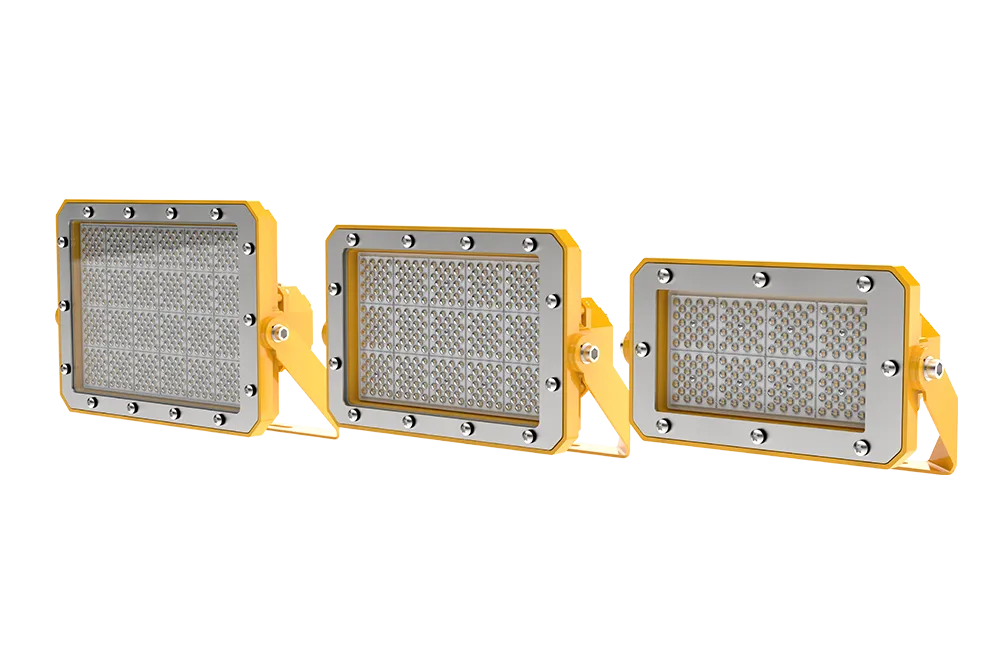
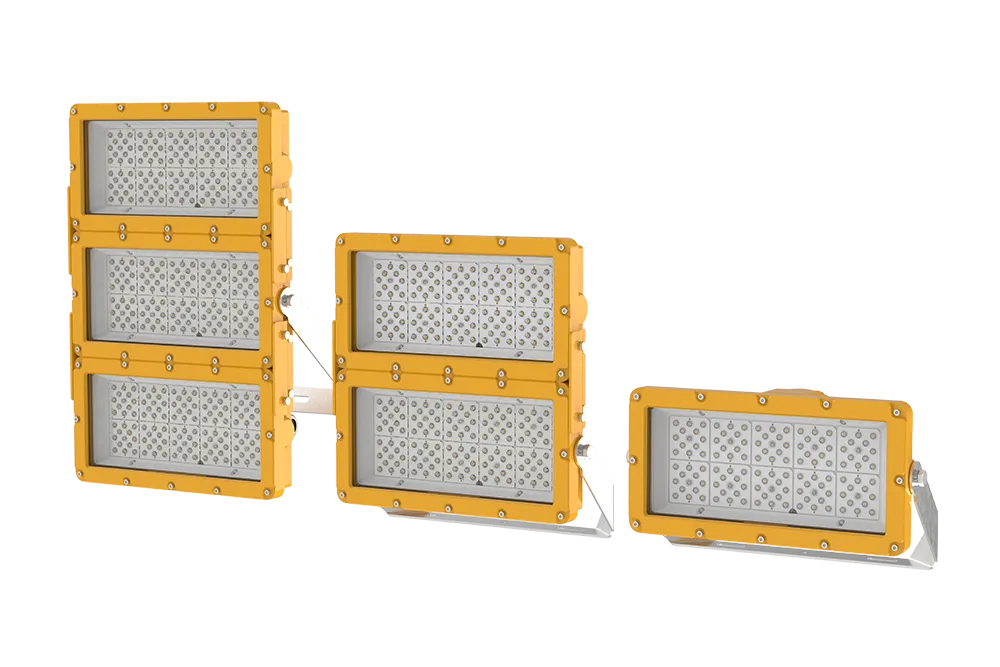
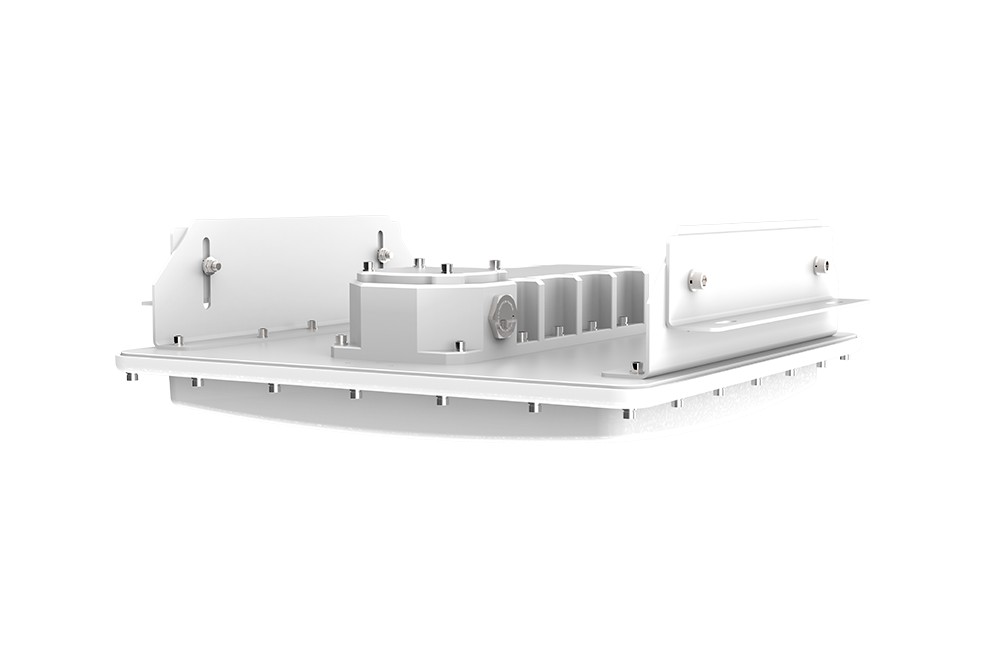
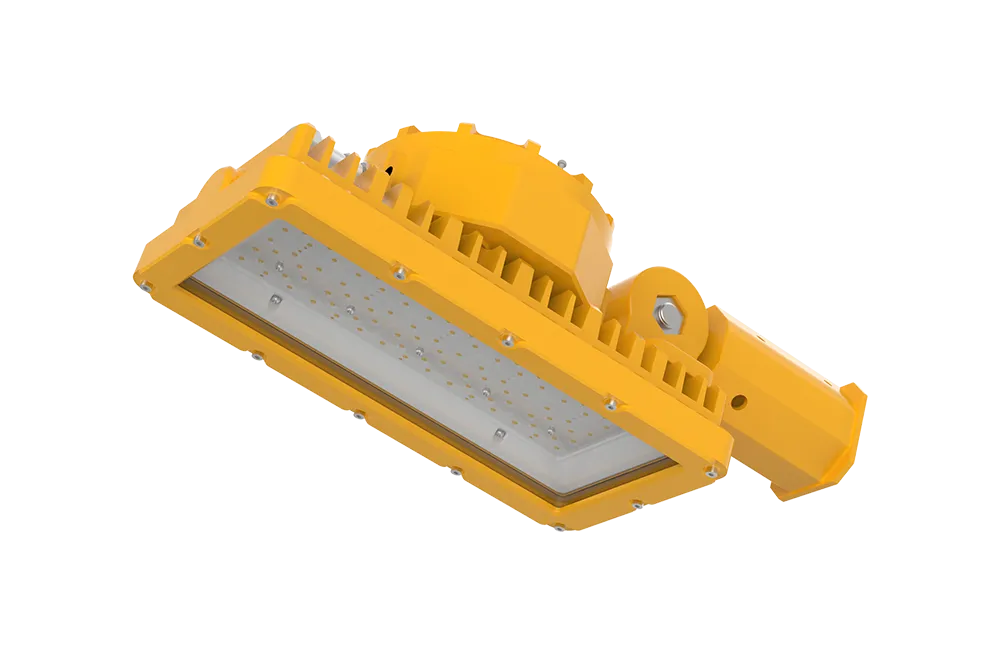
Most LED light fixtures last between 30,000 and 50,000 hours, with high-quality systems reaching up to 100,000 hours under proper thermal and electrical conditions.
That’s the clear answer. But in practice, lifespan isn’t a fixed number—it’s a moving target. I’ve seen fixtures rated for 50,000 hours fail in under two years, and others still running clean after five years in harsher environments.
The difference rarely comes from the LED chip alone.
But these numbers are based on L70 standards—the point where light output drops to 70% of original brightness.
According to the U.S. Department of Energy (energy.gov), LEDs do not “burn out” like traditional bulbs. Instead, they gradually lose brightness over time.
What L70 really means on-site
In real installations:
50,000 hours ≈ 5.7 years (24/7 operation)
≈ 11 years (12 hours/day usage)
But here’s what’s often overlooked: The fixture may still work—but no longer meet lighting requirements.
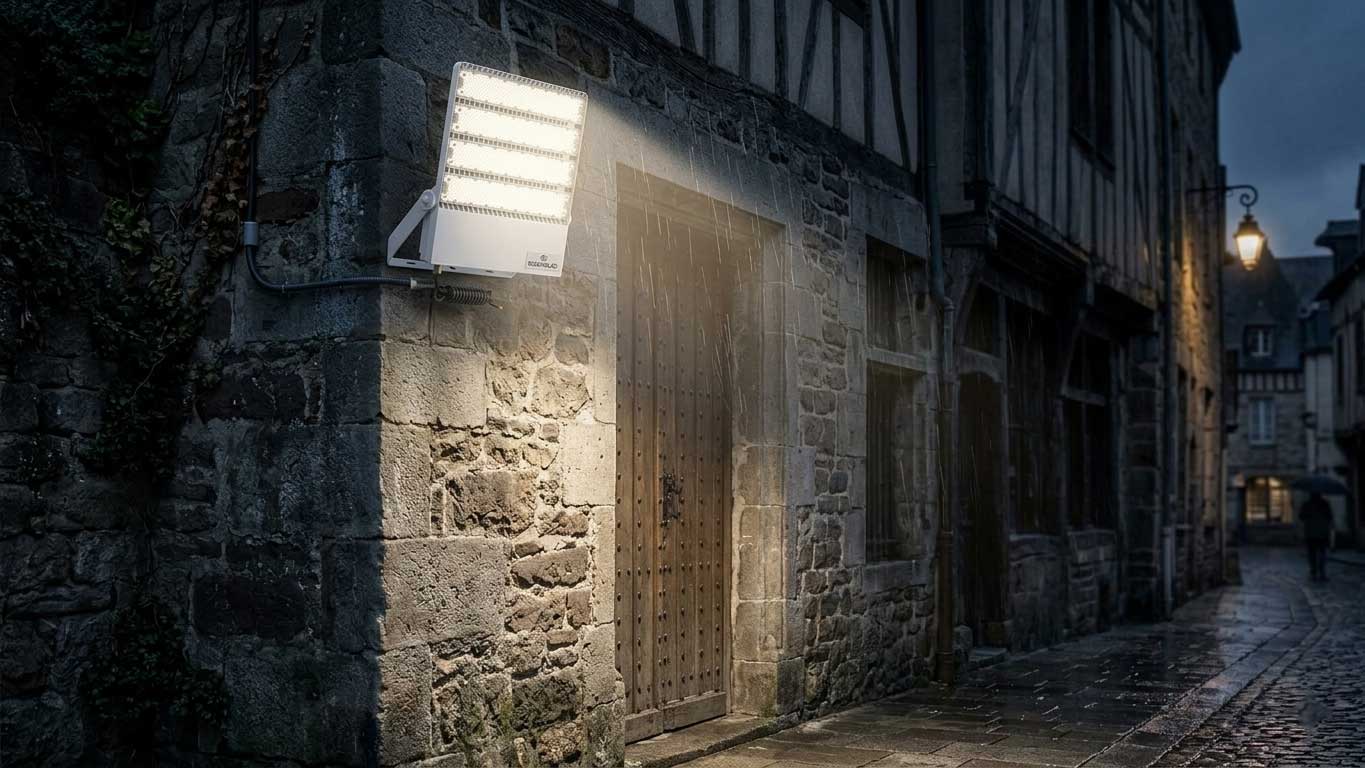
how long do LED flood lights last outdoor
utdoor environments reduce lifespan
A fixture rated at 50,000 hours indoors may perform differently outside.
Factors include:
Heat buildup
Moisture exposure
Dust and corrosion
The International Energy Agency (iea.org) notes that environmental conditions significantly impact LED system longevity.
Field observation
On outdoor floodlight projects:
Coastal areas → faster degradation
Industrial zones → driver failures more common
High humidity → sealing becomes critical
I’ve replaced drivers long before LEDs showed visible degradation.
factors affecting LED lifespan
1.Thermal management (most critical)
Heat is the primary enemy of LED lifespan.
Poor heat dissipation → rapid lumen depreciation
High ambient temperature → accelerated failure
The U.S. Department of Energy (energy.gov) confirms that thermal management is the key factor in LED longevity.
2.Driver quality
In many cases:
LED chips last longer than drivers
Driver failure = fixture failure
This is where cheaper products often fail first.
3.Power stability
Unstable voltage leads to:
Flickering
Driver stress
Early failure
4.Environmental sealing
IP65+ required for outdoor use
Poor sealing → moisture damage
LED fixture lifetime vs bulb comparison
Why LEDs last longer than traditional lighting
Lighting Type
Typical Lifespan
Failure Mode
Incandescent
1,000 hrs
Burnout
Halogen
2,000–4,000 hrs
Filament failure
Metal Halide
10,000–20,000 hrs
Lumen drop
LED Fixture
30,000–100,000 hrs
Gradual degradation
The U.S. Department of Energy (energy.gov) reports LEDs last significantly longer due to solid-state design and lower heat output.
practical insights from real installations
What shortens lifespan fastest
High ambient heat
Cheap drivers
Poor installation (sealed airflow)
What extends lifespan
Proper heat dissipation design
Stable power supply
Correct installation spacing
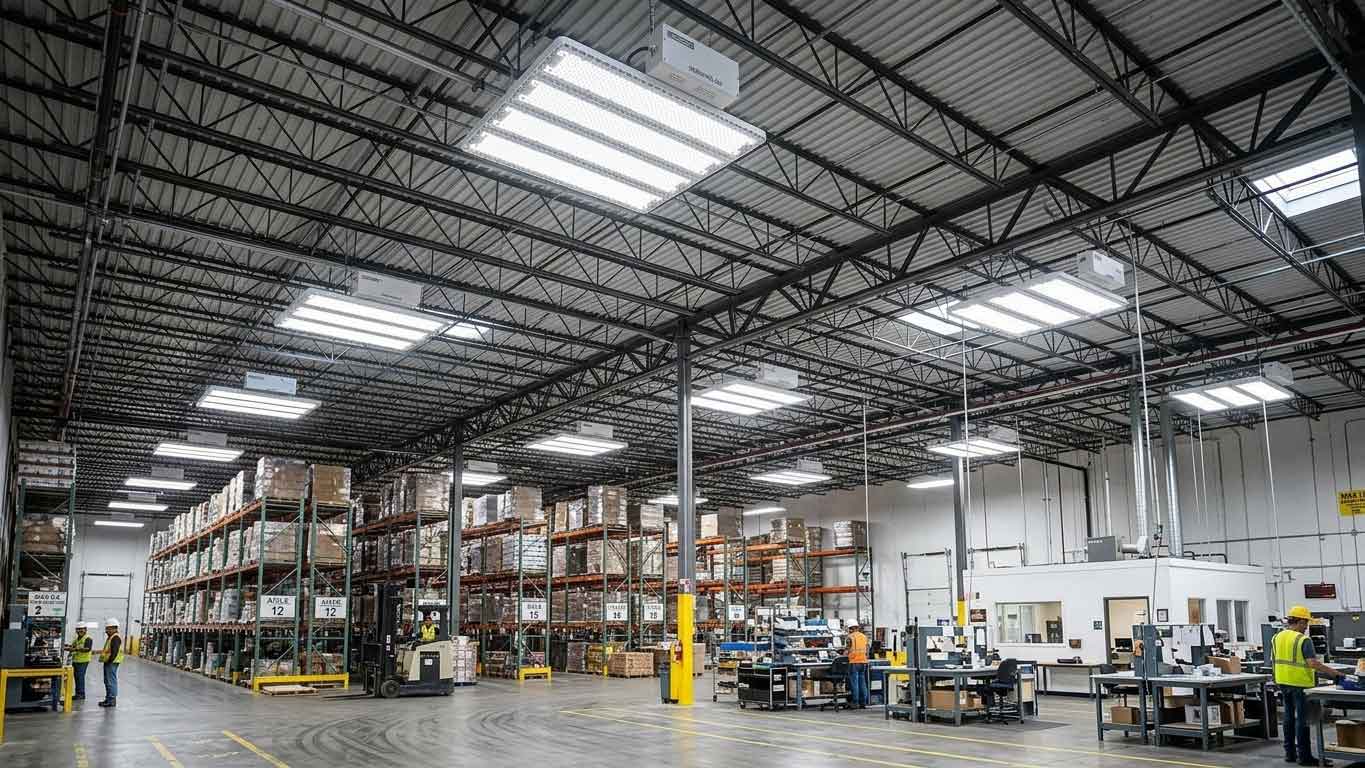
In one warehouse project, improving ventilation extended fixture life without changing products.
FAQ: how long does led light fixture last
Do LED fixtures really last 50,000 hours?
Yes, but only under proper operating conditions.
What fails first in an LED fixture?
Usually the driver, not the LED chip.
Can LED lights last 10 years?
Yes, especially with moderate daily usage and good thermal design.
I work with SEEKINGLED on LED lighting systems, including:
Outdoor and industrial installations
Lifespan testing under real conditions
Failure analysis and optimization
These insights come from field performance—not just manufacturer specifications.
Final field observation
how long does led light fixture last is not just about hours—it’s about conditions. The same fixture can last 10 years or fail in two, depending on heat, power, and environment. In real projects, longevity is engineered, not assumed.
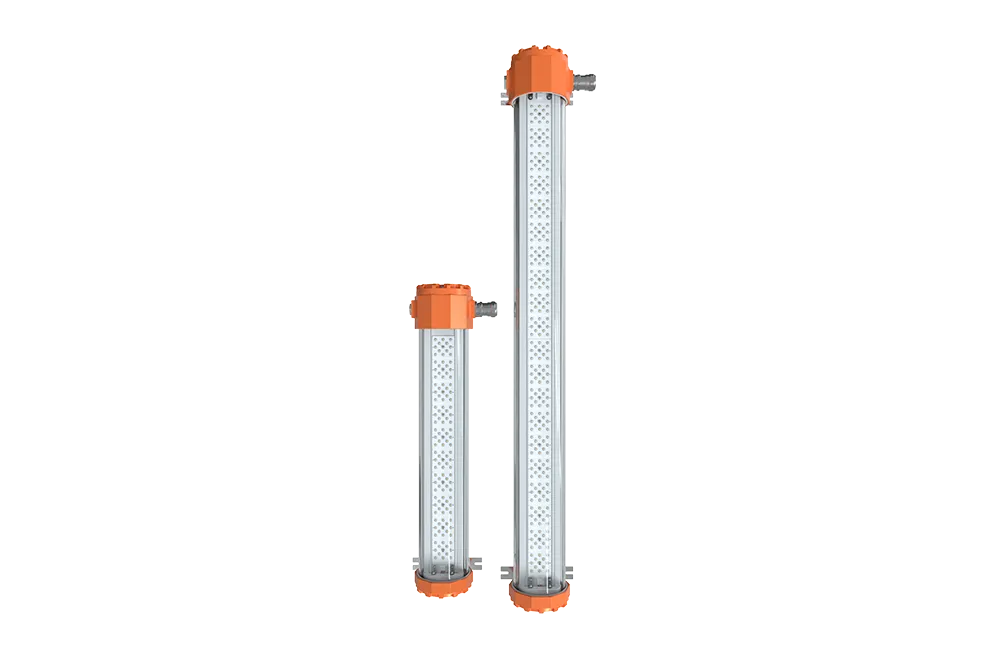
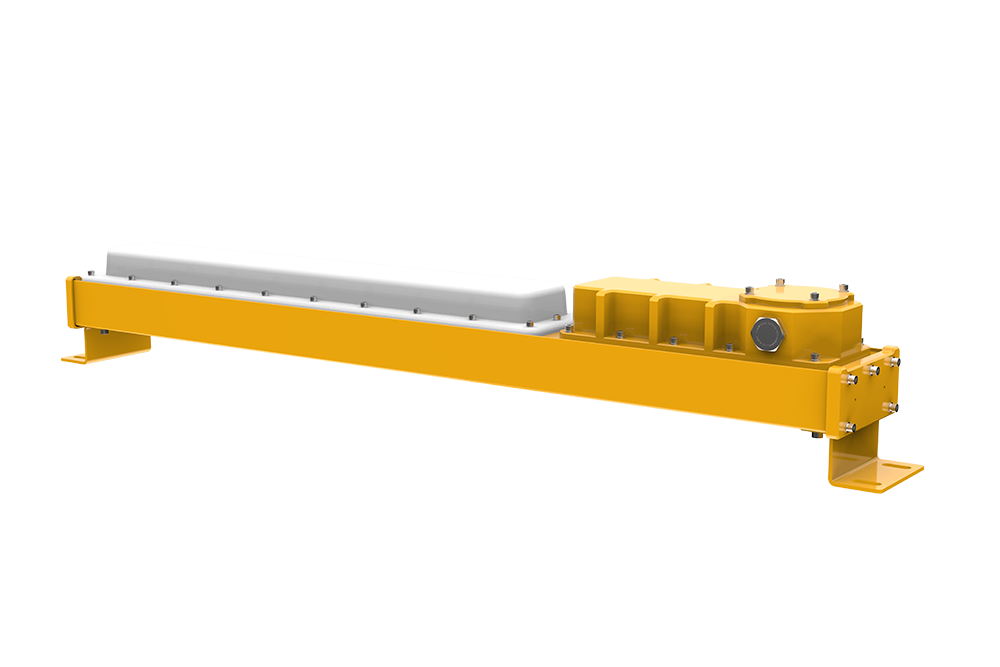
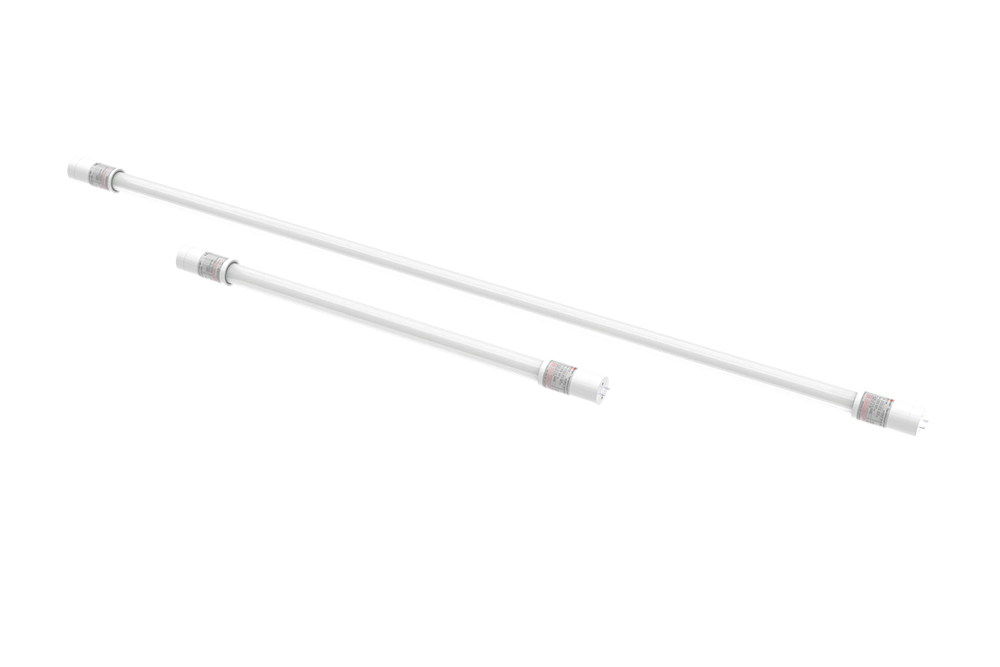
SEEKINGLED LED Linear Explosion Proof Light and Explosion Proof lighting is ATEX and IECEx certified for Zone 1, Zone 2, Zone 21 and Zone 22 hazardous locations, built for long-term industrial use.
LED Linear Explosion Proof Lights and EX Proof lights for Zone 1, Zone 2, Zone 21 and Zone 22 hazardous areas. ATEX & IECEx certified explosion proof LED linear lighting with emergency function, adjustable power and IP67 protection by SEEKINGLED.
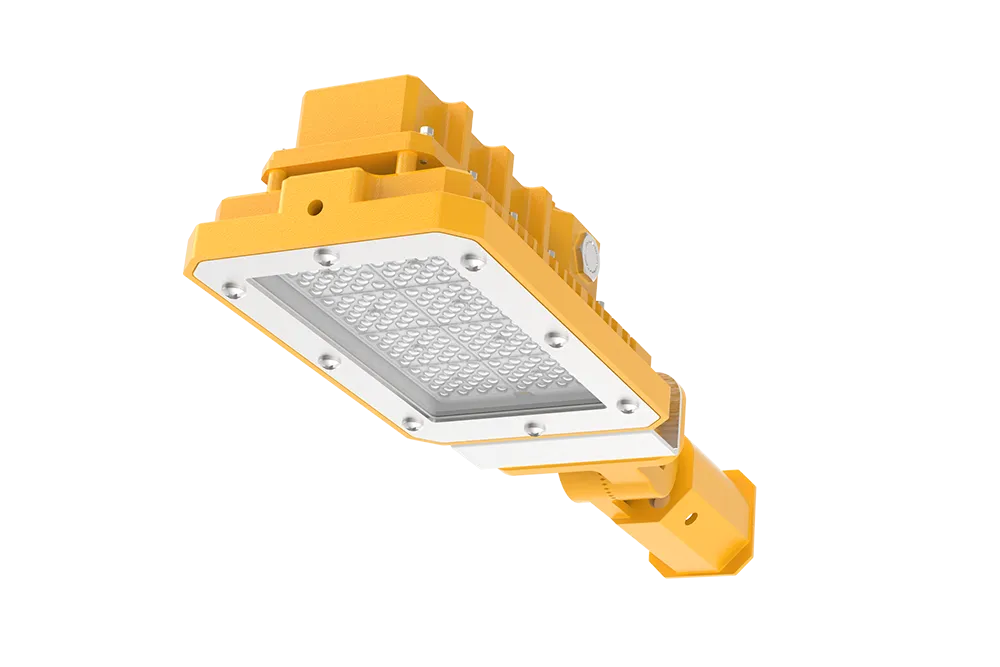
SEEKINGLED LED Explosion Proof Flood Lights are ATEX certified for Zone 2 and Zone 22 hazardous areas, offering high efficiency, adjustable power and integrated junction box.
SEEKINGLED LED Explosion Proof Flood Lights are flameproof ATEX and IECEx certified for Zone 1 and Zone 2 hazardous areas, offering high power, adjustable output and long service life.
SEEKINGLED LED Gas Station Canopy Lights are ATEX certified for Zone 2 and Zone 22 hazardous areas, featuring adjustable power and built-in explosion-proof junction box.
ATEX: Ex II 2G Ex db IIB T6/T5 GbEx II 2D Ex tb IIIC T80°C/ T95°C Db IECEx Ex db IIB T6 Gb;Ex tb IIIC T80°C Db Feature: ● For Zone 1,2 and Zone 21,22● Flameproof type, the strongest● 100W can replace 250W HID,energy saving● Power:60W,80W,100W Application: Oil and gas, marine, Chemical, pharmaceutical, semiconductor,mining,military industr…
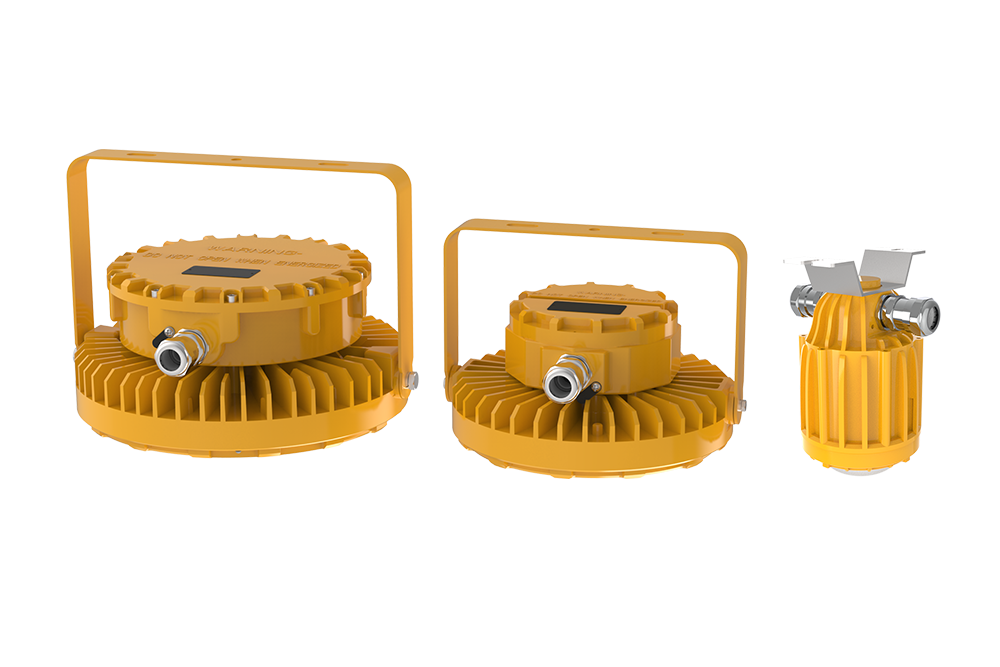
ATEX: II 3G Ex nR ⅡC T5/T6 GcII 3D Ex tc ⅢC T80℃/T95℃Dc ATEX Certificate NO: TÜV CY 26 ATEX 0207611 X Feature: ● For Zone 2 and Zone 22● 150W can replace 250W HID lamps,Energy saving● Power:50W,75W,100W,150W,200W Application: Oil and gas, marine, Chemical, pharmaceutical, semiconductor,mining,military industry, paint booth,power plant ETC…
LED explosion proof high bay lights are designed for Zone 1, Zone 2, Zone 21 and Zone 22 hazardous areas. This page introduces the HB21 Series from SEEKING, including certifications, power options and real application considerations.
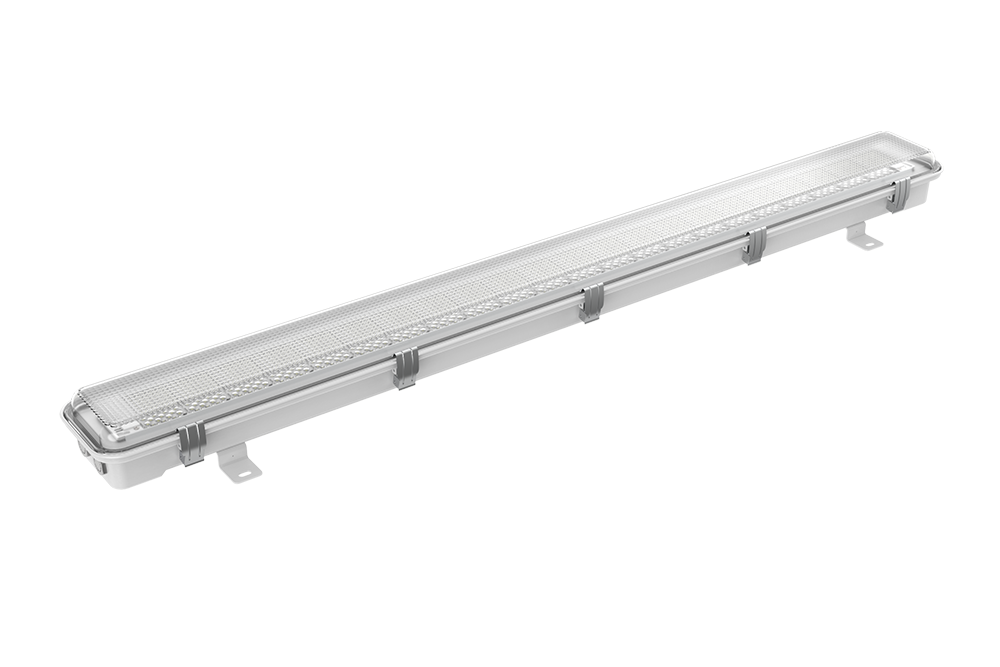
LED Linear Explosion Proof Lights from SEEKINGLED. LU Series Flame Proof lights ATEX-certified explosion proof LED linear lighting for Zone 2 gas and Zone 22 dust areas, IP69K, IK10, long lifetime and flexible power options.
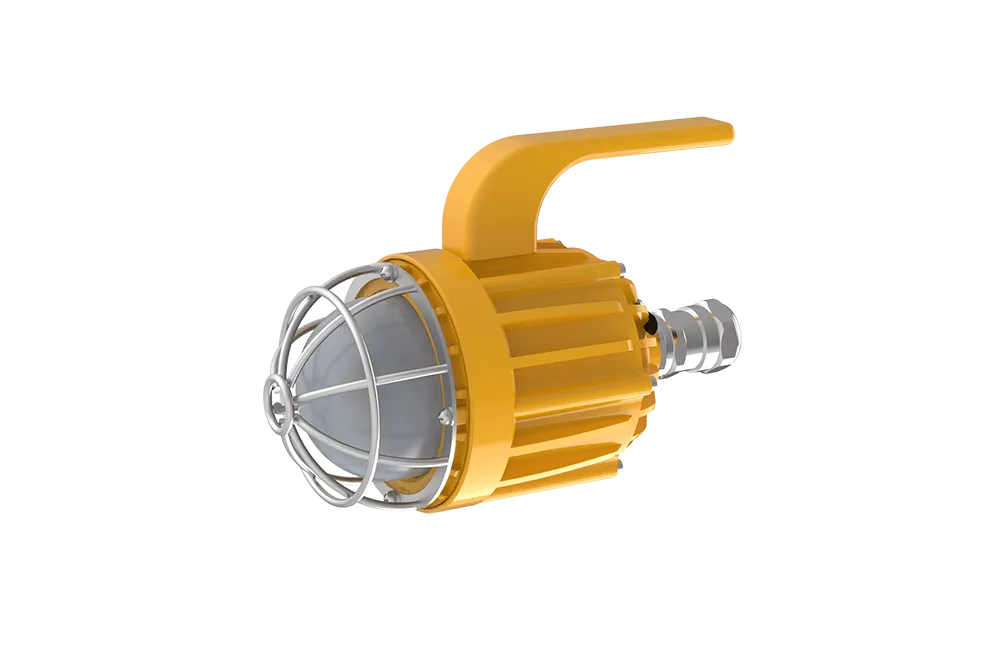
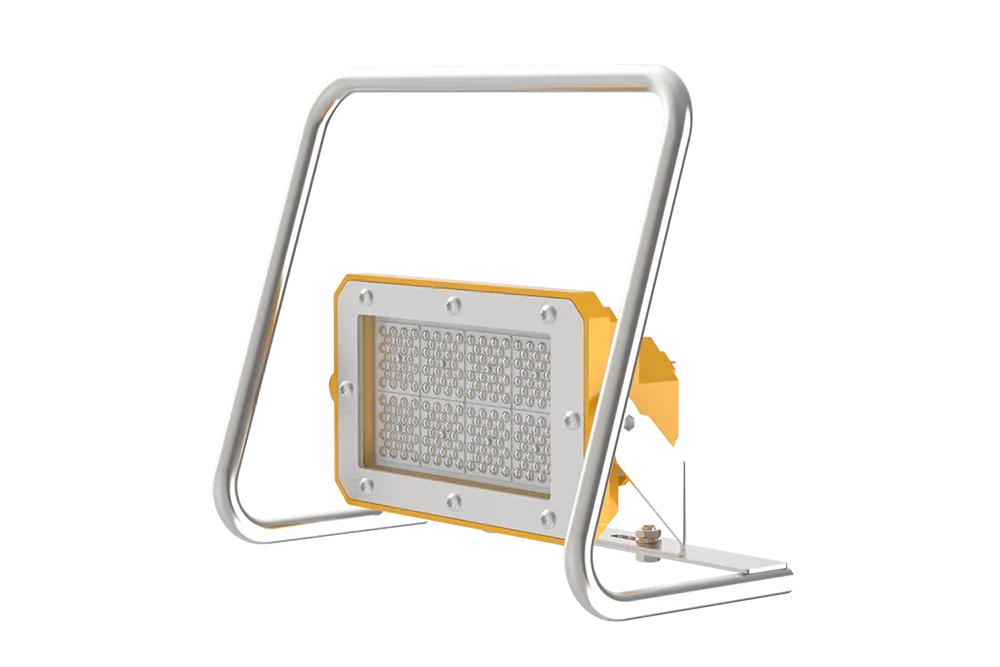
Certified explosion proof work lights for Zone 1 & 21 hazardous areas. Portable, ATEX & IECEx approved, built for oil, gas and chemical plants by SEEKINGLED.
ATEX: II 3G Ex nR ⅡC T6 GcII 3D Ex tc ⅢC T80℃ Dc ATEX Certificate NO: TÜV CY 26 ATEX 0207611 X Feature: ● For Zone 2 and Zone 22● Accepts battery-powered supply● indestructible● Power:AC input:50W,75W,100WDC input:15W,25W,35W Application: Oil and gas, marine, Chemical, pharmaceutical, semiconductor,mining,military industry, paint booth,po…
ATEX: Ex II 2G Ex db IIB T6 GbEx II 2D Ex tb IIIC T80°C Db IECEx Ex db IIB T6 Gb;Ex tb IIIC T80°C Db Feature: ● For Zone 1,2 and Zone 21,22● Flameproof type, the strongest Application: Oil and gas, marine, Chemical, pharmaceutical, semiconductor,mining,military industry, paint booth,power plant ETC hazardous area. Technical Specifications:…
ATEX: Ex II 2G Ex db IIB T6 GbEx II 2D Ex tb IIIC T80°C Db IECEx Ex db IIB T6 Gb;Ex tb IIIC T80°C Db Feature: ● For Zone 1,2 and Zone 21,22● Flameproof type, the strongest Application: Oil and gas, marine, Chemical, pharmaceutical, semiconductor,mining,military industry, paint booth,power plant ETC hazardous area. Technical Specifications:…
ATEX: Ex II 2G Ex d e IIB T6 Gb ATEX: Ex d e IIB T6 Gb; Feature: ● For Zone 1,2● 9W can replace 18W fluorescent lamps,50% Energy saving Application: Oil and gas, marine, Chemical, pharmaceutical, semiconductor,mining,military industry, paint booth,power plant ETC hazardous area. Technical Specifications: Standards:60079-0, 60079-1, 60079…
Need to know how to change outdoor led light bulb safely? This practical guide shows simple steps, tools, and safety tips for porch, garden, and flood lights. Learn the right way with SEEKINGLED.
 Seeking LED