In factory environments, lighting is rarely discussed unless there is a problem. When visibility drops, energy bills rise, or maintenance becomes frequent, lighting quickly turns into an operational issue. This is one reason factory LED lighting solutions have become common in both new facilities and retrofit projects.
From an engineering perspective, factories place heavy demands on lighting systems. Fixtures often run for long hours, sometimes across multiple shifts, and are exposed to vibration, dust, or temperature changes. Traditional metal halide or fluorescent lamps can struggle under these conditions, especially as output degrades over time.
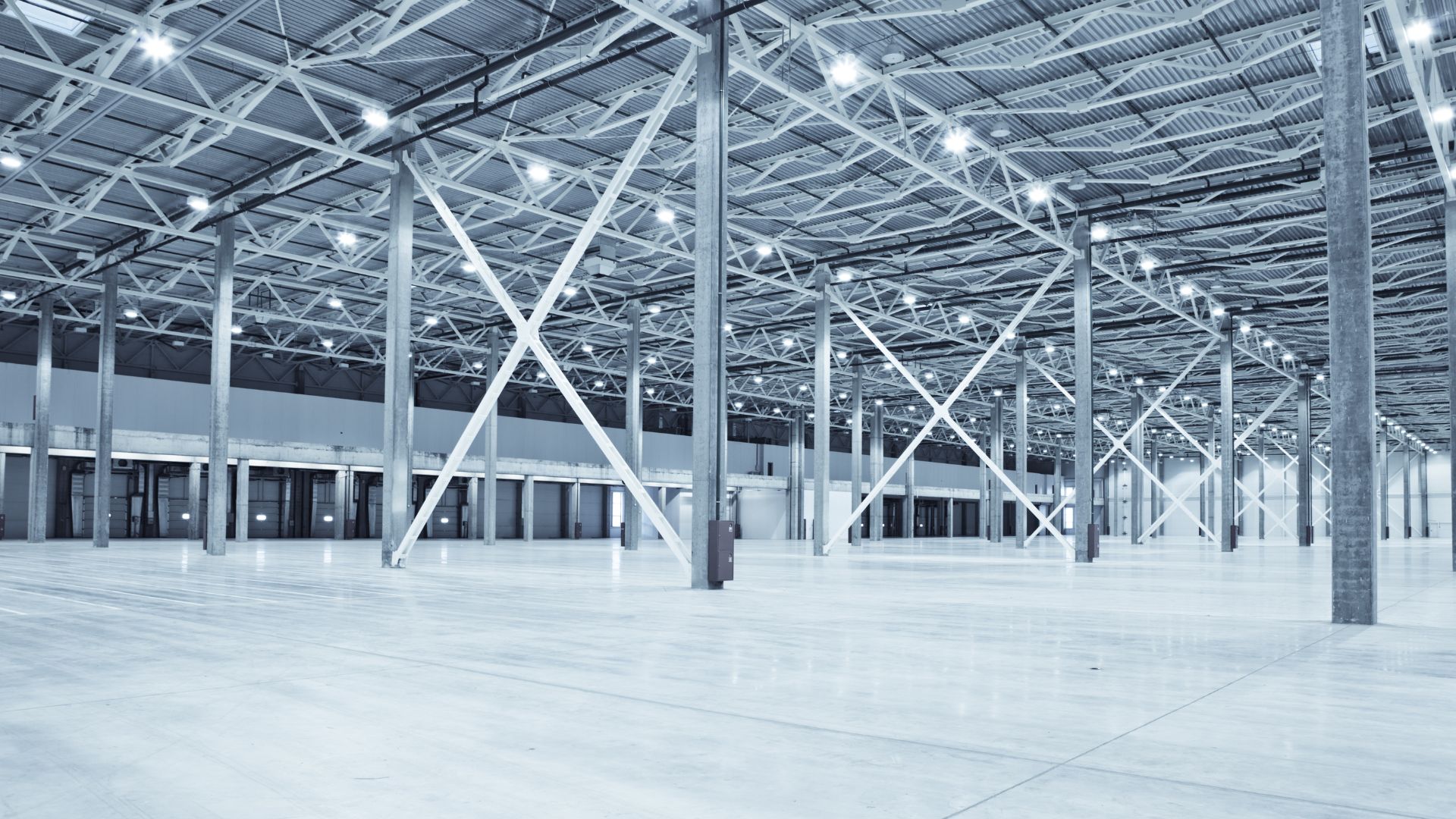
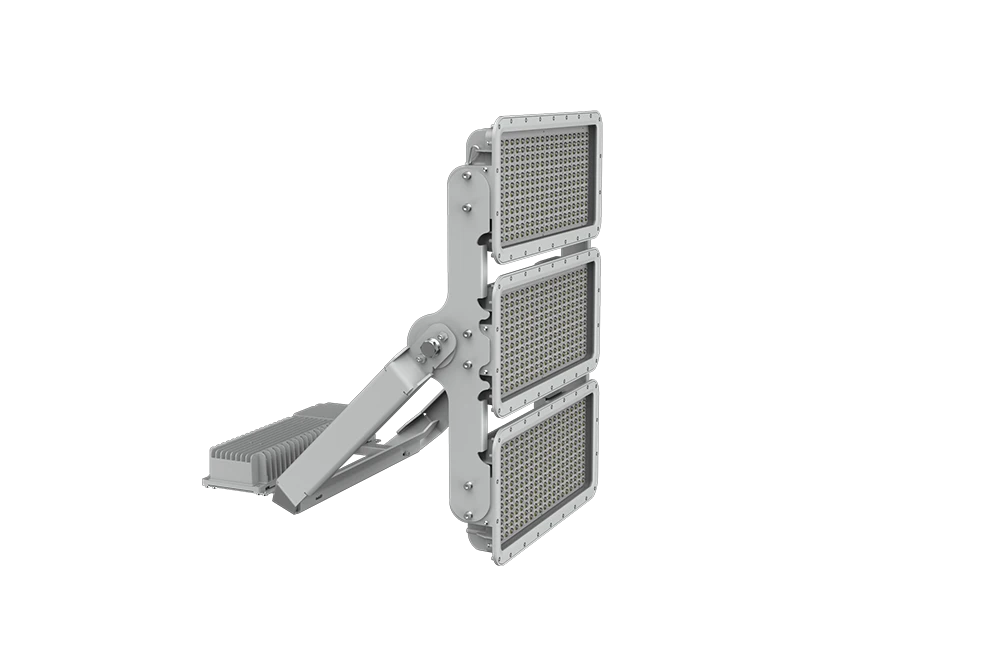
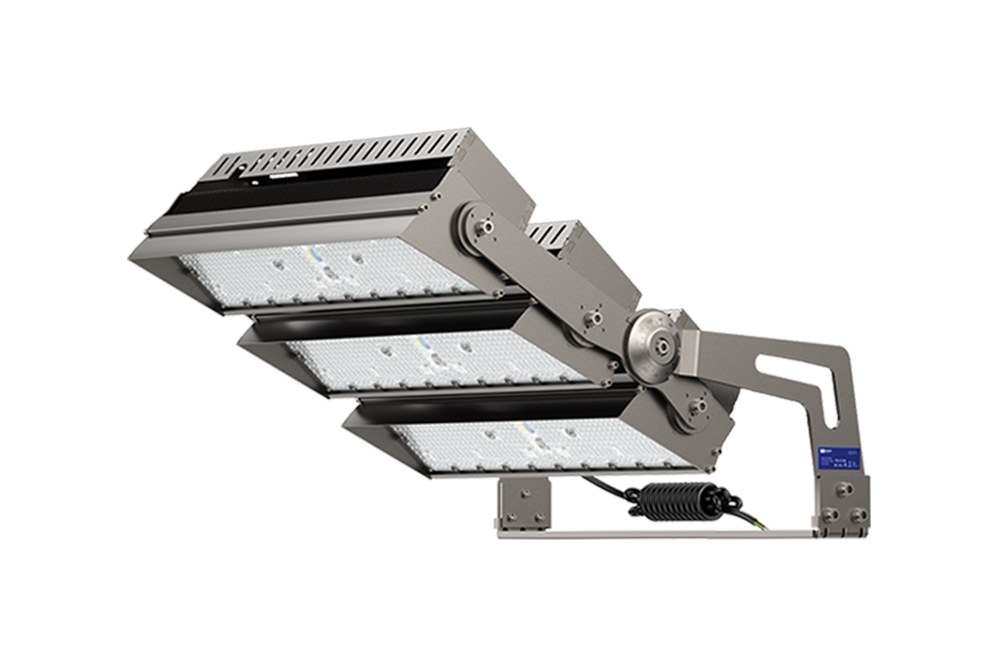
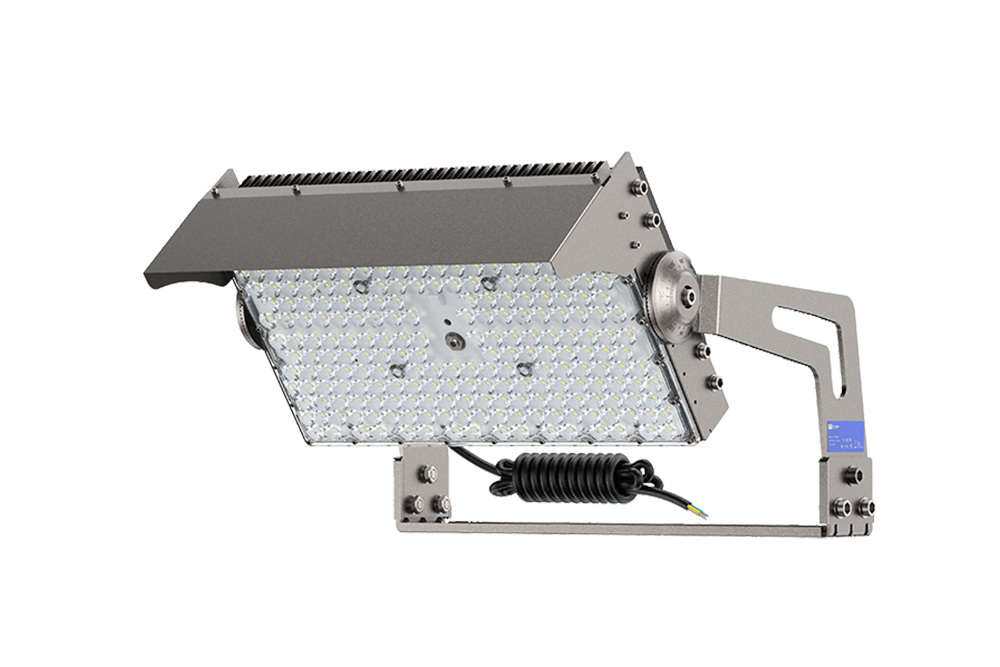
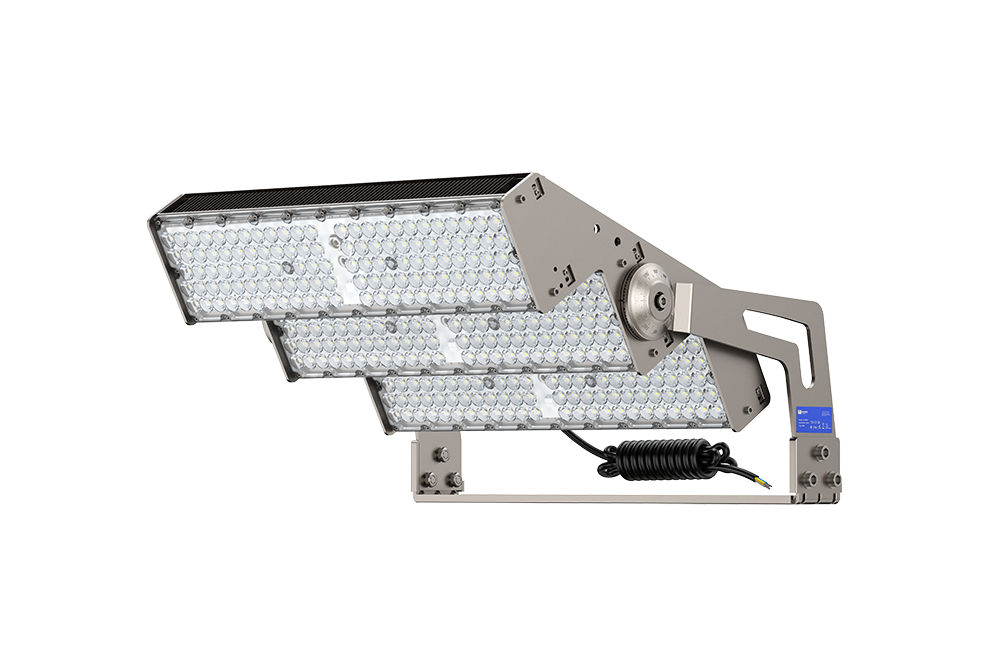
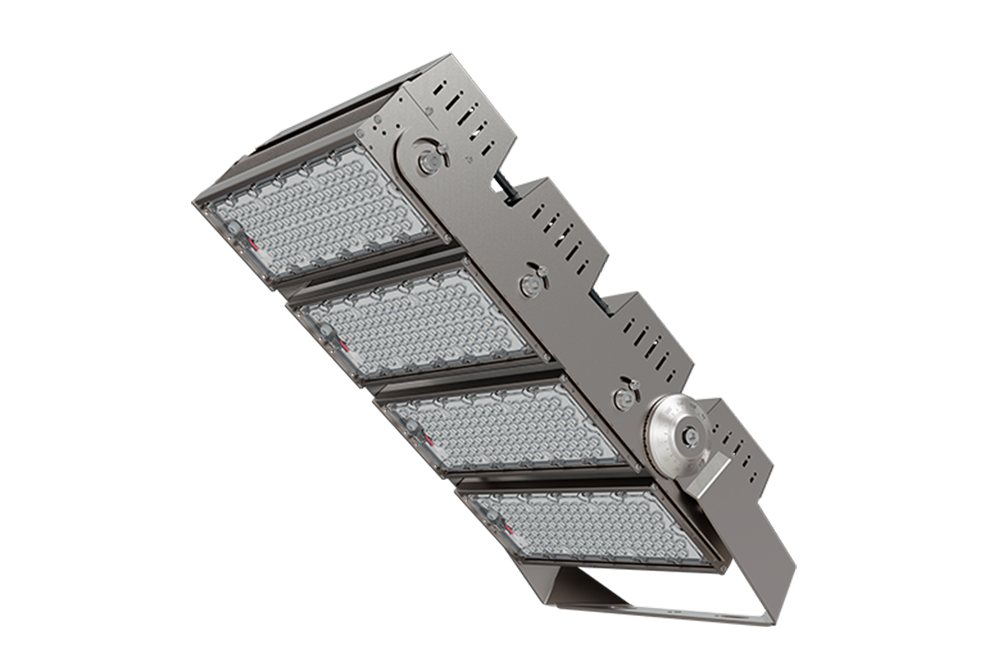
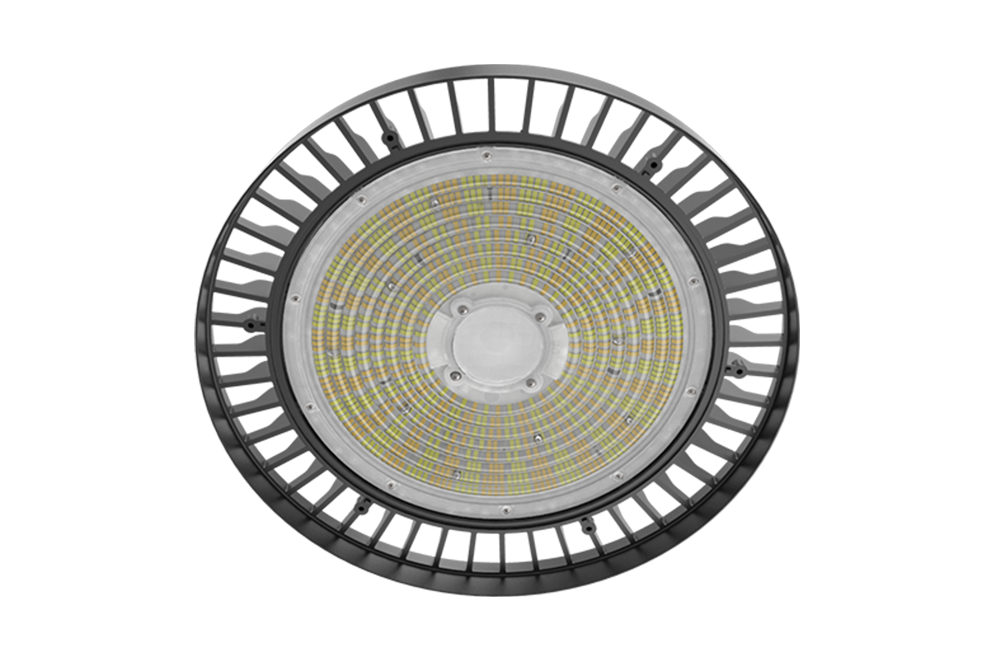
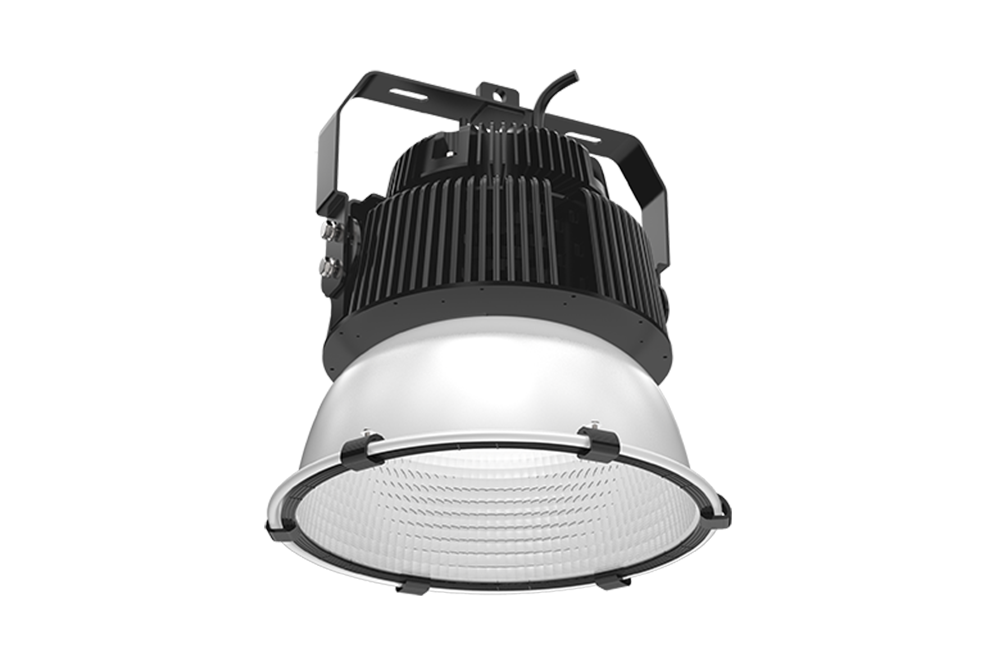
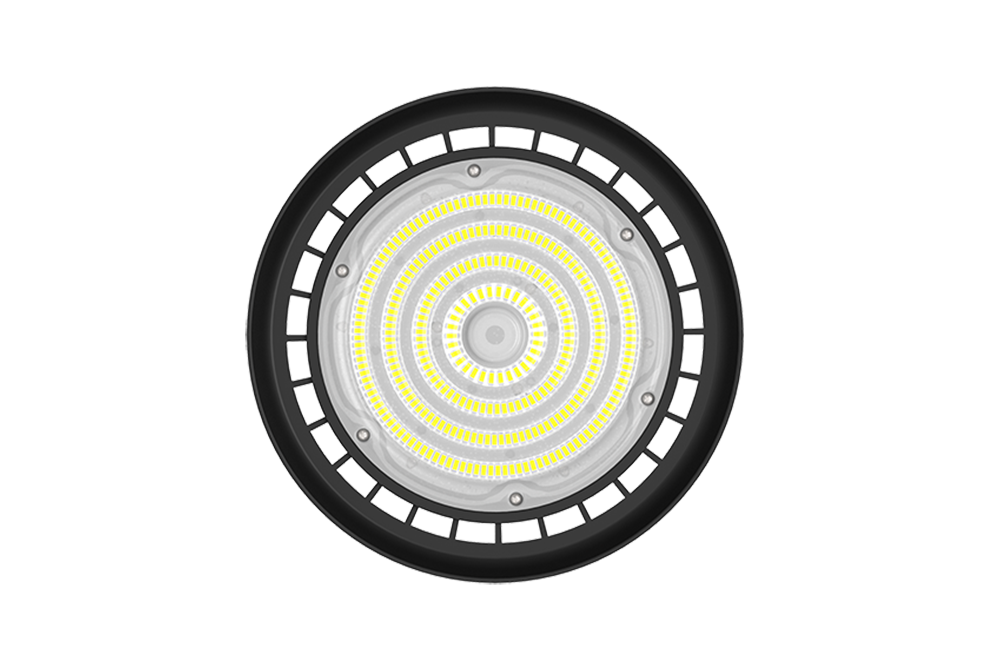
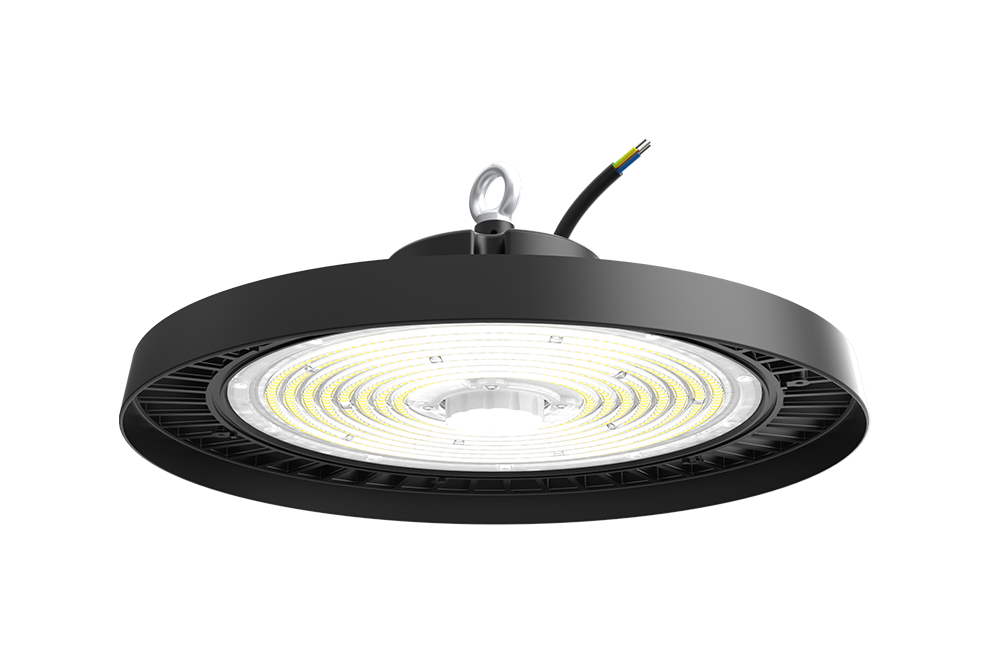
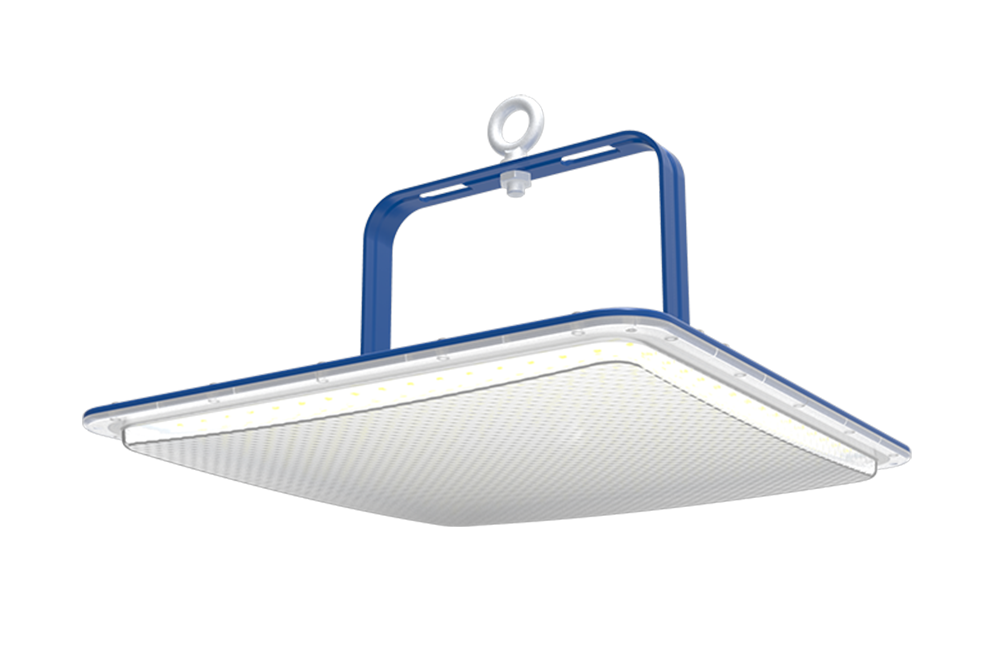
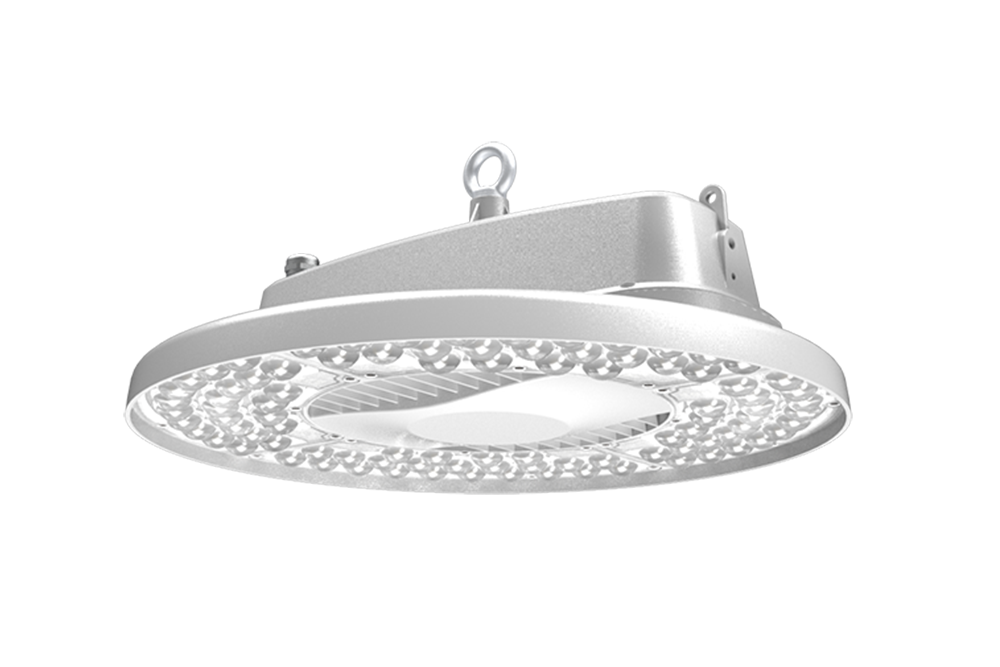
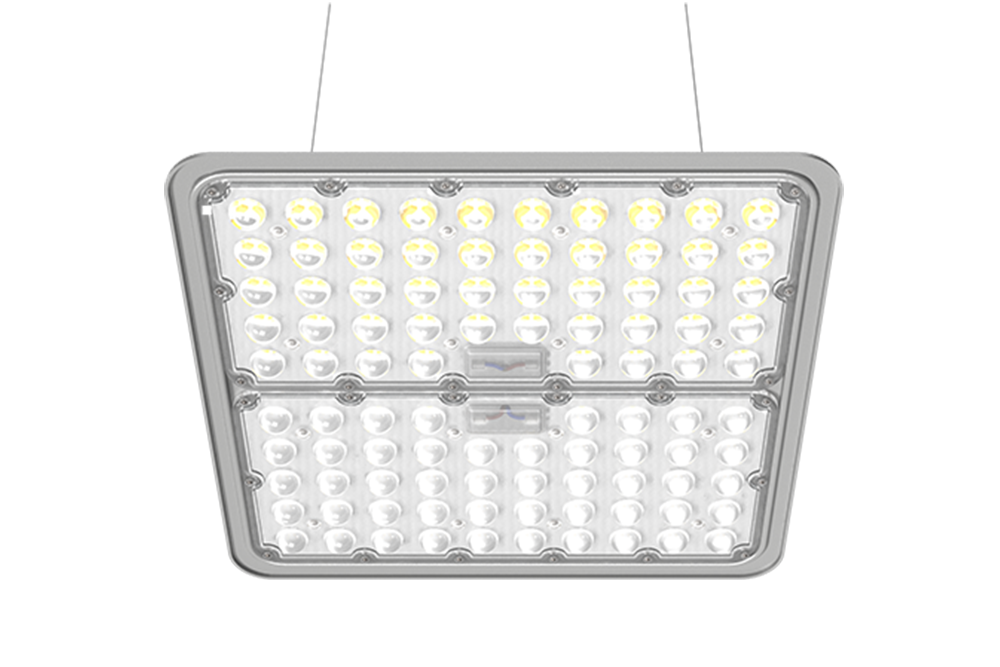
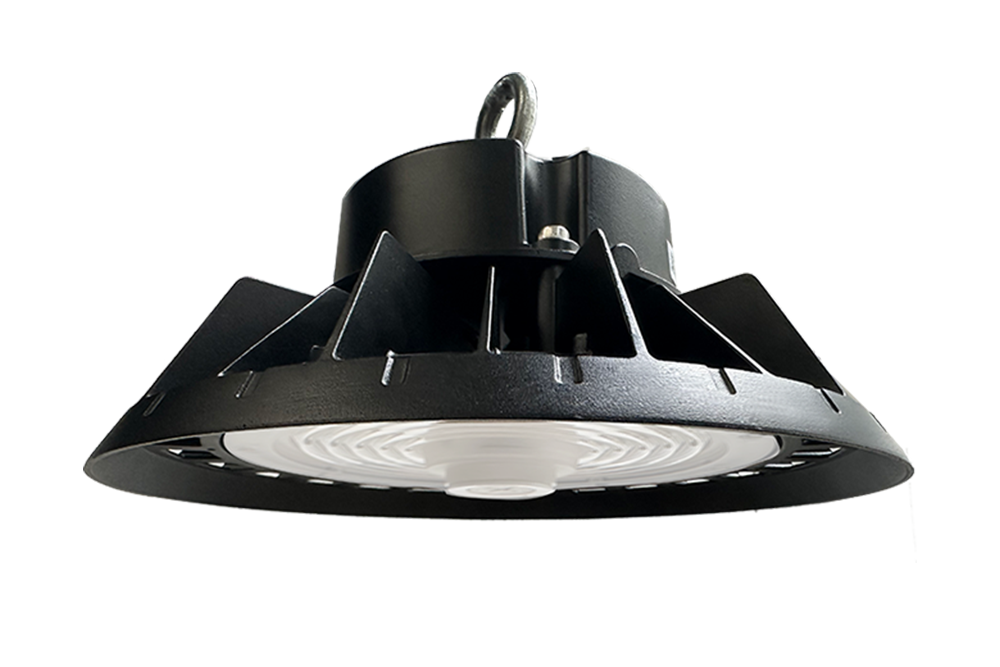
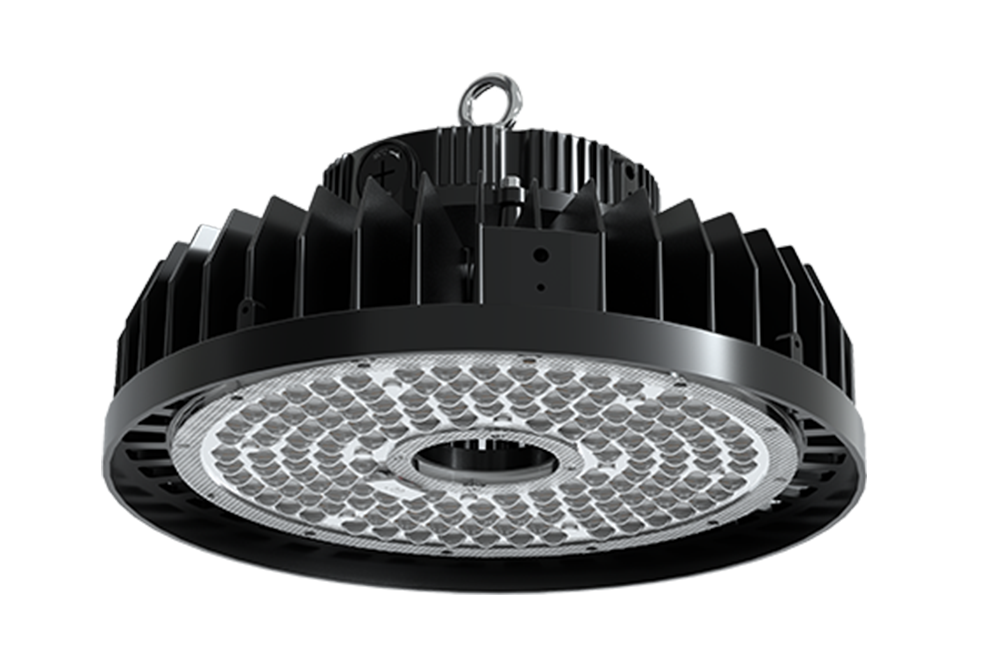
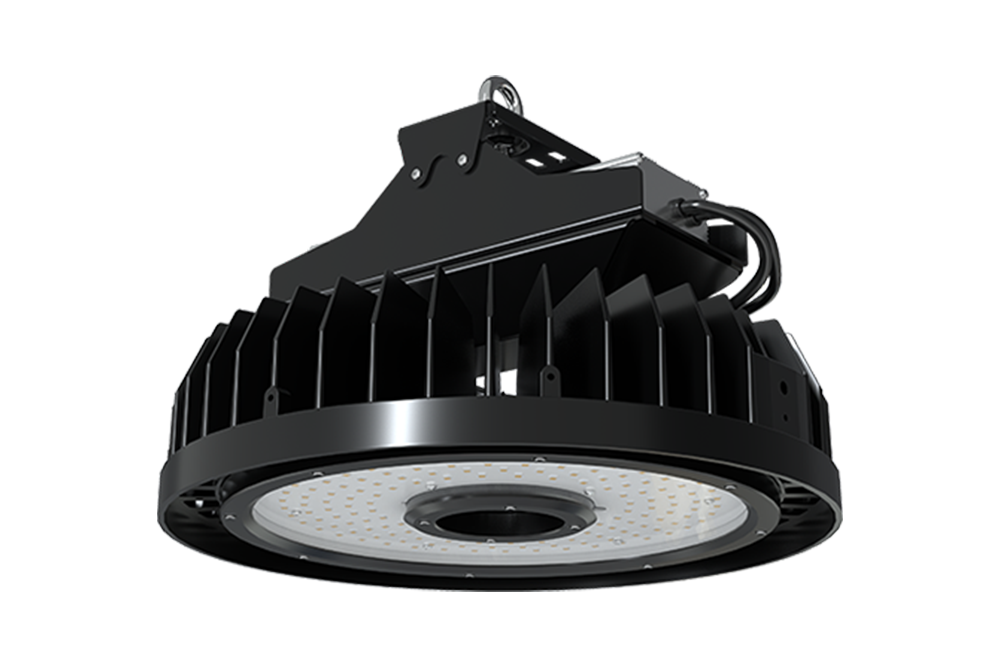
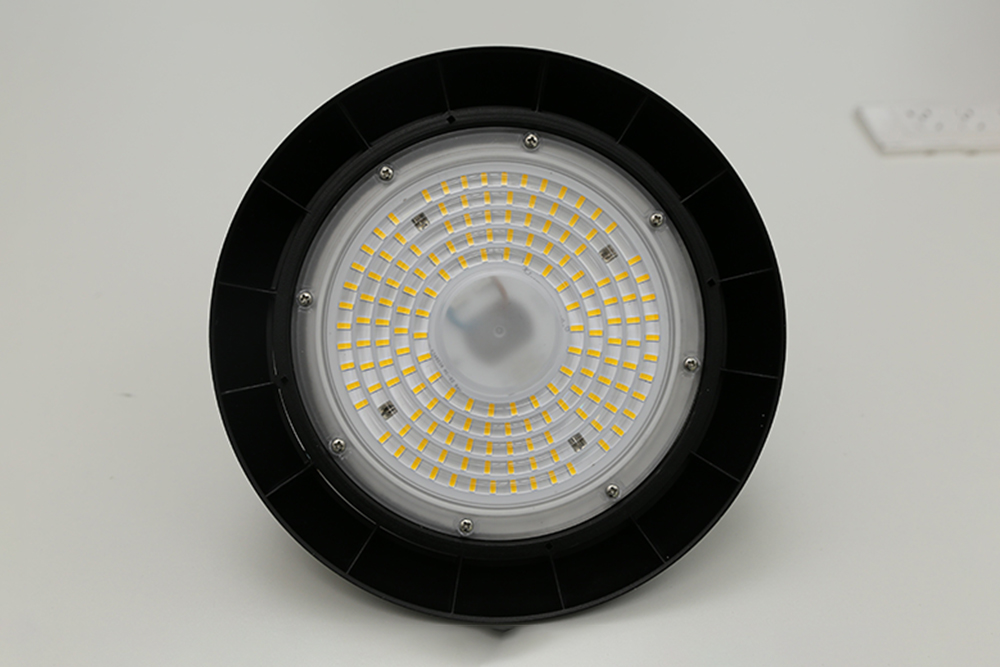
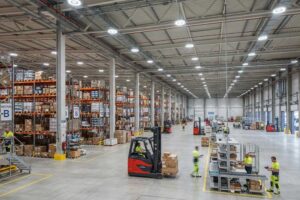
LED lighting addresses several of these issues at once. Power consumption is lower, and light output remains stable for much longer. In large production halls, LED high bay lights are frequently used to provide wide, uniform coverage without dark zones between machines or workstations. This consistency helps reduce visual fatigue during repetitive tasks.
Light quality also plays a role in daily production. Poor color rendering or flicker can affect precision work and inspection tasks. LED luminaires provide steady illumination with higher color accuracy, which is especially important in assembly lines, quality control areas, and packaging zones. Neutral white light is often selected to keep the space clear and focused without feeling harsh.
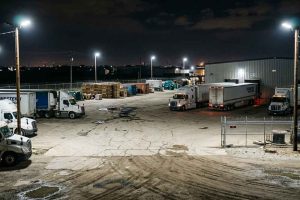
LED lighting supporting daytime production operations
Safety is another factor driving LED adoption. Instant start-up eliminates the delay seen in older discharge lamps. In practice, this means full brightness is available immediately after power restoration or during emergency switching. Better visibility around moving equipment and walkways helps reduce avoidable incidents.
Maintenance access is a real concern in factories with high ceilings. Replacing failed lamps often requires production downtime or special lifting equipment. LED fixtures are designed for long service life, which reduces intervention frequency. Over time, this leads to lower maintenance cost and less disruption to daily operations.
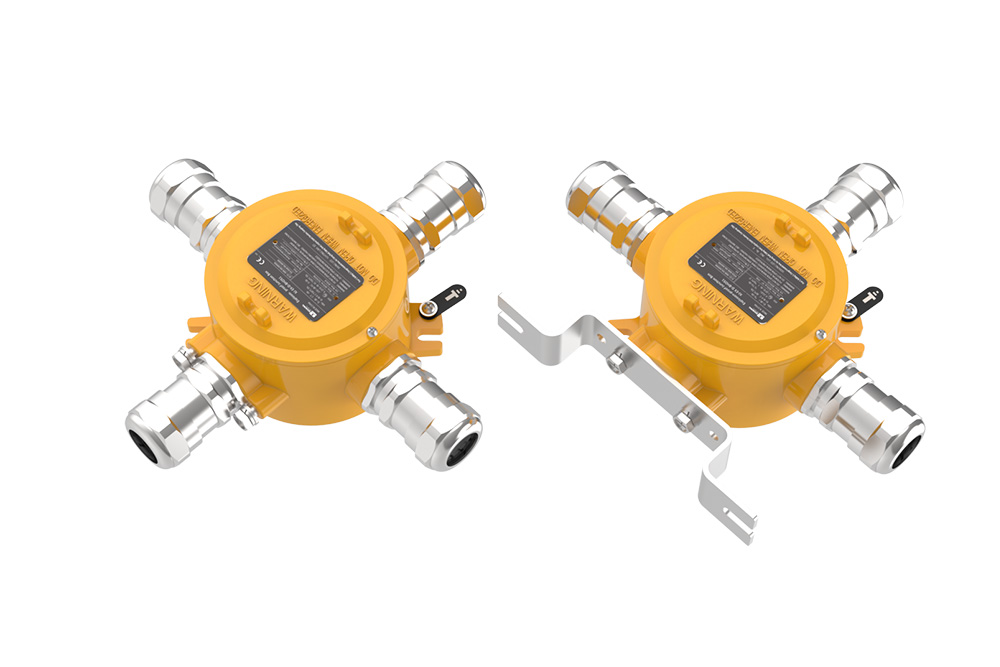
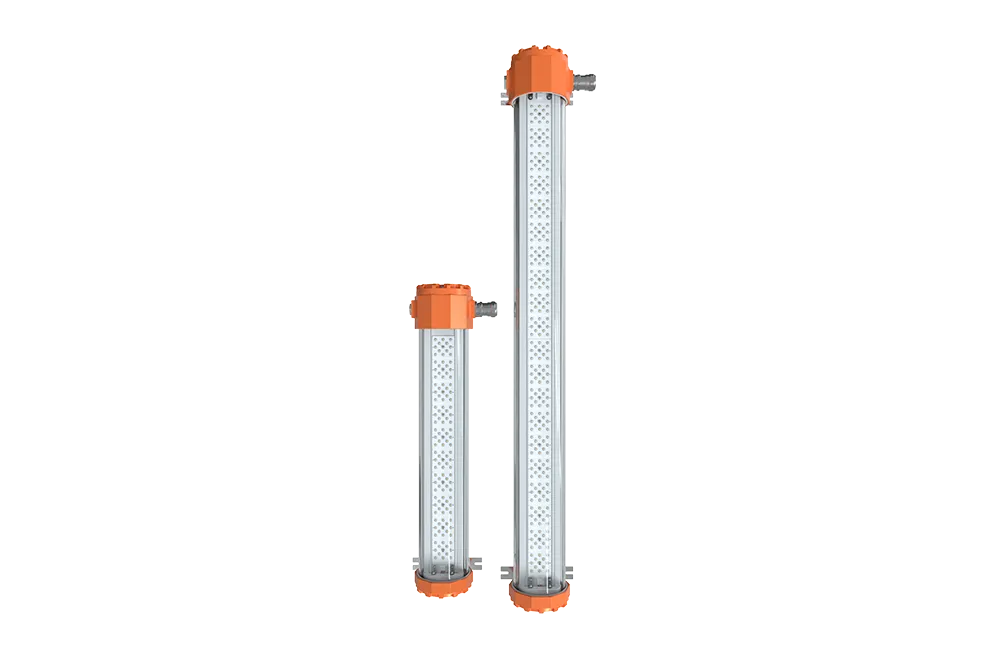
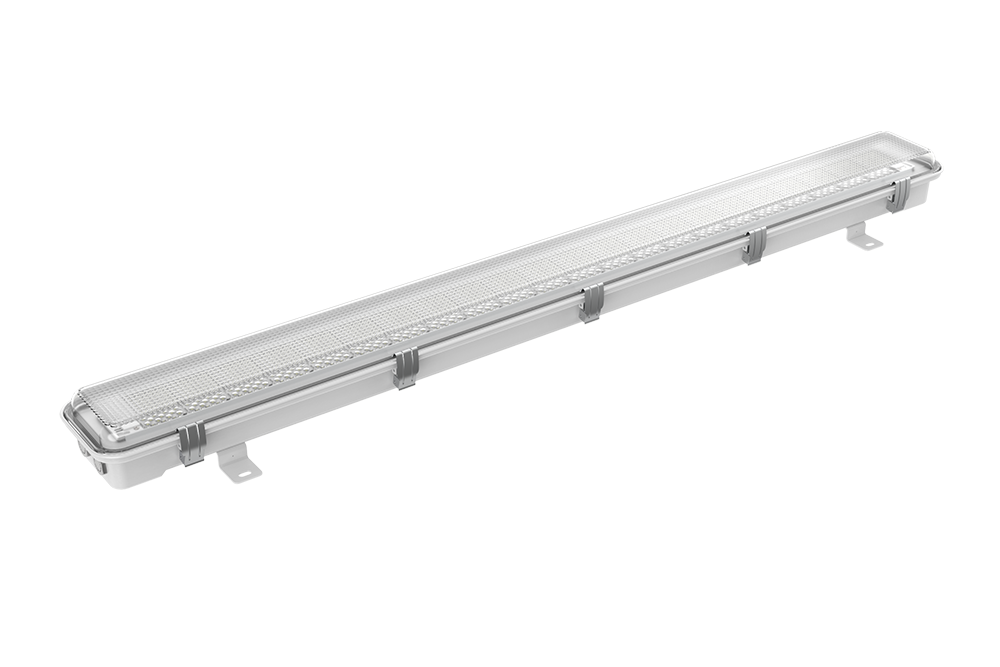
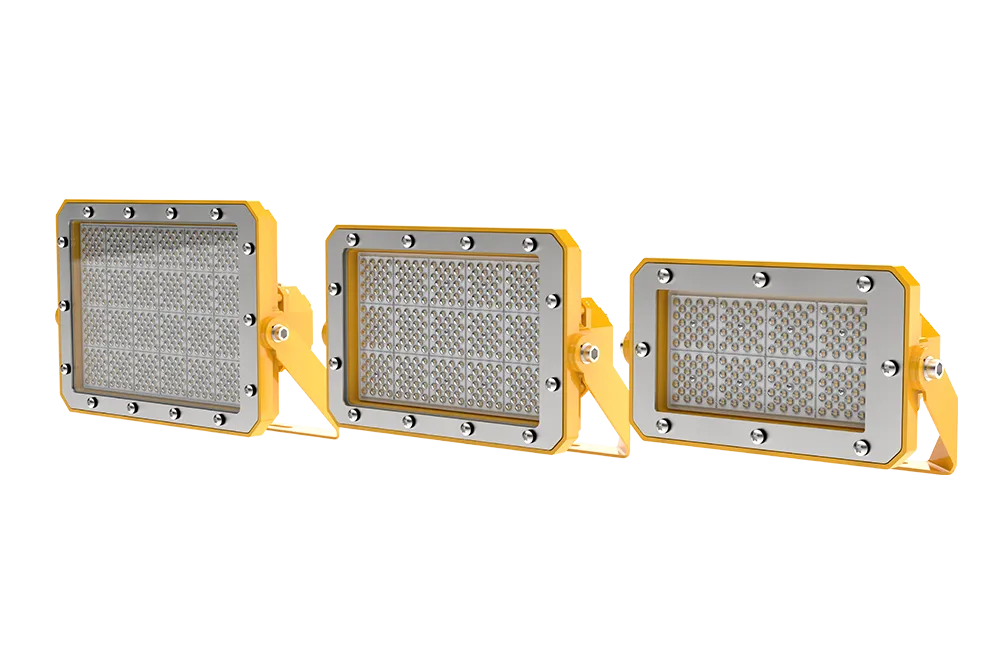
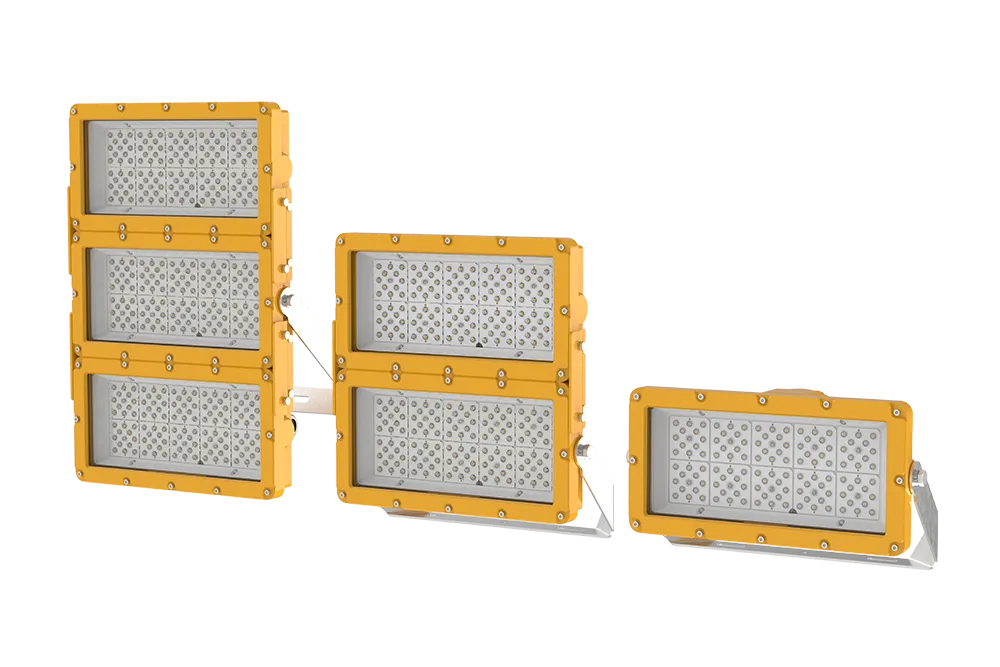
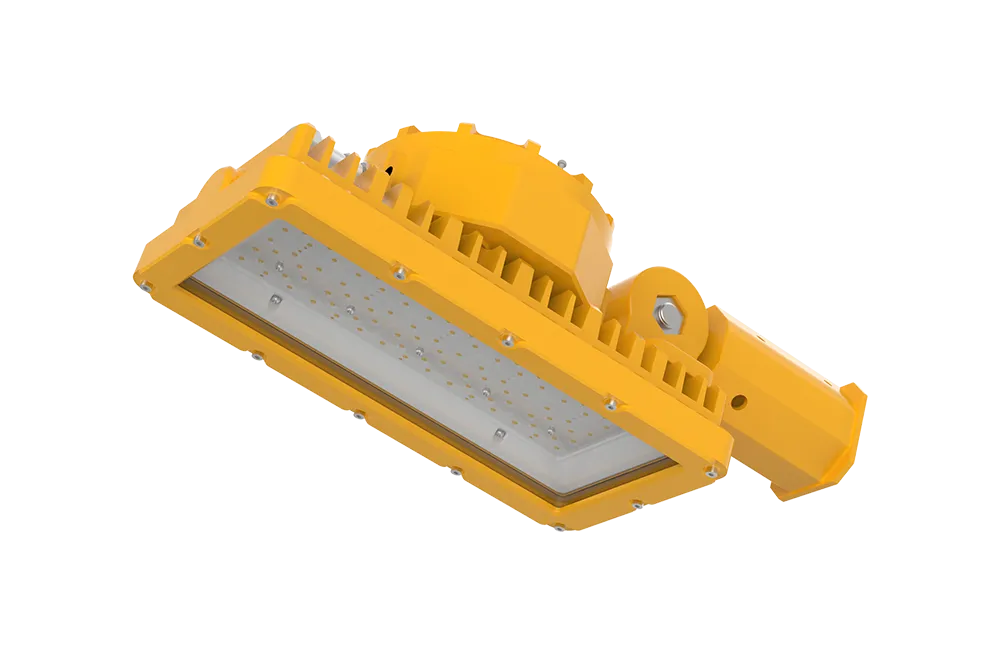
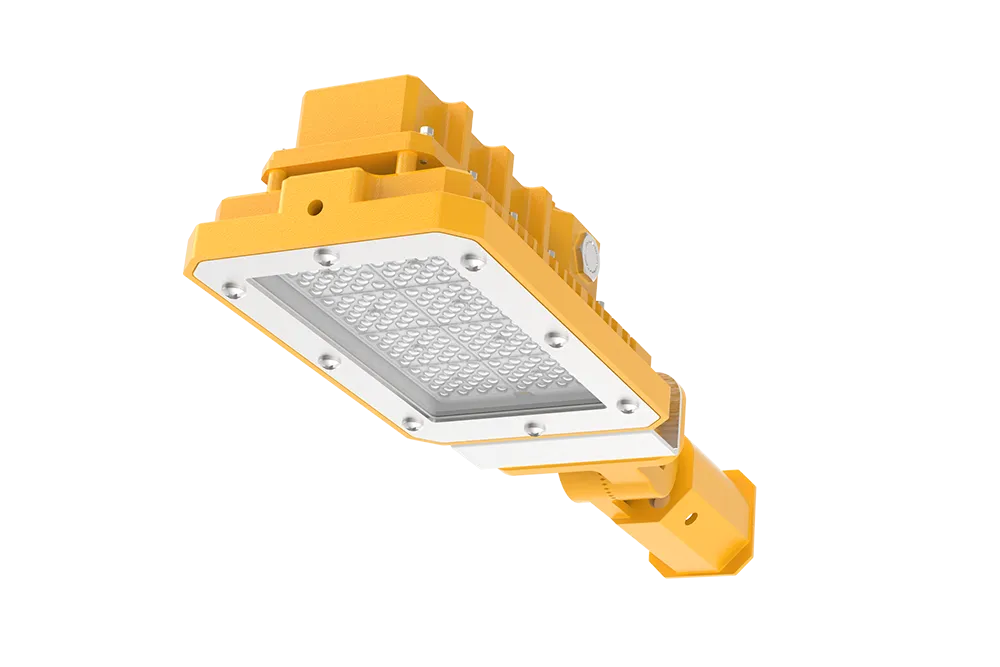
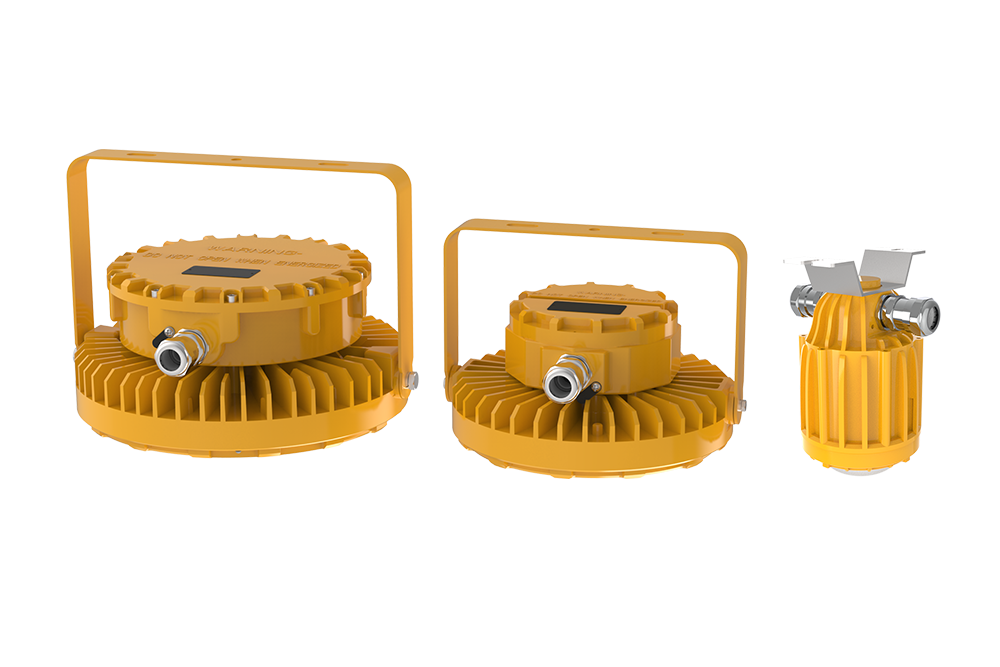
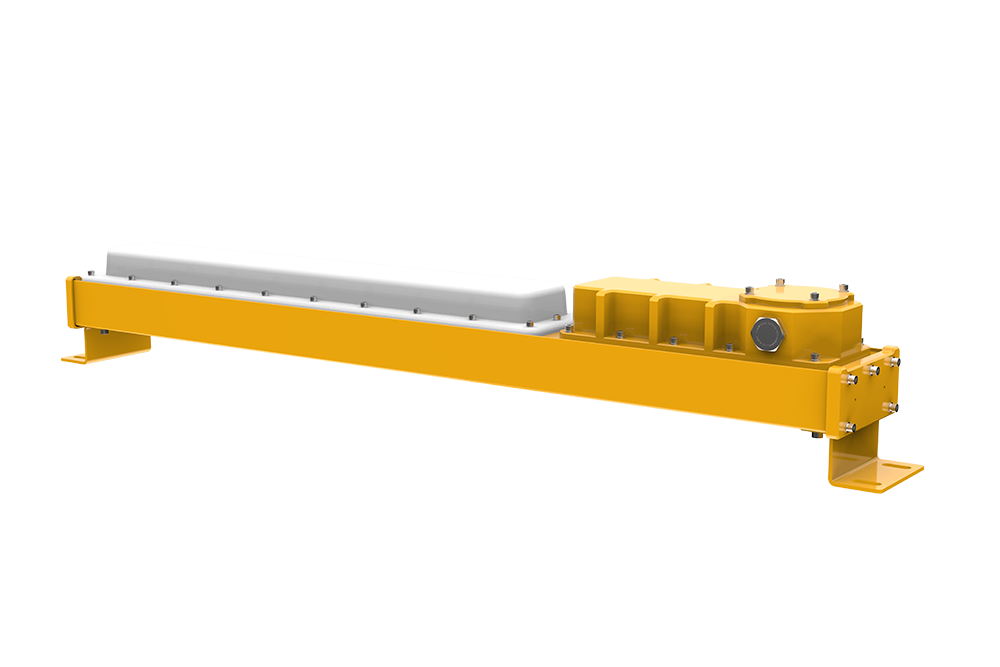
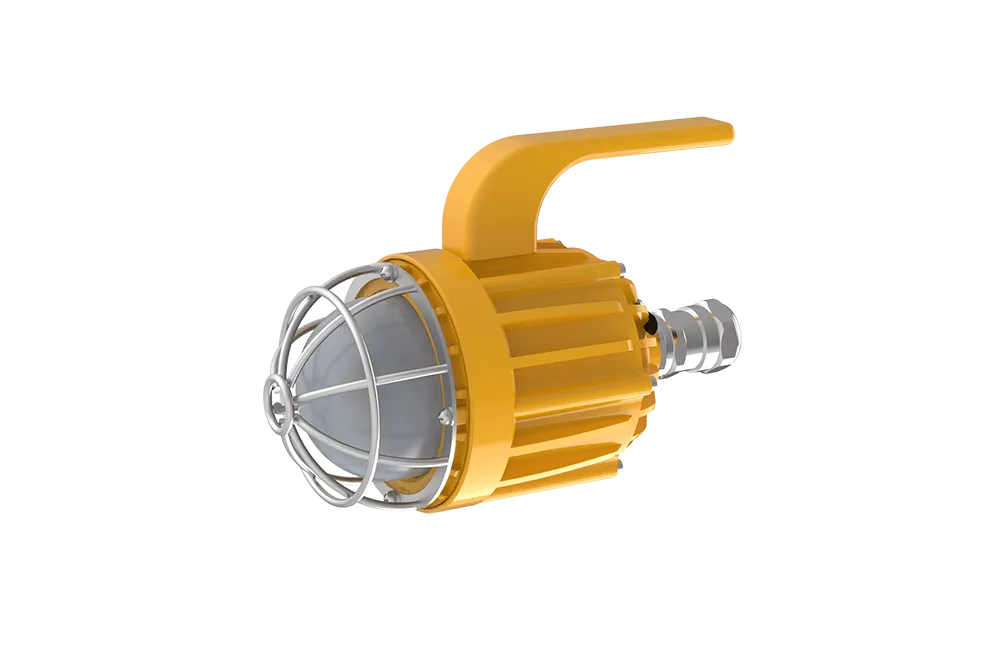
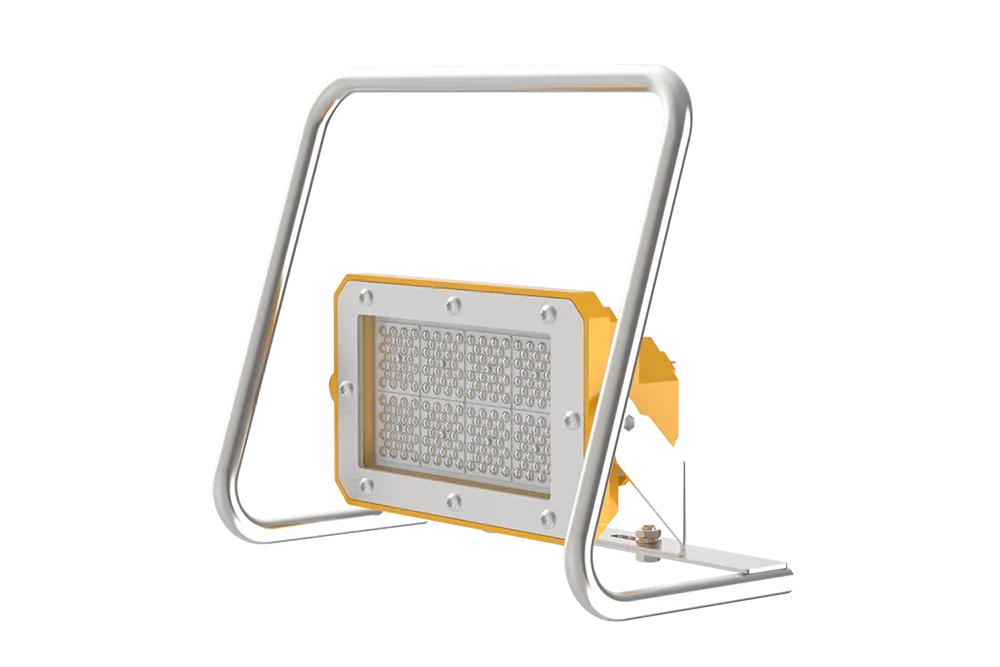
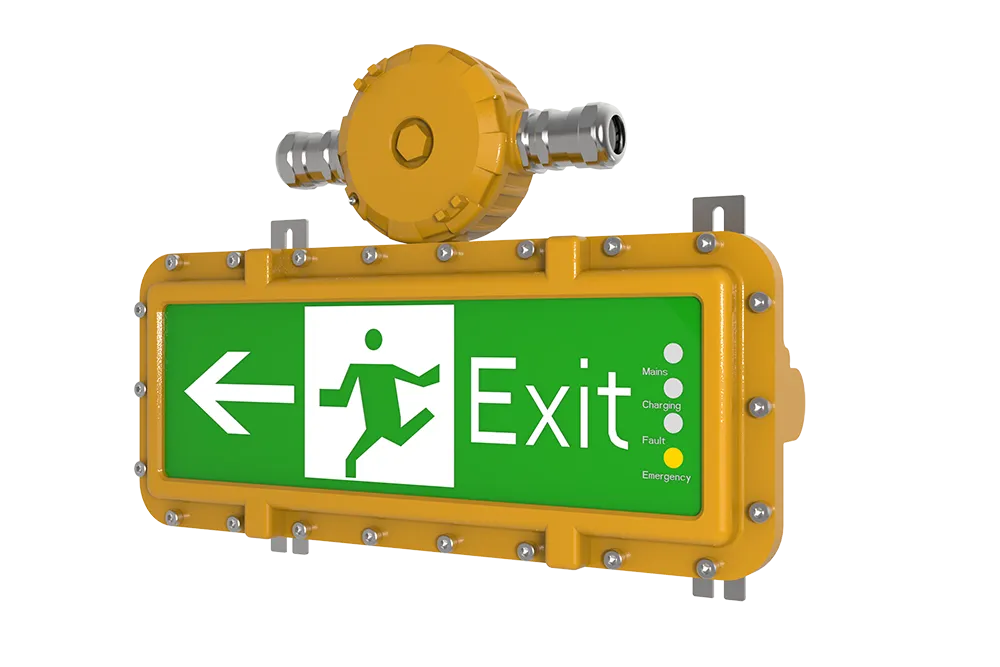
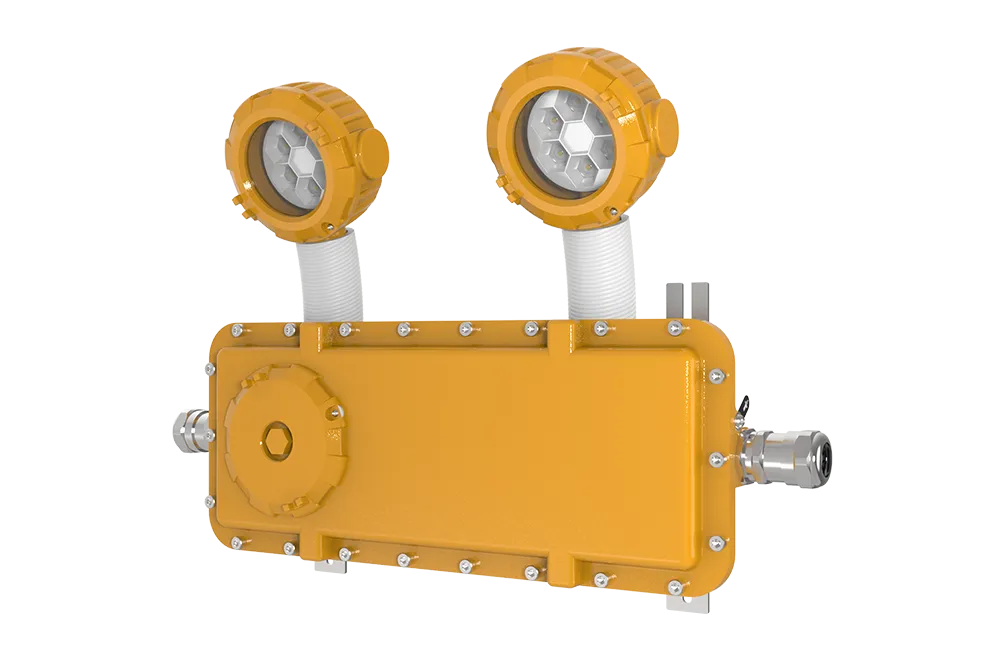
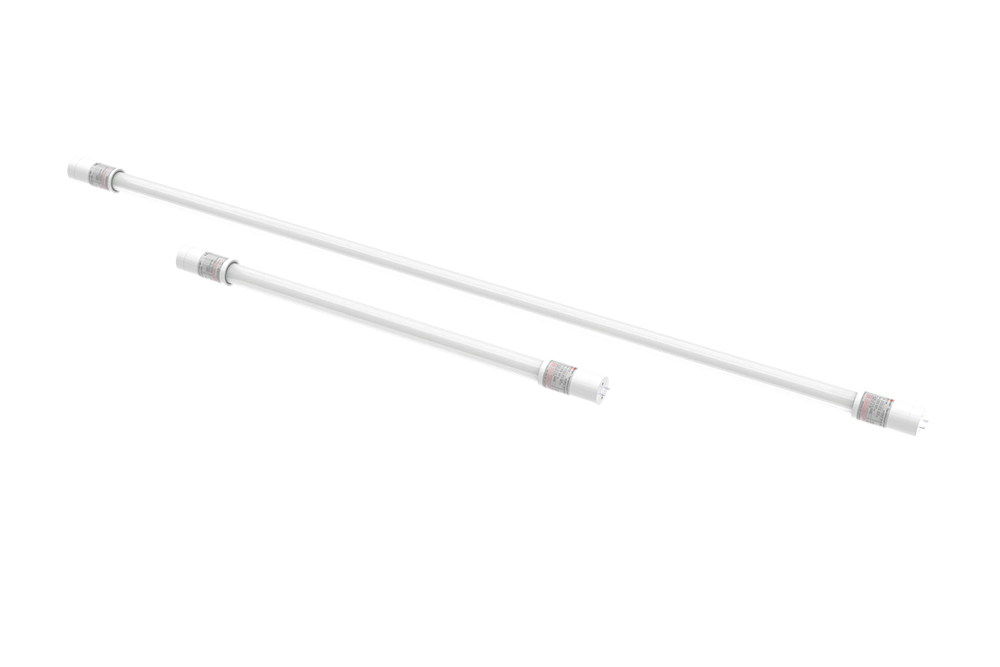
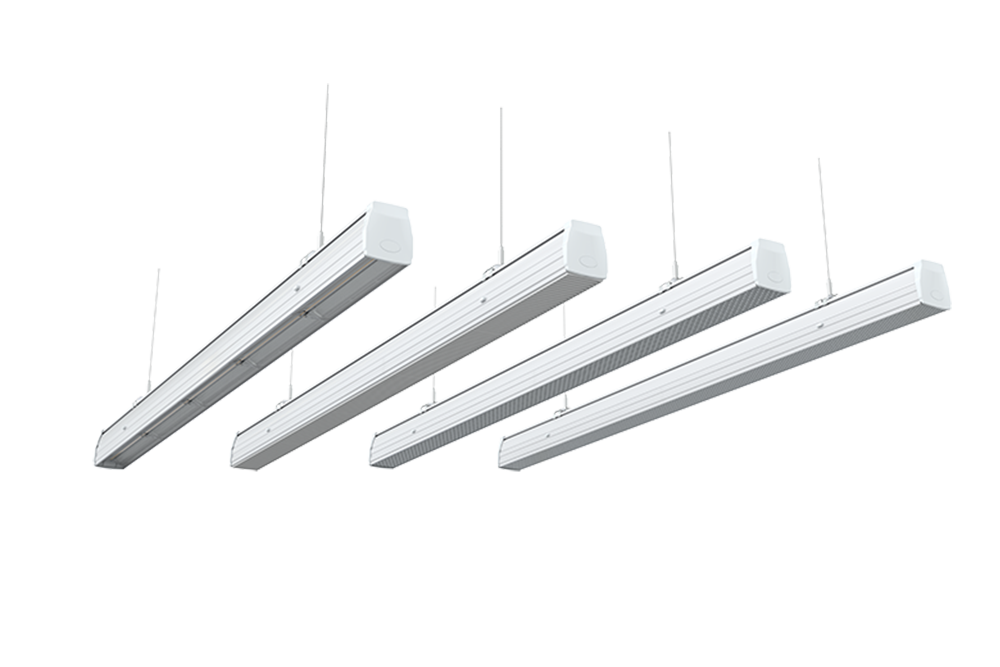
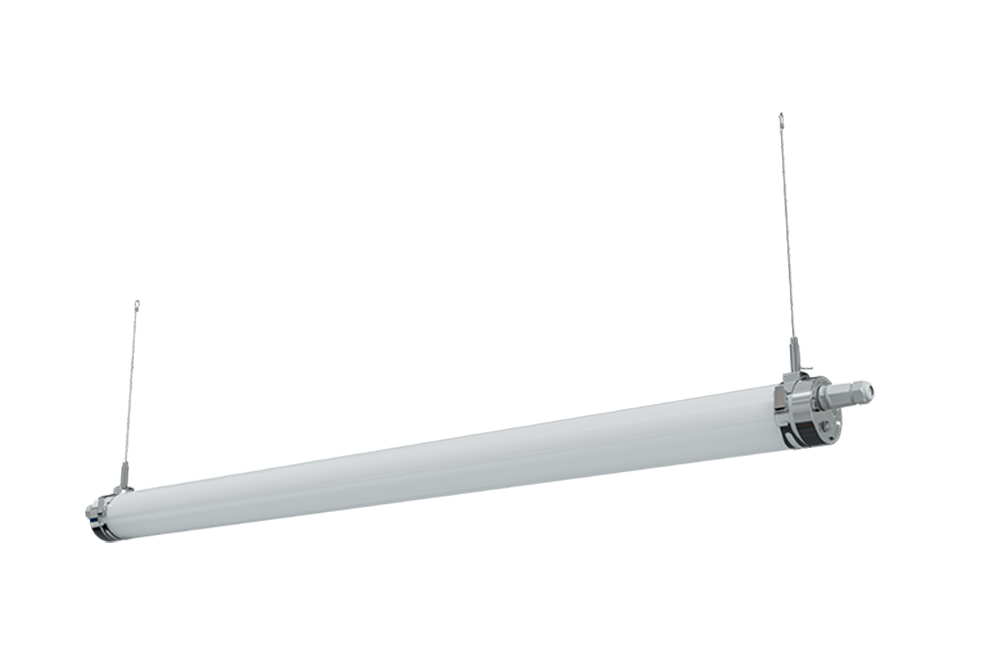
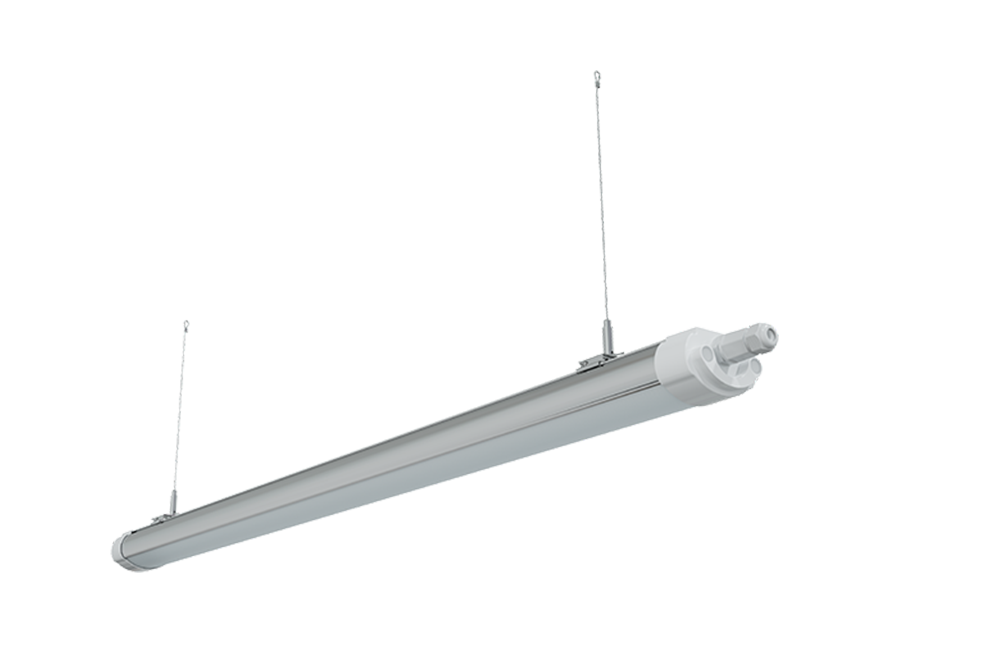
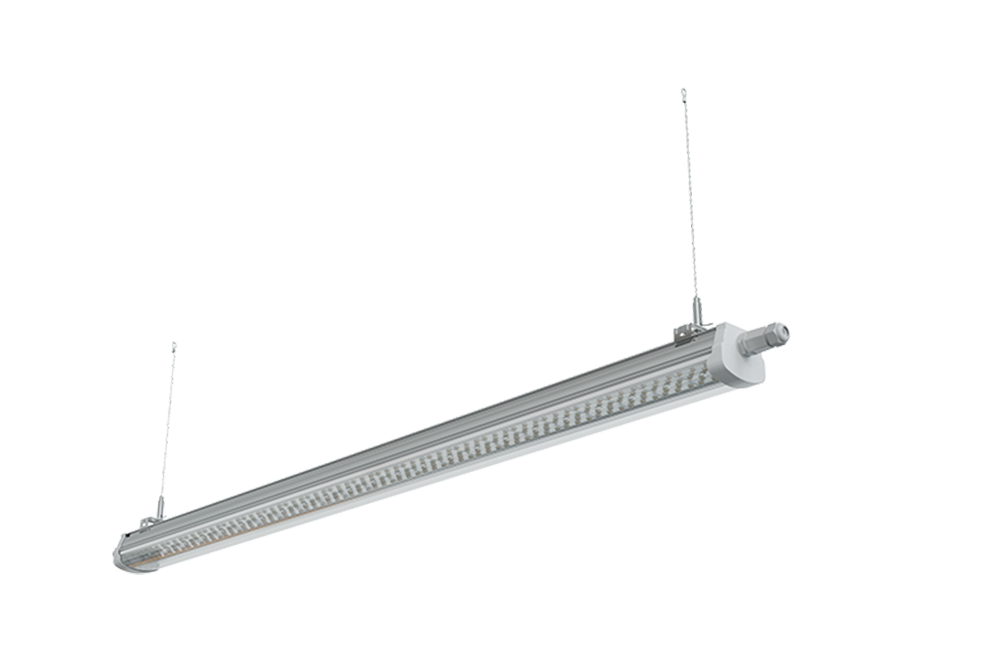
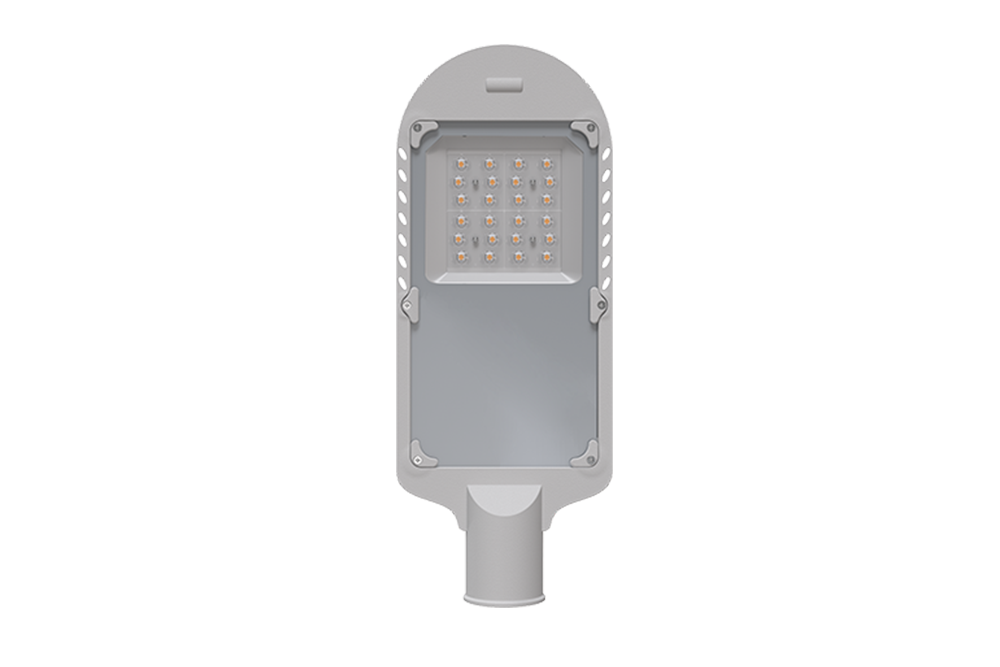
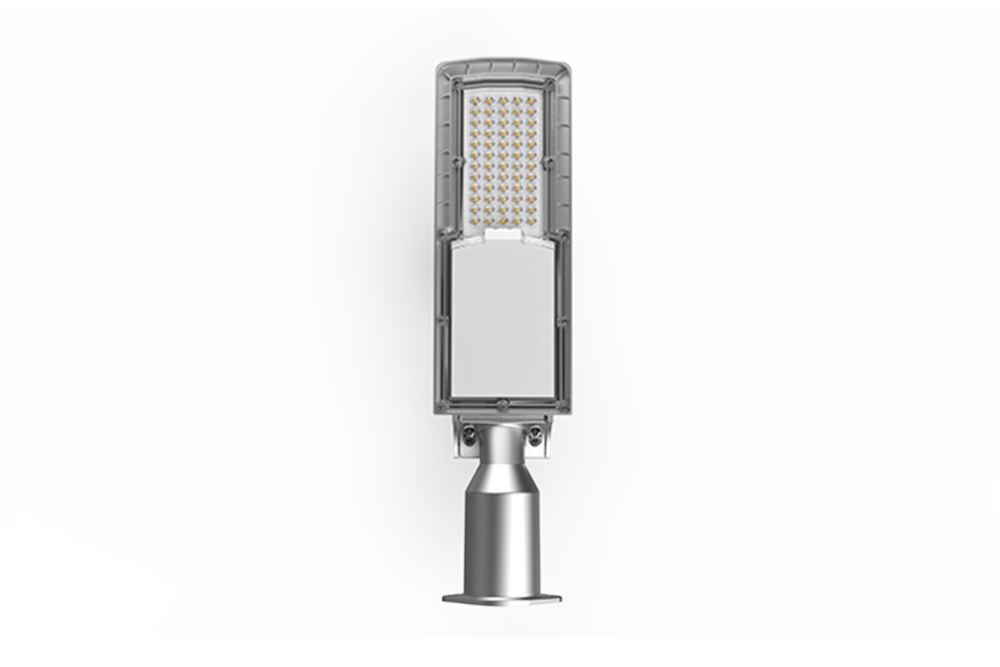
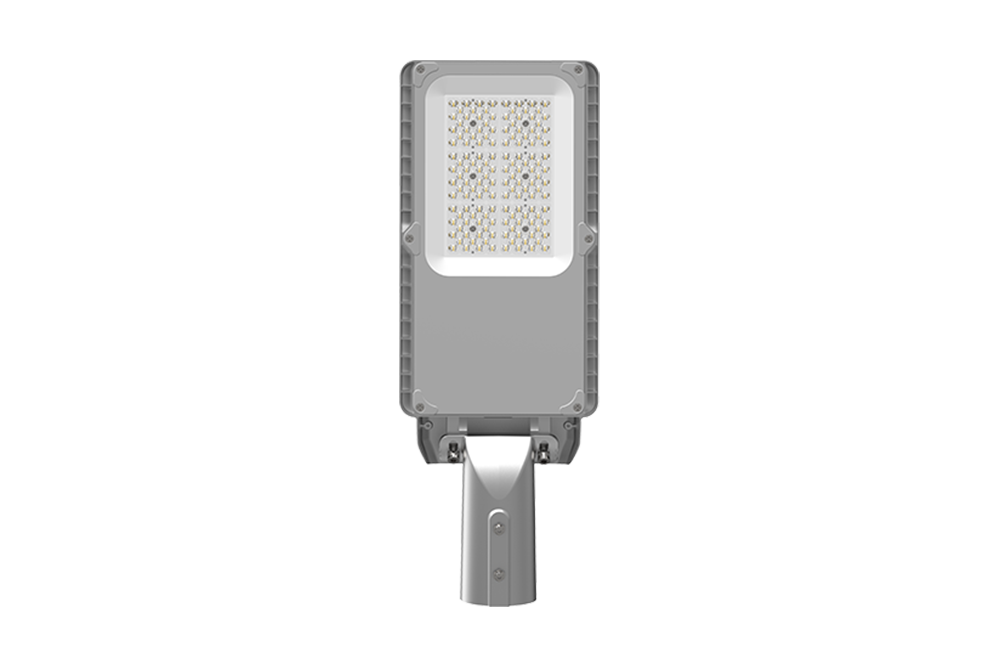
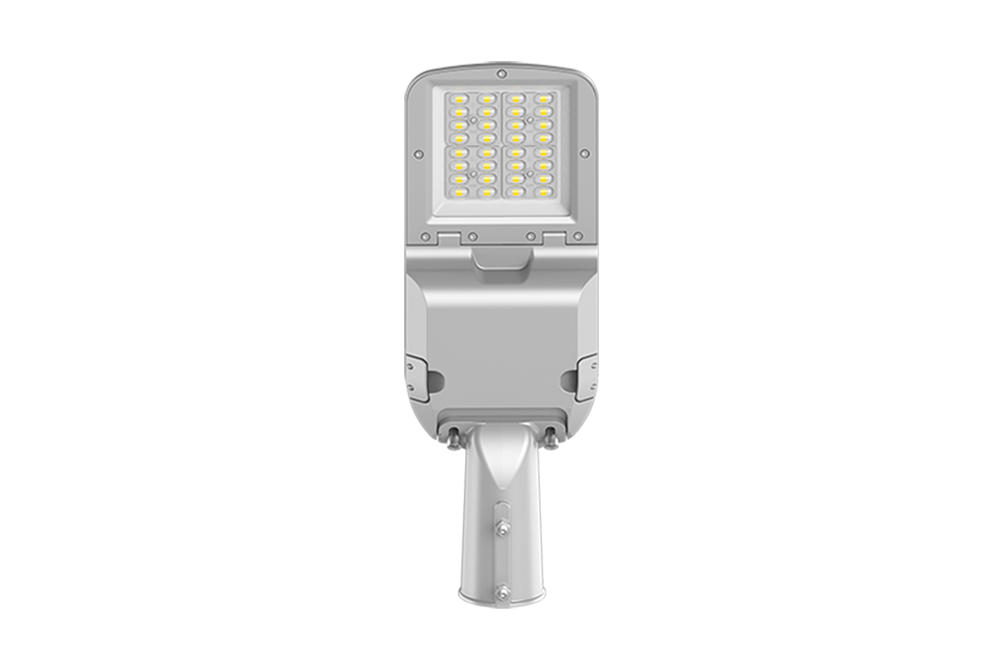
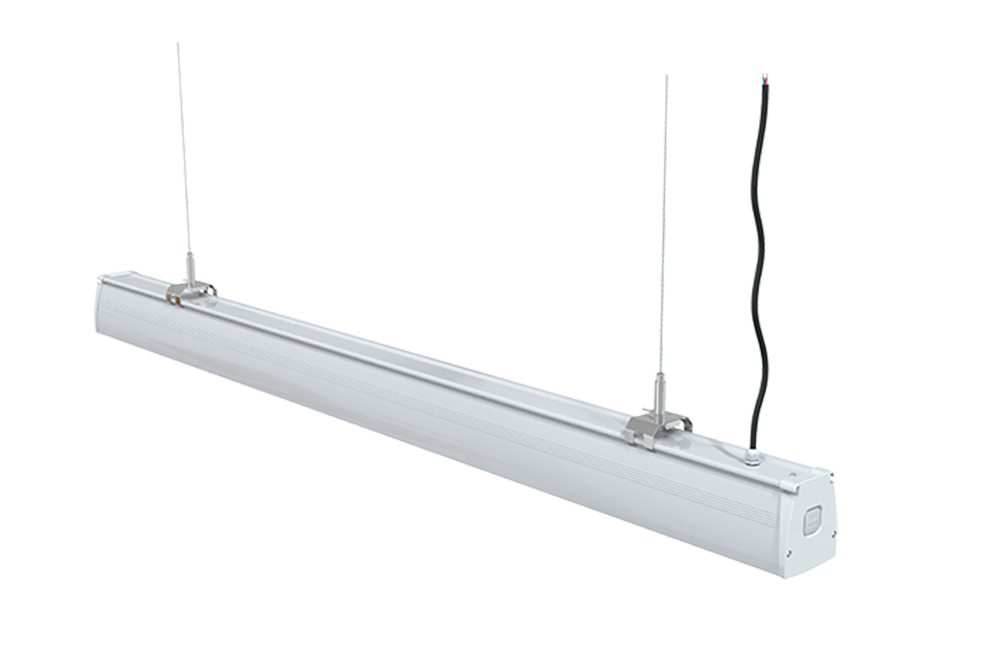
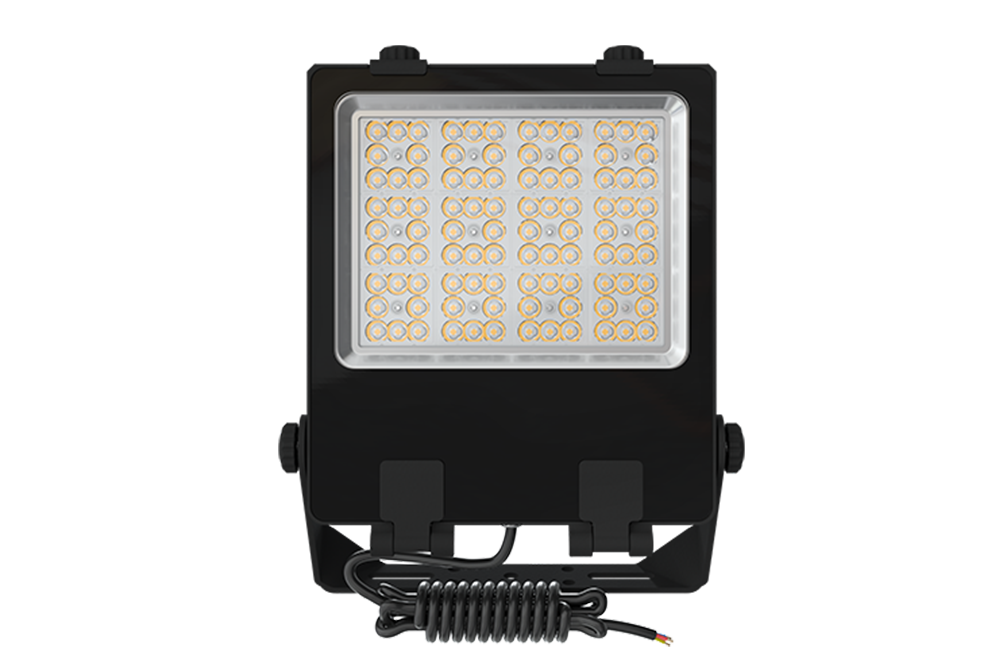
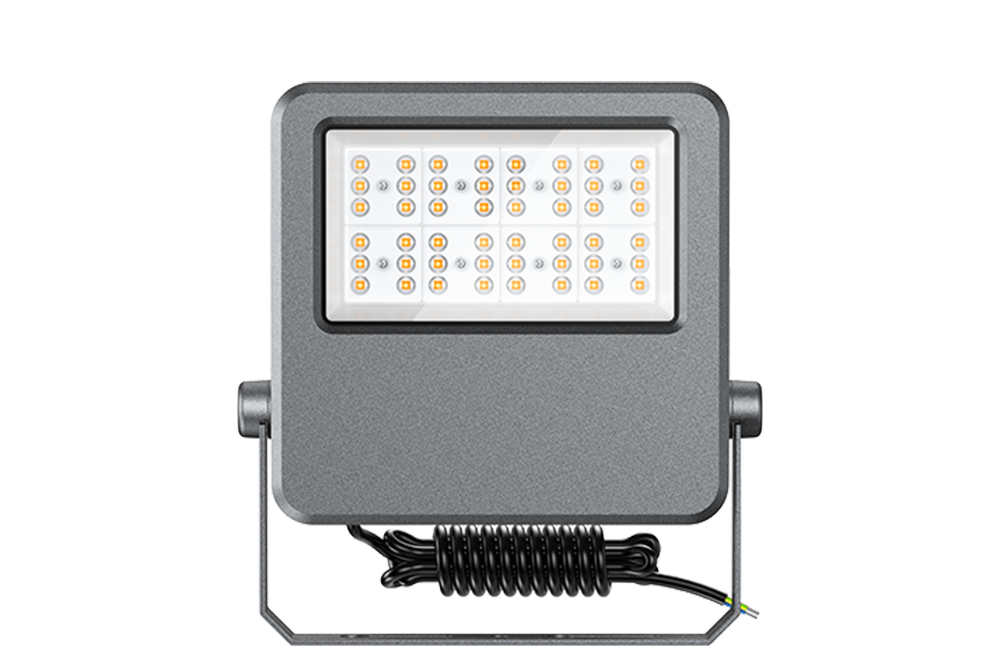
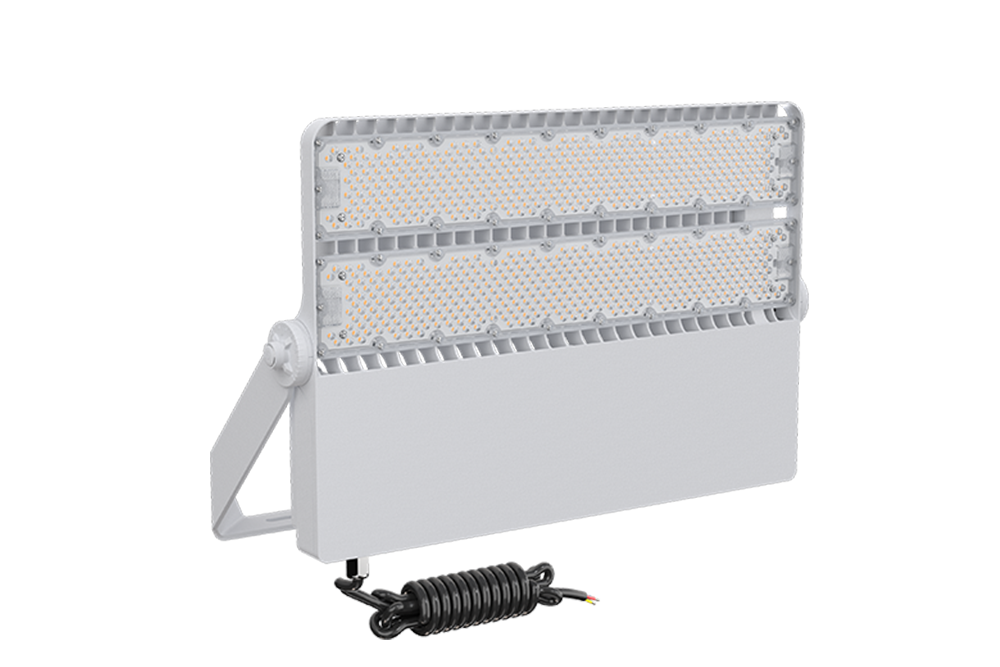
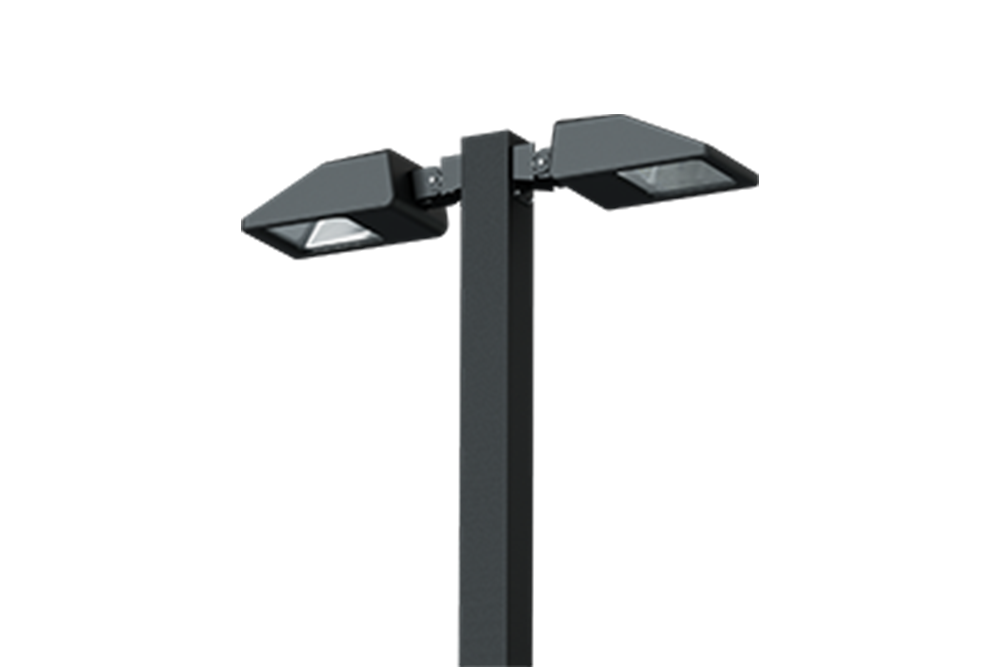
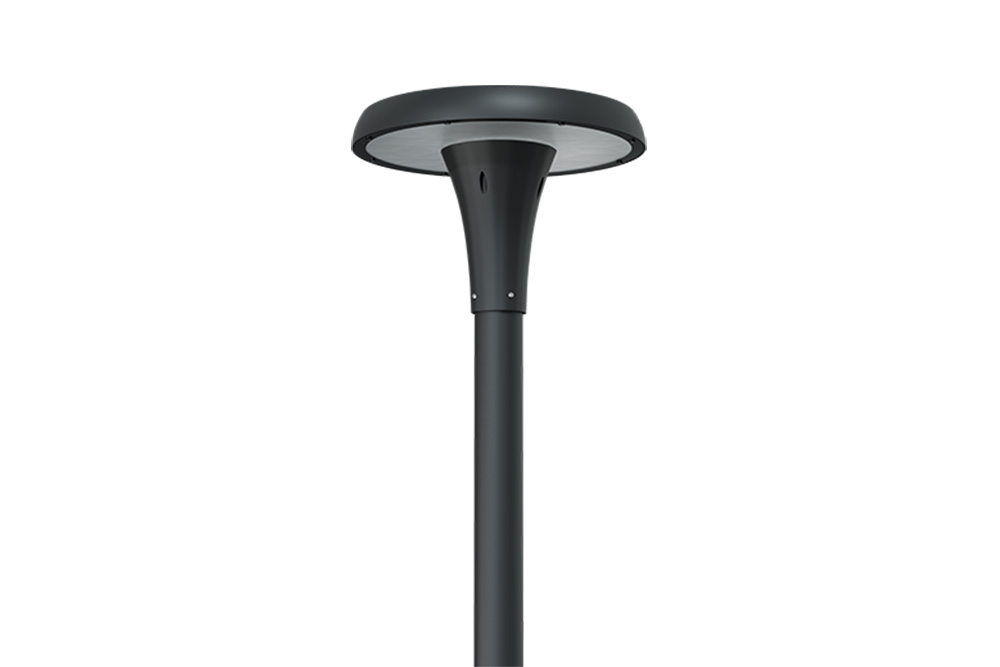
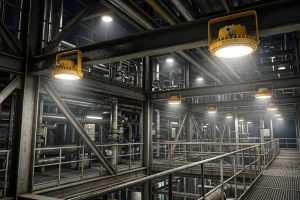
Different factory areas require different solutions. LED tri-proof lamps are commonly installed in zones exposed to dust, moisture, or wash-down processes. Linear LED lights are used above workbenches or production lines where directional lighting is preferred. Outdoor circulation areas and factory entrances often rely on LED street lights or garden LED lights for safe movement after dark. In special environments where flammable materials are present, explosion proof lights are selected to meet safety standards.
SEEKINGLED supplies a range of industrial LED products used in factory lighting projects across different industries. Typical configurations include LED high bay lights for main halls, linear LED lights for task areas, and durable fixtures designed for harsh conditions. Product selection is usually based on layout, mounting height, and operating hours rather than appearance.
Factory lighting does not need to be complex. It needs to be reliable, efficient, and suited to the way the space is actually used. When LED systems are planned around real working conditions, they become a stable part of production instead of a recurring maintenance concern.
Explosion proof LED high bay lights explained with real lumens, certifications, and industrial use insights. Learn safe hazardous lighting from SEEKINGLED experts.
Discover what are the best high bay LED lights for warehouses and factories. Compare efficiency, brightness, lifespan, and professional selection tips from SEEKINGLED.
How long do LED bulbs last in real use? Not just theory. Learn lifespan, failures, and field insights from SEEKINGLED for outdoor and industrial lighting.
27-Oct-2012 Boot NO.:5B-B29We launched the 400W, use SMD light source and phase transfer technology high bay light, suitable for warehouse, workshop which height is less than 15mtr, 400W LED high bay light can widely use in port...
 Seeking LED