 Seeking LED
100 Watt LED Street Light: Is It Really Enough for Roads and Streets?
158100 watt LED street light delivers balanced brightness, energy savings, and long service life. Learn where it fits, where it doesn’t, and why.
View detailsSearch the whole station
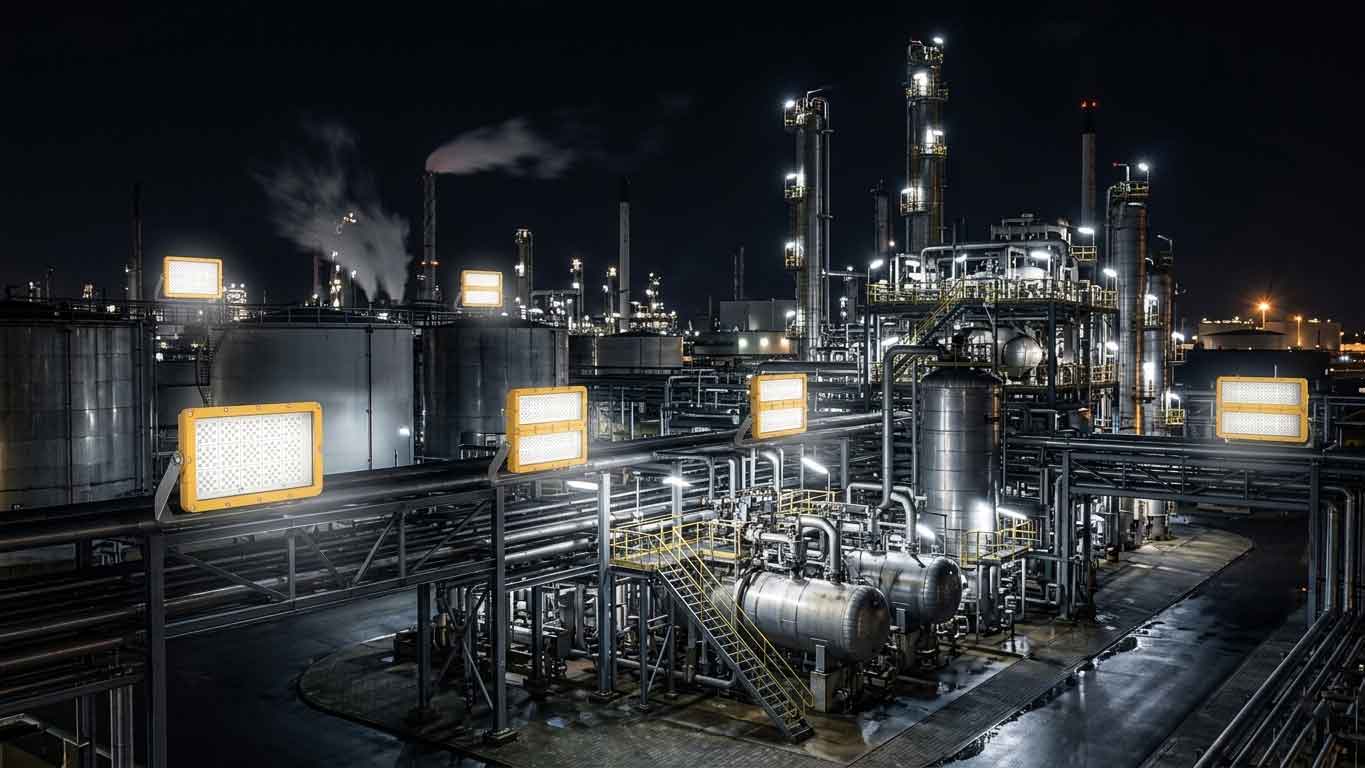
No—Are all LED lights explosion proof? Absolutely not. Only specially designed and certified LED fixtures meet explosion-proof standards for hazardous environments.
That’s the direct answer. And it’s one I’ve had to repeat on-site more times than I can count—usually when someone tries to install a standard floodlight in a classified zone.
Explosion-proof lighting doesn’t mean it can’t explode. It means the fixture is designed to contain internal ignition and prevent it from igniting the surrounding atmosphere.
To qualify, fixtures must:
The International Electrotechnical Commission (iec.ch) defines these requirements under IECEx standards for hazardous locations.
Most commercial LED lights:
I’ve seen cases where a non-rated LED fixture was installed in a chemical storage area. It worked fine—until it didn’t. The risk isn’t immediate failure. It’s uncontrolled failure.
If you’re asking “Are all LED lights explosion proof”, the real answer lies in certifications.
Common standards:
These define:
According to the official IECEx system (iecex.com), certified equipment must pass rigorous testing for explosion containment and thermal limits.
| Zone | Risk Level | Example |
|---|---|---|
| Zone 0 | Continuous hazard | Inside tanks |
| Zone 1 | Occasional hazard | Refineries |
| Zone 2 | Rare hazard | Storage areas |
A standard LED light is not designed for any of these.
People often confuse these terms.
In my experience, explosion-proof fixtures are more common in high-power outdoor applications, while intrinsically safe systems are used in low-energy environments.
Even if a fixture is sealed, it must not exceed ignition temperatures.
For example:
The U.S. Occupational Safety and Health Administration (osha.gov) emphasizes temperature control as a key factor in hazardous location safety.
LEDs run cooler than traditional lamps—but that doesn’t make them safe for explosive atmospheres.
I’ve inspected installations where:
These weren’t rare mistakes—they were assumptions.
A certified explosion-proof fixture always comes with:
If it doesn’t have these, it’s not explosion-proof—no matter how solid it looks.
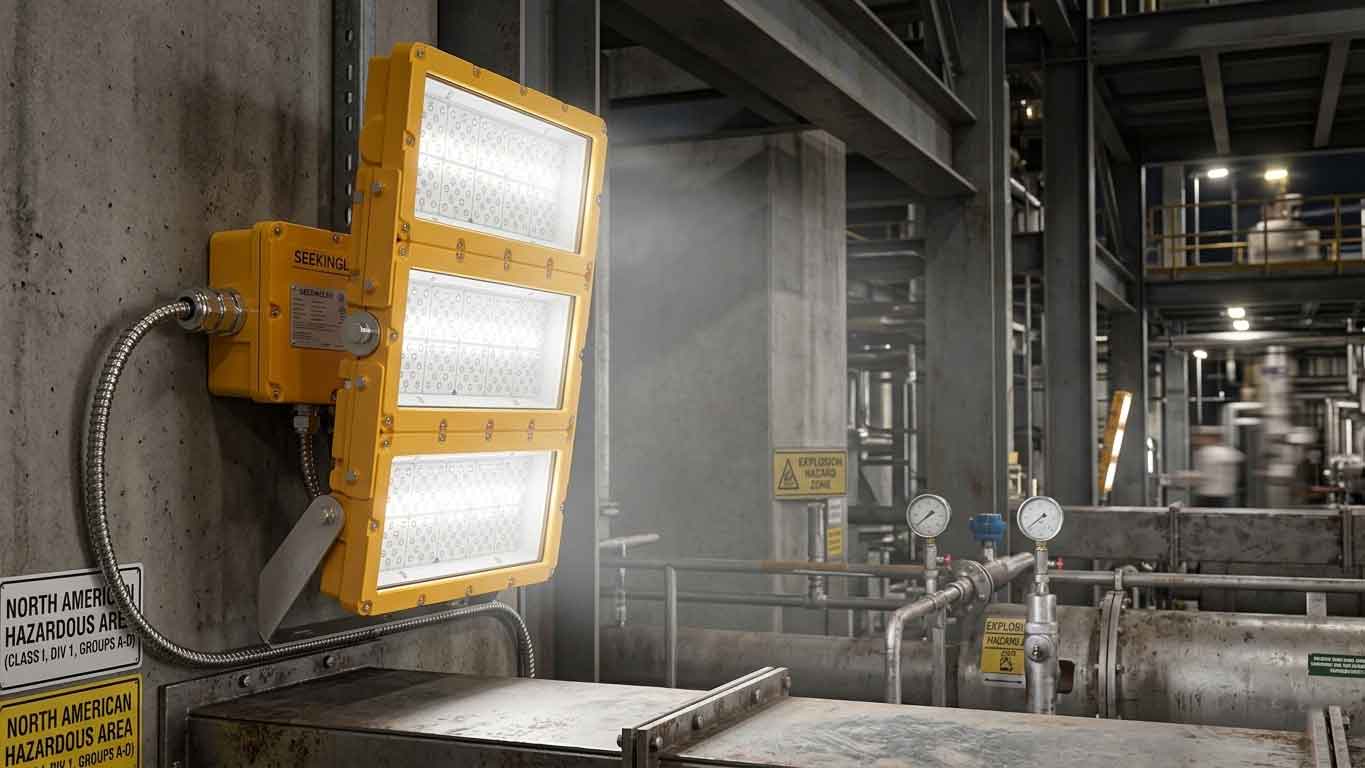
No. Only certified fixtures designed for hazardous environments meet explosion-proof standards.
No. This violates safety regulations and creates serious risk.
Check for ATEX, IECEx, or UL certification markings and documentation.
I work with SEEKINGLED on industrial and hazardous-area lighting projects, including:
The insights here come from real installations in refineries, chemical plants, and logistics environments—not theoretical summaries.
The question “Are all LED lights explosion proof” usually comes up right before a mistake is made. The reality is simple: certification defines safety. Without it, the risk isn’t visible—but it’s there.
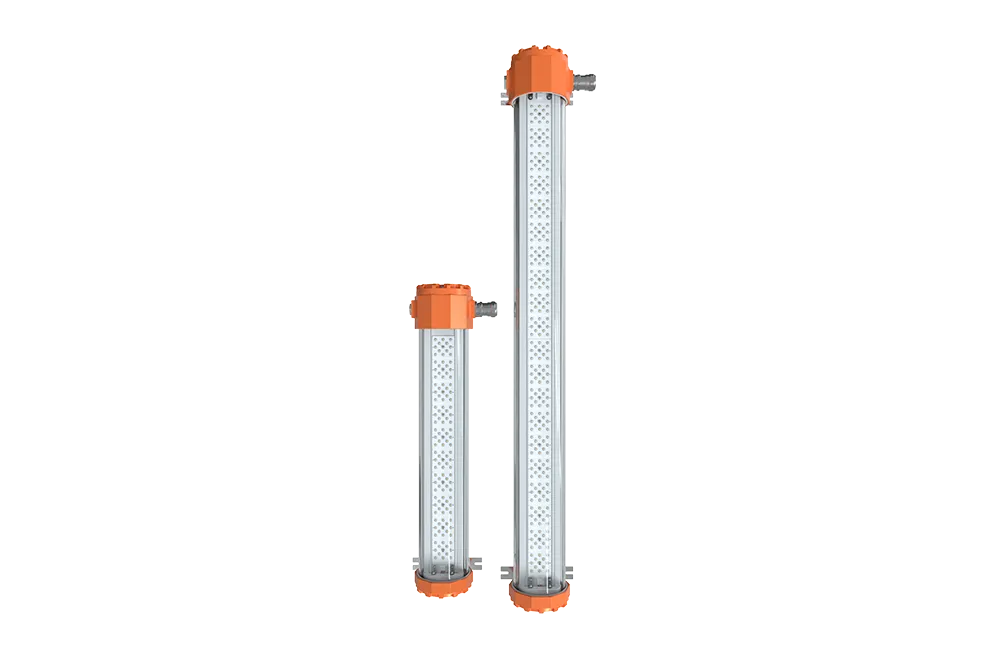
SEEKINGLED LED Linear Explosion Proof Light and Explosion Proof lighting is ATEX and IECEx certified for Zone 1, Zone 2, Zone 21 and Zone 22 hazardous locations, built for long-term industrial use.
View details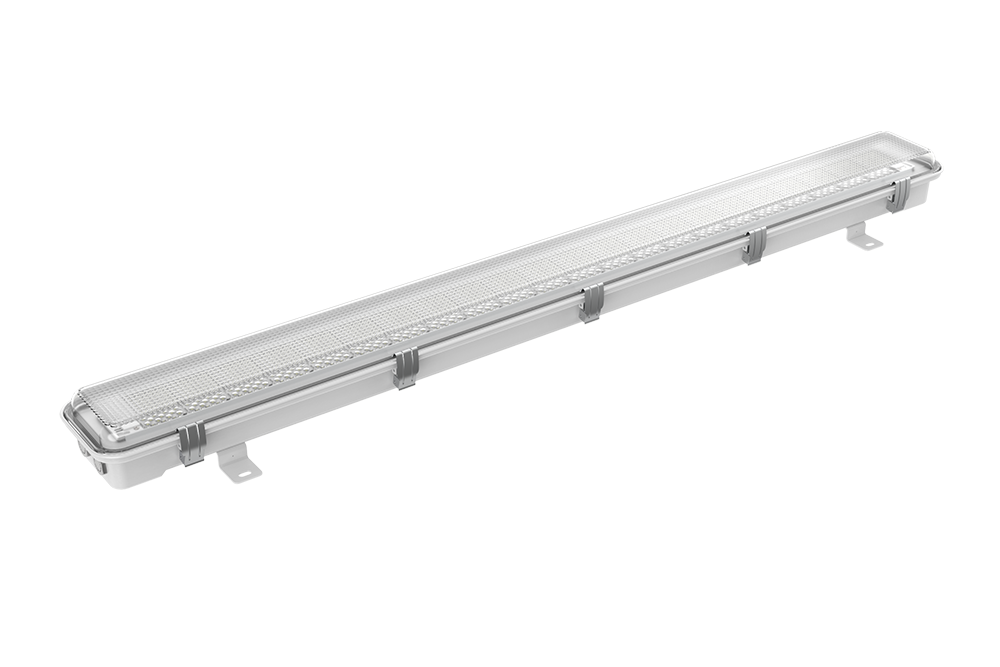
LED Linear Explosion Proof Lights and EX Proof lights for Zone 1, Zone 2, Zone 21 and Zone 22 hazardous areas. ATEX & IECEx certified explosion proof LED linear lighting with emergency function, adjustable power and IP67 protection by SEEKINGLED.
View details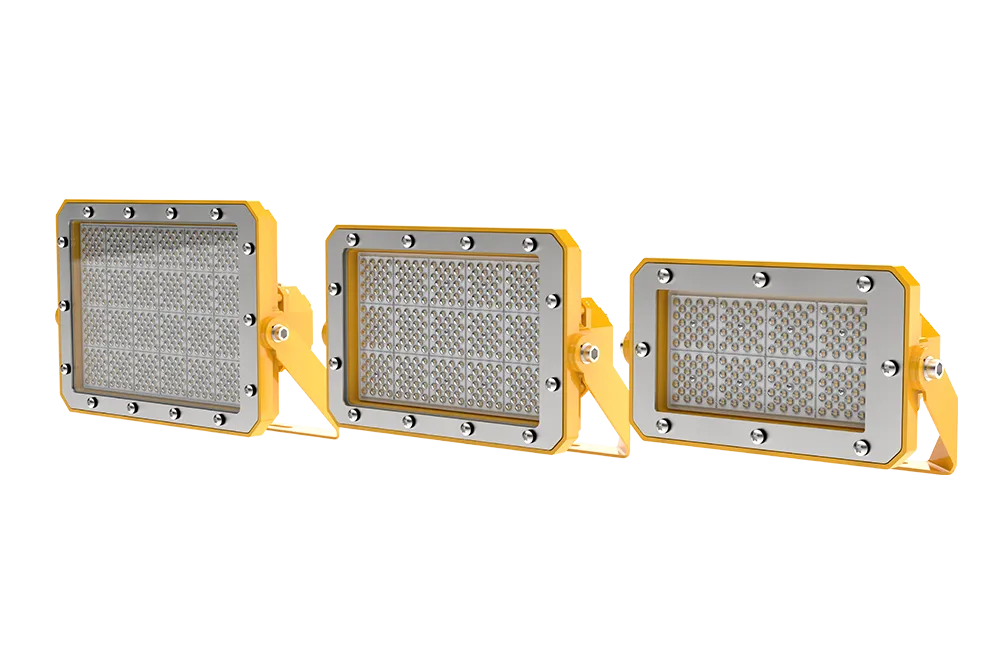
SEEKINGLED LED Explosion Proof Flood Lights are ATEX certified for Zone 2 and Zone 22 hazardous areas, offering high efficiency, adjustable power and integrated junction box.
View details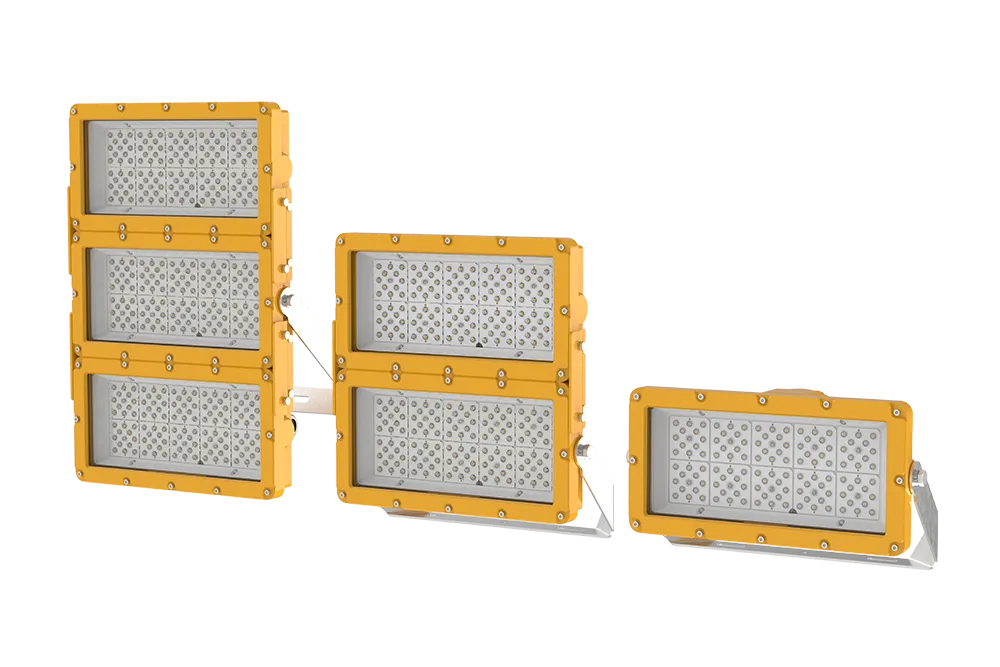
SEEKINGLED LED Explosion Proof Flood Lights are flameproof ATEX and IECEx certified for Zone 1 and Zone 2 hazardous areas, offering high power, adjustable output and long service life.
View details
SEEKINGLED LED Gas Station Canopy Lights are ATEX certified for Zone 2 and Zone 22 hazardous areas, featuring adjustable power and built-in explosion-proof junction box.
View details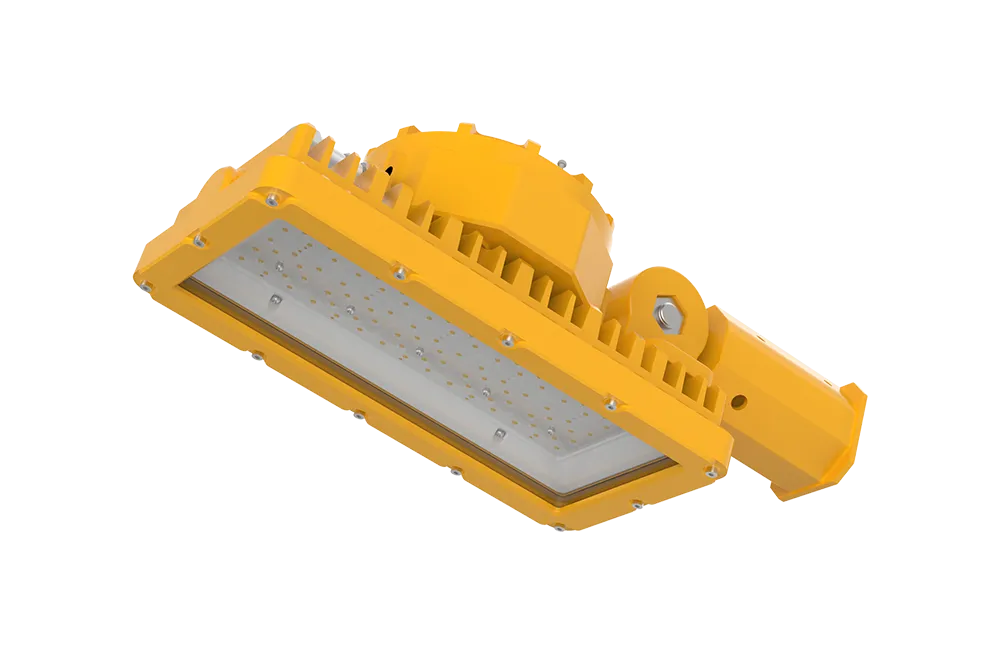
ATEX: Ex II 2G Ex db IIB T6/T5 GbEx II 2D Ex tb IIIC T80°C/ T95°C Db IECEx Ex db IIB T6 Gb;Ex tb IIIC T80°C Db Feature: ● For Zone 1,2 and Zone 21,22● Flameproof type, the strongest● 100W can replace 250W HID,energy saving● Power:60W,80W,100W Application: Oil and gas, marine, Chemical, pharmaceutical, semiconductor,mining,military industr…
View details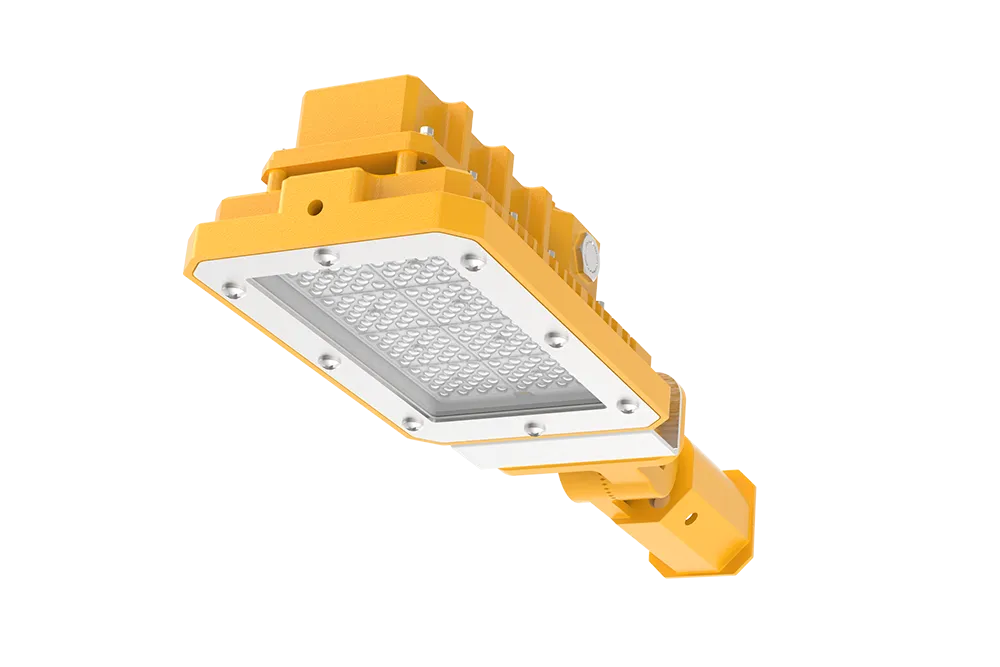
ATEX: II 3G Ex nR ⅡC T5/T6 GcII 3D Ex tc ⅢC T80℃/T95℃Dc ATEX Certificate NO: TÜV CY 26 ATEX 0207611 X Feature: ● For Zone 2 and Zone 22● 150W can replace 250W HID lamps,Energy saving● Power:50W,75W,100W,150W,200W Application: Oil and gas, marine, Chemical, pharmaceutical, semiconductor,mining,military industry, paint booth,power plant ETC…
View details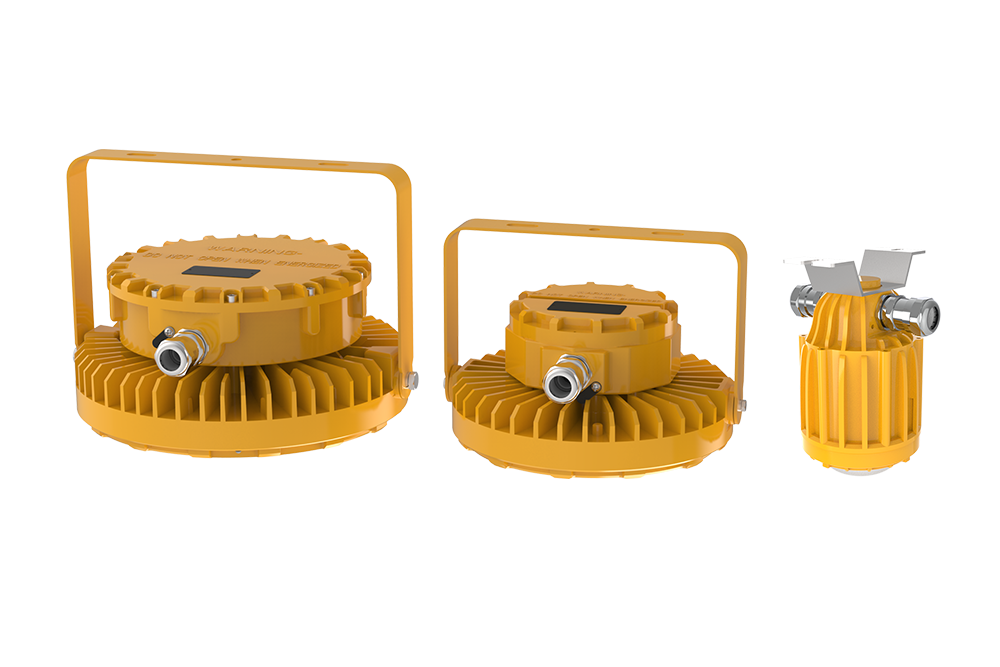
LED explosion proof high bay lights are designed for Zone 1, Zone 2, Zone 21 and Zone 22 hazardous areas. This page introduces the HB21 Series from SEEKING, including certifications, power options and real application considerations.
View details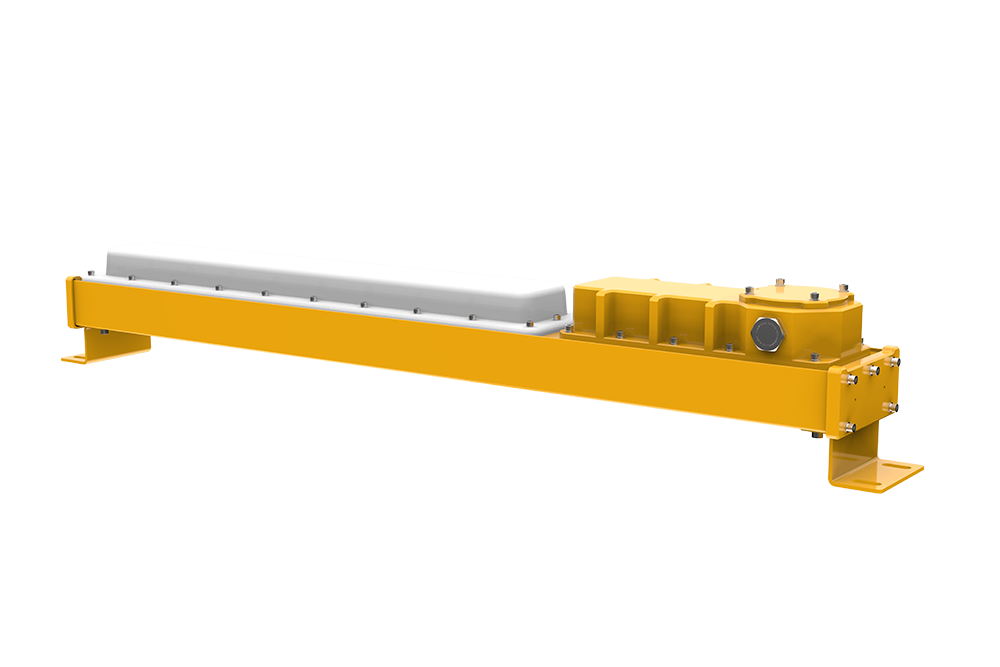
LED Linear Explosion Proof Lights from SEEKINGLED. LU Series Flame Proof lights ATEX-certified explosion proof LED linear lighting for Zone 2 gas and Zone 22 dust areas, IP69K, IK10, long lifetime and flexible power options.
View details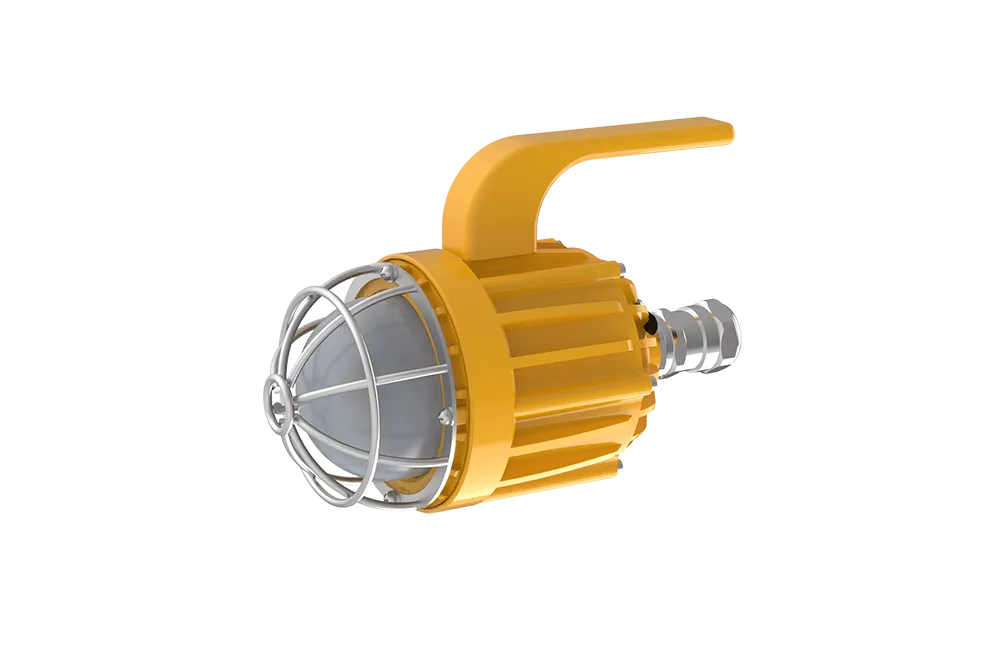
Certified explosion proof work lights for Zone 1 & 21 hazardous areas. Portable, ATEX & IECEx approved, built for oil, gas and chemical plants by SEEKINGLED.
View details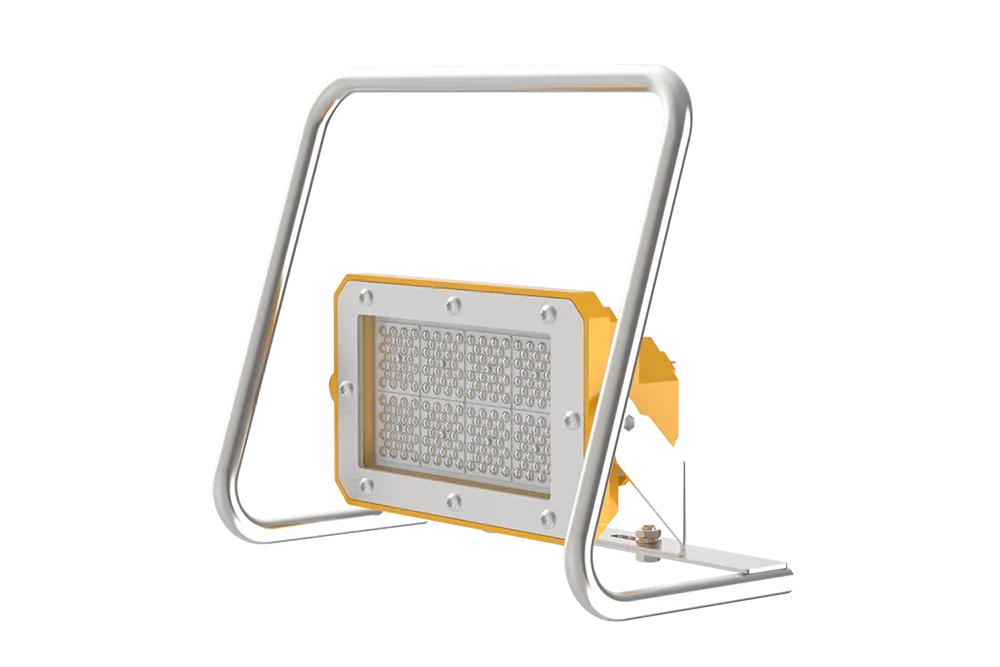
ATEX: II 3G Ex nR ⅡC T6 GcII 3D Ex tc ⅢC T80℃ Dc ATEX Certificate NO: TÜV CY 26 ATEX 0207611 X Feature: ● For Zone 2 and Zone 22● Accepts battery-powered supply● indestructible● Power:AC input:50W,75W,100WDC input:15W,25W,35W Application: Oil and gas, marine, Chemical, pharmaceutical, semiconductor,mining,military industry, paint booth,po…
View details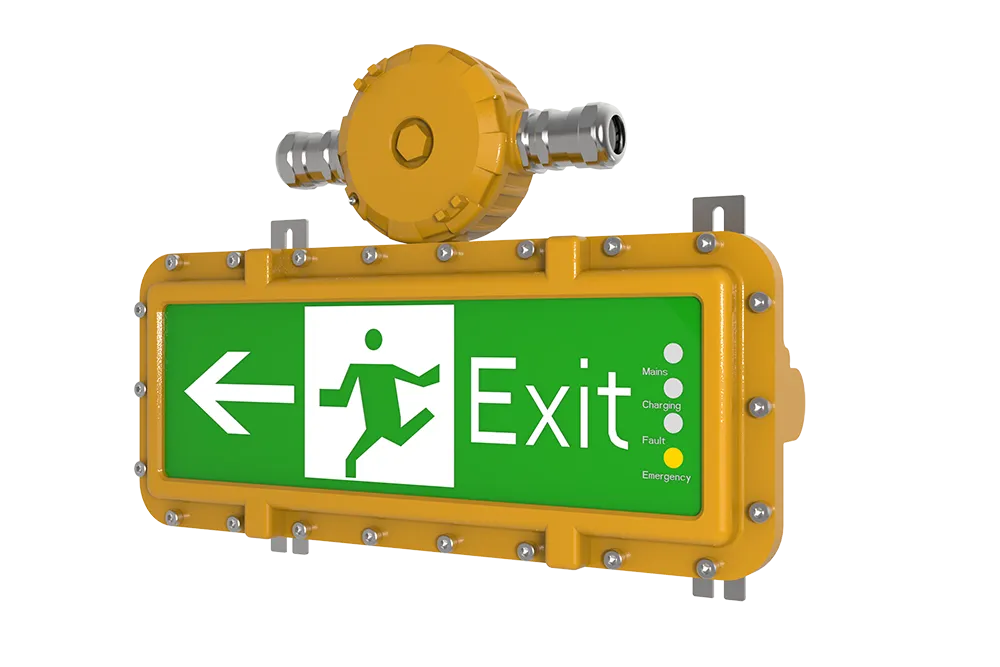
ATEX: Ex II 2G Ex db IIB T6 GbEx II 2D Ex tb IIIC T80°C Db IECEx Ex db IIB T6 Gb;Ex tb IIIC T80°C Db Feature: ● For Zone 1,2 and Zone 21,22● Flameproof type, the strongest Application: Oil and gas, marine, Chemical, pharmaceutical, semiconductor,mining,military industry, paint booth,power plant ETC hazardous area. Technical Specifications:…
View details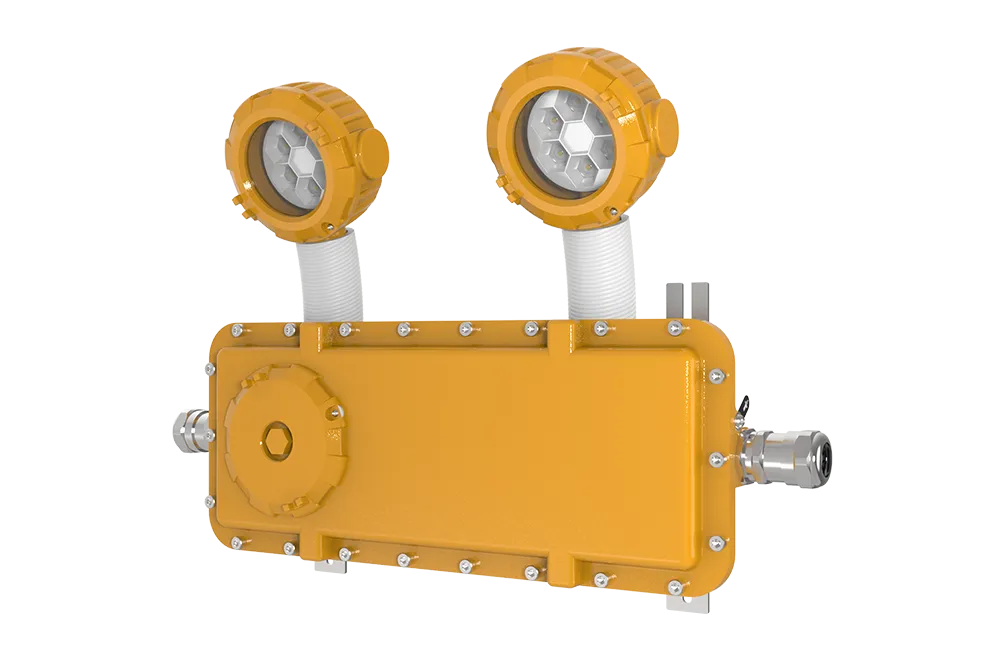
ATEX: Ex II 2G Ex db IIB T6 GbEx II 2D Ex tb IIIC T80°C Db IECEx Ex db IIB T6 Gb;Ex tb IIIC T80°C Db Feature: ● For Zone 1,2 and Zone 21,22● Flameproof type, the strongest Application: Oil and gas, marine, Chemical, pharmaceutical, semiconductor,mining,military industry, paint booth,power plant ETC hazardous area. Technical Specifications:…
View details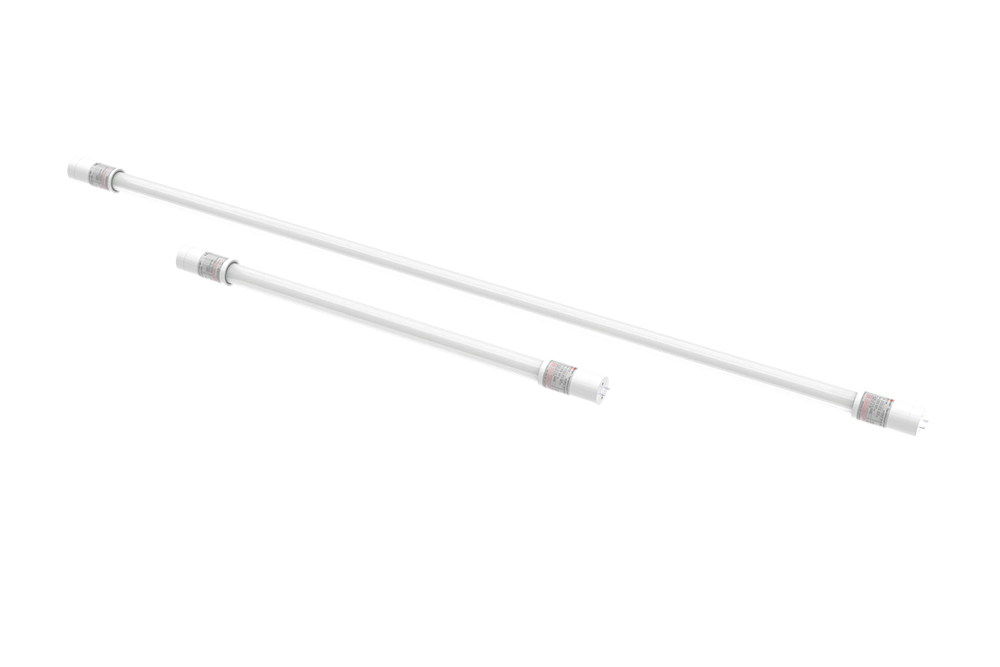
ATEX: Ex II 2G Ex d e IIB T6 Gb ATEX: Ex d e IIB T6 Gb; Feature: ● For Zone 1,2● 9W can replace 18W fluorescent lamps,50% Energy saving Application: Oil and gas, marine, Chemical, pharmaceutical, semiconductor,mining,military industry, paint booth,power plant ETC hazardous area. Technical Specifications: Standards:60079-0, 60079-1, 60079…
View details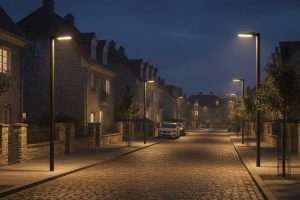
100 watt LED street light delivers balanced brightness, energy savings, and long service life. Learn where it fits, where it doesn’t, and why.
View details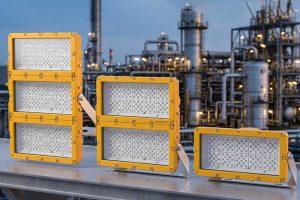
Explosion proof light fixture for Zone 1 & 21 hazardous areas. ATEX & IECEx certified LED floodlight delivering 150 lm/W, 100,000h lifespan and rugged IP66 safety.
View details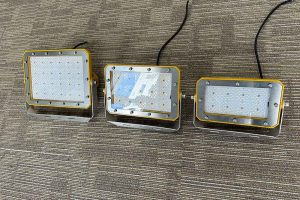
Explosion proof junction boxes engineered for hazardous areas. SEEKINGLED ATEX-certified enclosures ensure safe cable connections in oil, gas, mining and chemical plants.
View details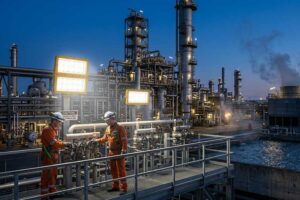
Hazardous area lighting fixtures provide certified protection in explosive environments. Learn how to select, install, and maintain ATEX and LED fixtures safely.
View details