 Seeking LED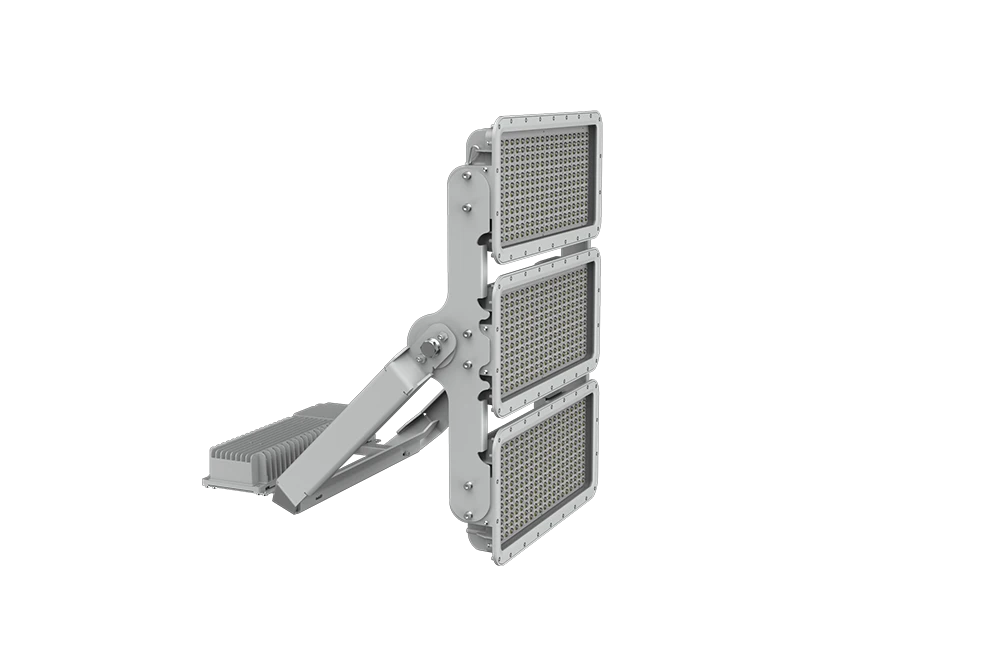
What is an ATEX Zone 1 Floodlight?
0What is an ATEX Zone 1 floodlight? Learn how ATEX-certified floodlights safely illuminate hazardous gas environments in refineries, offshore platforms, and chemical plants.
View detailsSearch the whole station
A football field light is not just a brighter version of a street lamp. On a real field, light decides whether players track the ball cleanly or lose it mid-air. It decides whether referees trust what they see. And at night, it decides whether the field feels playable—or tiring.
Many projects fail here because they treat lighting as an afterthought. Install poles, hang fixtures, turn them on. It looks fine from the parking lot, but once the game starts, problems show up fast. Shadows near the sidelines. Glare when looking upfield. Uneven brightness across zones.
From our experience at SEEKINGLED, good lighting doesn’t shout. It stays consistent. Players stop noticing it after kickoff, and that’s usually a good sign.
Brightness is always the first question. And often the wrong one.
For outdoor football field lighting, brightness should follow usage, not ambition.
We’ve seen fields pushed to 800 lux “just in case.” The result? Excess glare, wasted energy, and players complaining about eye fatigue. More light does not automatically mean better play.
A well-designed football stadium lighting design spreads light evenly and keeps contrast under control. That matters more than raw numbers on paper.
Yes. And it’s obvious once you stand under it.
A LED football field light turns on instantly. No warm-up. No color shift halfway through the season. And more importantly, it gives control—beam shape, aiming, spill light.
Traditional metal halide systems still exist, but they come with trade-offs: high maintenance, uneven aging, and energy loss. We’ve replaced many of them. Almost every time, the feedback is the same: “The field feels clearer now.”
SEEKINGLED focuses on LED systems because long-term stability matters more than initial brightness. A light that degrades unevenly ruins field balance faster than people expect.
This is where real-world installs separate from catalog plans.
A football field light mounted too low forces narrow beams. Narrow beams create hotspots. Hotspots cause glare. It’s a chain reaction.
In most outdoor football fields, mounting heights between 18–30 meters work best, depending on field size. From there, wide and asymmetric optics do the heavy lifting.
At SEEKINGLED, we often reject layouts that look fine on paper but fail beam overlap tests. If light doesn’t cross smoothly at midfield, players notice it immediately—even if they can’t explain why.
No. And pretending otherwise causes problems.
A youth training field, a high school pitch, and a regional stadium don’t share the same lighting priorities. Trying to force one solution usually leads to compromise in the worst places.
Good sports field flood light planning considers:
We’ve redesigned projects mid-install because original plans ignored wind exposure or light spill regulations. Those mistakes cost time and trust.
Outdoor fields are unforgiving.
Heat during summer. Rain sideways. Cold nights. Vibration from wind. A football field light should be sealed, thermally stable, and mechanically solid.
From real installations, failures usually come from drivers or poor heat dissipation—not LED chips themselves.
SEEKINGLED uses die-cast aluminum housings and outdoor-rated drivers because climbing a 25-meter pole twice is not an option anyone wants.
You’ll see claims everywhere. Ignore most of them.
In practice, a quality LED football field light should deliver 50,000–70,000 hours of usable light with controlled lumen depreciation. Not theoretical lab life. Real field life.
What matters is consistency across fixtures. When one light fades faster than others, the whole field feels uneven—even if average lux still looks acceptable.
Because lighting should disappear once the game starts.
SEEKINGLED designs football field light systems that prioritize:
If players stop thinking about the lights after kickoff, the job was done right.
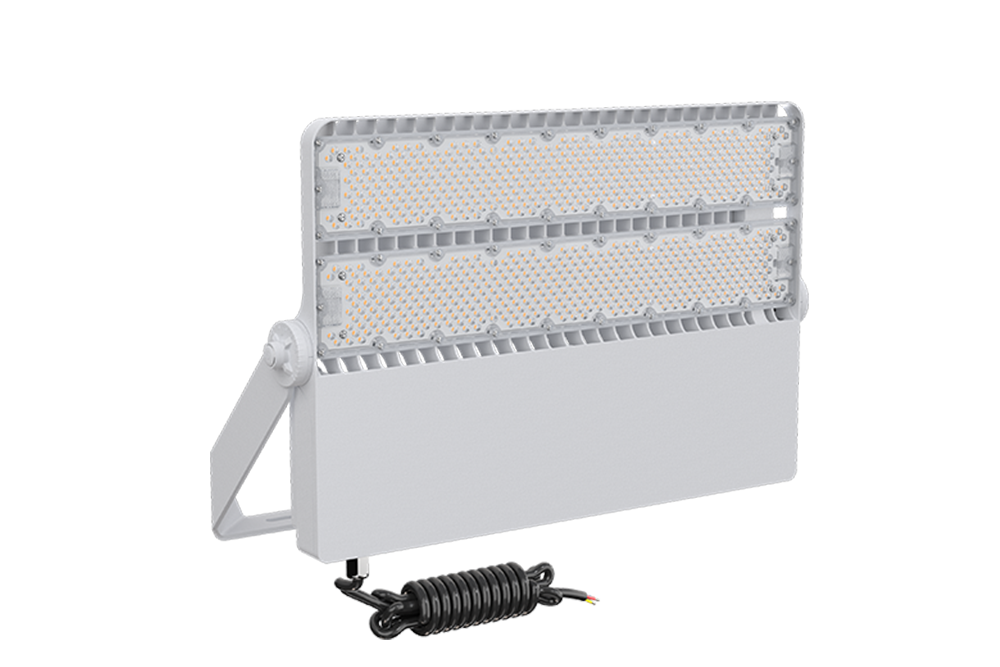
Sports Stadium LED Lighting by SEEKINGLED delivers high mast illumination, precise beam control, and EN 12193 compliant performance for professional venues.
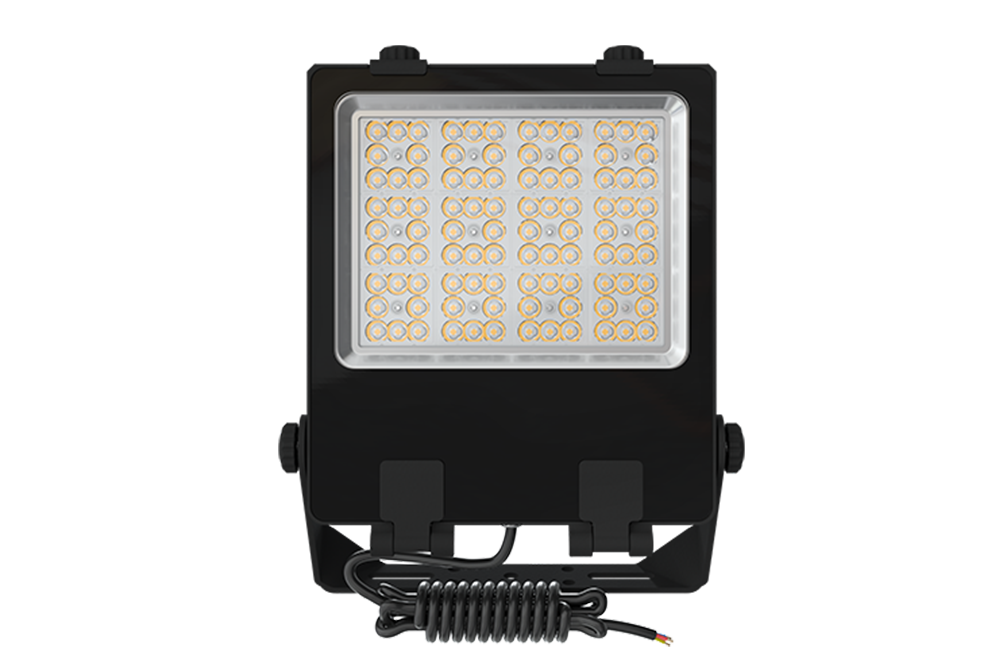
SEEKING FLX Series LED flood light outdoor for sports courts and open-area projects with 170lm/W efficiency, IP66 protection and multiple beam distributions. Designed for long-life commercial and public outdoor use.
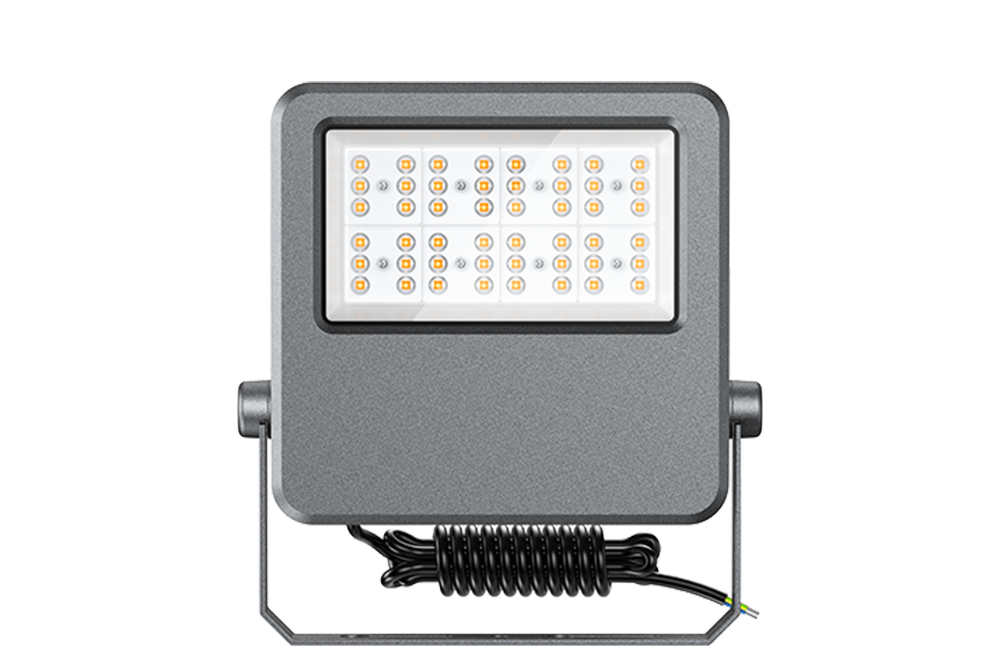
SEEKING FLE Series LED outdoor flood lights for sports grounds and open areas with multiple beam angles, IP66 protection and up to 170lm/W. Designed for long-life outdoor installations with professional driver options.
SEEKING FLD Series outdoor LED flood lights and high power led flood light deliver up to 960W with precision beam angles for sports fields, stadiums and large outdoor areas. IK08 & IP66 protection, 170lm/W efficiency and 100,000h lifetime.
loading…
This is the last post!
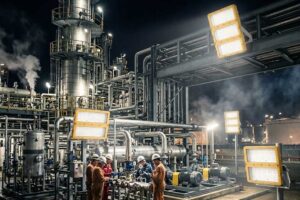
What is an ATEX Zone 1 floodlight? Learn how ATEX-certified floodlights safely illuminate hazardous gas environments in refineries, offshore platforms, and chemical plants.
View details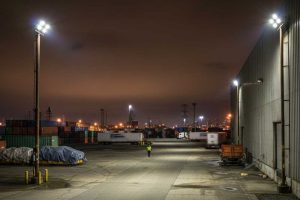
What is the most powerful LED flood light? Learn what power really means in outdoor flood lighting, beyond wattage numbers.
View details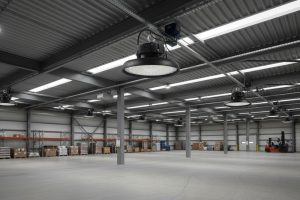
How many LED high bay lights do I need for my space? This page explains how LED high bay quantity is usually estimated based on ceiling height, area size, lumen output, and real working conditions.
View details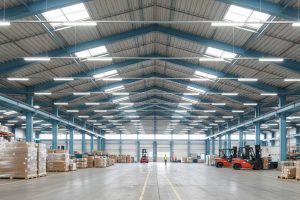
Linear LED high bay light solutions for warehouses, logistics centers and industrial corridors. Learn how SEEKINGLED linear high bay fixtures solve uneven lighting, energy waste and installation challenges.
View details