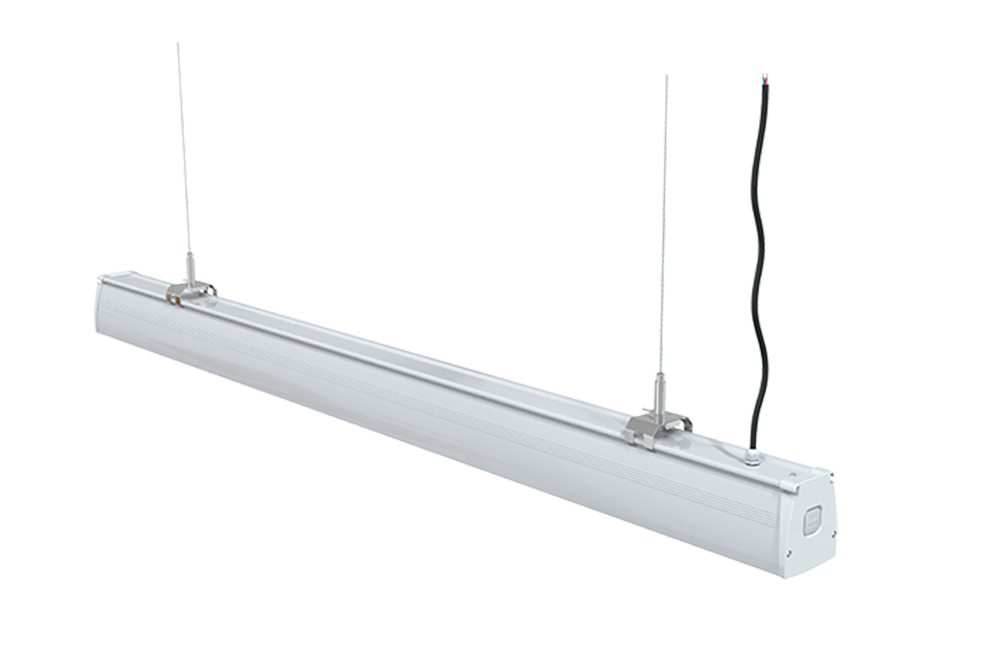
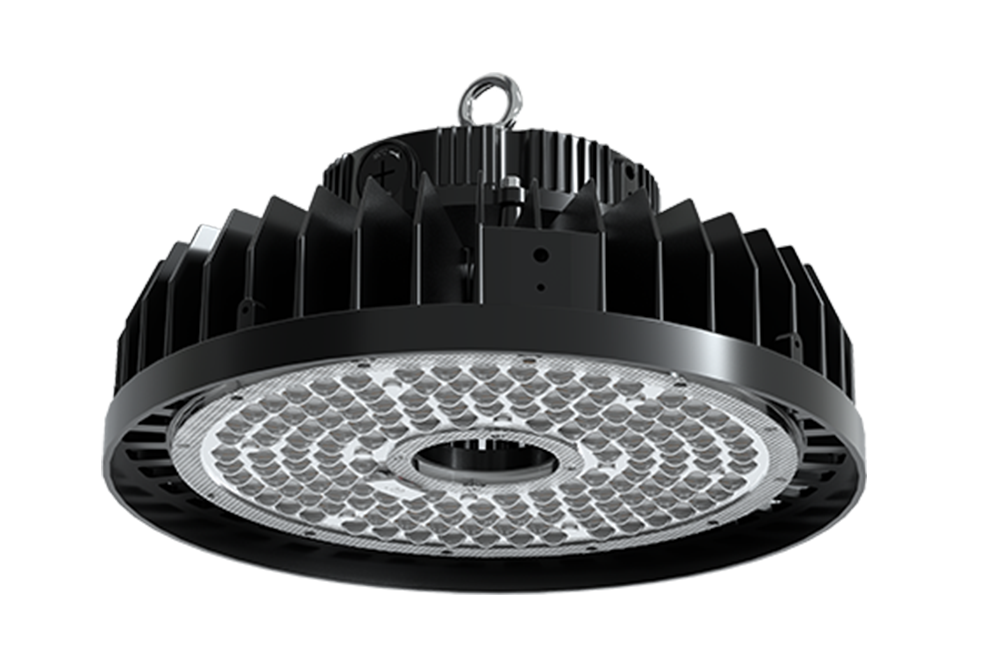
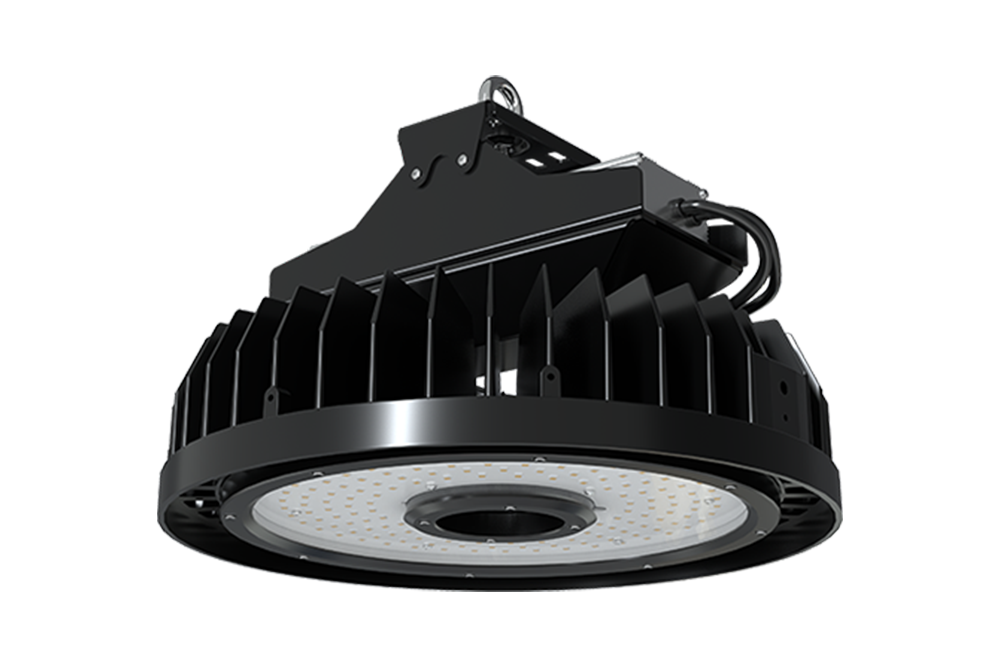
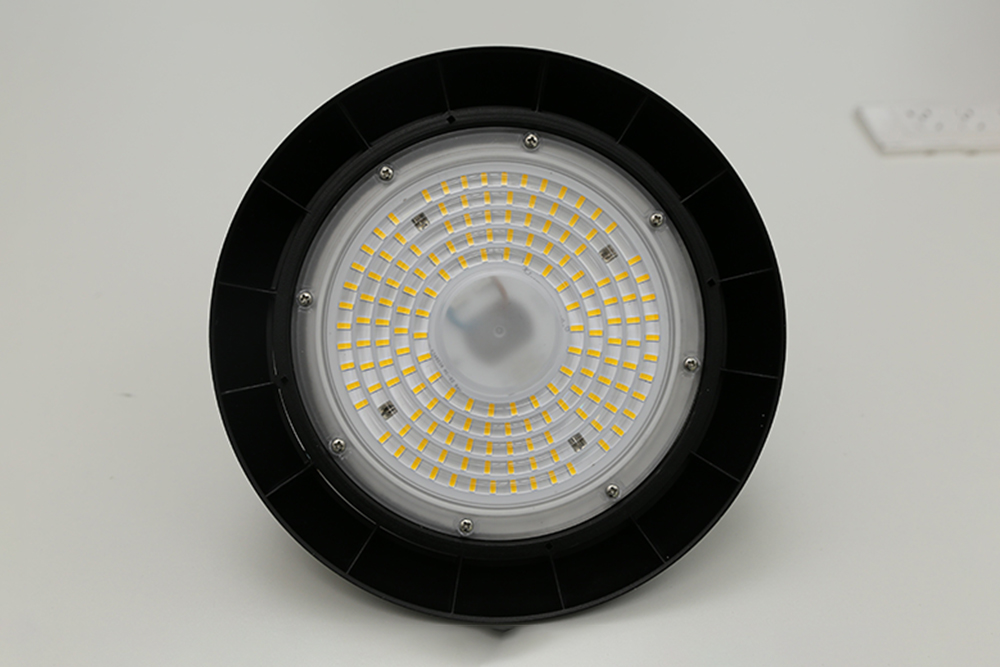
Glare Risks in Narrow Aisle LED High Bay Lighting
Question & Answer
Why are glare risks in narrow aisle LED high bay lighting more serious than most people expect?
Because narrow aisles put light directly in the line of sight.
Not eventually. Not indirectly. Immediately.
In wide warehouses, glare can hide in open space. In narrow aisles, there’s nowhere for it to go.
Narrow Aisles Turn Brightness into a Problem
The first thing people notice after an LED retrofit is how bright it feels. That reaction is usually positive—at first.
Then operators start squinting. Forklift drivers slow down. Eyes adjust constantly between rack shadows and exposed LED sources.
That’s when glare shows up.
In glare risks in narrow aisle LED high bay lighting, the issue isn’t light level alone. It’s angle. It’s exposure. It’s how often workers look straight toward the fixture instead of down at the floor.
Why Standard High Bays Fail in Narrow Aisles
Most LED high bays are designed to flood space, not guide vision.
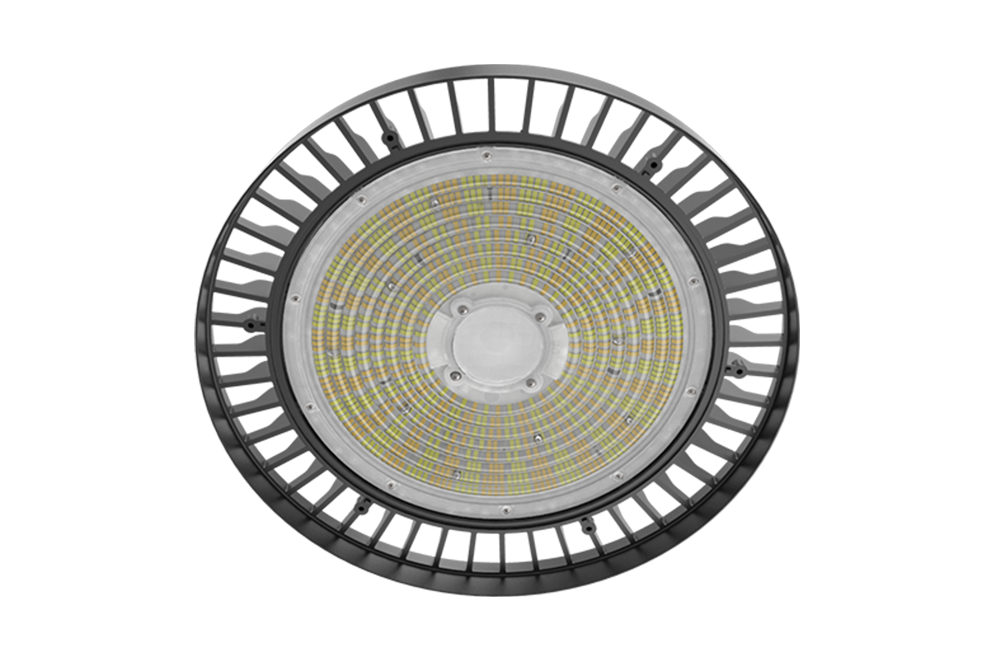
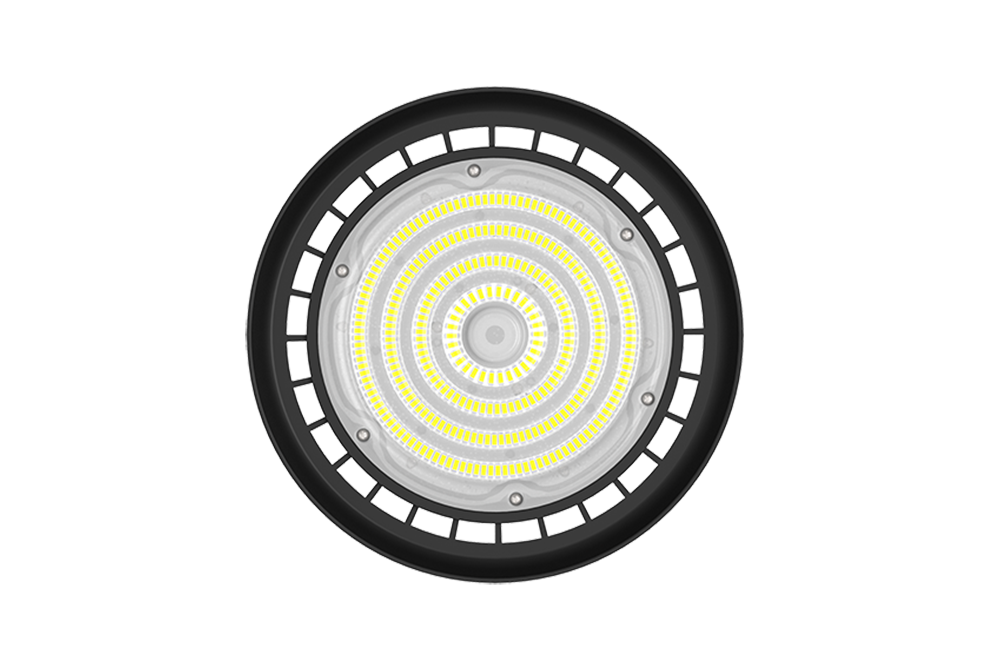
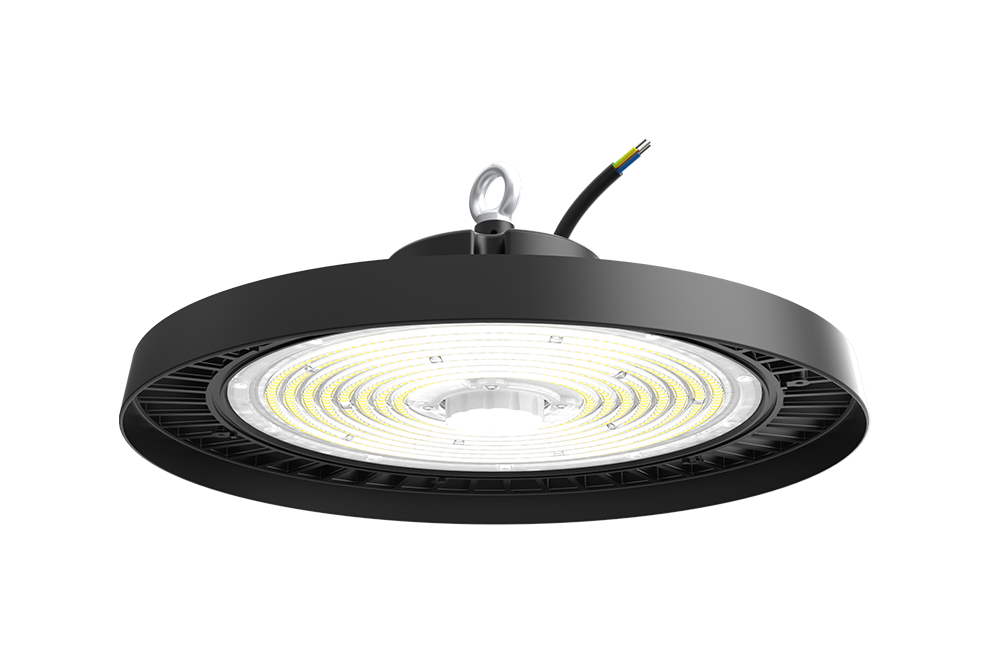
Wide beam optics, exposed LED arrays, and high-output chips all look good on spec sheets. In narrow aisles, they create sharp contrasts and direct discomfort glare.
You see it right away when someone says:
“It’s bright, but my eyes get tired fast.”
That’s not coincidence. That’s optical mismatch.
Glare Is a Safety Risk, Not Just a Comfort Issue
This part gets overlooked.
In narrow aisle warehouse glare scenarios, operators often tilt their heads upward to read rack labels or track lift height. If the LED source is exposed at that moment, visual recovery slows down.
Milliseconds matter when steel and motion share space.
At SEEKINGLED, glare control is treated as a safety decision, not a styling preference.
What Actually Reduces Glare in Narrow Aisle Lighting
From real installations, three things matter more than marketing claims:
- Tighter beam control (not wider)
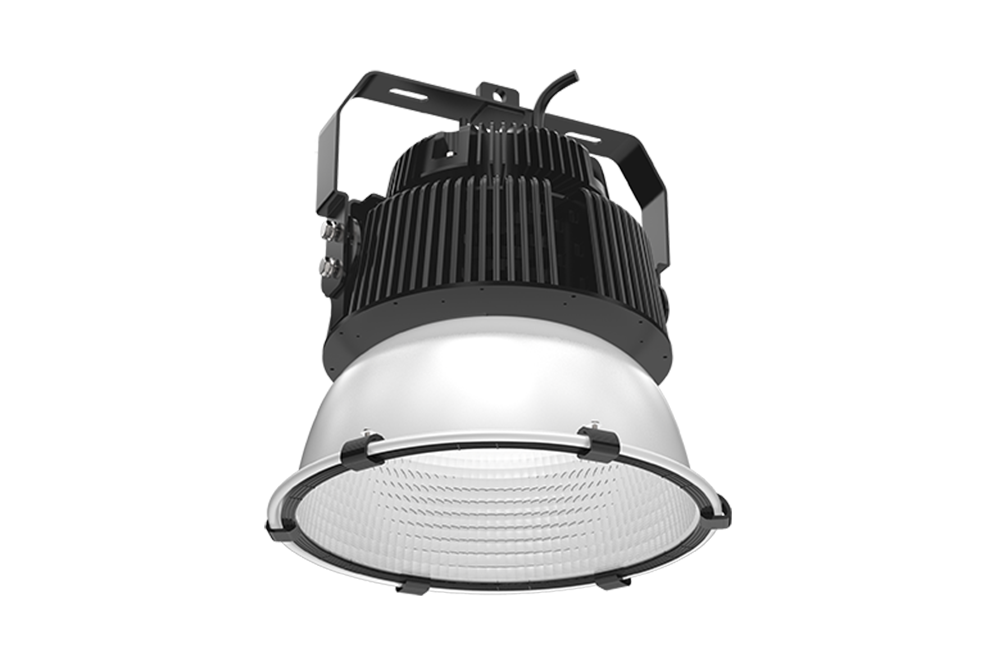
- Recessed or shielded LED sources
- Optics aligned with aisle direction, not cross-aisle spill
Lower wattage with proper optics often beats high-output fixtures every time. More light doesn’t fix glare. Direction does.
The Mistake of “We’ll Adjust It Later”
Once glare complaints start, adjustments are expensive.
Changing mounting height helps a little. Adding diffusers helps less than expected. Replacing optics after installation is rarely budgeted.
This is why glare risks in narrow aisle LED high bay lighting should be addressed before fixtures ever arrive on site.
SEEKINGLED designs high bay solutions with glare control built in—because fixing it later usually costs more than doing it right once.
Final Take
Glare isn’t loud. It doesn’t trip alarms. It just wears people down.
In narrow aisles, that quiet problem becomes a daily one.
If lighting feels harsh instead of helpful, the system isn’t “almost right.” It’s pointed the wrong way.
LED high bay light Product Recommendation
The SEEKING HBC-T Series high bay lights LED offer long-lasting performance for warehouses, production plants and logistics centers. Durable IP65 & IK08 housing, 60°/90° beam angles, up to 150 lm/W, and a lifespan beyond 100,000 hours. Ideal for a…
The SEEKING HBS Series LED UFO high bay light delivers 140 lm/W efficiency, IP65 protection and MEAN WELL drivers. A durable high-rise lighting solution for factories, warehouses and commercial halls.
SEEKING HBD Series LED high bay lighting delivers 160 lm/W efficiency, IP66 protection, and long 100,000-hour lifespan. A durable UFO high bay solution for warehouses, workshops, logistics centers and commercial facilities.
The SEEKING HBC Series high bay LED light fixtures combine strong efficiency, practical design and reliable SOSEN drivers. A durable UFO high bay lighting option for warehouses, workshops and wholesale projects.
The SEEKING GSL Series high bay LED light delivers powerful, efficient lighting for industrial and commercial spaces. With IP65 protection, flexible mounting, and up to 140 lm/W performance, it’s ideal for warehouses, workshops, and retail areas.
The SEEKING HB15(GLE) Series delivers advanced high bay led lighting with UGR 100,000 h) and reliable illumination for demanding commercial environments.
Discover the SEEKING HB13(GLK) Series ufo led high bay light, engineered for sports halls, airport lounges, showrooms, and large commercial spaces. UGR 100,000 h). Ideal for industrial ufo high bay lighting fixtures and commercial retrofits.
SEEKING HBF Series offers industrial LED high bay lighting with up to 200lm/W efficiency, SOSEN flicker-free driver, IP65 protection and optional microwave motion sensor. Ideal for warehouses, factories and commercial distribution projects.
The HLD Series linear high bay LED lights from SEEKING deliver up to 200 lm/W with multiple beam angles and adjustable CCT options for warehouse, workshop, corridor and general industrial lighting.
The HBK Series LED high bay light by SEEKING combines 500W power, 160–175 lm/W efficiency and IP65 durability for heavy-duty industrial lighting. Designed for warehouse, factory and production facilities with demanding ceiling heights.
LED high bay lights engineered for extreme heat and low-temperature industrial sites. SEEKING HBK Ultua Series operates from -40°C to +70°C with Nichia LEDs and Inventronics driver.
High bay LED lights built for warehouses, production plants and wholesale distribution. SEEKING HBI Series offers up to 200lm/W, IP65, IK08 and optional microwave motion sensor for energy saving operation.
loading…
This is the last post!
 Seeking LED