 Seeking LED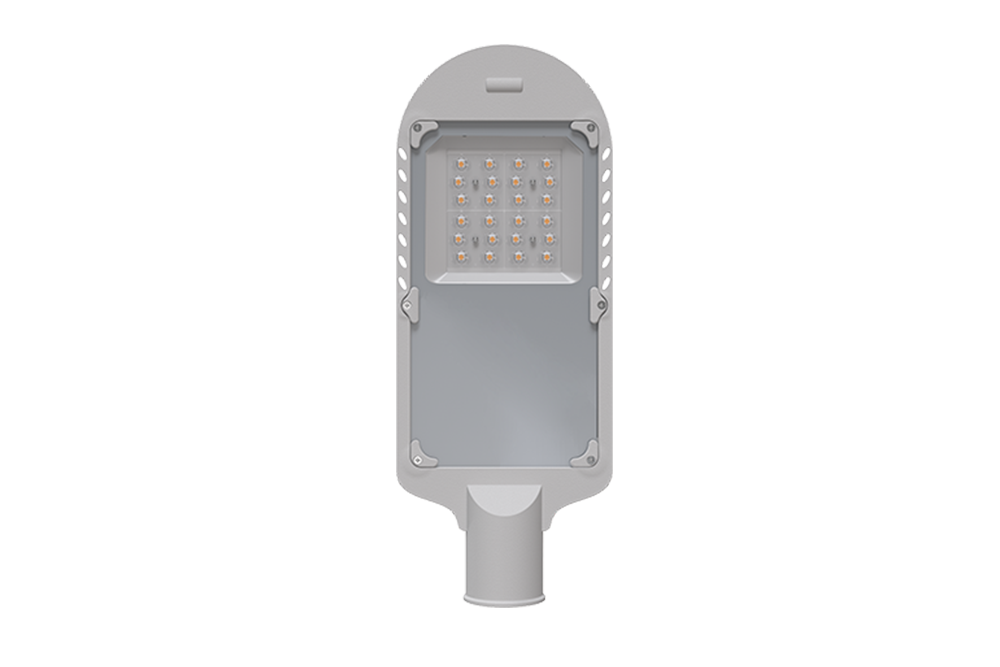
Are LED Lights a Non Linear Load?
317Are LED lights a non linear load? This article explains how LED drivers affect power quality and what it means for industrial and commercial LED linear lighting systems.
View detailsSearch the whole station
When people talk about outdoor LED street lights, they usually focus on numbers—lumens, wattage, efficiency. On site, those numbers matter less than expected. What matters is whether the light keeps working after years of rain, dust, traffic vibration, and electrical instability.
I’ve spent over 15 years working with outdoor and roadway lighting, mostly municipal streets, industrial zones, and commercial access roads across Europe and North America. In that time, I’ve learned that the best outdoor LED street lights are rarely the most complicated ones. They are the ones that stay predictable.
That design approach is exactly what SEEKINGLED focuses on.
In theory, LED street lights are simple: power in, light out. In reality, outdoor conditions are unforgiving.
From field experience, failures usually come from:
LED chips themselves are rarely the first point of failure. Everything around them is.
That’s why outdoor LED street lights must be designed as systems, not just luminaires.
By Daniel R., Senior Outdoor Lighting Engineer (15+ years field experience, municipal projects)
When I evaluate outdoor lighting, I don’t start with wattage. I start with standards.
According to IES RP-8-21, roadway lighting performance depends heavily on uniformity, glare control, and maintained illuminance—not peak brightness. Meanwhile, LM-80 and TM-21 testing methods are used industry-wide to predict LED lumen maintenance over time.
Fixtures rated L80B20 >100,000 hours at 25°C offer predictable depreciation. That doesn’t mean they never fail. It means planners can estimate when performance will drop below acceptable levels.
This predictability is what municipalities care about most.
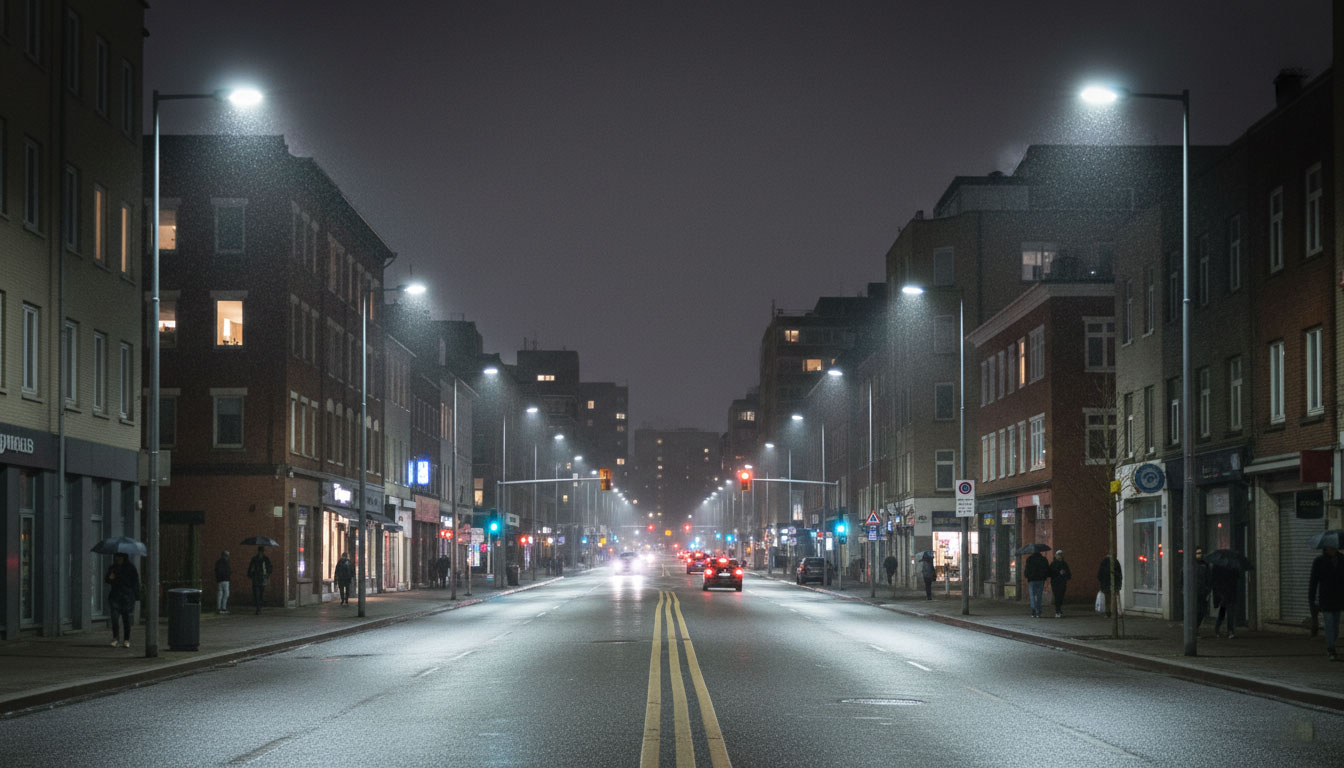
According to the U.S. Department of Energy, LED roadway lighting typically reduces energy consumption by 50–65% compared to high-pressure sodium systems when designed correctly. That statistic is often quoted—and often misunderstood.
Energy savings only materialize if:
Outdoor LED street lights that fail early erase energy savings through repair costs and downtime.
That’s why SEEKINGLED emphasizes stable drivers, proper heat dissipation, and realistic optical layouts instead of chasing headline efficiency figures.
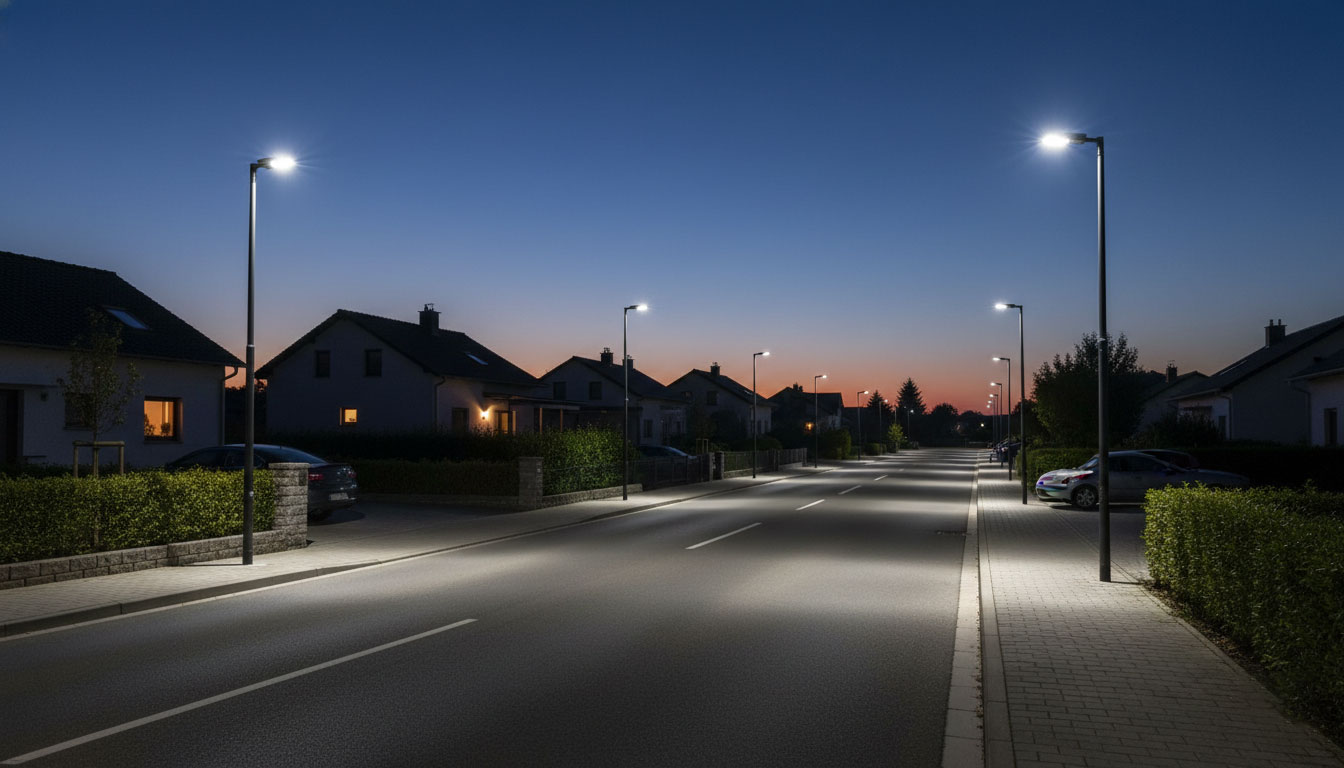
In real projects, overlighting is just as problematic as underlighting. Proper beam control improves driver visibility while reducing light spill into residential areas.
This aligns with IES recommendations, which prioritize uniformity ratios and glare limitation over excessive luminance.
Outdoor LED street lights are often installed in places that receive minimal maintenance. That’s a reality, not a design goal.
For that reason, professional-grade outdoor fixtures typically include:
These features don’t make lights brighter. They make them last.
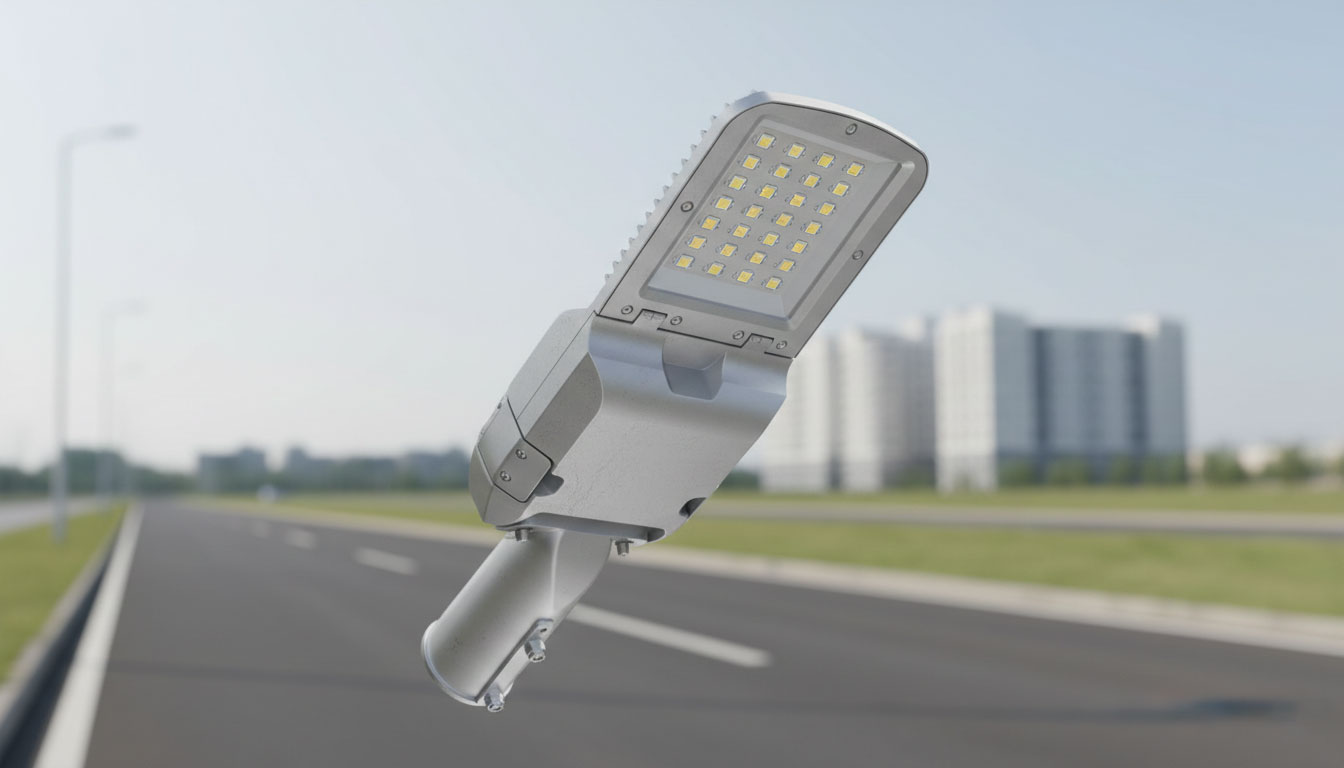
From long-term projects, outdoor LED street lights are most effective in:
They are not decorative fixtures. They are infrastructure.
Good outdoor LED street lights don’t call attention to themselves. They don’t flicker. They don’t fail during storms. They don’t require constant adjustment.
The SEEKINGLED approach focuses on reliability, controlled optics, and long-term performance rather than unnecessary complexity. After years of seeing what survives outdoors—and what doesn’t—that approach remains the safest choice.
If a road stays evenly lit and nobody complains, the lighting is doing its job.
And in outdoor environments, that’s exactly the goal.
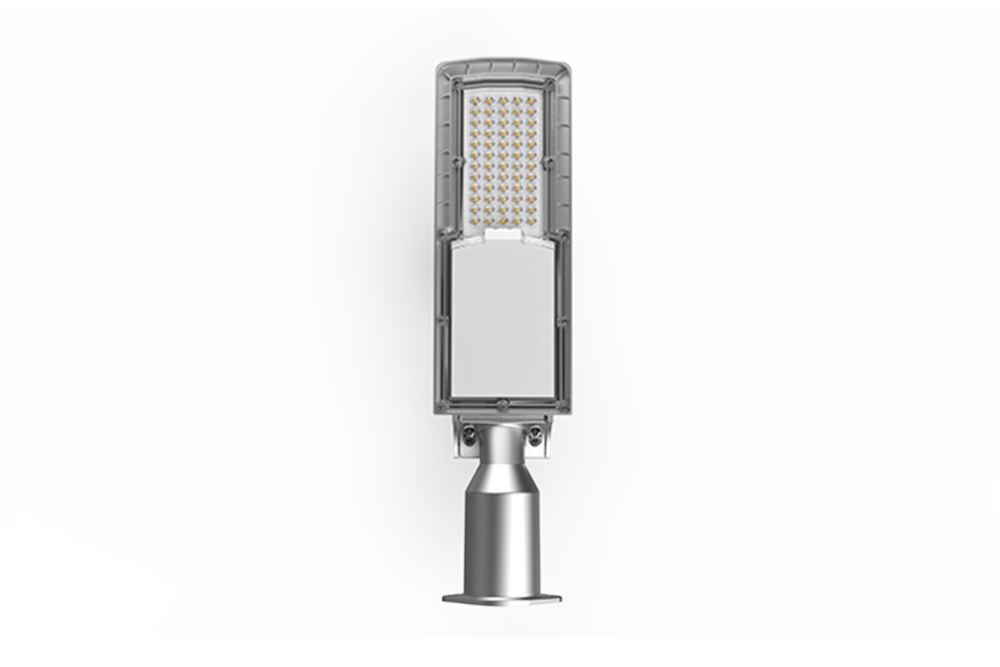
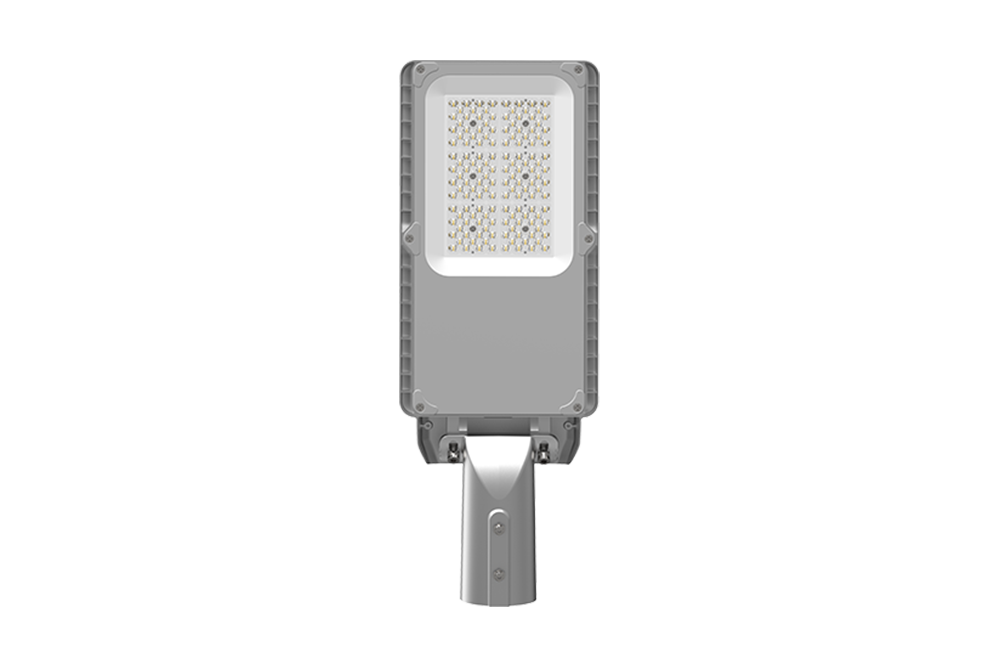
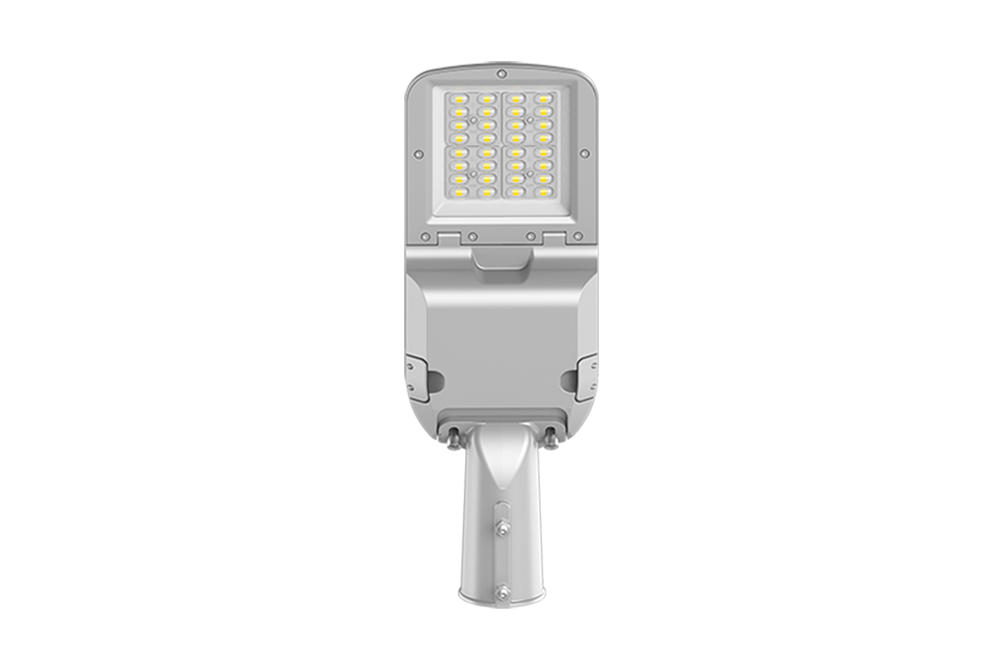
SEEKING STL-Series LED street lights deliver stable performance, 170 lm/W efficiency and 10KV surge protection. Ideal for city streets, parking lots, public roads and outdoor area lighting projects. Durable IP66 & IK08 design for long-term reliabi…
The SEEKING STC Series LED light street light delivers up to 170lm/W efficiency with MOSO drivers, IP66 protection, and a ±15° adjustable arm—ideal for roads, residential areas, and public lighting upgrades.
SEEKING STB Series LED street lighting delivers up to 160 lm/W, 10kV surge protection, IP66 waterproofing, and durable IK08 impact resistance. Ideal for streets, parking lots, and large outdoor areas needing long-lasting, energy-saving LED roadway…
The SEEKING STA Series LED street light delivers strong efficiency, IP66 protection, 10kV surge resistance and multiple beam patterns for roads, parking lots and urban areas. High lumen output, easy installation and reliable performance for long-t…
loading…
This is the last post!
Are LED lights a non linear load? This article explains how LED drivers affect power quality and what it means for industrial and commercial LED linear lighting systems.
View details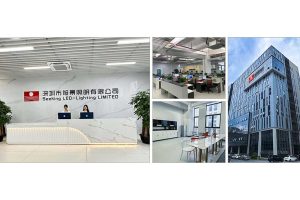
SEEKINGLED announces the relocation of its Shenzhen office to Guole Science and Technology Park, supporting continued growth in explosion proof lights, LED flood lights, street lighting and industrial LED solutions.
View details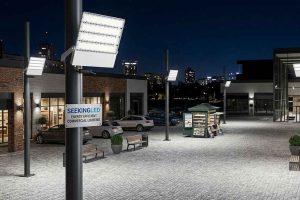
outdoor energy efficient flood lights reduce energy use up to 70% while delivering high brightness and durability—ideal for yards, parking, and industrial use.
View details
27th-30th-Oct-2023 Booth NO.:5B-E21 At the 2023 Hong Kong International Lighting Fair (Autumn Edition), we unveiled 10 new product series, including: HB12: HBC series - UFO high bay light, featuring CE and CB certification...
View details