 Seeking LED
Explosion Proof Light Fixtures LED for Hazardous Industrial Use
0Explosion proof light fixtures LED for hazardous industries. Durable, certified, and energy-efficient lighting solutions by SEEKINGLED for safe operations.
View detailsSearch the whole station
Explosion proof LED low bay lights are specifically designed for hazardous locations with mounting heights below 6 meters, providing safe, certified illumination while preventing ignition risks caused by sparks, heat, or electrical faults in flammable gas or dust environments.
That’s the clear answer.
But in real installations—especially in chemical workshops, paint mixing rooms, and enclosed production areas—the difference between “compliant lighting” and actually safe lighting often shows up months later, not on day one.
Low bay lighting typically applies to:
Unlike high bay fixtures, low bay lights prioritize uniformity over throw distance.
Explosion-proof LED low bay fixtures operate under certified protection methods:
According to IEC 60079 standards, equipment must ensure that:
In ethanol vapor environments, for example, ignition can occur at relatively low energy levels—making enclosure integrity critical.
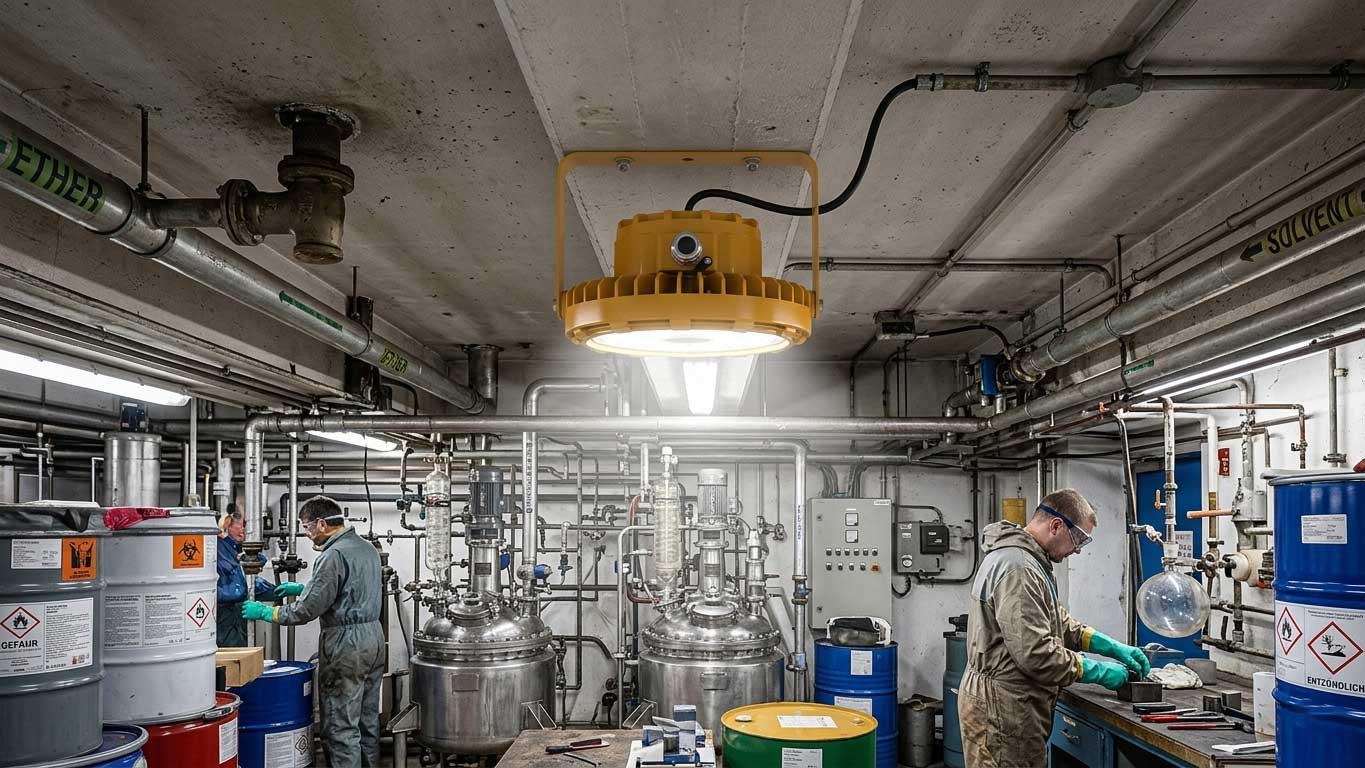
From actual project deployments, these fixtures are most commonly used in:
One project I worked on involved a coating workshop:
Switching to explosion proof low bay fixtures eliminated compliance risks immediately.
Explosion-proof low bay lighting is typically used in:
| Zone | Description |
|---|---|
| Zone 1 | Explosive atmosphere likely occasionally |
| Zone 2 | Explosive atmosphere unlikely but possible |
The European ATEX directive (2014/34/EU) requires certified equipment in such environments.
At lower heights:
This matters in precision environments like:
Heat accumulation is a hidden risk.
According to the U.S. Department of Energy, LED performance and lifespan are highly dependent on thermal management. Poor heat dissipation can reduce lifespan by over 30%.
Low bay designs typically:
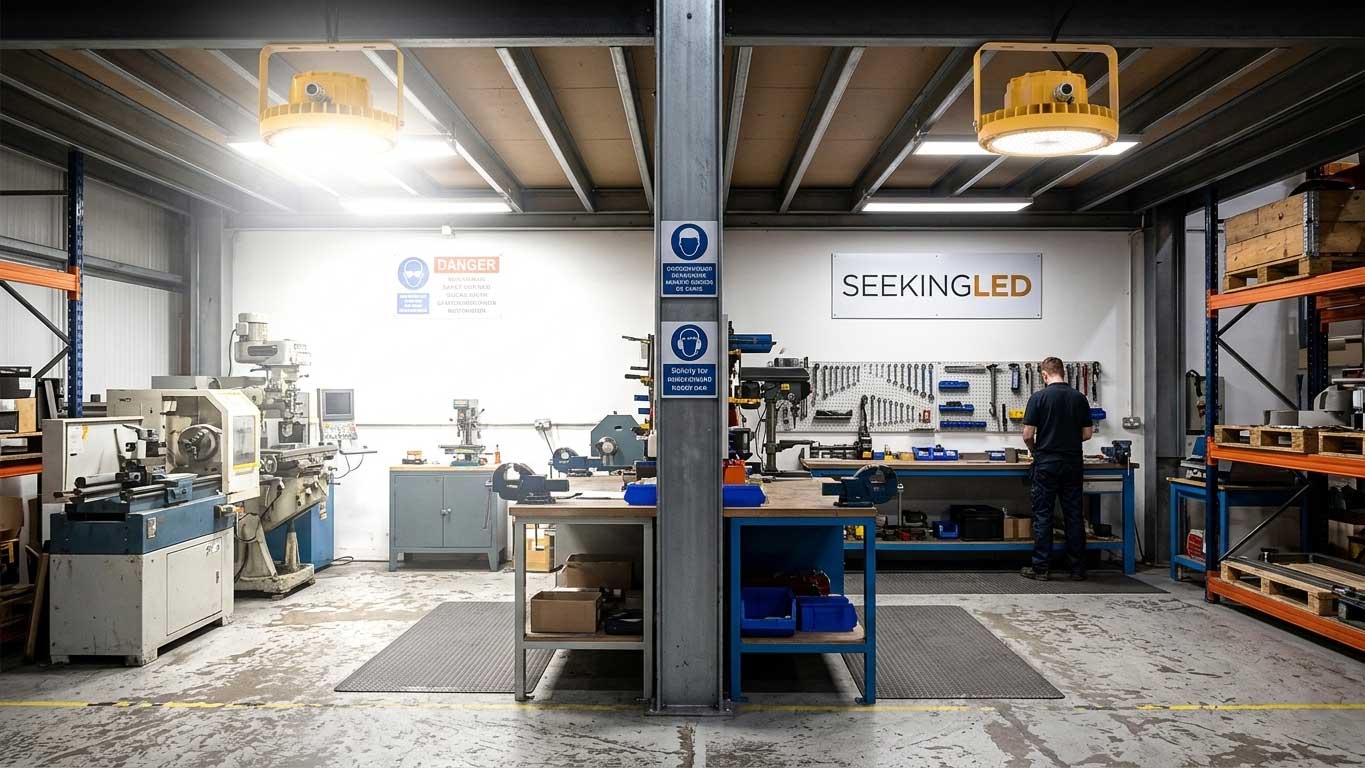
Look for:
Typical markings:
Hazardous areas often involve:
Recommended:
Typical range:
In one warehouse retrofit:
For certain industries:
In a pharmaceutical facility:
Result:
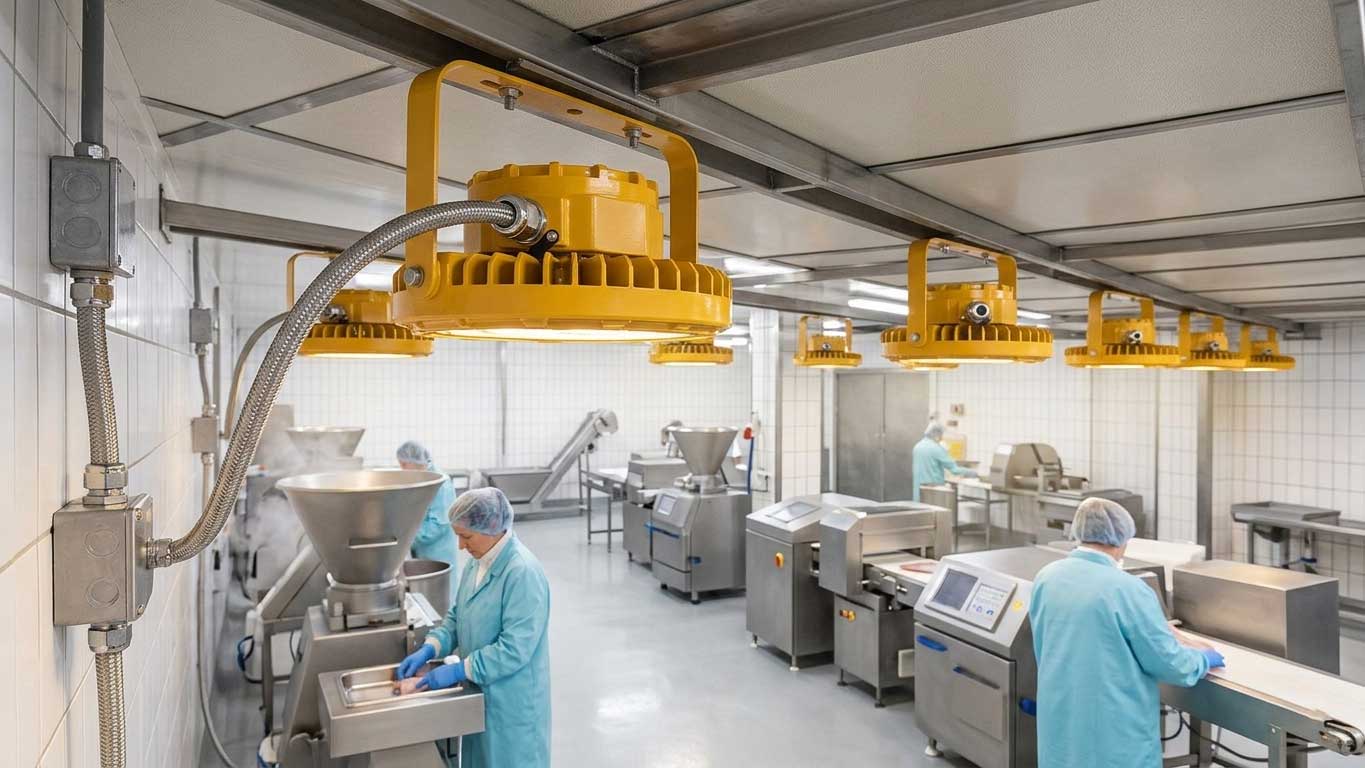
Smooth housing:
In food factories, this is not optional—it’s compliance.
Using non-certified lighting in Zone 1:
Higher wattage ≠ better lighting.
Often:
Wrong fixture type leads to:
| Item | Requirement |
|---|---|
| Certification | ATEX / IECEx |
| Protection rating | ≥ IP66 |
| Mounting height | 3–6 m |
| Efficiency | ≥120 lm/W |
| CRI | ≥80 (≥90 if needed) |
Low bay lights are designed for lower ceilings (3–6m) with wider beam angles, while high bay lights are for higher ceilings and focus on long-distance illumination.
Yes, if they have sufficient IP rating (IP66+), they can handle outdoor industrial environments.
Yes. Compared to traditional lighting, they typically reduce energy consumption by 40–60%.
This content is based on direct experience with:
In multiple projects, we found:
Lighting layout and certification selection had a greater impact on safety than wattage alone.
Choosing explosion proof led low bay lighting isn’t just about meeting standards.
It’s about:
Because in hazardous areas, lighting is not just illumination—it’s part of your safety system.
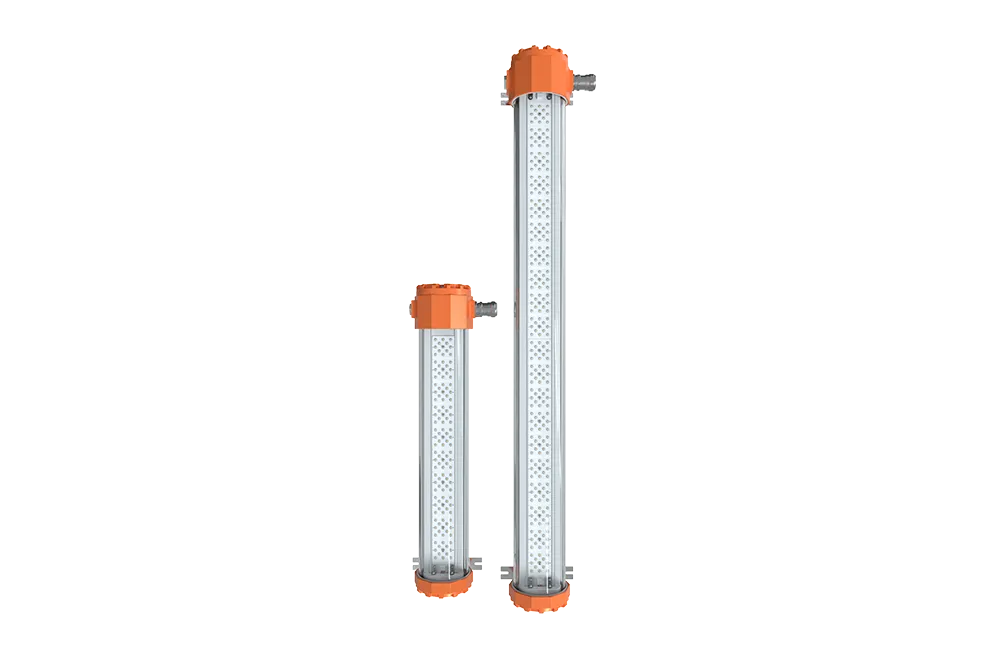
SEEKINGLED LED Linear Explosion Proof Light and Explosion Proof lighting is ATEX and IECEx certified for Zone 1, Zone 2, Zone 21 and Zone 22 hazardous locations, built for long-term industrial use.
View details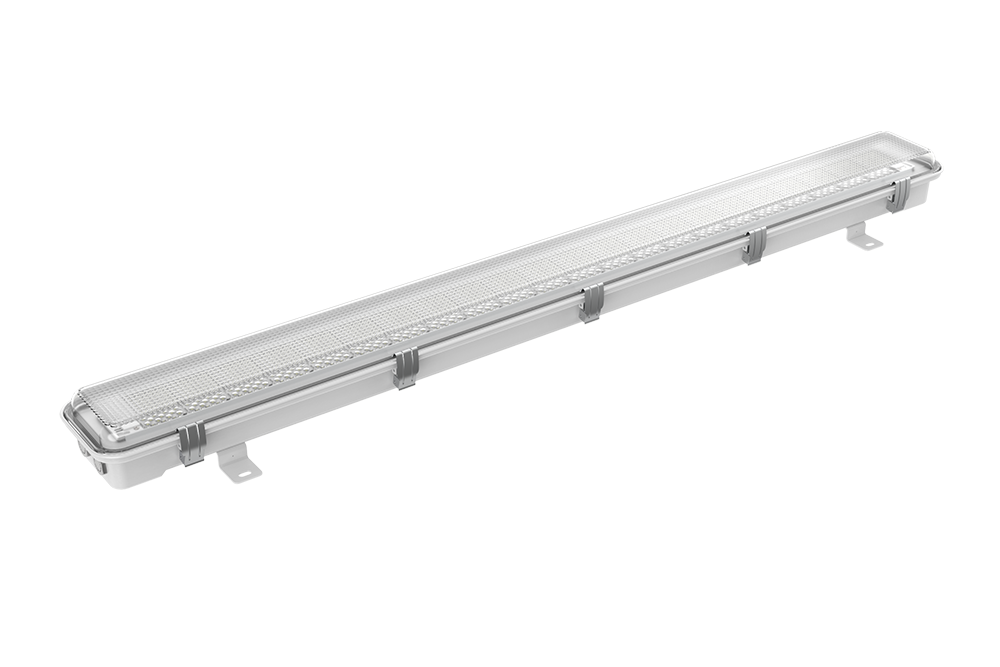
LED Linear Explosion Proof Lights and EX Proof lights for Zone 1, Zone 2, Zone 21 and Zone 22 hazardous areas. ATEX & IECEx certified explosion proof LED linear lighting with emergency function, adjustable power and IP67 protection by SEEKINGLED.
View details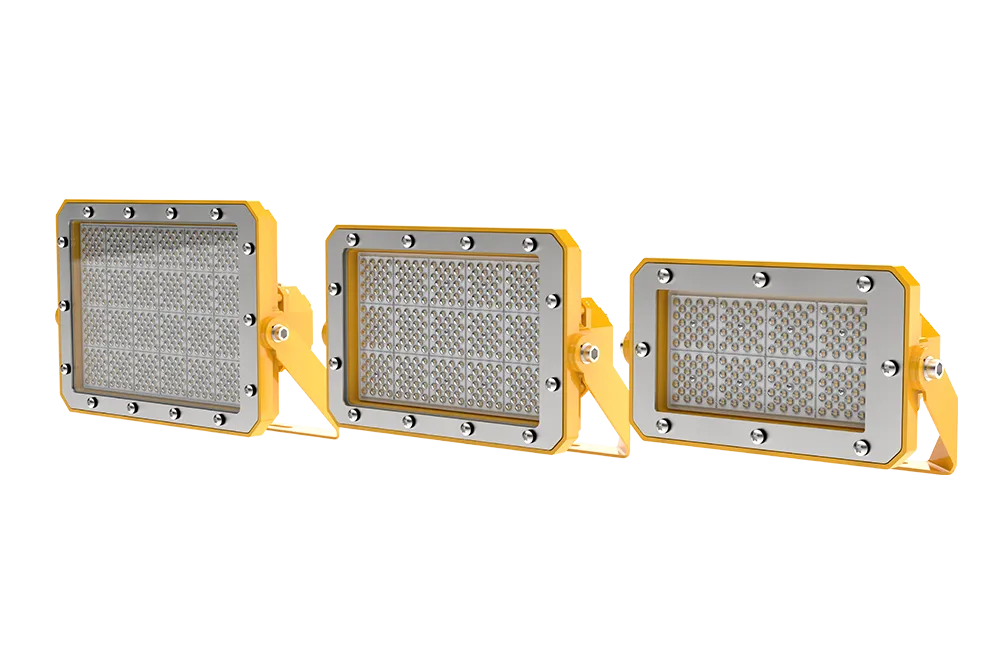
SEEKINGLED LED Explosion Proof Flood Lights are ATEX certified for Zone 2 and Zone 22 hazardous areas, offering high efficiency, adjustable power and integrated junction box.
View details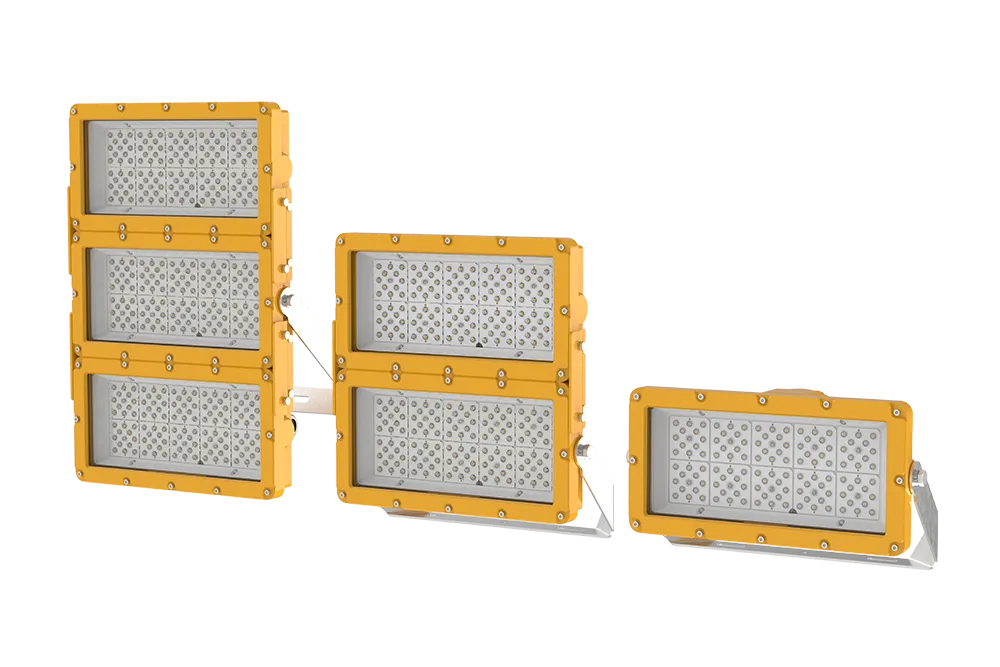
SEEKINGLED LED Explosion Proof Flood Lights are flameproof ATEX and IECEx certified for Zone 1 and Zone 2 hazardous areas, offering high power, adjustable output and long service life.
View details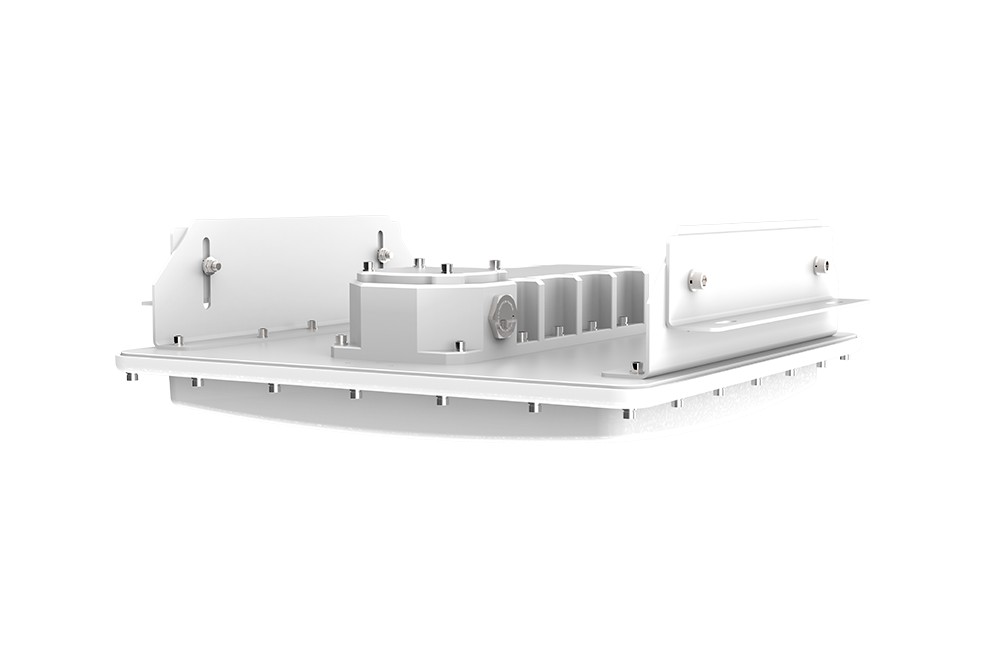
SEEKINGLED LED Gas Station Canopy Lights are ATEX certified for Zone 2 and Zone 22 hazardous areas, featuring adjustable power and built-in explosion-proof junction box.
View details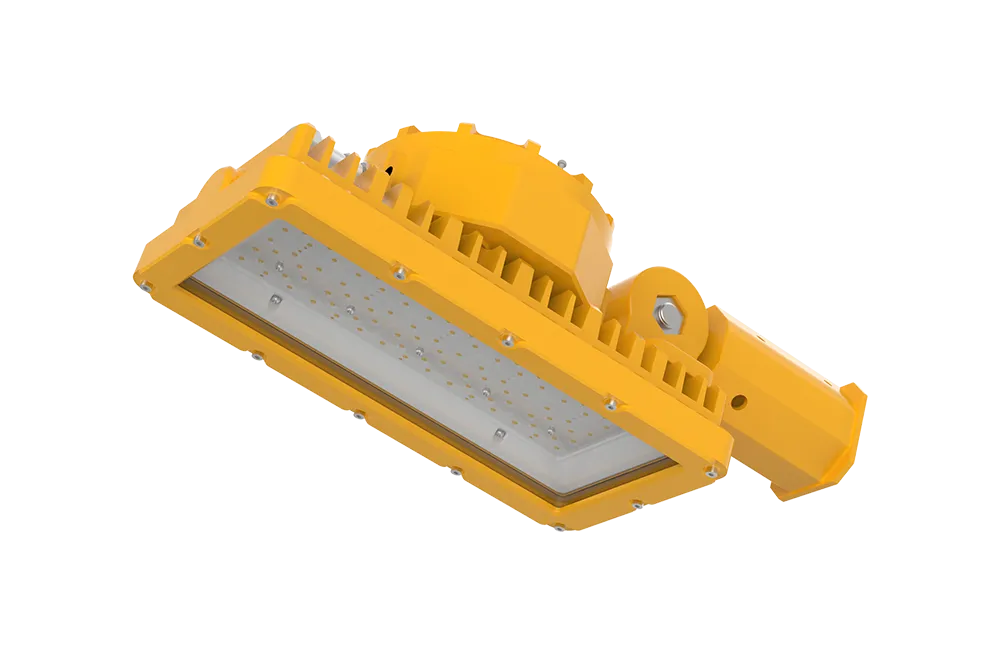
ATEX: Ex II 2G Ex db IIB T6/T5 GbEx II 2D Ex tb IIIC T80°C/ T95°C Db IECEx Ex db IIB T6 Gb;Ex tb IIIC T80°C Db Feature: ● For Zone 1,2 and Zone 21,22● Flameproof type, the strongest● 100W can replace 250W HID,energy saving● Power:60W,80W,100W Application: Oil and gas, marine, Chemical, pharmaceutical, semiconductor,mining,military industr…
View details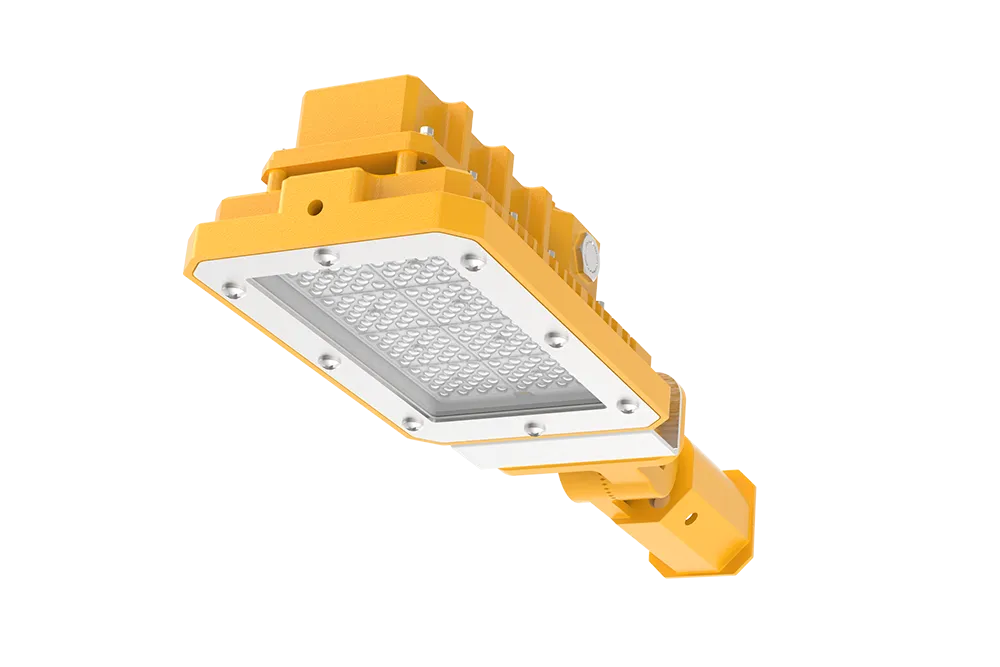
ATEX: II 3G Ex nR ⅡC T5/T6 GcII 3D Ex tc ⅢC T80℃/T95℃Dc ATEX Certificate NO: TÜV CY 26 ATEX 0207611 X Feature: ● For Zone 2 and Zone 22● 150W can replace 250W HID lamps,Energy saving● Power:50W,75W,100W,150W,200W Application: Oil and gas, marine, Chemical, pharmaceutical, semiconductor,mining,military industry, paint booth,power plant ETC…
View details
LED explosion proof high bay lights are designed for Zone 1, Zone 2, Zone 21 and Zone 22 hazardous areas. This page introduces the HB21 Series from SEEKING, including certifications, power options and real application considerations.
View details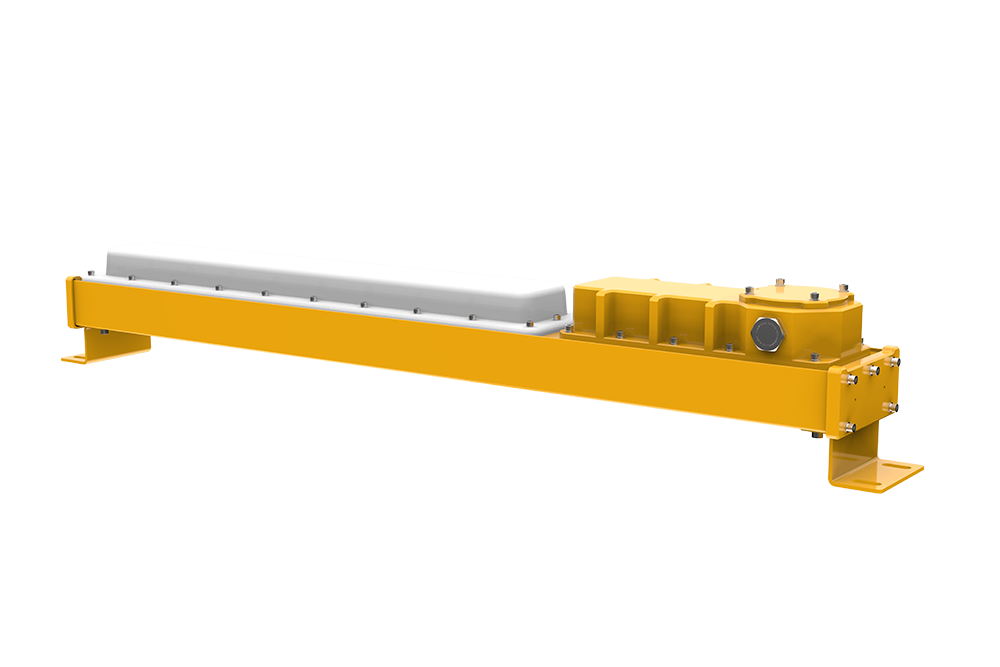
LED Linear Explosion Proof Lights from SEEKINGLED. LU Series Flame Proof lights ATEX-certified explosion proof LED linear lighting for Zone 2 gas and Zone 22 dust areas, IP69K, IK10, long lifetime and flexible power options.
View details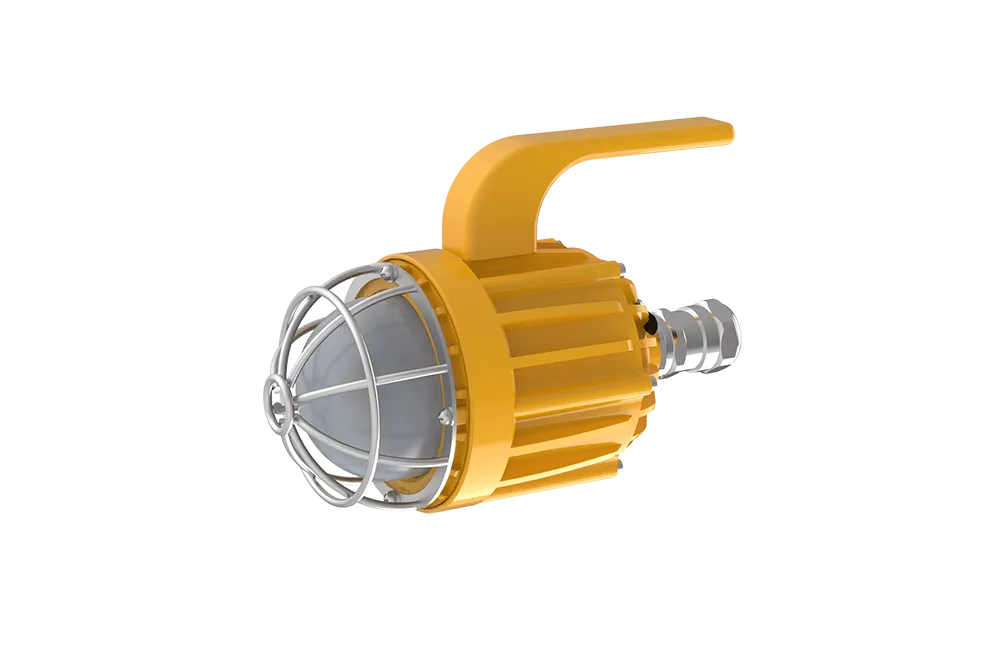
Certified explosion proof work lights for Zone 1 & 21 hazardous areas. Portable, ATEX & IECEx approved, built for oil, gas and chemical plants by SEEKINGLED.
View details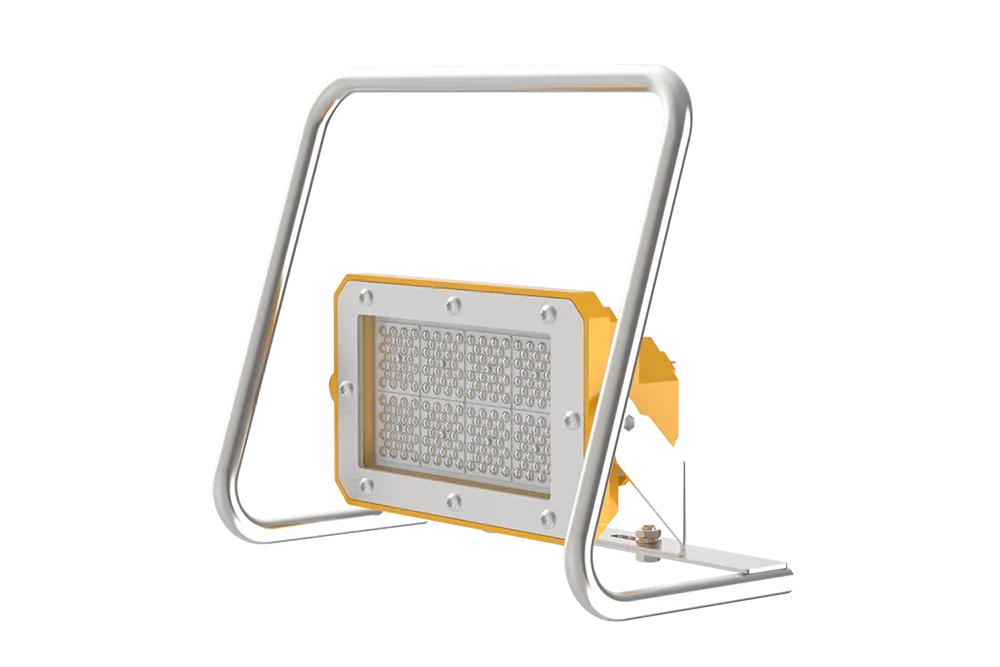
ATEX: II 3G Ex nR ⅡC T6 GcII 3D Ex tc ⅢC T80℃ Dc ATEX Certificate NO: TÜV CY 26 ATEX 0207611 X Feature: ● For Zone 2 and Zone 22● Accepts battery-powered supply● indestructible● Power:AC input:50W,75W,100WDC input:15W,25W,35W Application: Oil and gas, marine, Chemical, pharmaceutical, semiconductor,mining,military industry, paint booth,po…
View details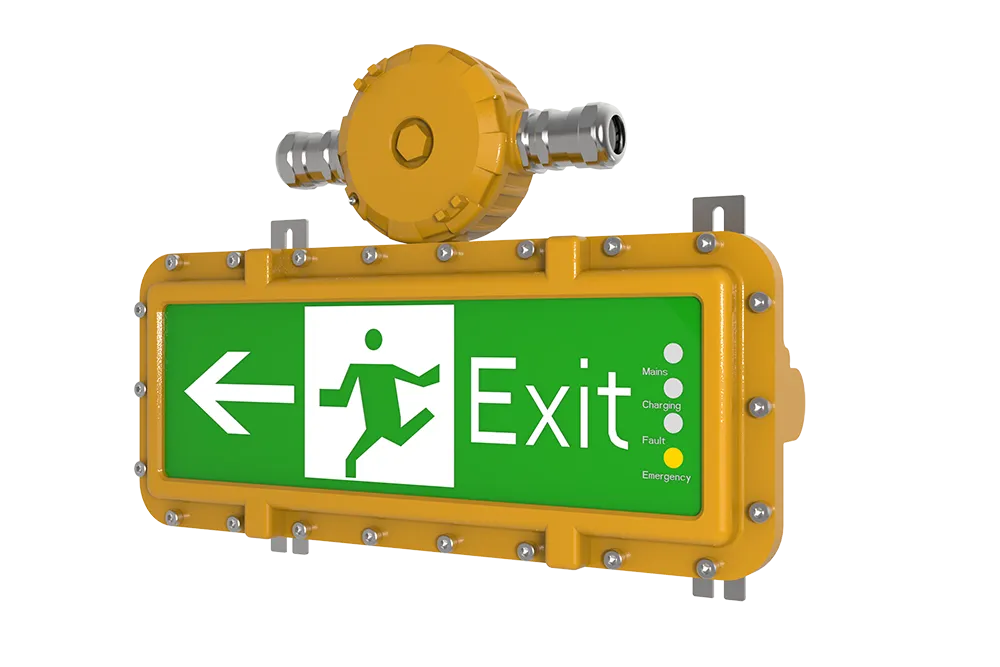
ATEX: Ex II 2G Ex db IIB T6 GbEx II 2D Ex tb IIIC T80°C Db IECEx Ex db IIB T6 Gb;Ex tb IIIC T80°C Db Feature: ● For Zone 1,2 and Zone 21,22● Flameproof type, the strongest Application: Oil and gas, marine, Chemical, pharmaceutical, semiconductor,mining,military industry, paint booth,power plant ETC hazardous area. Technical Specifications:…
View details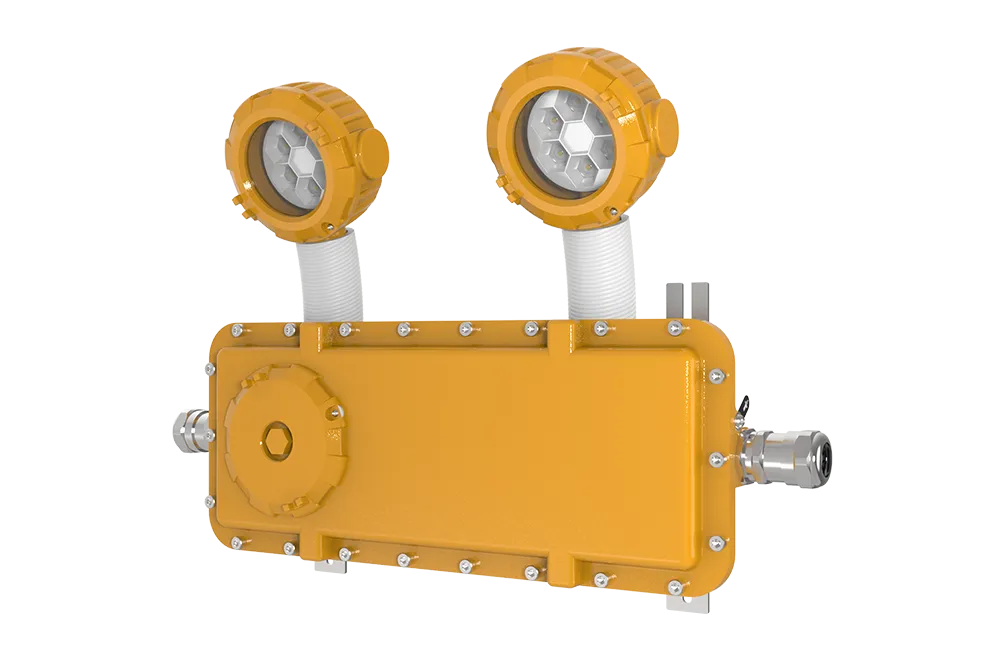
ATEX: Ex II 2G Ex db IIB T6 GbEx II 2D Ex tb IIIC T80°C Db IECEx Ex db IIB T6 Gb;Ex tb IIIC T80°C Db Feature: ● For Zone 1,2 and Zone 21,22● Flameproof type, the strongest Application: Oil and gas, marine, Chemical, pharmaceutical, semiconductor,mining,military industry, paint booth,power plant ETC hazardous area. Technical Specifications:…
View details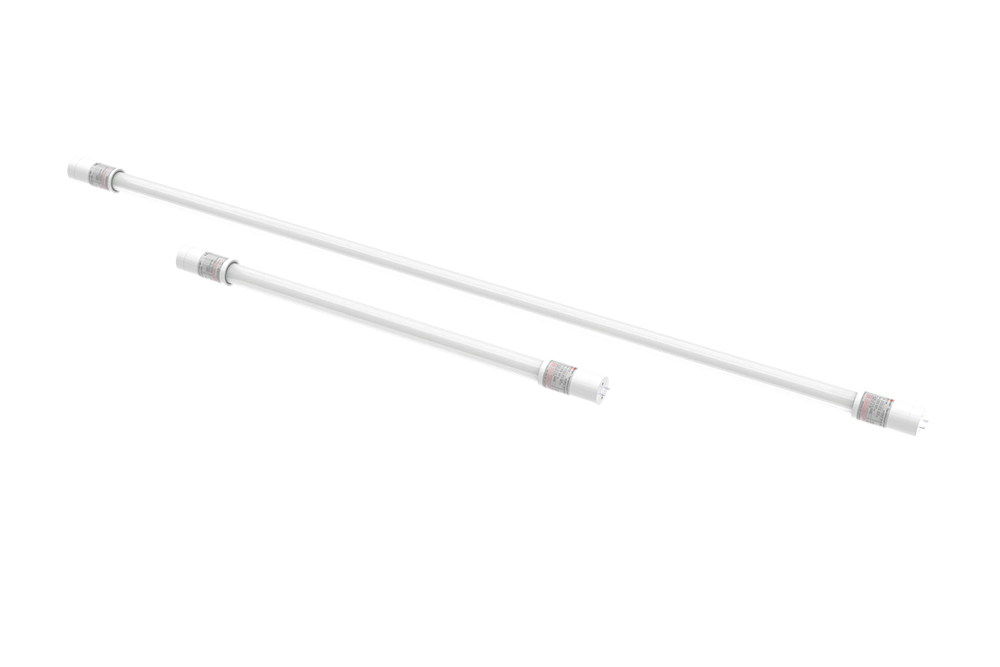
ATEX: Ex II 2G Ex d e IIB T6 Gb ATEX: Ex d e IIB T6 Gb; Feature: ● For Zone 1,2● 9W can replace 18W fluorescent lamps,50% Energy saving Application: Oil and gas, marine, Chemical, pharmaceutical, semiconductor,mining,military industry, paint booth,power plant ETC hazardous area. Technical Specifications: Standards:60079-0, 60079-1, 60079…
View details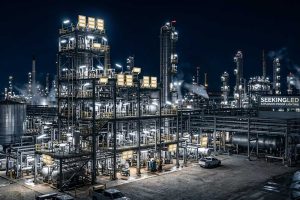
Explosion proof light fixtures LED for hazardous industries. Durable, certified, and energy-efficient lighting solutions by SEEKINGLED for safe operations.
View details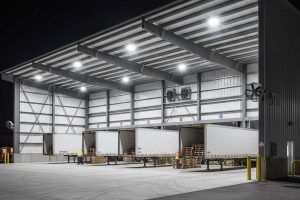
Are LED high bay lights good as outdoor security lights? This Q&A explains when they work, limitations, mounting height, and real outdoor applications.
View details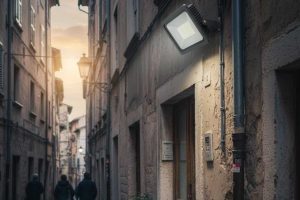
How many amps does a LED flood light use? This guide explains real current draw at different voltages, common wattages, and what installers usually see on site. By SEEKINGLED.
View details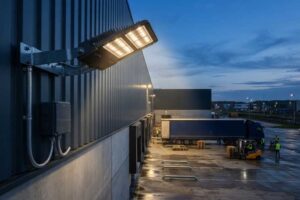
Connect a flood light by isolating power, verifying voltage, matching L/N/PE terminals, securing connections in a suitable junction box, grounding correctly,...
View details