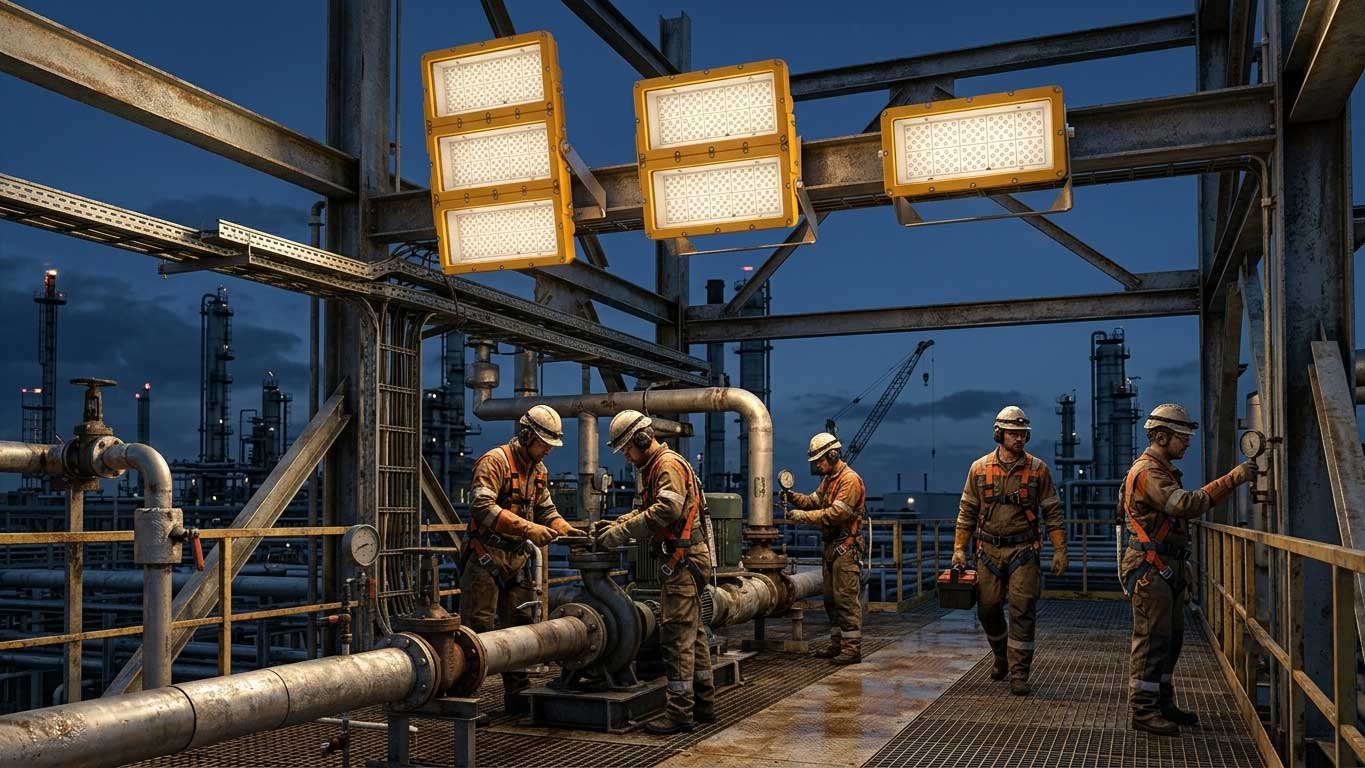
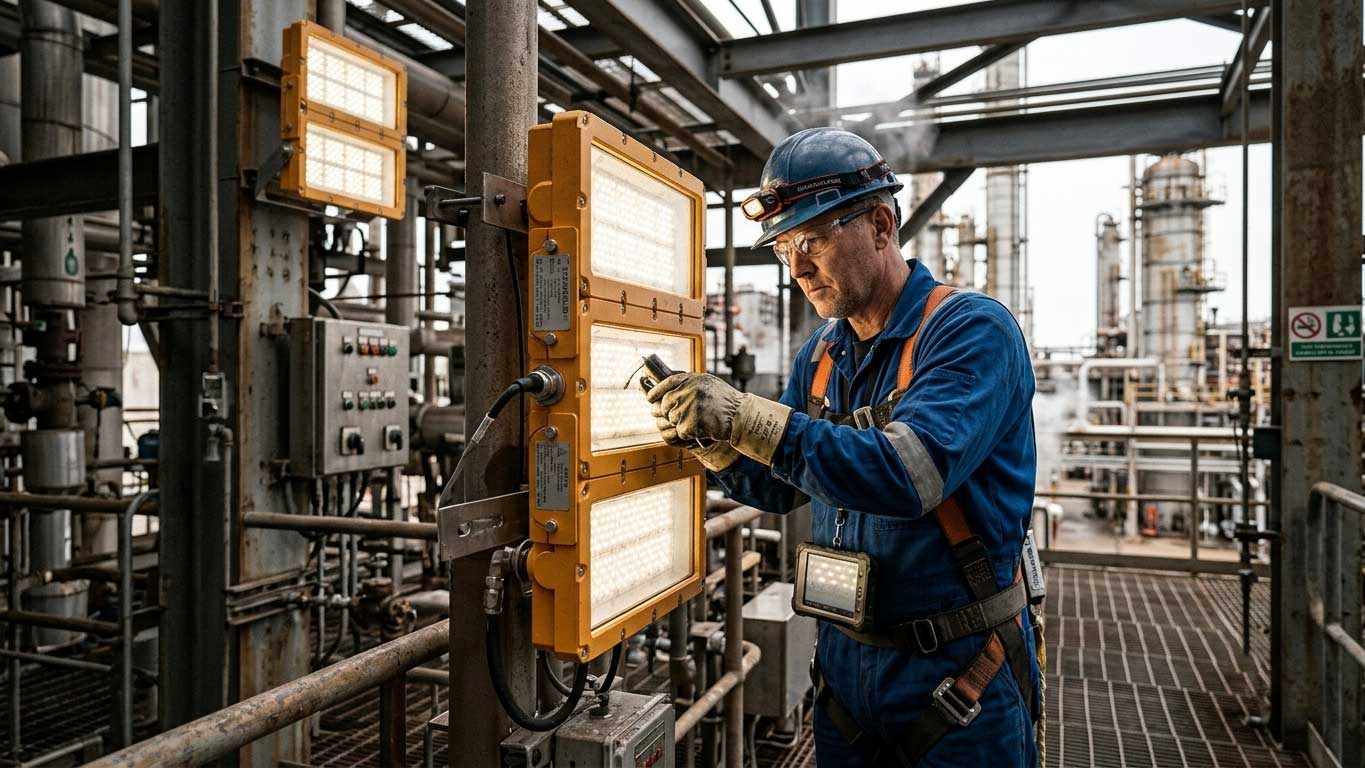
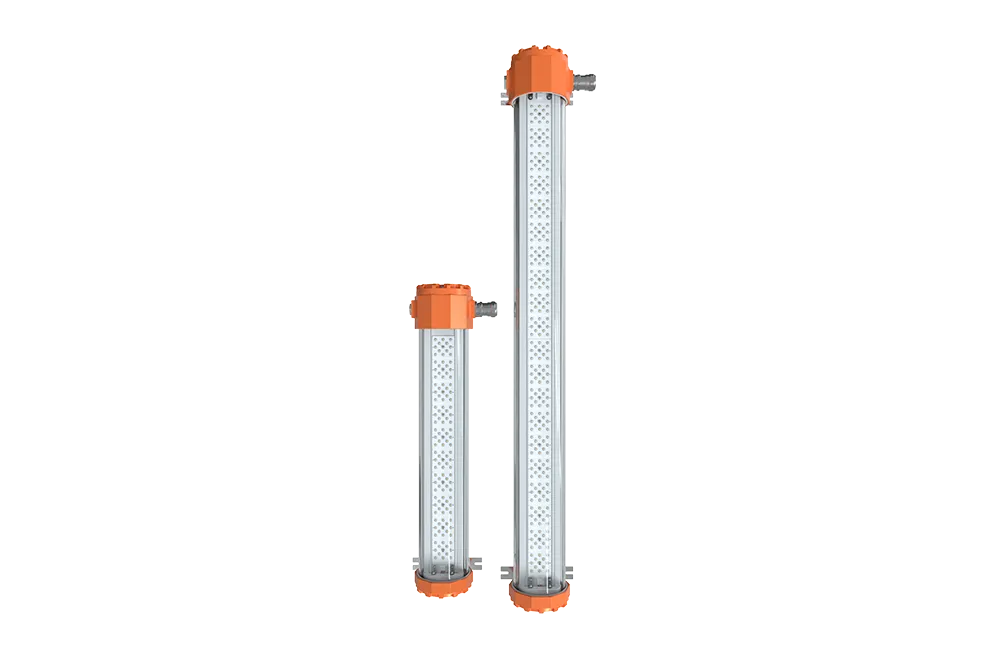
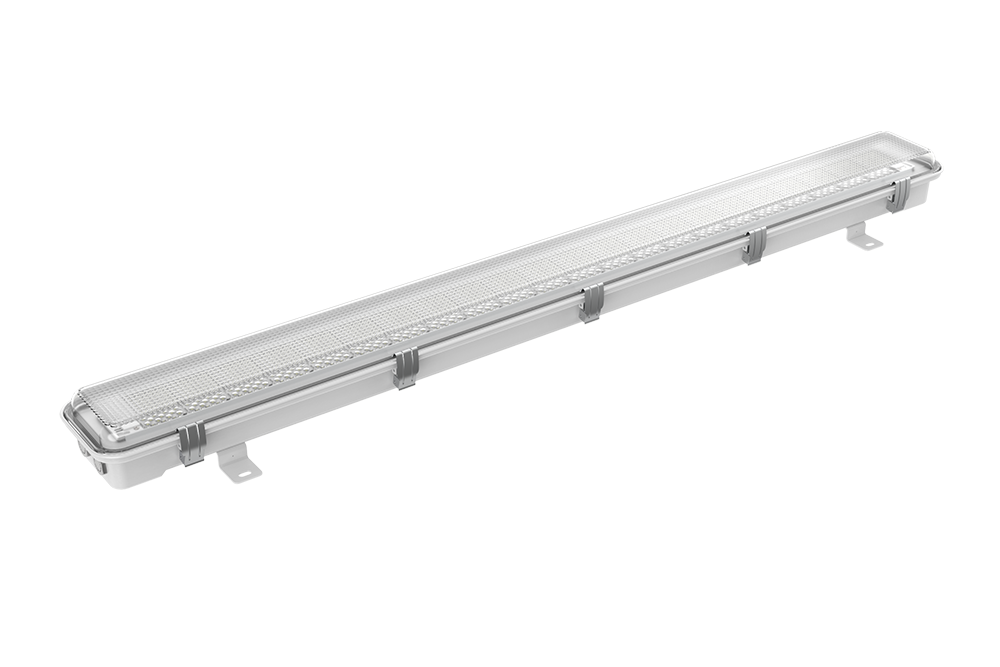
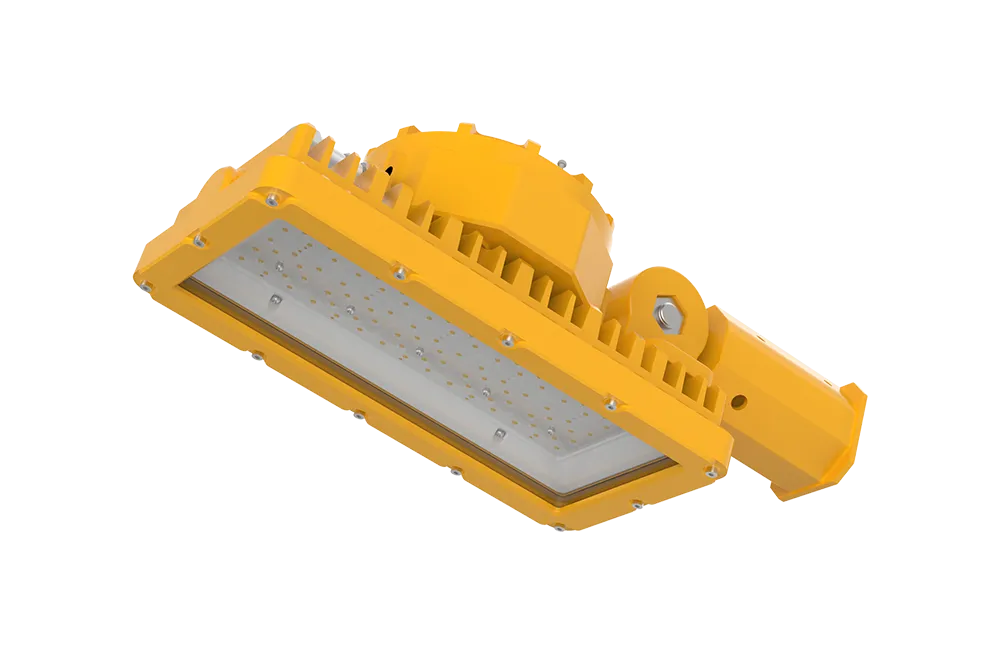
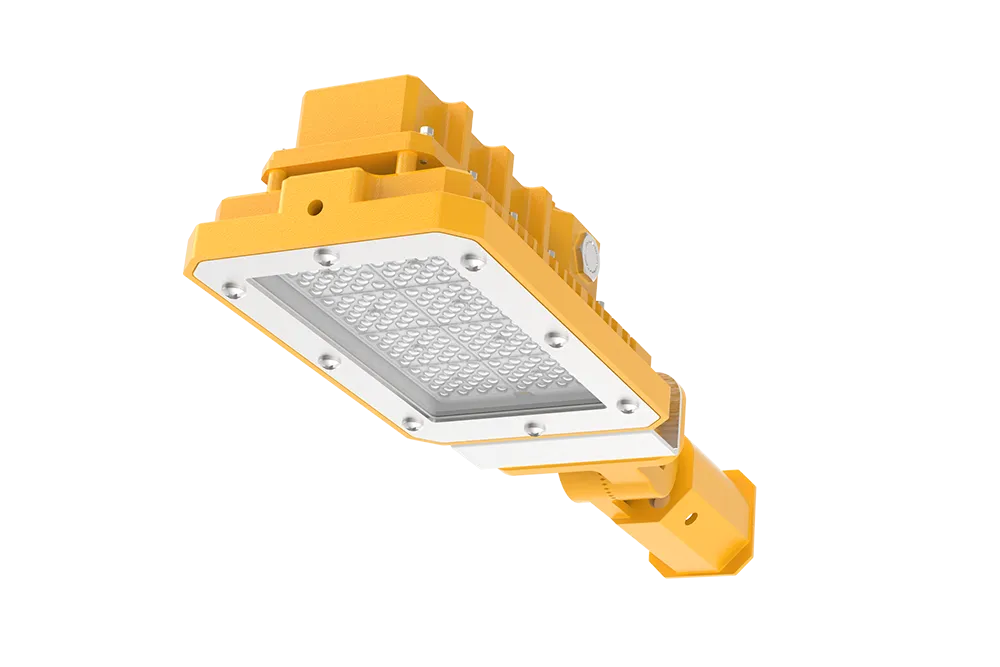
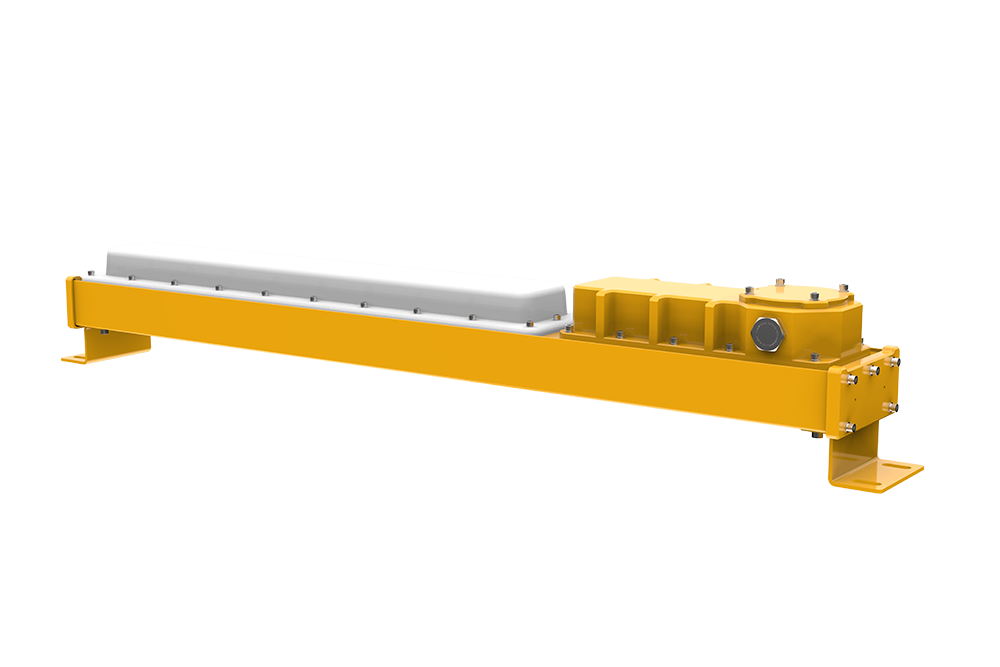
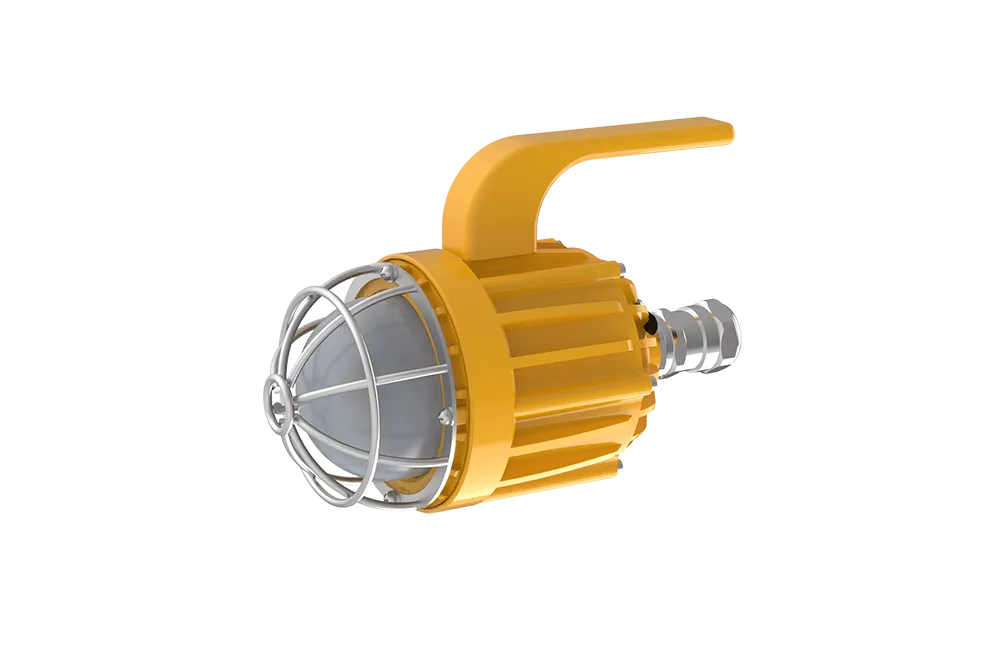
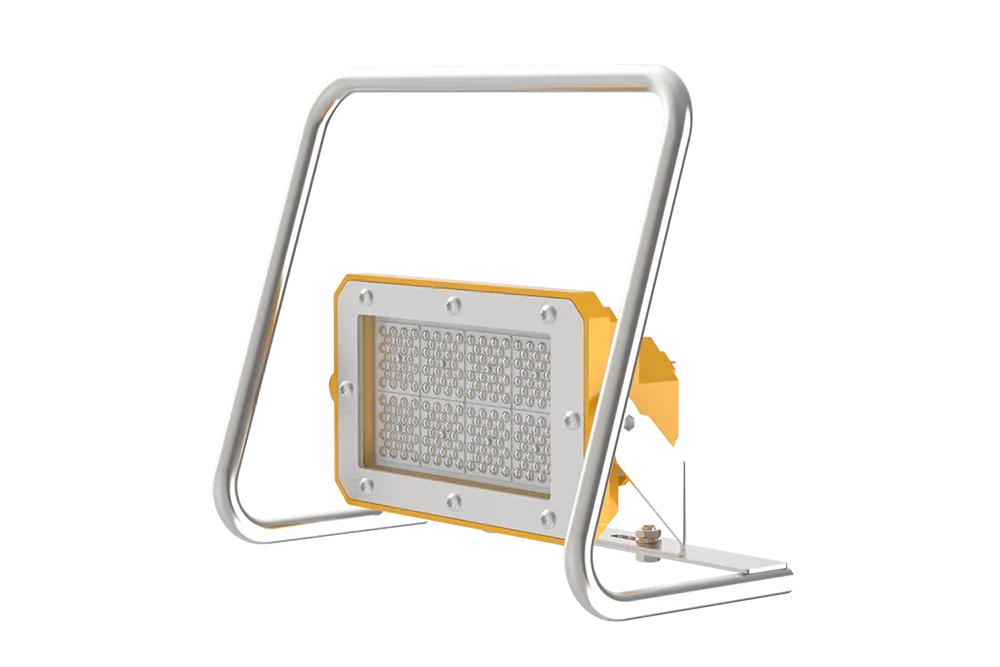
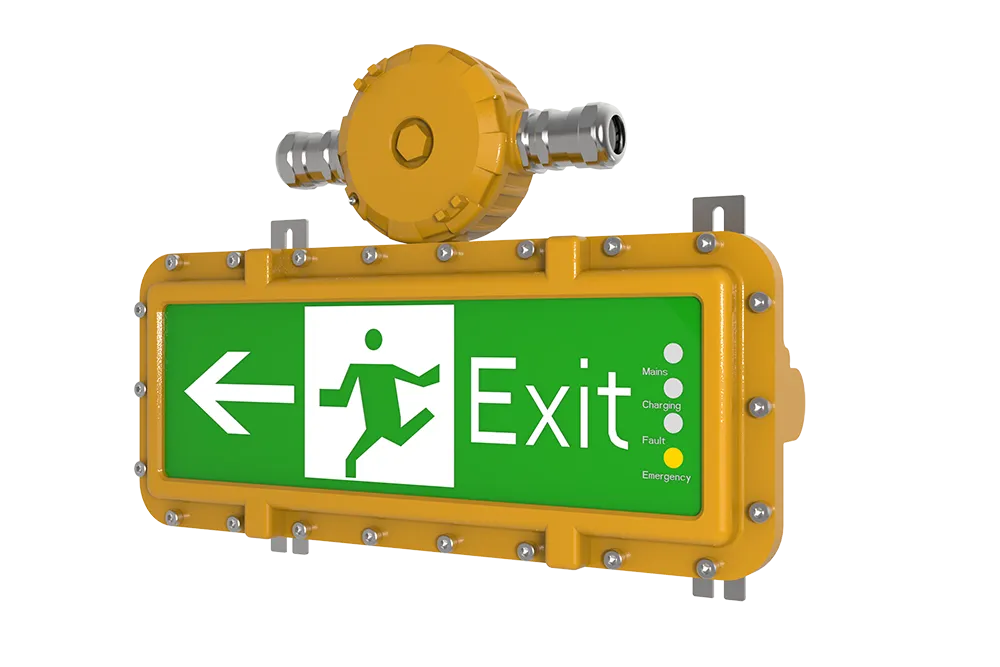
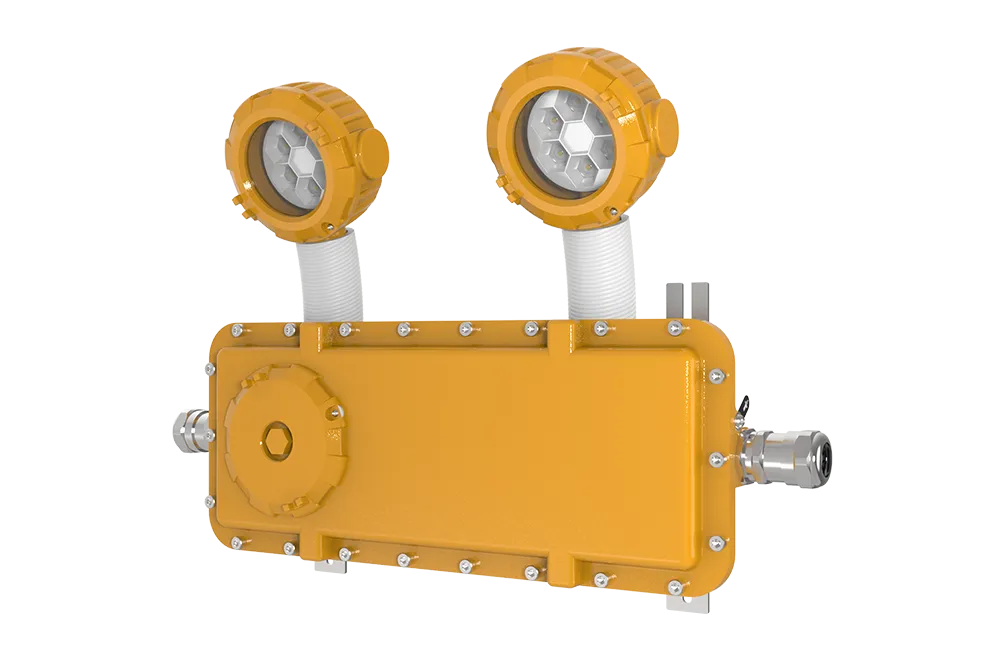
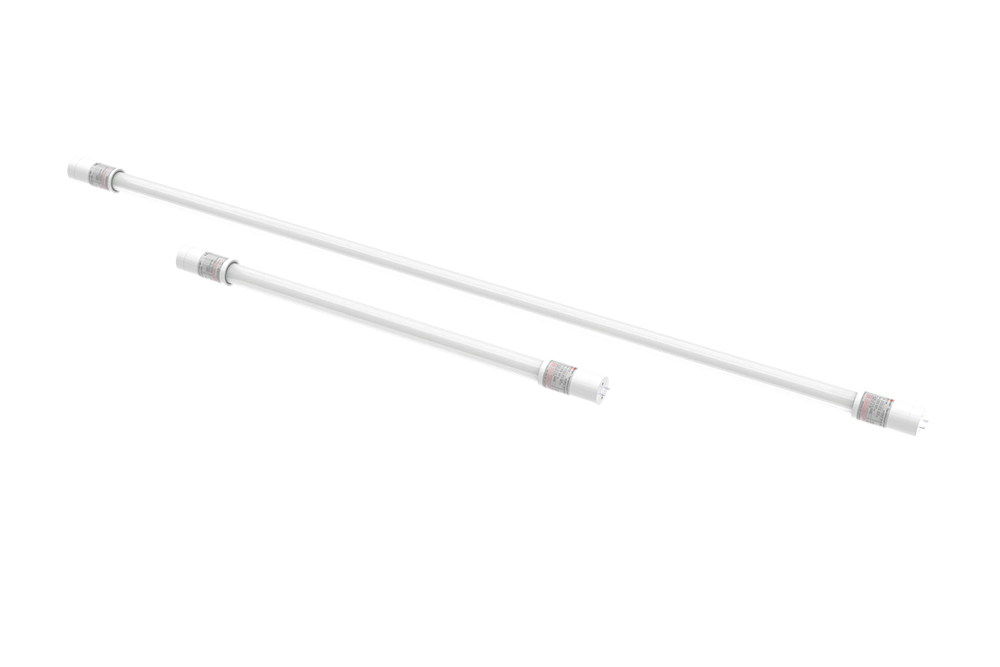
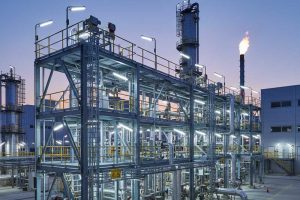
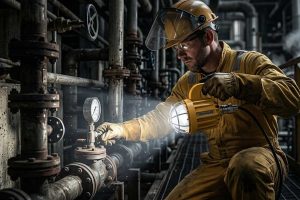
Hazardous area batten lights are certified linear luminaires designed for explosive gas and dust environments. They provide safe, uniform illumination in Zone 1, Zone 2, and hazardous industrial locations while reducing maintenance and improving long-term reliability.
Several years ago, during a maintenance shutdown at a chemical plant, I noticed that almost every light fixture installed above the cable trays looked remarkably similar.
Long.
Linear.
Simple.
No decorative housing.
No complicated optics.
The maintenance supervisor smiled.
“Batten lights aren’t exciting,” he said, “but they keep entire facilities visible.”
That conversation changed the way I looked at hazardous lighting.
Because in many industrial facilities, batten lights quietly do more work than any floodlight ever will.
What Are Hazardous Area Batten Lights?
Hazardous area batten lights are linear explosion-protected luminaires designed for hazardous locations where flammable gases, vapors, or combustible dusts may exist.
Unlike standard industrial battens, these fixtures incorporate:
Certified explosion protection.
Sealed enclosures.
Temperature control.
Corrosion resistance.
Impact protection.
They are widely installed in:
Refineries
Offshore platforms
Chemical plants
Fuel depots
LNG terminals
Pharmaceutical facilities
Processing plants
Their purpose is straightforward.
Deliver long, even illumination while preventing ignition sources.
Why Batten Fixtures Dominate Industrial Walkways
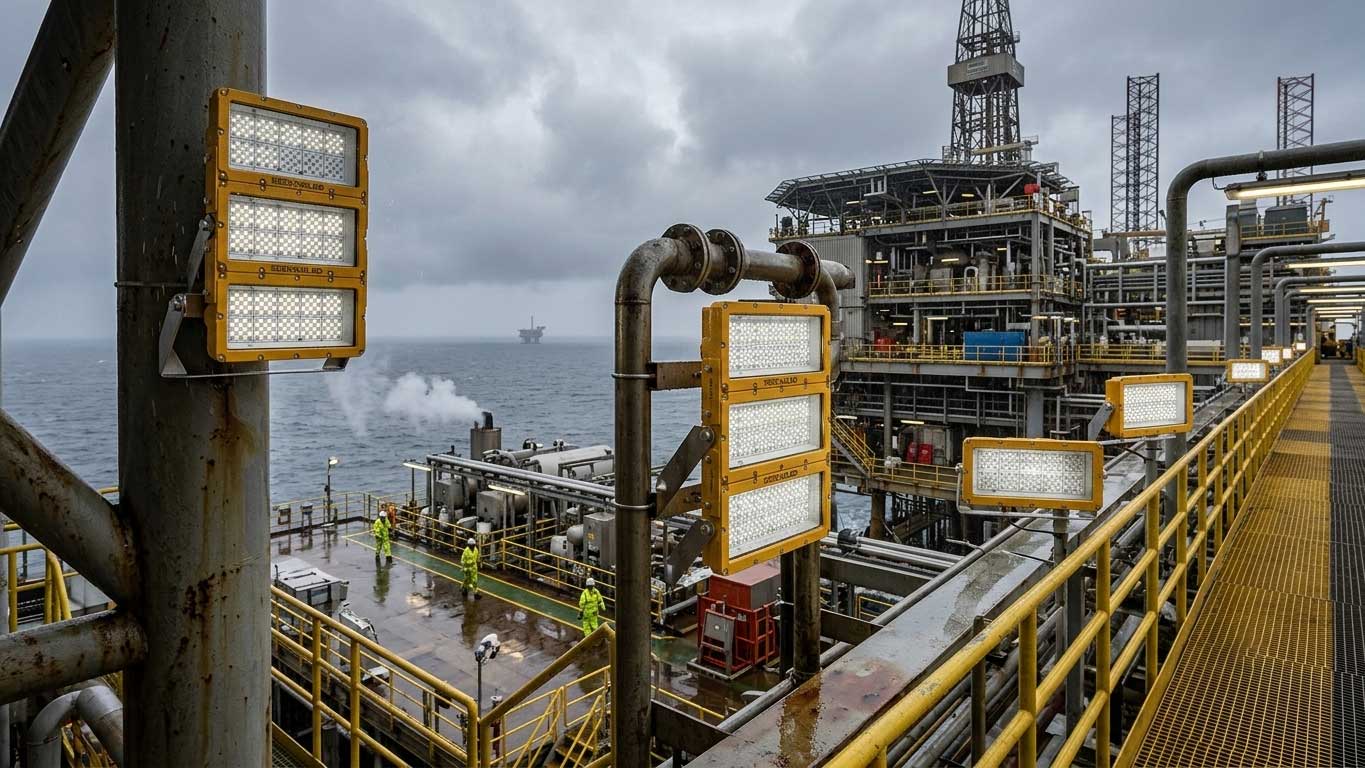
If you visit an offshore platform, the lighting layout often appears repetitive.
One linear fixture.
Then another.
And another.
There is a reason.
Batten lights offer:
Wide beam distribution.
Uniform illumination.
Easy mounting.
Efficient spacing.
Reduced fixture count.
In long corridors, cable bridges, tunnels, and maintenance routes, circular luminaires often create bright spots and dark gaps.
Linear fixtures avoid this.
The result feels less dramatic.
It also feels safer.
Typical Installation Areas
Common locations include:
Pipe racks
Escape routes
Stair towers
Conveyor systems
Process corridors
Maintenance tunnels
Utility decks
One offshore engineer once described them perfectly:
“Floodlights show equipment. Batten lights show people where to walk.”
Hazardous Area Classifications
Hazardous locations are classified according to the frequency of explosive atmospheres.
Area
Risk Frequency
Zone 0
Continuous
Zone 1
Likely
Zone 2
Unlikely
Zone 21
Dust likely
Zone 22
Dust occasional
Hazardous area batten lights may be certified for:
Zone 1
Zone 2
Zone 21
Zone 22
The certification determines where installation is permitted.
The appearance of the fixture does not.
ATEX and IECEx Certification
Certification remains one of the most important purchasing factors.
Two standards dominate the global market:
ATEX
IECEx
ATEX applies within the European Union.
IECEx provides international certification.
According to the IECEx system, certified equipment undergoes extensive testing for explosive atmospheres.
The most successful hazardous area batten lights are often the ones nobody notices after installation.
They simply continue working.
Quietly.
Year after year.
SEEKINGLED Experience in Hazardous Batten Projects
At SEEKINGLED, hazardous area batten projects often begin with questions that have nothing to do with lumens.
Questions such as:
What gases are present?
Is the area offshore?
What is the ambient temperature?
How difficult is maintenance access?
Is corrosion a concern?
Many successful installations share one characteristic.
After commissioning, the fixtures disappear into the background.
Inspections pass.
Maintenance visits decrease.
Operations continue.
That quiet reliability is often the true measure of hazardous area batten lights.
Zone 1 vs Zone 2 Hazardous Area Batten Lights
Although many buyers use the term hazardous area batten lights broadly, Zone 1 and Zone 2 applications can result in very different product selections.
A purchasing engineer from a gas processing facility once told me:
“Everyone asks about wattage first. The inspector asks about the zone.”
That difference matters.
Item
Zone 1
Zone 2
Explosive atmosphere
Likely during normal operation
Unlikely during normal operation
Protection level
Higher
Moderate
Common protection methods
Ex d, Ex eb
Ex ec
Installation cost
Higher
Lower
Typical applications
Process units, gas handling
Pipe racks, utility areas
Many operators standardize Zone 1 fixtures throughout a facility to simplify inventory, although this often increases project costs.
Others optimize lighting by matching fixture certifications to actual area classifications.
Neither approach is universally correct.
Site conditions decide.
Offshore Applications Demand More Than Certification
The North Sea taught many lighting manufacturers difficult lessons.
Certification alone is not enough.
Offshore environments introduce:
Salt spray
High humidity
Strong vibration
Wind-driven rain
Corrosive atmosphere
A fixture may satisfy ATEX requirements while still struggling offshore.
This is why experienced engineers often examine:
Coating thickness
Stainless hardware
Breather design
Cable gland quality
Thermal management
During one offshore retrofit project, nearly every failed luminaire showed corrosion around external hardware rather than failure of the LED module itself.
The environment always participates.
Chemical Plants Often Require Different Priorities
Chemical plants frequently introduce conditions that differ from oil and gas facilities.
Common concerns include:
Chemical vapor exposure
Cleaning chemicals
High temperatures
Frequent washdowns
One maintenance engineer explained:
“Our lights don’t fight explosions every day. They fight chemicals every day.”
This changes purchasing priorities.
Instead of focusing solely on certification, many facilities evaluate:
Lens materials
Gasket quality
Housing coatings
Temperature resistance
Chemical resistance often determines actual service life.
Emergency Routes and Escape Path Lighting
Many batten lights are installed above:
Escape corridors
Emergency exits
Stairways
Access platforms
Lighting failure in these locations creates immediate safety concerns.
Uniform illumination becomes critical.
A very bright fixture every fifteen meters often performs worse than moderate illumination every eight meters.
The goal is visibility.
Not brightness alone.
European industrial standards frequently recommend consistent illumination levels for evacuation routes.
This is why linear luminaires remain popular.
Lifecycle Cost Matters More Than Purchase Price
A cheap fixture may appear attractive during procurement.
The maintenance department often sees the actual cost later.
Typical ownership costs include:
Purchase cost
Installation labor
Maintenance labor
Replacement parts
Downtime
Access equipment
Consider a refinery walkway requiring boom lift access.
Replacing a failed fixture may involve:
Permit approval
Shutdown planning
Safety supervision
Lift rental
The luminaire itself sometimes represents the smallest expense.
This is why long-life LED battens continue gaining popularity.
Example Lifecycle Comparison
Factor
Fluorescent Batten
LED Hazardous Batten
Lamp replacement
Frequent
None
Ballast maintenance
Required
None
Energy consumption
Higher
Lower
Service life
15,000–20,000 hours
50,000–100,000 hours
Maintenance visits
Frequent
Reduced
According to the U.S. Department of Energy, LEDs can significantly reduce maintenance and operating costs in industrial applications.
SEEKINGLED LED Linear Explosion Proof Light and Explosion Proof lighting is ATEX and IECEx certified for Zone 1, Zone 2, Zone 21 and Zone 22 hazardous locations, built for long-term industrial use.
LED Linear Explosion Proof Lights and EX Proof lights for Zone 1, Zone 2, Zone 21 and Zone 22 hazardous areas. ATEX & IECEx certified explosion proof LED linear lighting with emergency function, adjustable power and IP67 protection by SEEKINGLED.
SEEKINGLED LED Explosion Proof Flood Lights are ATEX certified for Zone 2 and Zone 22 hazardous areas, offering high efficiency, adjustable power and integrated junction box.
SEEKINGLED LED Explosion Proof Flood Lights are flameproof ATEX and IECEx certified for Zone 1 and Zone 2 hazardous areas, offering high power, adjustable output and long service life.
SEEKINGLED LED Gas Station Canopy Lights are ATEX certified for Zone 2 and Zone 22 hazardous areas, featuring adjustable power and built-in explosion-proof junction box.
ATEX: Ex II 2G Ex db IIB T6/T5 GbEx II 2D Ex tb IIIC T80°C/ T95°C Db IECEx Ex db IIB T6 Gb;Ex tb IIIC T80°C Db Feature: ● For Zone 1,2 and Zone 21,22● Flameproof type, the strongest● 100W can replace 250W HID,energy saving● Power:60W,80W,100W Application: Oil and gas, marine, Chemical, pharmaceutical, semiconductor,mining,military industr…
ATEX: II 3G Ex nR ⅡC T5/T6 GcII 3D Ex tc ⅢC T80℃/T95℃Dc ATEX Certificate NO: TÜV CY 26 ATEX 0207611 X Feature: ● For Zone 2 and Zone 22● 150W can replace 250W HID lamps,Energy saving● Power:50W,75W,100W,150W,200W Application: Oil and gas, marine, Chemical, pharmaceutical, semiconductor,mining,military industry, paint booth,power plant ETC…
LED explosion proof high bay lights are designed for Zone 1, Zone 2, Zone 21 and Zone 22 hazardous areas. This page introduces the HB21 Series from SEEKING, including certifications, power options and real application considerations.
LED Linear Explosion Proof Lights from SEEKINGLED. LU Series Flame Proof lights ATEX-certified explosion proof LED linear lighting for Zone 2 gas and Zone 22 dust areas, IP69K, IK10, long lifetime and flexible power options.
Certified explosion proof work lights for Zone 1 & 21 hazardous areas. Portable, ATEX & IECEx approved, built for oil, gas and chemical plants by SEEKINGLED.
ATEX: II 3G Ex nR ⅡC T6 GcII 3D Ex tc ⅢC T80℃ Dc ATEX Certificate NO: TÜV CY 26 ATEX 0207611 X Feature: ● For Zone 2 and Zone 22● Accepts battery-powered supply● indestructible● Power:AC input:50W,75W,100WDC input:15W,25W,35W Application: Oil and gas, marine, Chemical, pharmaceutical, semiconductor,mining,military industry, paint booth,po…
ATEX: Ex II 2G Ex db IIB T6 GbEx II 2D Ex tb IIIC T80°C Db IECEx Ex db IIB T6 Gb;Ex tb IIIC T80°C Db Feature: ● For Zone 1,2 and Zone 21,22● Flameproof type, the strongest Application: Oil and gas, marine, Chemical, pharmaceutical, semiconductor,mining,military industry, paint booth,power plant ETC hazardous area. Technical Specifications:…
ATEX: Ex II 2G Ex db IIB T6 GbEx II 2D Ex tb IIIC T80°C Db IECEx Ex db IIB T6 Gb;Ex tb IIIC T80°C Db Feature: ● For Zone 1,2 and Zone 21,22● Flameproof type, the strongest Application: Oil and gas, marine, Chemical, pharmaceutical, semiconductor,mining,military industry, paint booth,power plant ETC hazardous area. Technical Specifications:…
ATEX: Ex II 2G Ex d e IIB T6 Gb ATEX: Ex d e IIB T6 Gb; Feature: ● For Zone 1,2● 9W can replace 18W fluorescent lamps,50% Energy saving Application: Oil and gas, marine, Chemical, pharmaceutical, semiconductor,mining,military industry, paint booth,power plant ETC hazardous area. Technical Specifications: Standards:60079-0, 60079-1, 60079…
How to make explosion proof light safely for hazardous areas? This guide explains enclosure design, ATEX compliance, materials, testing, and real engineering practices used by SEEKINGLED explosion proof lighting.
Explosion proof LED work lights provide safe, portable illumination in hazardous areas. Discover certified solutions, real use cases, and selection tips.
SEEKINGLED presents a high-efficiency LED lighting solution for energy-saving projects at Hong Kong Autumn Fair, Hong Kong Outdoor & Tech Light Expo, and Interlight Central Asia 2024.
A practical overview of hazardous area classification, explosive atmosphere zones, and equipment protection levels based on IEC and ATEX standards, with clear zoning examples.
 Seeking LED