 Seeking LED
What Are Eco Friendly Flood Lights and Are They Really Worth Using?
133Choose eco friendly flood lights for lower energy use, longer lifespan, and reduced carbon impact. Reliable outdoor LED solutions built by SEEKINGLED.
View detailsSearch the whole station
Hazardous area led lights are certified lighting fixtures designed for locations where flammable gases, vapors, or combustible dust may exist. They provide safe illumination, reduce ignition risks, lower maintenance costs, and improve reliability in hazardous industrial environments.
The first hazardous area LED fixture I ever inspected was installed above a loading rack at a fuel terminal.
It wasn’t particularly bright.
It wasn’t especially large.
Yet several engineers standing nearby were discussing the certification label rather than the light itself.
One of them finally said:
“If the marking is wrong, nothing else matters.”
That sentence explains hazardous area lighting better than most catalogs.
Hazardous area LED lights are luminaires specifically engineered for locations where explosive atmospheres may occasionally occur.
These environments may contain:
Unlike conventional industrial fixtures, hazardous area LED lights are designed to:
Applications include:
Their role extends beyond illumination.
They are part of the facility’s safety system.
Many hazardous locations appear completely normal.
Pipe racks.
Walkways.
Storage tanks.
Pump stations.
Nothing visible suggests danger.
Yet explosive atmospheres can form because of:
Ordinary luminaires may create ignition sources through:
Hazardous area LED lights are specifically designed to eliminate these risks.
Industrial facilities classify hazardous areas according to the likelihood of explosive atmospheres.
| Zone | Gas Presence |
|---|---|
| Zone 0 | Continuous |
| Zone 1 | Likely |
| Zone 2 | Unlikely |
| Zone 21 | Dust likely |
| Zone 22 | Dust occasional |
Different zones require different protection levels.
This classification determines which luminaires may legally be installed.
Several years ago, during a refinery expansion project, the lighting specifications changed three times.
Not because the lights changed.
Because the area classification changed.
The most widely recognized hazardous lighting certifications include:
ATEX applies within the European Union.
IECEx provides international certification.
According to the IECEx system, certified equipment undergoes extensive testing for explosive atmospheres.
Source:
ATEX requirements are governed by Directive 2014/34/EU.
Source:
https://single-market-economy.ec.europa.eu
Certification testing evaluates:
Engineers often examine certification labels before reviewing performance specifications.
A hazardous LED fixture may carry markings such as:
Ex db eb IIC T5 Gb
For new buyers, these markings can appear confusing.
For inspectors, they are essential.
| Marking | Meaning |
|---|---|
| Ex | Explosion protection |
| db | Flameproof enclosure |
| eb | Increased safety |
| IIC | Gas group |
| T5 | Temperature class |
| Gb | Equipment protection level |
The certification label determines where the product can safely operate.
Not the wattage.
Not the lumen output.
Not the housing design.
Older hazardous facilities commonly used:
All required regular maintenance.
LED technology changed the economics.
Modern hazardous area LED lights provide:
According to the International Energy Agency, LED technology remains the most energy-efficient mainstream lighting technology.
Source:
In hazardous facilities, reducing maintenance exposure often creates larger savings than reducing electricity consumption.
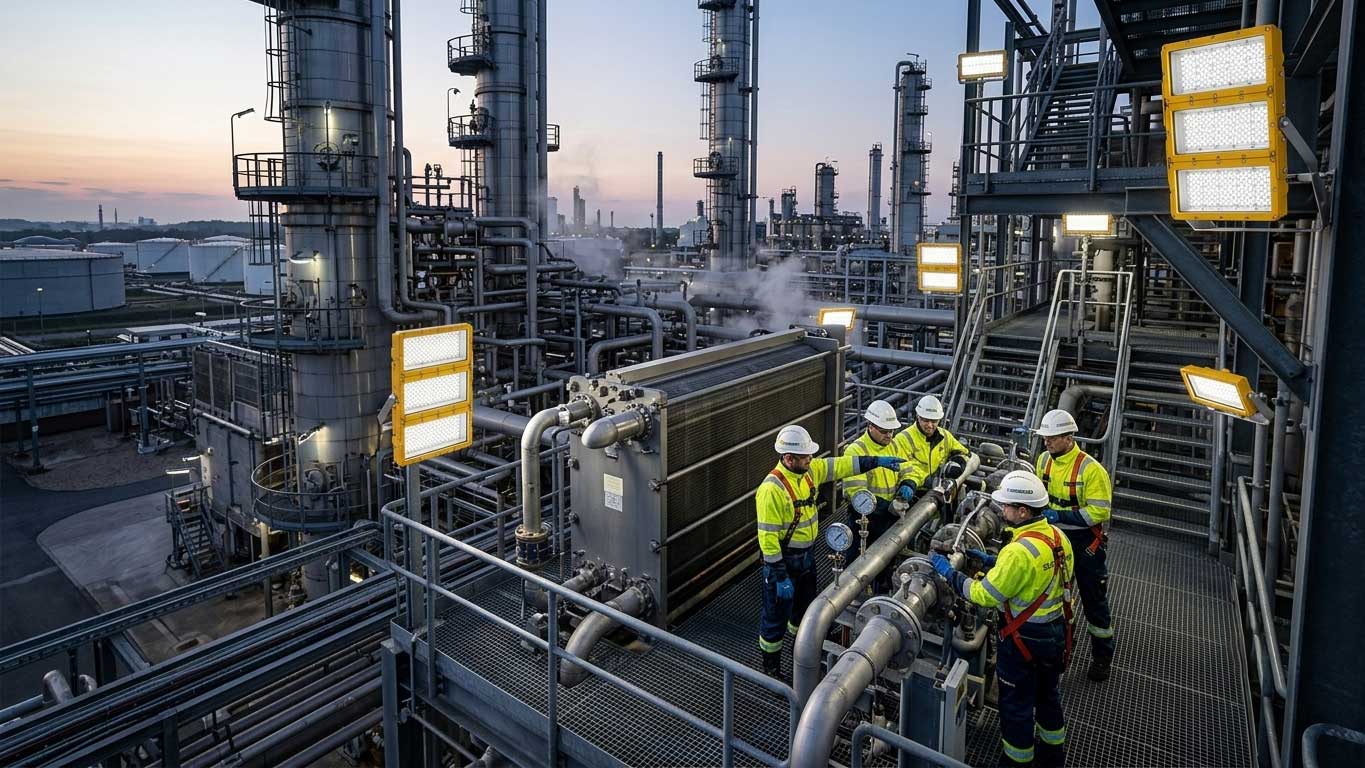
Certain gases ignite at surprisingly low temperatures.
Temperature classes limit fixture surface temperatures.
| Class | Maximum Temperature |
|---|---|
| T1 | 450°C |
| T2 | 300°C |
| T3 | 200°C |
| T4 | 135°C |
| T5 | 100°C |
| T6 | 85°C |
Many hazardous area LED lights carry:
One engineer I worked with refused an entire shipment because the fixtures carried T4 instead of T5 certification.
Everything else was correct.
One line on the nameplate changed the entire project.
Explosions are rare.
Corrosion is constant.
Industrial environments introduce:
During an inspection at a coastal terminal, several fixtures still had functioning LED modules.
The mounting hardware had already deteriorated.
This experience changed how I evaluate products.
Important protective features include:
Explosion protection does not replace environmental protection.
Most hazardous LED fixtures provide:
These ratings protect against:
| Rating | Protection |
|---|---|
| IP65 | Water jets |
| IP66 | Powerful water jets |
| IP67 | Temporary immersion |
Water ingress remains one of the leading causes of premature lighting failures.
Good sealing extends service life.
Hazardous LED lighting includes several product categories.
Each application requires different optics and mounting methods.
No single luminaire fits every hazardous environment.
One offshore maintenance manager told me:
“The LEDs survive. The environment decides everything else.”
That statement proved accurate.
Actual fixture life depends on:
Many premium fixtures now achieve:
According to the U.S. Department of Energy, quality LED systems substantially outperform traditional technologies.
Source:
https://www.energy.gov/eere/ssl/led-basics
Buyers often focus on:
Engineers frequently focus on:
Brightness comes later.
Safety comes first.
At SEEKINGLED, hazardous lighting discussions often begin with site conditions.
Questions typically include:
The most successful installations share something interesting.
Nobody talks about the fixtures after installation.
They continue operating.
Maintenance decreases.
Inspections pass.
Production continues.
That quiet reliability is often the true measure of hazardous area LED lights.
One mistake appears repeatedly during project reviews: people assume all hazardous areas require the same lighting.
They do not.
The risk level determines the certification level.
| Area Classification | Explosive Atmosphere Presence | Typical Lighting Protection |
|---|---|---|
| Zone 1 | Likely during normal operation | Ex db, Ex eb |
| Zone 2 | Unlikely and short duration | Ex ec, Ex nR |
| Zone 21 | Combustible dust likely | Ex tb |
| Zone 22 | Dust occasionally present | Ex tc |
Zone 1 installations usually appear around:
Zone 2 areas often include:
The difference directly affects:
Over-specifying every area increases project cost.
Under-specifying introduces serious safety risks.
Refineries contain numerous classified zones.
Typical locations include:
In many older refineries, metal halide fixtures are still being replaced with LED systems.
The maintenance reduction alone often justifies the investment.
Offshore environments combine several challenges:
Fixtures installed offshore often require:
Corrosion protection frequently becomes more important than lumen output.
Chemical facilities introduce:
Lighting systems must survive both hazardous atmospheres and aggressive chemicals.
Facilities handling methanol, ethanol, acetone, and hydrogen frequently require specialized hazardous area LED fixtures.
Dust explosions remain a serious industrial hazard.
According to the Occupational Safety and Health Administration (OSHA), combustible dust incidents have caused numerous fatalities and facility losses.
Source:
https://www.osha.gov/combustible-dust
Applications include:
Industrial managers rarely ask:
“How bright is the fixture?”
More commonly they ask:
“How often do we need to replace it?”
LED systems significantly reduce:
| Lighting Type | Typical Life |
|---|---|
| Metal Halide | 15,000 hours |
| Fluorescent | 20,000 hours |
| Standard LED | 50,000 hours |
| Premium Hazardous LED | 100,000 hours |
At 12 hours per day:
In hazardous environments, every avoided maintenance visit represents both cost savings and safety improvement.
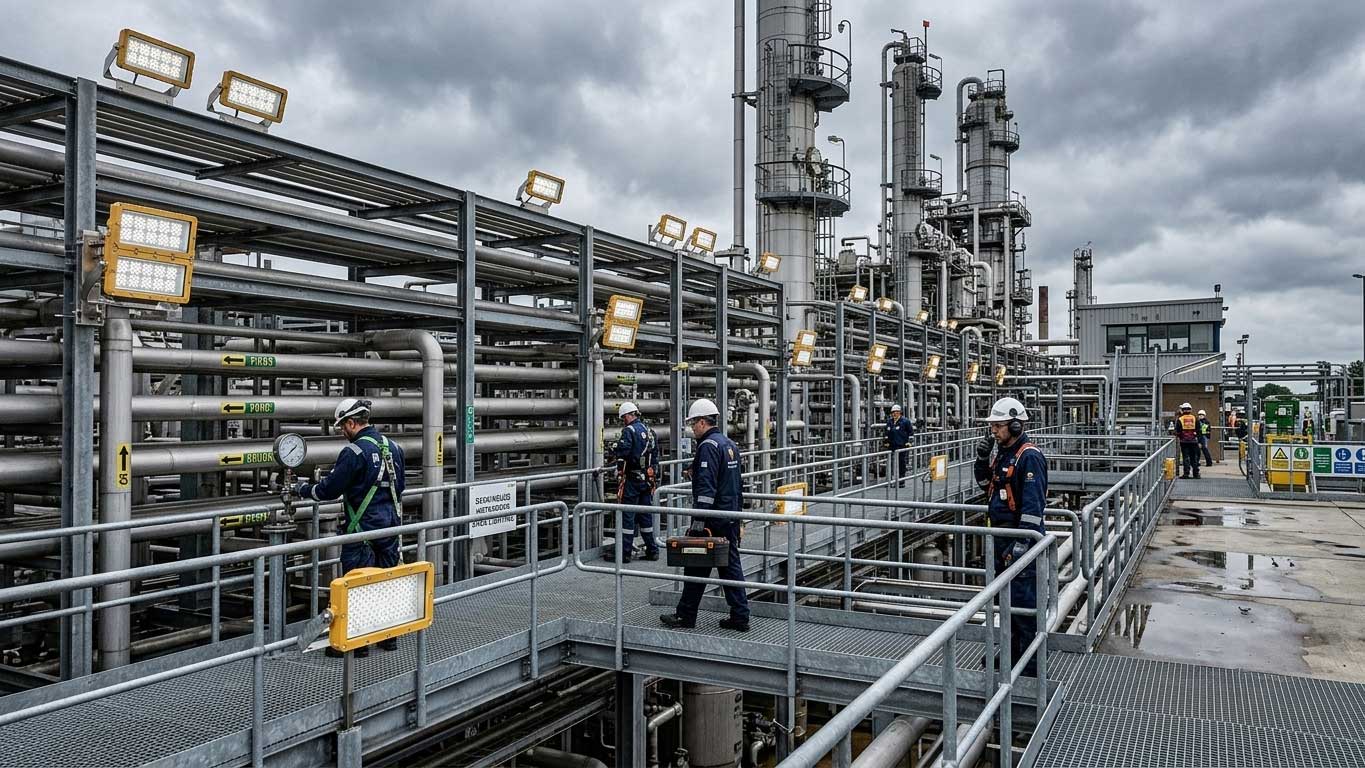
Many fixture failures begin long before power is applied.
Installation errors include:
Several site inspections have revealed perfectly certified luminaires installed with non-certified accessories.
The result?
The entire installation loses compliance.
Recommended practices include:
Temperature is often overlooked.
Some facilities experience:
Hazardous LED fixtures commonly offer:
High temperatures can shorten:
This explains why reputable manufacturers specify ambient ratings clearly.
The most reliable installations share surprisingly simple maintenance routines.
One maintenance manager described it simply:
“If you ignore them for ten years, they’ll eventually remind you.”
At SEEKINGLED, project discussions usually begin with the site rather than the product.
Questions often include:
Only after understanding these conditions does fixture selection begin.
This process helps prevent both:
The objective is reliable lighting, not simply selling the highest wattage product.
After years of visiting industrial sites, one pattern becomes obvious.
The most appreciated hazardous lights are not necessarily the brightest.
They are the fixtures nobody notices.
No maintenance calls.
No corrosion complaints.
No inspection failures.
No emergency replacements.
In hazardous environments, reliability becomes invisible.
And invisible reliability often represents excellent engineering.
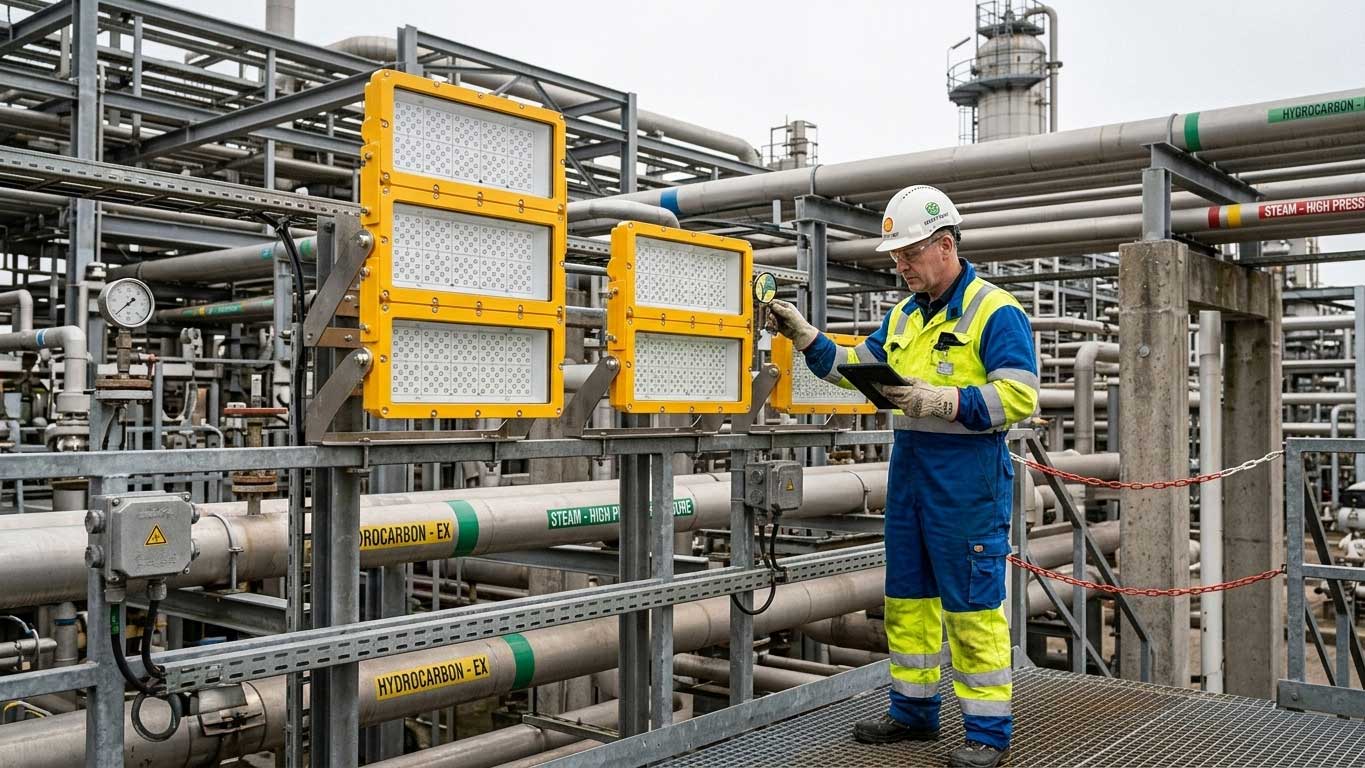
Many hazardous area LED lights are explosion-proof, but not all. The certification depends on the protection method and area classification.
Premium fixtures typically achieve 50,000 to 100,000 operating hours.
No. Zone 2 fixtures usually do not meet Zone 1 safety requirements.
IP66 is commonly recommended for industrial hazardous environments.
Yes. Longer service life significantly reduces maintenance frequency.
Hazardous area LED lights are far more than industrial luminaires.
They are safety devices designed to operate where ordinary lighting cannot.
Proper certification, temperature control, corrosion resistance, and long operating life all contribute to safer industrial operations.
The most effective hazardous lighting installations rarely attract attention after commissioning.
They simply continue working year after year.
For facilities operating in Zone 1, Zone 2, or dust hazardous environments, selecting properly certified hazardous area LED lights remains one of the most important safety decisions an engineer can make.
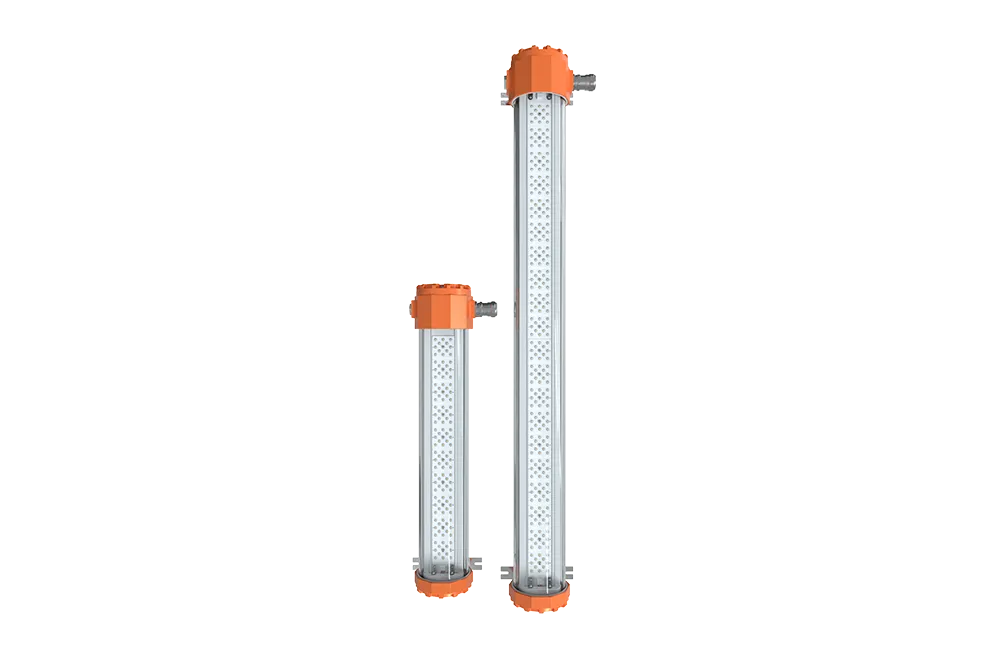
SEEKINGLED LED Linear Explosion Proof Light and Explosion Proof lighting is ATEX and IECEx certified for Zone 1, Zone 2, Zone 21 and Zone 22 hazardous locations, built for long-term industrial use.
View details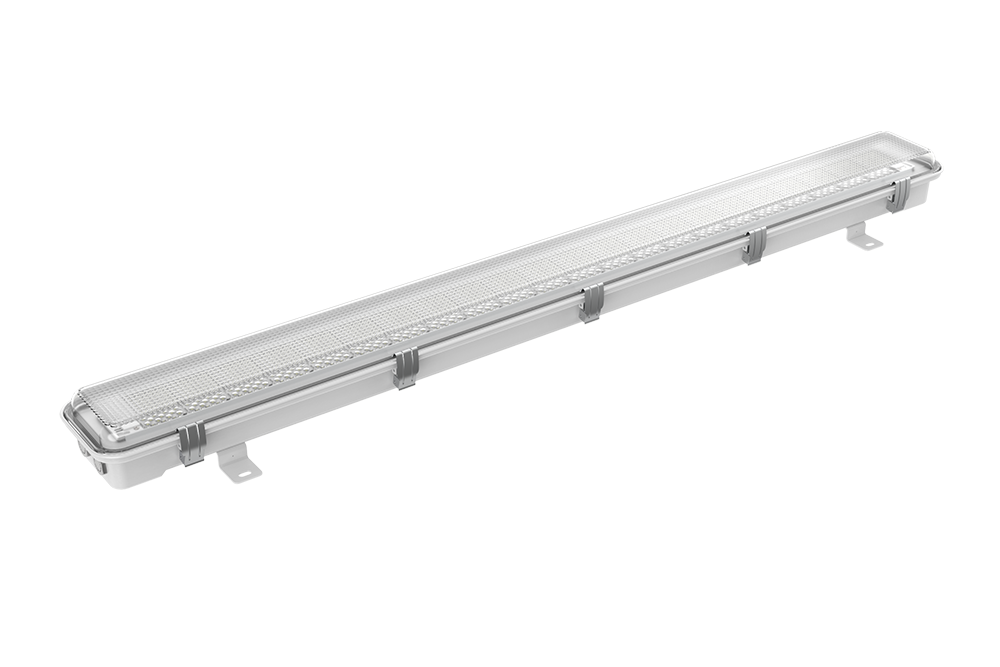
LED Linear Explosion Proof Lights and EX Proof lights for Zone 1, Zone 2, Zone 21 and Zone 22 hazardous areas. ATEX & IECEx certified explosion proof LED linear lighting with emergency function, adjustable power and IP67 protection by SEEKINGLED.
View details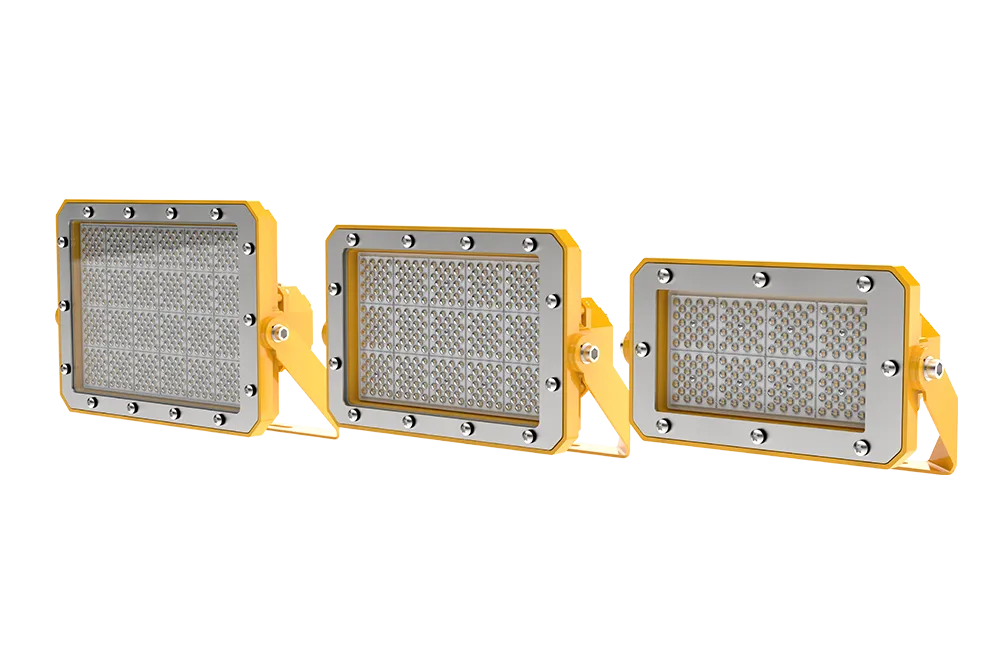
SEEKINGLED LED Explosion Proof Flood Lights are ATEX certified for Zone 2 and Zone 22 hazardous areas, offering high efficiency, adjustable power and integrated junction box.
View details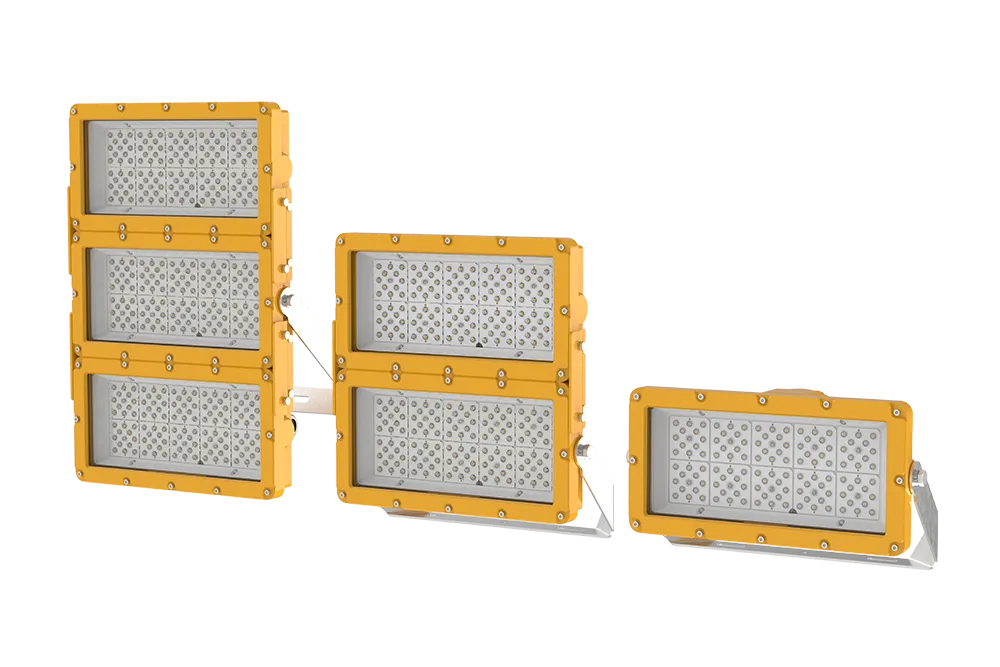
SEEKINGLED LED Explosion Proof Flood Lights are flameproof ATEX and IECEx certified for Zone 1 and Zone 2 hazardous areas, offering high power, adjustable output and long service life.
View details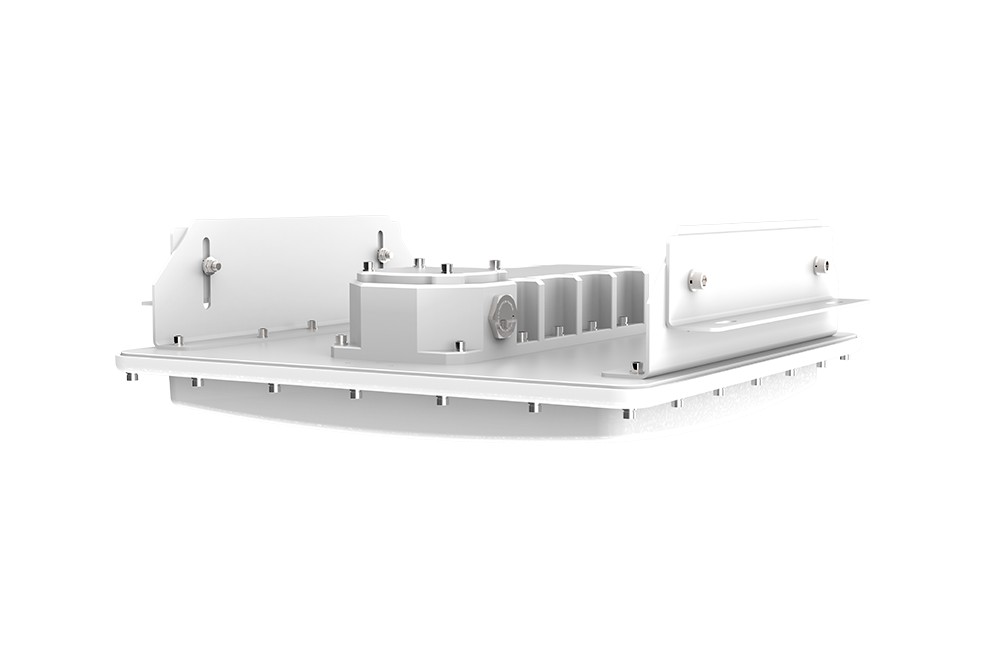
SEEKINGLED LED Gas Station Canopy Lights are ATEX certified for Zone 2 and Zone 22 hazardous areas, featuring adjustable power and built-in explosion-proof junction box.
View details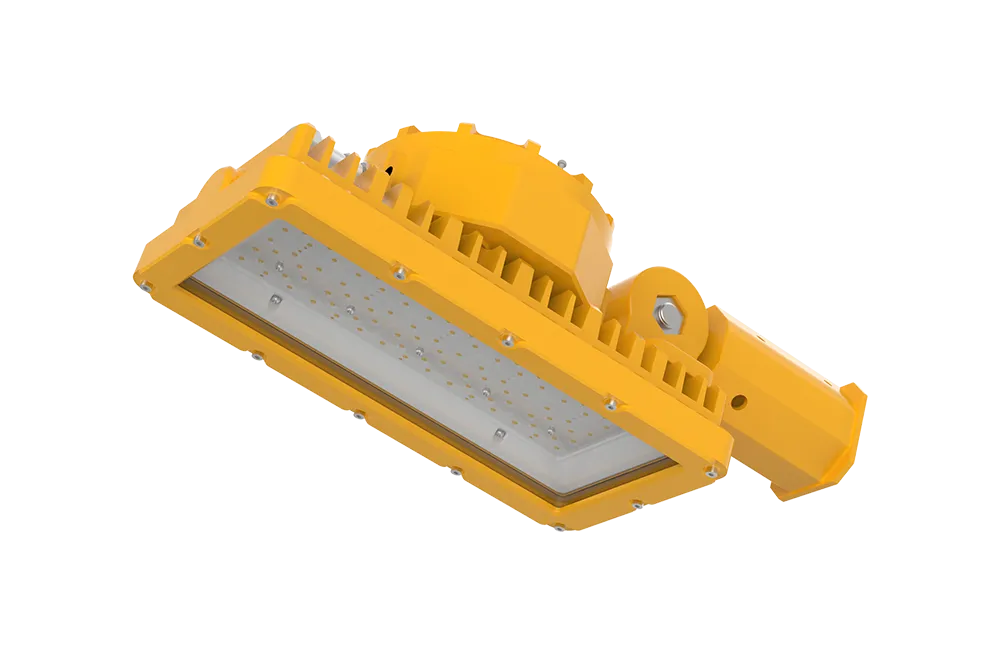
ATEX: Ex II 2G Ex db IIB T6/T5 GbEx II 2D Ex tb IIIC T80°C/ T95°C Db IECEx Ex db IIB T6 Gb;Ex tb IIIC T80°C Db Feature: ● For Zone 1,2 and Zone 21,22● Flameproof type, the strongest● 100W can replace 250W HID,energy saving● Power:60W,80W,100W Application: Oil and gas, marine, Chemical, pharmaceutical, semiconductor,mining,military industr…
View details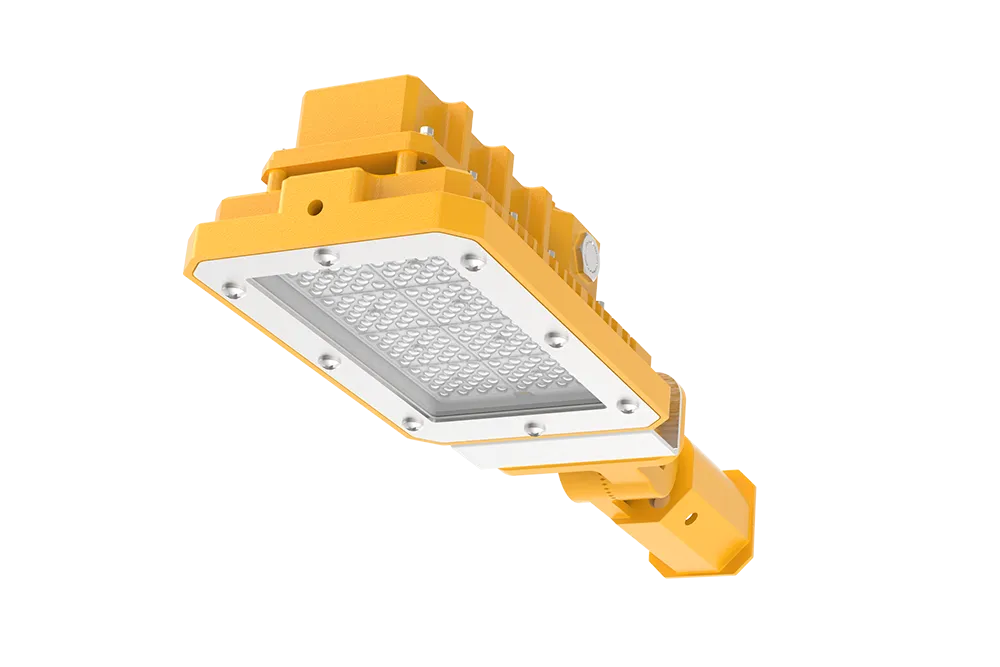
ATEX: II 3G Ex nR ⅡC T5/T6 GcII 3D Ex tc ⅢC T80℃/T95℃Dc ATEX Certificate NO: TÜV CY 26 ATEX 0207611 X Feature: ● For Zone 2 and Zone 22● 150W can replace 250W HID lamps,Energy saving● Power:50W,75W,100W,150W,200W Application: Oil and gas, marine, Chemical, pharmaceutical, semiconductor,mining,military industry, paint booth,power plant ETC…
View details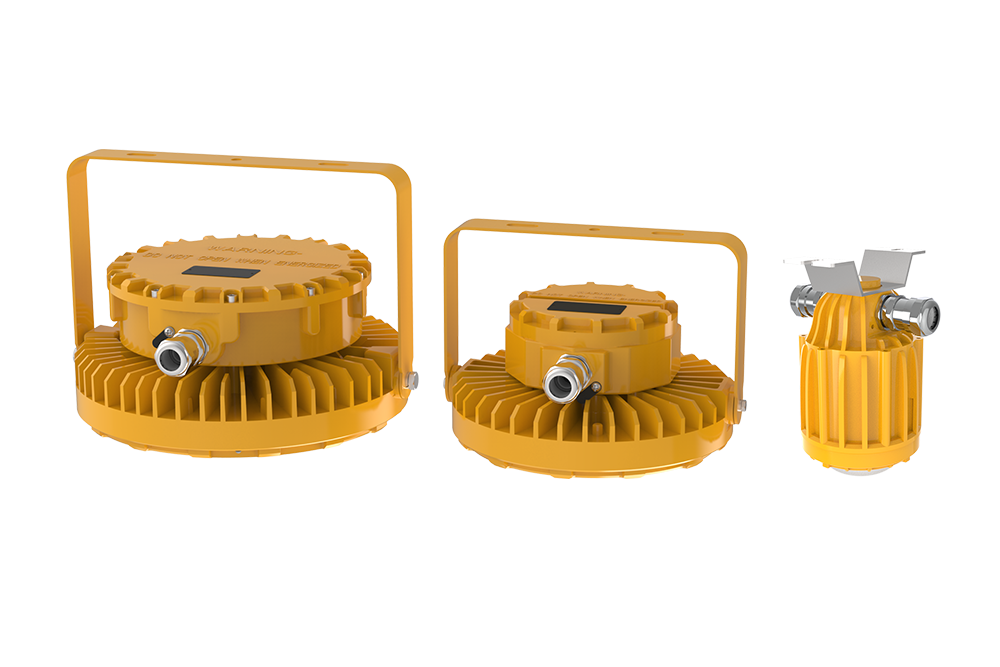
LED explosion proof high bay lights are designed for Zone 1, Zone 2, Zone 21 and Zone 22 hazardous areas. This page introduces the HB21 Series from SEEKING, including certifications, power options and real application considerations.
View details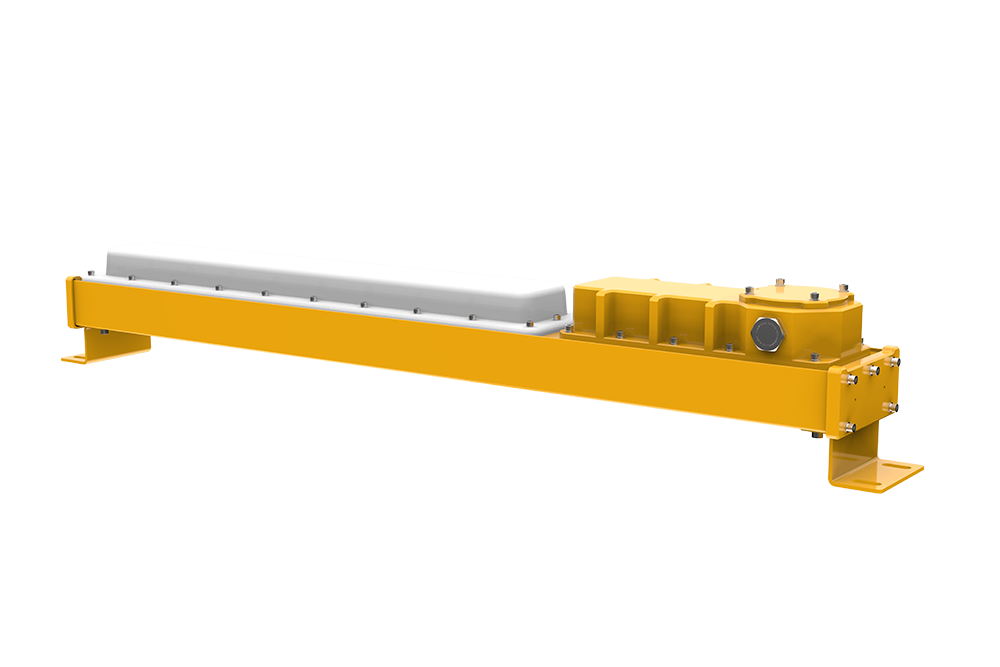
LED Linear Explosion Proof Lights from SEEKINGLED. LU Series Flame Proof lights ATEX-certified explosion proof LED linear lighting for Zone 2 gas and Zone 22 dust areas, IP69K, IK10, long lifetime and flexible power options.
View details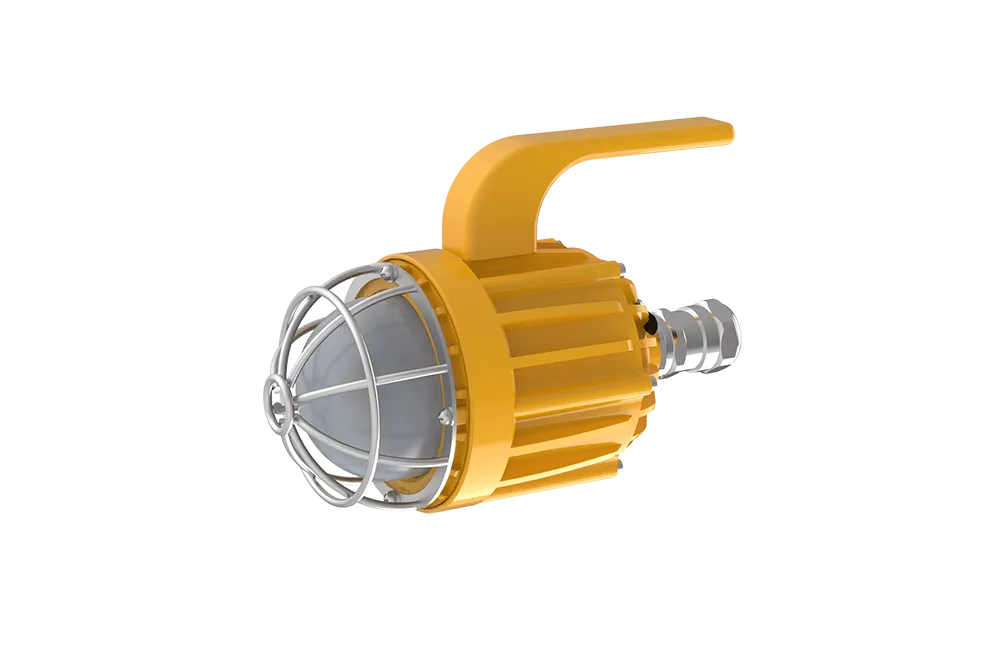
Certified explosion proof work lights for Zone 1 & 21 hazardous areas. Portable, ATEX & IECEx approved, built for oil, gas and chemical plants by SEEKINGLED.
View details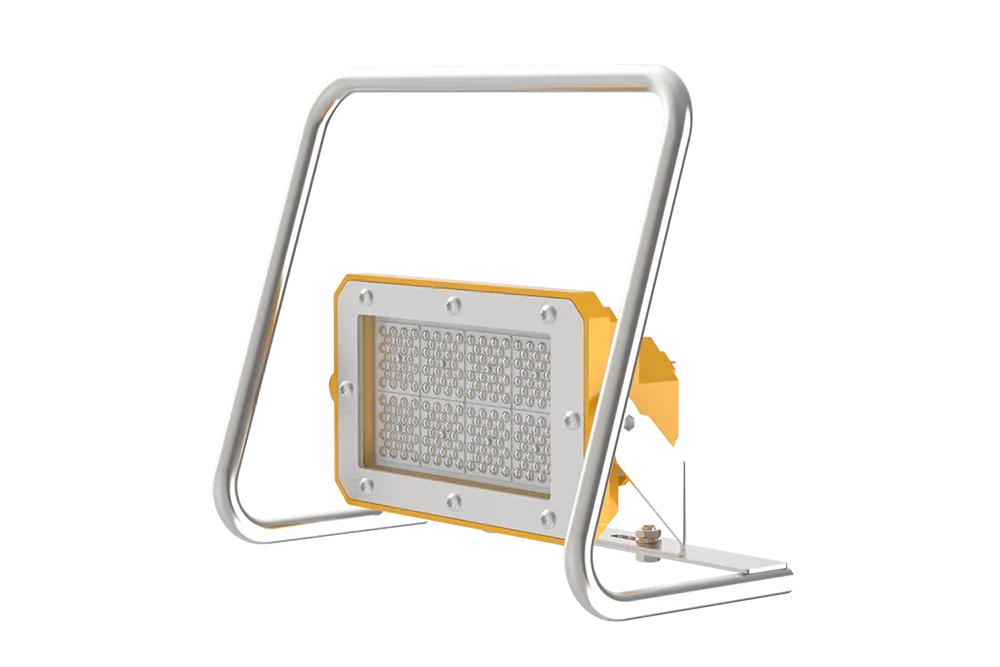
ATEX: II 3G Ex nR ⅡC T6 GcII 3D Ex tc ⅢC T80℃ Dc ATEX Certificate NO: TÜV CY 26 ATEX 0207611 X Feature: ● For Zone 2 and Zone 22● Accepts battery-powered supply● indestructible● Power:AC input:50W,75W,100WDC input:15W,25W,35W Application: Oil and gas, marine, Chemical, pharmaceutical, semiconductor,mining,military industry, paint booth,po…
View details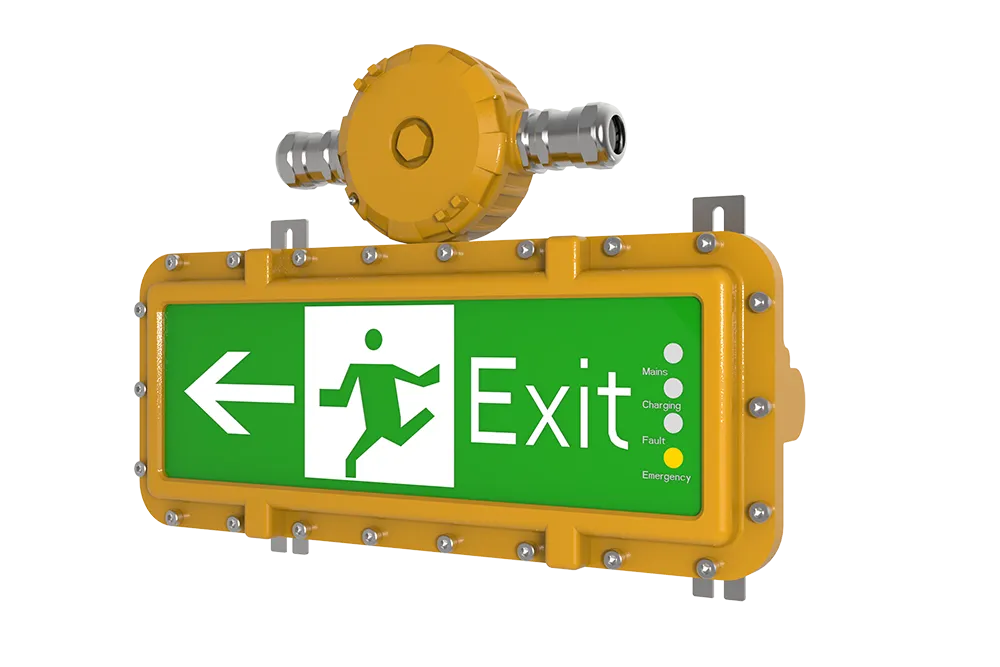
ATEX: Ex II 2G Ex db IIB T6 GbEx II 2D Ex tb IIIC T80°C Db IECEx Ex db IIB T6 Gb;Ex tb IIIC T80°C Db Feature: ● For Zone 1,2 and Zone 21,22● Flameproof type, the strongest Application: Oil and gas, marine, Chemical, pharmaceutical, semiconductor,mining,military industry, paint booth,power plant ETC hazardous area. Technical Specifications:…
View details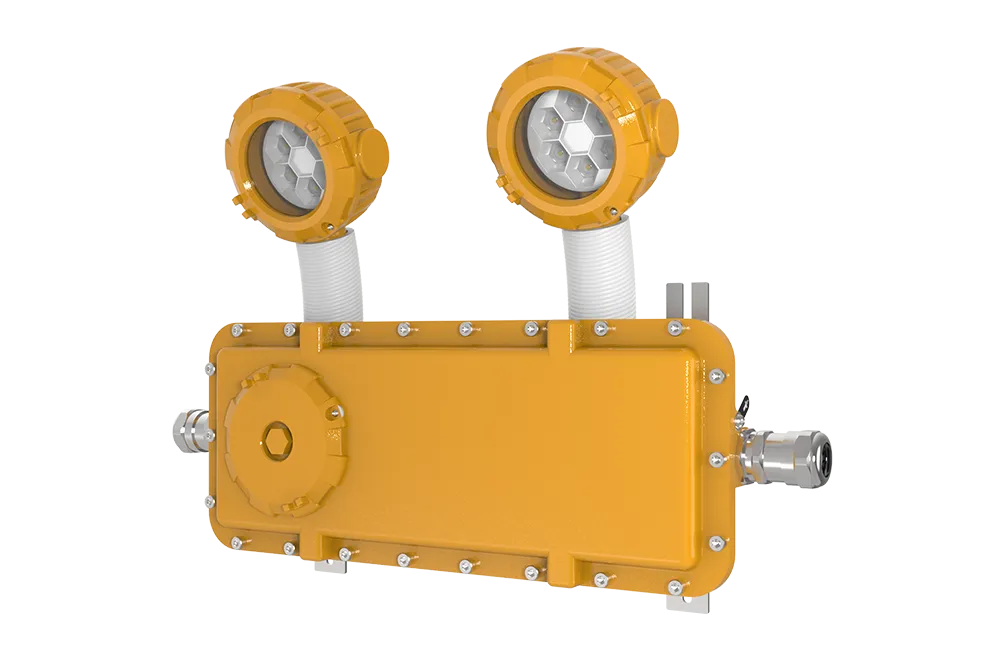
ATEX: Ex II 2G Ex db IIB T6 GbEx II 2D Ex tb IIIC T80°C Db IECEx Ex db IIB T6 Gb;Ex tb IIIC T80°C Db Feature: ● For Zone 1,2 and Zone 21,22● Flameproof type, the strongest Application: Oil and gas, marine, Chemical, pharmaceutical, semiconductor,mining,military industry, paint booth,power plant ETC hazardous area. Technical Specifications:…
View details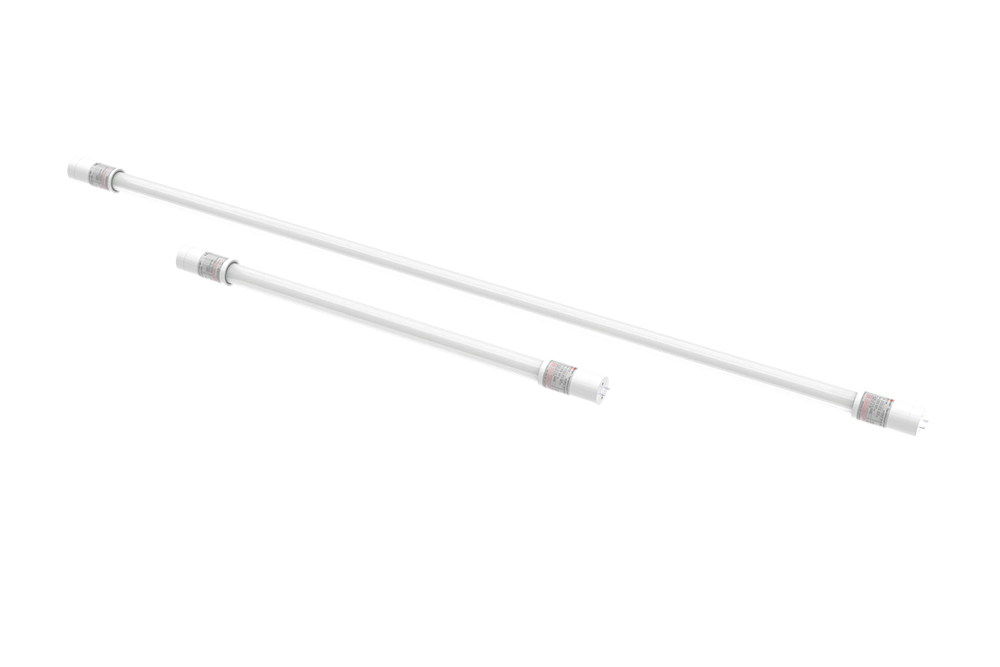
ATEX: Ex II 2G Ex d e IIB T6 Gb ATEX: Ex d e IIB T6 Gb; Feature: ● For Zone 1,2● 9W can replace 18W fluorescent lamps,50% Energy saving Application: Oil and gas, marine, Chemical, pharmaceutical, semiconductor,mining,military industry, paint booth,power plant ETC hazardous area. Technical Specifications: Standards:60079-0, 60079-1, 60079…
View details
Choose eco friendly flood lights for lower energy use, longer lifespan, and reduced carbon impact. Reliable outdoor LED solutions built by SEEKINGLED.
View details
Customized ex proof LED flood light engineered for Zone 1 & 2 hazardous areas. Reliable, certified and tailored by SEEKINGLED for demanding sites.
View details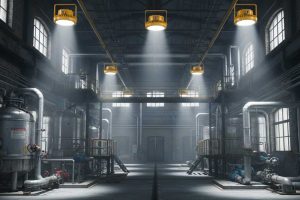
ATEX explosion proof lighting is essential for Zone 1 and Zone 21 hazardous areas. This article shares real engineering experience with SEEKINGLED HB21 Series LED explosion proof high bay lights, referencing IEC 60079 standards and ATEX compliance.
View details
Learn how to wire LED linear high bay lights step by step, including power, grounding, and control wiring. Field-based guidance from SEEKINGLED.
View details