 Seeking LED
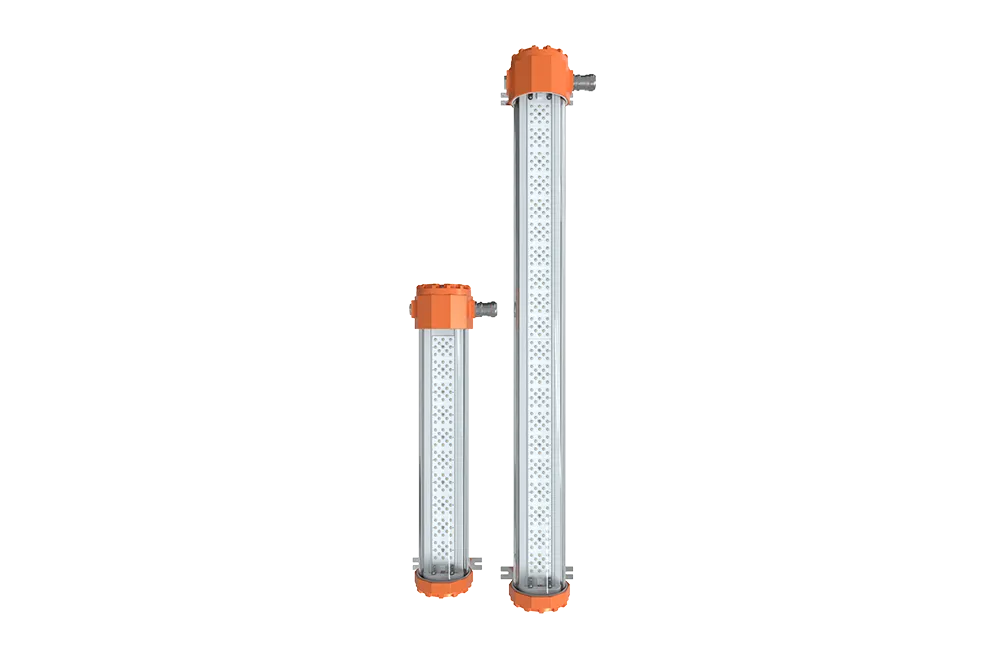
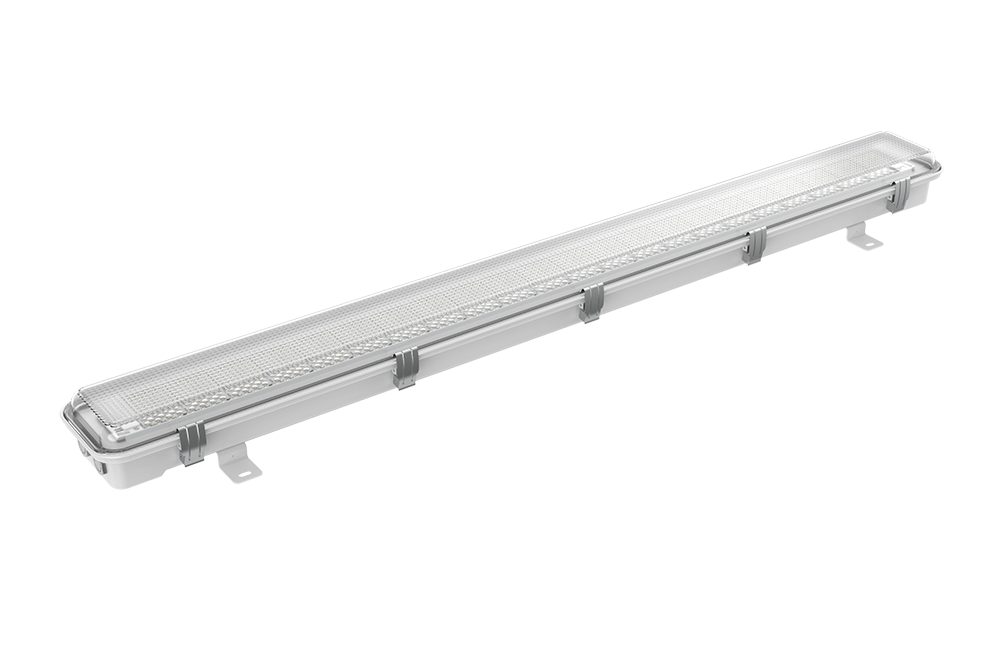
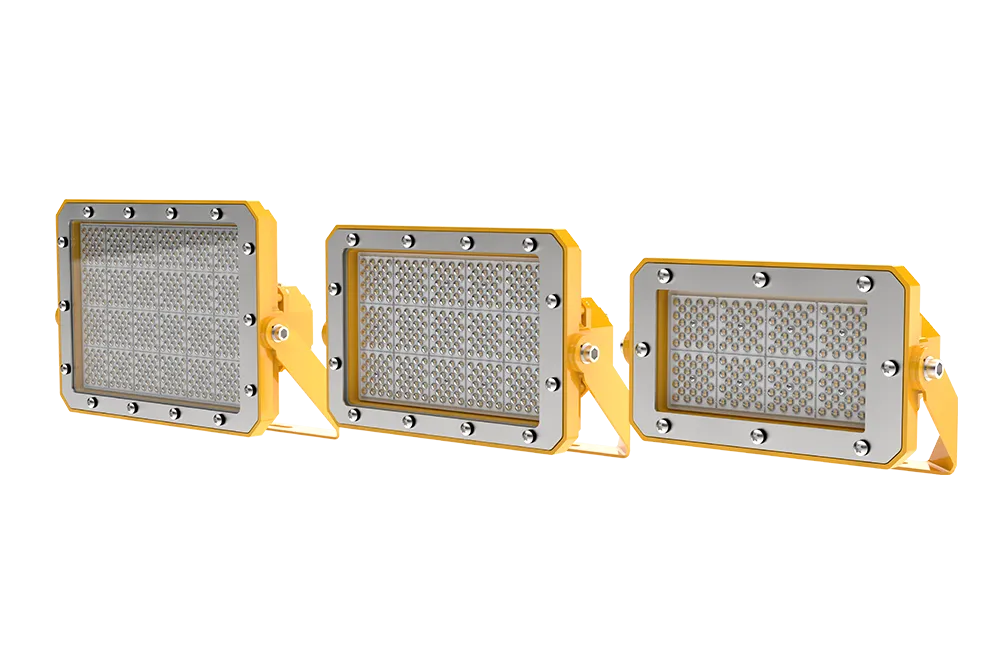
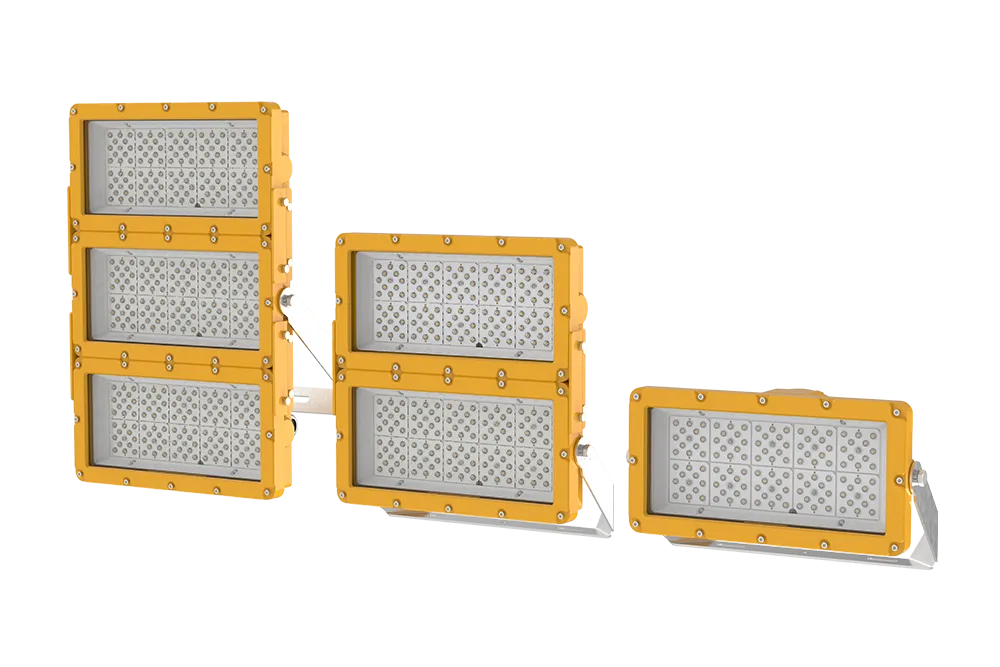
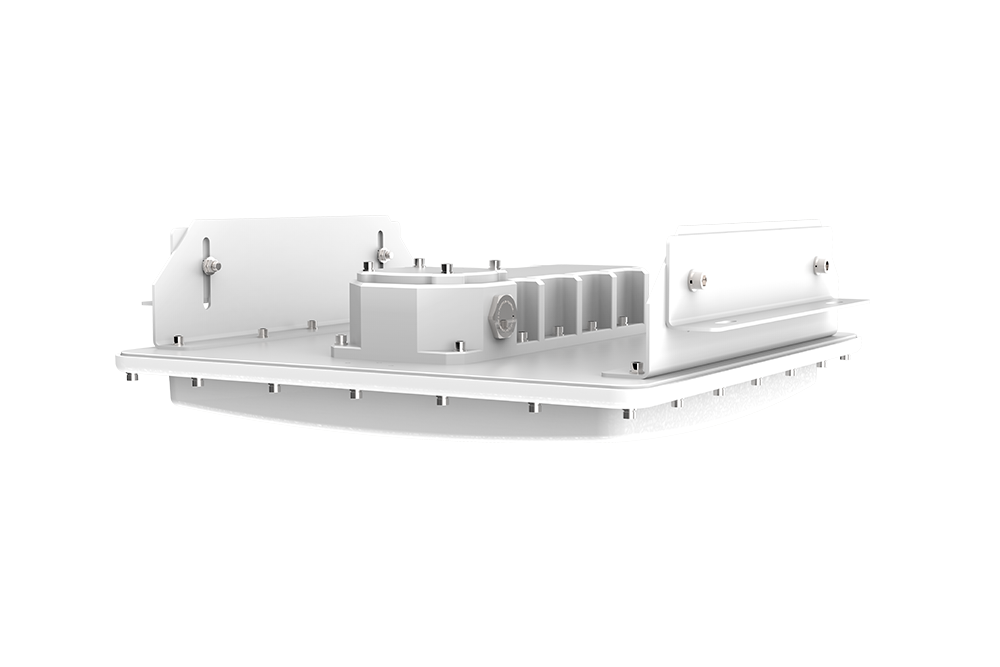
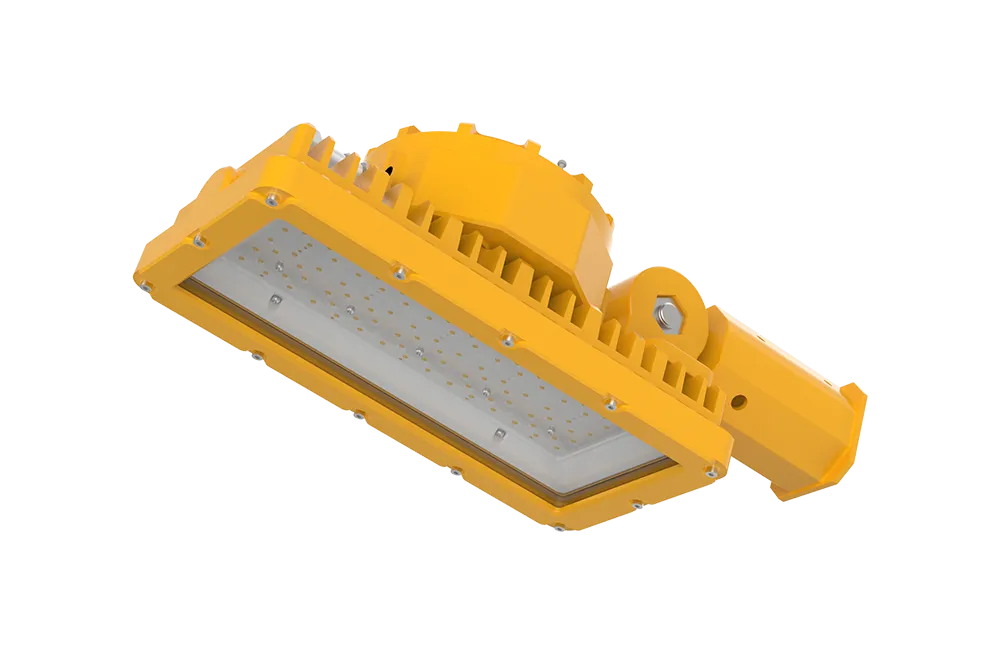
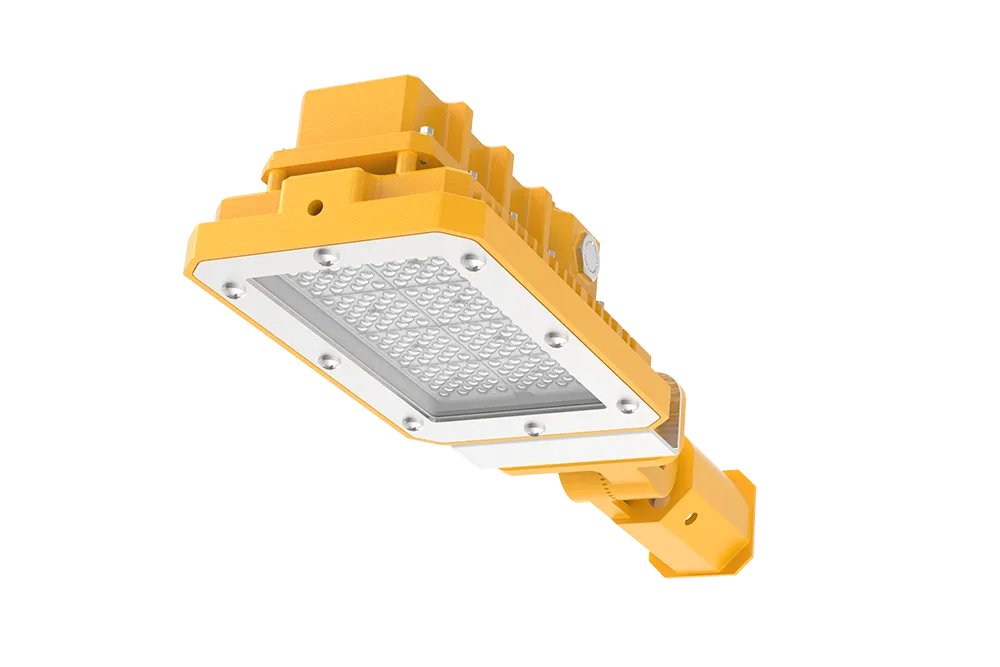
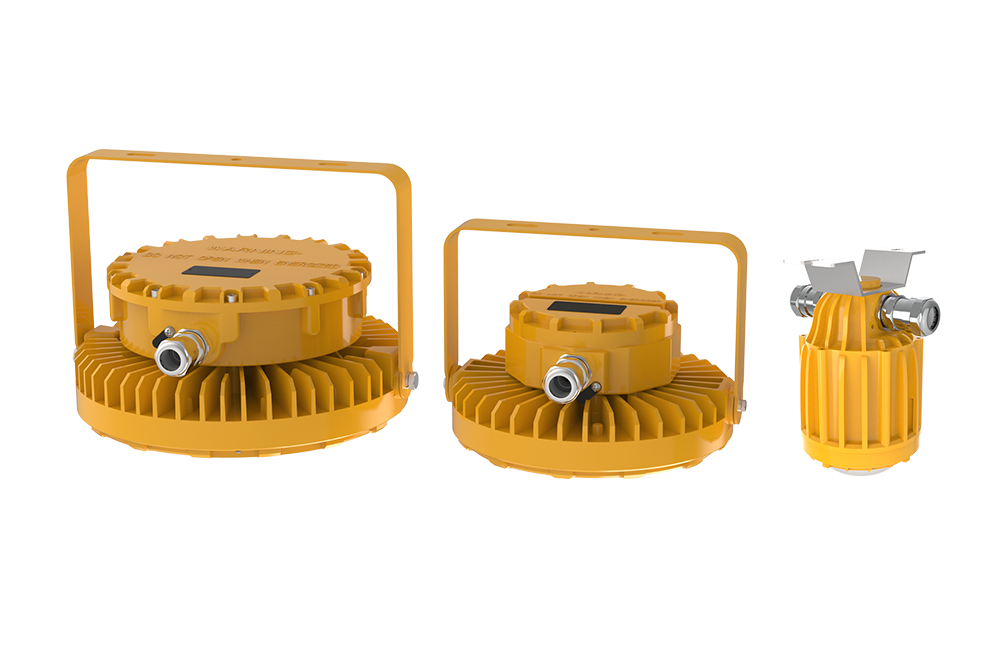
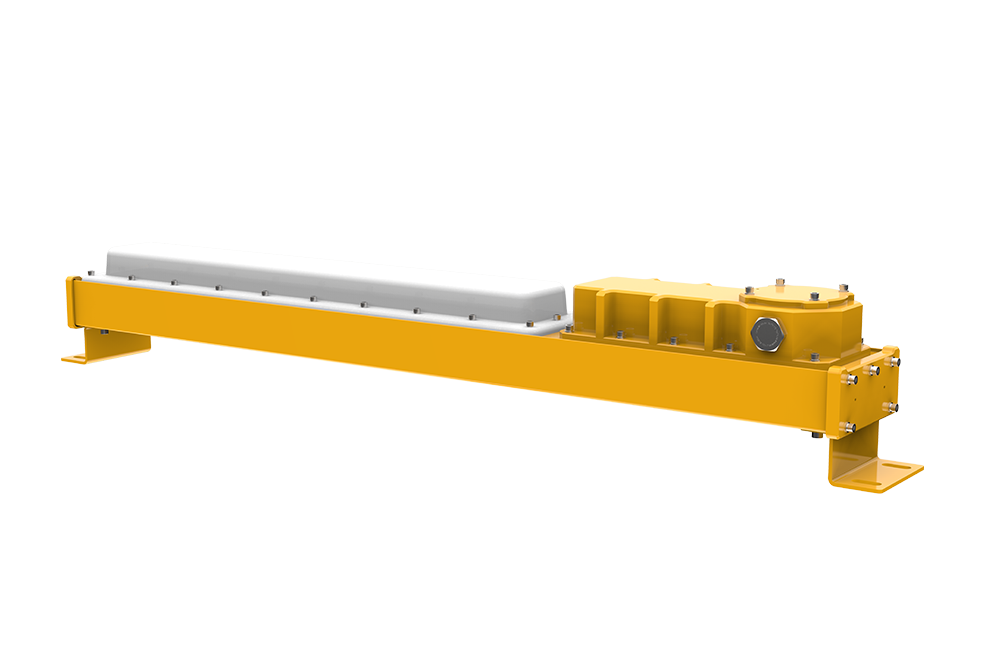
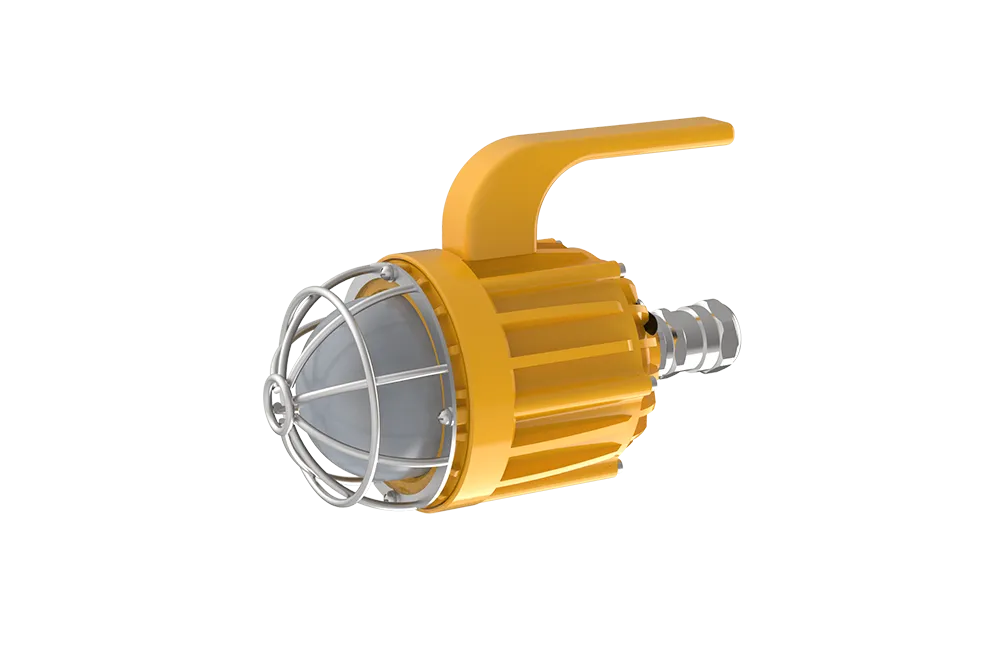
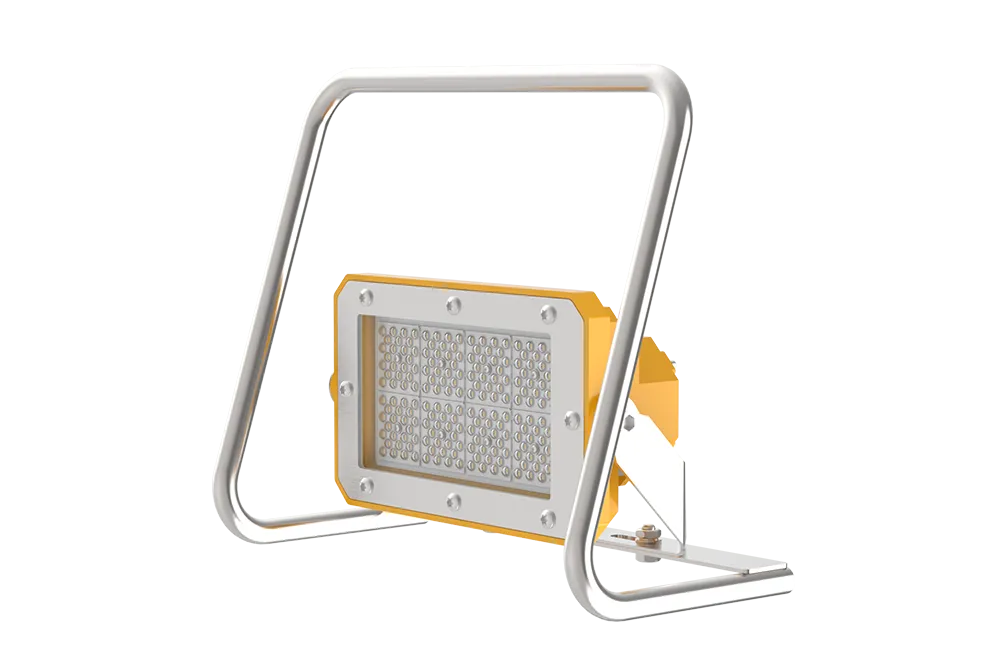
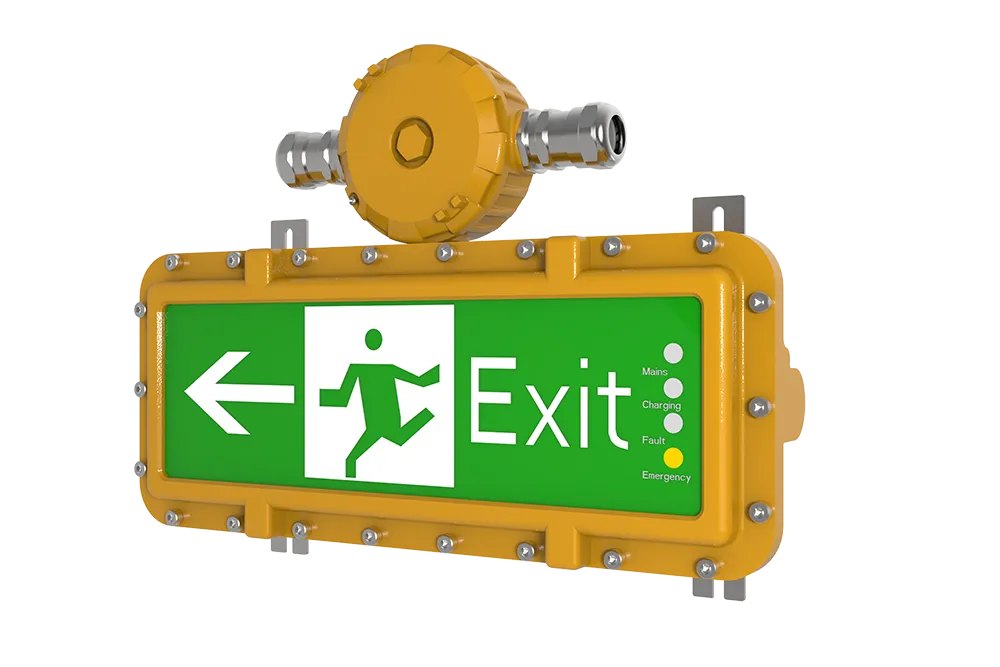
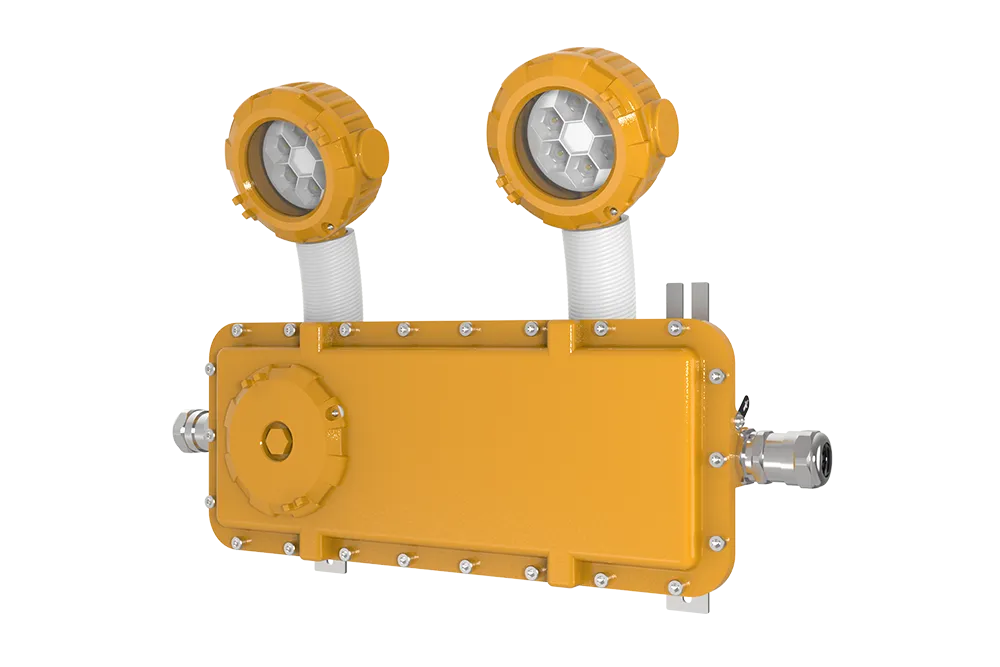
What Are Explosion Proof LED Light Fixtures?
18What Are Explosion Proof LED Light Fixtures? Discover how certified hazardous-area LED fixtures prevent ignition risks, improve safety, and last longer.
View detailsSearch the whole station
The market for atex approved led lighting wholesale has changed noticeably over the last decade.
Not long ago, most hazardous-area facilities still relied on fluorescent tubes sealed inside heavy flameproof housings. They worked, technically. But maintenance crews didn’t trust them very much. Lamp failures were common, and replacing a single fixture in a classified zone often meant stopping work, issuing permits, and sending two technicians up a lift.
That experience is familiar to anyone who has spent time in refineries or chemical plants.
A few years back I walked through a storage terminal along the North Sea coast. It was winter, cold wind coming off the water, pipelines running above ground between loading structures. The lighting system there had recently been upgraded to LED. The maintenance supervisor pointed out the difference immediately: before the upgrade, they were replacing lamps almost every month somewhere in the facility.
After switching to certified LED fixtures, the replacement schedule practically disappeared.
That moment explains why demand for atex approved led lighting wholesale has grown so quickly in industrial sectors.
Lighting inside explosive atmospheres is governed by strict regulations. In Europe, the most important framework is the ATEX Directive 2014/34/EU, which defines equipment requirements for explosive environments.
Industrial areas are typically classified into different zones:
Equipment used in these locations must prevent ignition sources from escaping. Even a small electrical spark inside a luminaire could become dangerous if gases or vapors are present.
The European Agency for Safety and Health at Work (EU-OSHA) has repeatedly emphasized that explosive atmospheres remain a major industrial hazard across fuel handling, chemical production, and grain processing facilities.
Lighting may seem simple, but in those environments it becomes part of the safety system.
The shift toward LED lighting didn’t happen overnight.
In fact, early explosion-proof LED fixtures were expensive and sometimes over-engineered. But the technology matured quickly.
According to the International Energy Agency (IEA), LED technology can reduce electricity consumption by 50–70% compared with traditional lighting systems in industrial facilities operating long hours.
Energy savings matter. Yet for hazardous industries, reliability matters more.
A typical refinery or offshore platform operates continuously. Shutting down equipment to replace failed lighting fixtures is both expensive and disruptive. Long-life LED systems reduce those interruptions dramatically.
And that’s where a dependable atex approved led lighting wholesale partner becomes important.

Wholesale buyers—distributors, contractors, EPC companies—usually look at three things first.
Certification. Thermal performance. Driver reliability.
Certification is obvious. Without proper ATEX documentation, the lighting cannot be installed legally in hazardous zones.
Thermal design is less obvious but equally important. Explosion-proof housings are sealed by design. Without proper heat dissipation, internal components degrade quickly.
I once inspected a chemical facility where several fixtures failed within two summers. The problem wasn’t certification; the fixtures were compliant. The issue was poor thermal management in high ambient temperatures.
Better designs use aluminum housings, optimized heat sinks, and reliable drivers to keep internal temperatures stable.
That’s the kind of detail experienced buyers check when sourcing atex approved led lighting wholesale solutions.

At SEEKINGLED, explosion-proof lighting projects usually begin with questions rather than products.
Zone classification. Mounting height. Ambient temperature. Operating hours.
These details shape the lighting design more than wattage alone.
A narrow pipe rack in a refinery requires very different optics compared with an open loading terminal. Marine installations bring additional challenges: salt corrosion, vibration, temperature swings.
The goal isn’t simply to deliver fixtures. It’s to deliver systems that remain stable through years of industrial operation.
Industrial operators rarely talk about lighting unless something goes wrong. In hazardous environments, that silence is a good sign.
A dependable atex approved led lighting wholesale system should simply work—year after year—without drawing attention to itself. When inspection teams walk through a facility and find every fixture operating quietly above the pipelines and processing lines, that’s when the engineering behind the lighting proves its value.
At SEEKINGLED, that reliability is exactly what our atex approved led lighting wholesale solutions are built for.
Related products

What Are Explosion Proof LED Light Fixtures? Discover how certified hazardous-area LED fixtures prevent ignition risks, improve safety, and last longer.
View details
Are LED street lights better for cities and roads? This guide explains real advantages, limits, and when LED street lighting actually performs better.
View details
Why are LED street lights purple in some cities? This guide explains the real causes behind purple LED street lights, whether they are defective, and what municipalities should do.
View details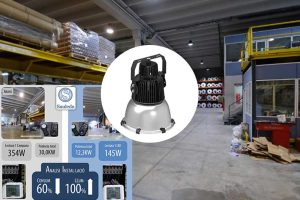
On-site project record of XJ-HBS150W LED high bays replacing 354W lamps in Spain, achieving up to 60% energy savings and significantly higher lux levels in an industrial facility.
View details