 Seeking LED
What Is LED Linear Lighting?
340What is LED linear lighting? Learn how linear LED lighting systems work, where they are used, and why they are popular in warehouses, offices, and retail spaces.
View detailsSearch the whole station
How Bright Is a LED Flood Light?
A LED flood light can produce anywhere from 800 to over 50,000 lumens depending on wattage, beam angle, chip efficiency, and mounting height. In practical outdoor use, a 50W LED flood light is usually bright enough for residential yards, while 200W–400W models are commonly used for industrial sites, ports, warehouses, and stadium perimeters.
That’s the short answer. But brightness in real projects is rarely about wattage alone.
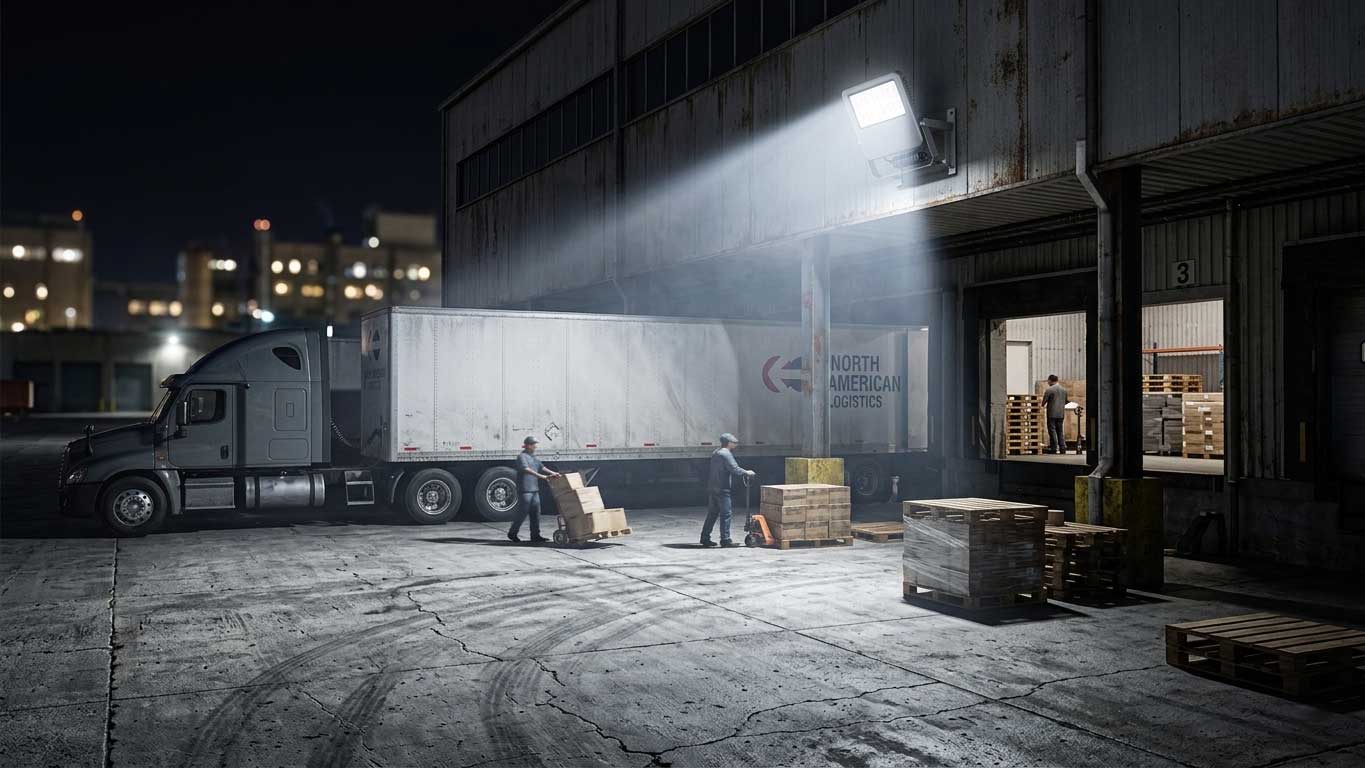
I learned this the hard way standing in a shipping yard outside Houston several years ago. Two flood lights were both labeled “100W LED.” One barely illuminated the loading bay. The other lit the entire container lane like daylight. Same wattage. Completely different performance.
The difference came down to lumens, optics, driver quality, and beam control — not the number printed on the box.
At SEEKINGLED, we’ve tested LED flood lighting in oil terminals, logistics depots, parking structures, marine docks, and hazardous industrial environments. Brightness on paper and usable brightness in the field are often two different things.
Most buyers look at wattage first. Engineers usually look at lumens first.
Here’s why.
| LED Flood Light Wattage | Typical Lumens Output | Common Application |
|---|---|---|
| 10W | 800–1,200 lm | Small signs, pathways |
| 20W | 1,800–2,400 lm | Residential yards |
| 50W | 5,000–7,000 lm | Driveways, garages |
| 100W | 10,000–15,000 lm | Parking lots |
| 200W | 24,000–32,000 lm | Warehouses |
| 400W | 48,000–60,000+ lm | Stadiums, ports |
The U.S. Department of Energy has repeatedly documented that modern LED systems can achieve over 130 lumens per watt in outdoor lighting applications, significantly outperforming metal halide technology.
Source: U.S. DOE Solid-State Lighting Program
What matters more than raw wattage:
A poorly designed 150W fixture can look dimmer than a high-quality 80W system.
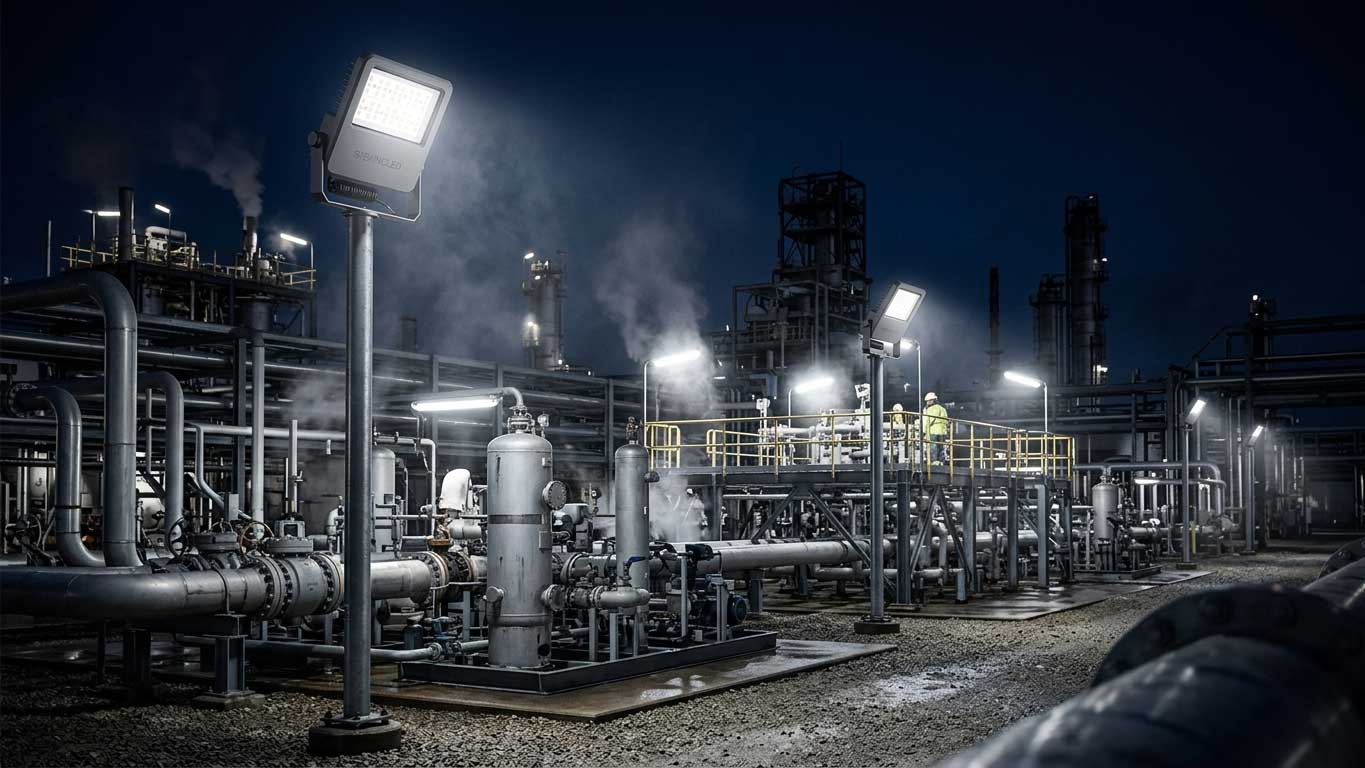
I’ve seen that happen in refineries where cheap optics scattered light into the air instead of onto the work zone.
This part gets ignored constantly.
A narrow-beam flood light appears dramatically brighter because the lumens are concentrated into a smaller area.
For example:
| Beam Angle | Light Distribution | Typical Use |
|---|---|---|
| 30° | Long-distance focus | Building facades |
| 60° | Concentrated area lighting | Security |
| 90° | Medium spread | Parking lots |
| 120° | Wide coverage | Warehouses |
Imagine pouring the same bucket of water through different nozzles.
A 100W LED flood light with a 30° beam can visually appear brighter than a 200W wide-beam fixture.
This is why industrial engineers calculate lux levels instead of simply comparing wattage.
That depends entirely on application.
I’ve visited sites where customers installed extremely bright flood lights and accidentally created visibility problems due to glare reflection from wet concrete.
Too much light can reduce visibility.
The Illuminating Engineering Society (IES) recommends different illumination levels depending on task type and environment.
Source: Illuminating Engineering Society (IES)
Typical outdoor recommendations:
| Area | Recommended Lux |
|---|---|
| Residential driveway | 20–50 lux |
| Parking lot | 50–100 lux |
| Warehouse exterior | 100–200 lux |
| Industrial loading area | 200+ lux |
A common mistake is oversizing flood lights without considering mounting geometry.
For homes, brightness requirements are usually modest.
A 20W–50W LED flood light often provides more than enough illumination for:
Most homeowners actually complain about excessive glare rather than insufficient brightness.
Warm white 3000K lighting also tends to feel softer than 5000K daylight lighting even when lumen output is similar.
Industrial applications are different entirely.
At SEEKINGLED, we commonly see:
But raw brightness is only one part of industrial safety.
Uniformity matters more.
Workers moving forklifts between dark and bright zones experience eye fatigue fast. Poor uniformity creates hazards.
That’s why high-performance LED flood systems focus heavily on optical control.
Many facility managers still compare LED brightness to older HID systems.
Here’s the practical comparison:
| Metal Halide | LED Equivalent |
|---|---|
| 150W MH | 50W–70W LED |
| 250W MH | 80W–100W LED |
| 400W MH | 150W–200W LED |
| 1000W MH | 300W–400W LED |
LED systems not only produce more usable light but maintain brightness better over time.
Traditional metal halide lamps can lose 35–40% of lumen output before end-of-life.
Source: U.S. Department of Energy
That lumen depreciation is obvious in old parking lots.
You notice yellow patches, uneven brightness, and slow startup times.
LED eliminates most of that.
Interesting question.
Technically, lumen output may remain similar across color temperatures, but visually:
This is why industrial facilities frequently choose 5000K LED flood lighting.
Cooler white light improves contrast and object visibility.
But there’s a tradeoff.
Very cool light can feel harsh in residential settings.
I usually advise homeowners to stay near 3000K–4000K unless maximum security visibility is required.
A flood light mounted at 30 feet behaves completely differently than one mounted at 10 feet.
Higher mounting heights:
Lower mounting heights:
This is why professional lighting layouts matter.
At SEEKINGLED, we regularly simulate beam patterns before finalizing industrial projects because brightness perception changes dramatically with pole height and beam overlap.
Wattage alone says almost nothing about real illumination quality.
Wide beams waste light if long-distance visibility is required.
Concrete, snow, metal walls, and water surfaces all affect perceived brightness.
Poor drivers reduce stable lumen output and shorten lifespan.
Excessively bright fixtures can decrease visibility instead of improving it.
For residential use, 2,000–7,000 lumens is usually sufficient. Industrial and commercial applications often require 15,000–50,000 lumens depending on mounting height and coverage area.
Yes. A quality 50W LED flood light typically produces around 5,000–7,000 lumens, enough for driveways, garages, gardens, and small parking areas.
5000K usually appears visually brighter because it produces cooler white light with higher perceived contrast.
Absolutely. Excessive brightness can create glare, eye strain, and reduced visibility in outdoor environments.
So, how bright is a LED flood light?
Bright enough to illuminate anything from a backyard fence to a refinery loading terminal — if the fixture is properly designed.
The real question isn’t simply wattage. It’s whether the light reaches the right place with the right intensity, beam control, and stability.
That’s the difference between a flood light that merely turns on and one that actually improves safety, visibility, and operational efficiency.
At SEEKINGLED, we’ve learned that useful brightness always beats advertised brightness. And in industrial lighting, that distinction matters more than most spec sheets admit.
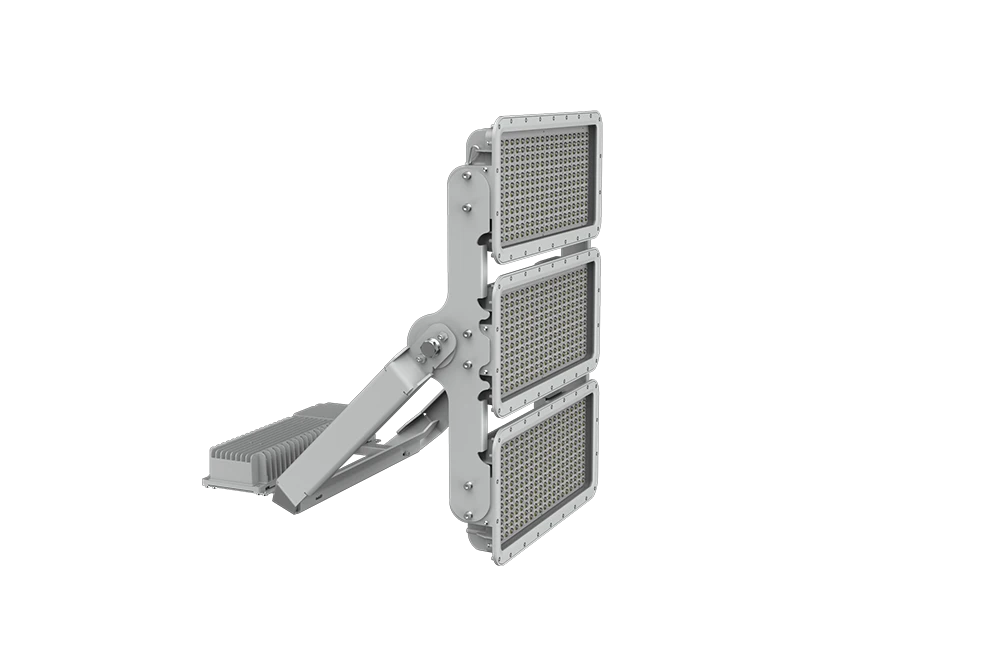
Sports Stadium LED Lighting by SEEKINGLED delivers high mast illumination, precise beam control, and EN 12193 compliant performance for professional venues.
View details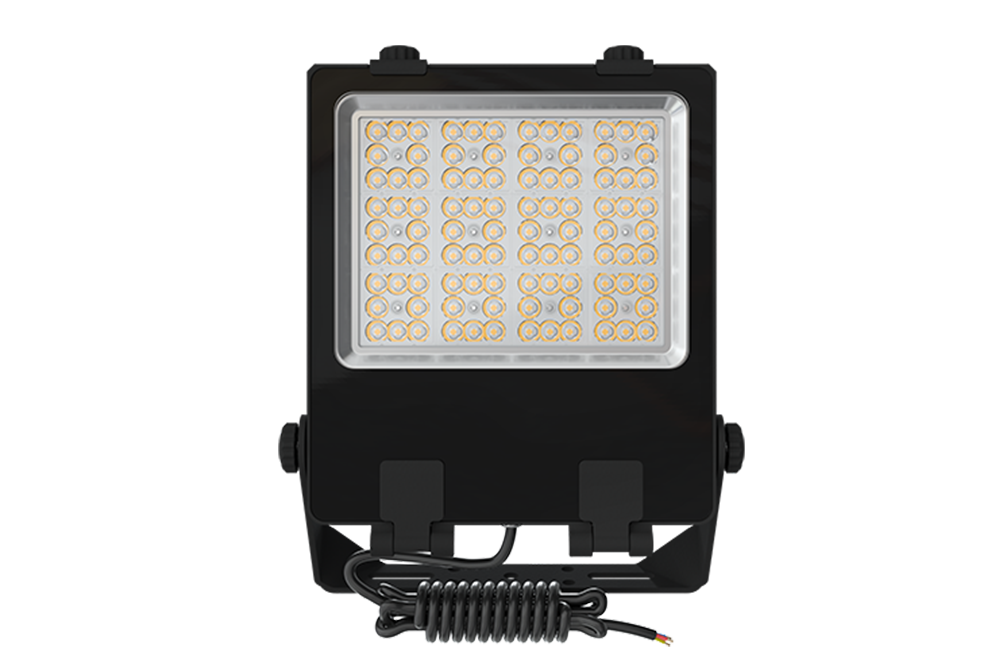
SEEKING FLX Series LED flood light outdoor for sports courts and open-area projects with 170lm/W efficiency, IP66 protection and multiple beam distributions. Designed for long-life commercial and public outdoor use.
View details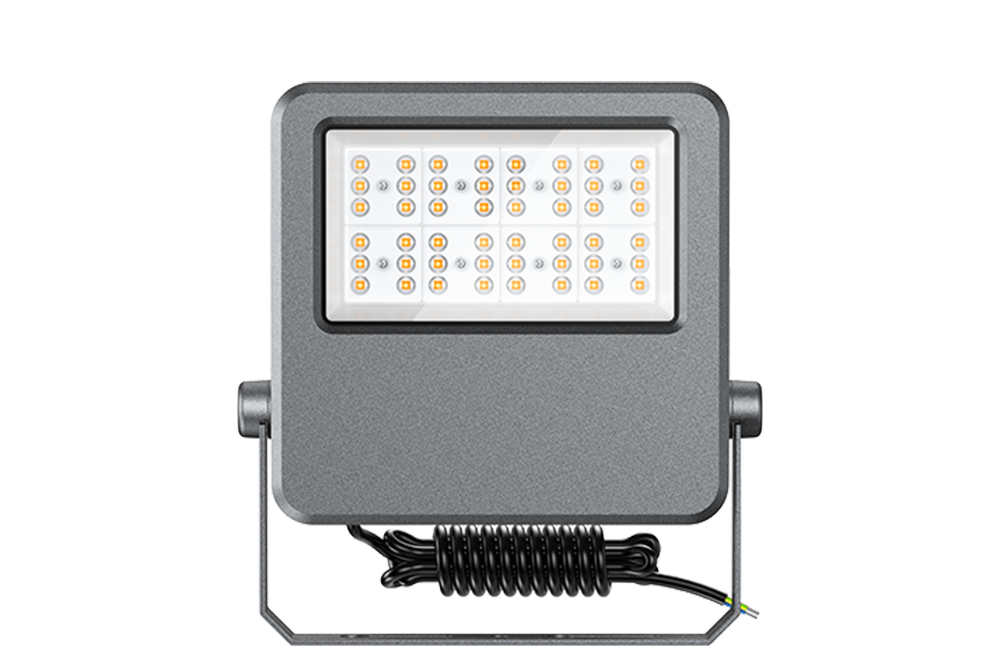
SEEKING FLE Series LED outdoor flood lights for sports grounds and open areas with multiple beam angles, IP66 protection and up to 170lm/W. Designed for long-life outdoor installations with professional driver options.
View details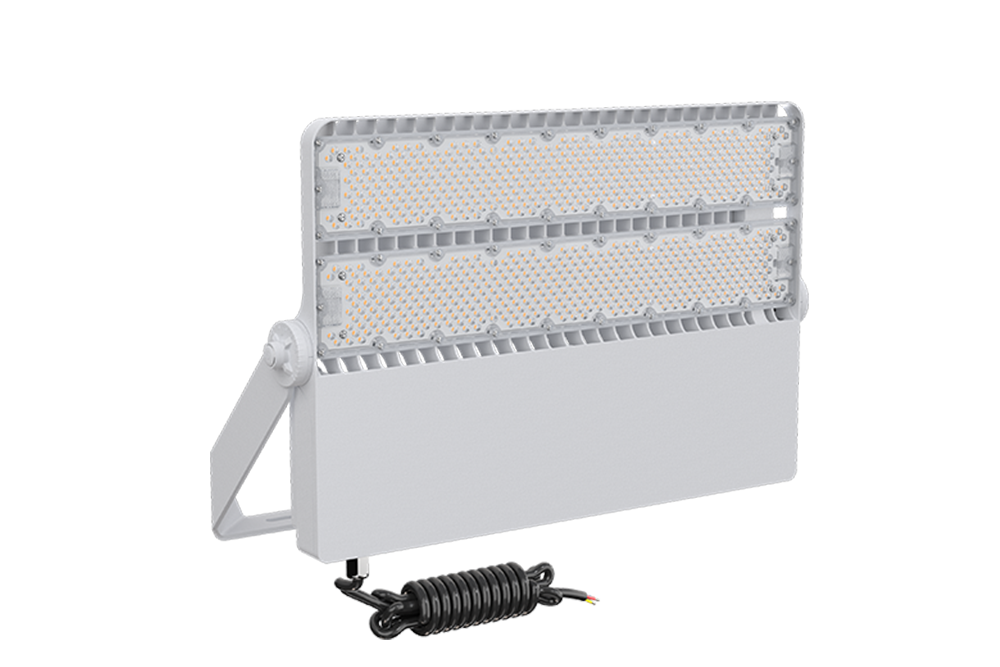
SEEKING FLD Series outdoor LED flood lights and high power led flood light deliver up to 960W with precision beam angles for sports fields, stadiums and large outdoor areas. IK08 & IP66 protection, 170lm/W efficiency and 100,000h lifetime.
View details
What is LED linear lighting? Learn how linear LED lighting systems work, where they are used, and why they are popular in warehouses, offices, and retail spaces.
View details
What Does ATEX Approved Lighting Actually Mean? Learn how ATEX-certified lighting protects hazardous areas, meets EU safety rules, and reduces ignition risks.
View details
How long do motion sensor flood lights last? Learn LED flood light lifespan, sensor durability, maintenance tips, and expert insights from SEEKINGLED.
View details
Portable explosion proof lighting provides safe illumination for hazardous locations. Learn certifications, applications, battery options, and selection tips from industry experts.
View details