 Seeking LED
What Is an Explosion-Proof LED Work Light?
299What is an explosion-proof LED work light? Learn how it works, where it is used, and why certified explosion-proof LED work lights are critical for hazardous environments.
View detailsSearch the whole station
Flame proof light fittings are certified lighting fixtures designed for hazardous environments where flammable gas, vapor, or combustible dust may be present. They contain internal ignition sources, prevent flame propagation, and provide reliable illumination for refineries, chemical plants, offshore facilities, and industrial processing sites.
That definition is technical, but the field lesson is simple: when the atmosphere can ignite, normal lighting should not be there.
I’ve visited industrial plants where standard luminaires were temporarily installed during maintenance shutdowns. They looked harmless. Yet damaged cable entries, overheated drivers, and corroded housings told a different story. In hazardous areas, lighting is never just lighting.
Over the last decade, I’ve worked with industrial LED upgrades across petrochemical terminals, grain plants, coastal docks, and manufacturing facilities. The same buying mistake repeats: too much attention on wattage, too little on certification and lifetime reliability.
The term flame proof light fittings is widely used in many markets to describe luminaires engineered so that if ignition occurs inside the enclosure, flames cannot escape and ignite the surrounding atmosphere.
These fittings are commonly aligned with standards such as:
Typical hazardous zones include:
According to IECEx guidance, equipment in explosive atmospheres must be selected according to gas group, temperature class, and zone classification.
That means appearance alone is meaningless. Certification is what counts.
From a distance, many lights look industrial enough.
Closer inspection often reveals problems:
At one solvent blending facility, I saw three commercial floodlights installed above a loading area. Two had internal condensation after one rainy season.
No ignition occurred. That was luck, not compliance.
Proper hazardous area light fittings are designed to control:
Do not rely on phrases like “explosion style” or “industrial grade.”
Request:
If documentation is slow or unclear, future support may be the same.
Heat reduces LED life faster than many buyers realize.
The U.S. Department of Energy has repeatedly shown that junction temperature strongly affects lumen maintenance and driver reliability.
Strong flame proof light fixture designs typically include:
In one comparison I ran during a retrofit tender, two 150W units differed by 12°C after one hour of operation. Same wattage. Very different engineering.
Marine docks, fertilizer plants, wastewater sites, and chemical zones need more than paint.
Look for:
Cheap hardware often fails before LEDs do.
Many projects overbuy wattage because beam control was ignored.
Use optics based on task:
A smaller well-aimed fixture often performs better than a larger poorly aimed one.
| Industry | Main Risk | Recommended Areas |
|---|---|---|
| Oil & Gas | Hydrocarbon vapor | Tank farms, pipe racks, loading bays |
| Chemical Plants | Solvent gas | Process zones, storage areas |
| Marine | Fuel vapor + corrosion | Docks, pump rooms |
| Food & Grain | Combustible dust | Silos, mills, conveyors |
| Mining | Dust + vibration | Surface plants |
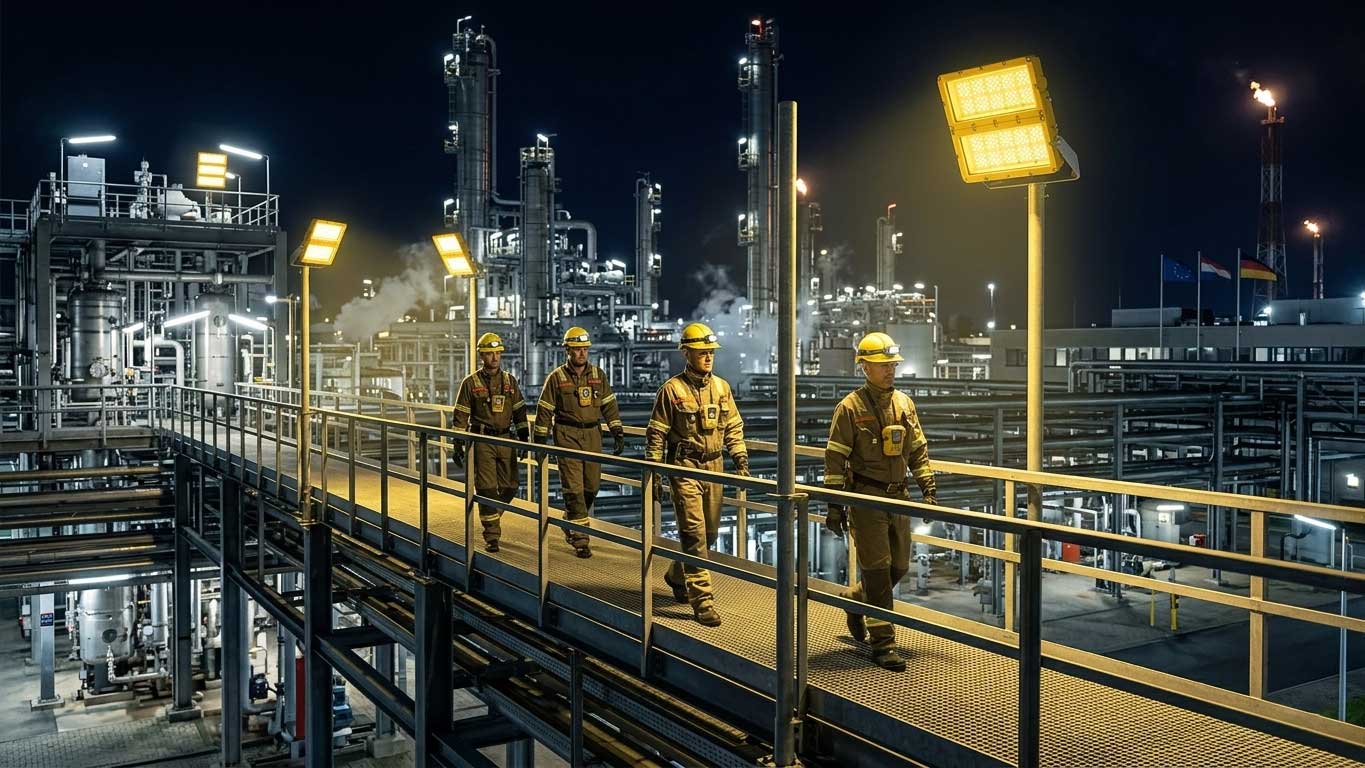
Do not begin with watts. Begin with lux levels.
Typical targets:
During one warehouse hazardous retrofit, correcting beam angles reduced fixture count by 16% while improving visibility.
That came from planning, not higher wattage.
At a quarry transfer station, several fixtures repeatedly drifted out of aim.
Not electrical failure.
Bracket bolts loosened slowly from vibration.
After switching to reinforced mounts with locking washers, maintenance calls dropped sharply.
The LED module gets the attention. The bracket often deserves it.
SEEKINGLED focuses on industrial-grade lighting where uptime, compliance, and support matter.
Customers often choose SEEKINGLED for:
The product matters. The paperwork matters too.
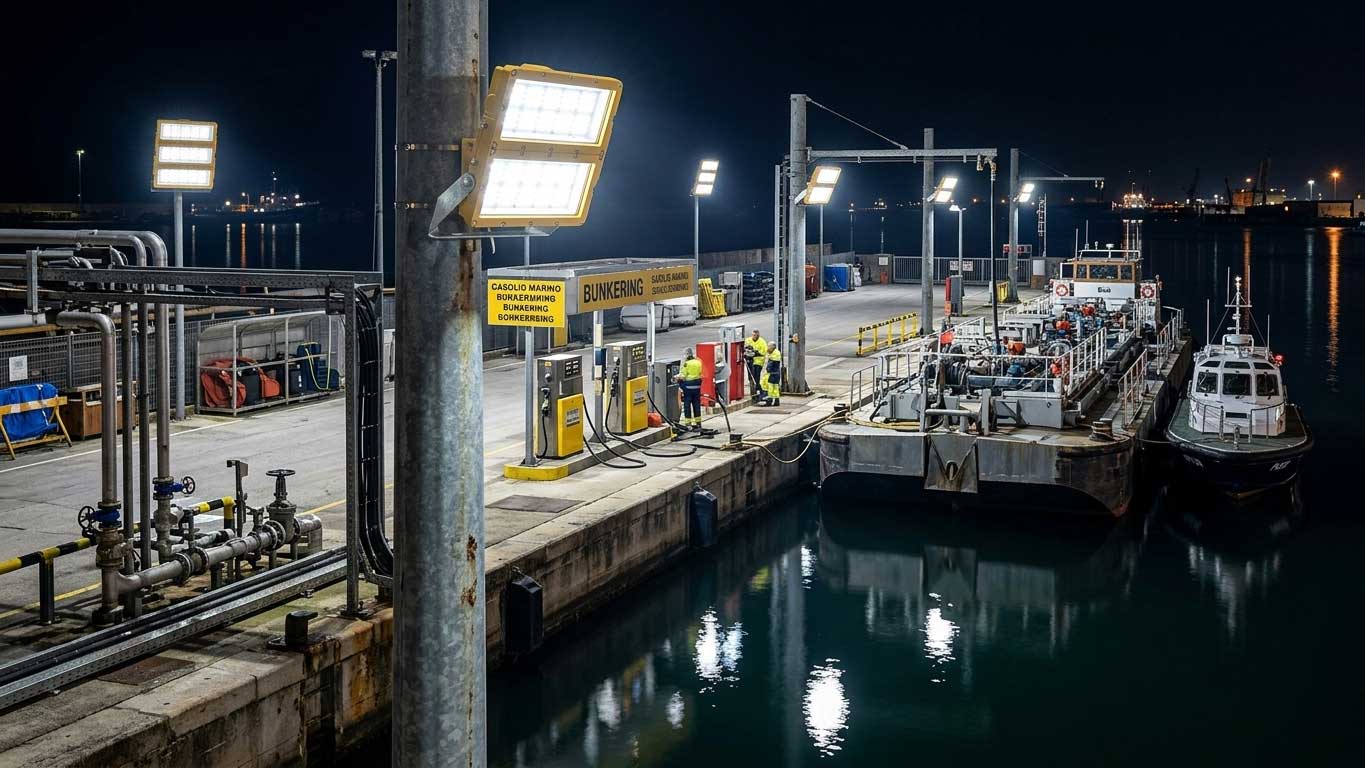
The cheapest light fitting often becomes the expensive one.
The terms are often used regionally for similar hazardous-area protection concepts, though standards and wording vary by market.
Quality fixtures often target 50,000+ hours, depending on temperature and driver quality.
Do not assume so. Zone suitability must be certified.
Certification first. Output can be designed later.
When clients ask me for the best flame proof light fittings, I ask what environment they must survive for the next five years.
Salt air? Dust? Heat? Vibration? Shutdown pressure?
That is the real specification.
Not opening brightness.
Not brochure photos.
Not the cheapest quote.
Choose the fixture that still seals correctly, runs cool, resists corrosion, and passes inspection years later.
That usually becomes the smart investment.
And yes—the right flame proof light fittings pay for themselves quietly.
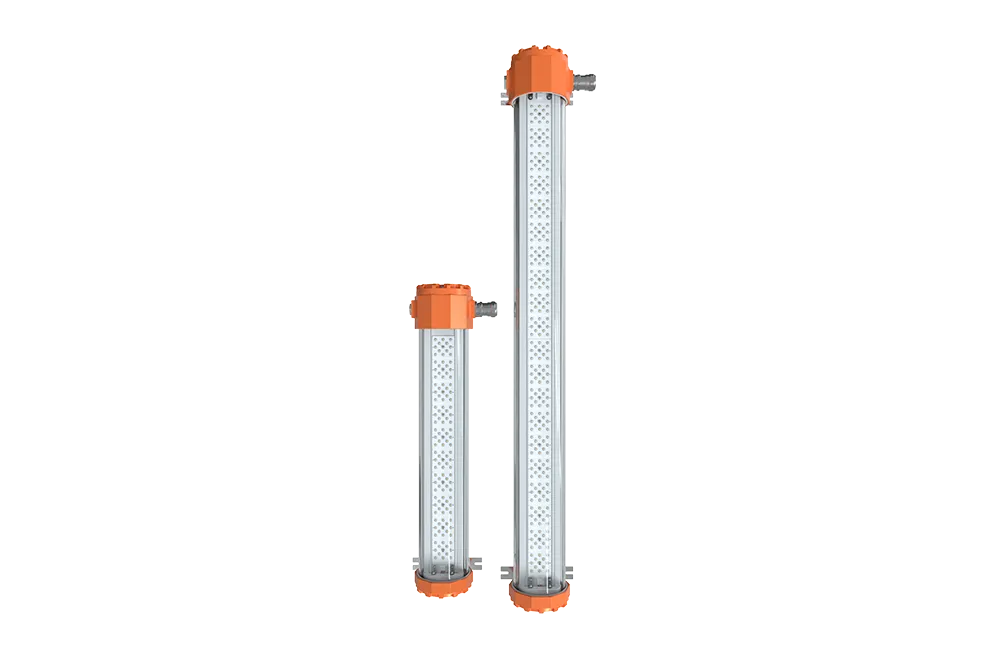
SEEKINGLED LED Linear Explosion Proof Light and Explosion Proof lighting is ATEX and IECEx certified for Zone 1, Zone 2, Zone 21 and Zone 22 hazardous locations, built for long-term industrial use.
View details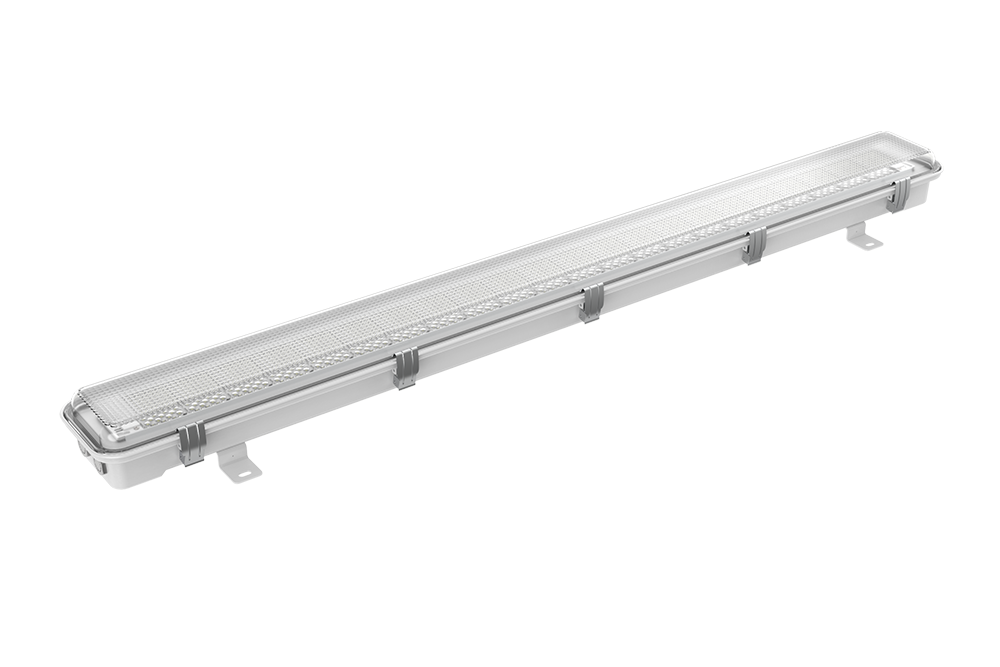
LED Linear Explosion Proof Lights and EX Proof lights for Zone 1, Zone 2, Zone 21 and Zone 22 hazardous areas. ATEX & IECEx certified explosion proof LED linear lighting with emergency function, adjustable power and IP67 protection by SEEKINGLED.
View details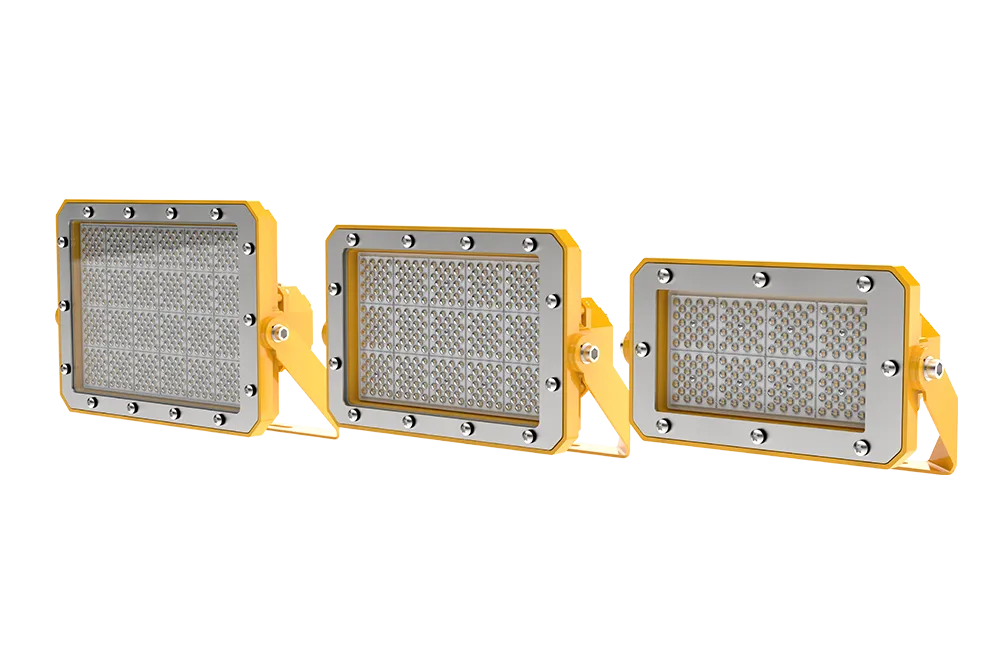
SEEKINGLED LED Explosion Proof Flood Lights are ATEX certified for Zone 2 and Zone 22 hazardous areas, offering high efficiency, adjustable power and integrated junction box.
View details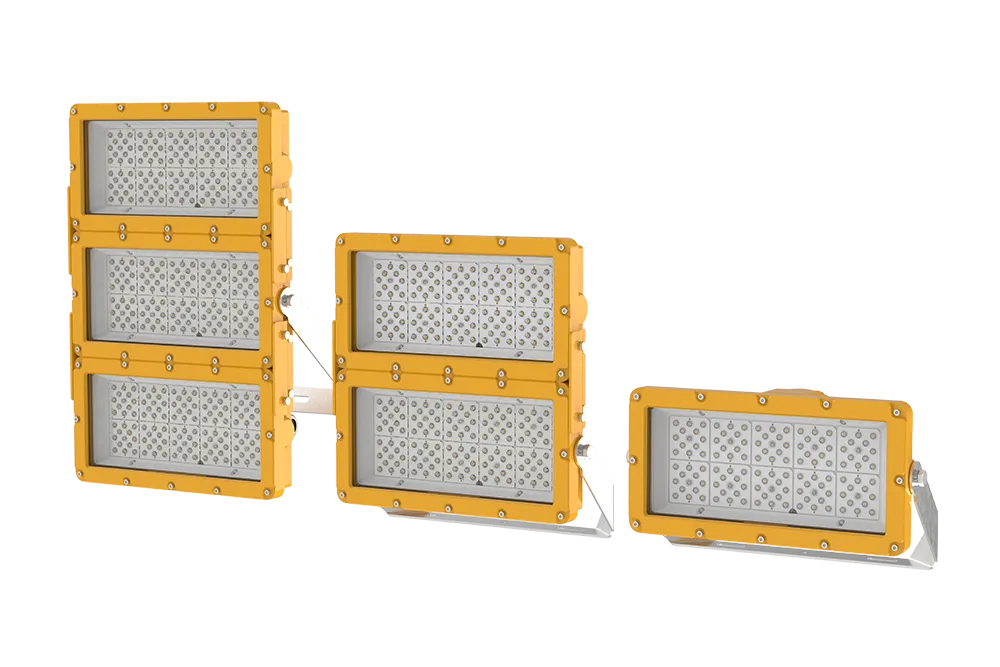
SEEKINGLED LED Explosion Proof Flood Lights are flameproof ATEX and IECEx certified for Zone 1 and Zone 2 hazardous areas, offering high power, adjustable output and long service life.
View details
SEEKINGLED LED Gas Station Canopy Lights are ATEX certified for Zone 2 and Zone 22 hazardous areas, featuring adjustable power and built-in explosion-proof junction box.
View details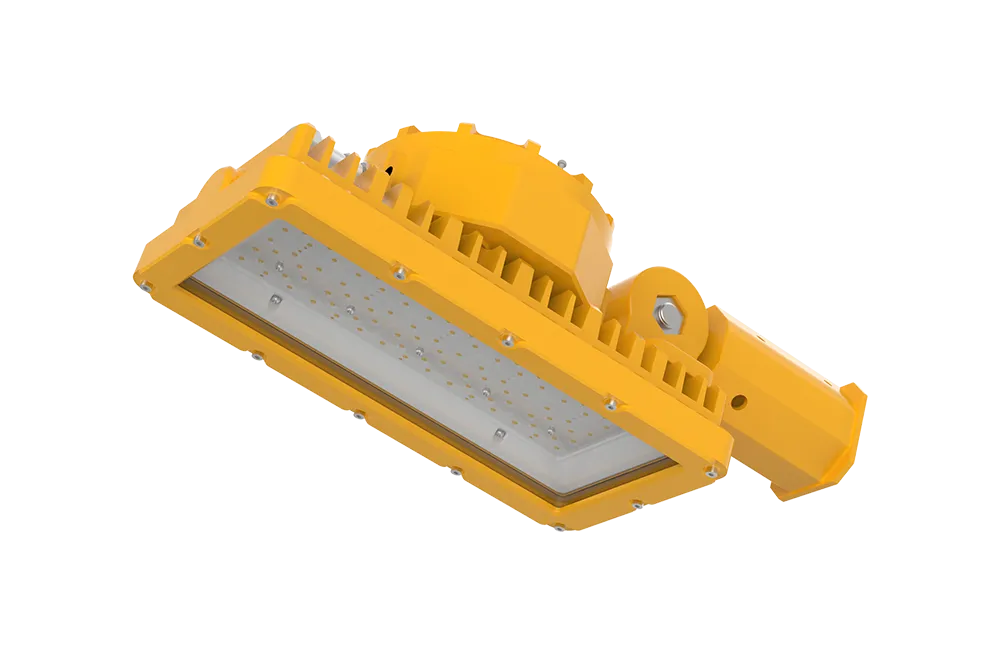
ATEX: Ex II 2G Ex db IIB T6/T5 GbEx II 2D Ex tb IIIC T80°C/ T95°C Db IECEx Ex db IIB T6 Gb;Ex tb IIIC T80°C Db Feature: ● For Zone 1,2 and Zone 21,22● Flameproof type, the strongest● 100W can replace 250W HID,energy saving● Power:60W,80W,100W Application: Oil and gas, marine, Chemical, pharmaceutical, semiconductor,mining,military industr…
View details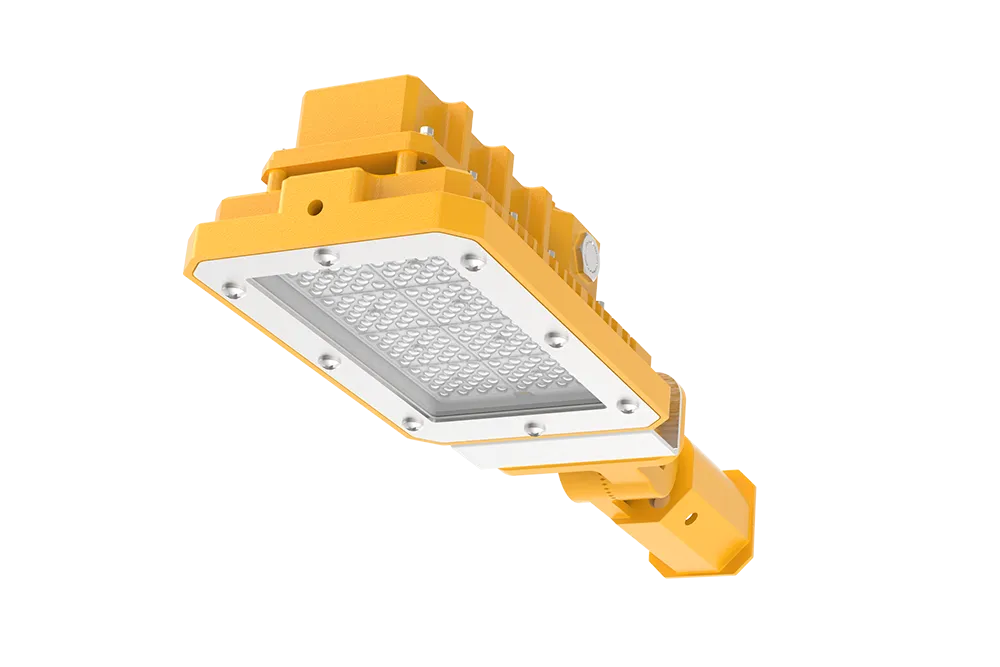
ATEX: II 3G Ex nR ⅡC T5/T6 GcII 3D Ex tc ⅢC T80℃/T95℃Dc ATEX Certificate NO: TÜV CY 26 ATEX 0207611 X Feature: ● For Zone 2 and Zone 22● 150W can replace 250W HID lamps,Energy saving● Power:50W,75W,100W,150W,200W Application: Oil and gas, marine, Chemical, pharmaceutical, semiconductor,mining,military industry, paint booth,power plant ETC…
View details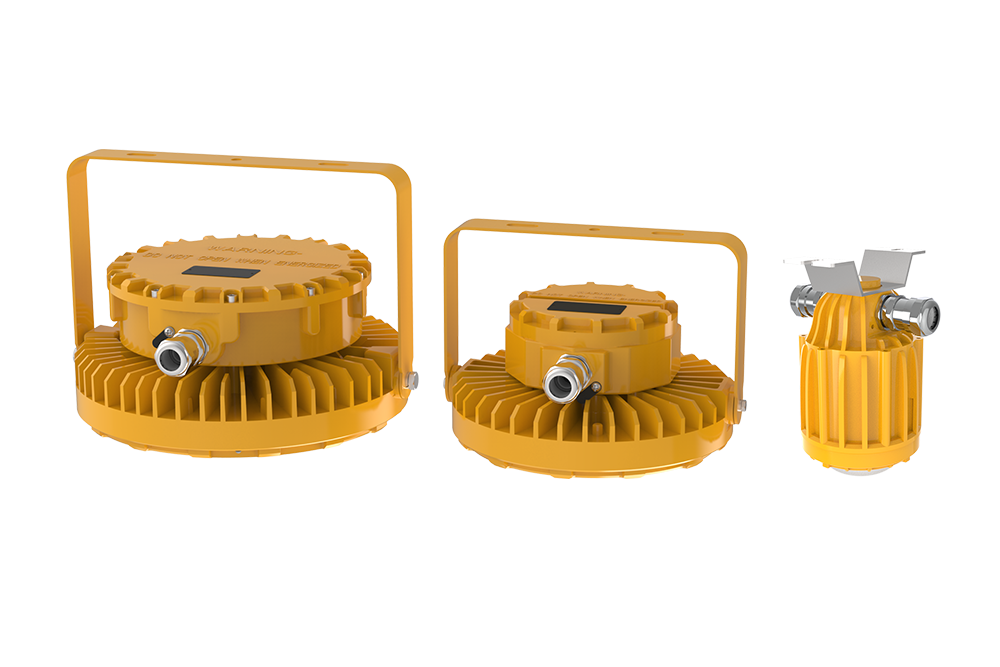
LED explosion proof high bay lights are designed for Zone 1, Zone 2, Zone 21 and Zone 22 hazardous areas. This page introduces the HB21 Series from SEEKING, including certifications, power options and real application considerations.
View details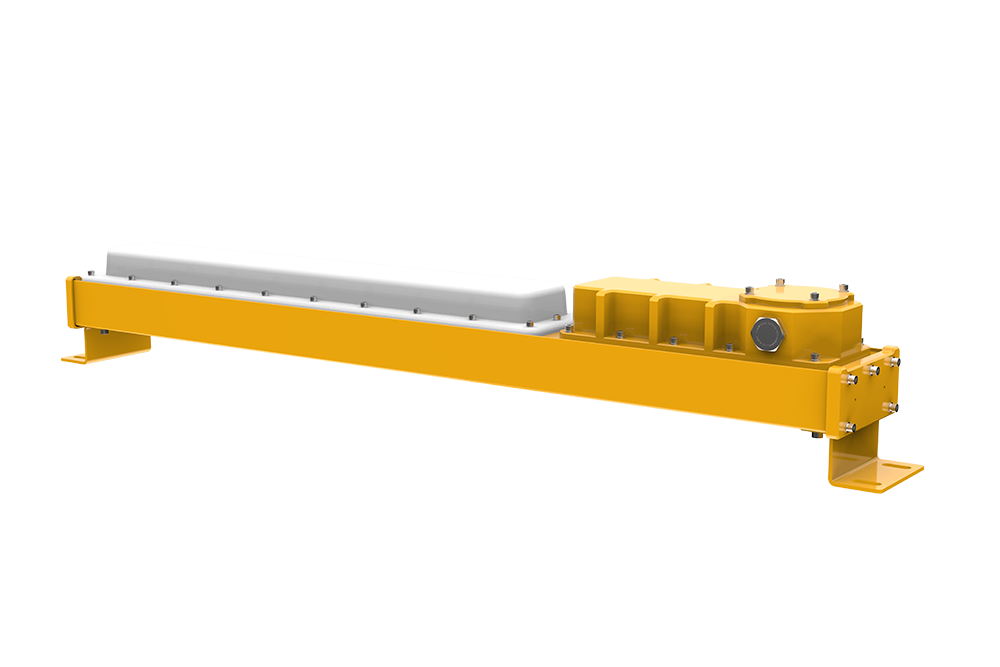
LED Linear Explosion Proof Lights from SEEKINGLED. LU Series Flame Proof lights ATEX-certified explosion proof LED linear lighting for Zone 2 gas and Zone 22 dust areas, IP69K, IK10, long lifetime and flexible power options.
View details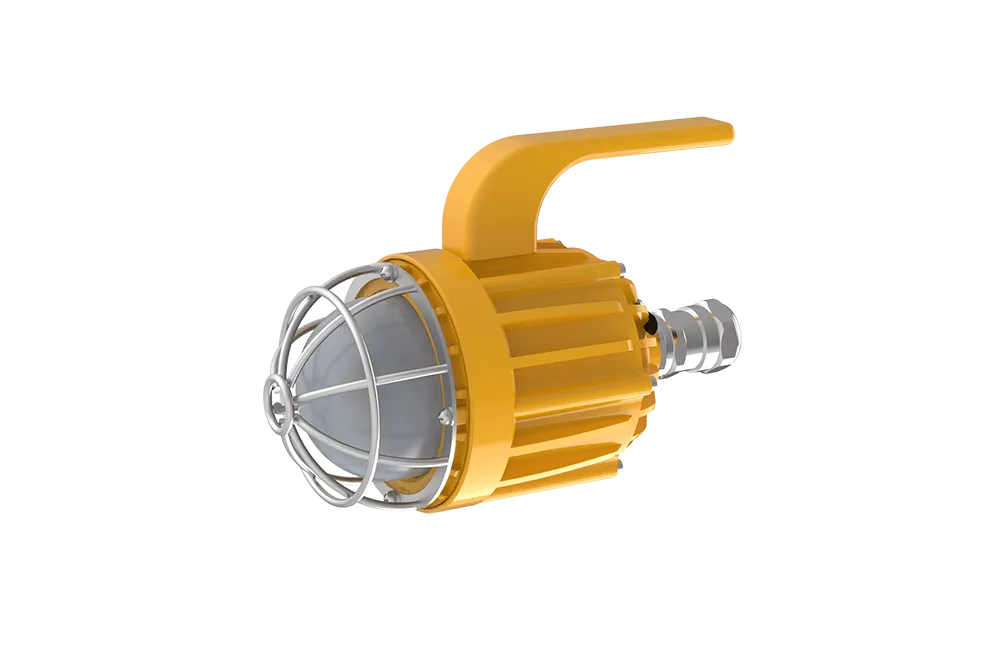
Certified explosion proof work lights for Zone 1 & 21 hazardous areas. Portable, ATEX & IECEx approved, built for oil, gas and chemical plants by SEEKINGLED.
View details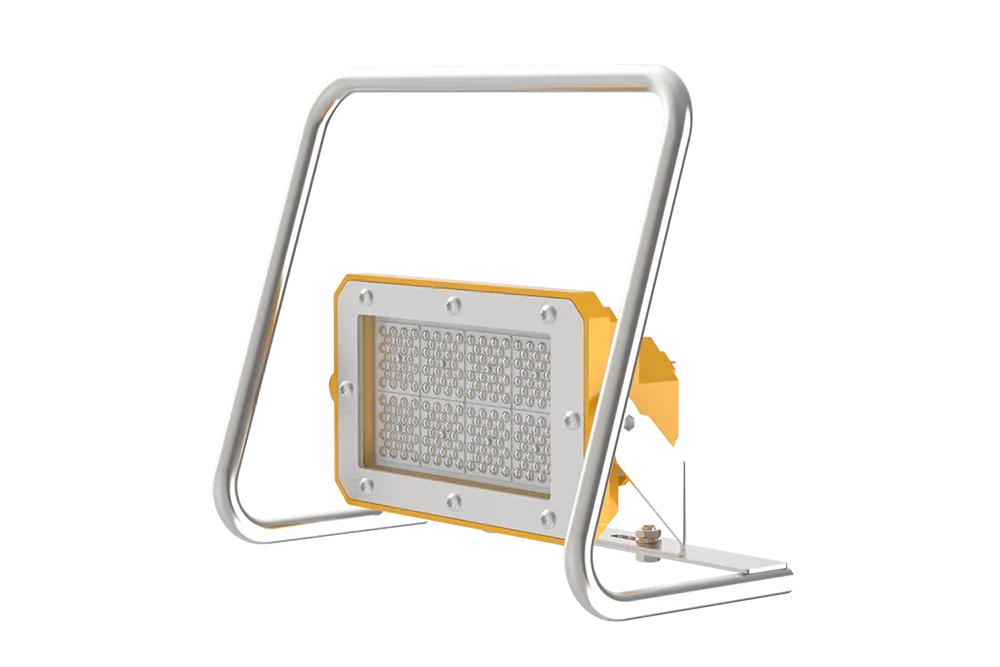
ATEX: II 3G Ex nR ⅡC T6 GcII 3D Ex tc ⅢC T80℃ Dc ATEX Certificate NO: TÜV CY 26 ATEX 0207611 X Feature: ● For Zone 2 and Zone 22● Accepts battery-powered supply● indestructible● Power:AC input:50W,75W,100WDC input:15W,25W,35W Application: Oil and gas, marine, Chemical, pharmaceutical, semiconductor,mining,military industry, paint booth,po…
View details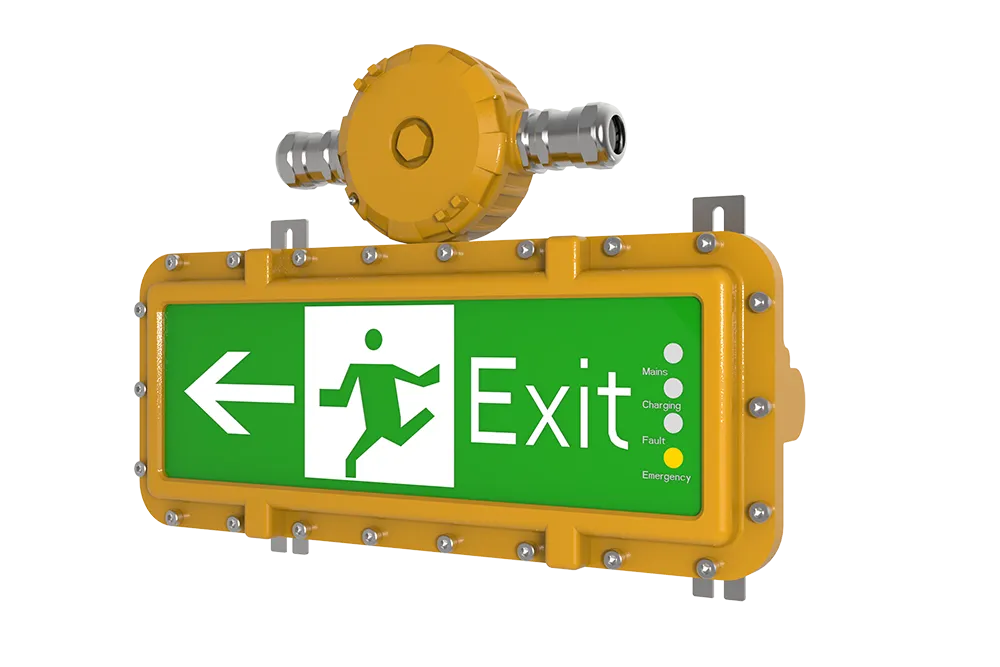
ATEX: Ex II 2G Ex db IIB T6 GbEx II 2D Ex tb IIIC T80°C Db IECEx Ex db IIB T6 Gb;Ex tb IIIC T80°C Db Feature: ● For Zone 1,2 and Zone 21,22● Flameproof type, the strongest Application: Oil and gas, marine, Chemical, pharmaceutical, semiconductor,mining,military industry, paint booth,power plant ETC hazardous area. Technical Specifications:…
View details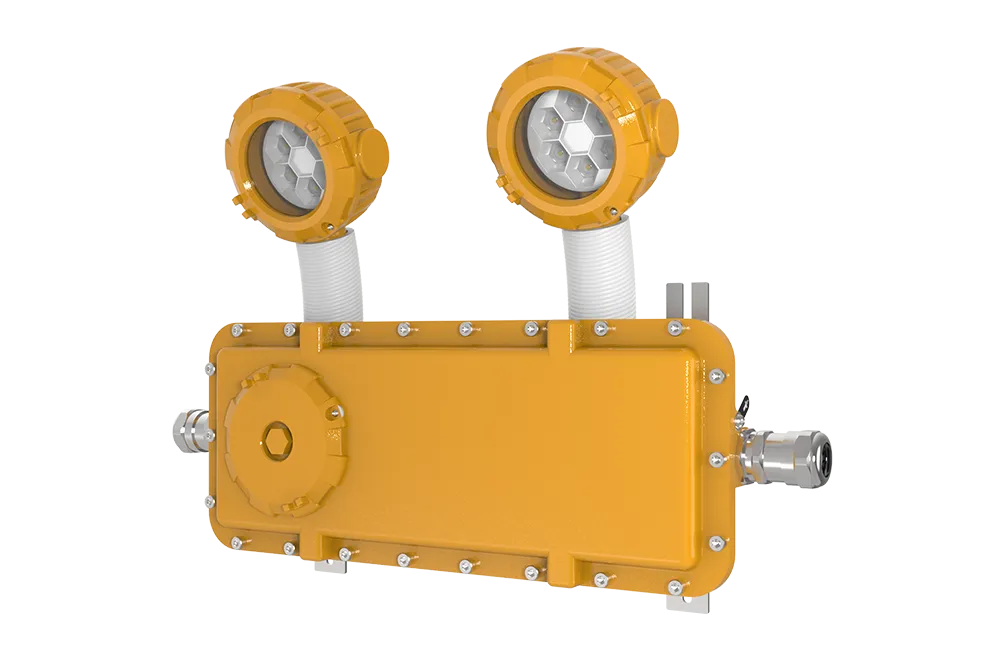
ATEX: Ex II 2G Ex db IIB T6 GbEx II 2D Ex tb IIIC T80°C Db IECEx Ex db IIB T6 Gb;Ex tb IIIC T80°C Db Feature: ● For Zone 1,2 and Zone 21,22● Flameproof type, the strongest Application: Oil and gas, marine, Chemical, pharmaceutical, semiconductor,mining,military industry, paint booth,power plant ETC hazardous area. Technical Specifications:…
View details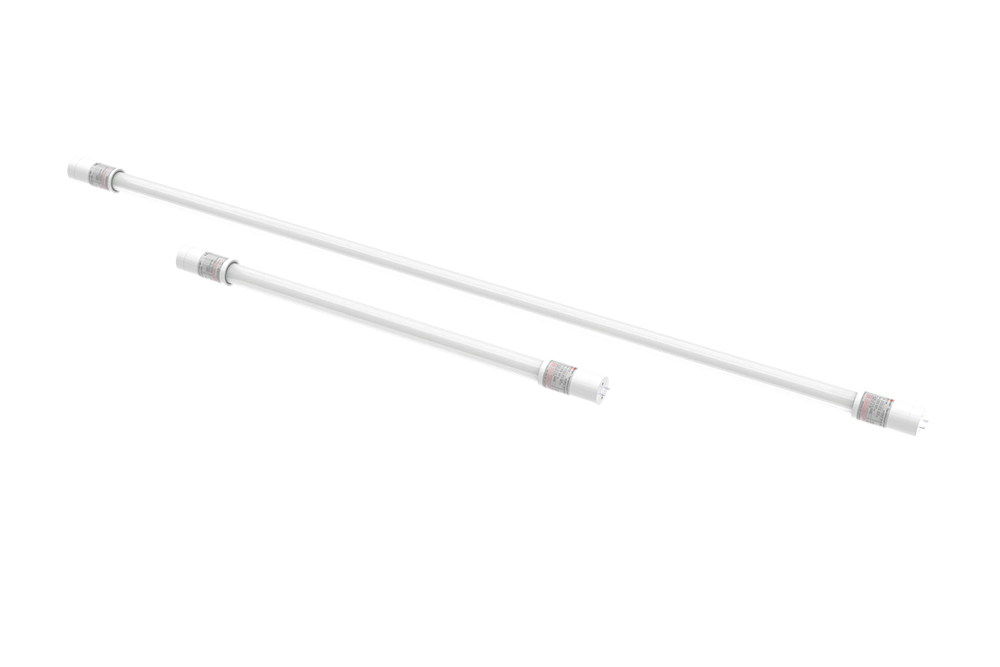
ATEX: Ex II 2G Ex d e IIB T6 Gb ATEX: Ex d e IIB T6 Gb; Feature: ● For Zone 1,2● 9W can replace 18W fluorescent lamps,50% Energy saving Application: Oil and gas, marine, Chemical, pharmaceutical, semiconductor,mining,military industry, paint booth,power plant ETC hazardous area. Technical Specifications: Standards:60079-0, 60079-1, 60079…
View details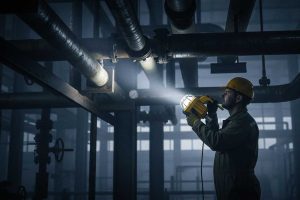
What is an explosion-proof LED work light? Learn how it works, where it is used, and why certified explosion-proof LED work lights are critical for hazardous environments.
View details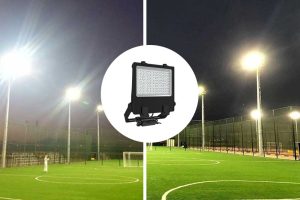
Football Field Flood Lighting in Dubai was implemented using XJ-FLX400W after on-site evaluation and lighting calculations. This project record documents fixture selection, installation logic, and field considerations.
View details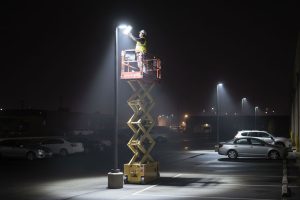
Learn how to replace LED flood light safely and correctly. Practical steps, common mistakes, and real‑world tips from outdoor lighting projects by SEEKINGLED.
View details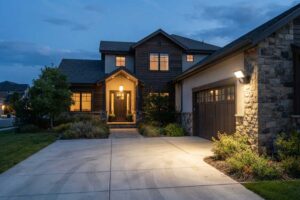
Install an exterior flood light by isolating power, verifying wiring, using a weatherproof enclosure, securing the fixture, aiming it correctly, and testing ...
View details