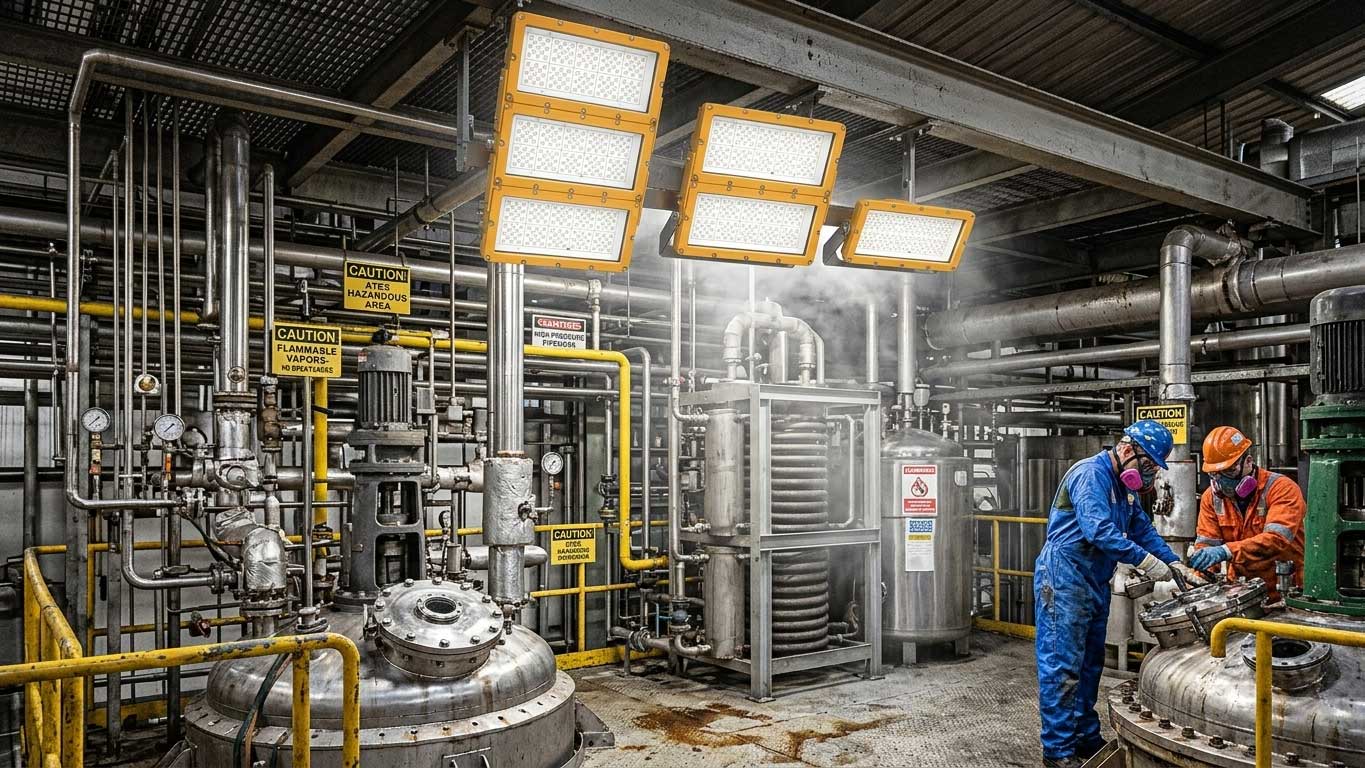
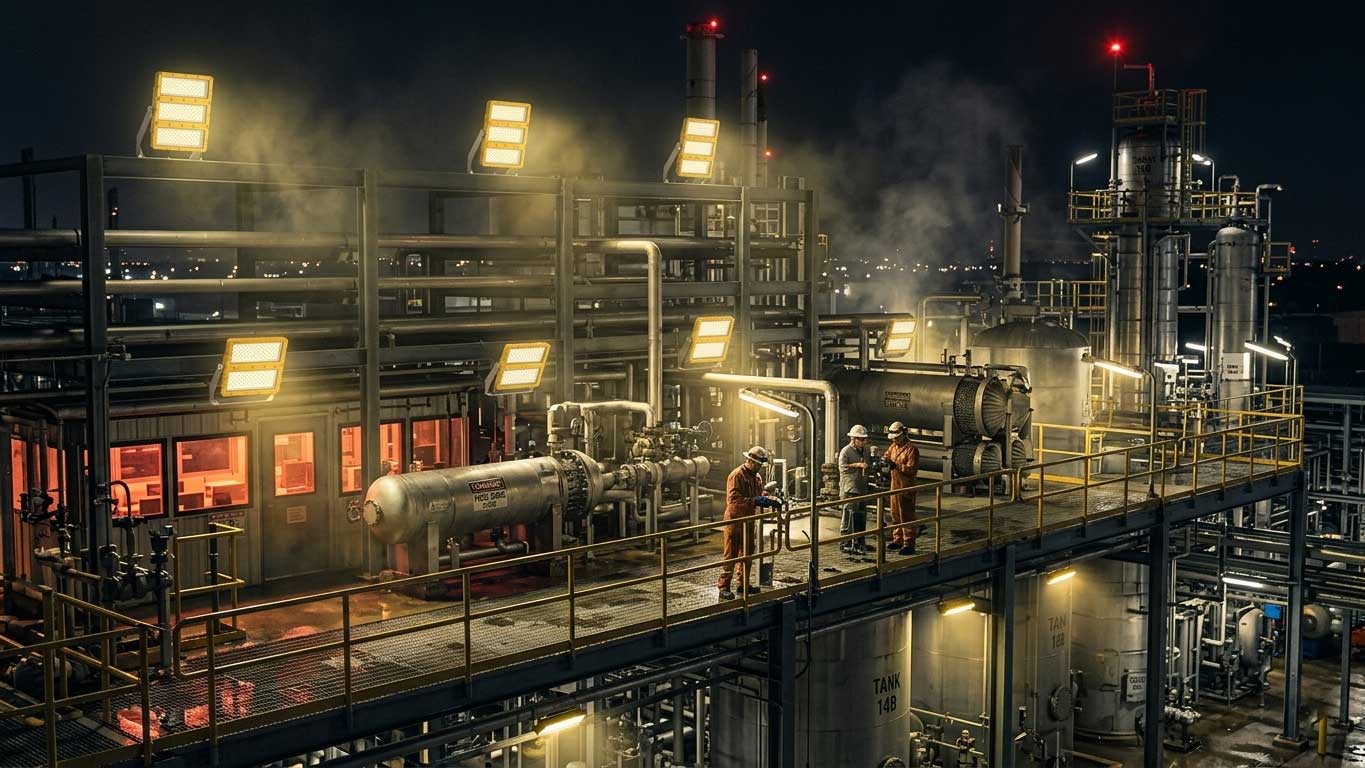
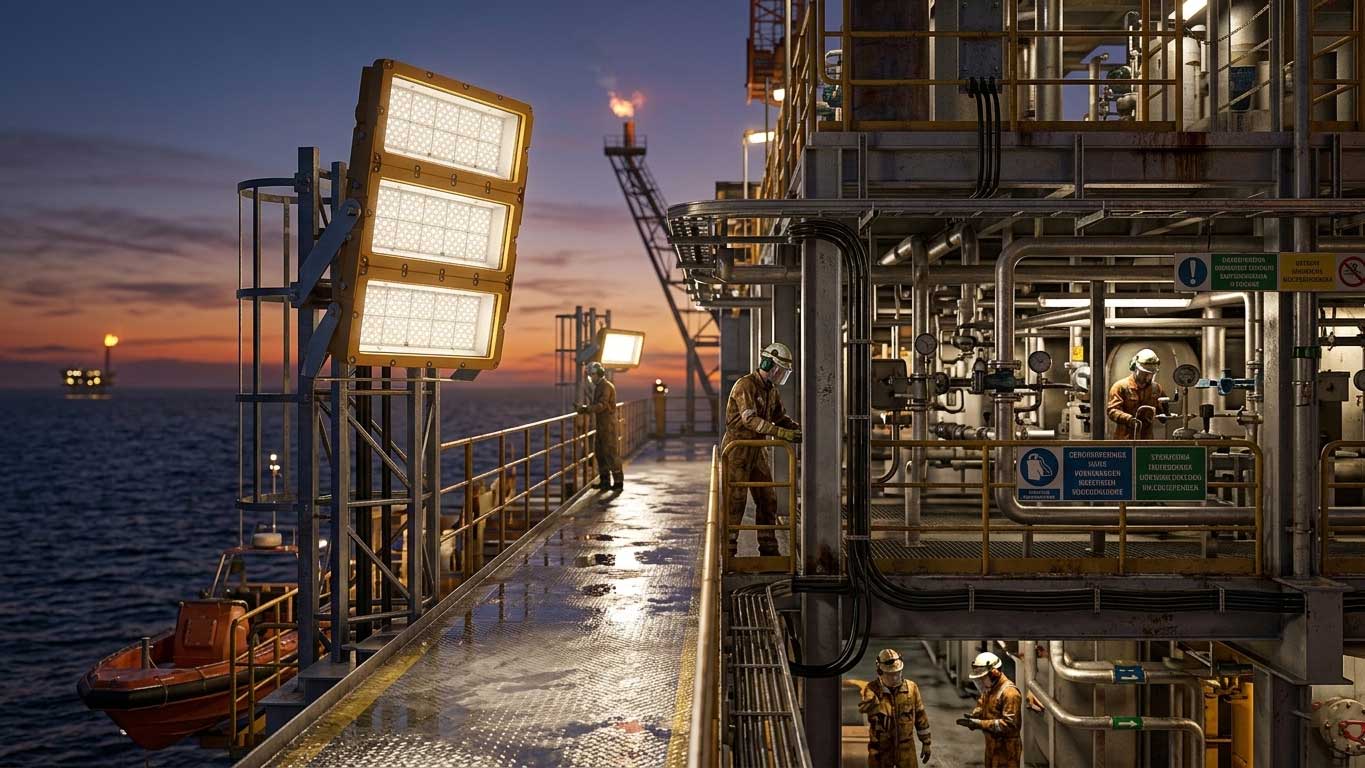
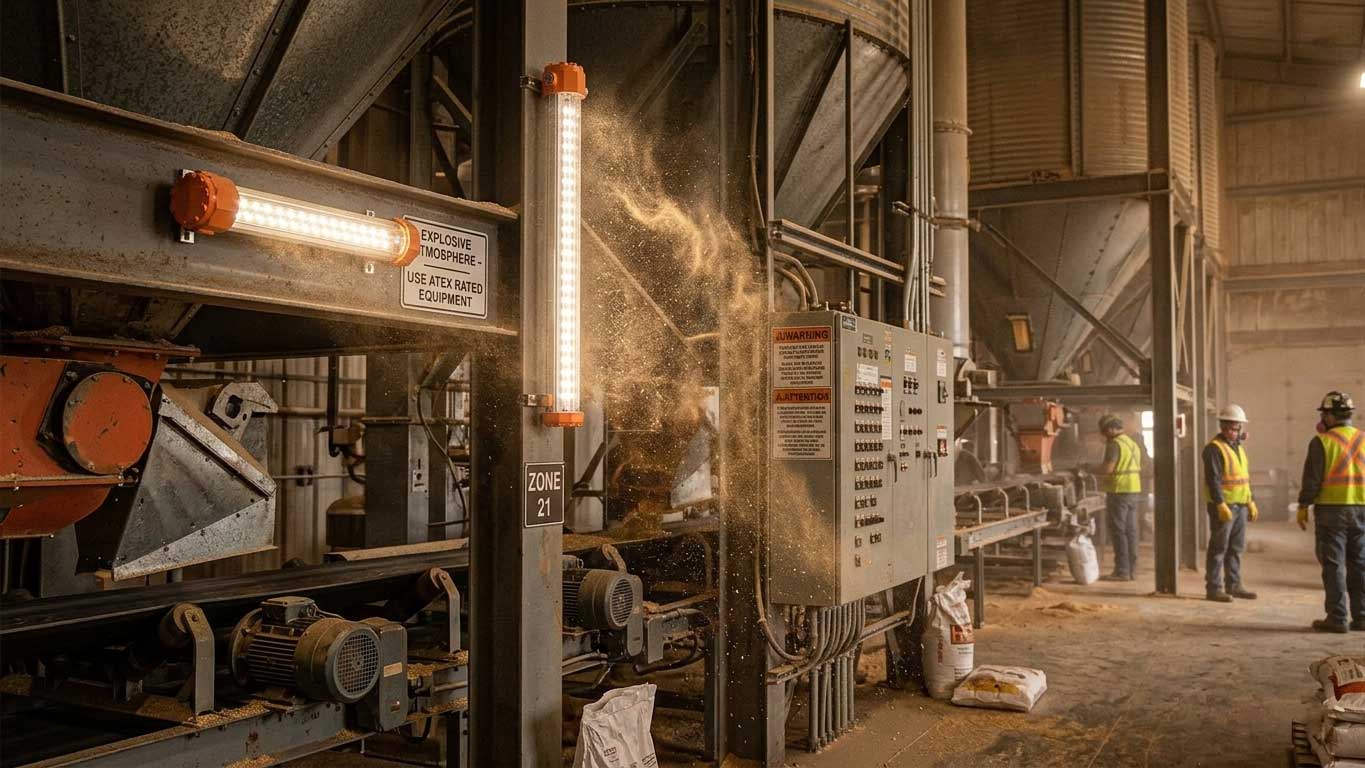
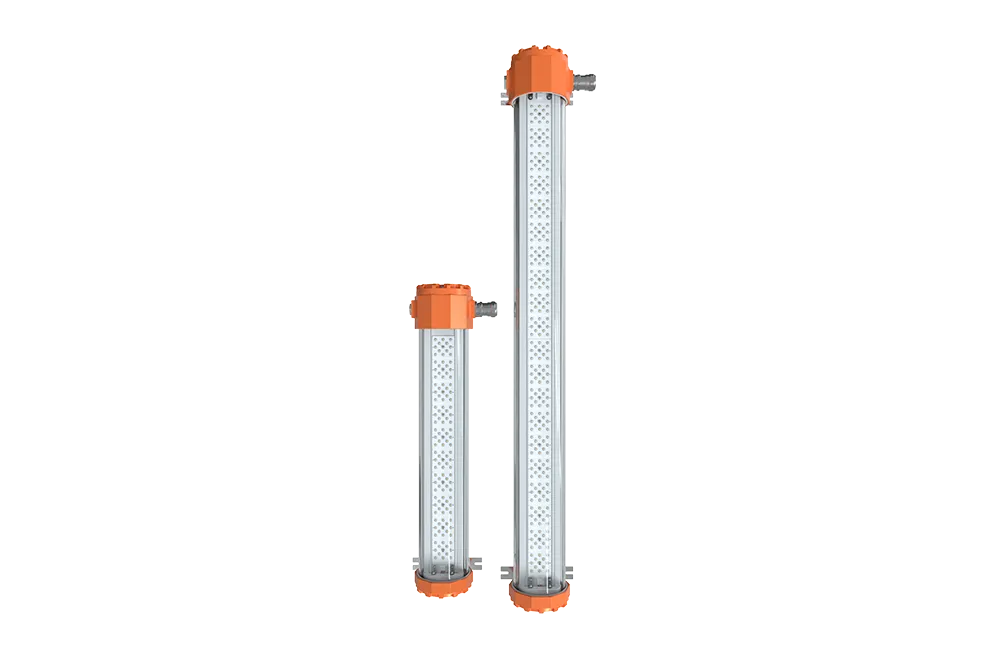
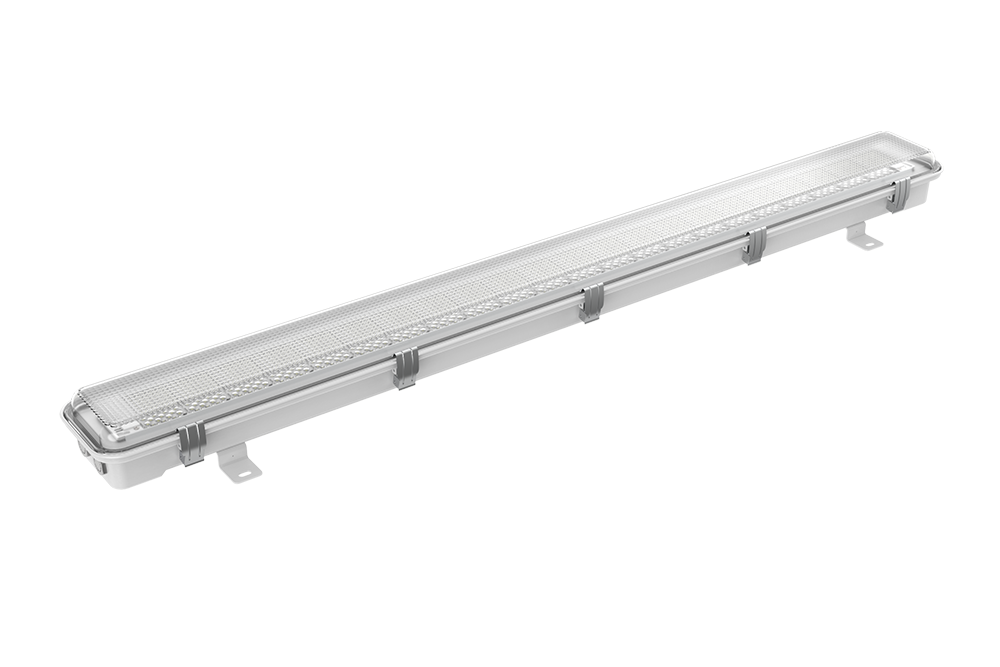
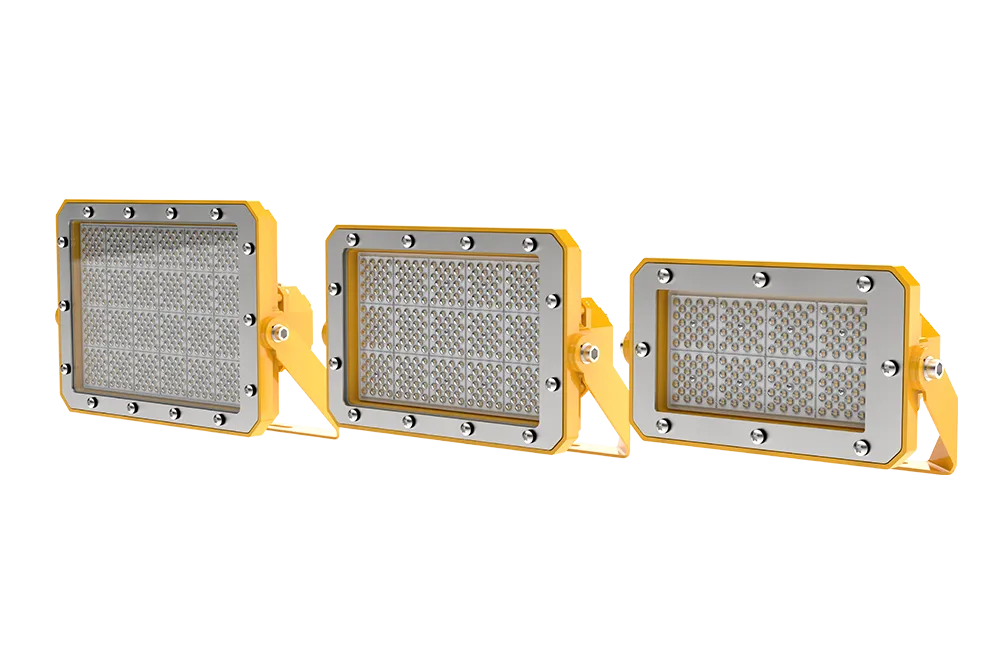
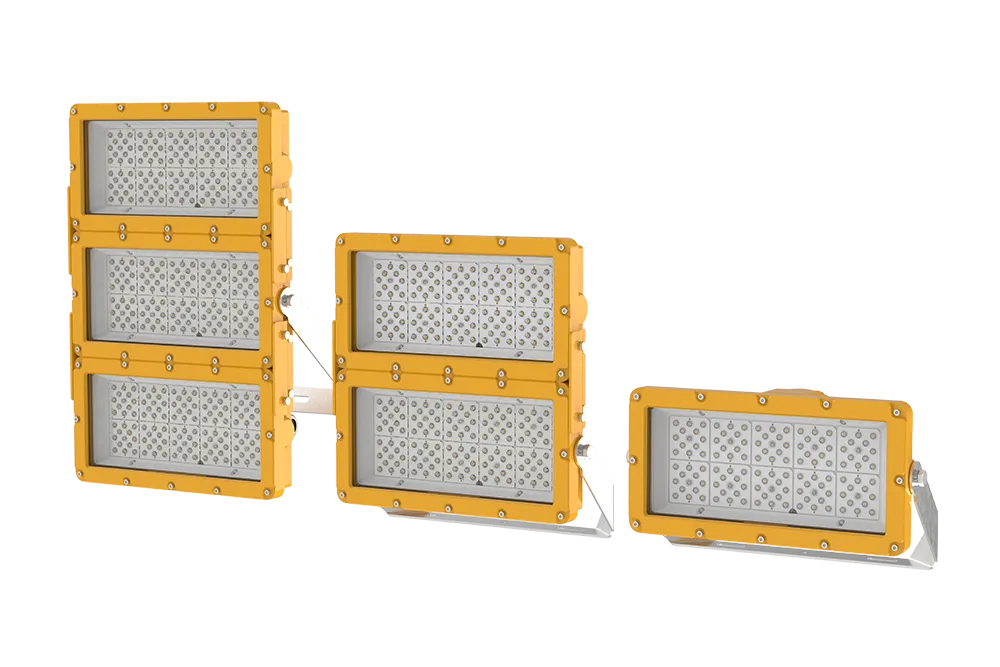
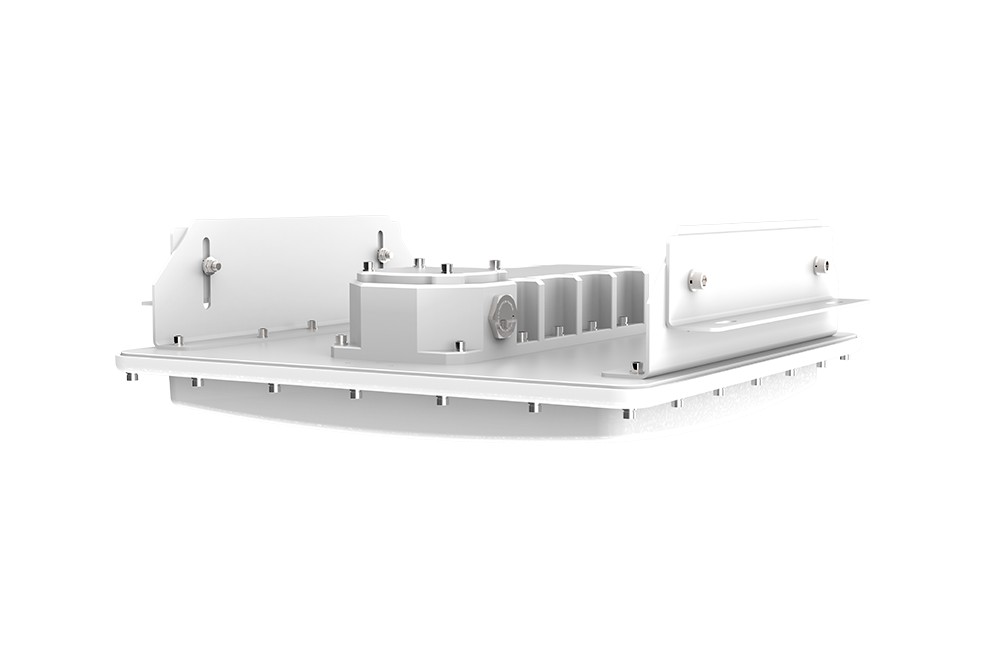
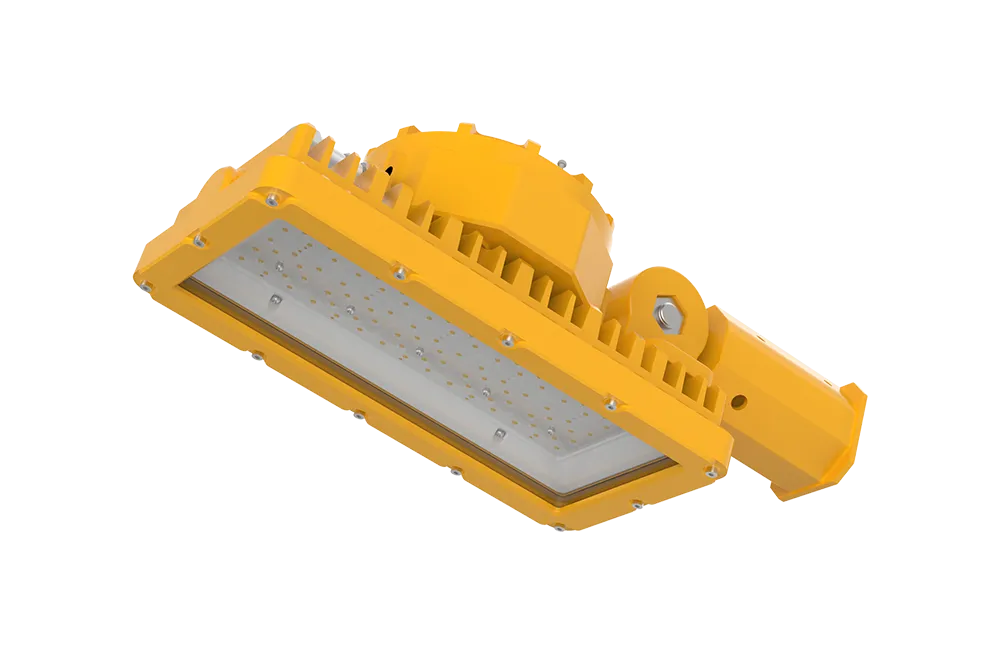
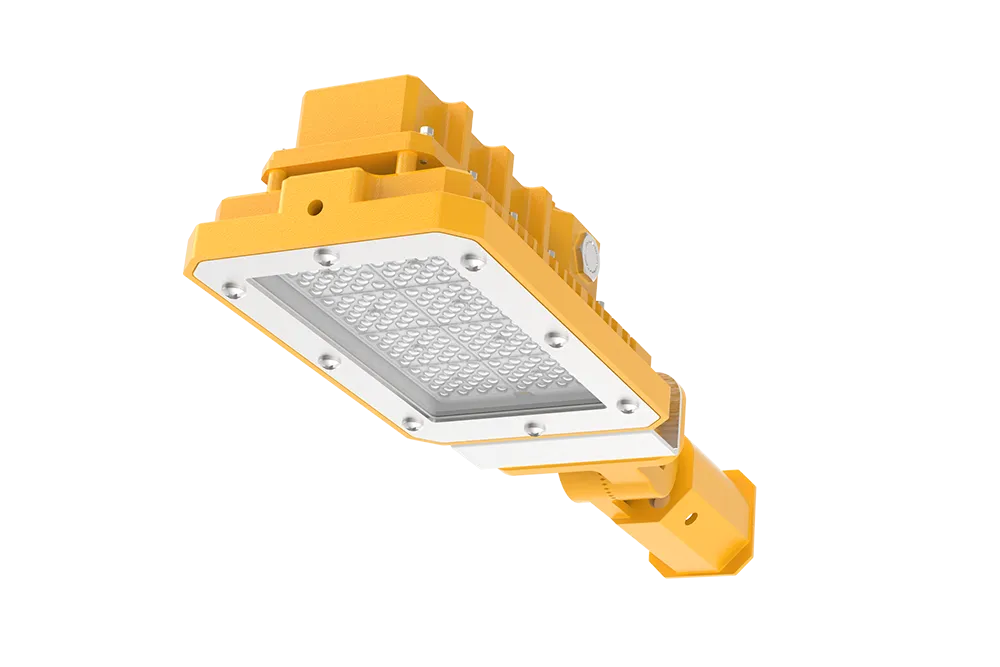
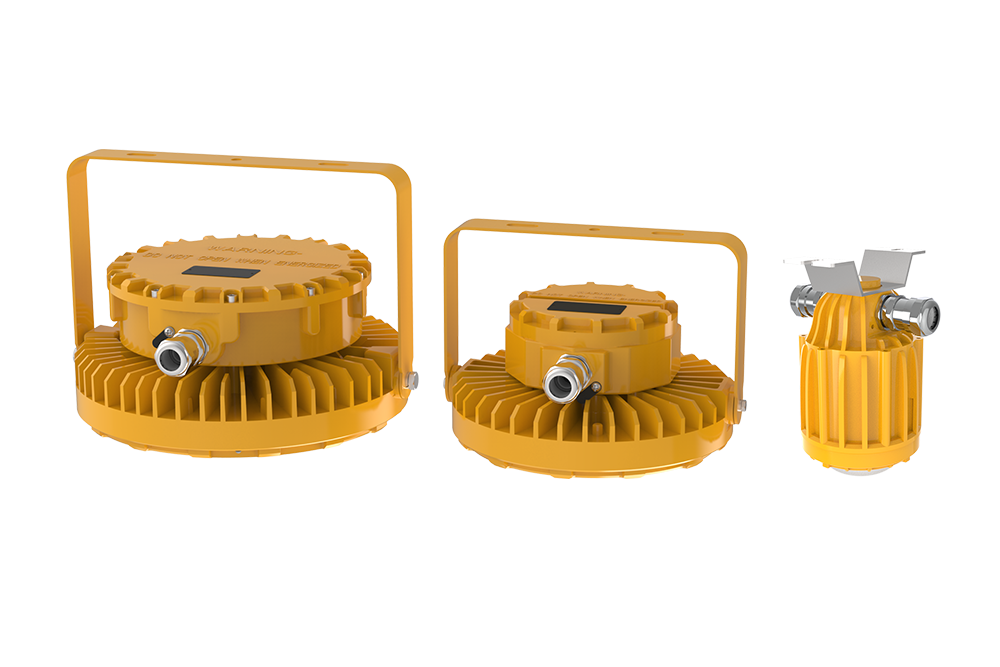
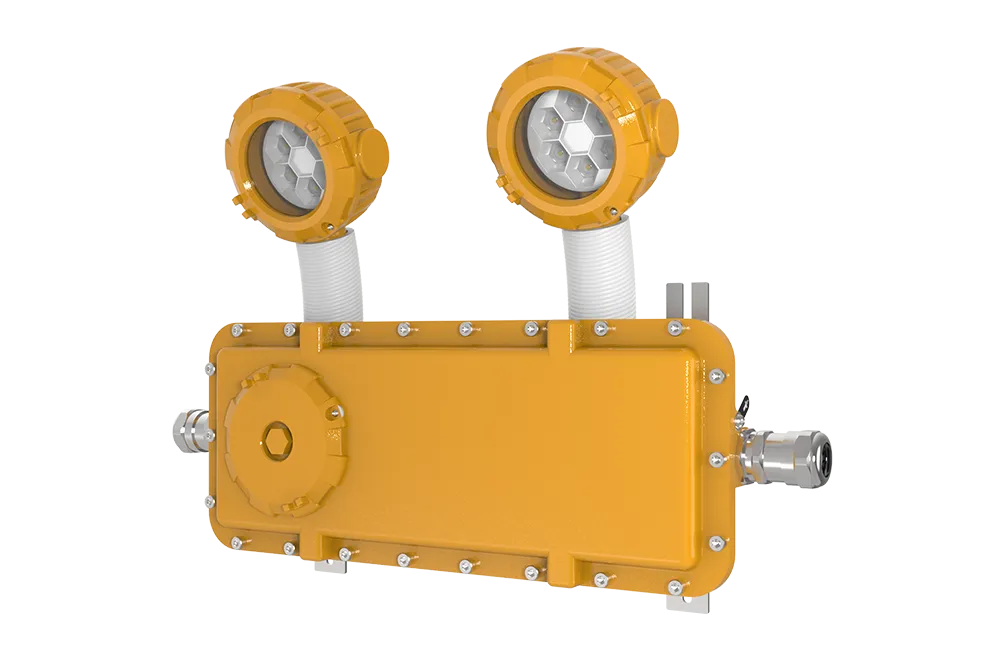
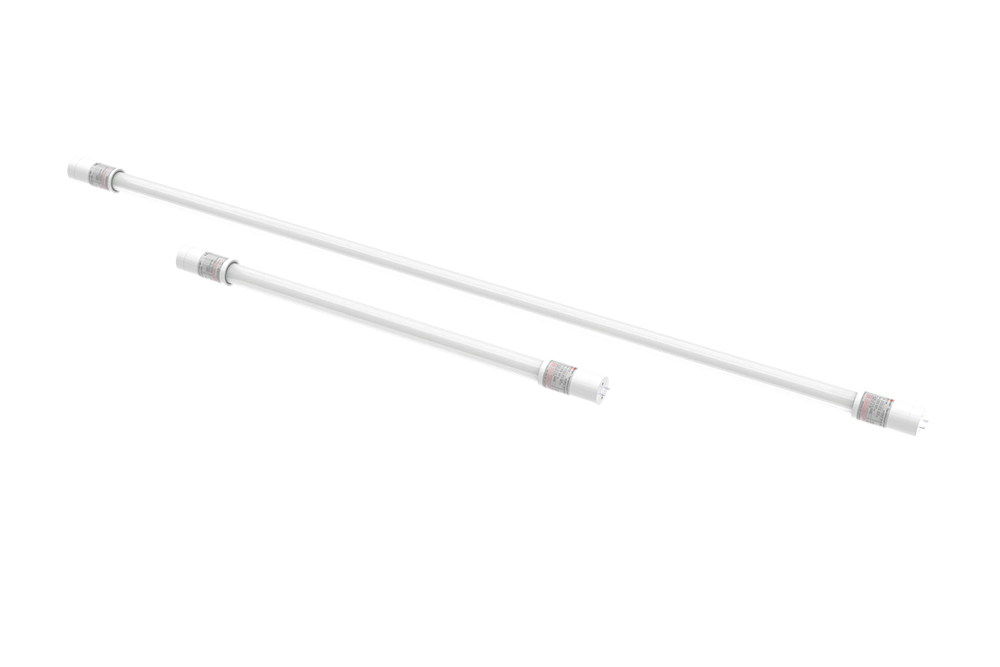
ATEX rated lights are certified lighting fixtures designed for hazardous environments where flammable gases, vapors, or combustible dust may create explosion risks. These fixtures are engineered to prevent ignition through controlled thermal performance, sealed construction, and certified explosion protection methods required in European and global industrial safety systems.
Several years ago, during a refinery inspection near a coastal storage terminal, I noticed something unusual. The maintenance team wasn’t discussing brightness or wattage. They were discussing certification markings on fixture housings.
One engineer tapped the side of an installed luminaire and said:
“If the marking is wrong, the light is wrong. Doesn’t matter how bright it is.”
That moment explained the industrial reality behind ATEX rated lights better than any product brochure.
Because in hazardous areas, compliance comes before illumination.
What Does ATEX Mean in Industrial Lighting?
ATEX comes from the French term:
“Atmosphères Explosibles”
It refers to European Union directives regulating equipment used in explosive atmospheres.
According to the European Commission, ATEX directives establish mandatory safety requirements for equipment operating in hazardous environments containing:
ATEX lighting certification applies to equipment installed in industries such as:
Oil and gas
Chemical processing
Marine terminals
Pharmaceutical production
Grain handling
Mining facilities
ATEX rated lights are not simply waterproof industrial lamps.
They are engineered safety devices.
Why ATEX Rated Lights Are Different from Standard Industrial Lighting
Explosion Protection Engineering
An ATEX rated fixture is designed to prevent ignition of surrounding hazardous atmospheres even if an internal fault occurs.
That changes the entire fixture architecture:
Housing structure
Thermal management
Lens retention
Cable sealing
Internal electrical isolation
The first time I disassembled a failed low-cost “hazardous” fixture years ago, the problem became obvious immediately. The housing looked industrial externally, but internally:
Driver protection was minimal
Sealing material had hardened
Corrosion had spread near cable entries
Moisture traces appeared inside the enclosure
The fixture technically still worked.
But the safety margin was already disappearing.
That distinction matters in explosive atmospheres.
Thermal Control Is a Major Safety Factor
Heat is one of the biggest hidden risks in hazardous environments.
Traditional HID lighting systems can operate at extremely high surface temperatures. In explosive atmospheres, excessive heat itself becomes a potential ignition source.
According to the U.S. Department of Energy, LED technology significantly reduces energy loss through heat generation compared to conventional industrial lighting technologies.
Experienced engineers pay attention to thermal design immediately.
New buyers usually focus on lumen output first.
That changes after the first maintenance cycle.
ATEX Zones Explained
ATEX hazardous areas are classified into zones depending on how often explosive atmospheres are present.
ATEX Zone
Hazard Frequency
Typical Environment
Zone 0
Continuously present
Fuel tank interiors
Zone 1
Likely during normal operation
Refinery processing areas
Zone 2
Unlikely or short duration
Adjacent industrial areas
For combustible dust:
Dust Zone
Application
Zone 20
Continuous dust hazard
Zone 21
Occasional dust hazard
Zone 22
Abnormal dust hazard
This classification system determines which ATEX rated lights are legally and technically suitable for installation.
Incorrect fixture selection can immediately create compliance issues.
Or worse.
Industries That Depend on ATEX Rated Lights
Oil & Gas Facilities
Oil refineries remain one of the harshest environments for industrial lighting.
Conditions include:
Flammable gas exposure
Heat stress
Constant vibration
Corrosive atmosphere
Elevated installation difficulty
At one refinery expansion project, maintenance personnel explained that replacing a single failed fixture above a process line required:
Shutdown approval
Gas detection procedures
Work permits
Scaffolding systems
The fixture itself was cheap.
The downtime was not.
That’s why modern facilities increasingly standardize LED ATEX rated lights with long operational lifespan.
Offshore Marine Platforms
Offshore installations expose weaknesses quickly.
Salt air attacks:
Mounting hardware
External coating
Cable entries
Heat sinks
Lens seals
After several years offshore, thermal engineering quality becomes painfully obvious.
Poor thermal dissipation accelerates:
Driver instability
Seal degradation
Moisture intrusion
Lumen depreciation
I’ve seen offshore fixtures begin flickering long before catastrophic failure occurred. Internally, corrosion had already spread around sensitive electronic components.
According to the U.S. Chemical Safety Board (CSB), combustible dust explosions continue to cause industrial accidents across food and agricultural sectors.
ATEX rated lights are certified lighting fixtures designed for hazardous environments containing flammable gases, vapors, or combustible dust.
Where are ATEX rated lights used?
They are commonly used in oil refineries, offshore platforms, chemical plants, grain facilities, mining operations, and hazardous industrial environments.
What is the difference between ATEX Zone 1 and Zone 2?
Zone 1 indicates explosive atmospheres are likely during normal operation, while Zone 2 means hazardous gases are present only occasionally or under abnormal conditions.
Do LED ATEX rated lights reduce maintenance?
Yes. LED systems generally provide longer operational lifespan, lower heat generation, and reduced maintenance requirements compared to traditional HID lighting.
Can ATEX rated lights be used outdoors?
Yes. Many ATEX certified fixtures are specifically engineered for outdoor hazardous environments including offshore and petrochemical facilities.
Conclusion
ATEX rated lights exist because hazardous industrial environments cannot tolerate ignition risk. In these facilities, lighting becomes part of the overall safety system rather than simple workplace illumination.
The difference between low-cost hazardous lighting and properly engineered ATEX certified fixtures often appears gradually:
Heat
Corrosion
Moisture
Thermal cycling
Continuous operation
Those conditions reveal engineering quality over time.
And in hazardous locations, reliability is never theoretical.
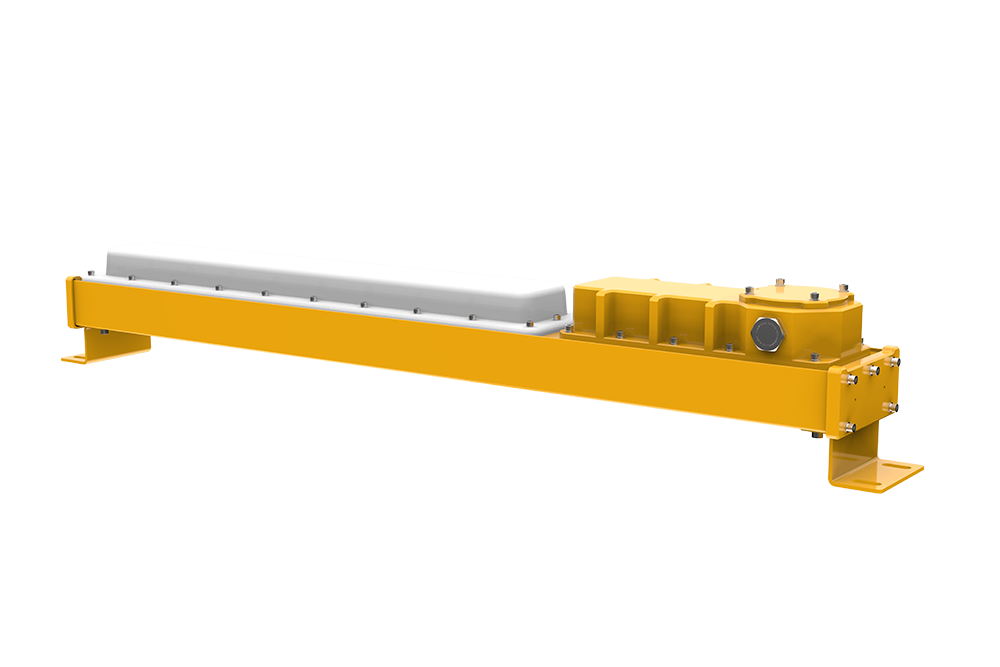
SEEKINGLED LED Linear Explosion Proof Light and Explosion Proof lighting is ATEX and IECEx certified for Zone 1, Zone 2, Zone 21 and Zone 22 hazardous locations, built for long-term industrial use.
LED Linear Explosion Proof Lights and EX Proof lights for Zone 1, Zone 2, Zone 21 and Zone 22 hazardous areas. ATEX & IECEx certified explosion proof LED linear lighting with emergency function, adjustable power and IP67 protection by SEEKINGLED.
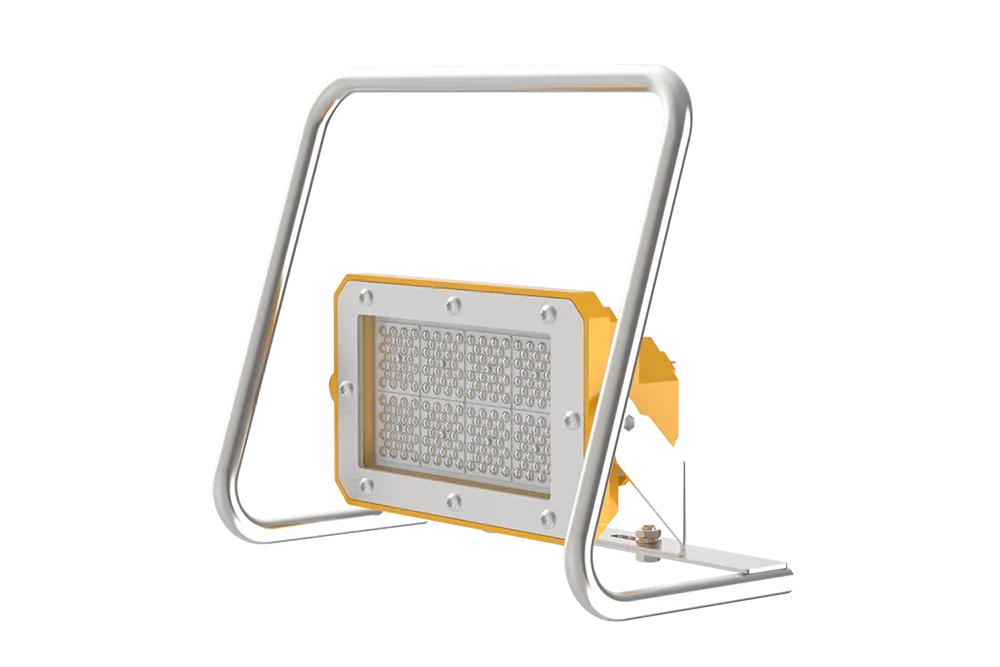
SEEKINGLED LED Explosion Proof Flood Lights are ATEX certified for Zone 2 and Zone 22 hazardous areas, offering high efficiency, adjustable power and integrated junction box.
SEEKINGLED LED Explosion Proof Flood Lights are flameproof ATEX and IECEx certified for Zone 1 and Zone 2 hazardous areas, offering high power, adjustable output and long service life.
SEEKINGLED LED Gas Station Canopy Lights are ATEX certified for Zone 2 and Zone 22 hazardous areas, featuring adjustable power and built-in explosion-proof junction box.
ATEX: Ex II 2G Ex db IIB T6/T5 GbEx II 2D Ex tb IIIC T80°C/ T95°C Db IECEx Ex db IIB T6 Gb;Ex tb IIIC T80°C Db Feature: ● For Zone 1,2 and Zone 21,22● Flameproof type, the strongest● 100W can replace 250W HID,energy saving● Power:60W,80W,100W Application: Oil and gas, marine, Chemical, pharmaceutical, semiconductor,mining,military industr…
ATEX: II 3G Ex nR ⅡC T5/T6 GcII 3D Ex tc ⅢC T80℃/T95℃Dc ATEX Certificate NO: TÜV CY 26 ATEX 0207611 X Feature: ● For Zone 2 and Zone 22● 150W can replace 250W HID lamps,Energy saving● Power:50W,75W,100W,150W,200W Application: Oil and gas, marine, Chemical, pharmaceutical, semiconductor,mining,military industry, paint booth,power plant ETC…
LED explosion proof high bay lights are designed for Zone 1, Zone 2, Zone 21 and Zone 22 hazardous areas. This page introduces the HB21 Series from SEEKING, including certifications, power options and real application considerations.
LED Linear Explosion Proof Lights from SEEKINGLED. LU Series Flame Proof lights ATEX-certified explosion proof LED linear lighting for Zone 2 gas and Zone 22 dust areas, IP69K, IK10, long lifetime and flexible power options.
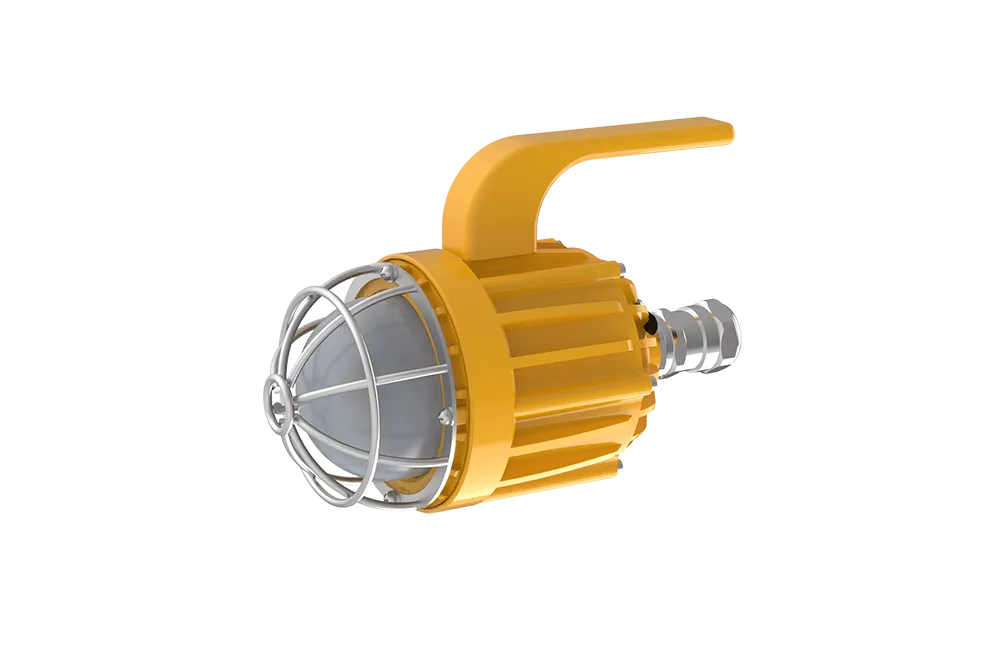
Certified explosion proof work lights for Zone 1 & 21 hazardous areas. Portable, ATEX & IECEx approved, built for oil, gas and chemical plants by SEEKINGLED.
ATEX: II 3G Ex nR ⅡC T6 GcII 3D Ex tc ⅢC T80℃ Dc ATEX Certificate NO: TÜV CY 26 ATEX 0207611 X Feature: ● For Zone 2 and Zone 22● Accepts battery-powered supply● indestructible● Power:AC input:50W,75W,100WDC input:15W,25W,35W Application: Oil and gas, marine, Chemical, pharmaceutical, semiconductor,mining,military industry, paint booth,po…
ATEX: Ex II 2G Ex db IIB T6 GbEx II 2D Ex tb IIIC T80°C Db IECEx Ex db IIB T6 Gb;Ex tb IIIC T80°C Db Feature: ● For Zone 1,2 and Zone 21,22● Flameproof type, the strongest Application: Oil and gas, marine, Chemical, pharmaceutical, semiconductor,mining,military industry, paint booth,power plant ETC hazardous area. Technical Specifications:…
ATEX: Ex II 2G Ex db IIB T6 GbEx II 2D Ex tb IIIC T80°C Db IECEx Ex db IIB T6 Gb;Ex tb IIIC T80°C Db Feature: ● For Zone 1,2 and Zone 21,22● Flameproof type, the strongest Application: Oil and gas, marine, Chemical, pharmaceutical, semiconductor,mining,military industry, paint booth,power plant ETC hazardous area. Technical Specifications:…
ATEX: Ex II 2G Ex d e IIB T6 Gb ATEX: Ex d e IIB T6 Gb; Feature: ● For Zone 1,2● 9W can replace 18W fluorescent lamps,50% Energy saving Application: Oil and gas, marine, Chemical, pharmaceutical, semiconductor,mining,military industry, paint booth,power plant ETC hazardous area. Technical Specifications: Standards:60079-0, 60079-1, 60079…
Zone 1 LED floodlight solutions deliver certified safety, reliable performance, and powerful illumination for hazardous industrial environments and explosive gas zones.
Are LED spotlights dimmable in real projects? Yes—but only with the right driver and dimmer. Learn what works, what fails, and how SEEKINGLED designs it right.
In 2024, a European warehouse installed 120 pcs of SEEKING XJ-HBF200W LED High Bay Light, reaching 200 lm/W, 300+ LUX average illuminance and over 0.7 uniformity, cutting energy use compared to traditional metal halide high bays.
Which led flood light is best for outdoor lighting? Discover how professionals choose reliable LED flood lights for homes, yards, and commercial spaces with SEEKINGLED.
 Seeking LED