 Seeking LED
How Much Do LED Street Lights Cost?
317How much do LED street lights cost for roads, parking areas, and municipal projects? This guide explains price ranges, cost factors, and real-world LED street lighting choices from SEEKINGLED.
View detailsSearch the whole station
This question usually comes up after fixtures are already chosen. Someone stands in the space, looks up, and realizes the lights can’t just be “evenly spread” and forgotten.
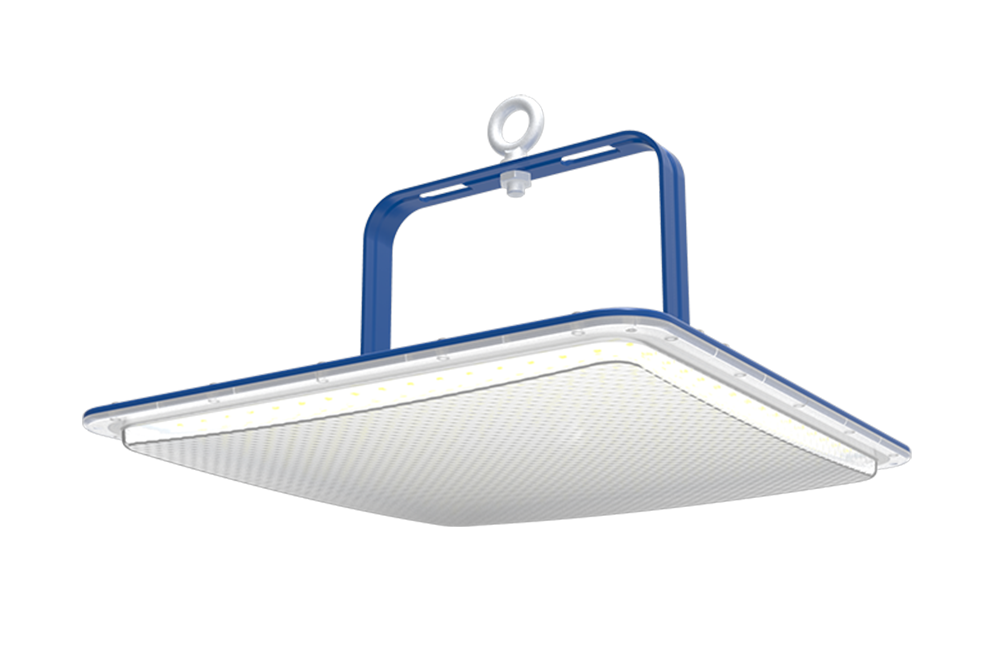
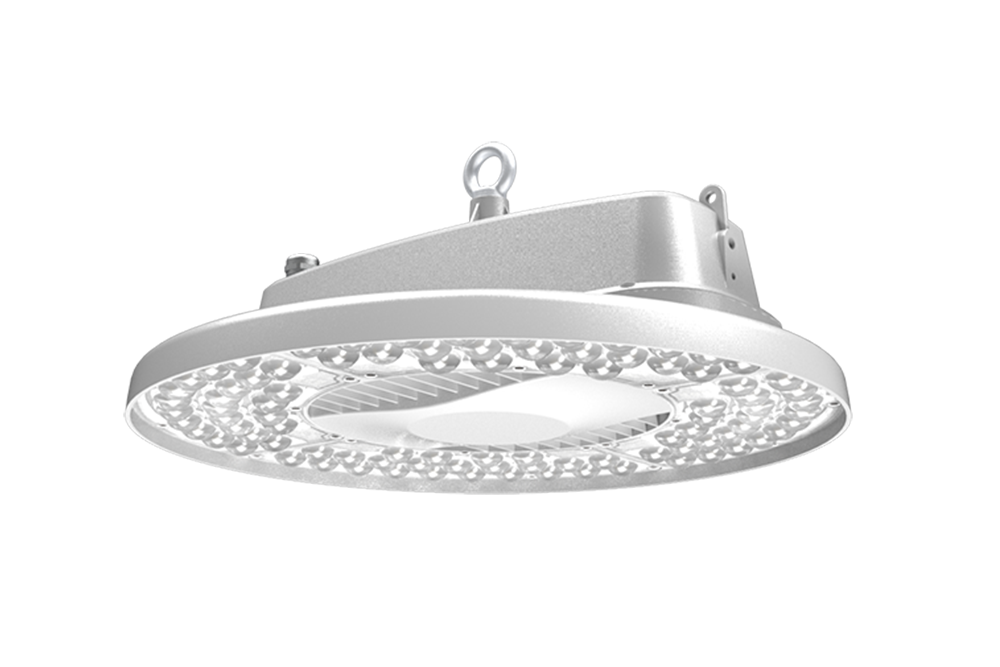
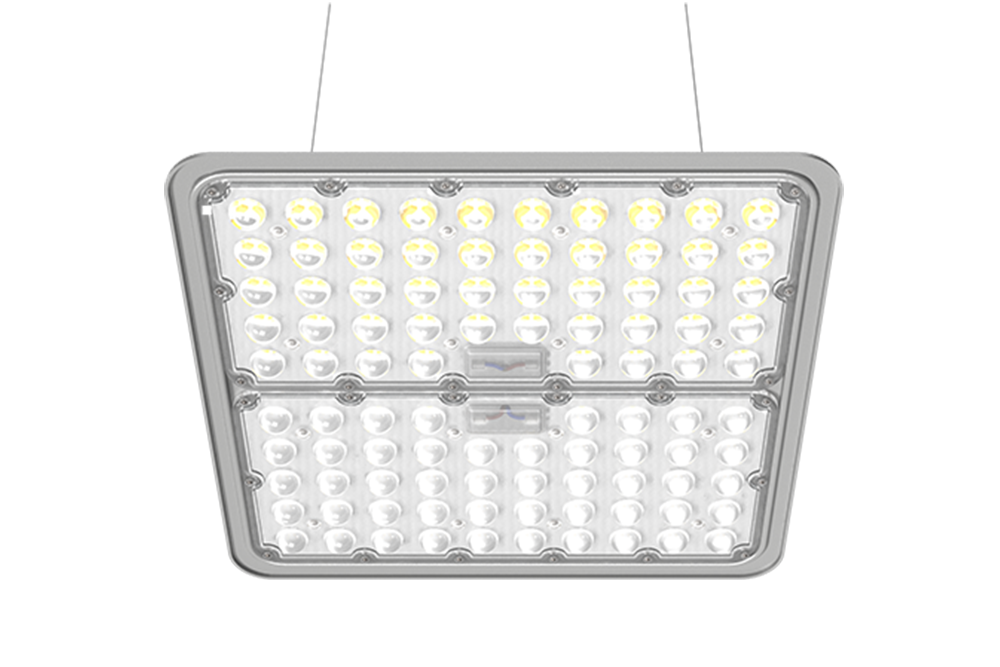
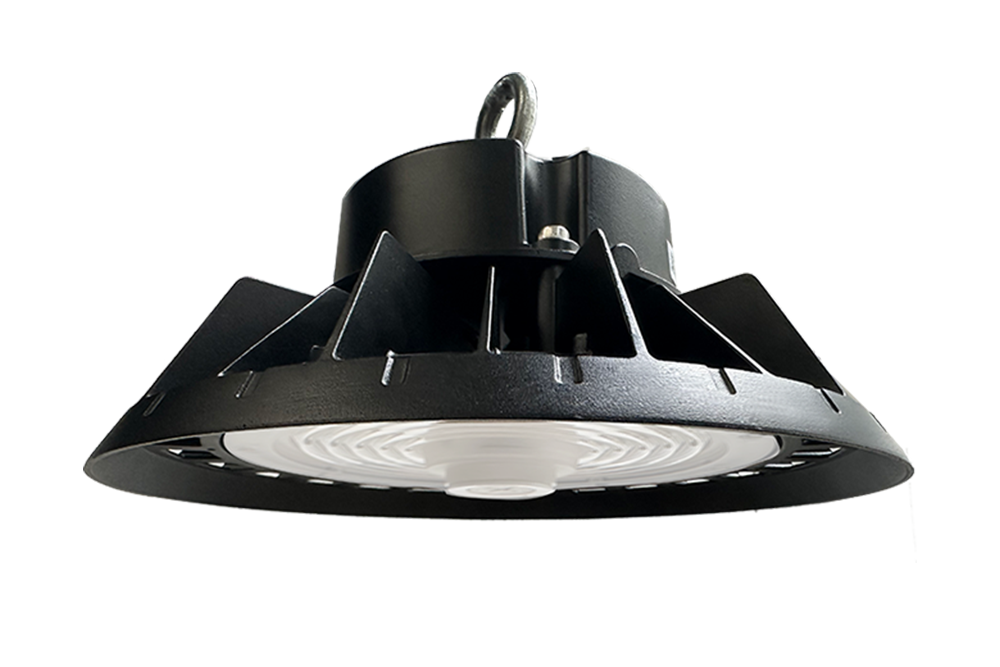
So, how far apart should LED high bay lights be spaced in a real warehouse or factory?
The short answer: it depends on height, beam angle, and what happens on the floor below.
There is a starting point, but it’s not a fixed number.
In most industrial projects, spacing is roughly 0.8 to 1.2 times the mounting height.
For example:
This is only a baseline. It helps avoid major dark zones but does not replace layout checks.
Beam angle changes everything.
A narrow beam throws light farther down, which allows wider spacing, but only works well in tall or aisle-based layouts. Wide beams need tighter spacing to maintain uniformity.
When SEEKINGLED reviews layouts, beam angle is usually adjusted before changing fixture quantity.
Rarely.
Racking areas, walkways, packing zones, and inspection points often need different spacing. Uniform grids look clean on drawings but don’t always match how the space is actually used.
In practice, spacing shifts slightly to follow workflow, not just ceiling geometry.
You’ll still get bright spots under the fixtures, but shadows appear between rows. Operators notice it first. Then forklifts. Then someone asks for extra lights later.
Over-spacing is one of the most common issues we see corrected after installation.
We usually start with height and beam angle, then simulate spacing using real dimensions. The goal isn’t the fewest fixtures — it’s consistent light where people work.
Spacing that looks efficient on paper doesn’t always feel right on site.
Spacing LED high bay lights is about balance. Too close wastes budget. Too far creates uneven light. Most layouts land in between, adjusted slightly for how the building is actually used.
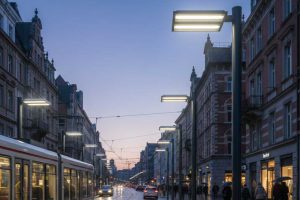
How much do LED street lights cost for roads, parking areas, and municipal projects? This guide explains price ranges, cost factors, and real-world LED street lighting choices from SEEKINGLED.
View details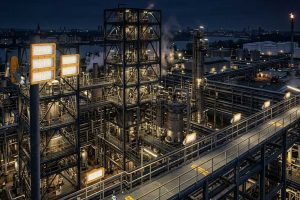
Flame proof light fittings for hazardous zones. Learn how certified industrial fixtures improve safety, durability, and visibility in explosive environments.
View details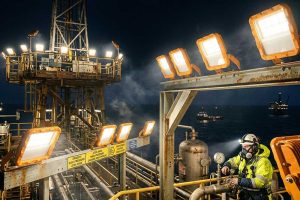
explosion proof light fixtures engineered for Zone 1 & 2 hazardous areas. ATEX & IECEx certified, energy-efficient, durable and built for oil, gas and chemical safety by SEEKINGLED.
View details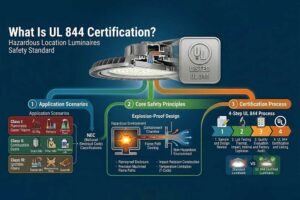
UL844 Certification is the key standard for explosion proof lighting in the US and Canada. Learn Class/Division requirements and hazardous area compliance.
View details