 Seeking LED
How Bright Is a 10 Watt LED Flood Light?
0How bright is a 10 watt LED flood light? Learn lumen output, real-world brightness, and best uses with expert insights from SEEKINGLED lighting engineers.
View detailsSearch the whole station
What Industries Use ATEX Lighting?
ATEX lighting is used in industries where flammable gases, combustible dust, vapors, or explosive particles may be present. The most common sectors include oil and gas, chemical processing, mining, marine operations, grain handling, wastewater treatment, and pharmaceutical manufacturing.
That direct answer sounds straightforward. But in real industrial environments, ATEX lighting is less about brightness and more about controlling ignition risk in places where a single spark can trigger catastrophic consequences.
I still remember walking through a fuel transfer terminal just before sunrise. The air smelled faintly of hydrocarbons, forklifts moved slowly through mist, and every electrical fixture above us carried hazardous-area certification markings. Nobody there cared about decorative lighting design. The entire system existed for one purpose: preventing ignition.
That mindset defines the industries that rely on ATEX lighting every day.
ATEX lighting is designed for hazardous zones where explosive atmospheres can occur.
These atmospheres may involve:
| Hazard Type | Typical Material |
|---|---|
| Flammable gases | Methane, propane, hydrogen |
| Vapors | Solvents, fuels, chemicals |
| Combustible dust | Grain dust, sugar dust, aluminum dust |
| Fibers or airborne particles | Textile or wood particles |
The term “ATEX” comes from the European ATEX Directive regulating equipment used in explosive atmospheres.
According to the European Commission, ATEX-certified equipment must prevent ignition sources in hazardous environments through controlled enclosure design, temperature management, and electrical protection systems.
Source: European Commission ATEX Directive 2014/34/EU.
Oil and gas remains the largest user of ATEX lighting globally.
Hazardous zones appear throughout:
Hydrocarbon vapors can ignite extremely easily under the right concentration.
That changes how lighting is engineered.
A refinery flood light is not simply a waterproof outdoor lamp. It must contain internal arcs, manage heat, survive corrosive chemicals, and maintain sealing integrity for years.
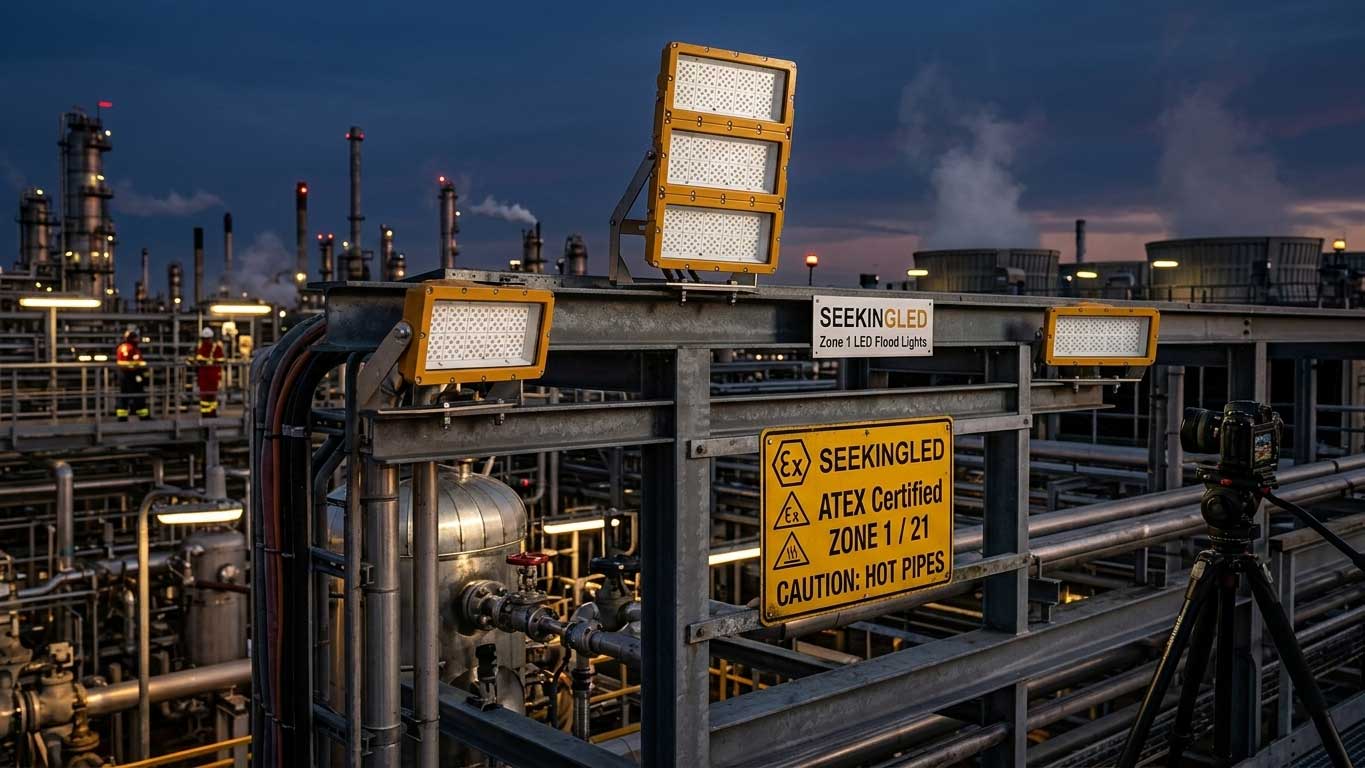
Offshore environments create additional stress factors:
I’ve seen offshore crews replace conventional fixtures every year because corrosion destroyed the housing. Proper marine-grade ATEX fixtures last dramatically longer because the enclosure design is built for abuse, not showroom appearance.
According to the U.S. Bureau of Safety and Environmental Enforcement, offshore facilities require rigorous hazardous-area electrical compliance because ignition risks increase significantly in hydrocarbon production zones.
Chemical plants often contain volatile solvents and reactive compounds.
Typical hazardous materials include:
Certain mixing areas become classified hazardous zones even during routine cleaning operations.
One detail outsiders rarely notice: chemical plants are rarely visually dramatic. Some of the most dangerous areas look almost ordinary until you see the explosion-proof markings on every junction box and fixture.
That quiet normality is exactly why certified lighting matters.
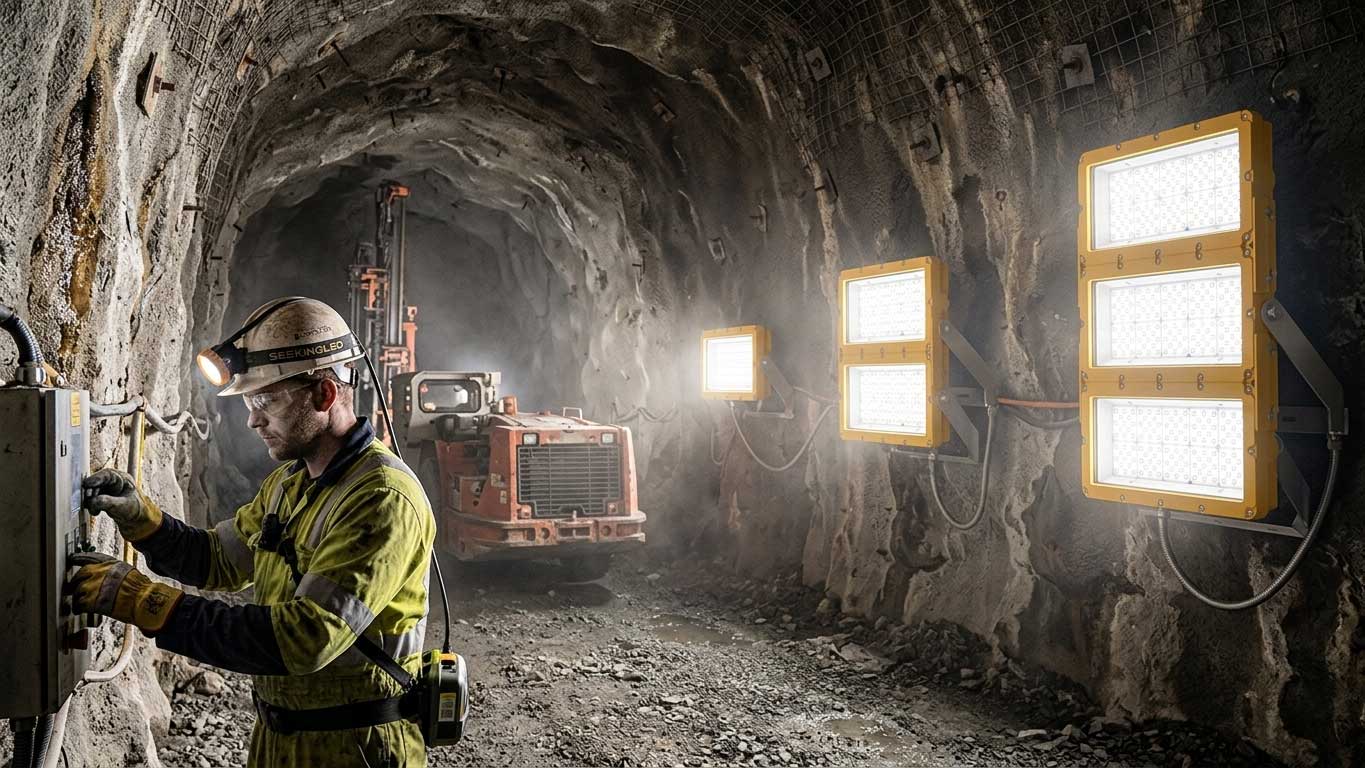
Mining operations frequently use ATEX lighting because methane and coal dust create severe explosion hazards underground.
Common applications include:
According to the U.S. Mine Safety and Health Administration (MSHA), methane explosions remain one of the most dangerous risks in underground coal mining operations.
Dust accumulation also matters more than many people realize. Fine suspended coal particles can ignite violently under the right conditions.
Many people are surprised to learn flour mills can explode.
But combustible dust explosions are a major industrial hazard.
Industries using ATEX lighting include:
According to OSHA, combustible dust incidents have caused hundreds of explosions and fires across industrial facilities.
Fine organic dust suspended in air behaves differently than most people expect. Under the right concentration, ignition spreads shockingly fast.
I once visited a grain facility where every overhead fixture was sealed despite the building appearing clean to the naked eye. Dust settles invisibly into electrical spaces over time.
That’s where hazardous-area engineering becomes essential.
Wastewater treatment plants increasingly use ATEX lighting because methane and hydrogen sulfide gases develop naturally during decomposition.
Hazardous zones commonly exist around:
These sites combine:
Which makes lighting design unusually demanding.
Pharmaceutical production facilities often use volatile solvents during:
Hazardous zones may only exist in isolated rooms, but regulations still require compliant electrical equipment.
One pharmaceutical engineer once told me their facility spent more time documenting hazardous-area compliance than installing the fixtures themselves.
That sounds excessive until you understand the liability attached to ignition risks inside solvent-processing environments.
Marine industries rely heavily on ATEX lighting around:
Salt air destroys ordinary fixtures quickly.
Marine-certified ATEX fixtures usually incorporate:
| Feature | Purpose |
|---|---|
| Stainless steel hardware | Corrosion resistance |
| IP66/IP67 sealing | Water protection |
| Anti-vibration mounting | Offshore durability |
| Tempered glass | Thermal resistance |
Older hazardous-area lighting commonly used:
Today, LED ATEX lighting dominates because it offers:
According to the U.S. Department of Energy, LED systems can reduce lighting energy consumption dramatically compared to legacy industrial technologies.
In hazardous facilities, lower maintenance matters enormously because shutting down production zones for fixture replacement is expensive.
Sometimes the labor cost exceeds the fixture cost itself.
At SEEKINGLED, ATEX lighting solutions are commonly designed for demanding industrial conditions involving:
In practice, durability often depends on details buyers rarely see in product photos:
Those engineering details separate industrial-grade fixtures from low-cost imitations.
Oil and gas is widely considered the largest industry using ATEX-certified lighting systems worldwide.
No. ATEX lighting is used both indoors and outdoors wherever explosive atmospheres may occur.
Yes. Flour, sugar, grain, and powdered food processing facilities may require ATEX-certified fixtures because combustible dust can ignite explosively.
No. Standard industrial LED fixtures are not automatically certified for hazardous areas.
LED ATEX fixtures provide lower maintenance, longer operational life, improved energy efficiency, and better vibration resistance than traditional lighting technologies.
So, what industries use ATEX lighting?
Any industry where explosive gases, vapors, or combustible dust can appear may require ATEX-certified lighting systems. Oil refineries, offshore rigs, grain plants, chemical facilities, mines, wastewater operations, and marine terminals all depend on hazardous-area lighting every day.
And after years around industrial environments, one thing becomes obvious:
The safest facilities are usually the ones where nobody notices the lighting at all — because the system quietly does its job year after year without becoming the source of danger itself.
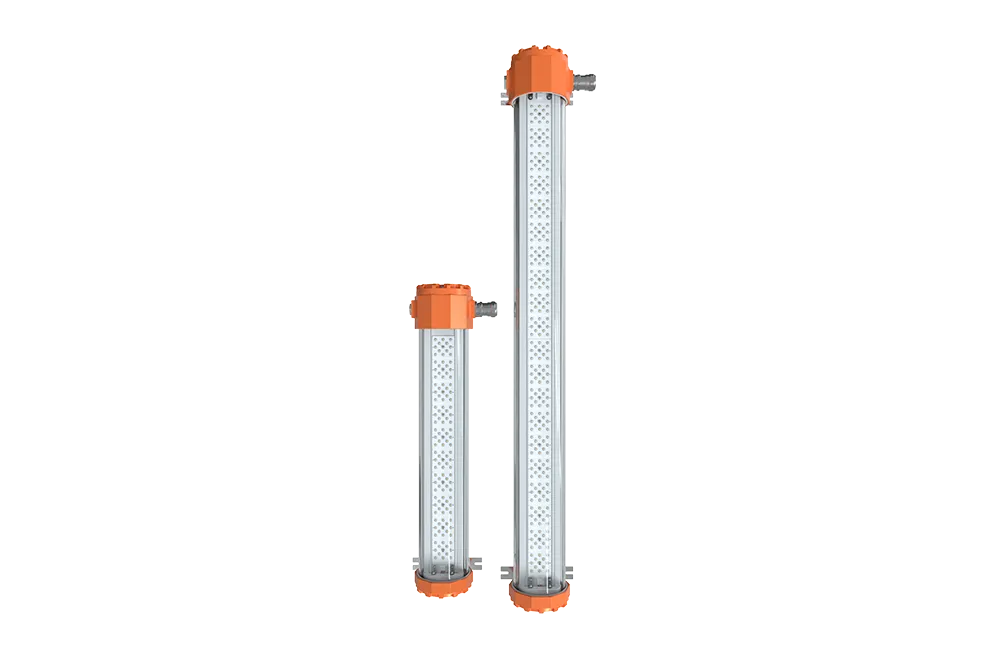
SEEKINGLED LED Linear Explosion Proof Light and Explosion Proof lighting is ATEX and IECEx certified for Zone 1, Zone 2, Zone 21 and Zone 22 hazardous locations, built for long-term industrial use.
View details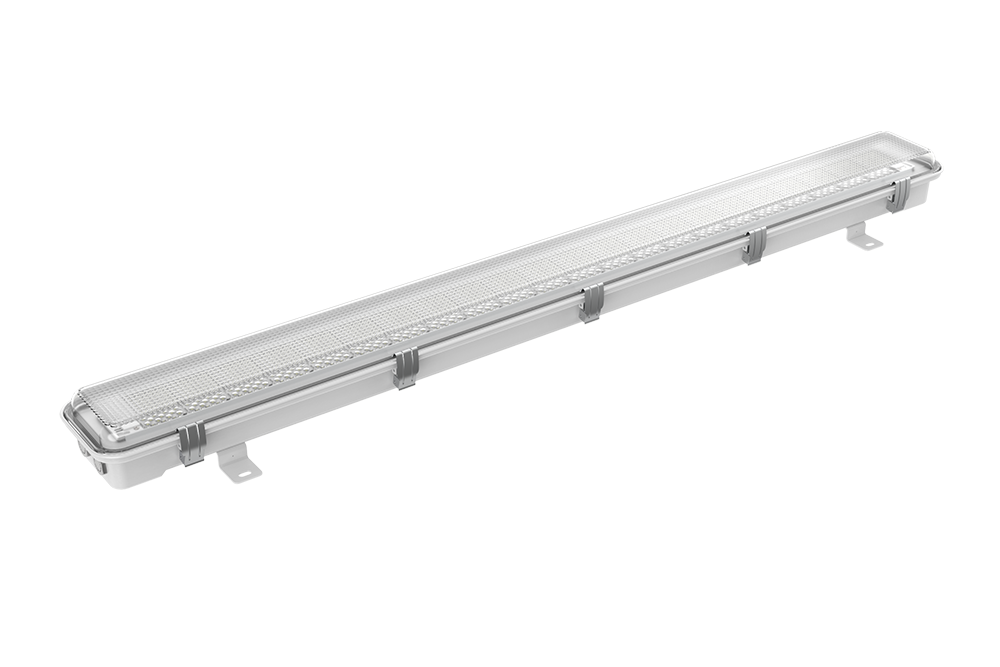
LED Linear Explosion Proof Lights and EX Proof lights for Zone 1, Zone 2, Zone 21 and Zone 22 hazardous areas. ATEX & IECEx certified explosion proof LED linear lighting with emergency function, adjustable power and IP67 protection by SEEKINGLED.
View details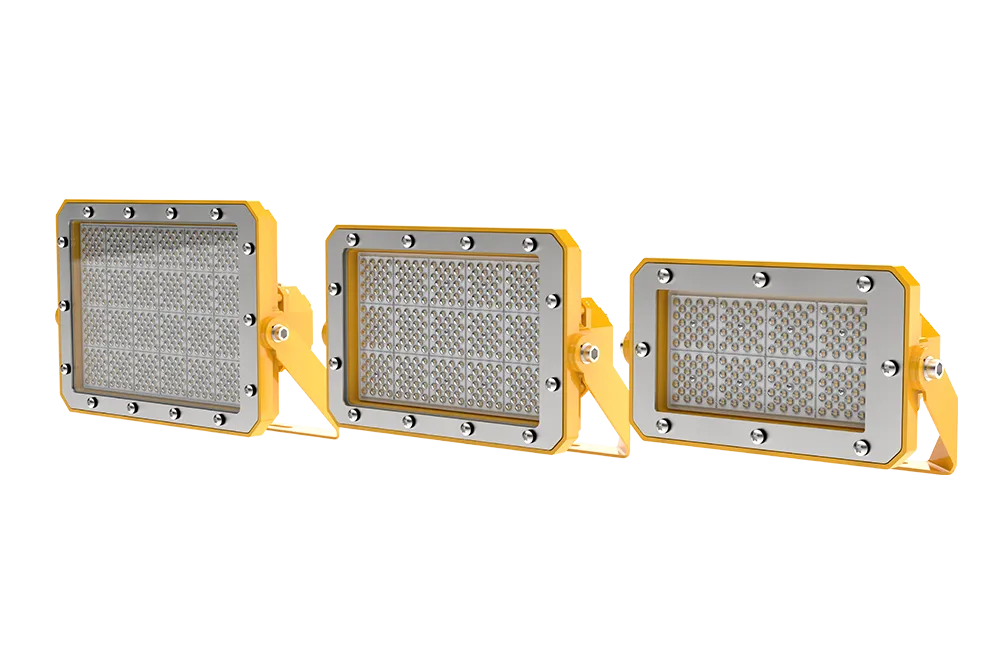
SEEKINGLED LED Explosion Proof Flood Lights are ATEX certified for Zone 2 and Zone 22 hazardous areas, offering high efficiency, adjustable power and integrated junction box.
View details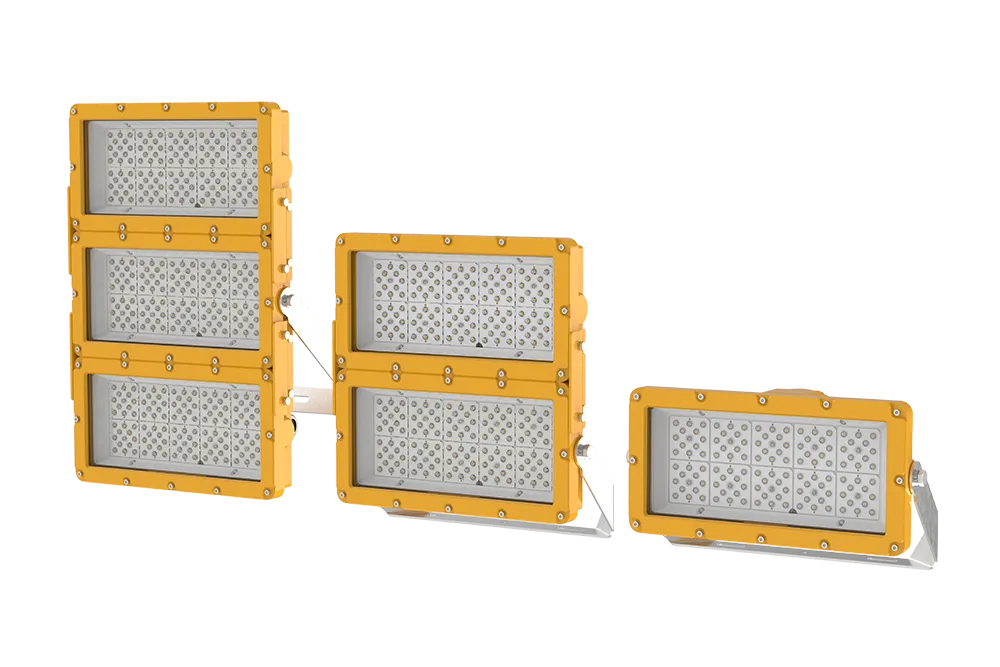
SEEKINGLED LED Explosion Proof Flood Lights are flameproof ATEX and IECEx certified for Zone 1 and Zone 2 hazardous areas, offering high power, adjustable output and long service life.
View details
SEEKINGLED LED Gas Station Canopy Lights are ATEX certified for Zone 2 and Zone 22 hazardous areas, featuring adjustable power and built-in explosion-proof junction box.
View details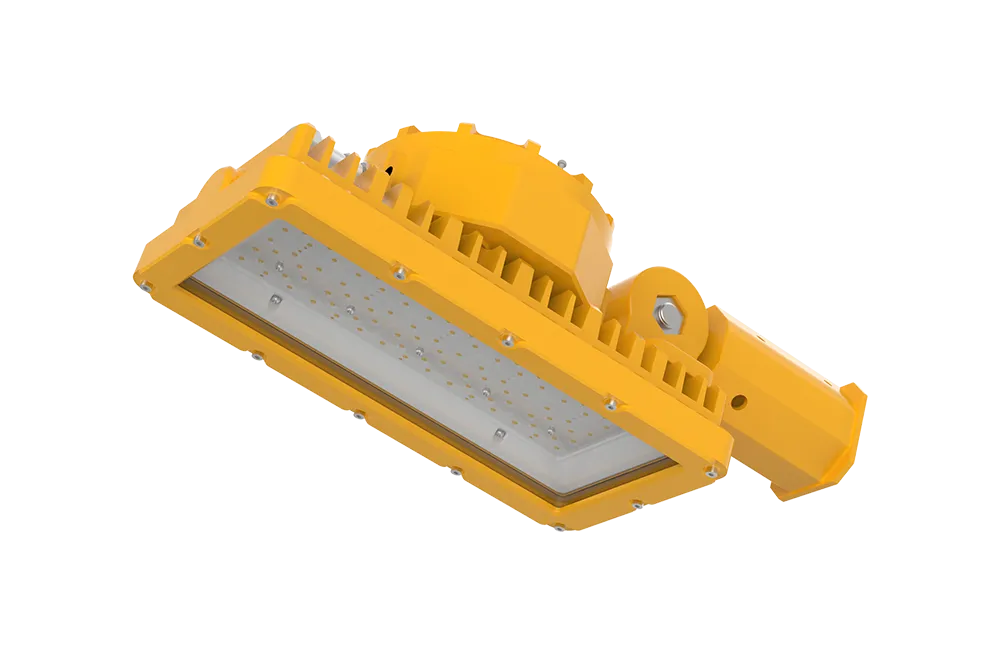
ATEX: Ex II 2G Ex db IIB T6/T5 GbEx II 2D Ex tb IIIC T80°C/ T95°C Db IECEx Ex db IIB T6 Gb;Ex tb IIIC T80°C Db Feature: ● For Zone 1,2 and Zone 21,22● Flameproof type, the strongest● 100W can replace 250W HID,energy saving● Power:60W,80W,100W Application: Oil and gas, marine, Chemical, pharmaceutical, semiconductor,mining,military industr…
View details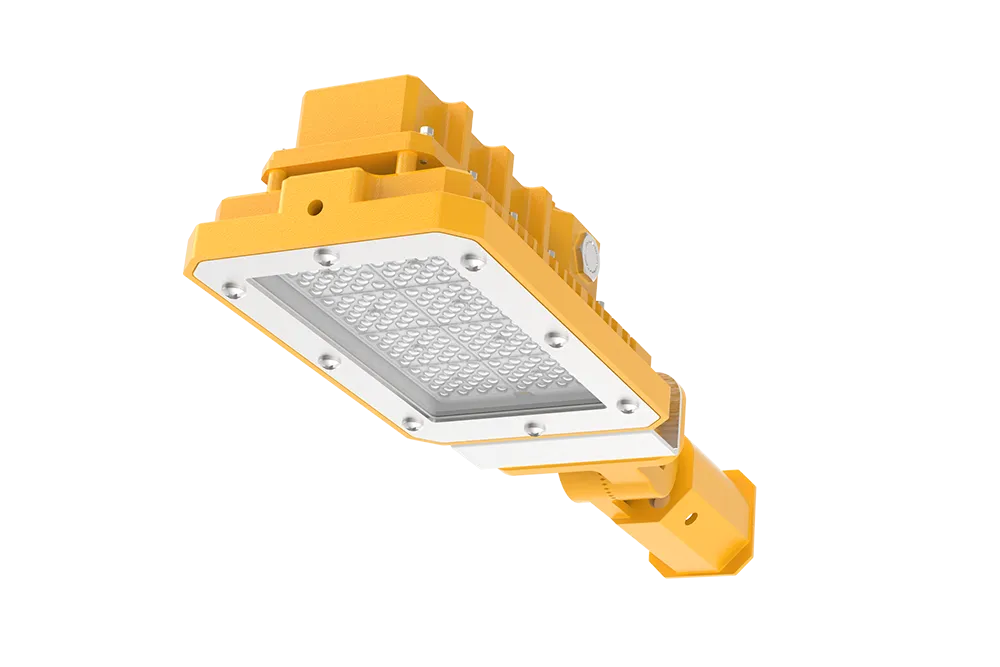
ATEX: II 3G Ex nR ⅡC T5/T6 GcII 3D Ex tc ⅢC T80℃/T95℃Dc ATEX Certificate NO: TÜV CY 26 ATEX 0207611 X Feature: ● For Zone 2 and Zone 22● 150W can replace 250W HID lamps,Energy saving● Power:50W,75W,100W,150W,200W Application: Oil and gas, marine, Chemical, pharmaceutical, semiconductor,mining,military industry, paint booth,power plant ETC…
View details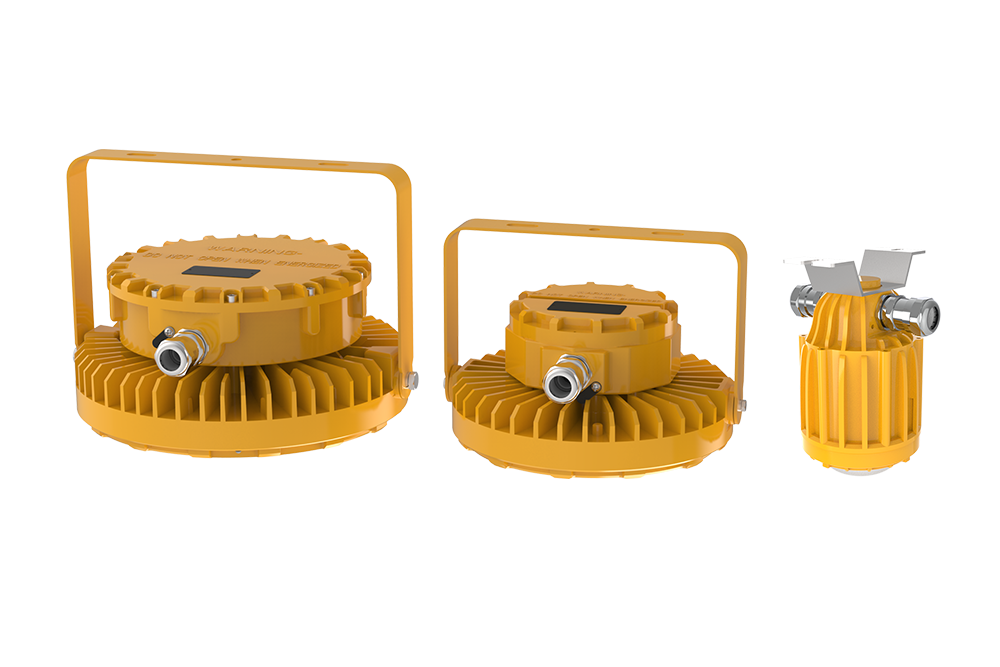
LED explosion proof high bay lights are designed for Zone 1, Zone 2, Zone 21 and Zone 22 hazardous areas. This page introduces the HB21 Series from SEEKING, including certifications, power options and real application considerations.
View details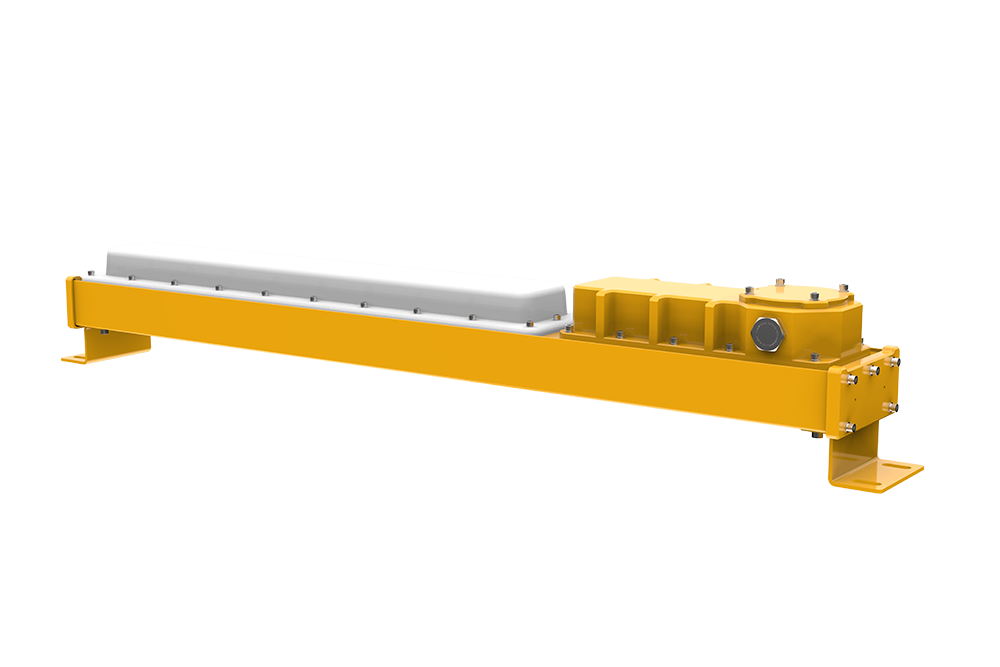
LED Linear Explosion Proof Lights from SEEKINGLED. LU Series Flame Proof lights ATEX-certified explosion proof LED linear lighting for Zone 2 gas and Zone 22 dust areas, IP69K, IK10, long lifetime and flexible power options.
View details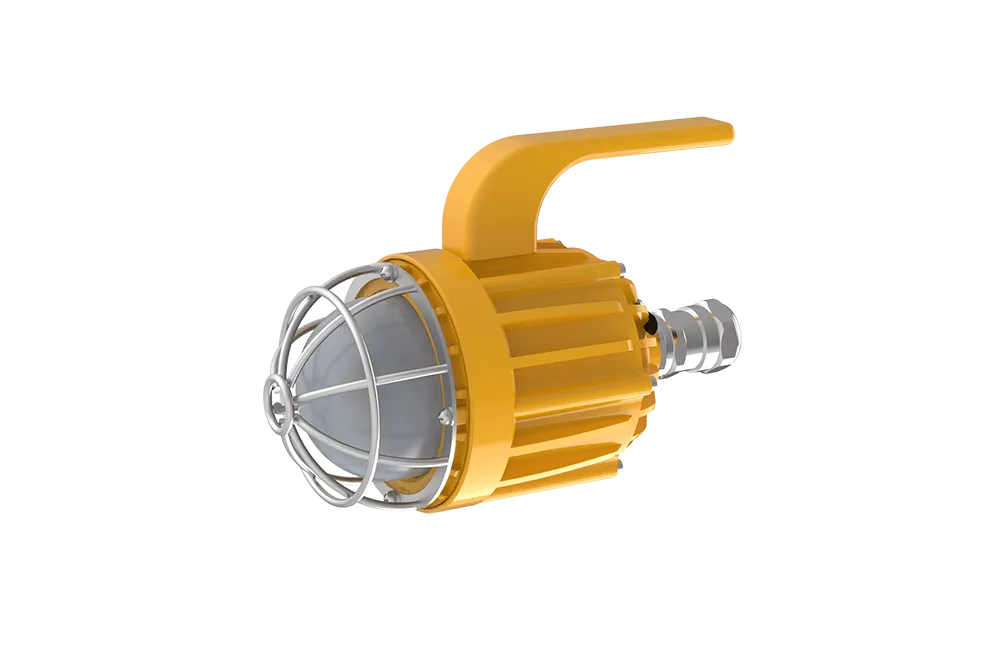
Certified explosion proof work lights for Zone 1 & 21 hazardous areas. Portable, ATEX & IECEx approved, built for oil, gas and chemical plants by SEEKINGLED.
View details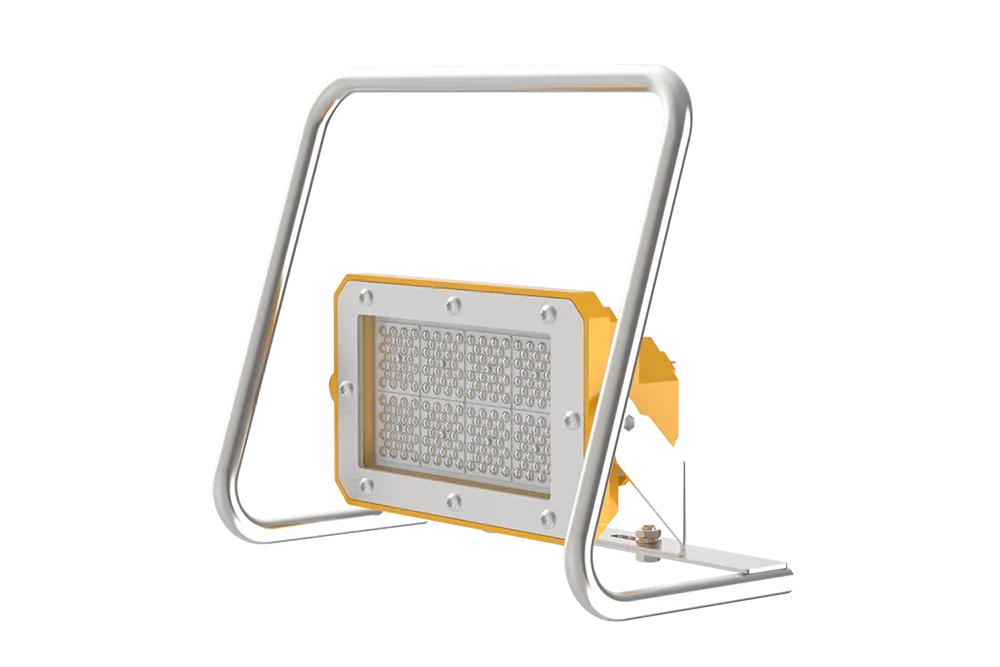
ATEX: II 3G Ex nR ⅡC T6 GcII 3D Ex tc ⅢC T80℃ Dc ATEX Certificate NO: TÜV CY 26 ATEX 0207611 X Feature: ● For Zone 2 and Zone 22● Accepts battery-powered supply● indestructible● Power:AC input:50W,75W,100WDC input:15W,25W,35W Application: Oil and gas, marine, Chemical, pharmaceutical, semiconductor,mining,military industry, paint booth,po…
View details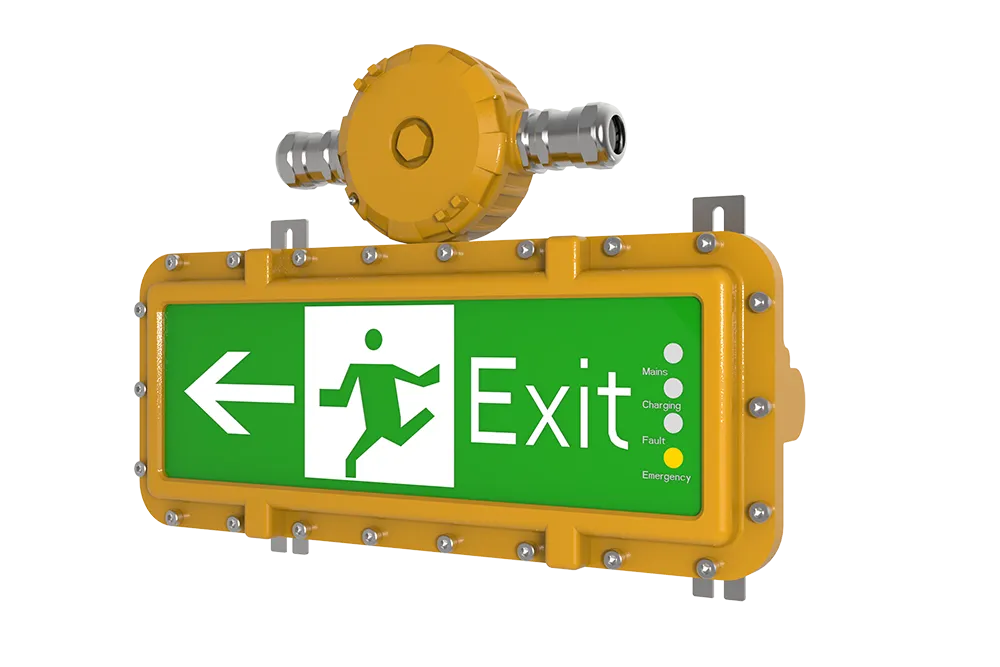
ATEX: Ex II 2G Ex db IIB T6 GbEx II 2D Ex tb IIIC T80°C Db IECEx Ex db IIB T6 Gb;Ex tb IIIC T80°C Db Feature: ● For Zone 1,2 and Zone 21,22● Flameproof type, the strongest Application: Oil and gas, marine, Chemical, pharmaceutical, semiconductor,mining,military industry, paint booth,power plant ETC hazardous area. Technical Specifications:…
View details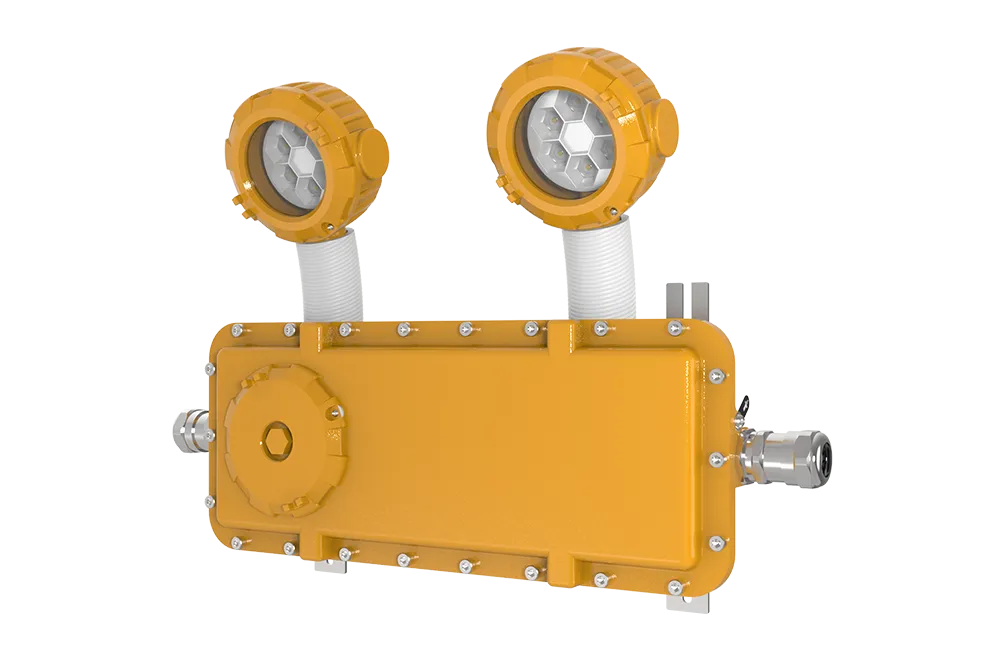
ATEX: Ex II 2G Ex db IIB T6 GbEx II 2D Ex tb IIIC T80°C Db IECEx Ex db IIB T6 Gb;Ex tb IIIC T80°C Db Feature: ● For Zone 1,2 and Zone 21,22● Flameproof type, the strongest Application: Oil and gas, marine, Chemical, pharmaceutical, semiconductor,mining,military industry, paint booth,power plant ETC hazardous area. Technical Specifications:…
View details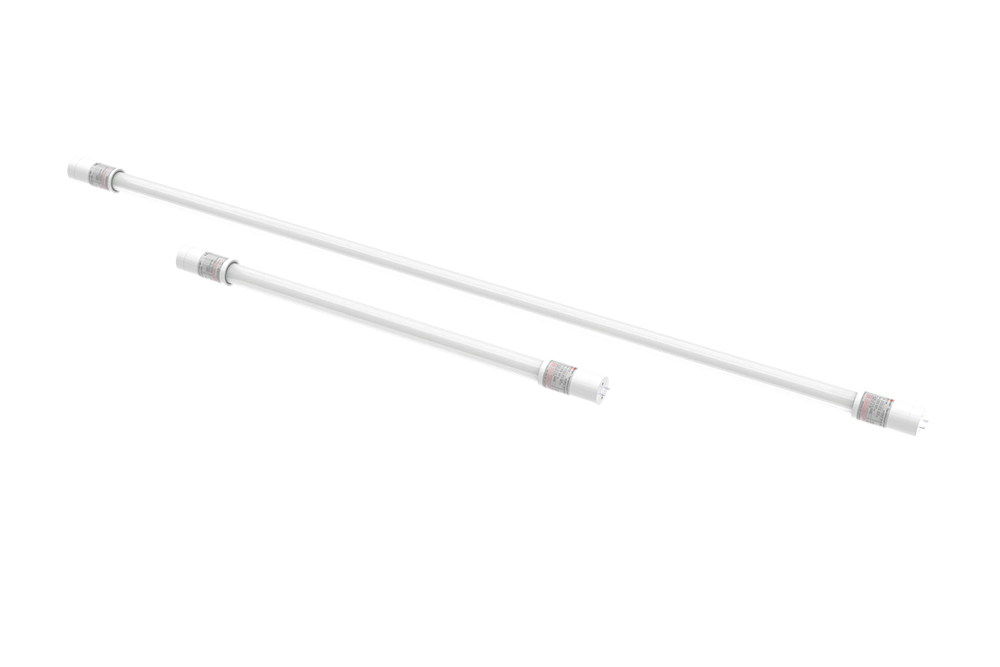
ATEX: Ex II 2G Ex d e IIB T6 Gb ATEX: Ex d e IIB T6 Gb; Feature: ● For Zone 1,2● 9W can replace 18W fluorescent lamps,50% Energy saving Application: Oil and gas, marine, Chemical, pharmaceutical, semiconductor,mining,military industry, paint booth,power plant ETC hazardous area. Technical Specifications: Standards:60079-0, 60079-1, 60079…
View details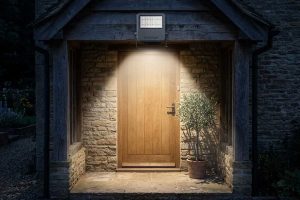
How bright is a 10 watt LED flood light? Learn lumen output, real-world brightness, and best uses with expert insights from SEEKINGLED lighting engineers.
View details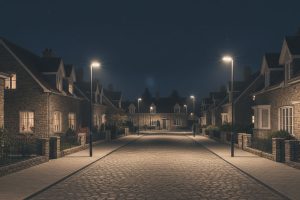
A 50W LED street light delivering up to 170 lm/W for roads, parks, and residential areas. Reliable performance and long service life by SEEKINGLED.
View details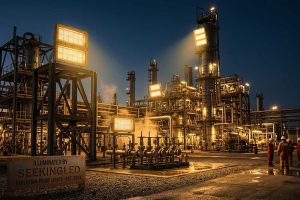
ATEX lighting ensures safe operation in explosive atmospheres. Learn certification standards, zone classifications, and how to choose reliable fixtures.
View details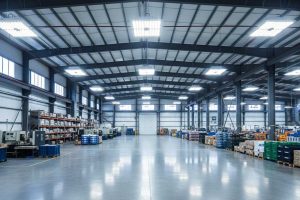
UFO LED high bay light 150W with UGR
View details