 Seeking LED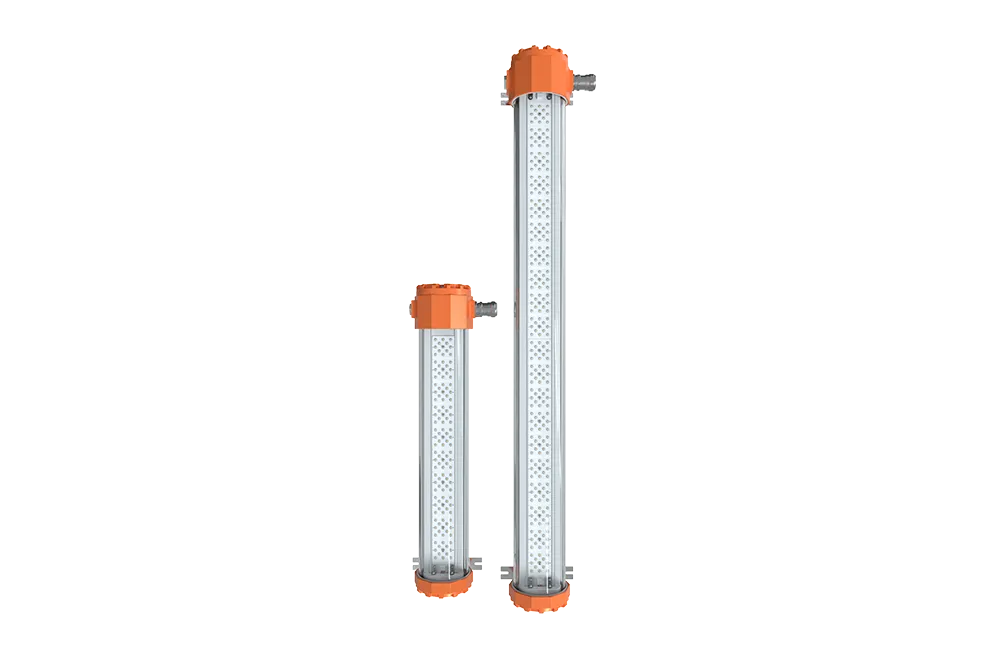
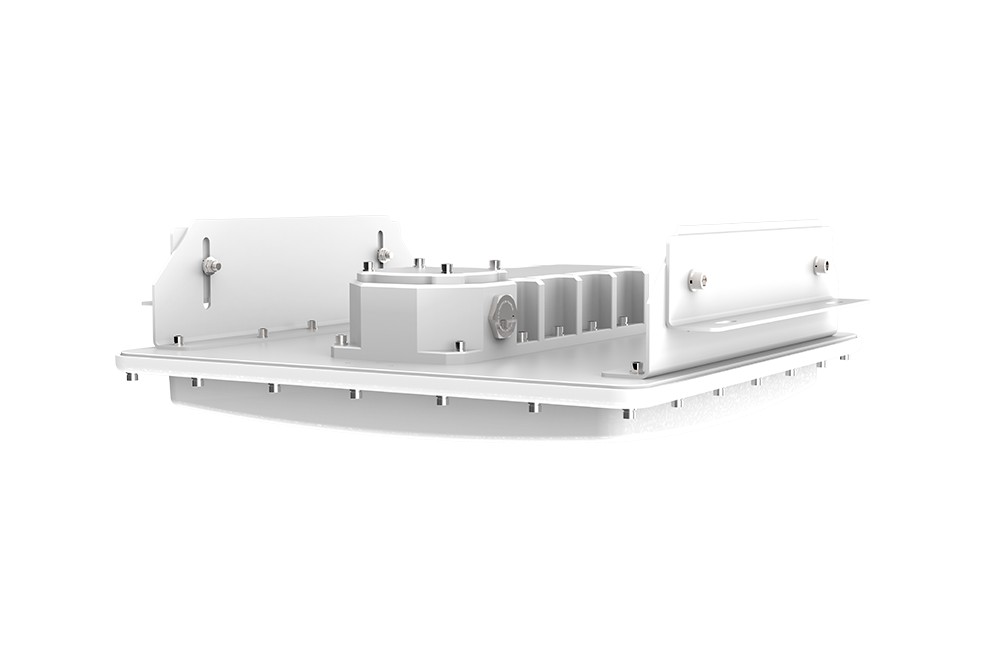
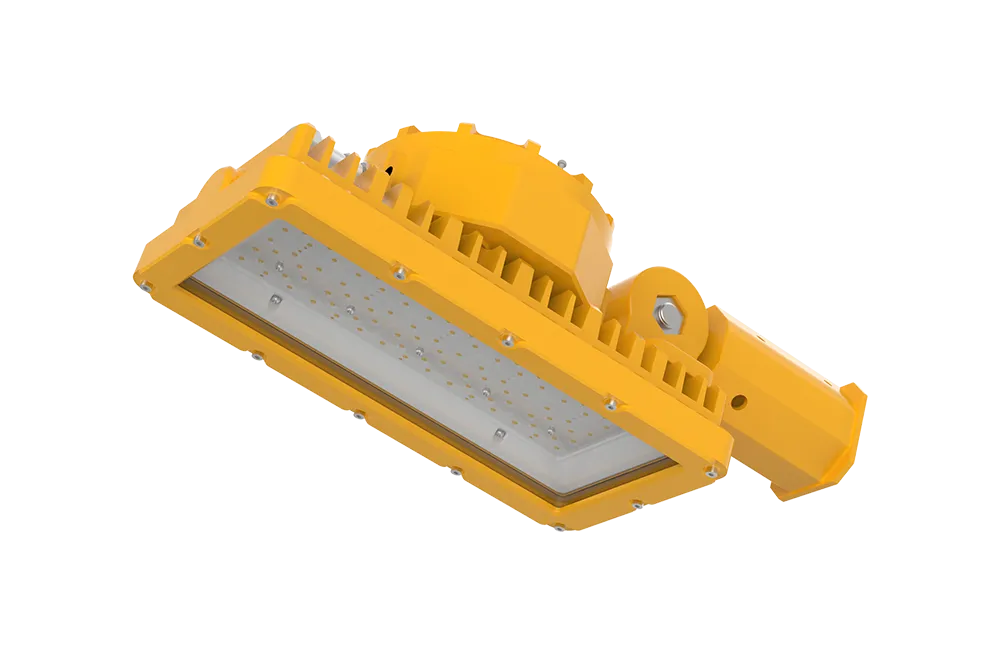
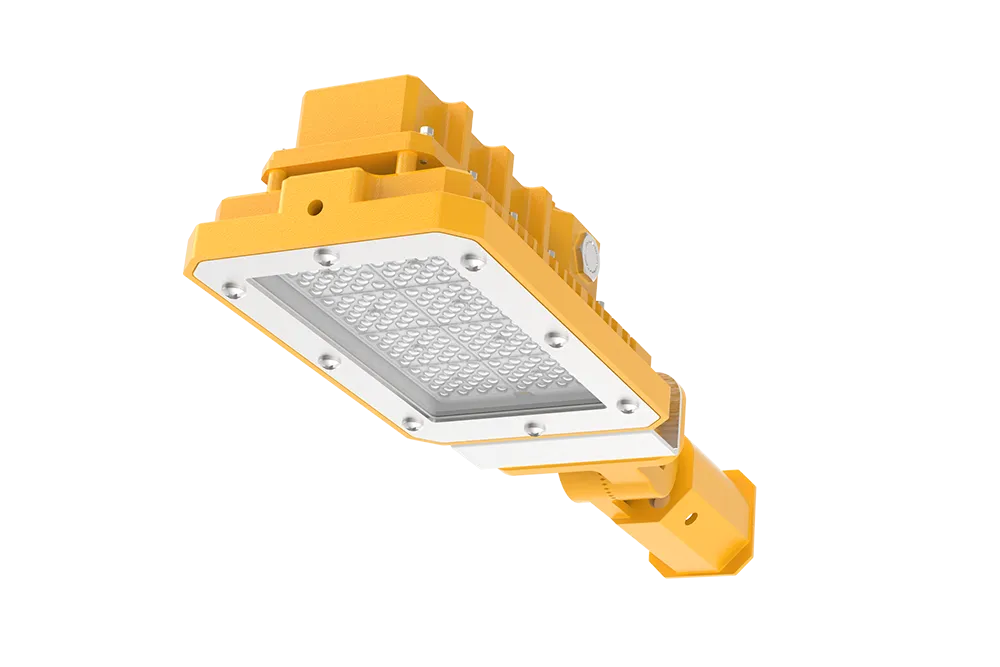
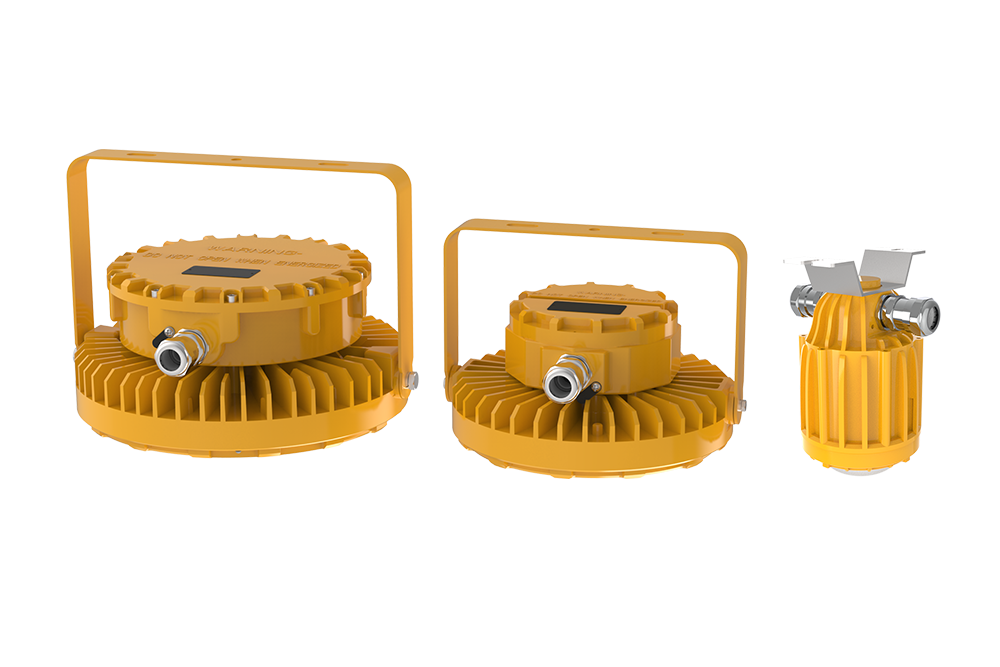

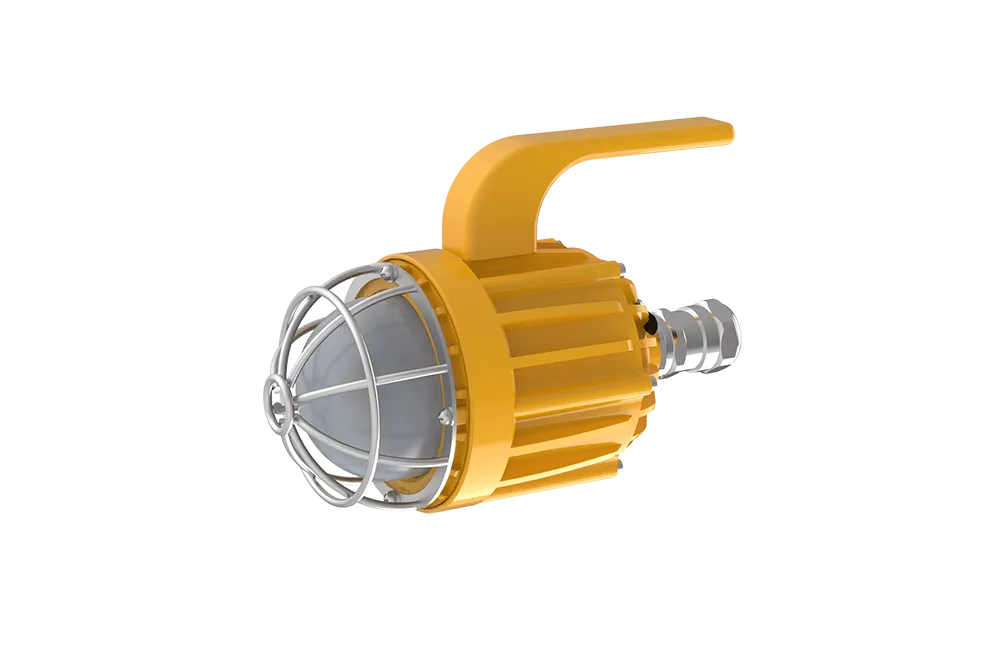
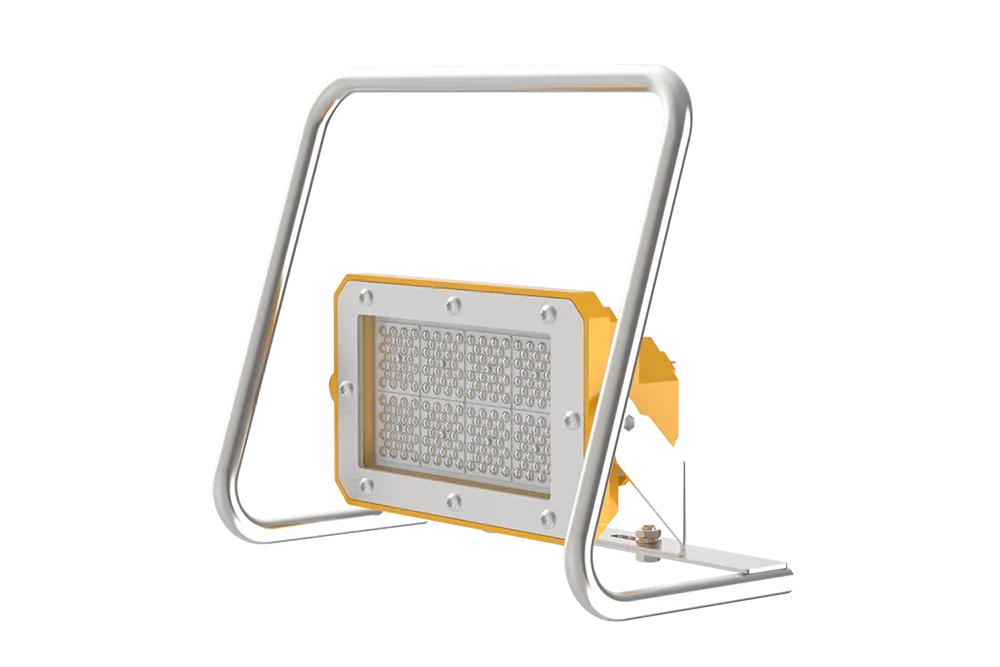
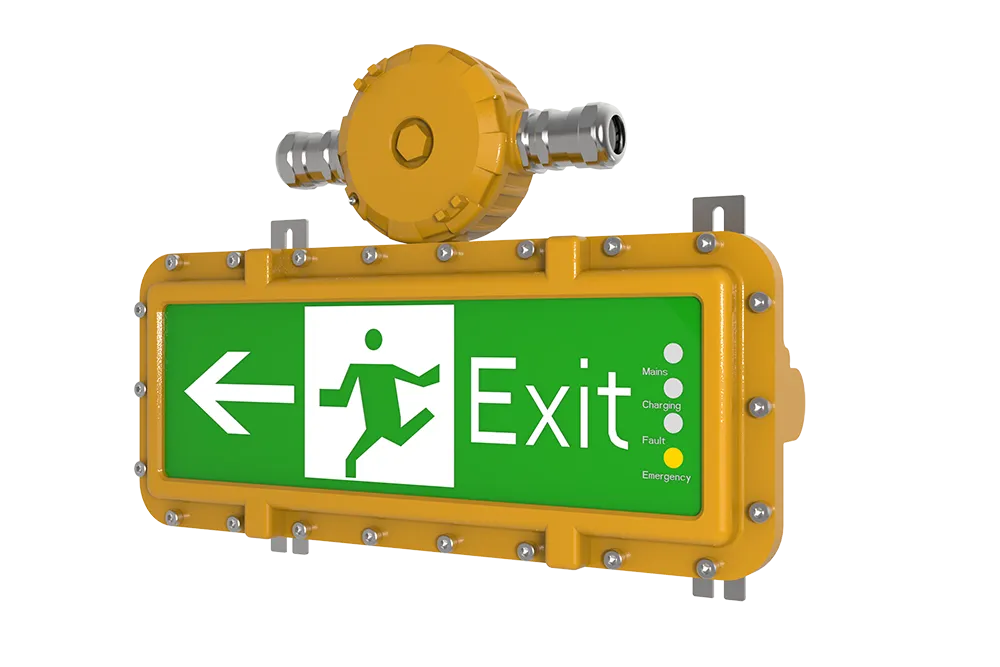
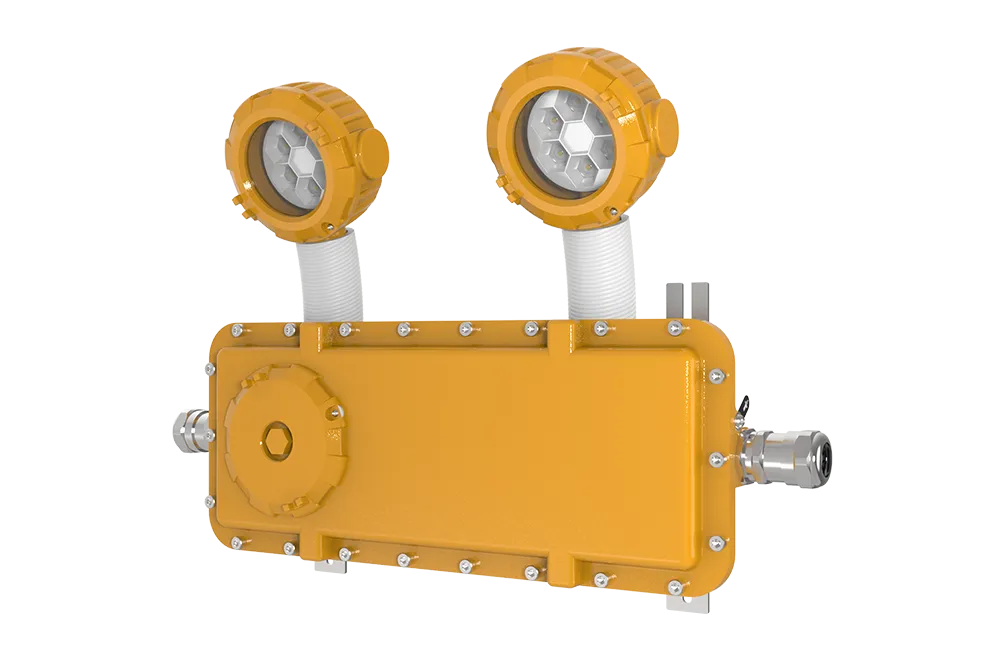
explosion proof light fixture – What You Should Know Before Installing One
145Need a certified explosion proof light fixture? SEEKINGLED delivers durable, compliant lighting for oil, gas, and chemical hazardous areas.
View detailsSearch the whole station
When people search for atex led flood light supply, they’re usually not looking for “another product.”
They’re trying to solve a problem that already showed up in the field.
I’ve seen this more than once — lights installed in a classified zone, everything looks fine on paper, but after a few months, something starts to feel off. Not failure, not immediately. Just… not stable.
That’s where supply quality starts to matter.
ATEX certification is the starting point, not the finish line. Standards like the ATEX Directive (2014/34/EU) define requirements for equipment used in explosive atmospheres. Same for IECEx — both focus heavily on ignition prevention.
But in real environments — offshore platforms, chemical plants — conditions shift constantly.
Temperature swings. Moisture. Vibration.
A flood light that passes lab testing doesn’t always perform the same way after six months on a structure exposed to salt air.
I remember a project near a coastal refinery. The issue wasn’t brightness. It was sealing. Moisture slowly worked its way in, not enough to trip anything immediately, but enough to degrade performance.
That’s something spec sheets don’t show.
In hazardous areas, surface temperature matters more than output.
According to IEC standards, equipment must stay below the ignition temperature of surrounding gases. That’s not theoretical — it directly affects fixture design.
A poorly designed flood light can trap heat internally. It still works, but it runs hotter than expected.
Good ATEX LED flood light supply focuses heavily on thermal paths:
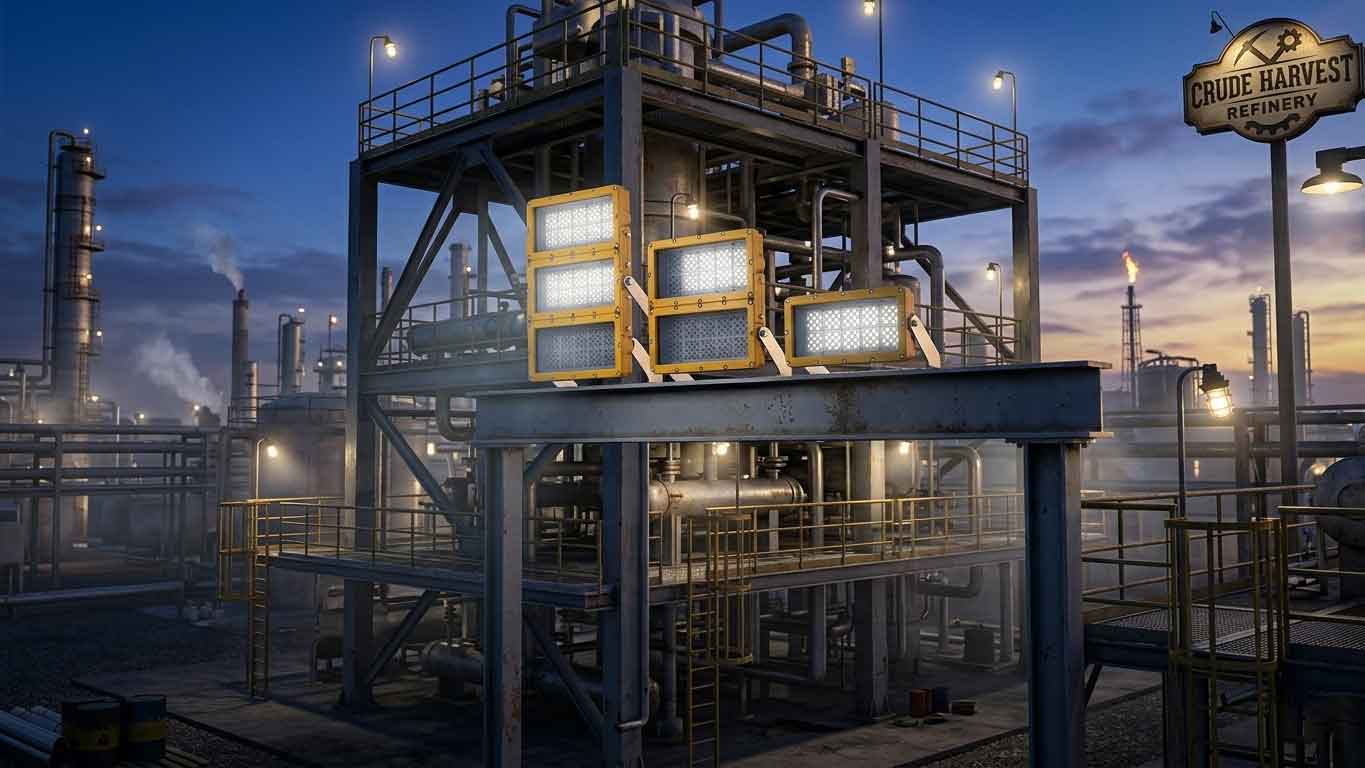
SEEKINGLED fixtures are built as complete thermal systems, not just LED arrays inside housings. That difference shows up over time, especially in continuous operation environments.
One thing that often gets overlooked: consistency between batches.
For large projects, you’re not buying one light. You’re buying hundreds, sometimes thousands.
And if thermal performance or sealing varies slightly between batches, you’ll see it — not immediately, but gradually across the site.
In one warehouse project, only part of the installation started showing condensation issues. Same model, same install team. Turned out to be batch variation.
That’s why experienced buyers don’t just ask for certification. They ask about production control.
Another point — drivers.
A lot of field failures are not LED failures. They’re driver-related.
Voltage fluctuations, especially in industrial environments, put stress on drivers. According to IEEE studies on industrial power systems, transient voltage spikes are common in heavy-duty facilities.
If the driver isn’t designed with enough tolerance, you start seeing flickering, delayed startup, or early failure.
This is where higher-quality ATEX LED flood light supply stands apart. It’s not visible in photos. But it shows in operation.
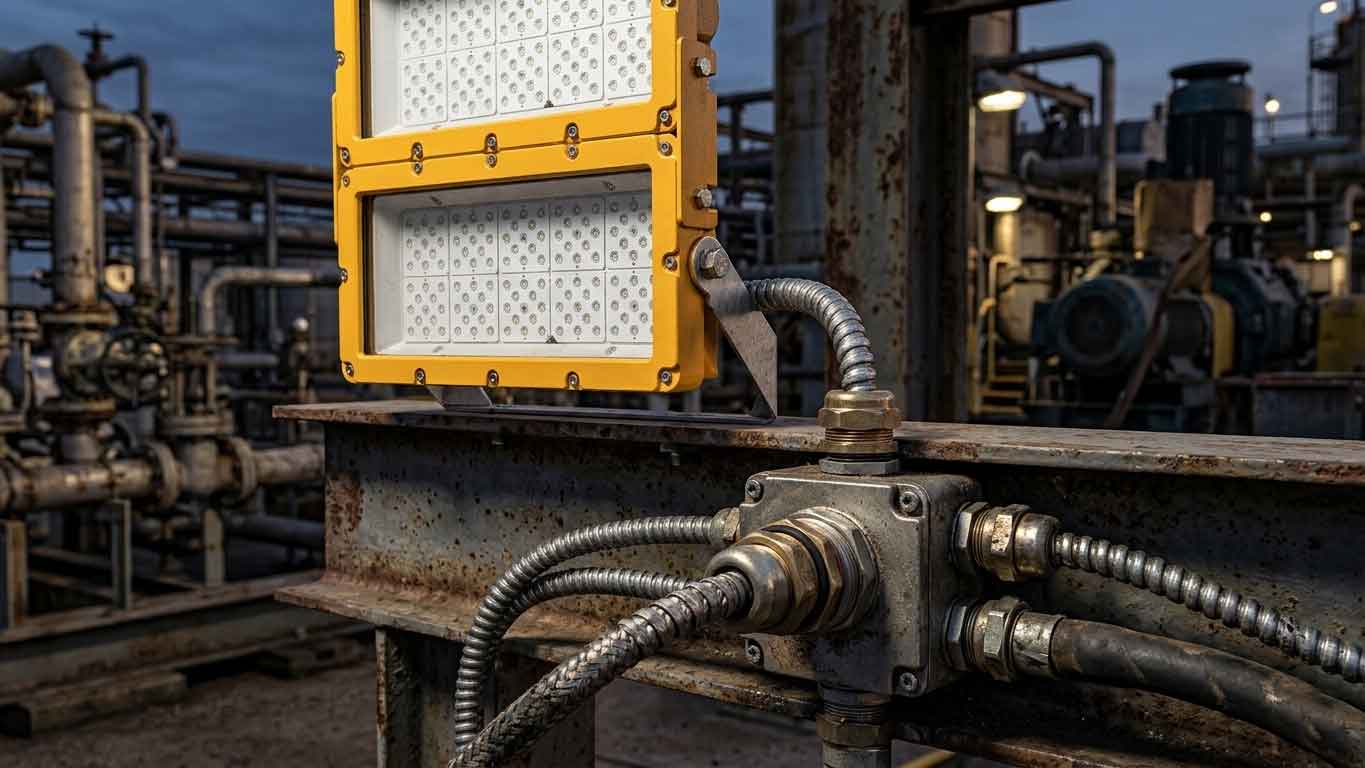
Typical applications are predictable:
But the real difference is not location — it’s how demanding the environment is.
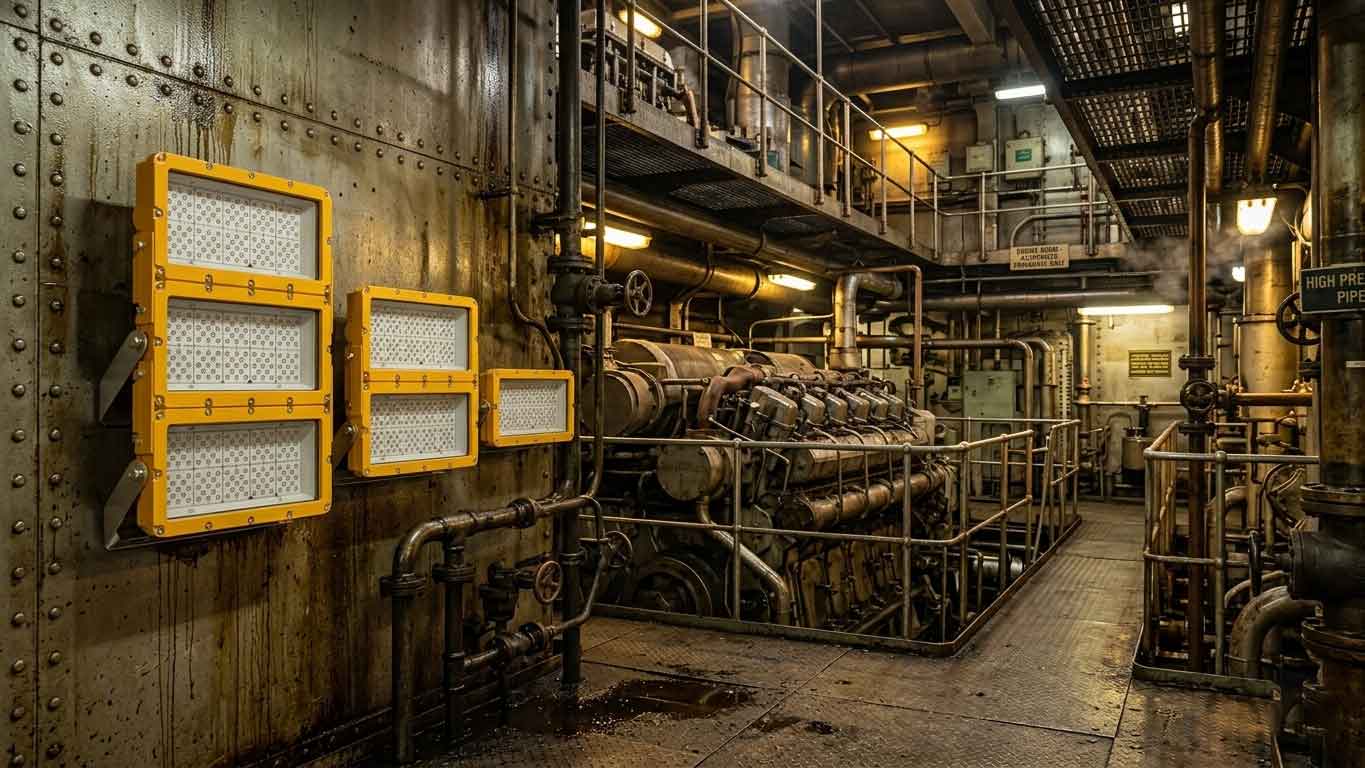
Indoor hazardous zones can sometimes be more aggressive than outdoor ones, especially where chemicals are involved.
That’s why selection isn’t just about “Zone 1 or Zone 2.” It’s about understanding exposure conditions.
After working with multiple installations, one thing stands out.
The difference between a “working light” and a “reliable light” only shows after time passes.
At installation day, almost everything works.
Six months later — that’s when you start seeing the gap.
SEEKINGLED focuses on long-term stability in ATEX LED flood light supply, not just passing certification tests. That approach comes from seeing how products behave in real environments, not just controlled ones.
If you’re sourcing atex led flood light supply, the real question isn’t “does it meet certification?”
It’s whether it keeps performing when conditions stop being ideal.
Because out there — they usually do.
Related products
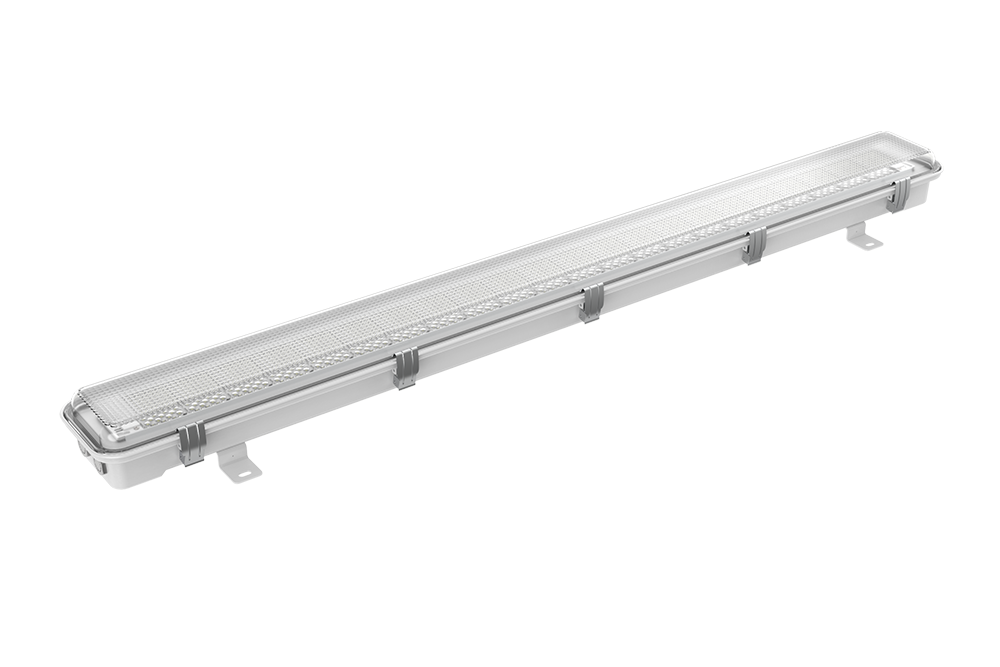
SEEKINGLED LED Linear Explosion Proof Light and Explosion Proof lighting is ATEX and IECEx certified for Zone 1, Zone 2, Zone 21 and Zone 22 hazardous locations, built for long-term industrial use.
LED Linear Explosion Proof Lights and EX Proof lights for Zone 1, Zone 2, Zone 21 and Zone 22 hazardous areas. ATEX & IECEx certified explosion proof LED linear lighting with emergency function, adjustable power and IP67 protection by SEEKINGLED.
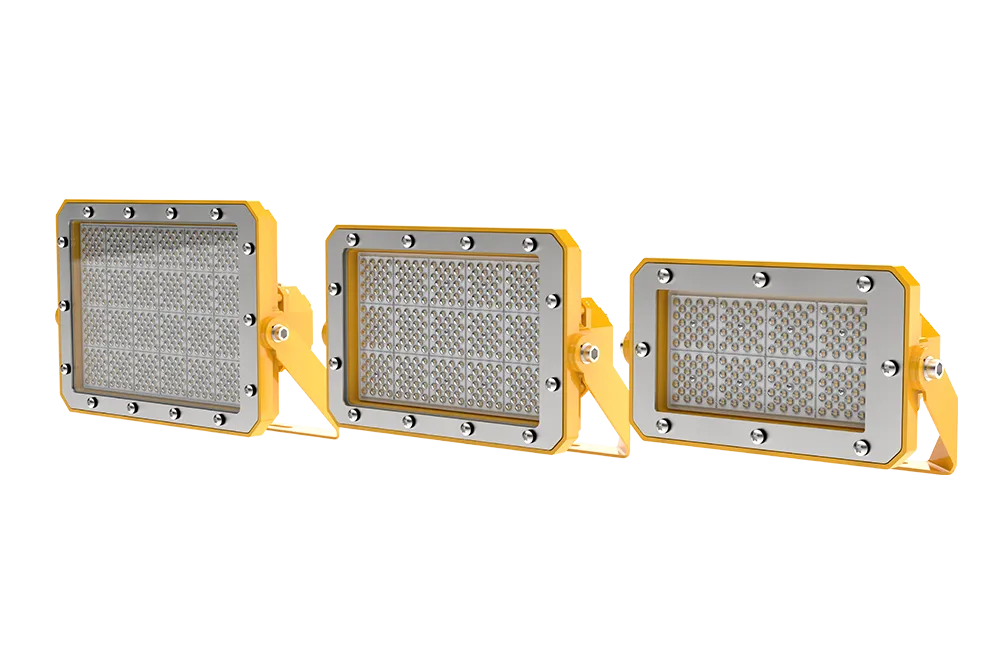
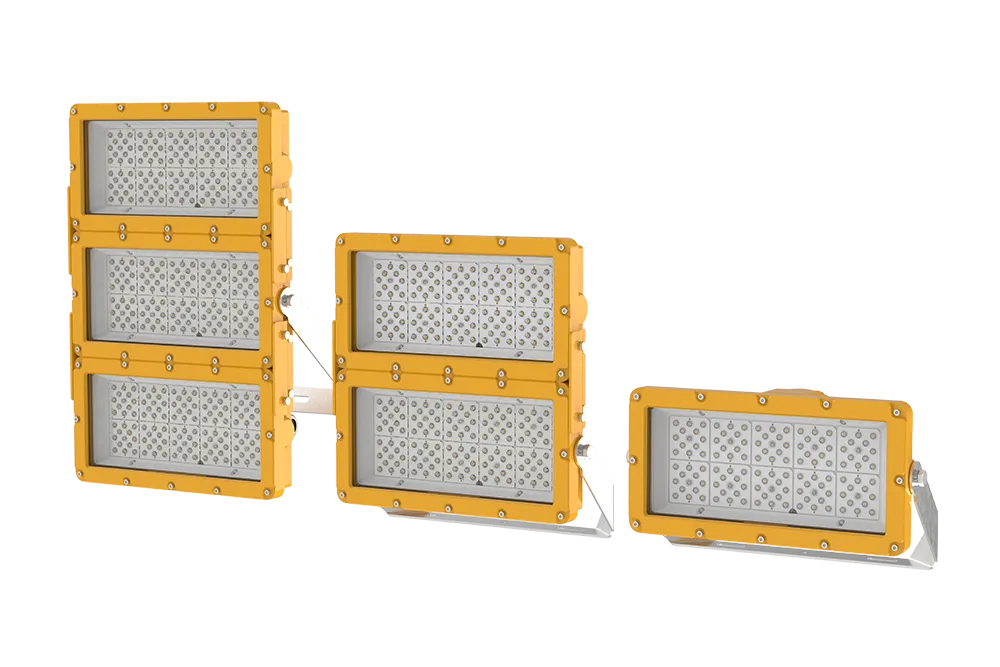
SEEKINGLED LED Explosion Proof Flood Lights are ATEX certified for Zone 2 and Zone 22 hazardous areas, offering high efficiency, adjustable power and integrated junction box.
SEEKINGLED LED Explosion Proof Flood Lights are flameproof ATEX and IECEx certified for Zone 1 and Zone 2 hazardous areas, offering high power, adjustable output and long service life.
SEEKINGLED LED Gas Station Canopy Lights are ATEX certified for Zone 2 and Zone 22 hazardous areas, featuring adjustable power and built-in explosion-proof junction box.
ATEX: Ex II 2G Ex db IIB T6/T5 GbEx II 2D Ex tb IIIC T80°C/ T95°C Db IECEx Ex db IIB T6 Gb;Ex tb IIIC T80°C Db Feature: ● For Zone 1,2 and Zone 21,22● Flameproof type, the strongest● 100W can replace 250W HID,energy saving● Power:60W,80W,10…
ATEX: II 3G Ex nR ⅡC T5/T6 GcII 3D Ex tc ⅢC T80℃/T95℃Dc ATEX Certificate NO: TÜV CY 26 ATEX 0207611 X Feature: ● For Zone 2 and Zone 22● 150W can replace 250W HID lamps,Energy saving● Power:50W,75W,100W,150W,200W Application: Oil and gas, m…
LED explosion proof high bay lights are designed for Zone 1, Zone 2, Zone 21 and Zone 22 hazardous areas. This page introduces the HB21 Series from SEEKING, including certifications, power options and real application considerations.
LED Linear Explosion Proof Lights from SEEKINGLED. LU Series Flame Proof lights ATEX-certified explosion proof LED linear lighting for Zone 2 gas and Zone 22 dust areas, IP69K, IK10, long lifetime and flexible power options.
Certified explosion proof work lights for Zone 1 & 21 hazardous areas. Portable, ATEX & IECEx approved, built for oil, gas and chemical plants by SEEKINGLED.
ATEX: II 3G Ex nR ⅡC T6 GcII 3D Ex tc ⅢC T80℃ Dc ATEX Certificate NO: TÜV CY 26 ATEX 0207611 X Feature: ● For Zone 2 and Zone 22● Accepts battery-powered supply● indestructible● Power:AC input:50W,75W,100WDC input:15W,25W,35W Application: O…
ATEX: Ex II 2G Ex db IIB T6 GbEx II 2D Ex tb IIIC T80°C Db IECEx Ex db IIB T6 Gb;Ex tb IIIC T80°C Db Feature: ● For Zone 1,2 and Zone 21,22● Flameproof type, the strongest Application: Oil and gas, marine, Chemical, pharmaceutical, semicondu…
ATEX: Ex II 2G Ex db IIB T6 GbEx II 2D Ex tb IIIC T80°C Db IECEx Ex db IIB T6 Gb;Ex tb IIIC T80°C Db Feature: ● For Zone 1,2 and Zone 21,22● Flameproof type, the strongest Application: Oil and gas, marine, Chemical, pharmaceutical, semicondu…
ATEX: Ex II 2G Ex d e IIB T6 Gb ATEX: Ex d e IIB T6 Gb; Feature: ● For Zone 1,2● 9W can replace 18W fluorescent lamps,50% Energy saving Application: Oil and gas, marine, Chemical, pharmaceutical, semiconductor,mining,military industry, pain…
loading…
This is the last post!
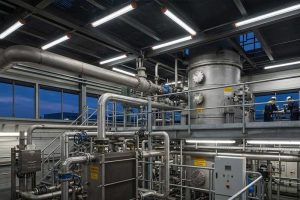
Need a certified explosion proof light fixture? SEEKINGLED delivers durable, compliant lighting for oil, gas, and chemical hazardous areas.
View details
how much does a street light weigh? Discover real weight ranges for poles and fixtures, with expert insights on installation, materials, and structural design.
View details
Which company LED flood light is best? A practical answer based on real outdoor use, durability, and long-term performance.
View details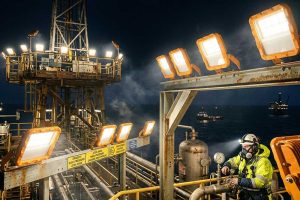
explosion proof light fixtures engineered for Zone 1 & 2 hazardous areas. ATEX & IECEx certified, energy-efficient, durable and built for oil, gas and chemical safety by SEEKINGLED.
View details