 Seeking LED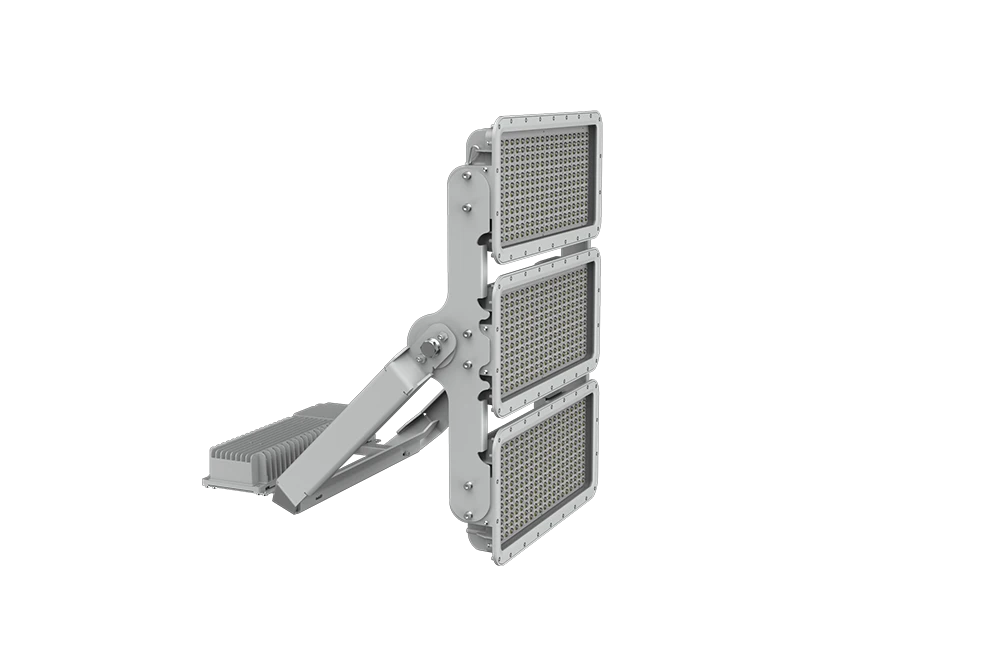
ATEX Flood Light: How to Choose the Right Hazardous Area Lighting
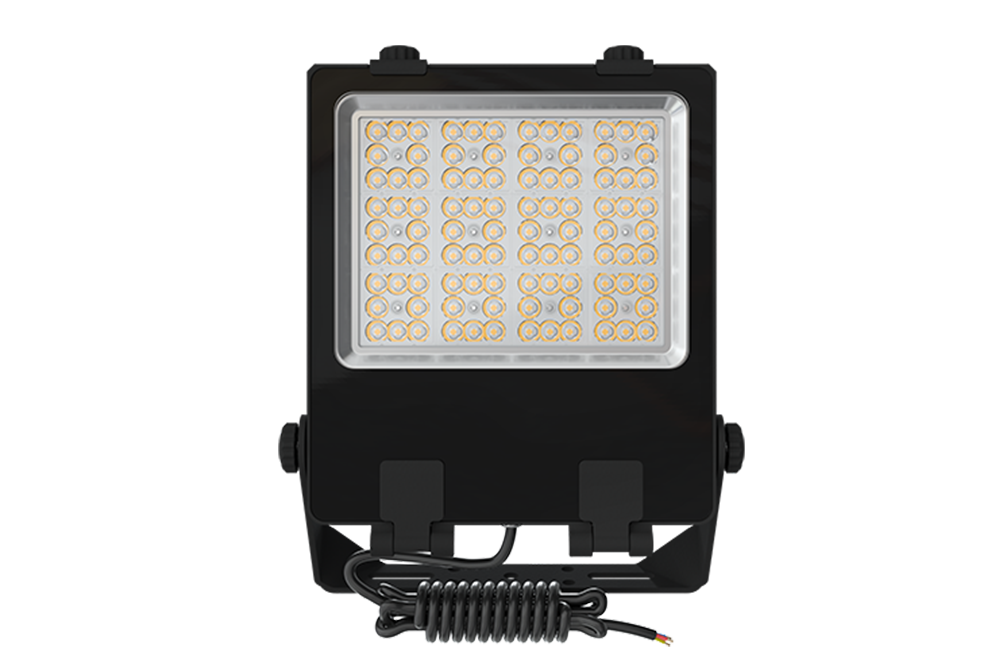
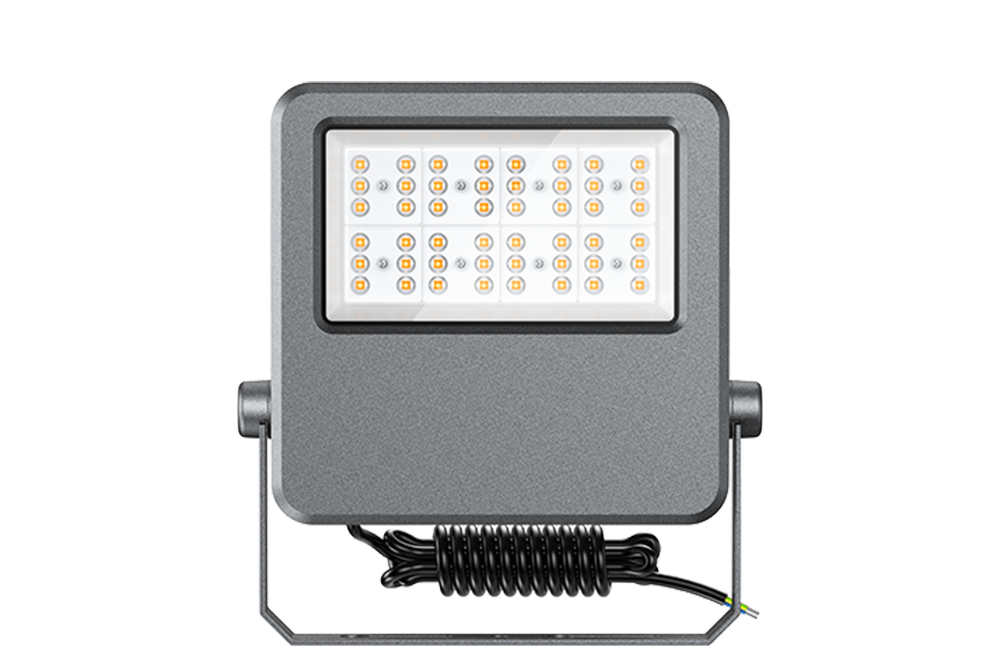
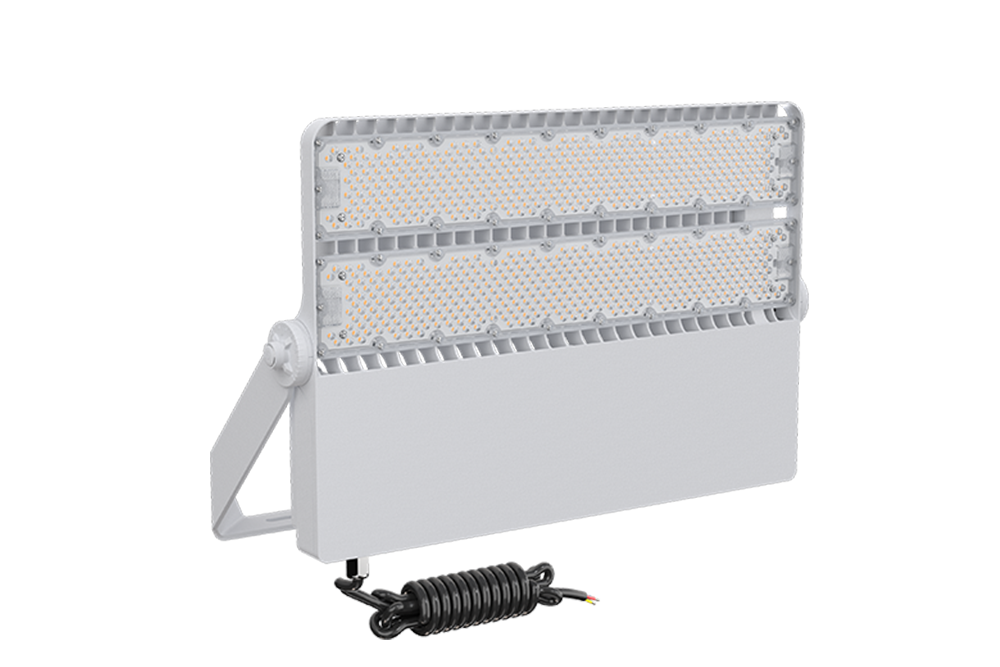
0ATEX flood light for hazardous zones. Learn certifications, lumen output, installation tips, and how to choose a reliable explosion-proof LED solution.
View detailsSearch the whole station
Long enough that you forget the last time you replaced one.
But not forever. Not even close.
That’s the honest version.
Most people hear “50,000 hours” and assume that’s the end of the story.
Install it. Forget it.
Doesn’t work like that.
I remember walking through a warehouse where LED fixtures had been running for a few years. Nothing dramatic—no failures, no outages.
But the light felt… softer. Slightly uneven.
You don’t notice it immediately. Then suddenly you do.
That’s how LED aging shows up.
This part matters.
Traditional bulbs fail suddenly. LEDs don’t.
They gradually lose brightness.
The industry uses something called L70. That’s when the light output drops to 70% of its original level.
Still working? Yes.
Still acceptable? Depends on where it’s used.
In a warehouse or factory, that 30% drop is noticeable.
Let’s skip ideal lab numbers and talk about actual use.
These are typical—not guaranteed.
And more importantly, they assume the system around the LED is solid.
Not just the LED chip.
That’s a common misunderstanding.
Always the first issue.
Even efficient LEDs generate heat. If it isn’t managed well, lifespan drops—quietly but steadily.
I’ve seen identical fixtures perform very differently just because one had better airflow.
No design change. Just placement.
The driver is often the weak link.
If it fails, the whole light goes out—even if the LED itself is fine.
Inconsistent current also causes gradual degradation.
This isn’t rare.
Running lights continuously vs intermittently changes the timeline.
50,000 hours sounds huge.
But at 24/7 operation, that’s under six years.
In a standard 8–10 hour daily use setup, it stretches much longer.
Dust, moisture, vibration.
None of these are friendly to electronics.
Dust blocks cooling.
Moisture affects internal components.
Vibration weakens connections over time.
Individually manageable. Together? They shorten lifespan.
Even with all these variables, LEDs still come out ahead.
According to the U.S. Department of Energy, LED lighting dramatically reduces both energy consumption and maintenance frequency compared to traditional lighting systems.
Typical comparison:
That gap explains why LEDs dominate modern lighting projects.
If a LED light doesn’t last as expected, it’s rarely random.
There’s usually a reason.
I’ve seen projects where:
The result?
Lights aged faster than expected. Sometimes much faster.
Nothing complicated.
Just decisions that hold up over time:
Ignore these, and lifespan becomes unpredictable.
With SEEKINGLED, lifespan isn’t treated as a marketing number.
It’s built into how the system behaves over years of use.
That includes:
Because long lifespan isn’t about theory.
It’s about consistency.
A light that still turns on isn’t necessarily doing its job well.
If brightness drops too much, it affects visibility—and sometimes safety.
That’s why usable lifespan matters more than maximum lifespan.
More answers
So, how long does a led light last?
Long enough to reduce maintenance cycles—if everything is designed and installed properly.
Shorter than expected—if it isn’t.
And most of the time, the difference has nothing to do with the LED itself.
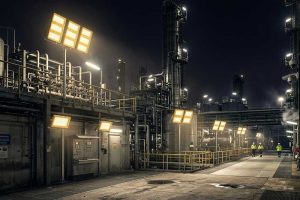
ATEX flood light for hazardous zones. Learn certifications, lumen output, installation tips, and how to choose a reliable explosion-proof LED solution.
View details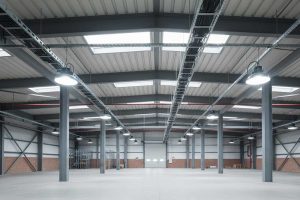
Learn how to wire high bay LED lights safely in warehouses and factories. This guide explains power wiring, grounding, dimming lines, and common mistakes during installation.
View details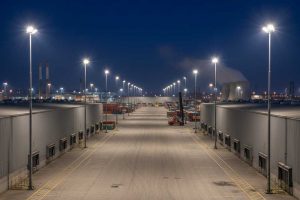
What is the brightest LED flood light in real projects? Learn how brightness is judged on site, not just by lumen numbers.
View details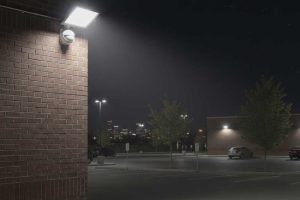
How to install LED security flood light correctly for outdoor areas. Learn mounting height, wiring steps, sensor setup, and common installation mistakes.
View details