 Seeking LED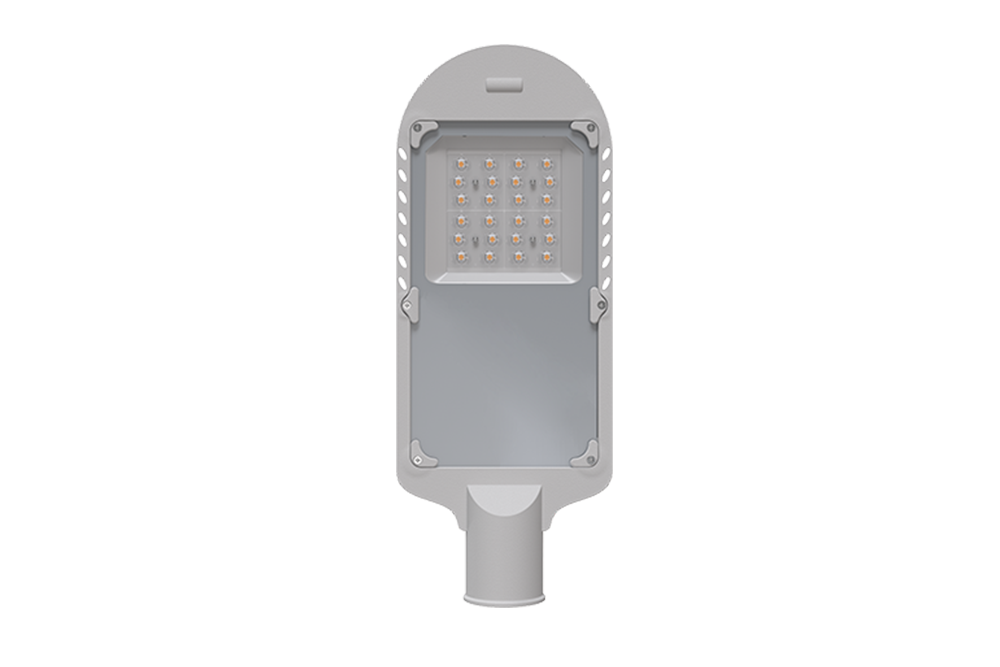
50W LED Street Light Designed for Roads That Need Stability, Not Show
198A 50W LED street light delivering up to 170 lm/W for roads, parks, and residential areas. Reliable performance and long service life by SEEKINGLED.
View detailsSearch the whole station
You notice it while driving.
The road is bright enough, but the color feels cold.
Almost icy.
Not white. Not yellow. Blue.
That’s when people ask the same thing:
why are there blue LED street lights instead of normal white ones?
I’ve heard this question from city inspectors, contractors, even police officers during night patrols. The answer isn’t always the same — but it is always technical.
Let’s clear that up quickly.
Cities do not install blue LED street lights for style.
There is no “blue mode” for public roads.
In most real-world cases, blue LED street lights appear because the fixture is no longer producing balanced white light.
And once you see it, you can’t unsee it.
White LED street lights are created by coating a blue LED chip with phosphor. That coating converts part of the blue light into yellow, which mixes into white.
When the phosphor starts to degrade:
From an engineering perspective, this is a color shift failure, not an upgrade.
At SEEKINGLED, this is one of the first things we look for during long-term field evaluations.
People often ask why one street looks blue while the next block looks normal.
That’s because:
I’ve personally inspected roads where only one side of the street showed blue LED street lights — same batch, same install date. The difference was airflow and heat dissipation.
Details matter more than brochures suggest.
Yes, and not in a good way.
Blue-heavy light:
It may look “bright” on paper, but brightness and clarity are not the same thing. Several municipalities have already replaced blue-shifted LED street lights earlier than planned because of safety complaints.
That cost is avoidable.
Most are. But not all blue-looking lights are failures.
In rare cases, very high CCT (6000K+) street lights can appear blue, especially in fog or rain. That’s a design choice — and often a poor one.
But when a light changes color over time, that’s not design. That’s degradation.
At SEEKINGLED, we treat visible blue shift as a signal to review the entire lighting system, not just one pole.
So, why are there blue LED street lights?
Because something inside those fixtures is no longer working the way it should.
Because thermal stress caught up with material limits.
Because long-term stability was underestimated.
Blue street lights aren’t a trend.
They’re a warning.
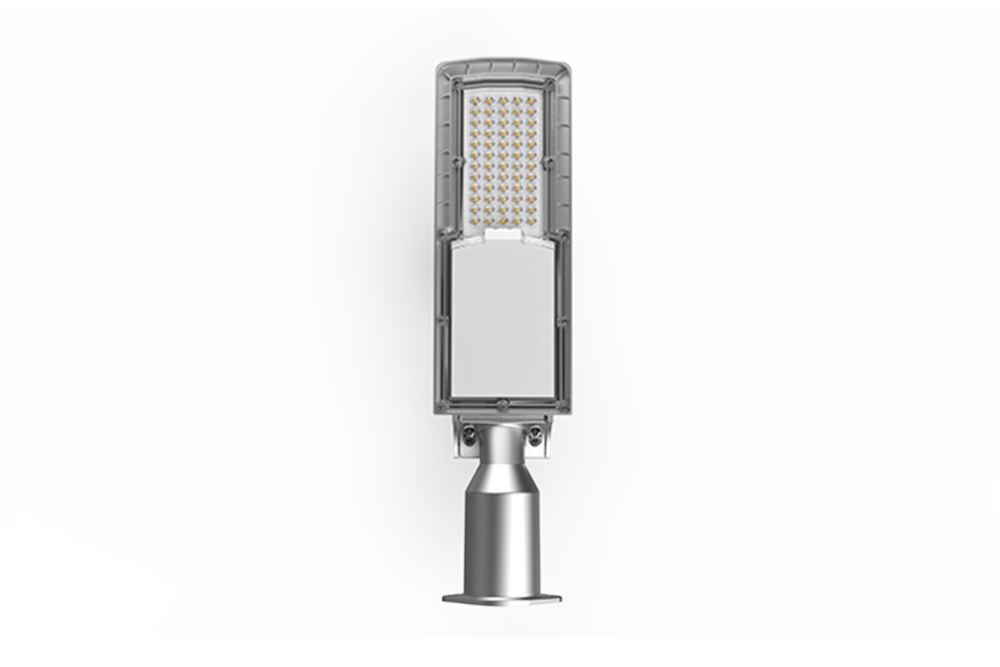
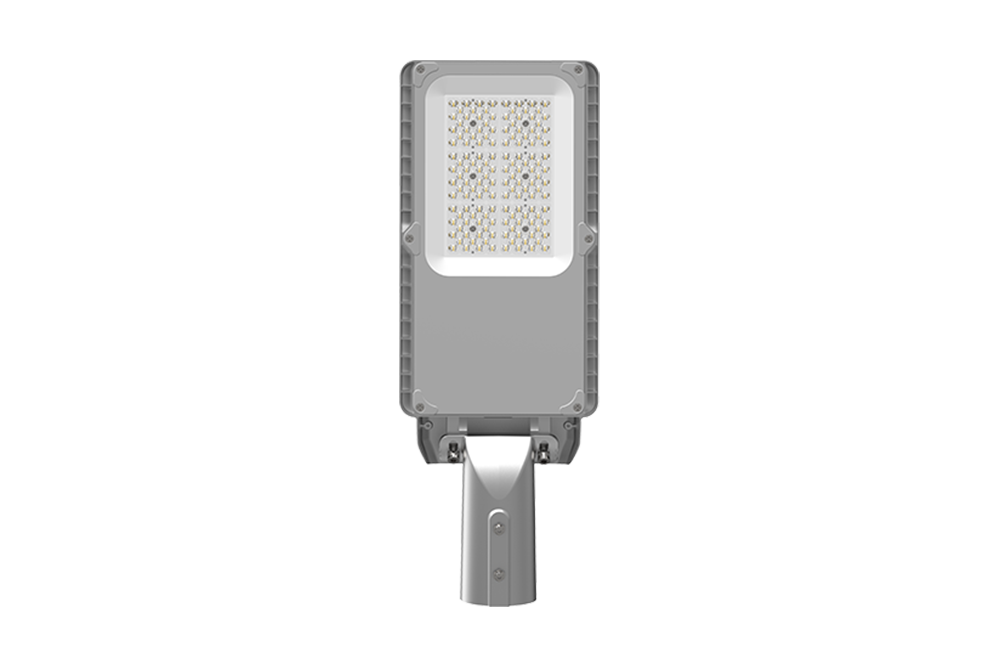
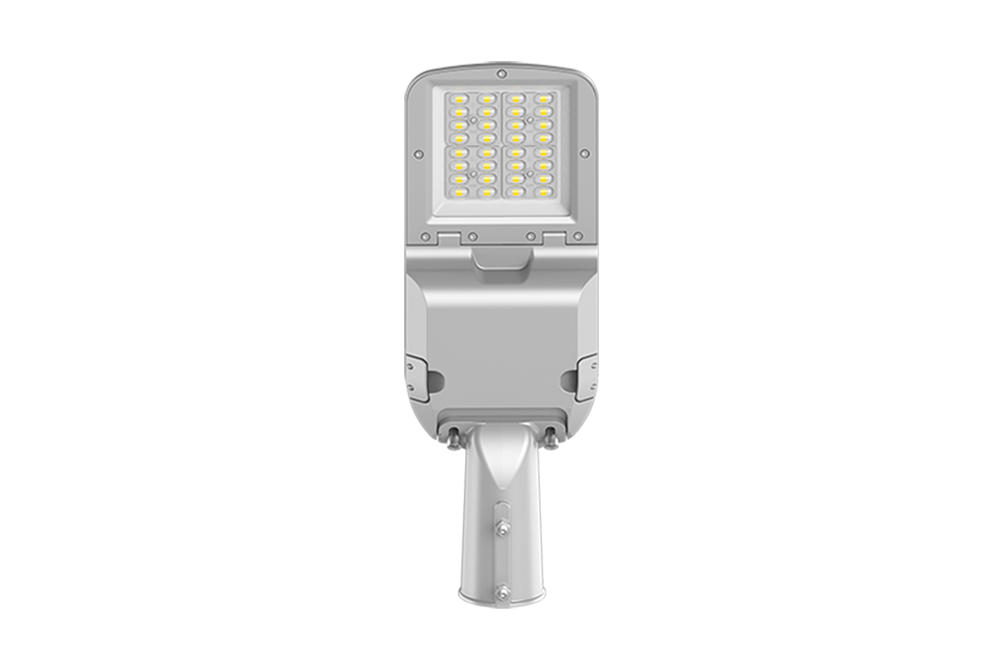
SEEKING STL-Series LED street lights deliver stable performance, 170 lm/W efficiency and 10KV surge protection. Ideal for city streets, parking lots, public roads and outdoor area lighting projects. Durable IP66 & IK08 design for long-term reliabi…
The SEEKING STC Series LED light street light delivers up to 170lm/W efficiency with MOSO drivers, IP66 protection, and a ±15° adjustable arm—ideal for roads, residential areas, and public lighting upgrades.
SEEKING STB Series LED street lighting delivers up to 160 lm/W, 10kV surge protection, IP66 waterproofing, and durable IK08 impact resistance. Ideal for streets, parking lots, and large outdoor areas needing long-lasting, energy-saving LED roadway…
The SEEKING STA Series LED street light delivers strong efficiency, IP66 protection, 10kV surge resistance and multiple beam patterns for roads, parking lots and urban areas. High lumen output, easy installation and reliable performance for long-t…
loading…
This is the last post!
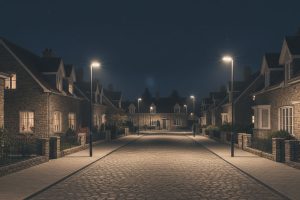
A 50W LED street light delivering up to 170 lm/W for roads, parks, and residential areas. Reliable performance and long service life by SEEKINGLED.
View details
what does atex mean? Learn the meaning of ATEX, hazardous area requirements, explosion protection standards, and why certified industrial equipment matters.
View details
Gym lighting solutions for fitness centers explained from an engineering perspective. This SEEKINGLED news article covers LED high bay, linear lighting design, glare control, lux levels, and energy efficiency.
View details
What industries use ATEX lighting? Discover where hazardous-area LED lighting is required, from oil refineries to grain plants and offshore platforms.
View details