 Seeking LED
What Are LED Street Lights?
255What are LED street lights and why cities are switching to them. A practical explanation based on real street lighting use, not theory.
View detailsSearch the whole station
How to install outdoor LED flood lights is one of the most common questions asked by contractors, facility managers, and even homeowners upgrading exterior lighting.
On paper, the process looks simple. In reality, outdoor environments introduce weather, height, and wiring challenges that shouldn’t be ignored.
This guide explains the installation in a clear, real-world way—without overcomplicating things.
Before touching tools, it’s worth checking a few basics:
In many SEEKINGLED projects, installers decide the mounting height first, then choose the beam angle that fits the space—not the other way around.
Outdoor circuits often share lines with other fixtures. Turn off the breaker and confirm there is no current.
Attach the bracket to a solid surface using expansion bolts or stainless screws. Avoid mounting directly to thin metal sheets or aging wood.
Typical connections include:
All joints should be placed inside a waterproof junction box. This step is often rushed—and causes most failures later.
Attach the fixture, then adjust the angle slightly downward. Too steep creates glare; too flat wastes light.
Testing after dark helps identify shadows, over-bright zones, or light spill into unwanted areas.
There’s no single rule, but general practice is:
Higher mounting requires a wider beam. SEEKINGLED waterproof outdoor led flood lights are often adjusted on site rather than fixed during installation.
When wiring outdoor LED flood lights, grounding is non-negotiable.
Also pay attention to:
Poor wiring doesn’t fail immediately—it usually shows up months later during rain or cold weather.
Yes. Many waterproof outdoor led flood lights support:
These controls reduce energy use and extend fixture life. SEEKINGLED flood lights are commonly paired with dusk-to-dawn sensors in commercial settings.
Some common issues seen on real job sites:
Most problems blamed on the product actually come from installation shortcuts.
Installing outdoor LED flood lights is not about speed—it’s about stability.
A correctly installed fixture should run quietly for years without adjustment.
That practical mindset is how SEEKINGLED approaches outdoor lighting: simple design, proper installation, and dependable performance in real conditions.
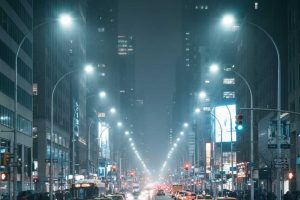
What are LED street lights and why cities are switching to them. A practical explanation based on real street lighting use, not theory.
View details
What Is explosion-proof flashlights? Learn how certified industrial flashlights protect workers in hazardous areas with explosion-proof design, standards, and field insights.
View details
ATEX LED floodlight solutions deliver safe, high-output illumination for hazardous locations. Discover certifications, applications, and selection insights for industrial environments.
View details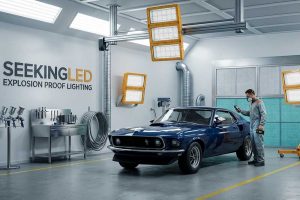
Explosion proof lights for paint booth ensure safe, uniform illumination in flammable spray zones. Learn standards, layout tips, and expert insights.
View details