 Seeking LED
Can ATEX flood lights be used outdoors?
0Can ATEX flood lights be used outdoors? Learn how explosion-proof LED flood lights handle rain, salt spray, dust, and hazardous outdoor industrial environments.
View detailsSearch the whole station
Paint booth light fixtures are sealed, high-efficiency luminaires designed to deliver uniform, shadow-free illumination while preventing ignition risks in flammable spray environments.
That’s the short answer. In practice, lighting inside a paint booth is less about brightness—and more about control, safety, and consistency over time.
Inside a spray booth, you’re dealing with:
According to OSHA (Occupational Safety and Health Administration) guidelines for spray finishing, electrical equipment in these areas must be designed to prevent ignition of flammable vapors.
This is why standard LED floodlights—even high-quality ones—don’t belong here.
Painters don’t just need light—they need color accuracy.
A slight shift in color rendering can lead to:
In automotive refinishing, even a ΔE shift of 1–2 can be noticeable.
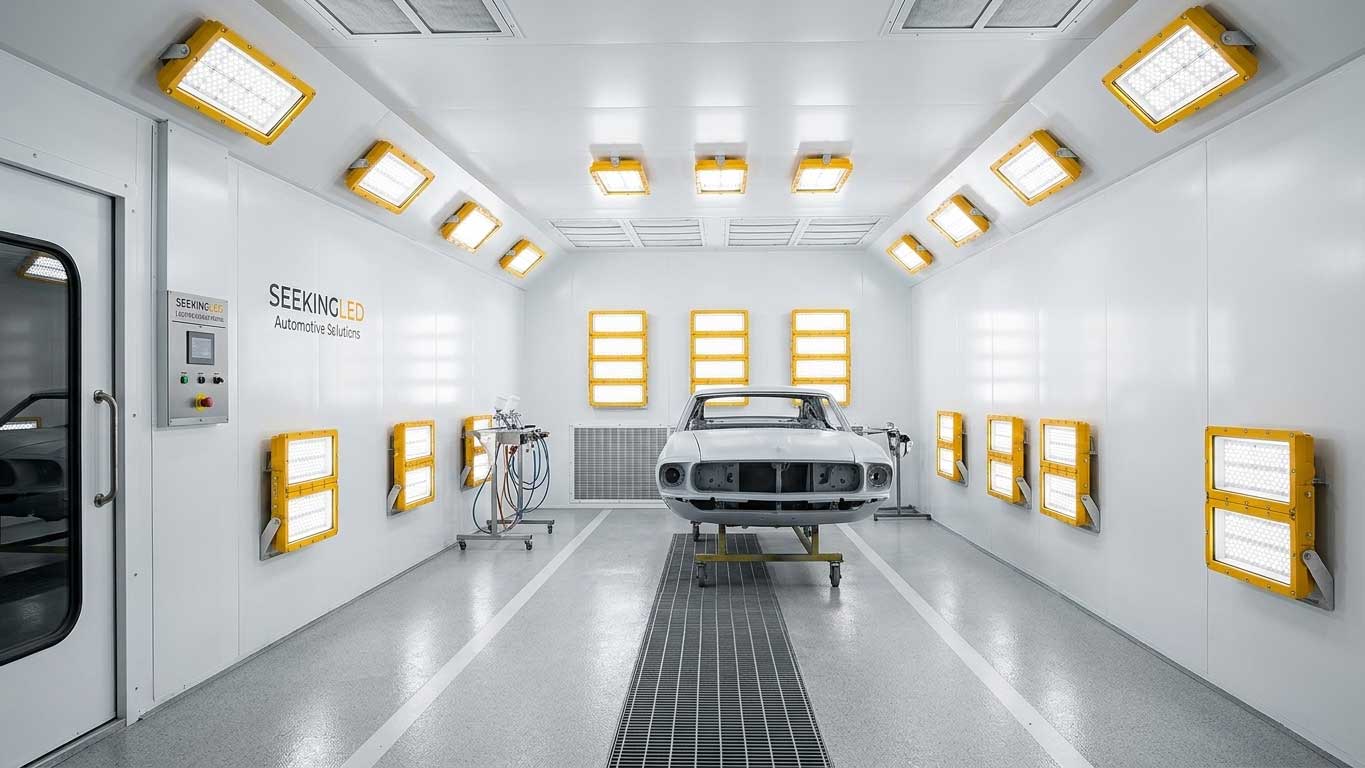
Depending on booth classification:
According to NFPA 33 (Standard for Spray Application Using Flammable Materials):
This is not just a recommendation—it’s code.
Typical requirements:
Why it matters:
From field experience, moving from CRI 70 to CRI 90 reduced repaint rates in one workshop by nearly 18% over 6 months.
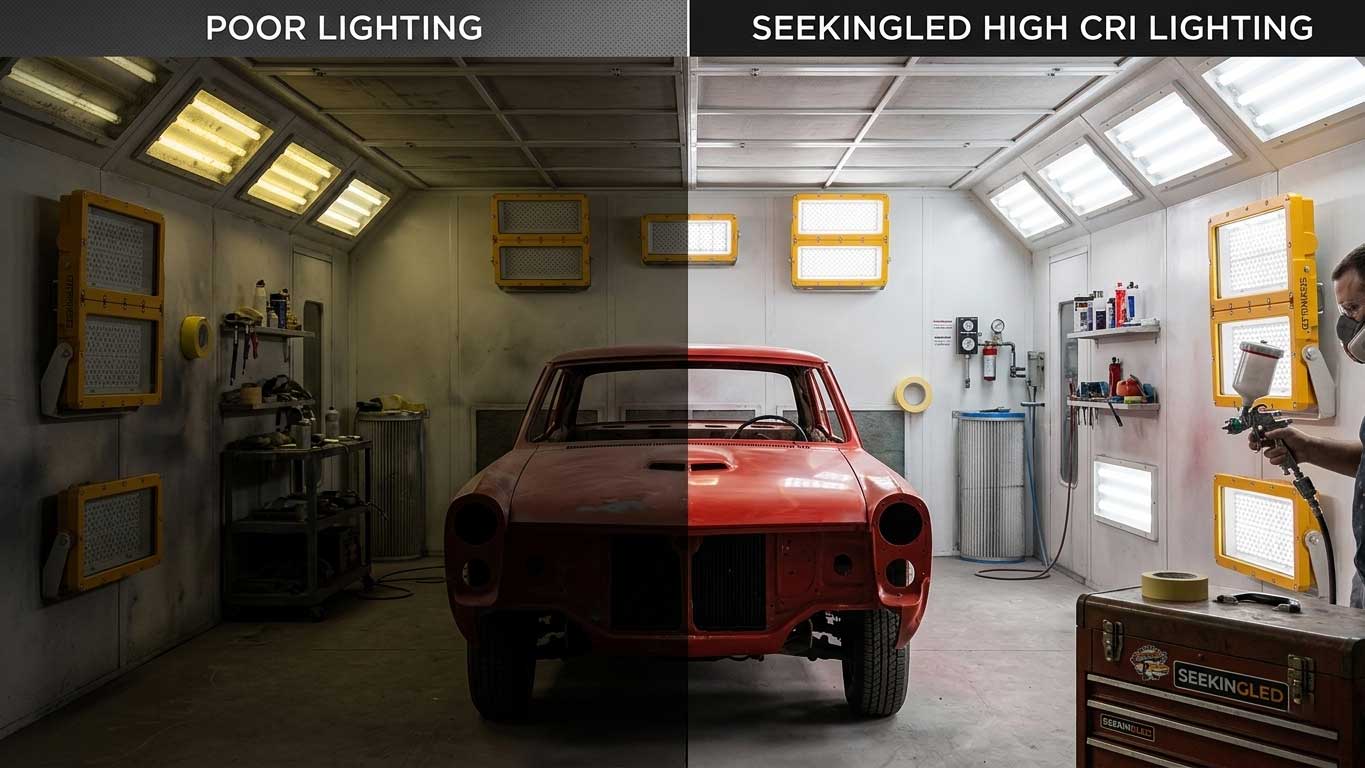
Good paint booth lighting:
Because shadows hide defects—and defects cost money.
Typical construction:
Dust and overspray are relentless. If maintenance is difficult, performance drops quickly.
Most effective setups include:
This creates:
According to IES (Illuminating Engineering Society) recommendations:
Anything below that—and defects start slipping through.
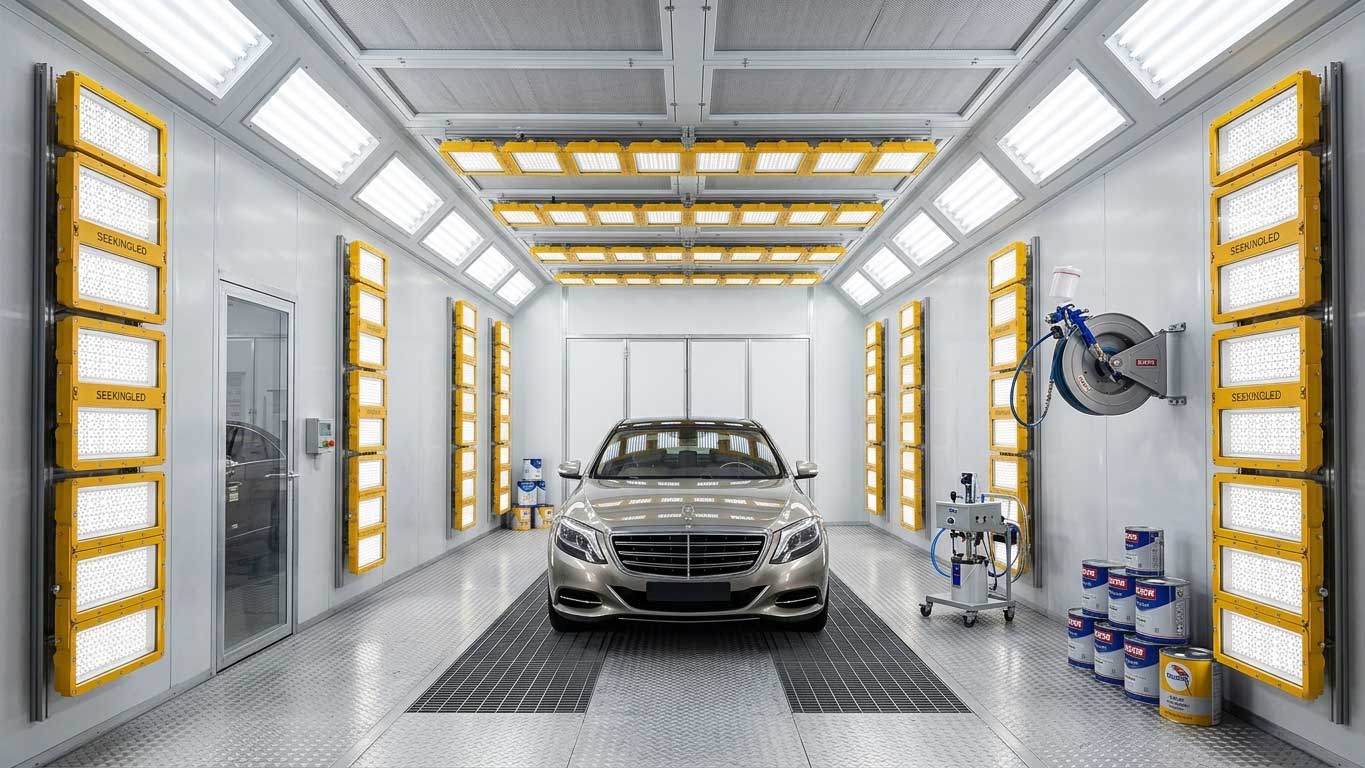
More lumens ≠ better results.
Bad placement leads to:
In one facility, fixtures were installed behind panels with no quick access.
Result:
This still happens.
Short-term savings, long-term risk:
| Feature | Standard LED Light | Paint Booth Light Fixtures |
|---|---|---|
| Sealing | Basic | Fully sealed / isolated |
| Safety rating | General use | Hazardous area compliant |
| CRI | 70–80 | 80–90+ |
| Installation | Flexible | Structured layout |
| Maintenance | Moderate | Designed for cleaning |
From my work with SEEKINGLED systems, the difference shows up in the details:
In one automotive facility retrofit, switching to SEEKINGLED paint booth light fixtures improved inspection efficiency enough to reduce rework cycles by over 12% within the first quarter.
Not dramatic on paper—but very real in production.
Some are. Others are isolated behind sealed glass panels. It depends on booth classification and standards.
Typically 5000K–6500K for daylight simulation and accurate color matching.
In high-use booths, every 1–3 months to maintain light output and clarity.
This guide is based on hands-on experience across:
Over the past decade, I’ve seen more lighting issues caused by layout and maintenance decisions than by product failure itself.
That’s where most real-world problems start.
Paint booth light fixtures are not just about illumination.
They shape visibility, safety, and finish quality—every single day.
Choose them like part of your process, not just your equipment.
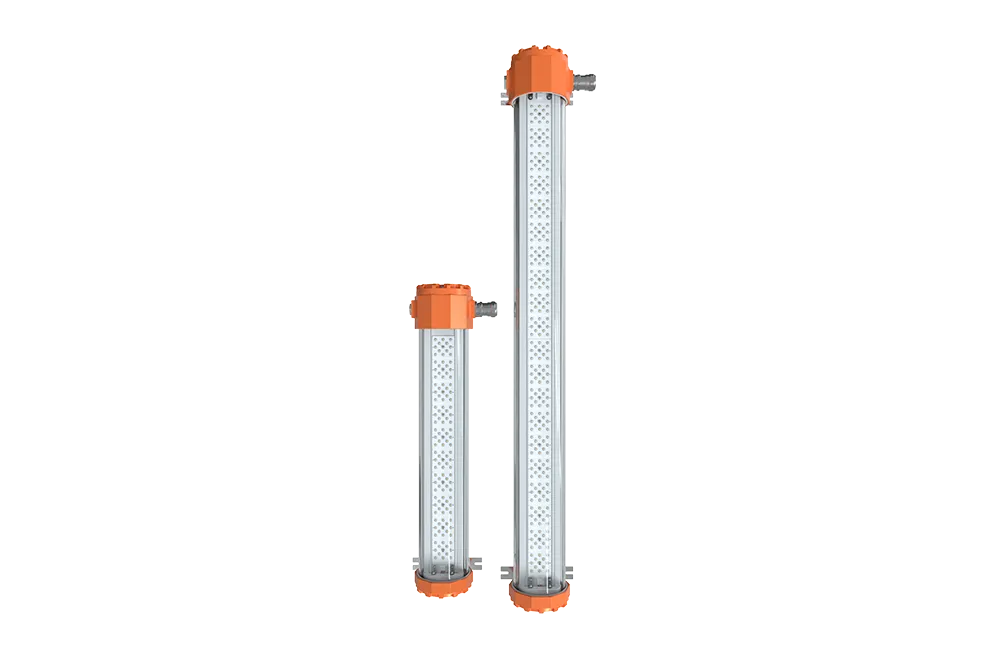
SEEKINGLED LED Linear Explosion Proof Light and Explosion Proof lighting is ATEX and IECEx certified for Zone 1, Zone 2, Zone 21 and Zone 22 hazardous locations, built for long-term industrial use.
View details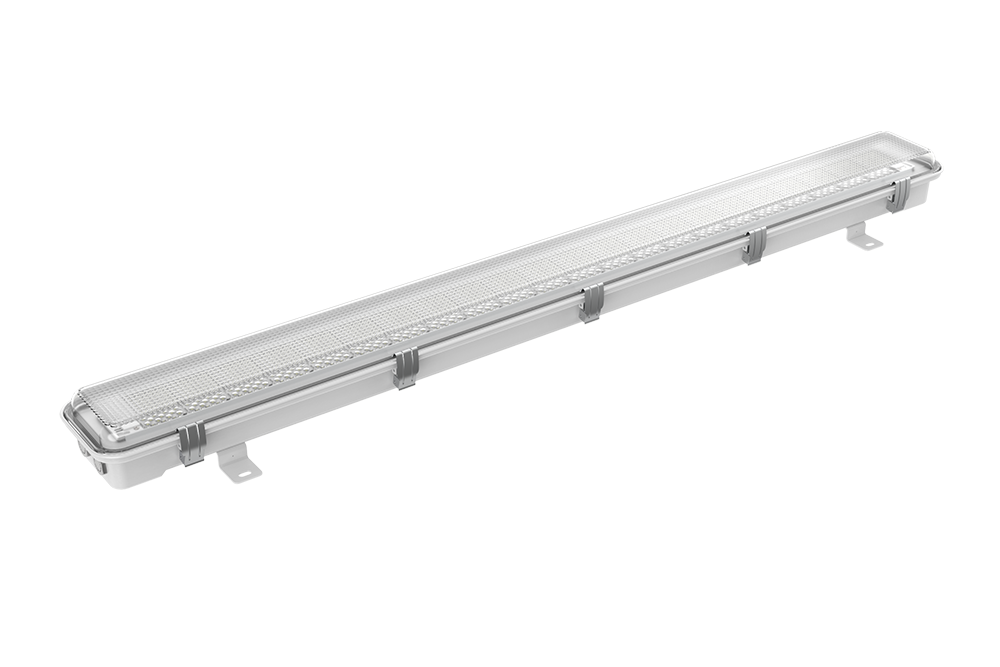
LED Linear Explosion Proof Lights and EX Proof lights for Zone 1, Zone 2, Zone 21 and Zone 22 hazardous areas. ATEX & IECEx certified explosion proof LED linear lighting with emergency function, adjustable power and IP67 protection by SEEKINGLED.
View details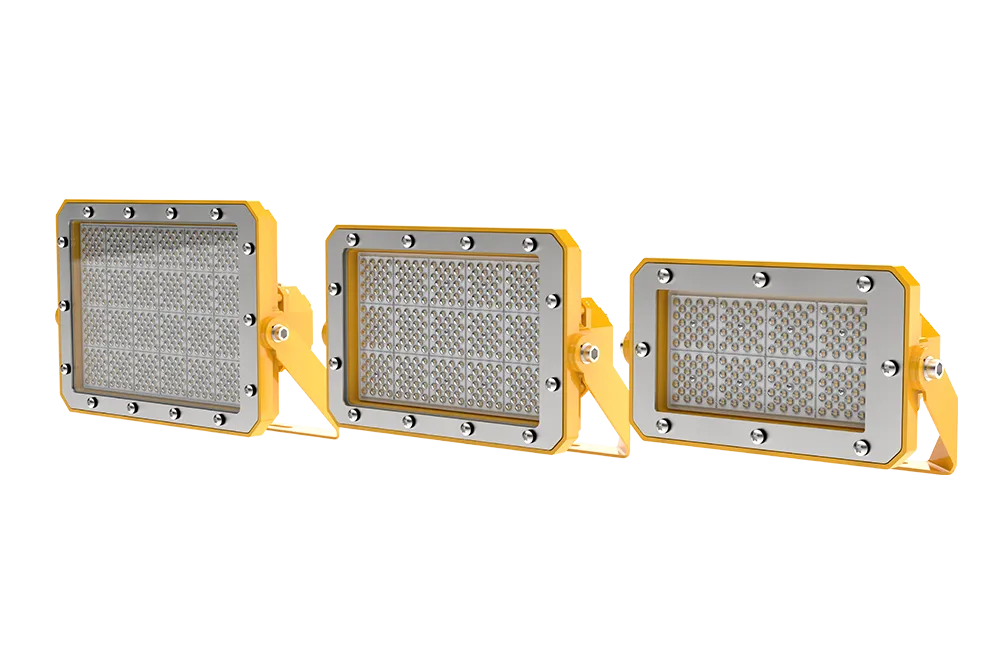
SEEKINGLED LED Explosion Proof Flood Lights are ATEX certified for Zone 2 and Zone 22 hazardous areas, offering high efficiency, adjustable power and integrated junction box.
View details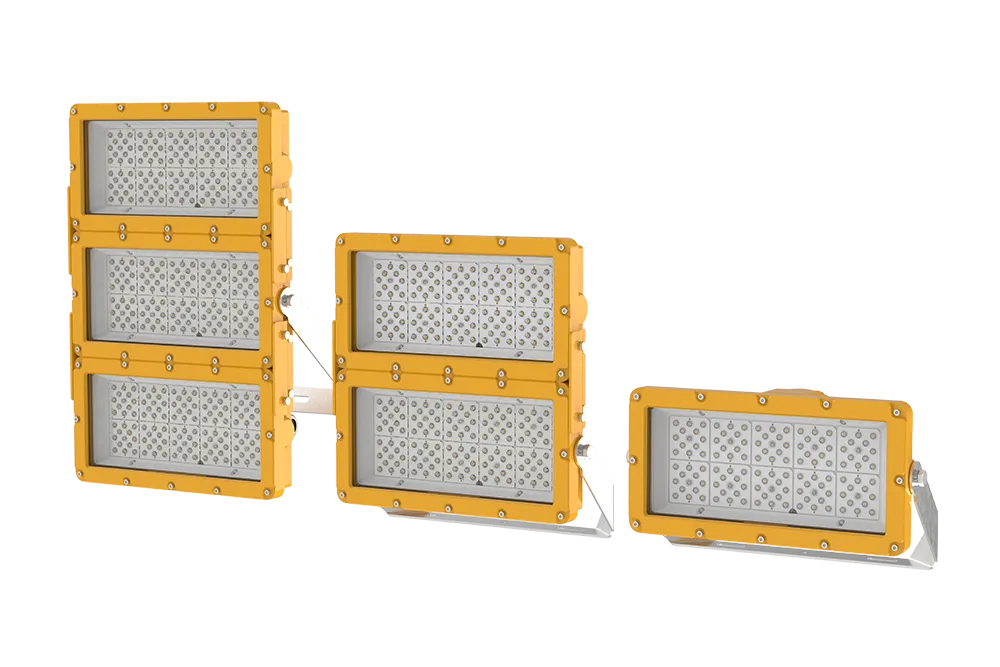
SEEKINGLED LED Explosion Proof Flood Lights are flameproof ATEX and IECEx certified for Zone 1 and Zone 2 hazardous areas, offering high power, adjustable output and long service life.
View details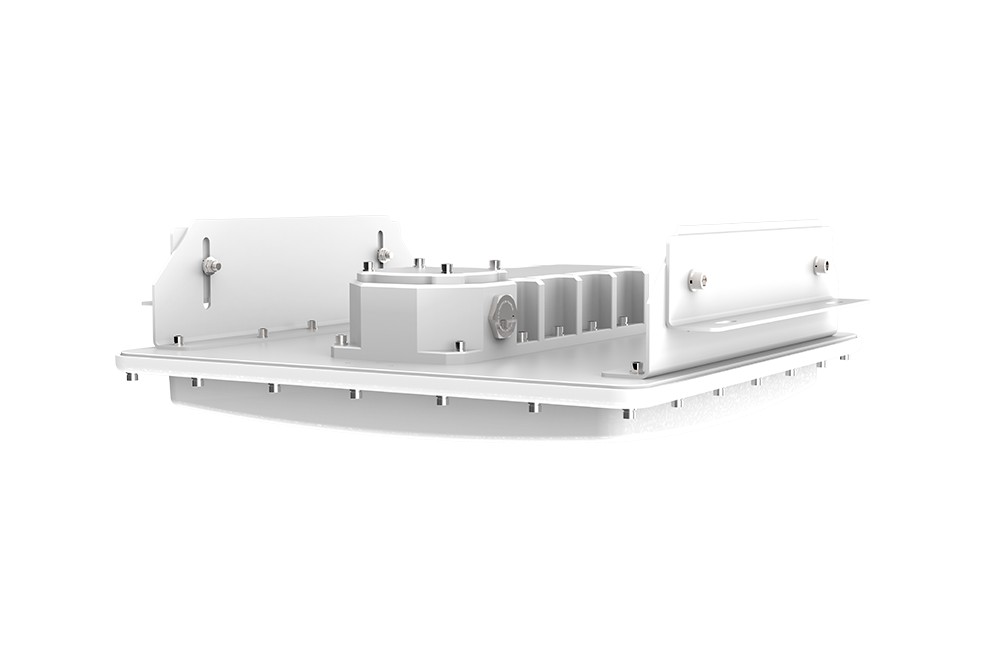
SEEKINGLED LED Gas Station Canopy Lights are ATEX certified for Zone 2 and Zone 22 hazardous areas, featuring adjustable power and built-in explosion-proof junction box.
View details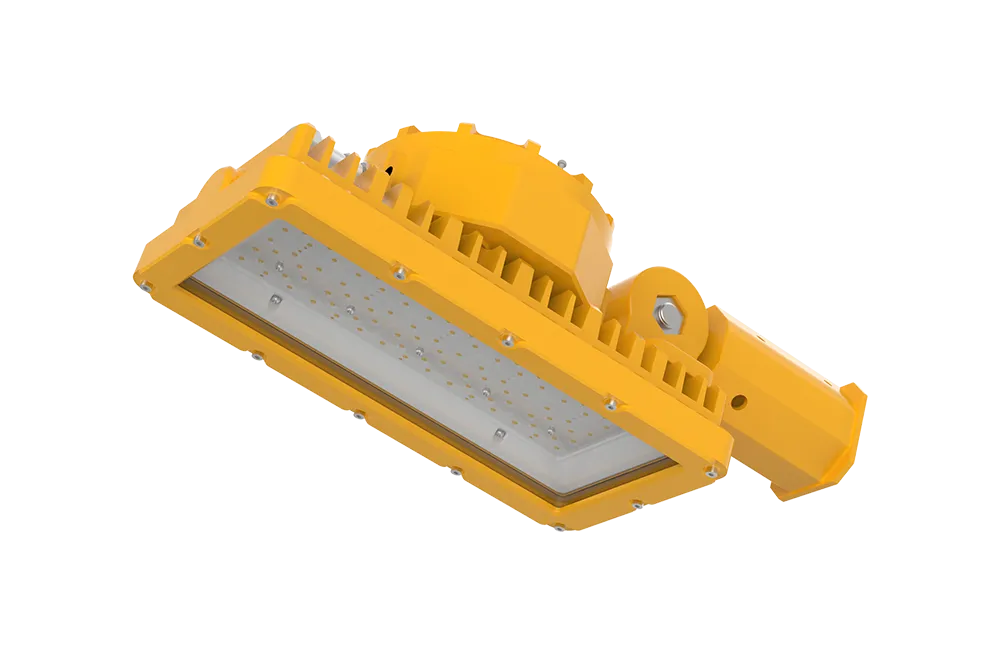
ATEX: Ex II 2G Ex db IIB T6/T5 GbEx II 2D Ex tb IIIC T80°C/ T95°C Db IECEx Ex db IIB T6 Gb;Ex tb IIIC T80°C Db Feature: ● For Zone 1,2 and Zone 21,22● Flameproof type, the strongest● 100W can replace 250W HID,energy saving● Power:60W,80W,100W Application: Oil and gas, marine, Chemical, pharmaceutical, semiconductor,mining,military industr…
View details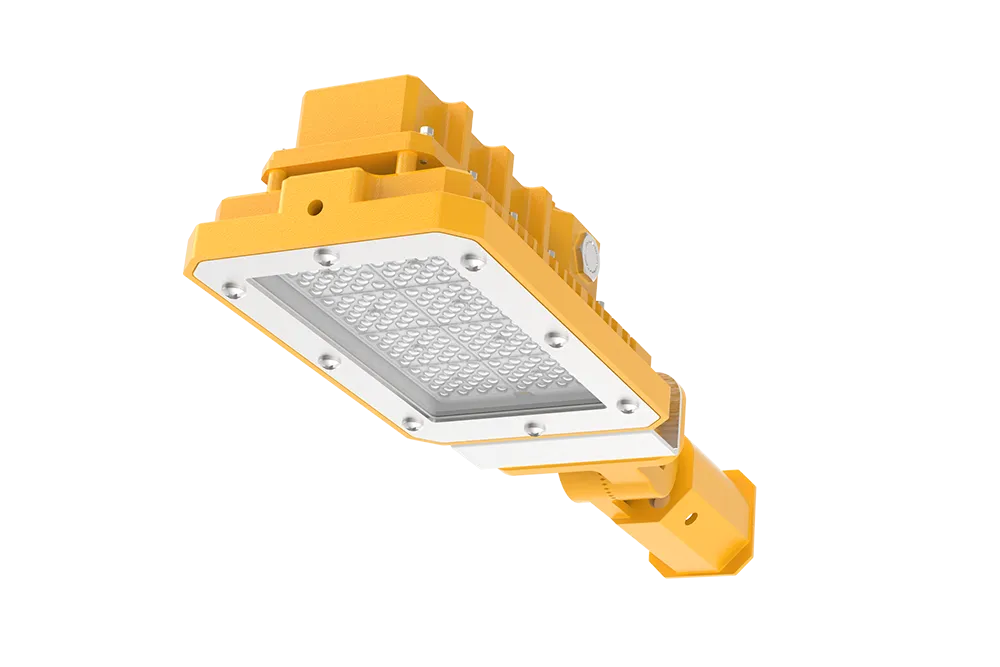
ATEX: II 3G Ex nR ⅡC T5/T6 GcII 3D Ex tc ⅢC T80℃/T95℃Dc ATEX Certificate NO: TÜV CY 26 ATEX 0207611 X Feature: ● For Zone 2 and Zone 22● 150W can replace 250W HID lamps,Energy saving● Power:50W,75W,100W,150W,200W Application: Oil and gas, marine, Chemical, pharmaceutical, semiconductor,mining,military industry, paint booth,power plant ETC…
View details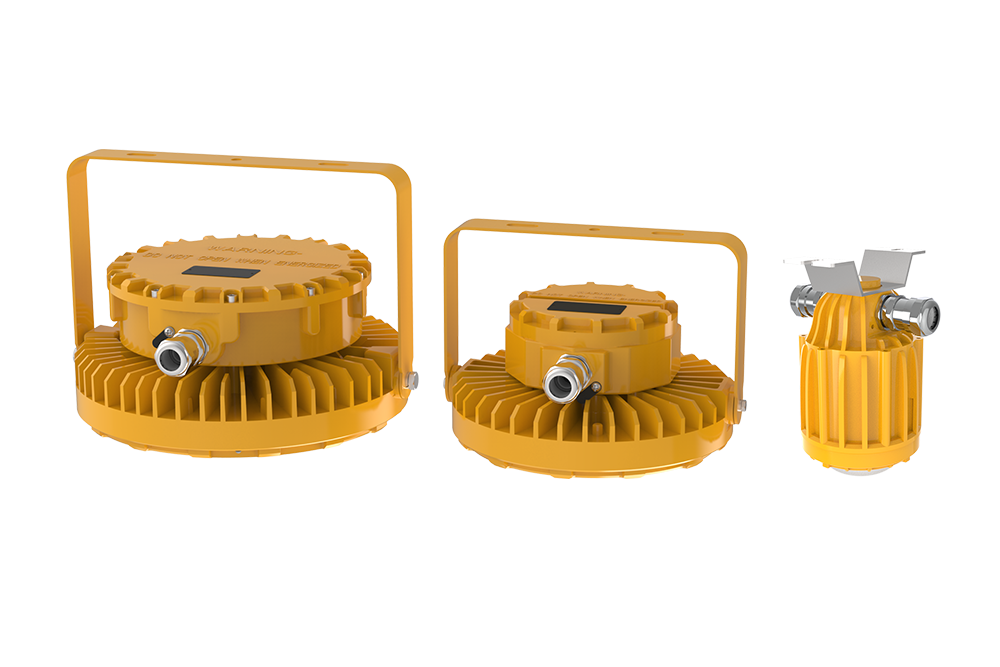
LED explosion proof high bay lights are designed for Zone 1, Zone 2, Zone 21 and Zone 22 hazardous areas. This page introduces the HB21 Series from SEEKING, including certifications, power options and real application considerations.
View details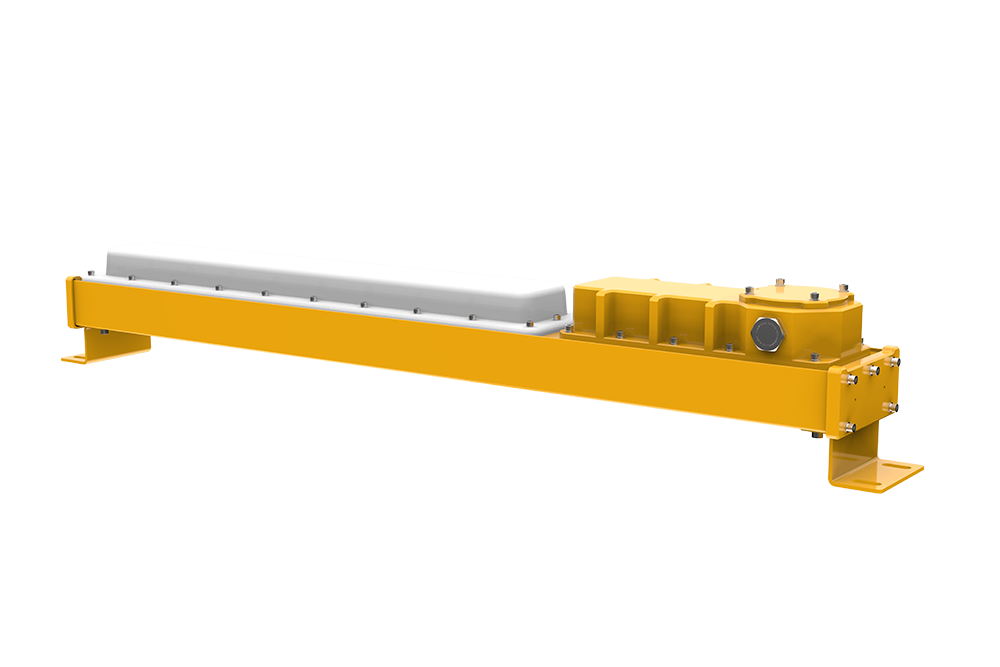
LED Linear Explosion Proof Lights from SEEKINGLED. LU Series Flame Proof lights ATEX-certified explosion proof LED linear lighting for Zone 2 gas and Zone 22 dust areas, IP69K, IK10, long lifetime and flexible power options.
View details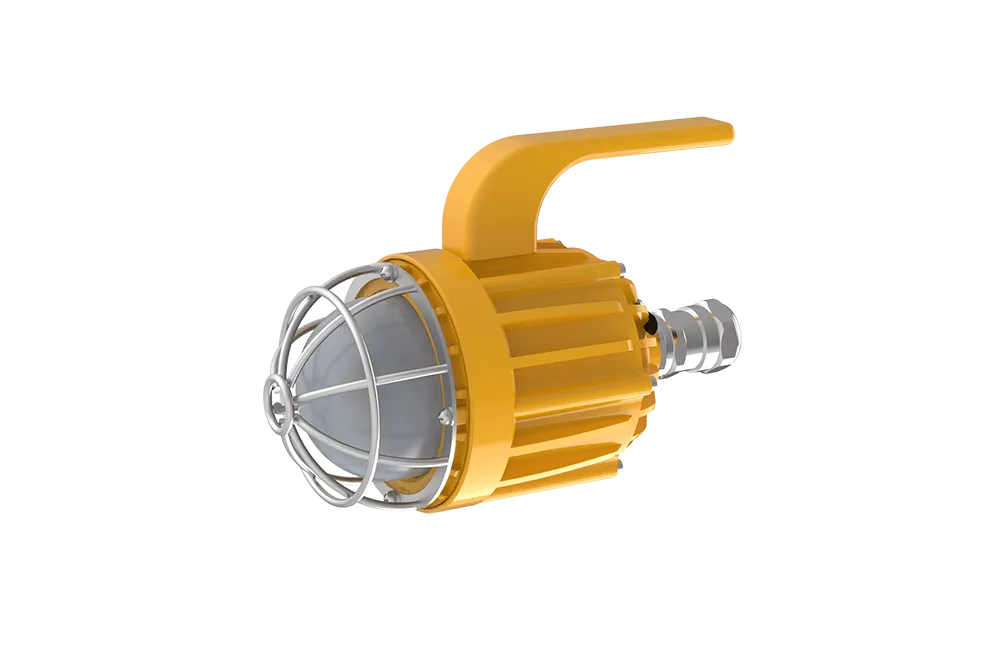
Certified explosion proof work lights for Zone 1 & 21 hazardous areas. Portable, ATEX & IECEx approved, built for oil, gas and chemical plants by SEEKINGLED.
View details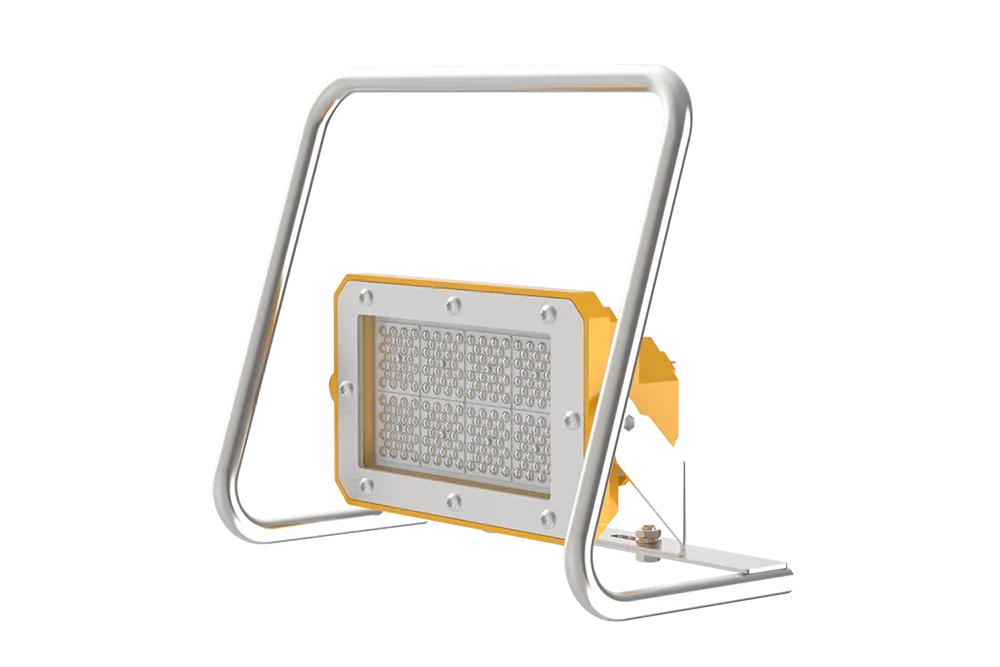
ATEX: II 3G Ex nR ⅡC T6 GcII 3D Ex tc ⅢC T80℃ Dc ATEX Certificate NO: TÜV CY 26 ATEX 0207611 X Feature: ● For Zone 2 and Zone 22● Accepts battery-powered supply● indestructible● Power:AC input:50W,75W,100WDC input:15W,25W,35W Application: Oil and gas, marine, Chemical, pharmaceutical, semiconductor,mining,military industry, paint booth,po…
View details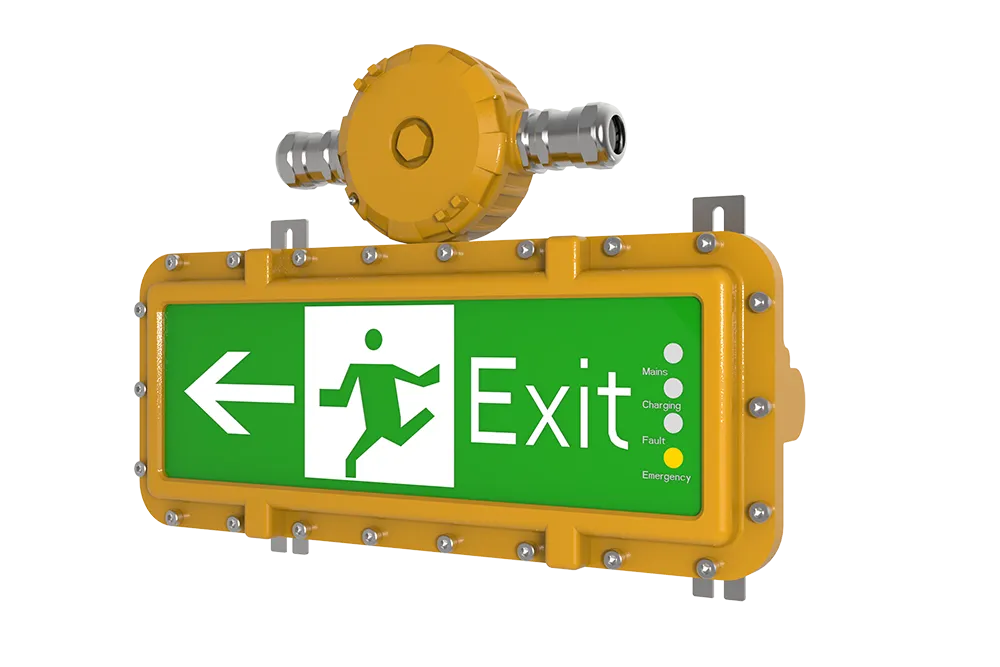
ATEX: Ex II 2G Ex db IIB T6 GbEx II 2D Ex tb IIIC T80°C Db IECEx Ex db IIB T6 Gb;Ex tb IIIC T80°C Db Feature: ● For Zone 1,2 and Zone 21,22● Flameproof type, the strongest Application: Oil and gas, marine, Chemical, pharmaceutical, semiconductor,mining,military industry, paint booth,power plant ETC hazardous area. Technical Specifications:…
View details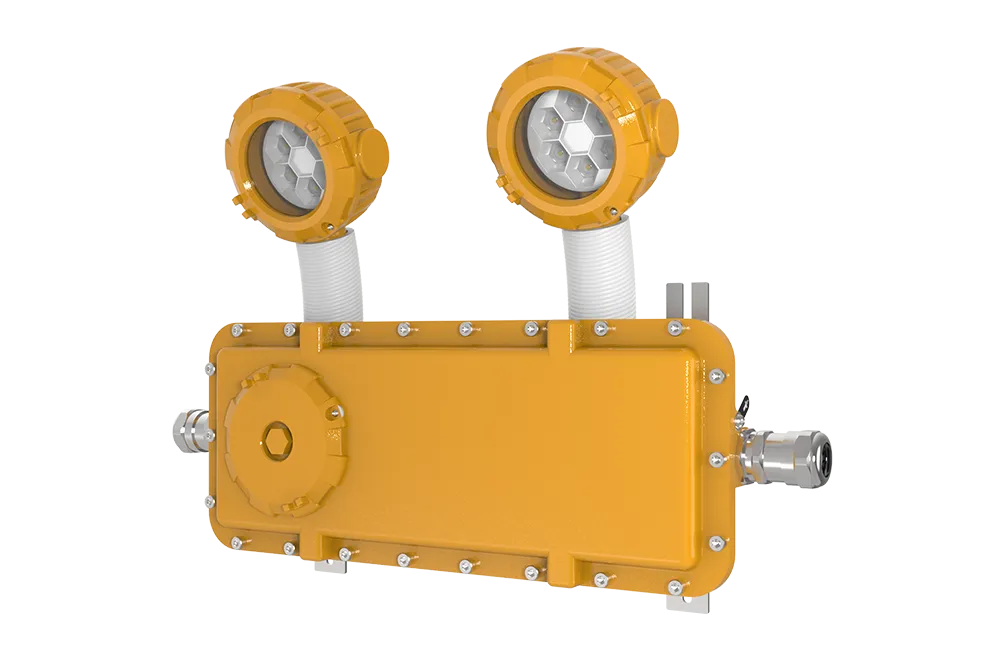
ATEX: Ex II 2G Ex db IIB T6 GbEx II 2D Ex tb IIIC T80°C Db IECEx Ex db IIB T6 Gb;Ex tb IIIC T80°C Db Feature: ● For Zone 1,2 and Zone 21,22● Flameproof type, the strongest Application: Oil and gas, marine, Chemical, pharmaceutical, semiconductor,mining,military industry, paint booth,power plant ETC hazardous area. Technical Specifications:…
View details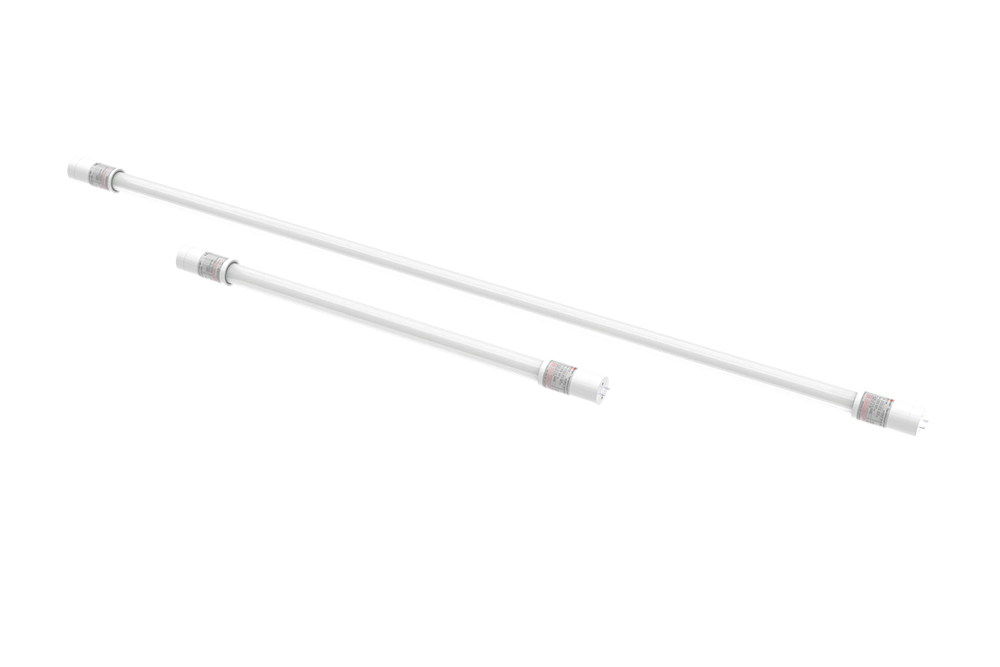
ATEX: Ex II 2G Ex d e IIB T6 Gb ATEX: Ex d e IIB T6 Gb; Feature: ● For Zone 1,2● 9W can replace 18W fluorescent lamps,50% Energy saving Application: Oil and gas, marine, Chemical, pharmaceutical, semiconductor,mining,military industry, paint booth,power plant ETC hazardous area. Technical Specifications: Standards:60079-0, 60079-1, 60079…
View details
Can ATEX flood lights be used outdoors? Learn how explosion-proof LED flood lights handle rain, salt spray, dust, and hazardous outdoor industrial environments.
View details
Enhance building appearance with facade lighting LED solutions. Energy-efficient, durable outdoor lighting designed for real architectural projects by SEEKINGLED.
View details
Learn professional atex lights installation methods for hazardous areas. Explore safety requirements, certification considerations, and expert guidance from SEEKINGLED.
View details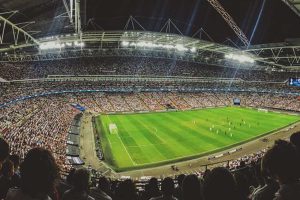
This article shares real engineering experience with Sports Stadium LED Lighting Technology, focusing on visibility, energy use, and long-term operation in modern stadiums by SEEKINGLED.
View details