 Seeking LED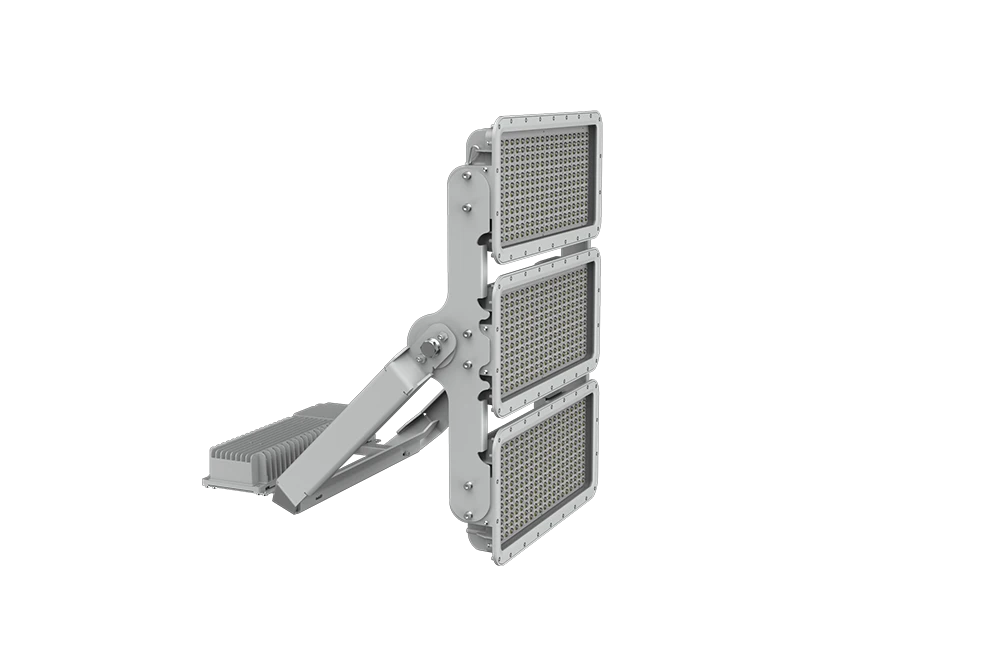
Lamp Explosion Proof: What It Means in Real Industrial Use
0Lamp explosion proof explained: real safety design, certifications, and industrial use cases. Learn how explosion proof lamps work from SEEKINGLED experts.
View detailsSearch the whole station
Answer:
Short answer — longer than most people expect, but not as “forever” as some marketing claims.
In real terms, when someone asks how long should LED lights last, the usual figure is 30,000 to 50,000 hours. Higher-end fixtures can go beyond that, sometimes reaching 70,000 hours under controlled conditions.
But here’s the thing. That number doesn’t mean the light suddenly dies at 50,000 hours. It doesn’t work like old bulbs.
LEDs fade.
This is where expectations often go wrong.
Traditional bulbs fail abruptly. LEDs don’t. Instead, they lose brightness over time. That’s called lumen depreciation.
Most manufacturers rate lifespan at L70, meaning the light still outputs 70% of its original brightness. So technically, your LED is still “working”… just not as bright as it used to be.
I’ve seen warehouse installations where lights were still on after years, but the floor looked noticeably darker. No one realized it until new fixtures were installed side by side.
That contrast tells the real story.
If you want a more honest answer to how long do LED lights last in hours, you have to look beyond the spec sheet.
Heat is the biggest factor.
Poor heat dissipation shortens lifespan fast. Not gradually — fast. Especially in enclosed fixtures or outdoor installations under direct sun.
One project comes to mind: a set of LED flood lights installed near a metal roof. Looked fine at first. But after a year, several units had dropped significantly in brightness. The heat buildup was the issue, not the LEDs themselves.
That’s why at SEEKINGLED, thermal design is treated as a priority, not an afterthought.
Here’s something not often mentioned.
In many cases, the LED chips are still fine when the light stops working. It’s the driver that fails first.
The driver regulates power. If it’s low quality or exposed to unstable voltage, it can fail well before the LEDs reach their rated lifespan.
So when people ask why do LED lights fail early, this is usually the answer.
Not the LED. The system around it.
You can’t compare a living room LED to one installed in a factory or parking garage.
Dust, moisture, vibration, temperature swings — all of these reduce lifespan.
For example:
This is why sealed fixtures like tri-proof or IP-rated lights tend to last longer in harsh conditions. They simply keep damaging elements out.
Constant on/off switching doesn’t damage LEDs the way it did with older lighting, but it still has some effect — mainly on drivers.
On the other hand, running LEDs at full power 24/7 generates more heat, which slowly reduces lifespan.
So if you’re thinking about how to extend LED light lifespan, the answer is simple, but not always followed:
Sounds basic. But in practice, it’s where most failures start.
Two lights both labeled “50,000 hours” can behave very differently.
The difference comes down to:
Lower-cost products often meet the number on paper but struggle in real use. You’ll see faster dimming, color shift, or early driver issues.
That’s why professional-grade lighting, like what SEEKINGLED typically supplies, focuses on consistency over time — not just initial brightness.
If everything is done right — proper installation, decent environment, quality fixture — a good LED light should last:
But expecting full brightness for that entire period? Not realistic.
There will be gradual change. It’s subtle at first, then noticeable.
More answers
How to Change LED Flood Light Bulb?
how to change outdoor led light bulb?
How Bright Is a 10W LED Floodlight?
How Many Amps Does a LED Flood Light Use?
So, how long should LED lights last?
On paper, tens of thousands of hours. In reality, it depends on heat, environment, and component quality.
LEDs don’t fail dramatically. They age quietly.
And if you’ve ever replaced an old LED with a new one in the same spot, you already know — the difference isn’t small.

Lamp explosion proof explained: real safety design, certifications, and industrial use cases. Learn how explosion proof lamps work from SEEKINGLED experts.
View details
How to make LED street light from components to finished fixture. A realistic breakdown of LED street light manufacturing, design choices, and common misconceptions.
View details
27-30th,October,2014 Booth: 5B-B29HBL series high bay light include 100W, 120W, 150W, 200W, 240W, update to SMD3030 LED chip, IP65. use Meanwell HLG series driver, whole lamp 5 year warranty. Improve to 140lm/w, less heat. ...
View details
what does atex stand for? Discover the meaning of ATEX, explosive atmosphere regulations, hazardous area equipment requirements, and industrial safety applications.
View details