 Seeking LED
What Height Should High Bay LED Lights Be?
293What height should high bay LED lights be for warehouses, factories, and gyms? This Q&A explains mounting height ranges and real installation considerations.
View detailsSearch the whole station
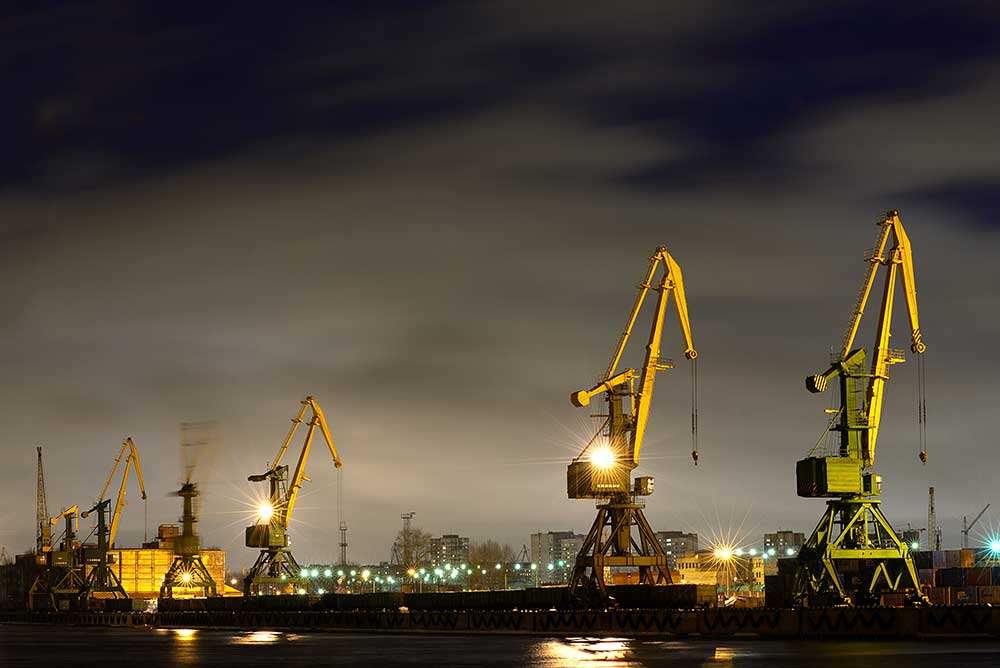
Classified by explosion pressure, MESG and MIC. Hazard decreases from A to D:
Classified by conductivity, abrasiveness and explosiveness:
Check the nameplate for Class I (A-D) or Class II (E-G). Gas-rated equipment cannot be used for dust and vice versa. Higher hazard groups (e.g. B) can often cover lower ones (C, D), but not reverse.
T-Code must match the substance’s auto-ignition temperature.
International Equivalents (IEC/ATEX):
Identify specific group using NFPA 497/499 or NEC tables.
Equipment must meet Class + Group + Division/Zone + T-Code.
If you have a specific substance (e.g. hydrogen or aluminum powder), I can help identify the exact group!
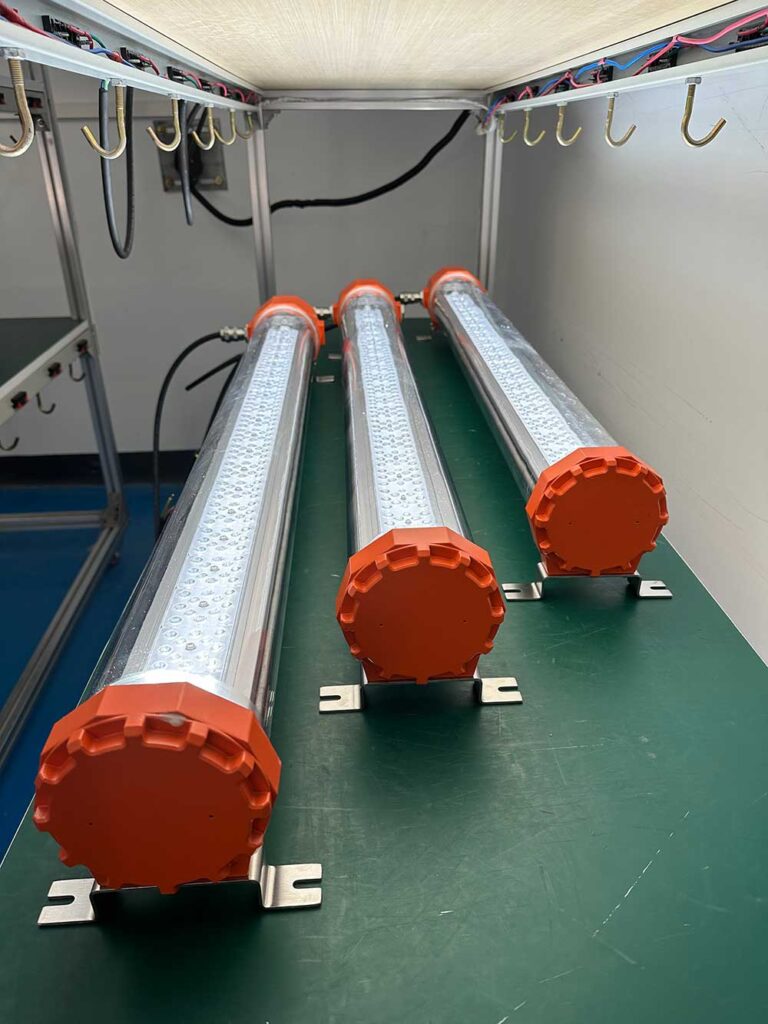
details:https://seekingled.com/lo-series-led-linear-explosion-proof-lights
Product Video: https://youtube.com/shorts/nUjB5WcywmM
SEEKINGLED | Zone 1 & Zone 2 Explosion Proof LED Lights
📩 sales01@seekingled.com
📱 WhatsApp: +86 134 1860 0102
What height should high bay LED lights be for warehouses, factories, and gyms? This Q&A explains mounting height ranges and real installation considerations.
View details
Discover why SEEKINGLED explosion-proof lighting is trusted worldwide. ATEX & IECEx certified, flameproof design, high efficiency, and reliable performance for hazardous areas.
View details
Choose eco friendly flood lights for lower energy use, longer lifespan, and reduced carbon impact. Reliable outdoor LED solutions built by SEEKINGLED.
View details
Are LED street lights better for cities and roads? This guide explains real advantages, limits, and when LED street lighting actually performs better.
View details