 Seeking LED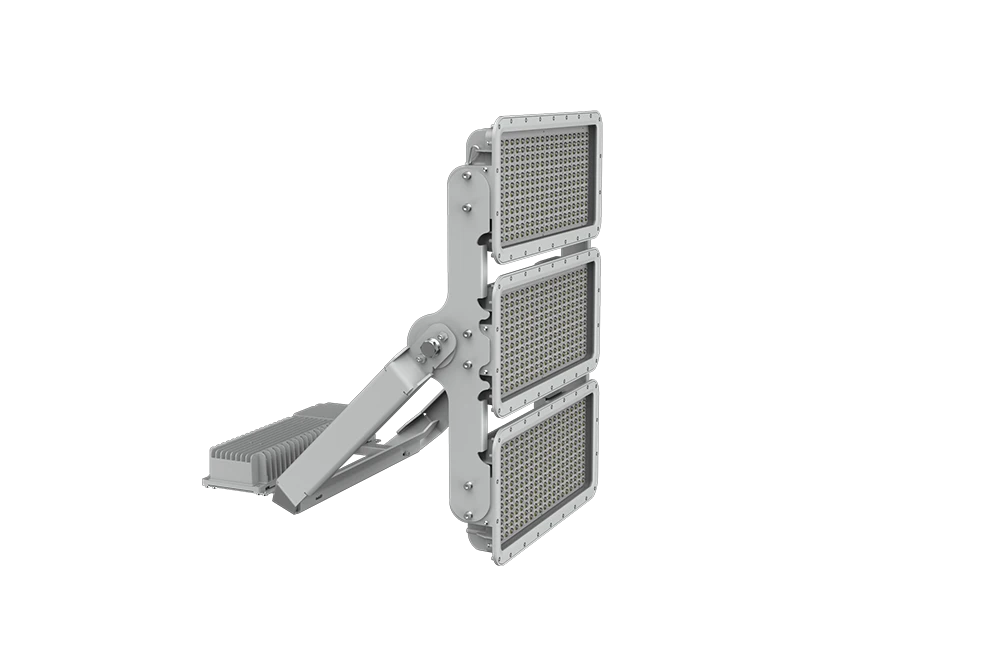
ATEX Belysning: Safe Lighting for Hazardous Industrial Areas
0ATEX belysning for explosive zones. Learn how certified hazardous lighting improves safety, durability, and efficiency in industrial environments.
View detailsSearch the whole station
If you’re asking why does my LED flood light flash, the cause is usually not the LED chips themselves. In most cases it’s one of four things: unstable power supply, driver issues, poor wiring, or an incompatible dimming or sensor system.
That sounds simple on paper. In the field it’s rarely that neat.
I’ve seen brand-new flood lights flicker the first night they were installed. And I’ve also seen ten-year-old fixtures run perfectly while newer ones struggled. The difference usually comes down to power quality and driver design.
Let’s walk through what actually happens.
The first thing I check when someone asks why does my LED flood light flash is voltage stability.
Outdoor lighting circuits often share power with other equipment. Motors start. Compressors cycle. Large loads switch on and off.
Those changes cause voltage dips.
LED drivers are designed to stabilize current, but cheaper drivers struggle when input voltage swings too much. Instead of smooth output, they pulse. The human eye sees that as flashing or flickering.
In older industrial areas I’ve measured voltage swings between 210V and 245V on the same line within seconds. Some drivers tolerate that. Others don’t.
High-quality drivers, like those used in many SEEKINGLED flood lights, are built to handle wider input ranges and smoother regulation.
Not all flood lights are.
Drivers fail quietly.
No sparks. No smoke. Just strange behavior.
Sometimes the flood light flashes every few seconds. Sometimes it flickers constantly but only after warming up.
That’s a classic sign the driver’s capacitors are aging or overheating.
According to the U.S. Department of Energy Solid-State Lighting reliability studies, electronic drivers are one of the most common failure points in LED lighting systems. Not the LED chips — the electronics.
Heat makes it worse. Flood lights mounted on metal walls or under direct sun run hotter than expected.
If the driver was already marginal, flashing shows up sooner or later.
This one is surprisingly common.
Someone installs the light quickly. A neutral wire isn’t fully tightened. Or moisture enters a poorly sealed junction box.
The result? Intermittent current.
The light doesn’t completely shut off. Instead it pulses. Sometimes slowly. Sometimes rapidly.
When someone asks why does my LED flood light flash, I usually recommend checking connections before replacing the fixture. More than once the problem turned out to be a loose terminal.
It takes five minutes to verify.
Security flood lights often include sensors.
Motion detectors. Daylight photocells. Smart controllers.
If those devices are low quality — or wired incorrectly — the flood light may repeatedly switch on and off.
From a distance it looks like flickering.
In reality the fixture is being rapidly triggered by the control system.
A photocell exposed to nearby lighting can also confuse itself. It detects light, turns off, then immediately turns back on when darkness returns.
Cycle repeats.
Flash. Pause. Flash again.
Not every flashing light is caused by wiring or drivers. Sometimes the fixture itself is poorly built.
Low-grade LED chips degrade quickly under heat. When their forward voltage changes, the driver struggles to maintain stable current.
Output begins to fluctuate.
That’s why professional outdoor fixtures emphasize thermal management — larger heat sinks, better aluminum housings, and quality components.
For example, many SEEKINGLED flood lights are designed with heavy die-cast aluminum bodies that help dissipate heat quickly. It’s not just about durability. Stable temperature keeps driver electronics and LEDs operating consistently.
Which means fewer flicker problems over time.
When someone asks me why does my LED flood light flash, I usually suggest checking things in this order:
If the fixture is older or a budget model, replacement sometimes makes more sense than repair.
LED lighting technology itself is very reliable. But like any electrical equipment, quality varies widely.
So, why does my LED flood light flash?
In most cases the issue comes down to power quality, driver electronics, or installation details rather than the LED chips themselves.
A well-designed flood light with stable drivers and proper heat management rarely shows this problem. That’s why professional outdoor fixtures — including many produced by SEEKINGLED — focus heavily on driver quality and thermal design.
Because when a LED flood light is mounted ten meters above the ground, the last thing anyone wants is to climb back up just to stop a flicker.
Sports Stadium LED Lighting by SEEKINGLED delivers high mast illumination, precise beam control, and EN 12193 compliant performance for professional venues.
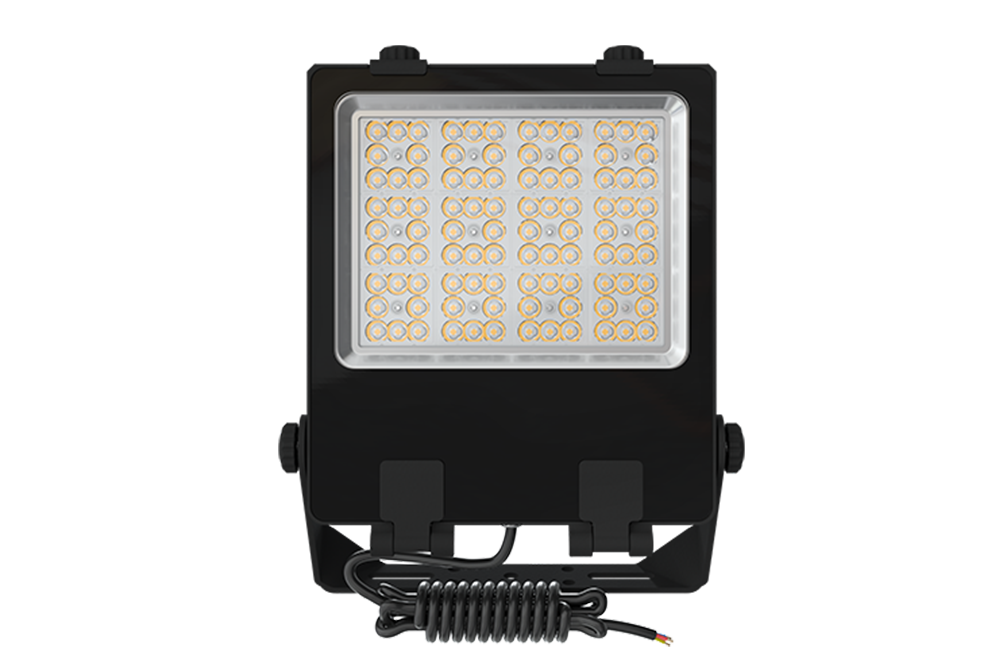
SEEKING FLX Series LED flood light outdoor for sports courts and open-area projects with 170lm/W efficiency, IP66 protection and multiple beam distributions. Designed for long-life commercial and public outdoor use.
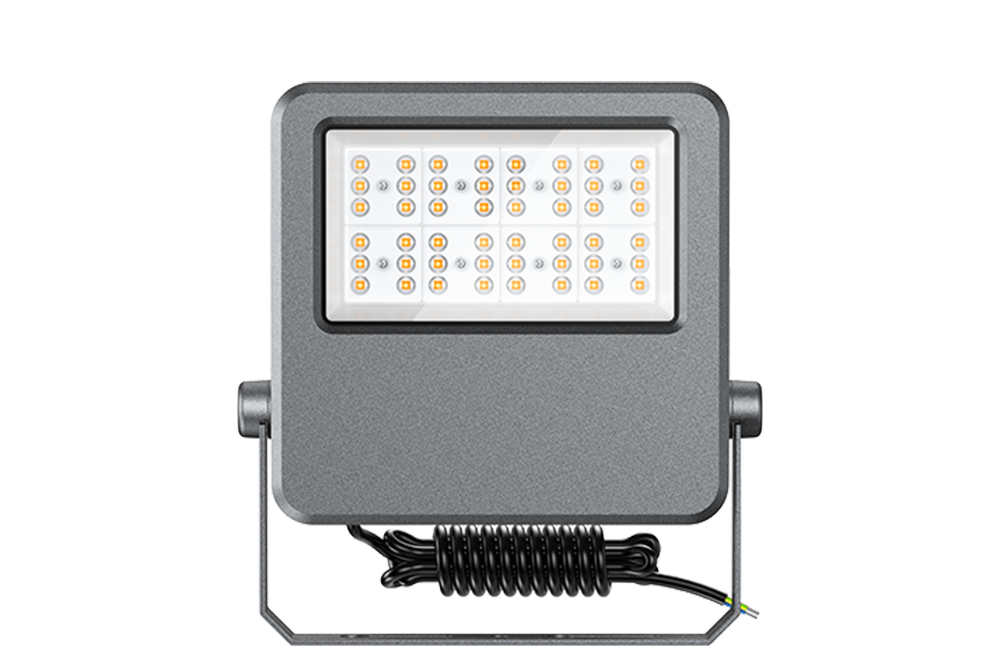
SEEKING FLE Series LED outdoor flood lights for sports grounds and open areas with multiple beam angles, IP66 protection and up to 170lm/W. Designed for long-life outdoor installations with professional driver options.
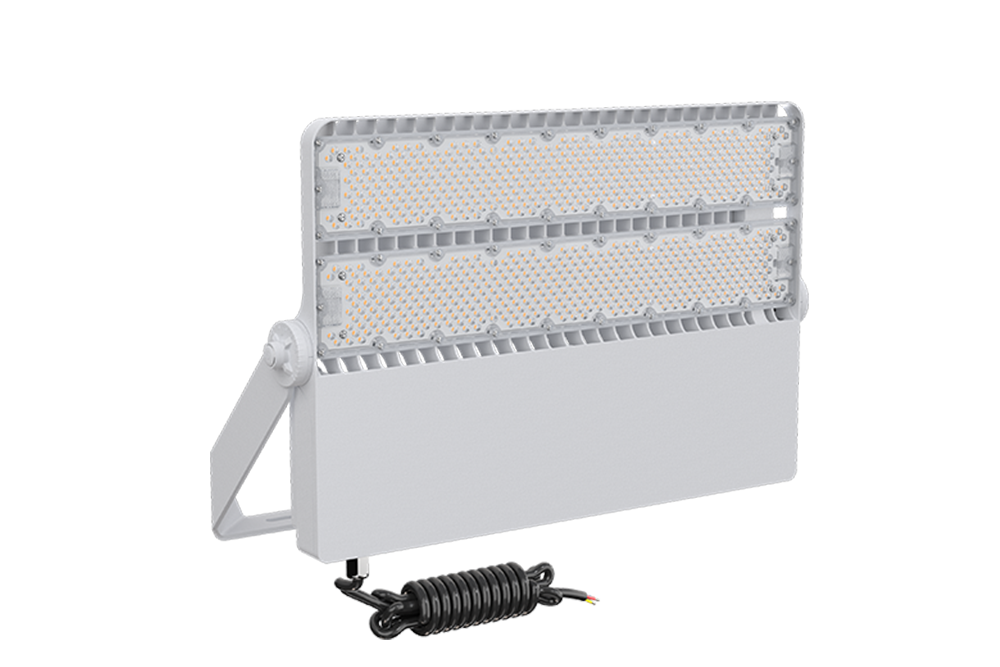
SEEKING FLD Series outdoor LED flood lights and high power led flood light deliver up to 960W with precision beam angles for sports fields, stadiums and large outdoor areas. IK08 & IP66 protection, 170lm/W efficiency and 100,000h lifetime.
loading…
This is the last post!
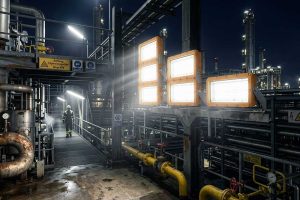
ATEX belysning for explosive zones. Learn how certified hazardous lighting improves safety, durability, and efficiency in industrial environments.
View details
Flood light 100W for outdoor and commercial lighting. Strong illumination, stable performance, and long-term reliability from SEEKINGLED.
View details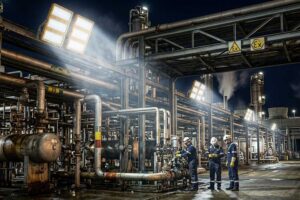
What is an ATEX LED flood light? Learn how ATEX-certified explosion-proof LED flood lights work in hazardous zones, oil plants, and chemical facilities with SEEKINGLED.
View details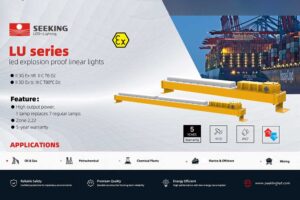
In hazardous locations such as petroleum, chemical plants, coal mines and pharmaceutical facilities, the installation method of explosion-proof lights directly affects lighting performance, operational safety and later maintenance. Different sites...
View details