Most people search how to install LED street light when the old fixture is already off the pole.
The arm is still there.
The wires are hanging.
Someone is waiting for the new light to go up—fast.
That’s usually when shortcuts start. And that’s where problems begin.
Installing an LED street light isn’t difficult. But doing it right is not the same thing as doing it quickly.
What you should check before installing an LED street light
Before lifting anything, pause.
Ask three simple questions:
- Is the pole height correct for this LED optic?
- Does the existing wiring actually match the driver voltage?
- What area needs light—road, sidewalk, or both?
If these aren’t clear, installation turns into guesswork. LEDs don’t forgive guesswork. They show it every night.
At SEEKINGLED, this pre-check often decides whether a project stays quiet or starts collecting complaints.
Step one: Mounting the LED street light on the pole
Most LED street lights are installed using:
- Horizontal arms
- Vertical pole-top mounts
- Adjustable slip fitters
Here’s the thing people miss: angle matters more than force.
The fixture should sit level or slightly down-tilted. Not up. Not “close enough.” Even a small upward tilt causes glare that drivers feel but can’t immediately explain.
Reusing old arms from sodium lamps is common. Sometimes it works. Sometimes it doesn’t. LED optics are more focused. Old hardware doesn’t always respect that.
Step two: Wiring the LED street light
This step looks routine. It isn’t.
Power off is obvious. What’s less obvious:
- Confirming actual line voltage, not assumed voltage
- Proper grounding (not improvised grounding)
- Secure driver connections, especially with photocells
LED drivers don’t behave like old ballasts. If the voltage is wrong, they don’t struggle—they fail. Sometimes weeks later, sometimes immediately.
Flicker complaints often trace back to rushed wiring, not defective lights.
Step three: Setting height and spacing
People ask for rules. There are ranges, not rules.
A common field guideline:
- Spacing ≈ 6–10 times the mounting height
But that’s only a starting point.
Road width, beam distribution, and surrounding structures change everything. Too wide, and dark gaps appear. Too tight, and you get overlap and wasted energy.
SEEKINGLED projects usually confirm spacing with real photometric data, not guesswork from catalogs.
Step four: Aiming and nighttime adjustment
This is skipped more often than anyone admits.
After installation:
- Turn the LED street light on at night
- Walk the area
- Stand where people actually stand
If light spills into windows or hits eye level, something is wrong. Fixing it now takes minutes. Fixing it later involves emails.
LED street lights are honest. They show mistakes clearly.
Common mistakes when installing LED street lights
These come up again and again:
- Using high color temperature in residential zones
- Ignoring glare near intersections
- Reusing damaged wiring
- Skipping final aiming
None of these are LED technology problems. They’re installation choices.
Do you need professionals to install LED street lights?
For private roads or parking lots, experienced electricians usually manage fine.
For public roads, planning matters more than labor. Optics, spacing, and mounting decisions define success long before the truck arrives.
That’s why SEEKINGLED often supports customers before installation day—not after problems appear.
The real answer to how to install LED street light
So, how to install LED street light properly?
Slow down.
Check the basics.
Aim with intention.
When LED street lights are installed correctly, nobody notices them.
When they’re not, everyone does.
That difference isn’t the fixture.
It’s the install.
— SEEKINGLED
LED street lighting project
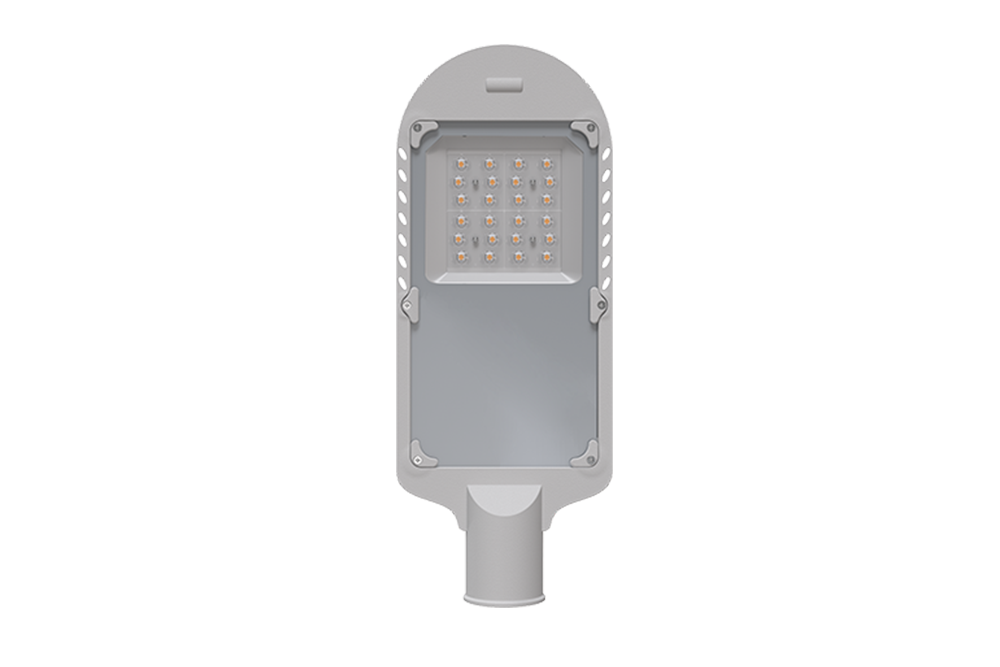
SEEKING STL-Series LED street lights deliver stable performance, 170 lm/W efficiency and 10KV surge protection. Ideal for city streets, parking lots, public roads and outdoor area lighting projects. Durable IP66 & IK08 design for long-term reliabi…
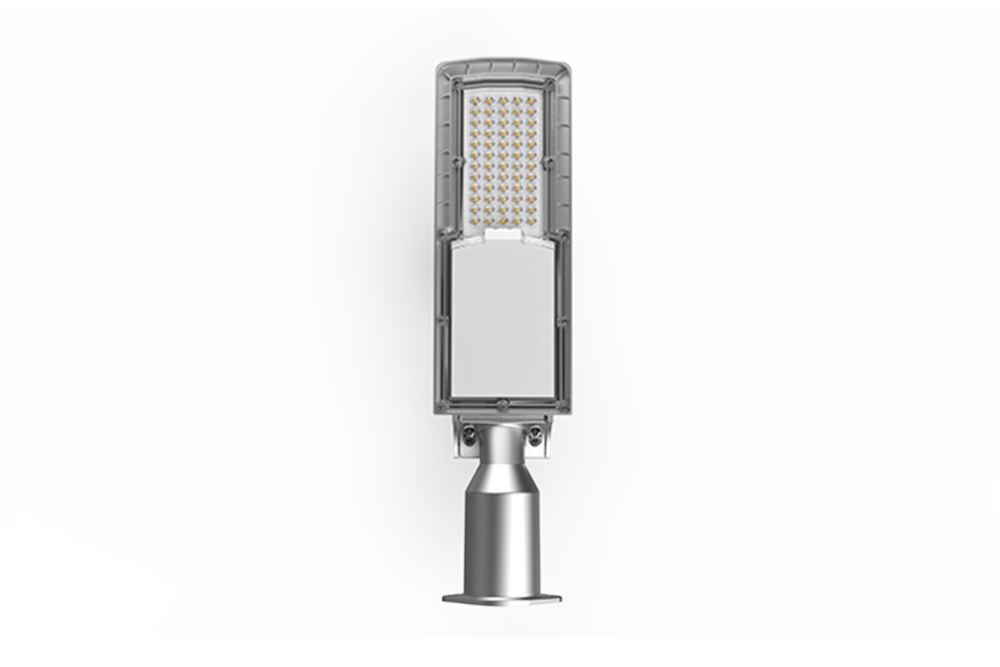
The SEEKING STC Series LED light street light delivers up to 170lm/W efficiency with MOSO drivers, IP66 protection, and a ±15° adjustable arm—ideal for roads, residential areas, and public lighting upgrades.
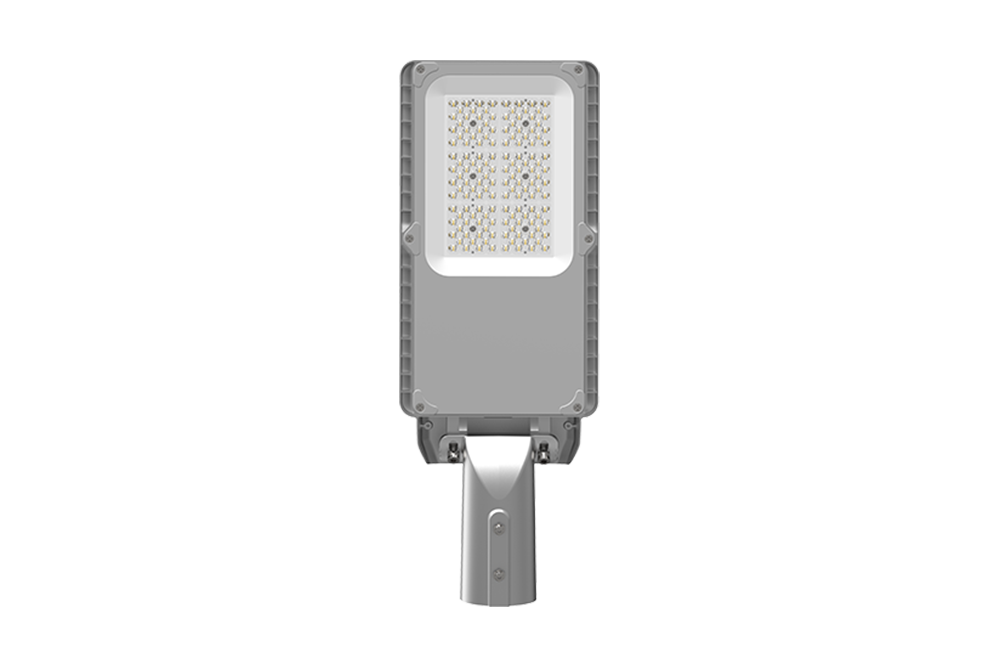
SEEKING STB Series LED street lighting delivers up to 160 lm/W, 10kV surge protection, IP66 waterproofing, and durable IK08 impact resistance. Ideal for streets, parking lots, and large outdoor areas needing long-lasting, energy-saving LED roadway…
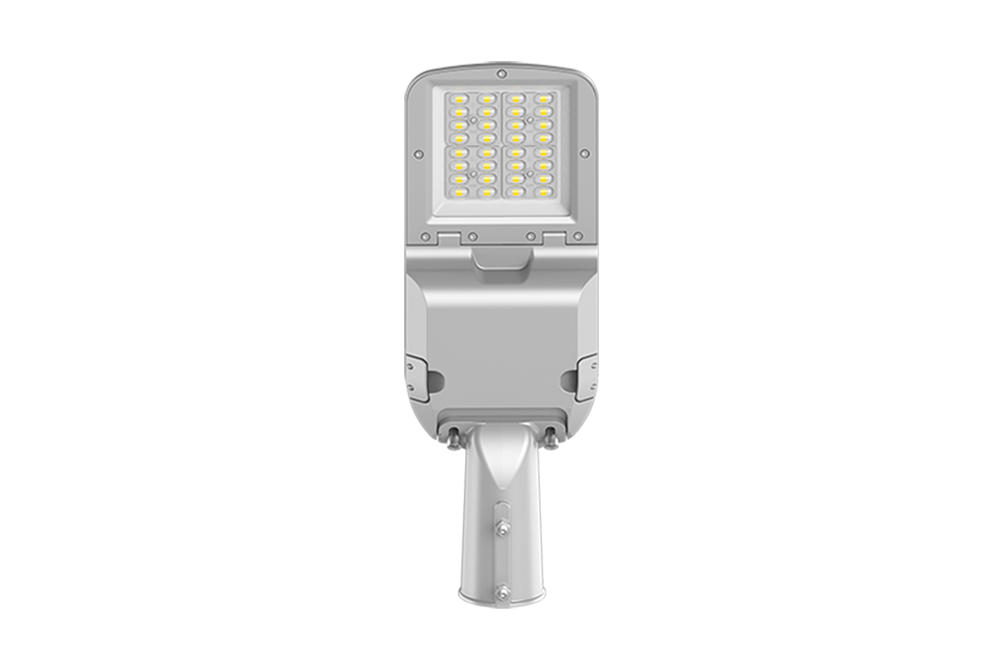
The SEEKING STA Series LED street light delivers strong efficiency, IP66 protection, 10kV surge resistance and multiple beam patterns for roads, parking lots and urban areas. High lumen output, easy installation and reliable performance for long-t…
loading…
This is the last post!
 Seeking LED