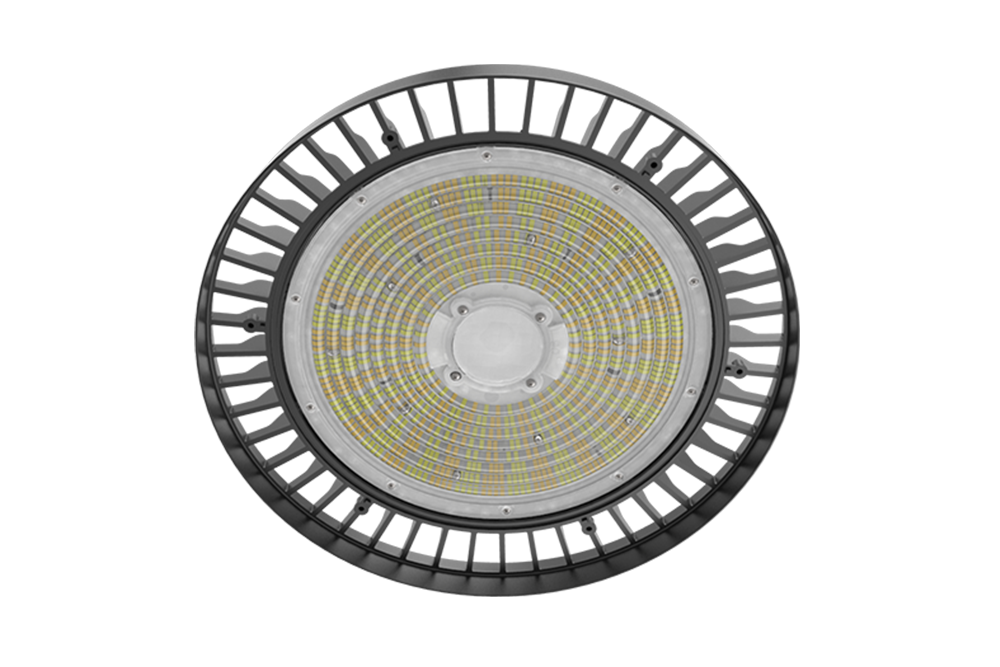
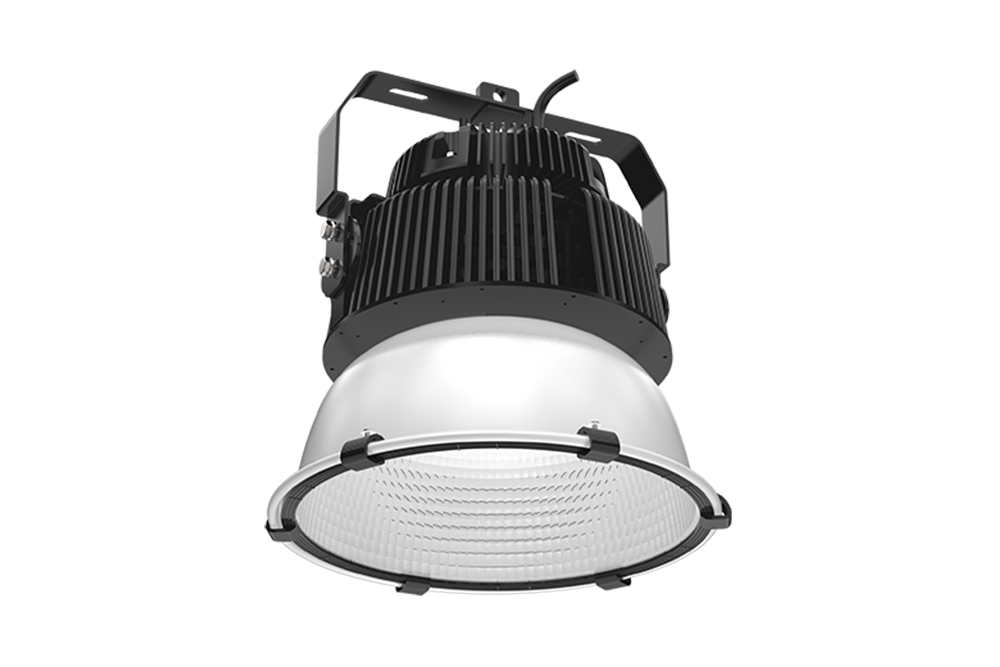
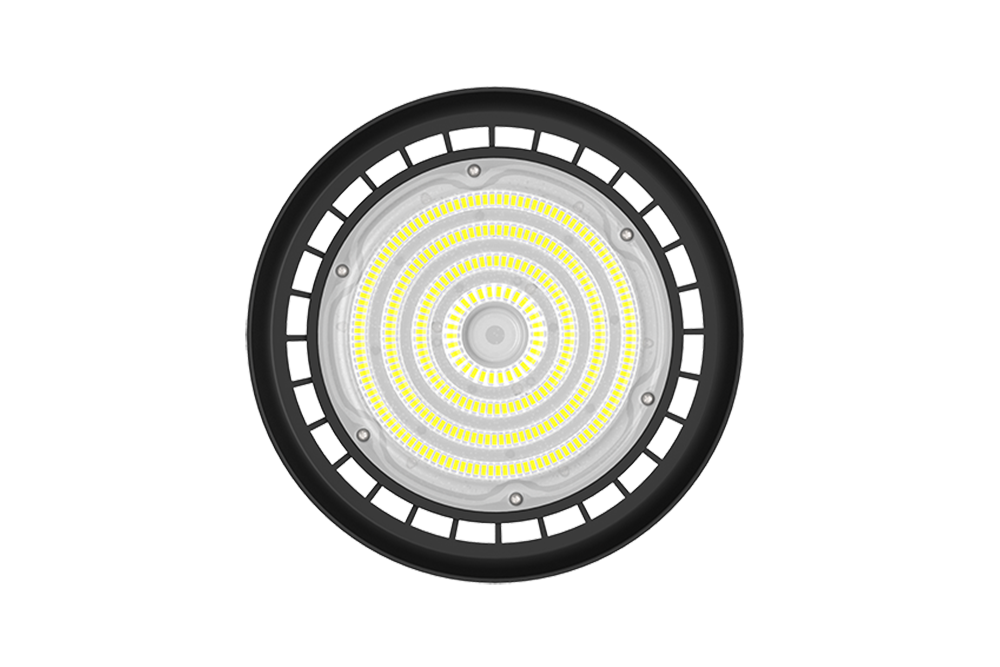
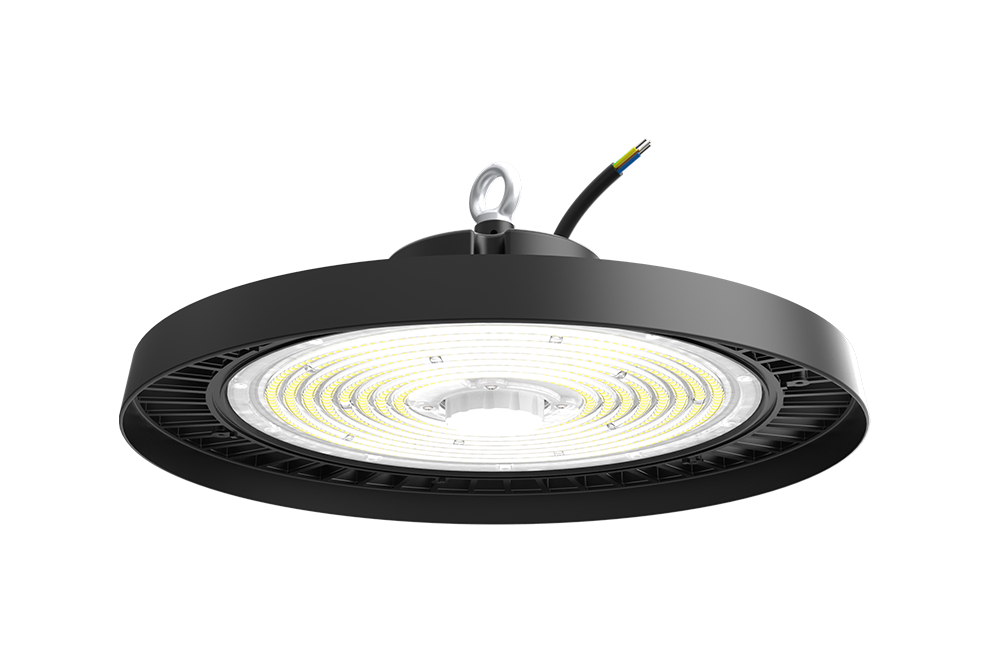
How to choose LED high bay optics by ceiling height without ending up with glare, dark spots, or wasted light?
Start by forgetting the catalog chart.
Ceiling height matters, yes—but not in isolation. In real warehouses, height interacts with aisle width, racking, and where people actually look. Miss that, and the optics choice fails even if the math looks fine.
Why Ceiling Height Changes Everything
Light doesn’t fall straight down in real spaces. It bounces. It reflects. It hits eyes before floors.
As ceilings go higher, mistakes get louder:
Too narrow → hot spots and tunnel lighting
Too wide → glare and light washing racks instead of floors
This is why How to choose LED high bay optics by ceiling height is not a one-line answer.
Practical Ceiling Height Ranges (Not Theory)
6–9 meters (20–30 ft)
This range looks forgiving. It isn’t.
Medium optics usually win here. Wide optics feel bright at first, then start to annoy workers as reflections build up. Narrow optics over-concentrate light and leave gaps.
Rule of thumb: Control first. Spread second.
9–12 meters (30–40 ft)
This is where bad optics show fast.
Narrower beam angles start to make sense, but only with glare shielding. Without it, forklift operators feel it immediately—long before managers do.
At SEEKINGLED, this height is where we insist on optical testing, not guessing.
12+ meters (40+ ft)
Now optics become the system.
Very narrow distributions are common, but they must align with aisle layout. One misalignment, and you get stripes of light instead of usable illumination.
This is where generic “120° fits all” designs fail completely.
The Mistake People Keep Making
Choosing optics by ceiling height alone.
Height tells you how far light travels. It does not tell you where light should stop.
We’ve seen 10-meter ceilings lit like sports arenas. Bright, impressive, uncomfortable. Workers didn’t complain right away—but productivity dipped. That’s the red flag.
How to Choose LED High Bay Optics by Ceiling Height—The Real Checklist
Ask these before choosing optics:
Are aisles long or broken up?
Are racks matte or reflective?
Do people look up often, or straight ahead?
If the supplier can’t answer these, the optic choice is guesswork.
Why SEEKINGLED Designs Start from Height—but Don’t End There
At SEEKINGLED, ceiling height is the entry point, not the decision.
We design optics assuming:
People move under the lights
Eyes matter more than lux maps
Comfort determines long-term satisfaction
That’s why our high bay optics feel quieter. Less glare. Fewer shadows. No drama.
Final Take
If you remember one thing:
How to choose LED high bay optics by ceiling height is about stopping light as much as spreading it.
When light goes only where it’s needed, warehouses work better. Period.
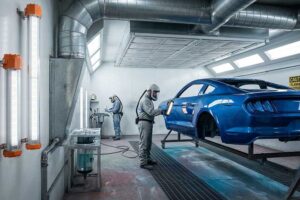
Explosion proof lighting paint booths require specialized hazardous area fixtures to prevent ignition risks from paint vapors while improving visibility and compliance.
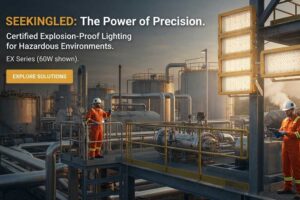
Explore the 60w led explosion proof light for hazardous areas. Learn ATEX certification, industrial applications, LED efficiency, and selection tips from SEEKINGLED.
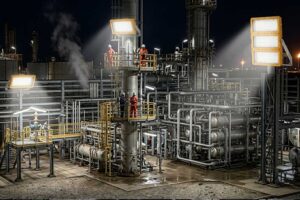
ATEX Zone 1 floodlight solutions provide certified illumination for hazardous gas environments. Learn certifications, performance, and real-world industrial applications.
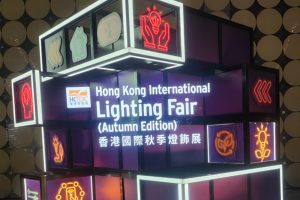
SEEKING showcased advanced LED lighting solutions at the 2024 Hong Kong International Lighting Fair and Outdoor and Tech Light Expo, including new HLS linear trunking and HLD linear high bay, covering garden lights, flood lights, high bay, street ...
 Seeking LED