 Seeking LED
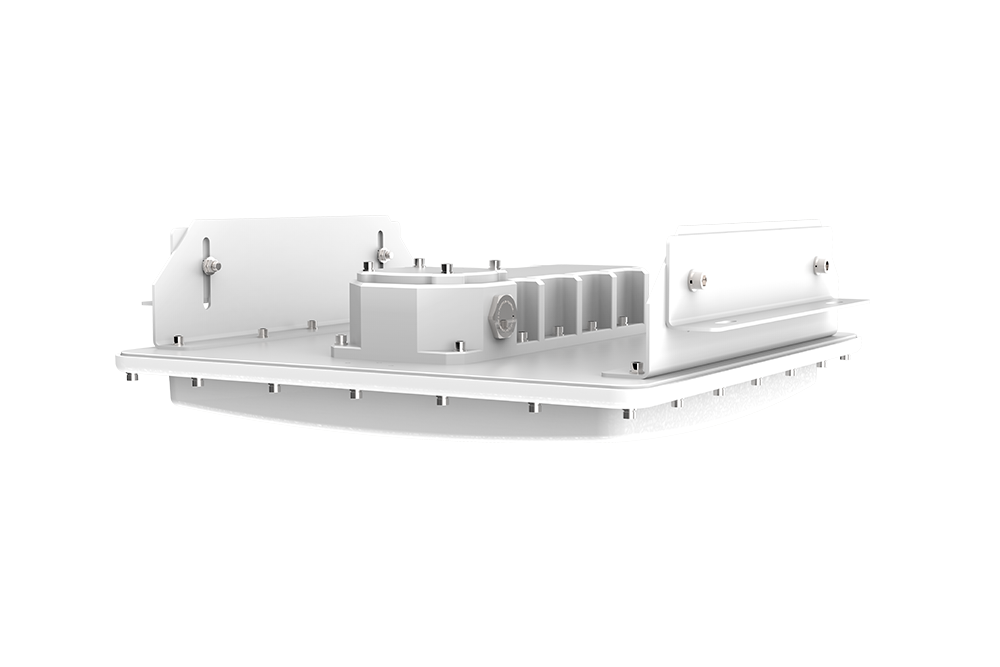
Do LED Flood Lights Get Hot? What Happens During Real Outdoor Operation
359Do LED flood lights get hot during operation? Learn how heat is managed in high power outdoor LED flood lights and what it means for safety and lifespan.
View detailsSearch the whole station
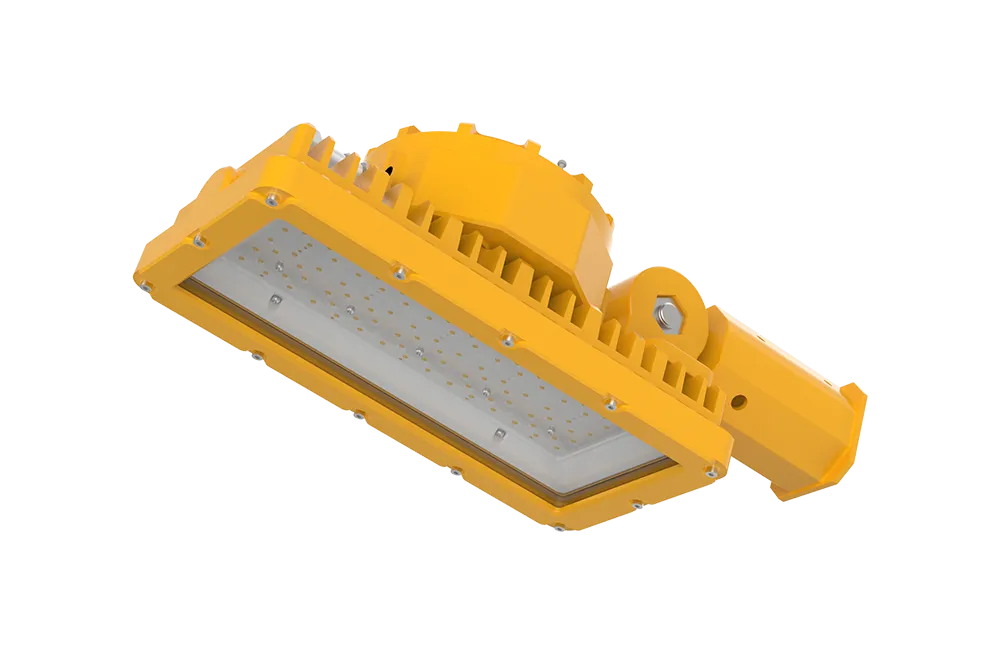
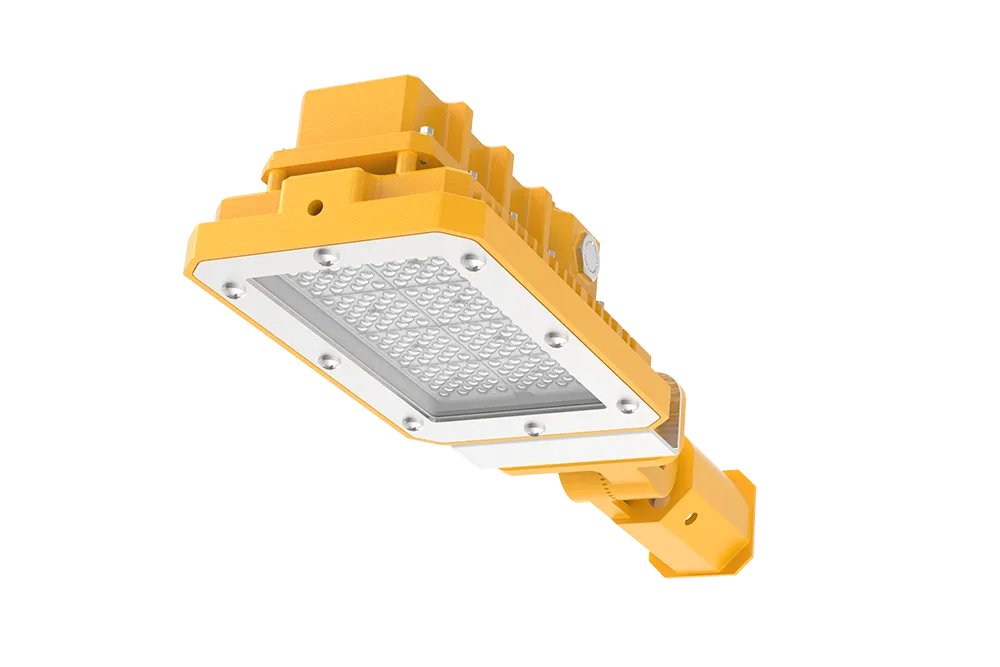
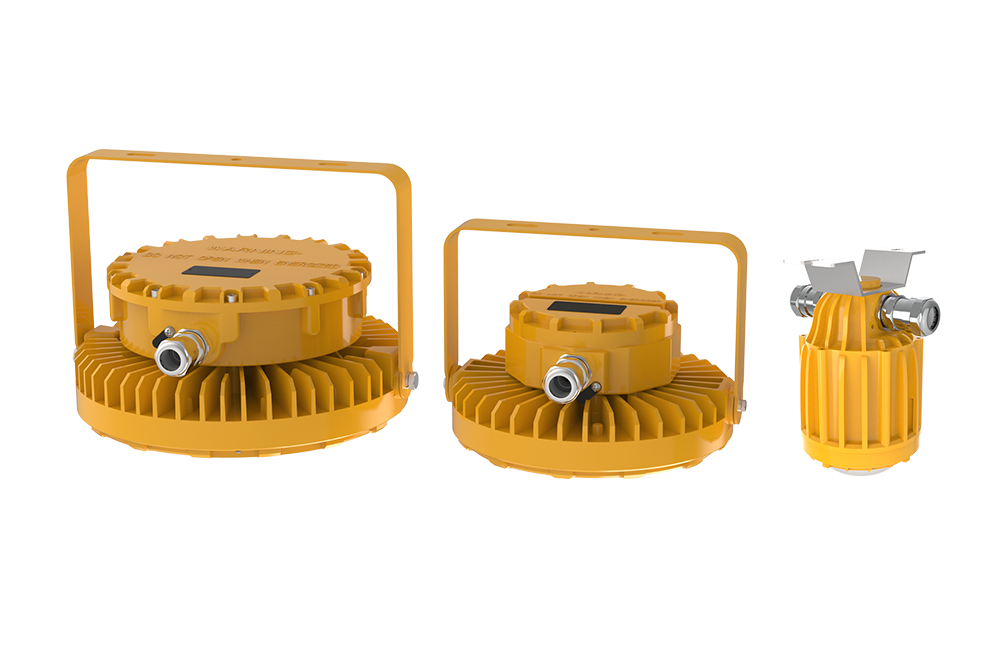
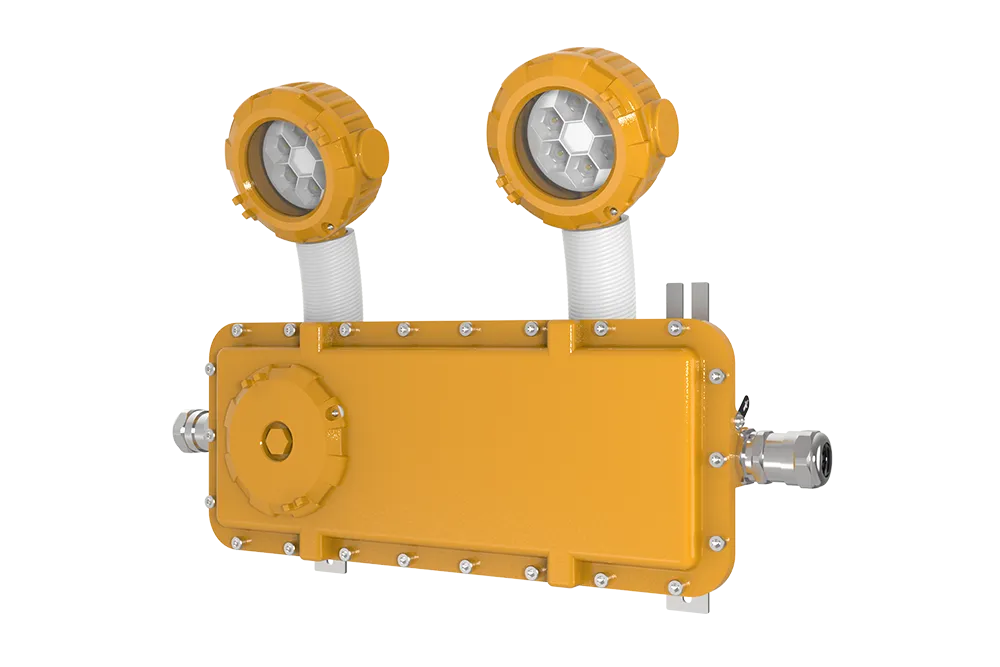
An explosion proof flood light is not designed to survive an explosion — that’s a common misunderstanding.
Its job is to prevent ignition in environments where flammable gas, vapor, or dust may be present.
In oil & gas facilities, chemical plants, fuel storage areas, or grain processing sites, the risk isn’t theoretical. One spark, one overheated component, and the environment reacts. Explosion proof lighting isolates internal heat and electrical arcs so they never reach the outside atmosphere.
At SEEKINGLED, we treat explosion proof lighting as a safety system, not just illumination.
They may look similar from a distance. Up close, the differences are obvious.
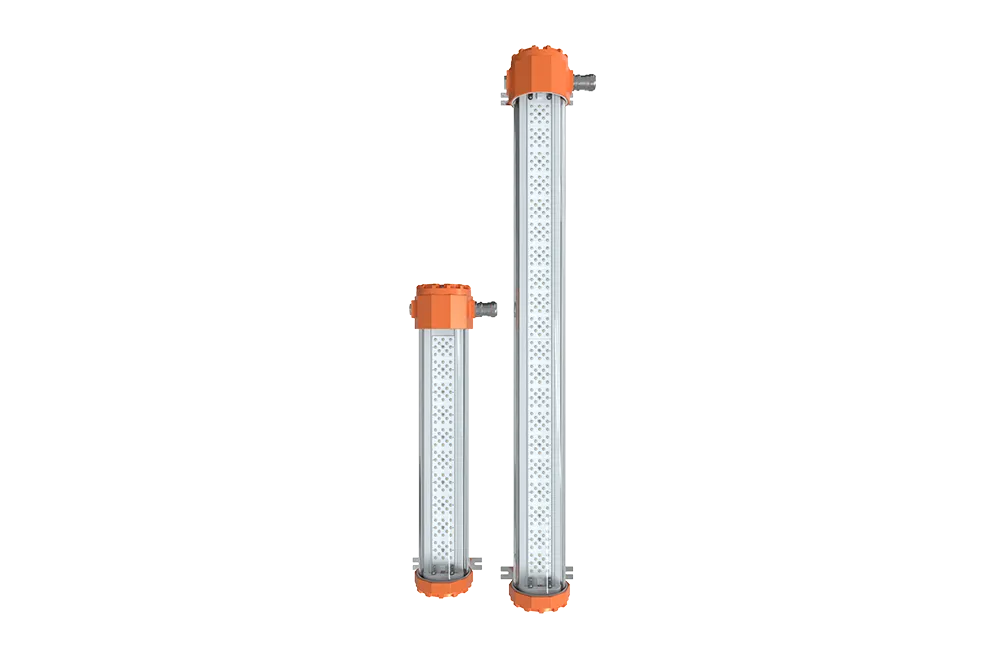
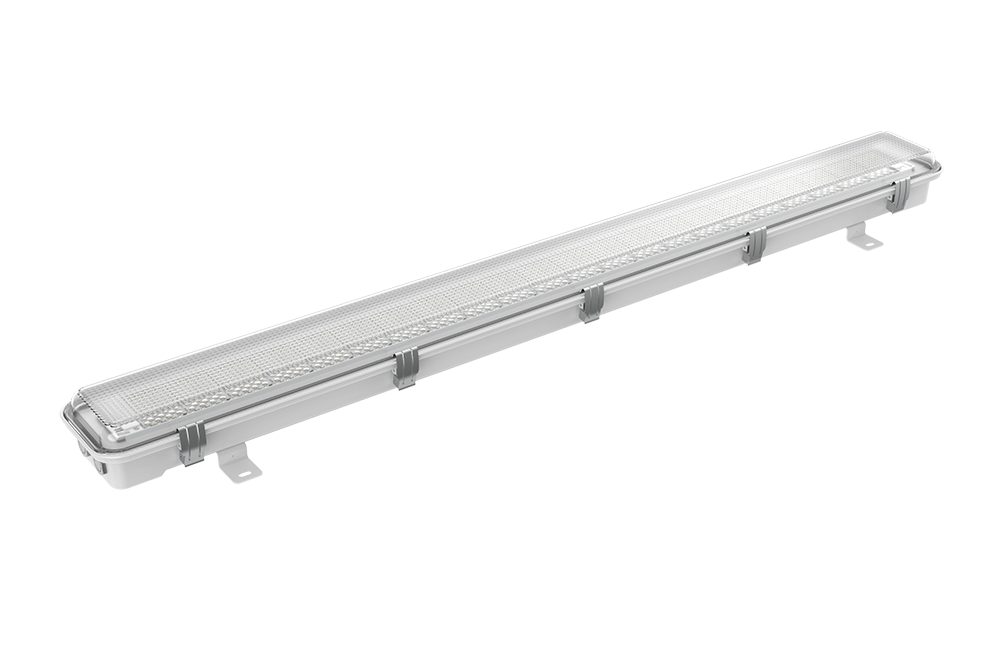
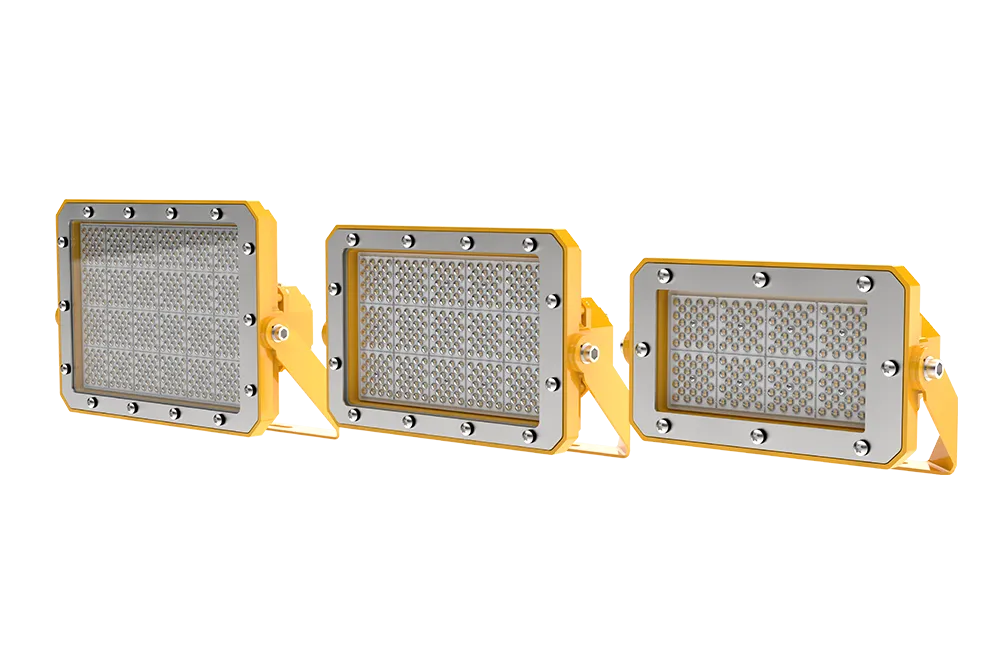
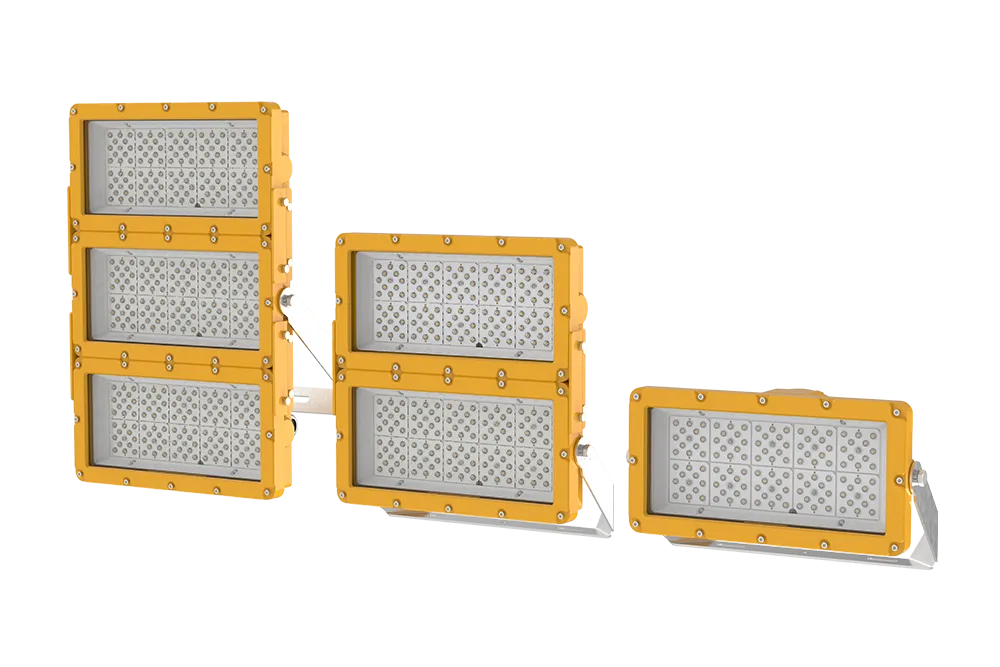
A true hazardous area LED flood light uses:
Regular industrial flood lights focus on brightness and efficiency. Explosion proof units prioritize containment and compliance first. If a fixture is marketed as “industrial” but lacks certification, it does not belong in a hazardous zone. Period.
Yes. Always.
An explosion proof flood light without certification is just a liability.
Depending on the region, this usually means ATEX, IECEx, or similar approvals for hazardous locations.
An ATEX certified flood light is tested under strict conditions — pressure, temperature, and fault scenarios. These tests aren’t optional checkboxes. They’re what make the fixture legally and practically usable in classified zones.
If certification details are vague or missing, that’s not a gray area. That’s a no.
When designed properly, yes — and that’s why LEDs changed this category.
Traditional explosion proof lighting was heavy, hot, and inefficient. Modern industrial explosion proof lighting built with LEDs runs cooler, consumes less power, and maintains stable output over long shifts.
In facilities running 24/7, this matters. Lower heat means less stress on internal components. Fewer failures. Fewer shutdowns. That’s not a marketing benefit — it’s operational reality.
SEEKINGLED designs LED systems specifically to balance safety, thermal control, and usable light output.
You’ll typically find LED flood lights for hazardous locations in:
These are places where lighting failure isn’t just inconvenient. It’s risky. In these environments, choosing the wrong fixture is not a cost-saving move — it’s a mistake.
SEEKINGLED approaches explosion proof lighting with a safety-first mindset.
Our explosion proof flood light solutions are designed for real hazardous environments, not controlled lab demos.
We focus on:
When safety standards are non-negotiable, lighting needs to work quietly and consistently. That’s exactly what we build for.
Do LED flood lights get hot during operation? Learn how heat is managed in high power outdoor LED flood lights and what it means for safety and lifespan.
View details
What is the brightest outdoor LED flood light? Learn how brightness is judged on site, beyond lumen numbers and specs.
View details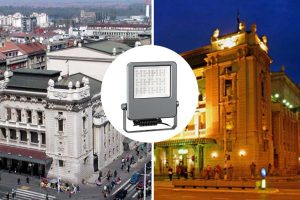
Illuminating the National Theatre in Narodno pozorište using XJ-FLE100W flood lights. This case note records facade lighting decisions, on-site constraints, and nighttime results.
View details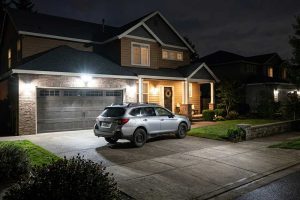
Improve security with auto flood lights. Learn how motion sensor LED floodlights enhance safety, save energy, and perform reliably outdoors.
View details