 Seeking LED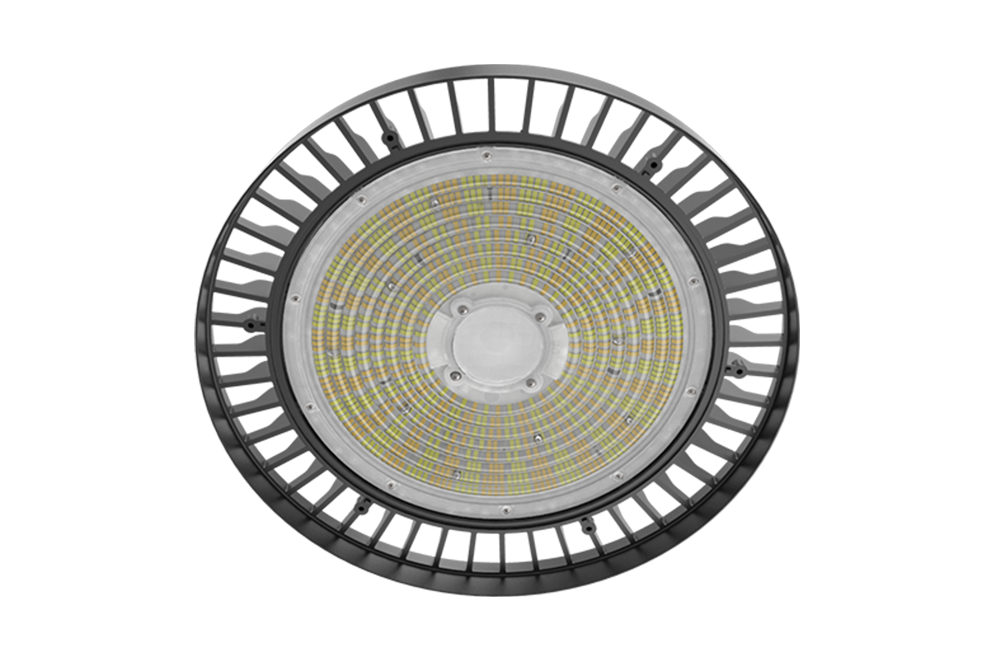
Which Company LED Flood Light Is Best?
243Which company LED flood light is best? A practical answer based on real outdoor use, durability, and long-term performance.
View detailsSearch the whole station
Indoor sports facilities place higher demands on lighting than many people expect. From an engineering point of view, lighting directly affects safety, performance, and even how long a venue can operate each day. For this reason, indoor sports LED lighting solutions are increasingly treated as part of the core infrastructure, not just an electrical add-on.
In most modern projects, LED systems have replaced traditional metal halide or fluorescent fixtures. The change is driven by real operational needs rather than trends. LEDs provide stable output, faster response, and better control over glare, all of which matter when athletes are moving quickly in confined indoor spaces.
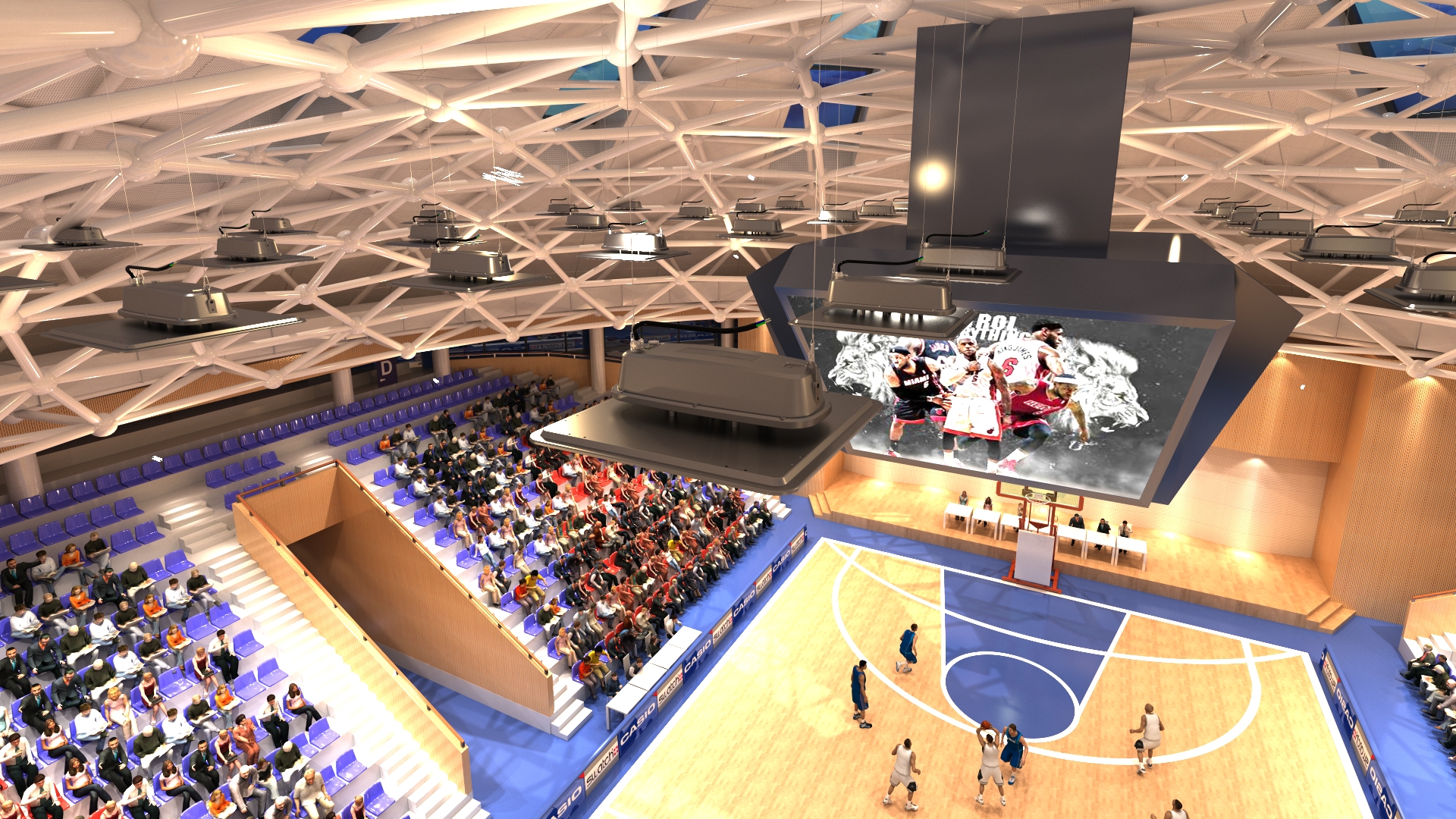
Uniform light distribution is one of the first requirements in indoor sports lighting. Uneven illumination or shadowed areas can affect depth perception and reaction time. In sports such as basketball, badminton, or ice hockey, this can increase the risk of injury.
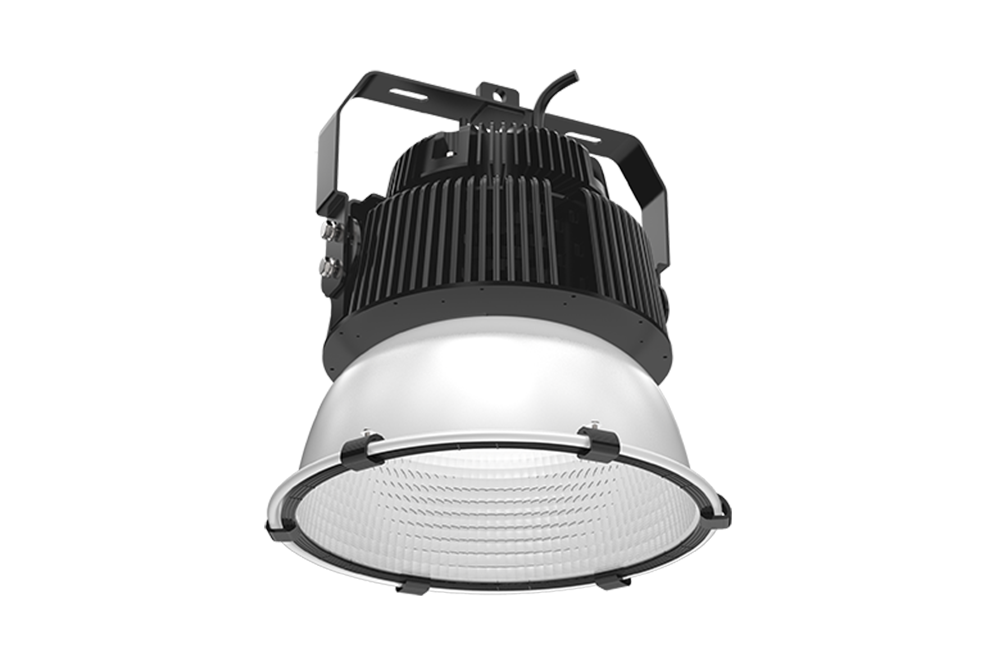
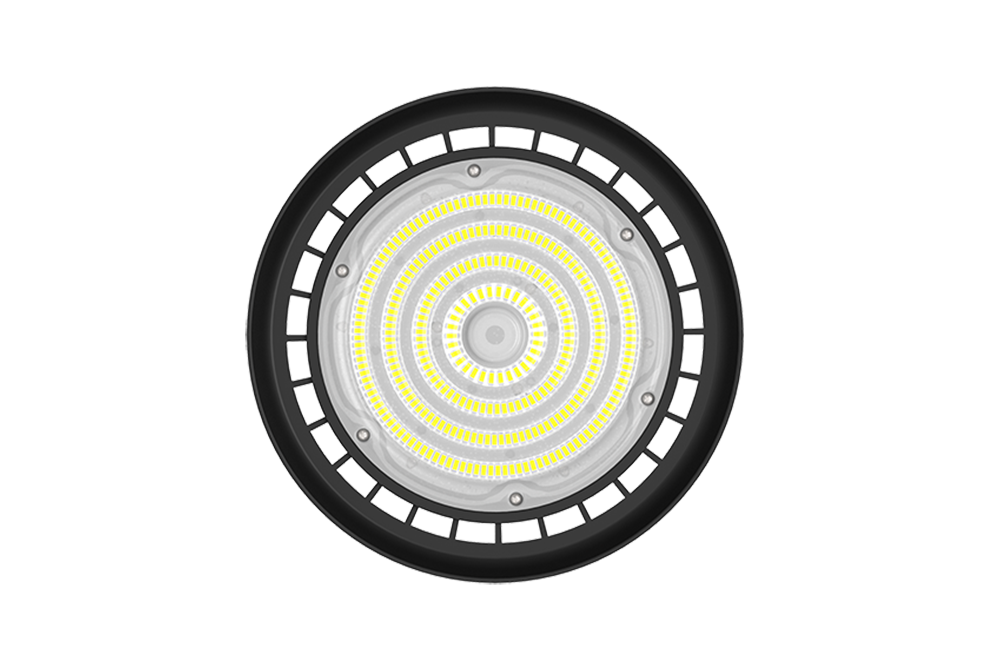
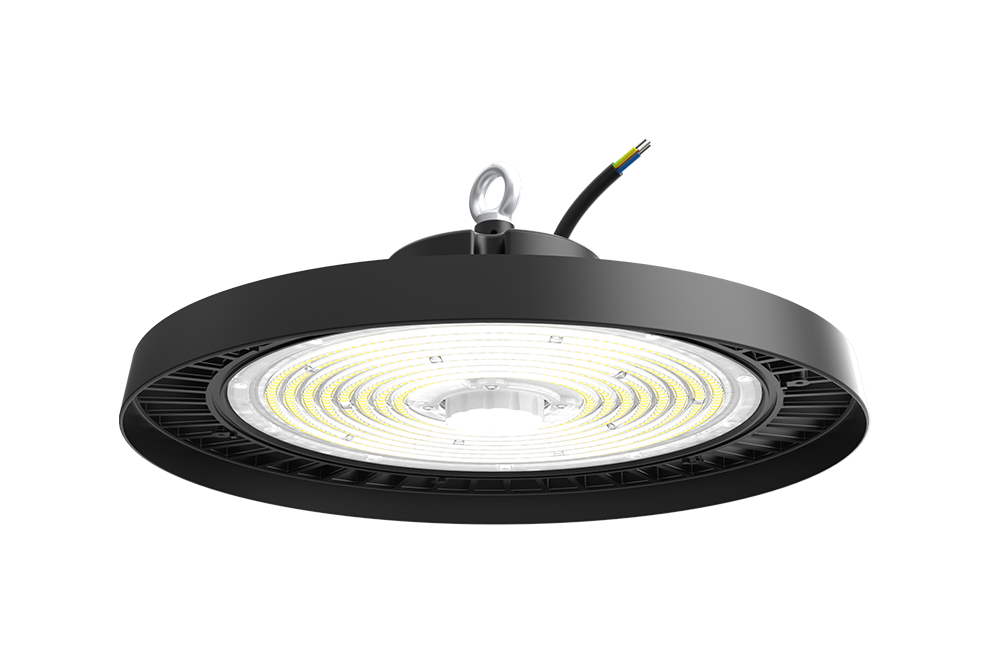
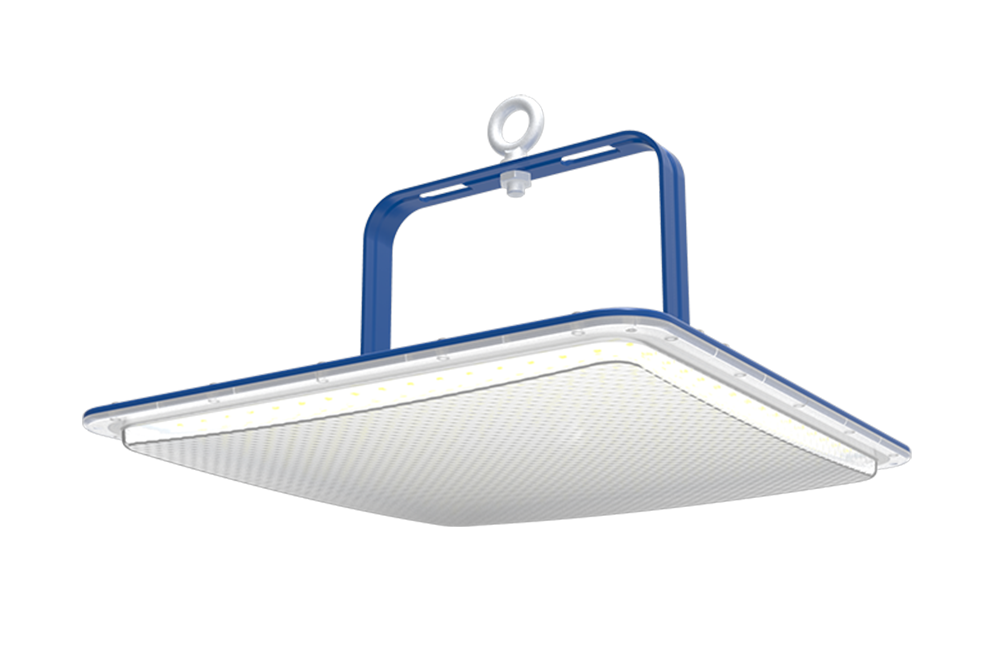
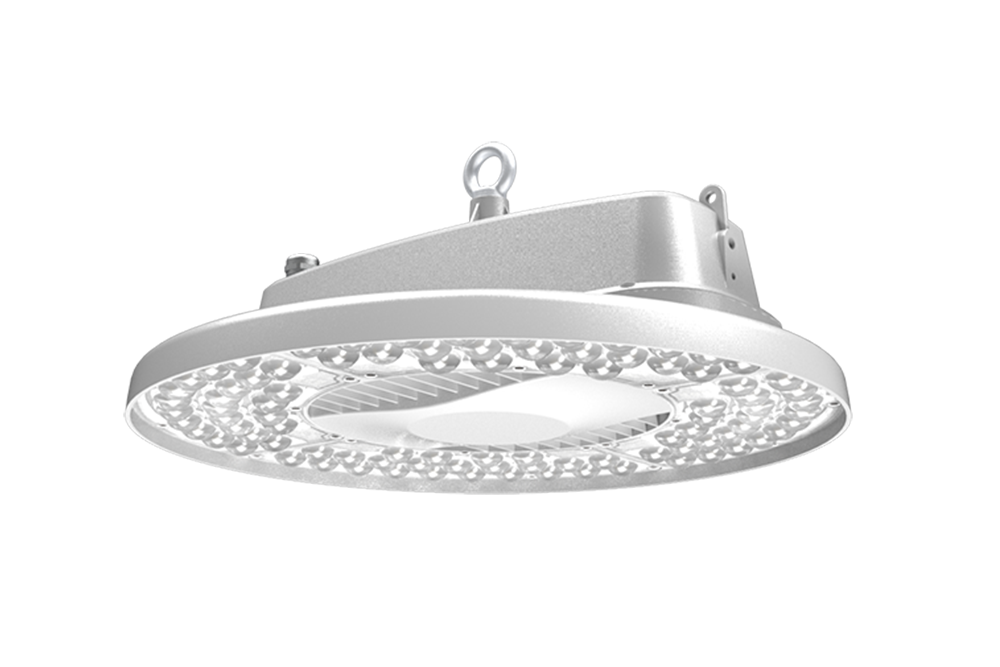
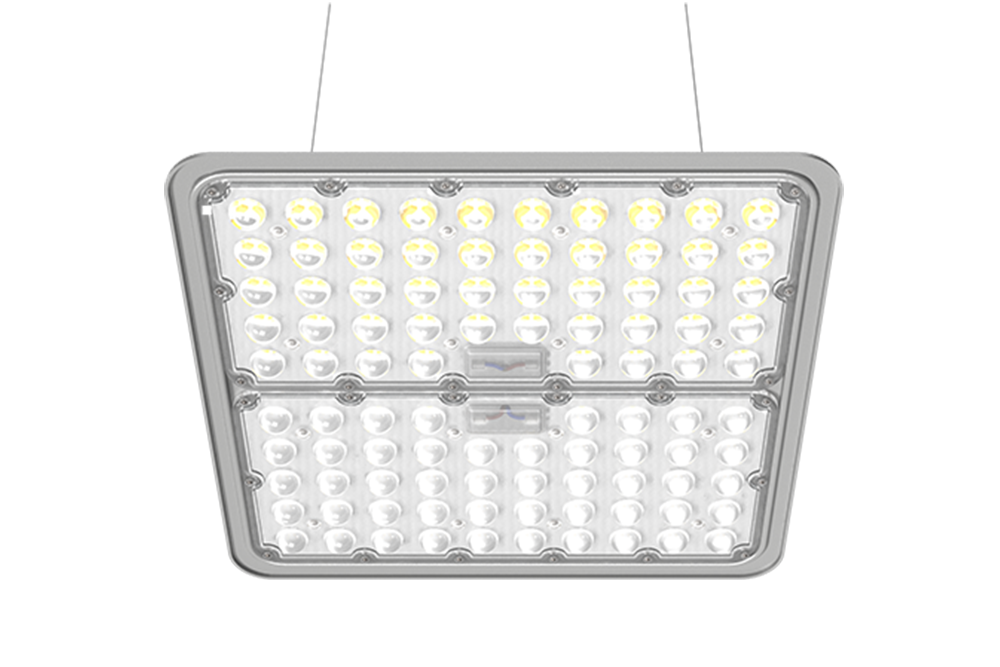
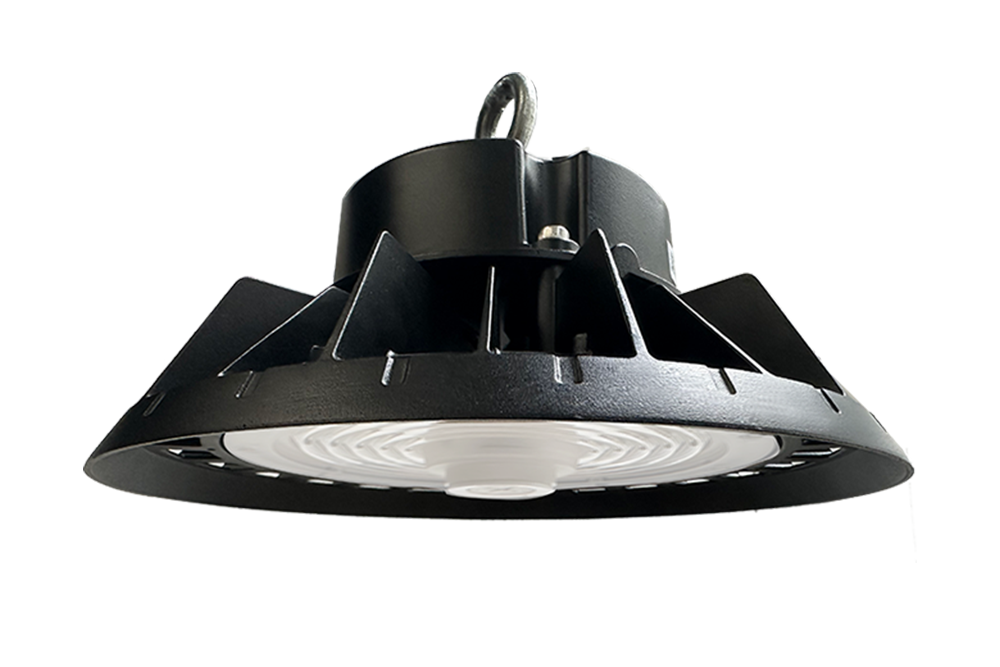
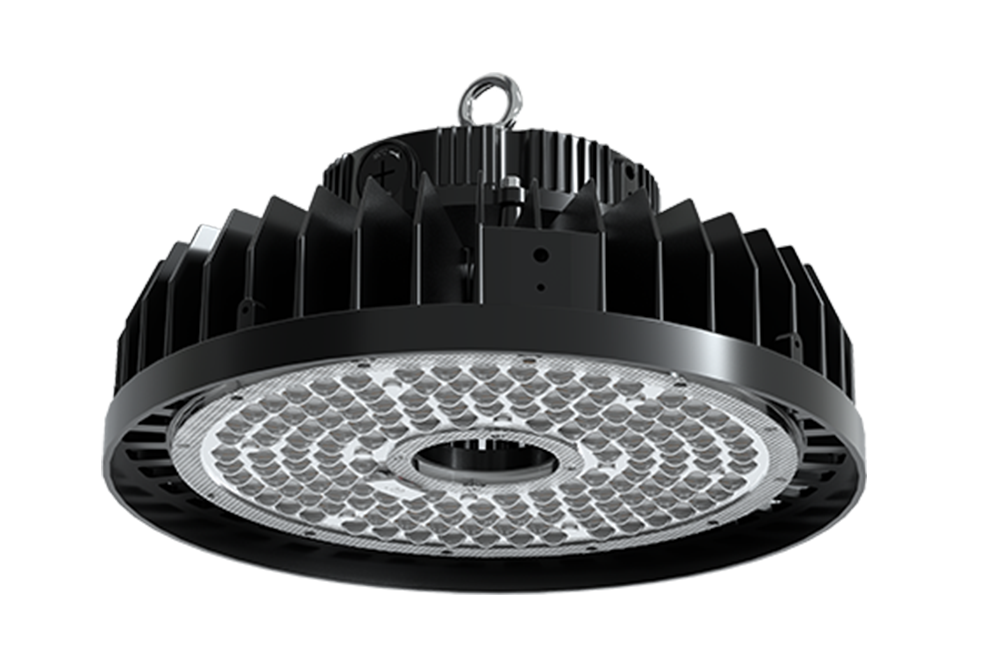
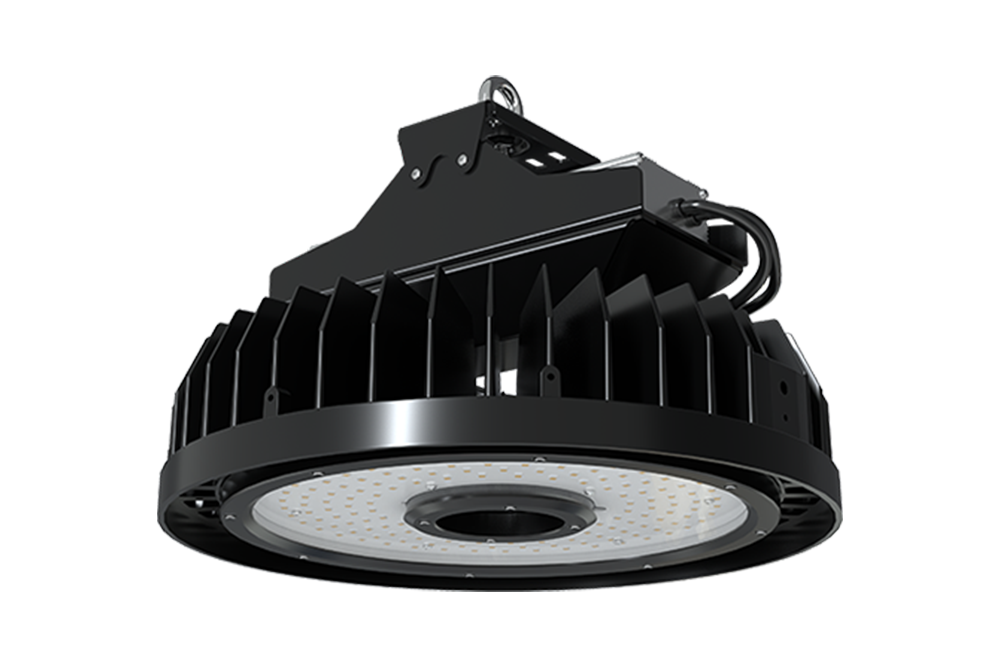
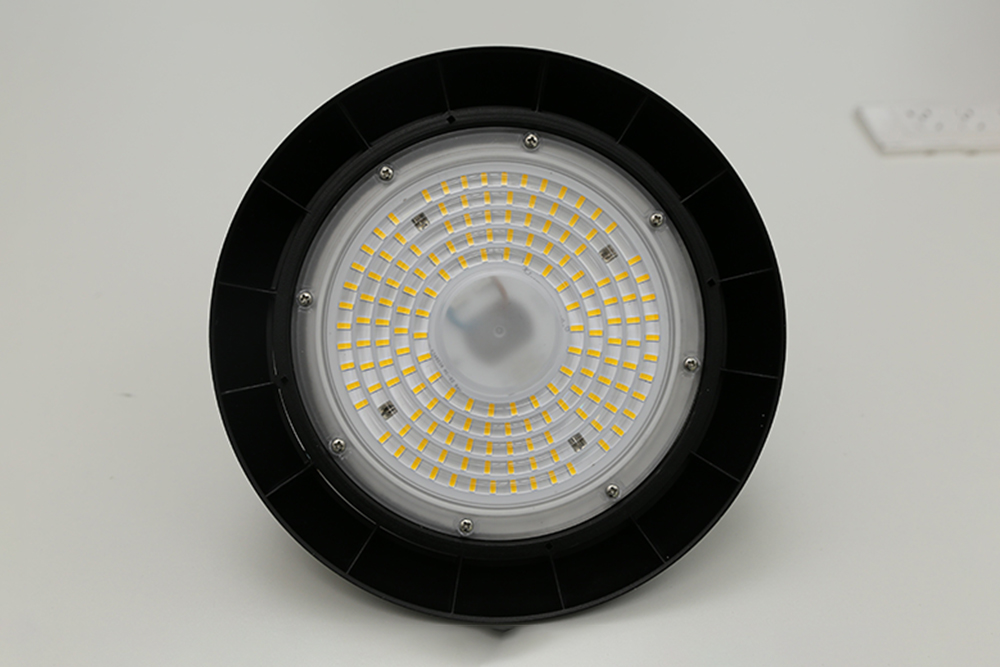
LED high bay lights and sports stadium LED lighting are commonly used to create consistent brightness across courts and rinks. Proper optics help keep light focused on the playing surface rather than spilling into spectators’ sightlines. For fast-moving sports, clear contrast between the ball, floor, and background is essential.
Lighting quality also influences the spectator experience. Poor glare control or flicker can cause discomfort, especially during long events. High-quality LED fixtures offer stable light output and high color rendering, allowing audiences to see accurate colors and follow the action without eye strain.
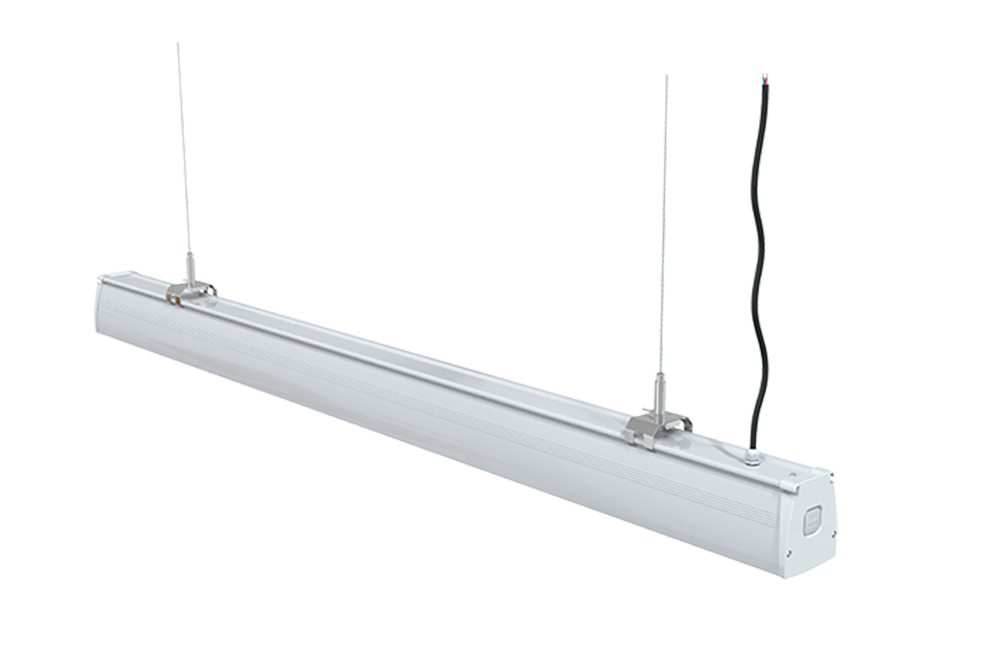
In multi-purpose sports halls, linear LED lights are often added to balance brightness and improve visual comfort in seating areas or walkways. The goal is not excessive brightness, but clarity and consistency.
Energy efficiency is one of the most measurable advantages of LED systems. Indoor sports venues often operate for extended hours, especially training facilities and community centers. Switching to LED lighting typically reduces energy consumption by 50% or more compared to older systems.
The long service life of LEDs also reduces maintenance interruptions. Fixtures installed at high ceilings are costly to access, so reliability is a practical concern. Products such as LED high bay lights and LED tri-proof lamps are designed to operate for years with minimal intervention.
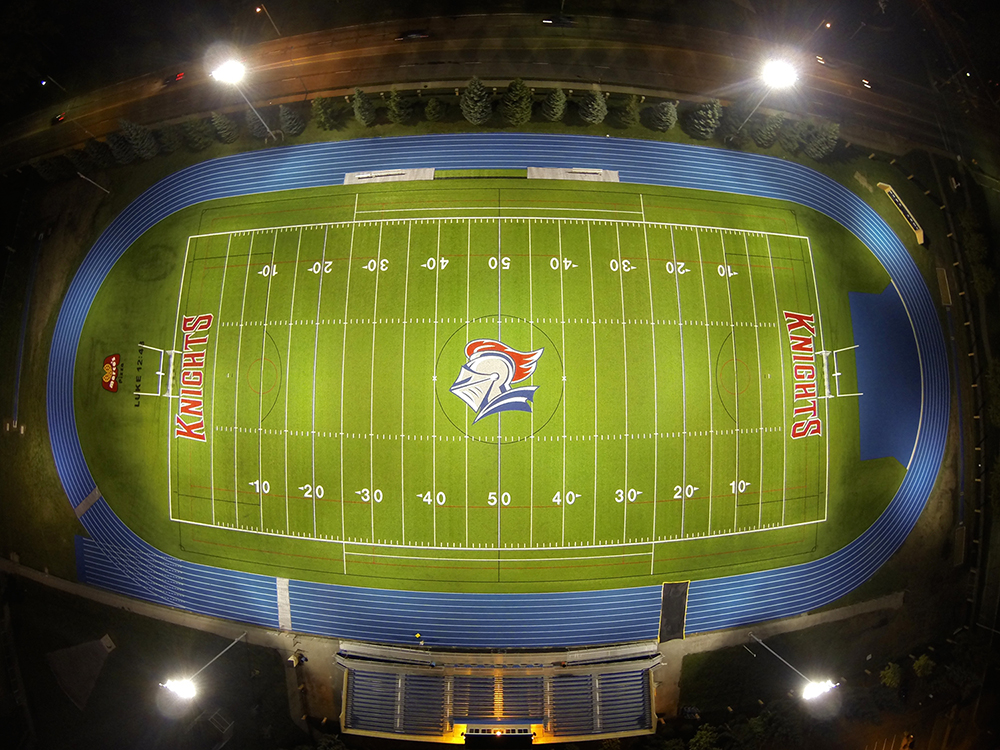
Different sports create different environmental challenges. Swimming halls require corrosion-resistant fixtures due to humidity. Badminton courts demand strict glare control because of shuttlecock visibility. Basketball and tennis halls must account for vibration and impact from high-speed balls.
In certain auxiliary areas, such as equipment rooms or service corridors, explosion proof lights or sealed tri-proof lamps may be used to meet safety requirements. Outdoor-adjacent spaces may also integrate LED street lights or garden LED lights for circulation zones.
SEEKINGLED supplies LED lighting products for indoor sports facilities where stable performance and compliance matter more than decorative effects. Typical solutions combine sports stadium LED lighting, LED high bay lights, and linear LED fixtures based on ceiling height and usage patterns.
Rather than over-lighting, the focus is on meeting actual standards for lux levels, uniformity, and glare control. Each project starts with understanding how the space is used on a daily basis.
From an engineering standpoint, indoor sports LED lighting solutions are about balance. When designed correctly, they support athlete performance, protect users, and reduce operating costs. As sports facilities continue to modernize, reliable LED lighting has become a baseline requirement rather than an upgrade.
Which company LED flood light is best? A practical answer based on real outdoor use, durability, and long-term performance.
View details
Explore atex zone 2 lighting designed for hazardous gas environments. Learn protection standards, industrial applications, and selection tips from SEEKINGLED.
View details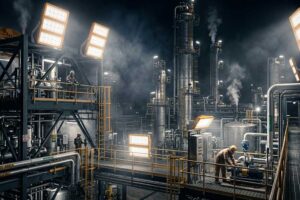
Hazardous area LED lighting delivers certified protection, lower maintenance, and reliable illumination for explosive industrial environments and harsh conditions.
View details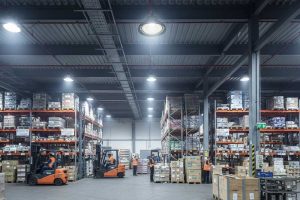
100 watt LED high bay light offers efficient, focused illumination for warehouses and workshops. Learn where it fits, where it fails, and why.
View details