Lighting in gyms and fitness centers is often underestimated until problems appear. From uneven brightness in weight zones to glare on cardio equipment screens, poor lighting design can directly affect safety, comfort, and user experience.
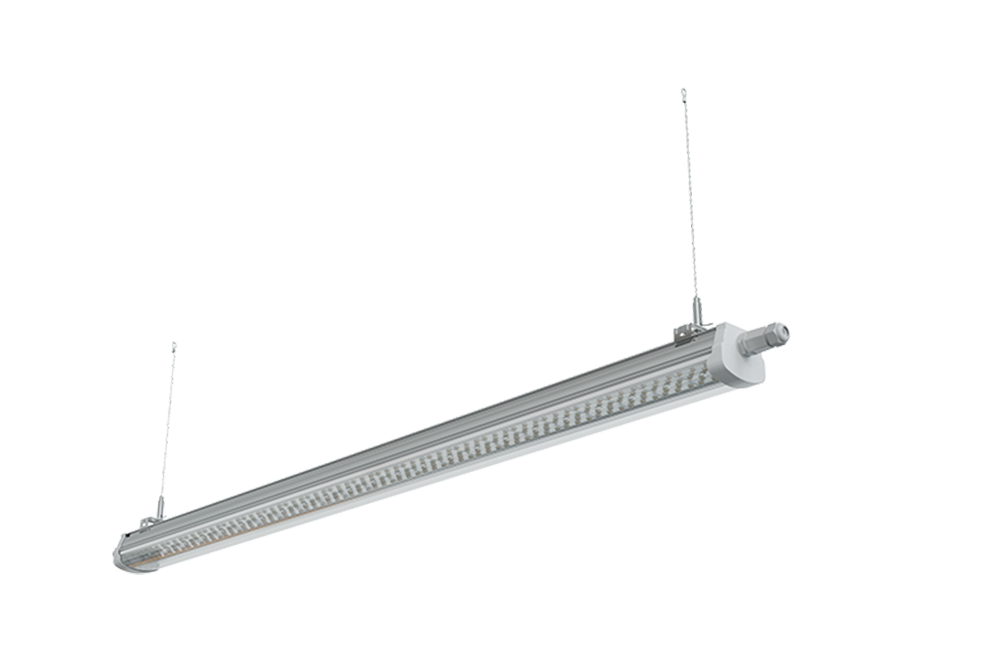
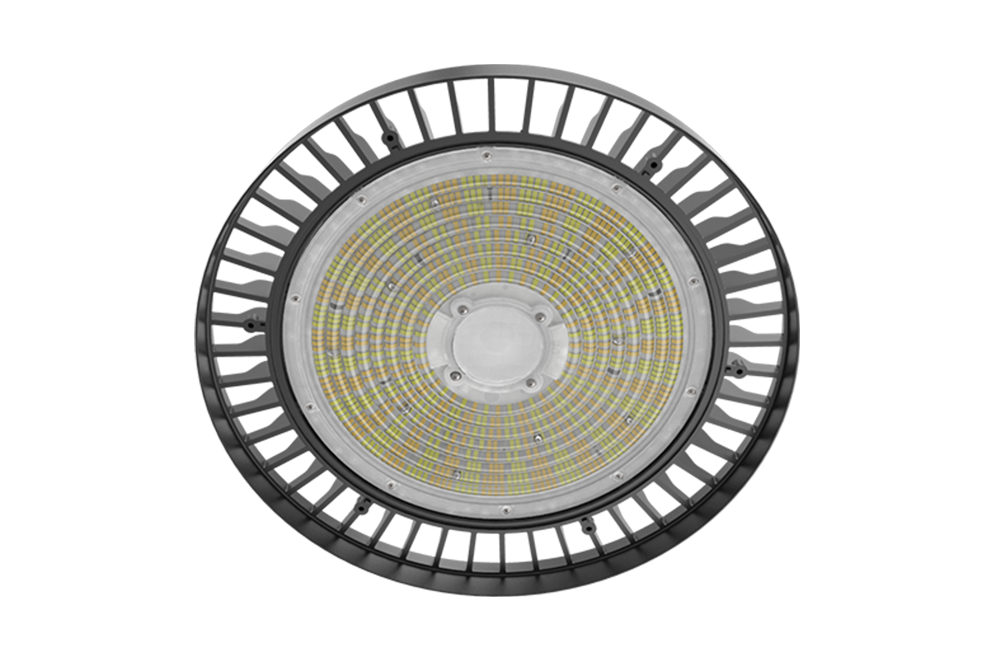
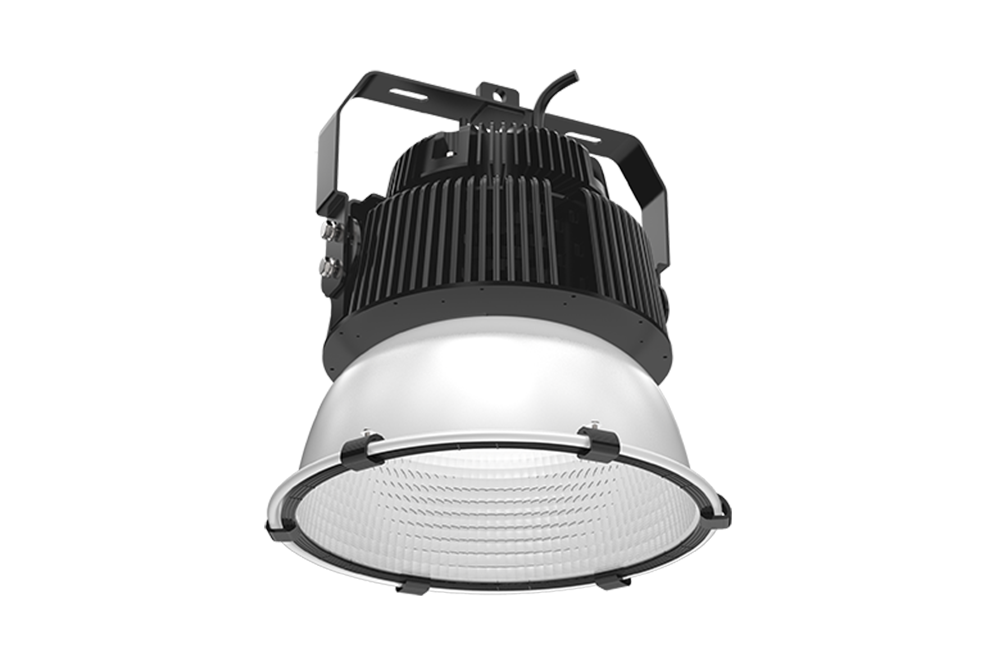
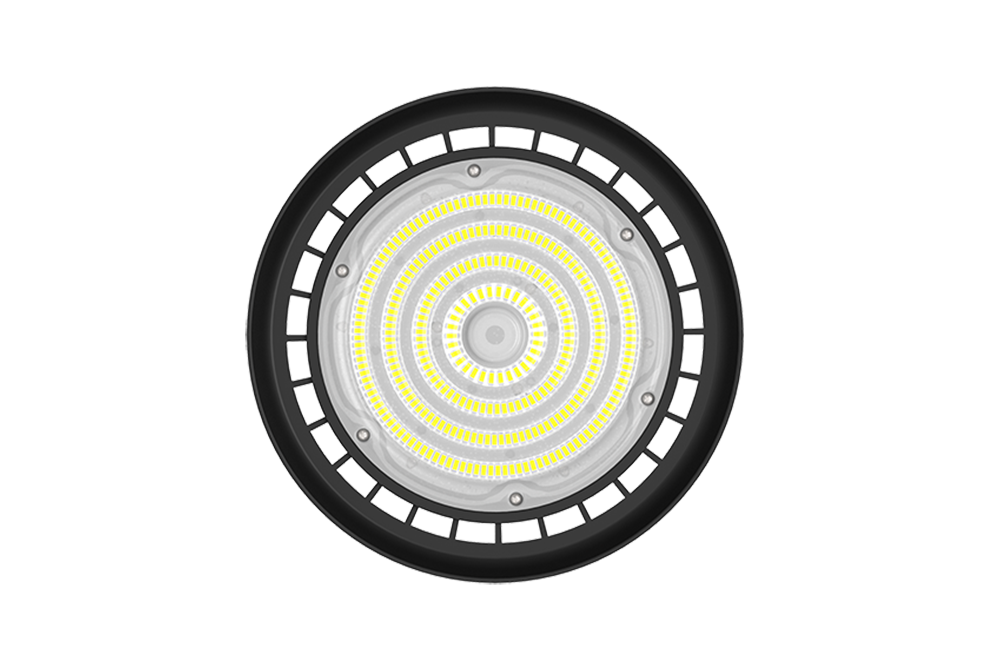
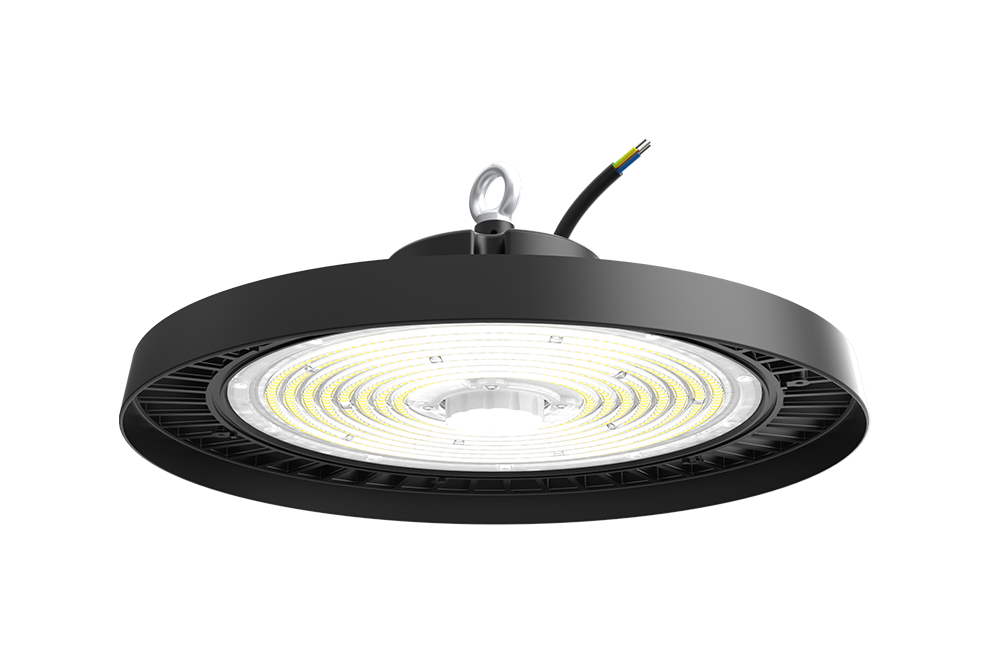
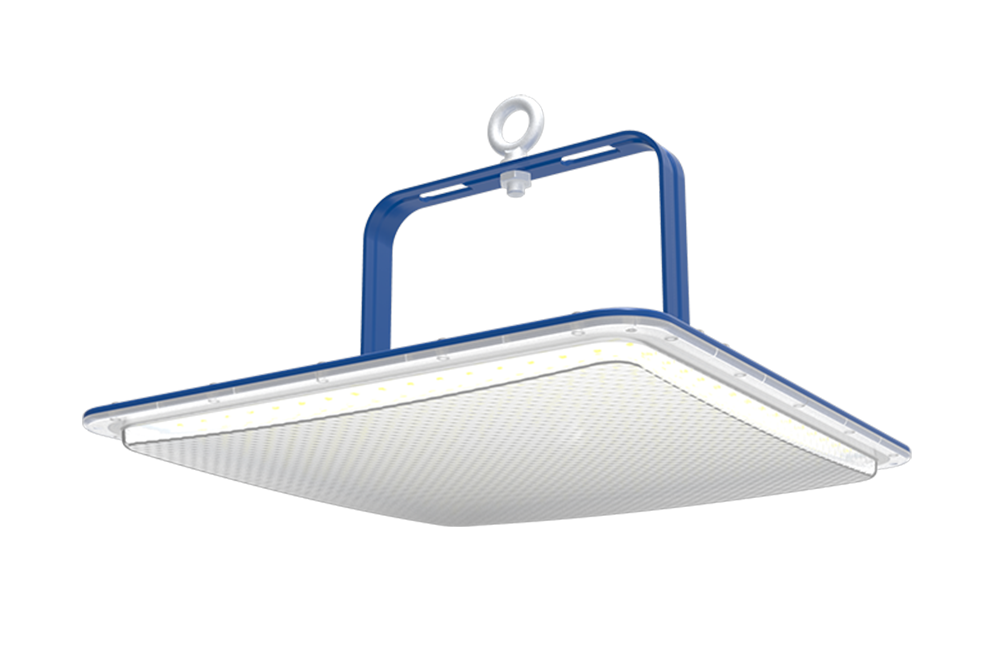
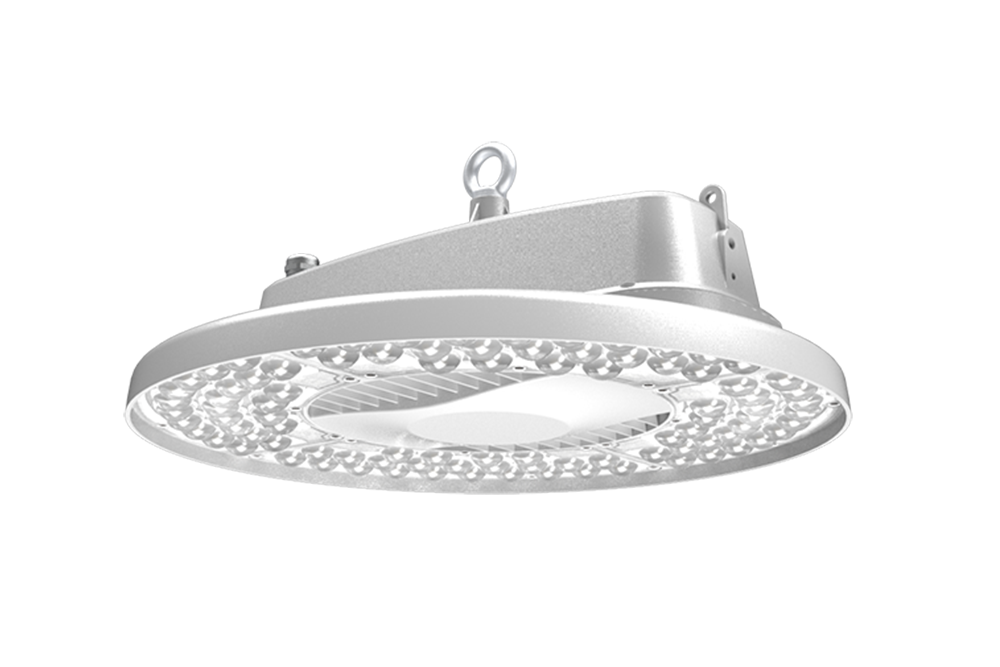
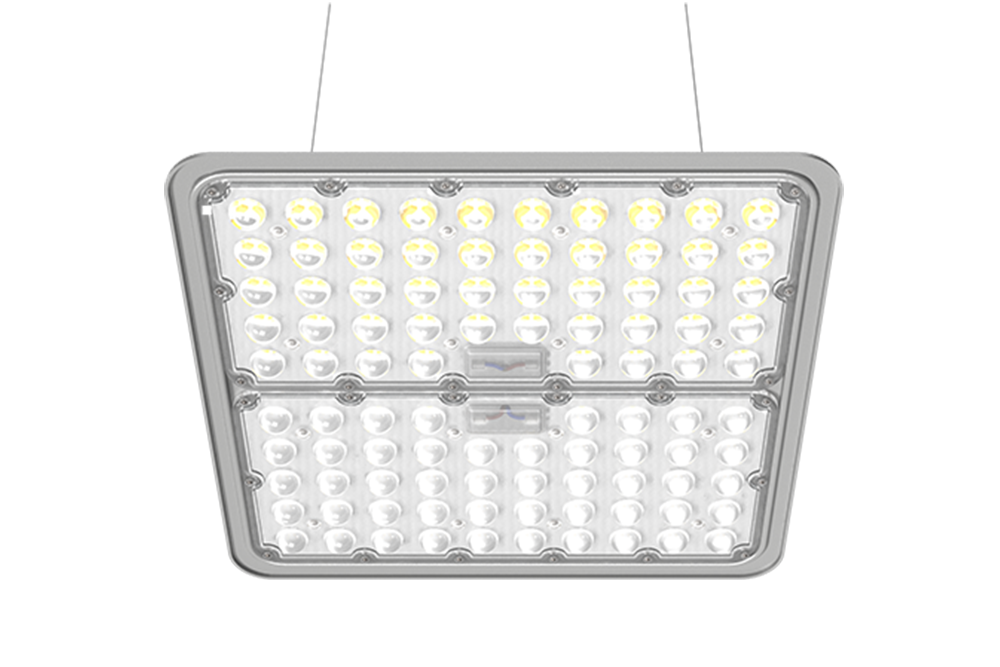
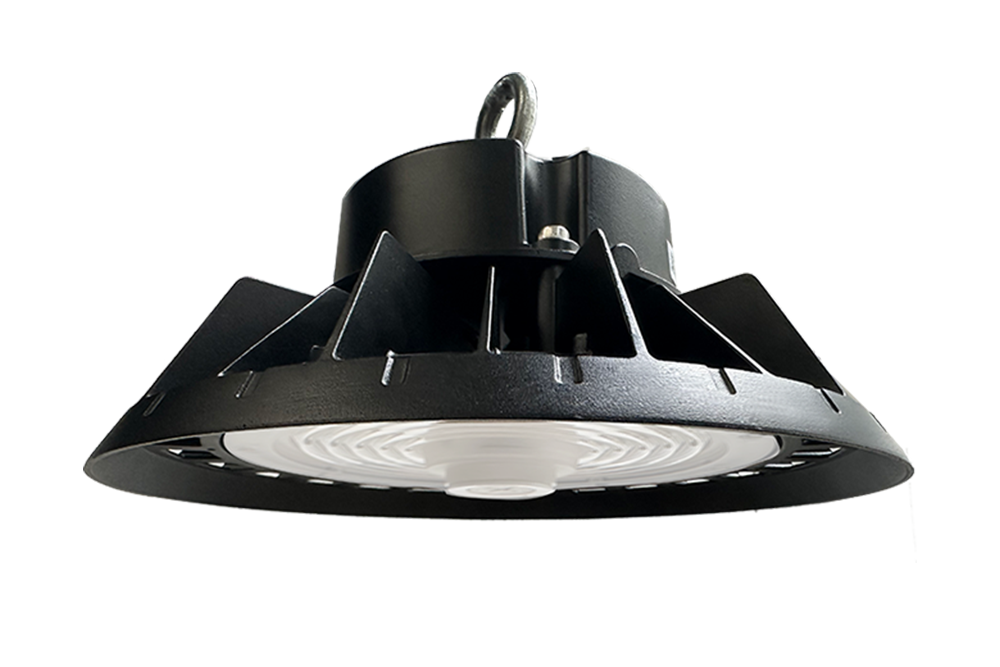
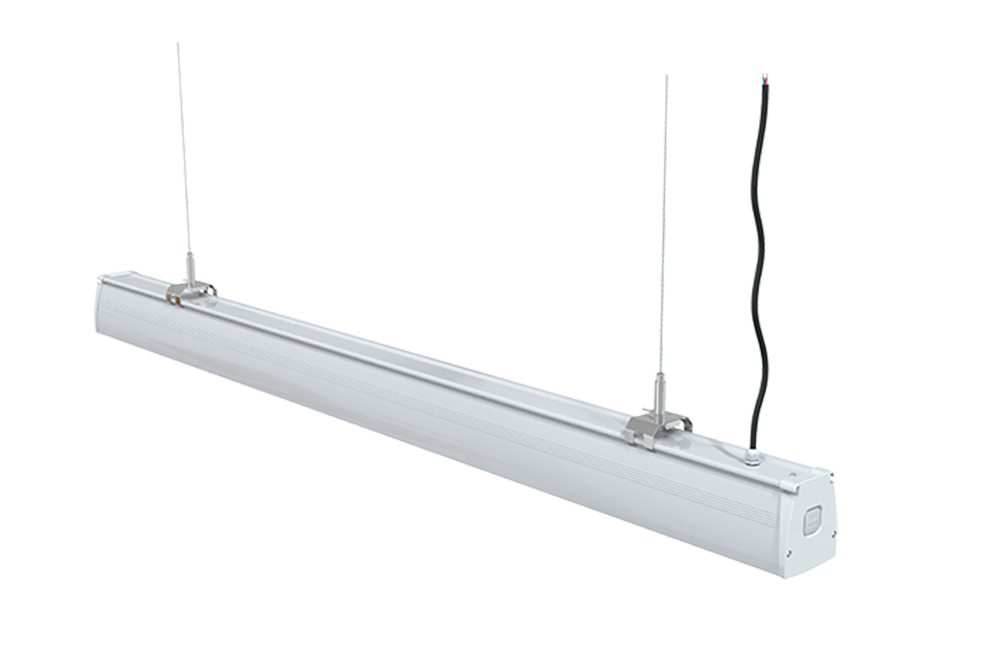
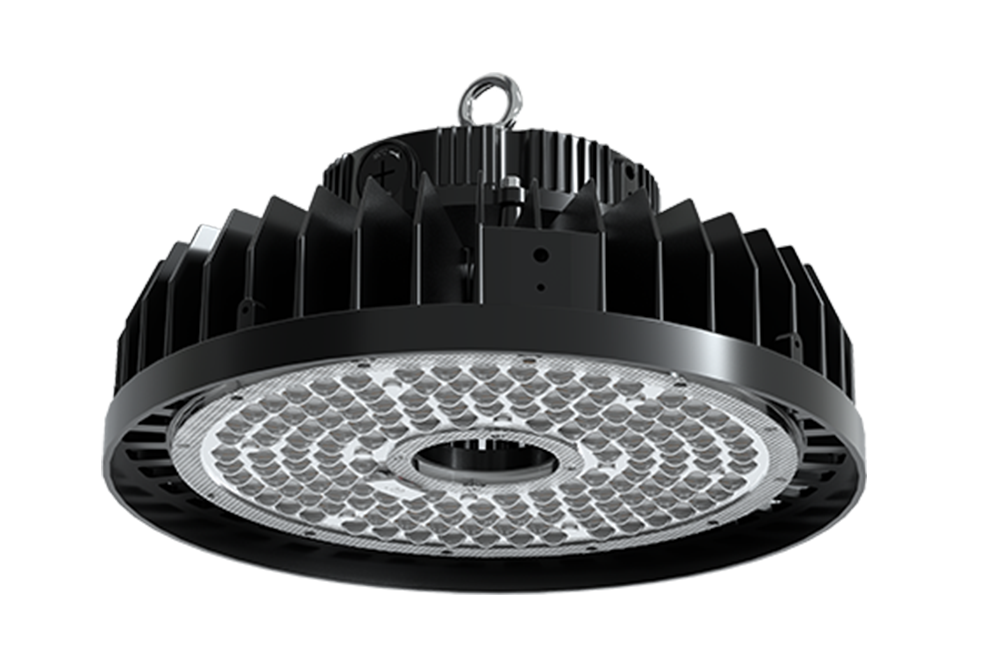
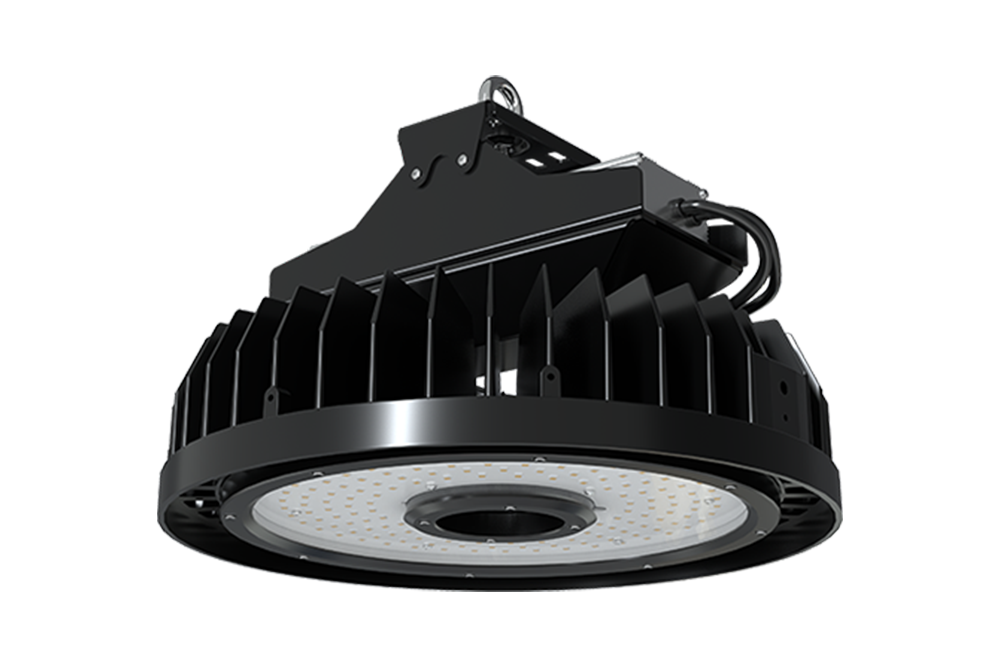
From an engineering standpoint, gym lighting is not about making the space as bright as possible. It is about placing the right light, at the right height, with controlled glare and stable output during long operating hours. At SEEKINGLED, gym projects are usually designed using a mix of LED High Bay Light, Linear LED Light, and in some cases LED Tri-proof Lamp for wet or humid areas.
Real-World Lighting Needs in Gyms
Unlike warehouses or offices, gyms have constantly moving users, reflective equipment, and varied ceiling heights. This makes lighting uniformity and glare control especially important.
In most commercial gyms, practical illumination levels fall between 300 and 500 lux in workout zones. Higher values may look impressive at first, but they often increase energy use and visual fatigue over time.
Color temperature also plays a role. Cooler white light around 5000K to 6500K is commonly selected for training areas because it helps maintain alertness, especially during early morning or late-night sessions.
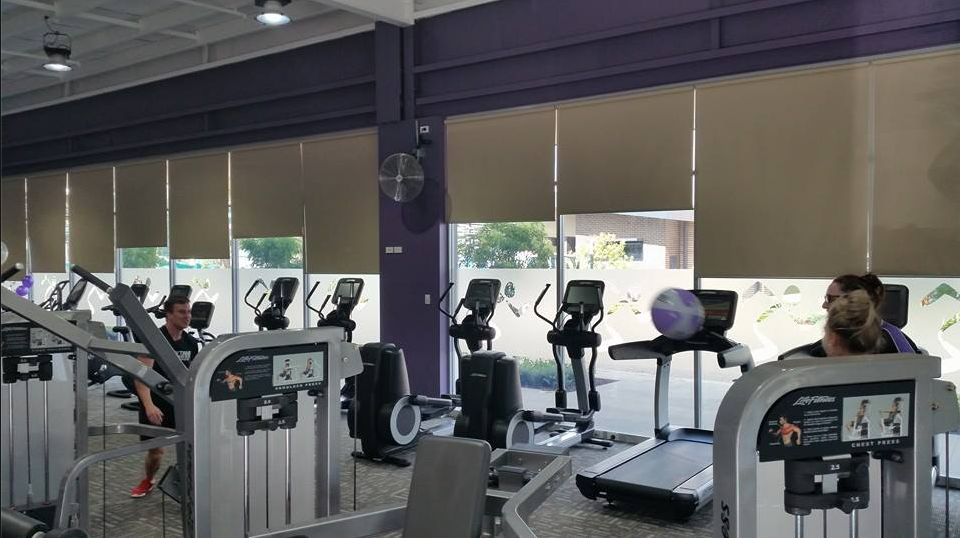
Proper fixture layout ensures uniform illumination across workout zones
Fixture Selection Based on Ceiling Height
High Ceiling Training Areas
For gyms with ceilings above 6 meters, LED High Bay Lights are typically the most efficient solution. Their optical control allows wide, even coverage without requiring excessive fixture counts.
SEEKINGLED high bay fixtures are often chosen in these spaces for their stable lumen output and consistent color performance during long daily operation.
Standard Ceiling and Functional Zones
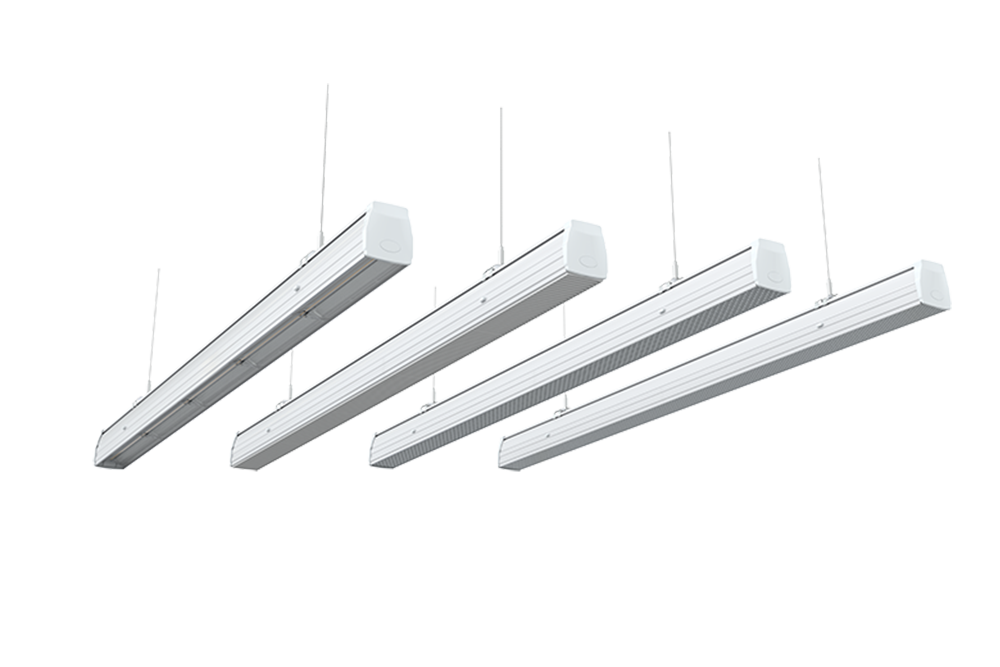
In cardio zones, stretching areas, and circulation paths, Linear LED Lights are widely used. Their continuous light distribution reduces shadows between machines and creates a visually organized ceiling layout.
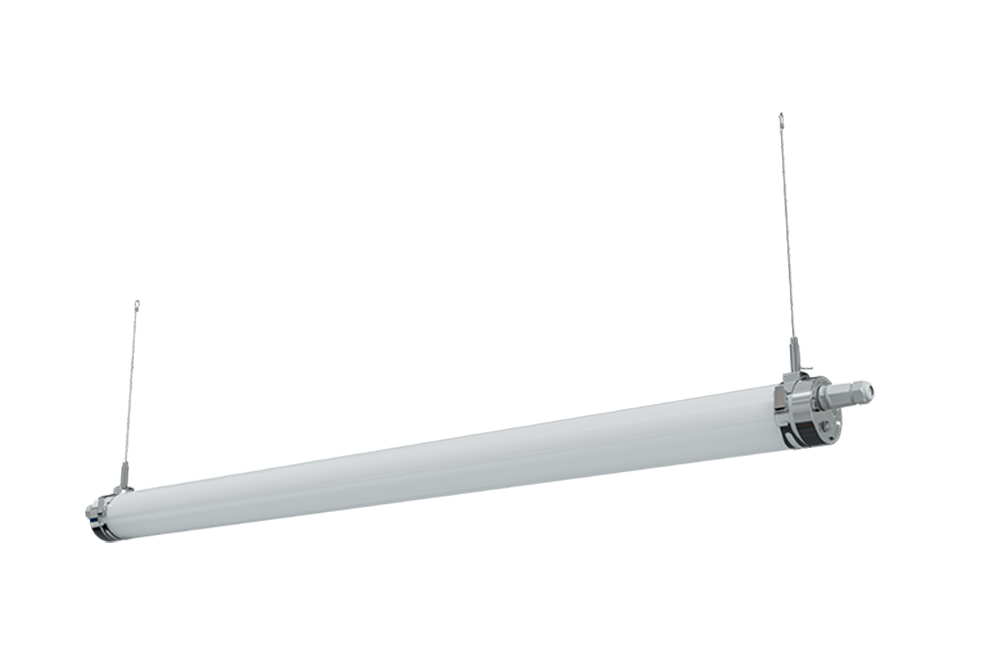
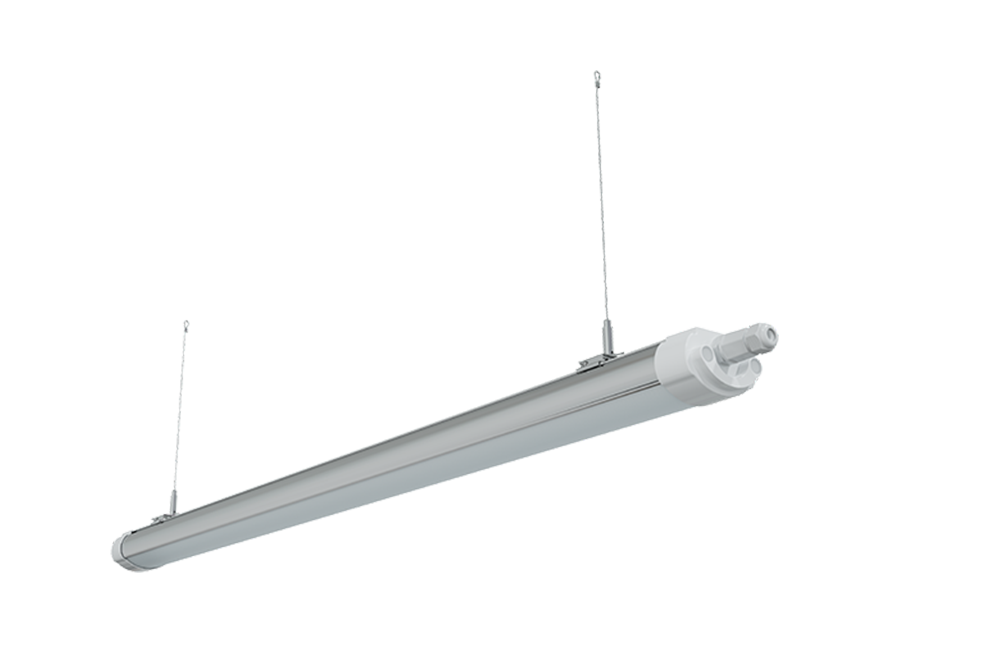
Locker rooms, showers, and pool-adjacent spaces usually require sealed luminaires. Here, LED Tri-proof Lamps provide reliable performance against moisture and cleaning chemicals.
Managing Glare and Visual Comfort
One of the most common complaints in gyms is discomfort glare, especially when lights are mounted directly above benches or cardio machines. In practical designs, fixtures with a UGR value below 25 help reduce this issue.
Beam angle selection and mounting height matter as much as the fixture itself. Improper aiming can create bright hotspots that distract users and reduce perceived quality.
Energy Use and Long-Term Operation
Most gyms operate 12 to 18 hours per day. Over time, lighting energy costs become a major operational expense. LED solutions significantly reduce this load while also lowering maintenance frequency.
In facilities with variable traffic, motion sensors and dimming controls are often applied in secondary zones. This approach saves energy without affecting the main training areas.
Engineering Takeaway
A well-lit gym feels open, safe, and motivating without appearing harsh or over-lit. Successful projects balance brightness, glare control, and energy efficiency rather than focusing on lumen output alone.
SEEKINGLED continues to support gym and fitness lighting projects with application-based solutions that reflect real usage conditions, not just catalog specifications.
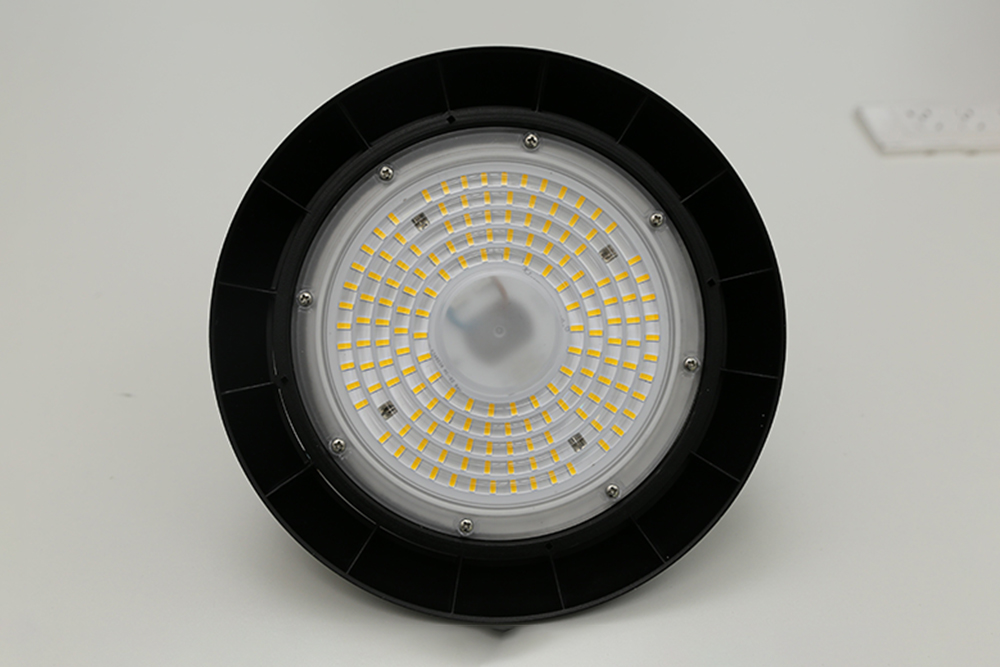
We launch the HBG series high bay light, which include 80W, 100W, 120W, 150W, 200W, 240W, UFO appearance, IP65 protection grade. Use Meanwell HBG driver, SMD3030 LED chips, whole lamp 5 year warranty, light efficiency update to 140lm/w, smaller si...
Seeking presented its latest LED lighting solutions at Interlight + Smart Sec & Building Central Asia 2024, showcasing energy-efficient, smart-ready LED Lighting for industrial, commercial and outdoor projects at Booth C19.
LED parking lot flood lights deliver brighter, safer outdoor lighting with lower energy use. Learn real-world installation insights, performance data, and expert tips from SEEKINGLED.
 Seeking LED