 Seeking LED
50W LED Street Light Designed for Roads That Need Stability, Not Show
198A 50W LED street light delivering up to 170 lm/W for roads, parks, and residential areas. Reliable performance and long service life by SEEKINGLED.
View detailsSearch the whole station
Ex floodlights are certified explosion-proof luminaires designed to safely operate in hazardous environments by containing sparks and preventing ignition of flammable gases or dust.
That’s the short answer. In practice, though, choosing the right ex floodlights is less about specs on paper—and more about what actually survives after 18 months on a refinery wall.
In hazardous zones—oil terminals, chemical plants, grain silos—standard LED floodlights are simply not acceptable. The risk is not heat alone; it’s ignition.
According to the International Electrotechnical Commission (IEC), explosive atmospheres occur when flammable substances mix with air under specific conditions (IEC 60079 standard).
“Ex” is not marketing language. It refers to compliance with explosion protection standards such as:
These standards define:
A properly engineered SEEKINGLED ex floodlight is designed to contain internal ignition and prevent external explosion propagation.
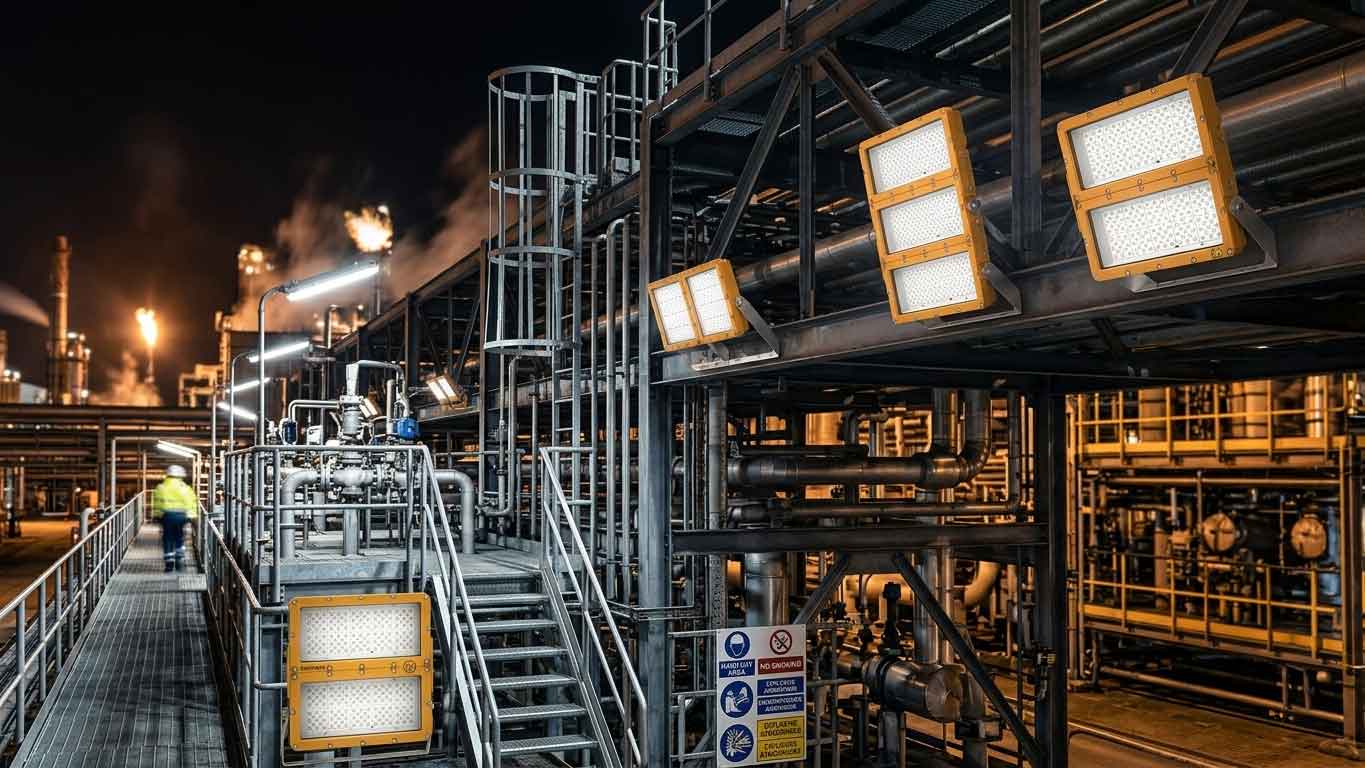
I’ve personally worked on a retrofit project in Southeast Asia—an offshore platform switching from metal halide to LED ex floodlights.
What we noticed immediately:
After 14 months, failure rate: 0 units.
Data from the U.S. Department of Energy (DOE) shows LED lighting can reduce energy use by up to 75% compared to traditional HID systems.
For hazardous environments, this matters more than cost:
A common failure point in cheap units:
High-end units maintain stable output even in +55°C ambient conditions.
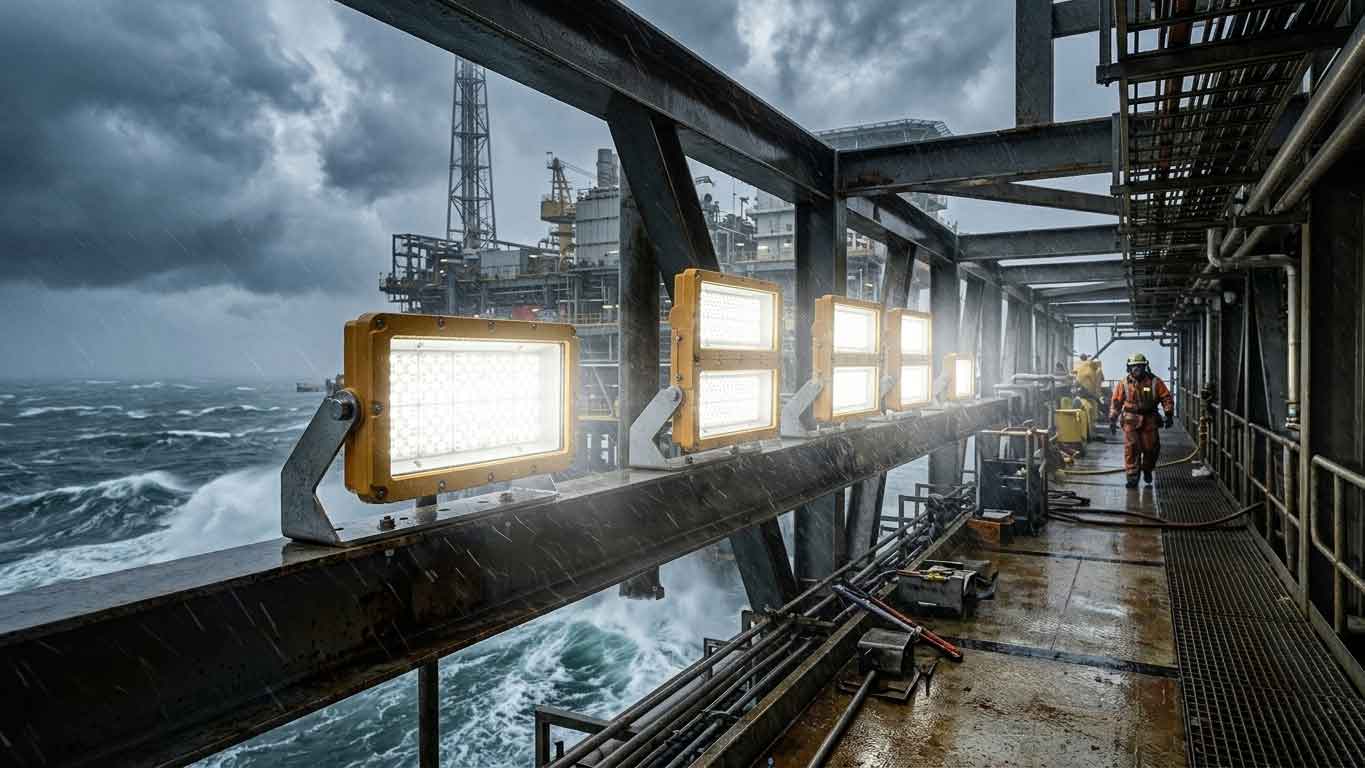
A standard floodlight may:
In hazardous zones, any of these equals shutdown—or worse.
| Feature | Ex Floodlights | Standard LED Floodlights |
|---|---|---|
| Certification | ATEX / IECEx | None |
| Safety level | Explosion-proof | General use |
| Housing | Sealed, reinforced | Basic aluminum |
| Application | Hazardous areas | Commercial/residential |
| Cost | Higher upfront | Lower upfront |
| Risk | Minimal | High in hazardous zones |
comparison: ex floodlights vs standard LED floodlights
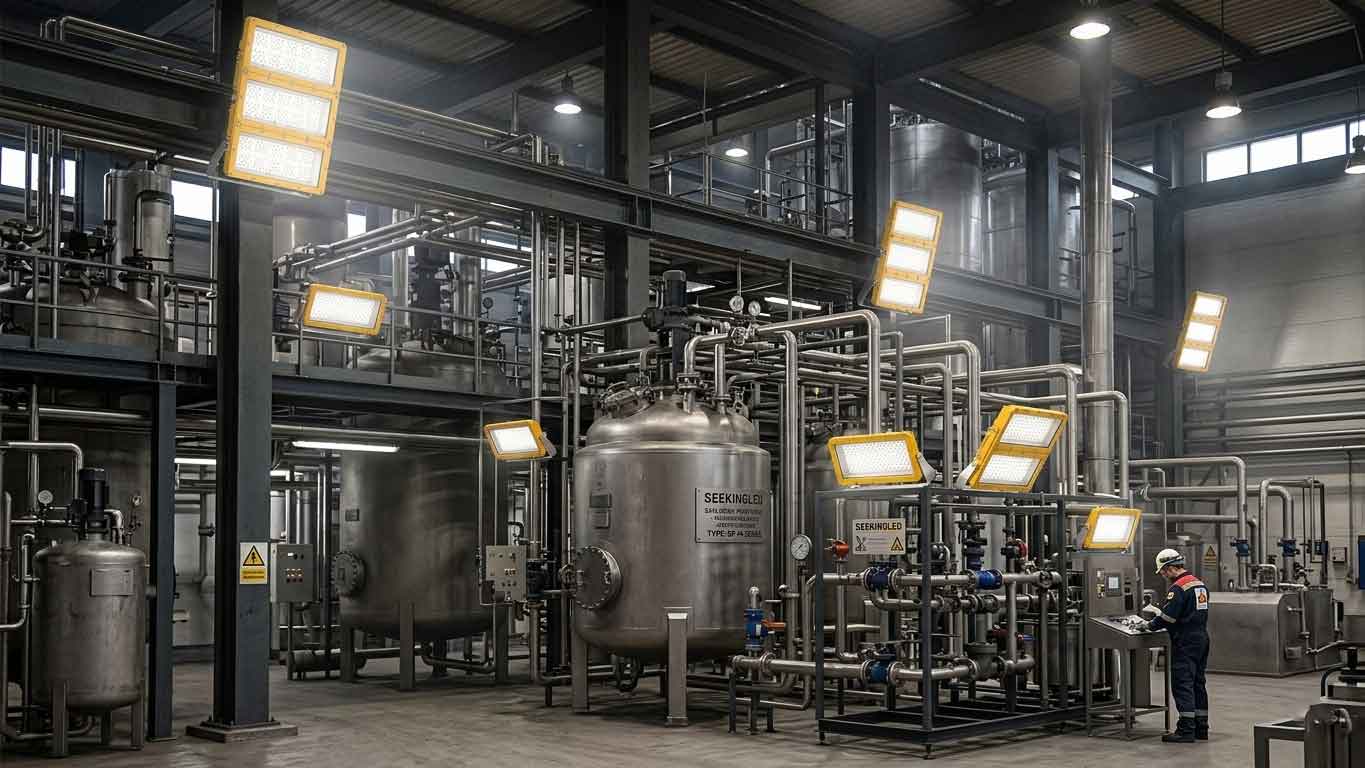
Before buying, verify:
Choosing based on lumen output alone.
In hazardous areas, safety certification outweighs brightness every time.
No. Only lights certified under ATEX, IECEx, or similar standards qualify as explosion-proof.
Yes. With proper thermal design, they typically exceed 50,000 hours, even in harsh environments.
In hazardous zones, they are not optional—they are mandatory for safety compliance.
This article is written by a senior lighting engineer at SEEKINGLED, with:
Field validation—not catalog specs—is what shapes these recommendations.
The biggest mistake I still see? Treating ex floodlights as a “premium version” of standard LEDs.
They’re not.
They’re a safety system disguised as a light fixture—and in the right environment, that distinction matters more than anything else.
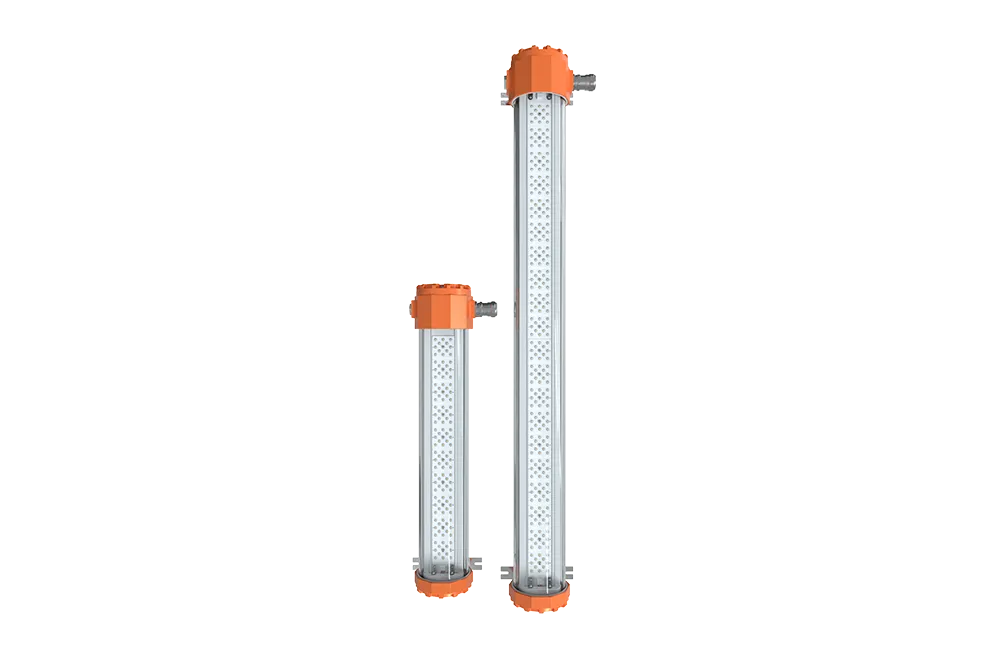
SEEKINGLED LED Linear Explosion Proof Light and Explosion Proof lighting is ATEX and IECEx certified for Zone 1, Zone 2, Zone 21 and Zone 22 hazardous locations, built for long-term industrial use.
View details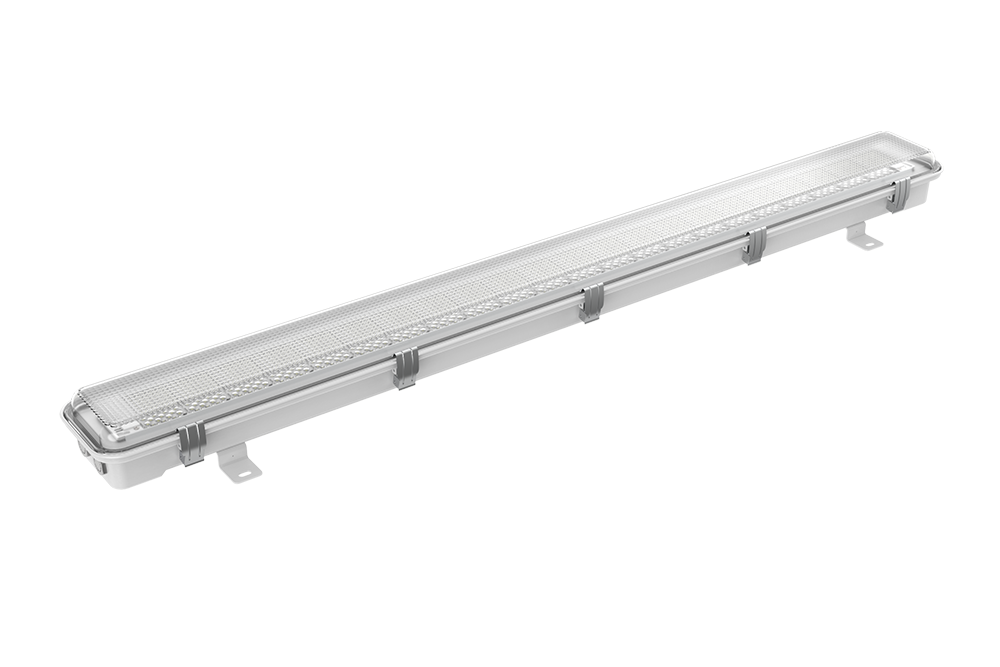
LED Linear Explosion Proof Lights and EX Proof lights for Zone 1, Zone 2, Zone 21 and Zone 22 hazardous areas. ATEX & IECEx certified explosion proof LED linear lighting with emergency function, adjustable power and IP67 protection by SEEKINGLED.
View details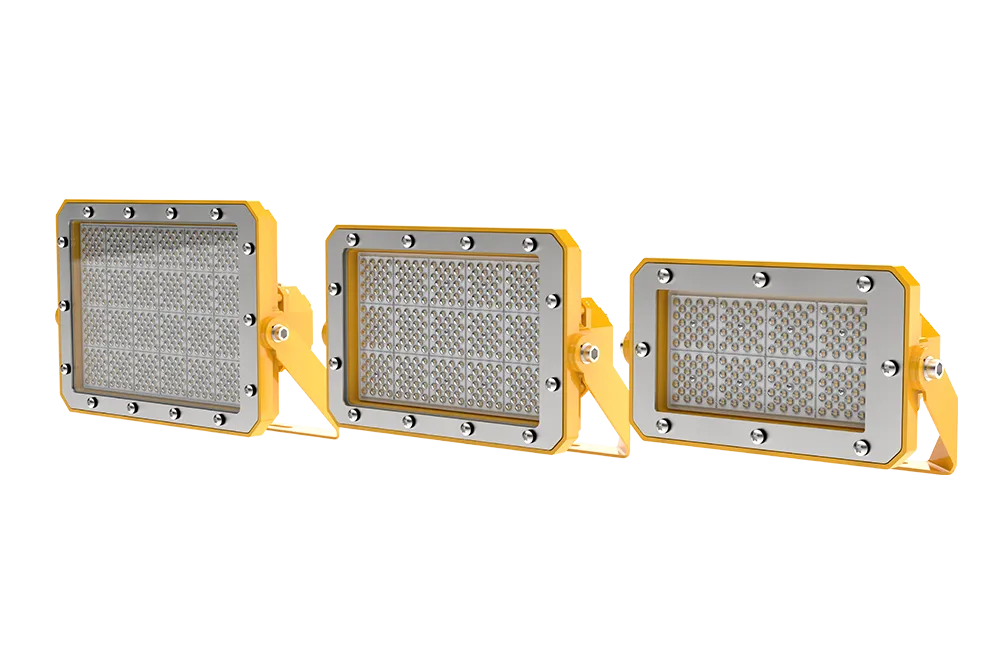
SEEKINGLED LED Explosion Proof Flood Lights are ATEX certified for Zone 2 and Zone 22 hazardous areas, offering high efficiency, adjustable power and integrated junction box.
View details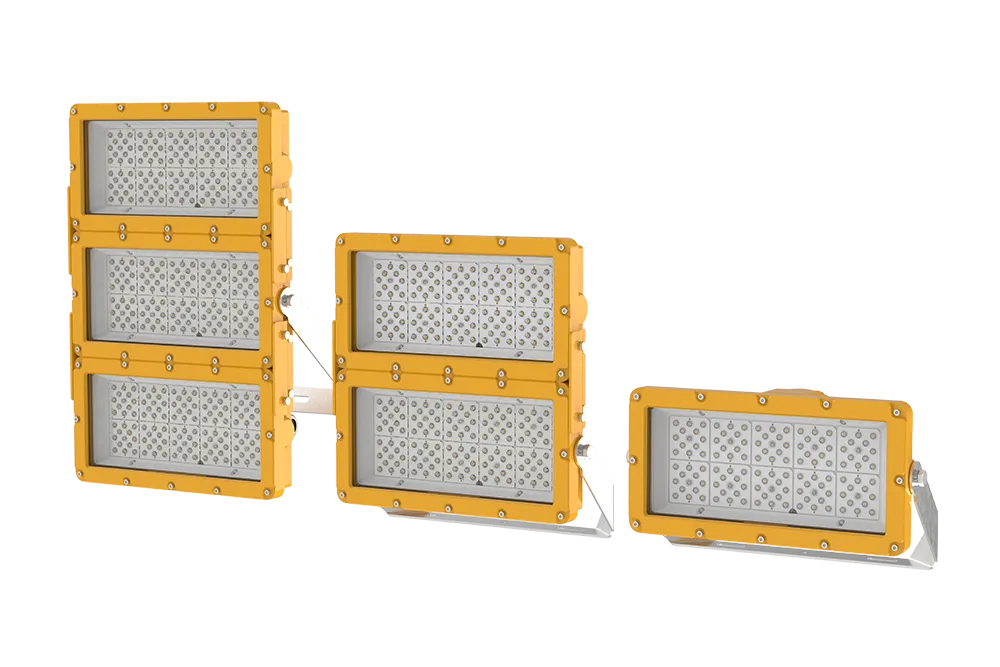
SEEKINGLED LED Explosion Proof Flood Lights are flameproof ATEX and IECEx certified for Zone 1 and Zone 2 hazardous areas, offering high power, adjustable output and long service life.
View details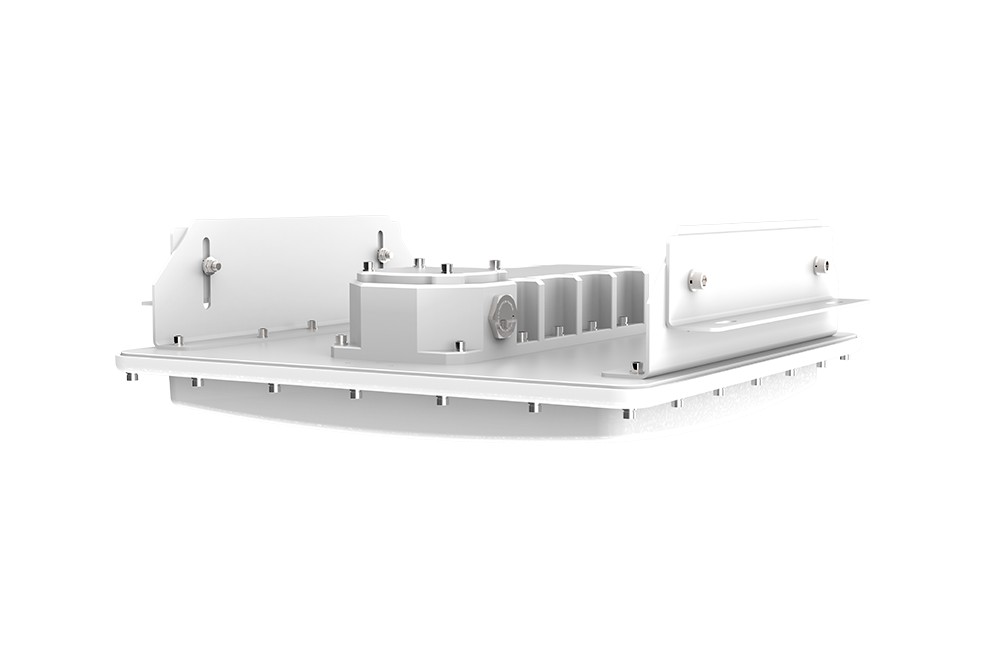
SEEKINGLED LED Gas Station Canopy Lights are ATEX certified for Zone 2 and Zone 22 hazardous areas, featuring adjustable power and built-in explosion-proof junction box.
View details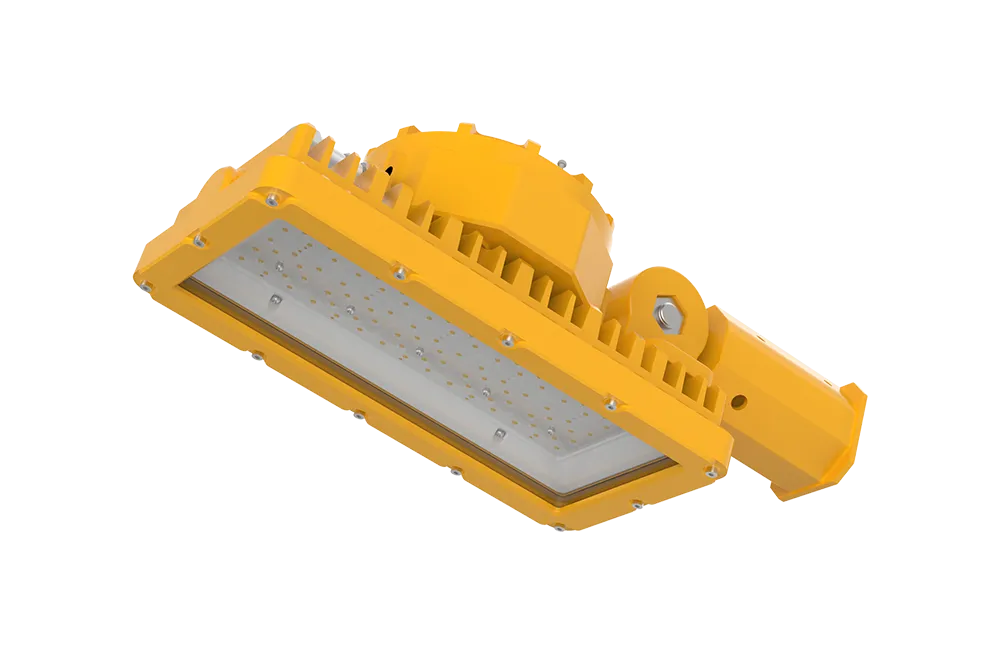
ATEX: Ex II 2G Ex db IIB T6/T5 GbEx II 2D Ex tb IIIC T80°C/ T95°C Db IECEx Ex db IIB T6 Gb;Ex tb IIIC T80°C Db Feature: ● For Zone 1,2 and Zone 21,22● Flameproof type, the strongest● 100W can replace 250W HID,energy saving● Power:60W,80W,100W Application: Oil and gas, marine, Chemical, pharmaceutical, semiconductor,mining,military industr…
View details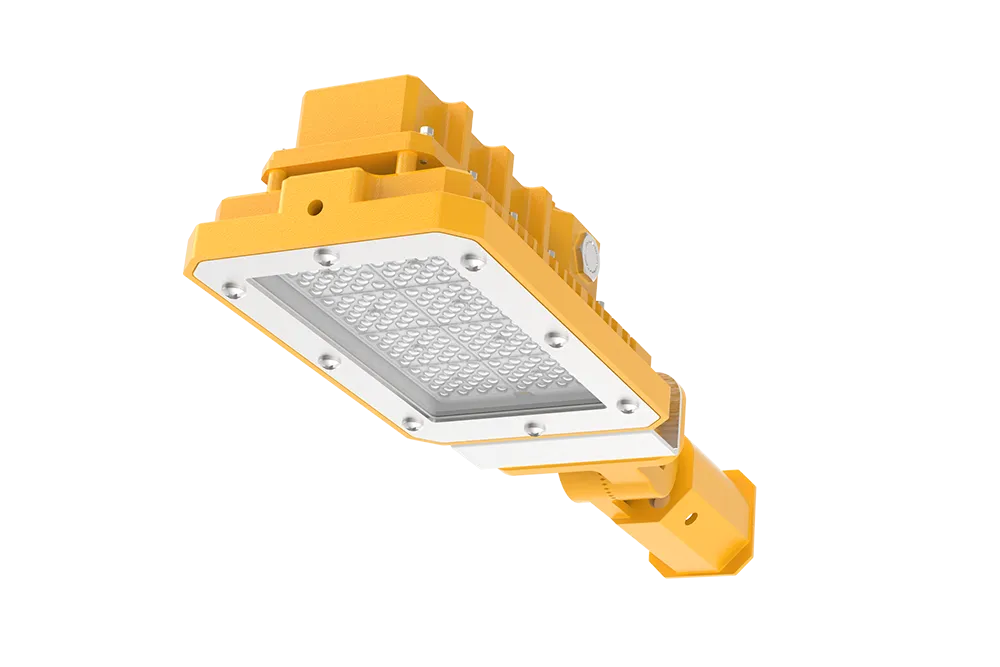
ATEX: II 3G Ex nR ⅡC T5/T6 GcII 3D Ex tc ⅢC T80℃/T95℃Dc ATEX Certificate NO: TÜV CY 26 ATEX 0207611 X Feature: ● For Zone 2 and Zone 22● 150W can replace 250W HID lamps,Energy saving● Power:50W,75W,100W,150W,200W Application: Oil and gas, marine, Chemical, pharmaceutical, semiconductor,mining,military industry, paint booth,power plant ETC…
View details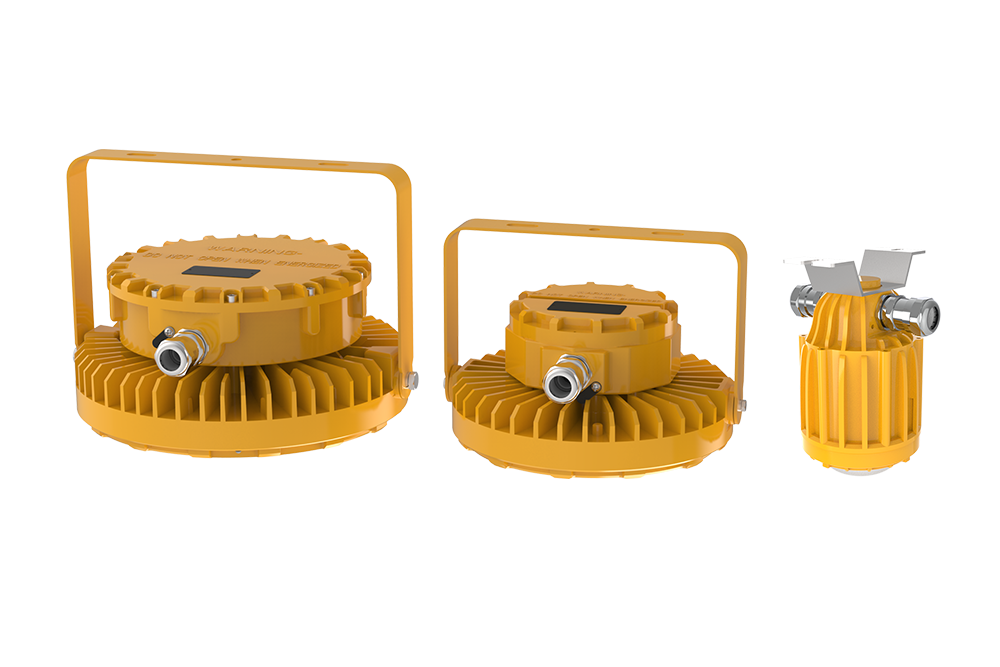
LED explosion proof high bay lights are designed for Zone 1, Zone 2, Zone 21 and Zone 22 hazardous areas. This page introduces the HB21 Series from SEEKING, including certifications, power options and real application considerations.
View details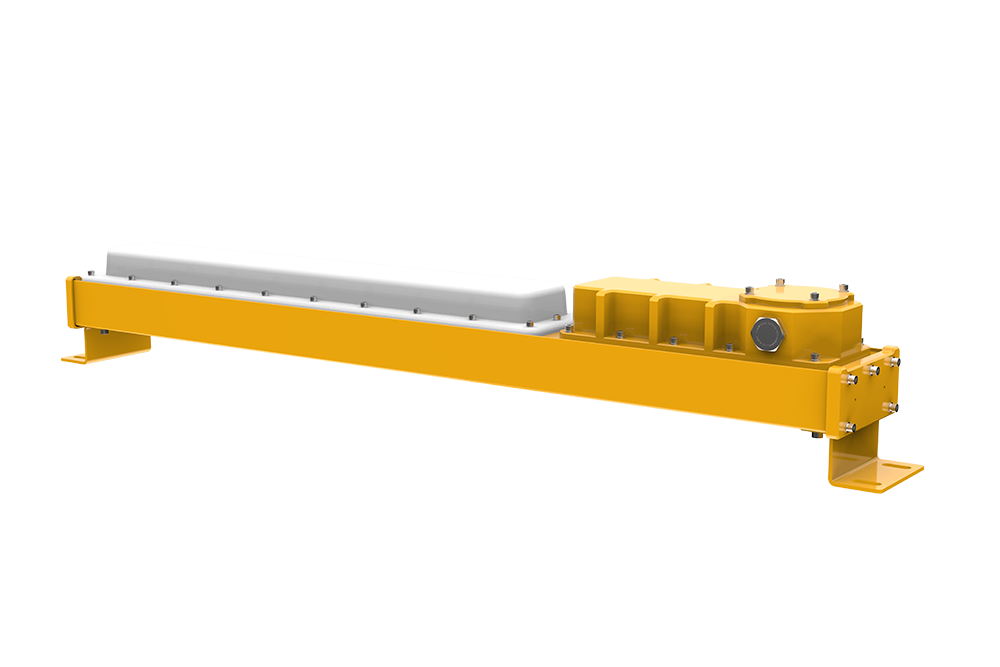
LED Linear Explosion Proof Lights from SEEKINGLED. LU Series Flame Proof lights ATEX-certified explosion proof LED linear lighting for Zone 2 gas and Zone 22 dust areas, IP69K, IK10, long lifetime and flexible power options.
View details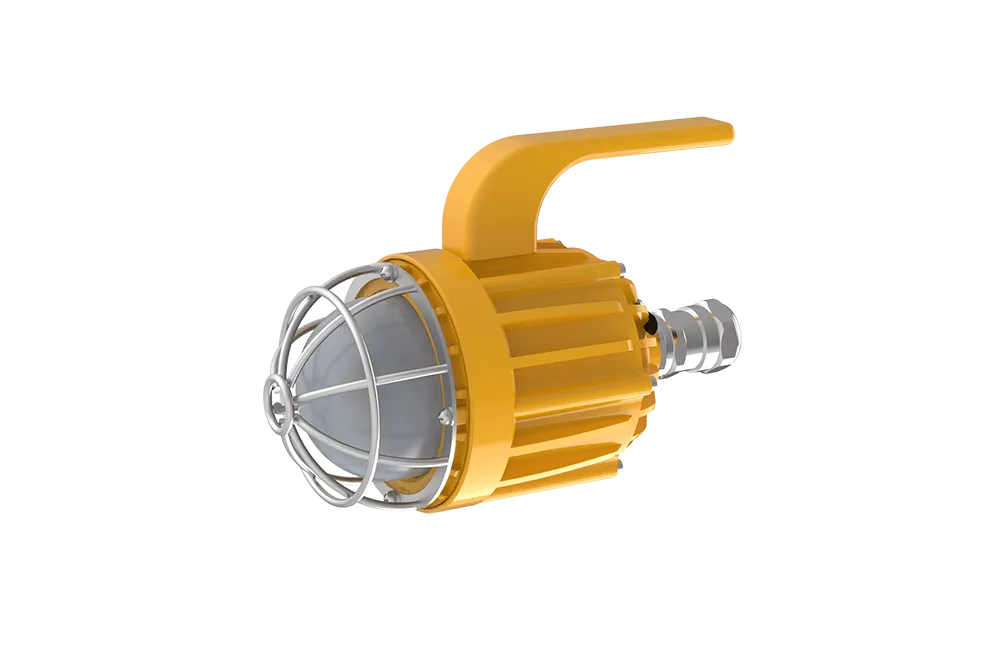
Certified explosion proof work lights for Zone 1 & 21 hazardous areas. Portable, ATEX & IECEx approved, built for oil, gas and chemical plants by SEEKINGLED.
View details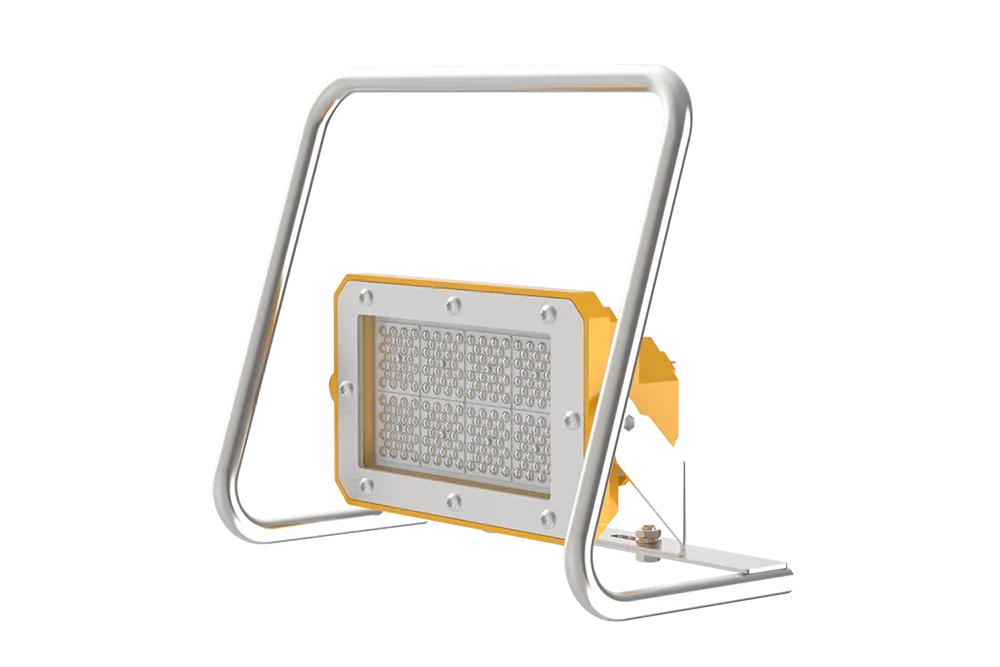
ATEX: II 3G Ex nR ⅡC T6 GcII 3D Ex tc ⅢC T80℃ Dc ATEX Certificate NO: TÜV CY 26 ATEX 0207611 X Feature: ● For Zone 2 and Zone 22● Accepts battery-powered supply● indestructible● Power:AC input:50W,75W,100WDC input:15W,25W,35W Application: Oil and gas, marine, Chemical, pharmaceutical, semiconductor,mining,military industry, paint booth,po…
View details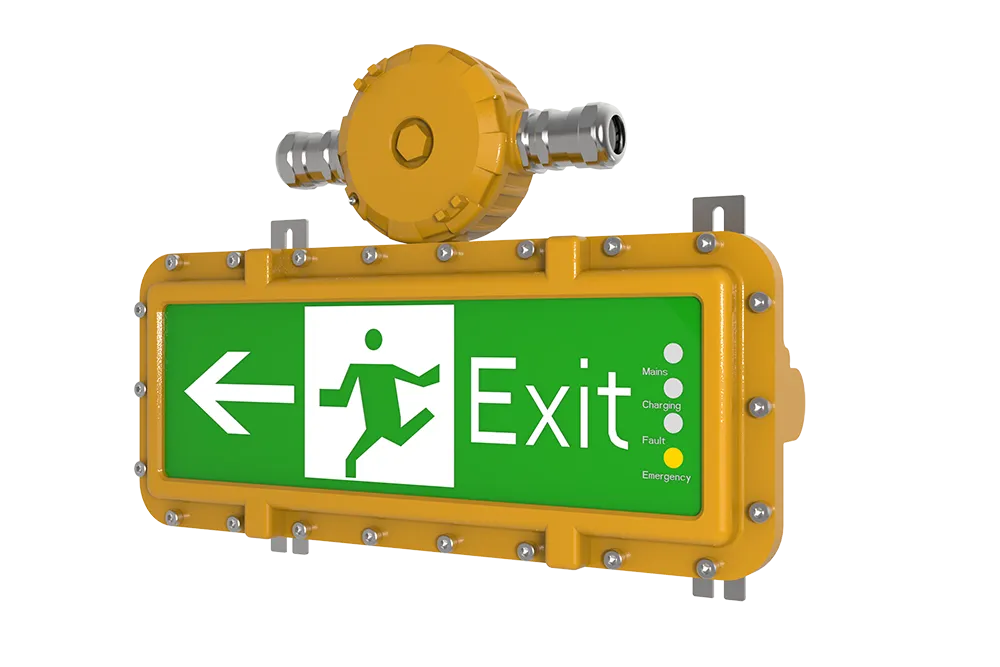
ATEX: Ex II 2G Ex db IIB T6 GbEx II 2D Ex tb IIIC T80°C Db IECEx Ex db IIB T6 Gb;Ex tb IIIC T80°C Db Feature: ● For Zone 1,2 and Zone 21,22● Flameproof type, the strongest Application: Oil and gas, marine, Chemical, pharmaceutical, semiconductor,mining,military industry, paint booth,power plant ETC hazardous area. Technical Specifications:…
View details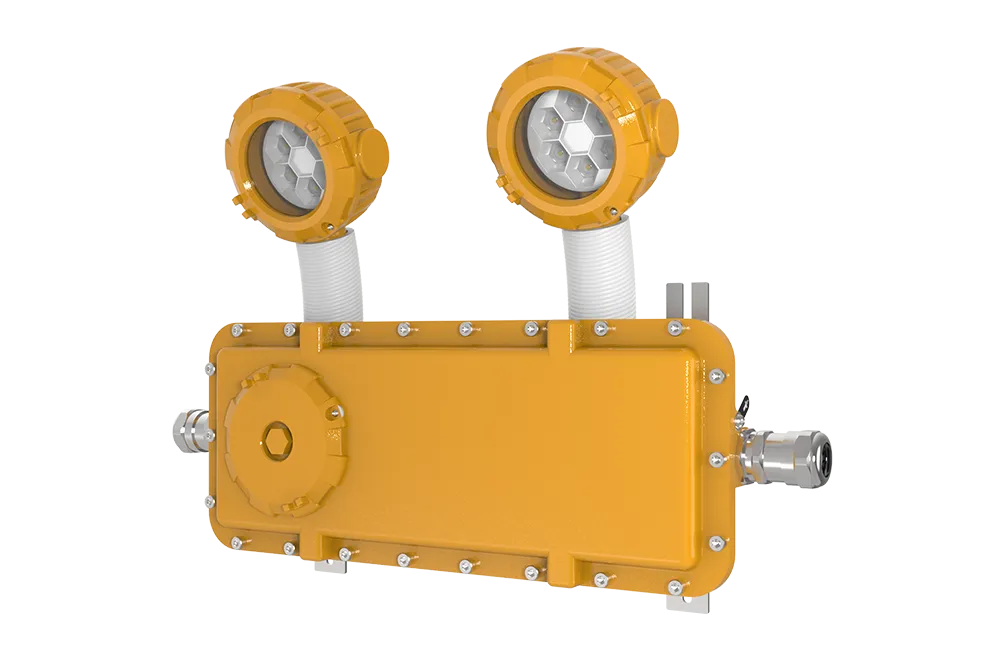
ATEX: Ex II 2G Ex db IIB T6 GbEx II 2D Ex tb IIIC T80°C Db IECEx Ex db IIB T6 Gb;Ex tb IIIC T80°C Db Feature: ● For Zone 1,2 and Zone 21,22● Flameproof type, the strongest Application: Oil and gas, marine, Chemical, pharmaceutical, semiconductor,mining,military industry, paint booth,power plant ETC hazardous area. Technical Specifications:…
View details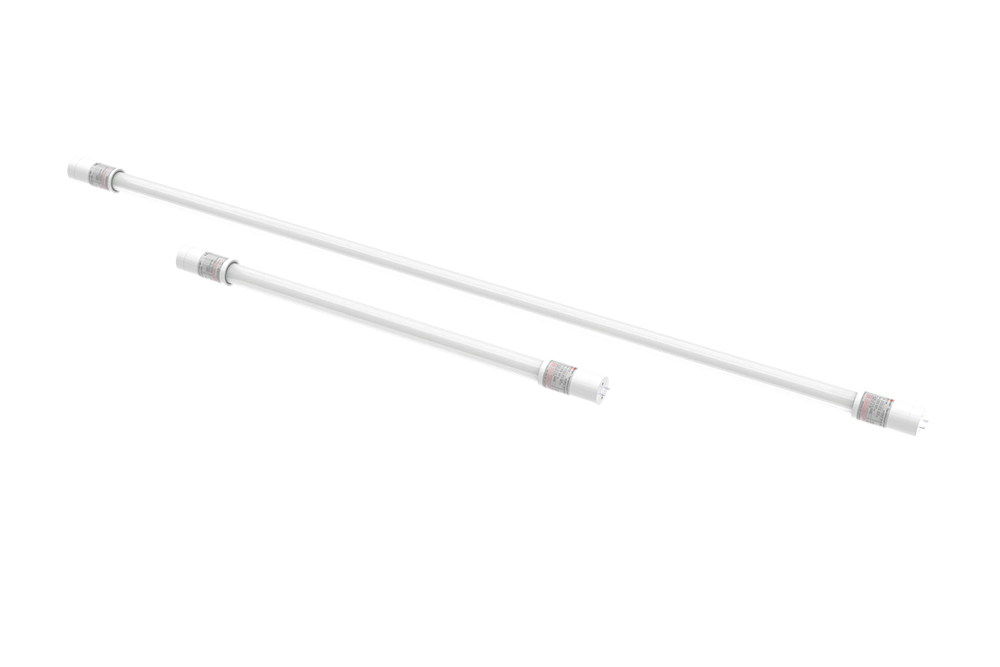
ATEX: Ex II 2G Ex d e IIB T6 Gb ATEX: Ex d e IIB T6 Gb; Feature: ● For Zone 1,2● 9W can replace 18W fluorescent lamps,50% Energy saving Application: Oil and gas, marine, Chemical, pharmaceutical, semiconductor,mining,military industry, paint booth,power plant ETC hazardous area. Technical Specifications: Standards:60079-0, 60079-1, 60079…
View details
A 50W LED street light delivering up to 170 lm/W for roads, parks, and residential areas. Reliable performance and long service life by SEEKINGLED.
View details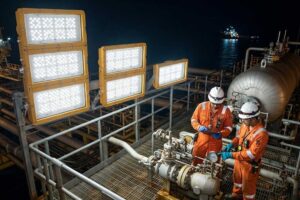
Learn everything about LED hazardous area lighting, including certifications, Zone 1 & Zone 2 applications, selection tips, and industry best practices from SEEKINGLED experts.
View details
ATEX approved LED lighting wholesale for hazardous industries. Discover certified explosion-proof lighting solutions trusted in oil, chemical, and marine projects by SEEKINGLED.
View details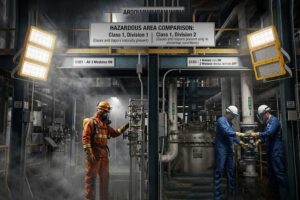
Class 1 Div 1 vs Class 1 Div 2 differences explained for hazardous locations. Learn safety standards, applications, certifications, and lighting selection.
View details