 Seeking LED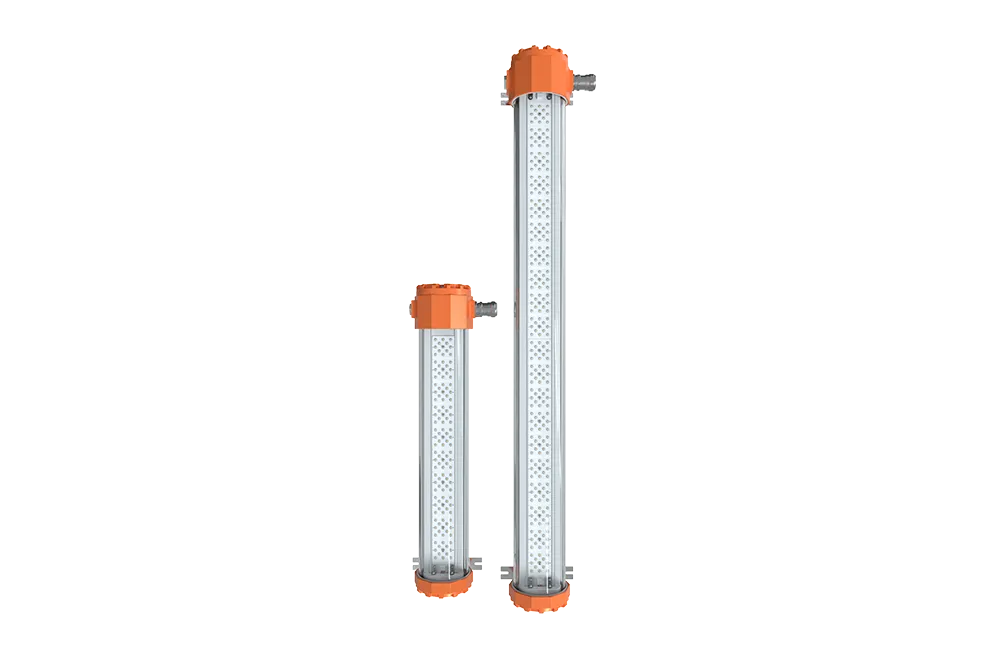
Indoor LED Floodlights: What Actually Works in Real Industrial Spaces?
101Indoor LED floodlights for warehouses and sports halls. Discover real performance data, efficiency standards, and how to choose reliable fixtures.
View detailsSearch the whole station
What is explosion proof lighting?
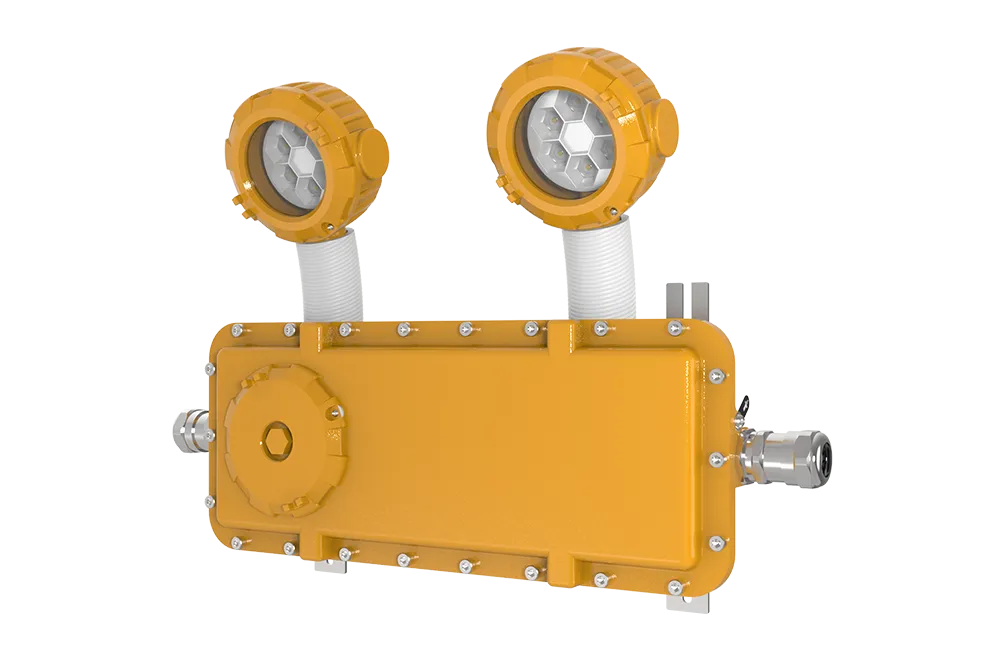
Explosion proof lighting refers to luminaires that are specifically designed and certified to operate safely in hazardous locations where flammable gases, vapors or combustible dust may be present.
The key point is not preventing an explosion from happening in the environment, but preventing the lighting fixture itself from becoming an ignition source. This is achieved through controlled enclosure design, thermal management and certified protection methods.
In normal industrial environments, lighting fixtures are not built to contain internal faults. If a spark, arc or abnormal heat occurs, it usually does not matter.
In hazardous areas, this changes completely. Even a small electrical fault inside a luminaire can ignite surrounding gas or dust. Because of this risk, standard LED or fluorescent lights are not allowed in classified zones, regardless of brightness or efficiency.
Explosion proof lighting is built as a complete safety system rather than a simple light source. Depending on the application, different protection concepts are used, such as flameproof enclosures (Ex d), increased safety (Ex e) or encapsulation (Ex m).
These designs ensure that:
Certification standards like ATEX and IECEx define how these requirements are tested and verified.
Explosion proof lighting is commonly installed in areas such as:
In these locations, lighting selection is based on zone classification, gas group or dust type, and ambient temperature, not just wattage.
These two terms are often confused. Explosion proof lighting contains ignition within a strong enclosure. Intrinsically safe lighting, on the other hand, limits electrical energy so ignition cannot occur in the first place.
In real projects, explosion proof lighting is more common for general area illumination, while intrinsically safe solutions are used for instruments or low-power devices.
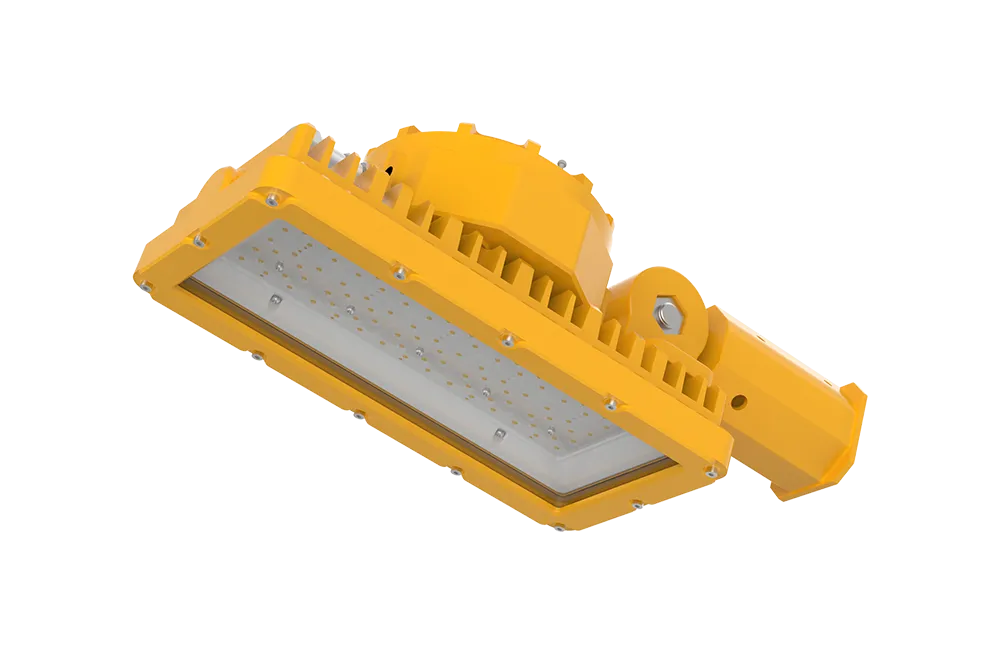
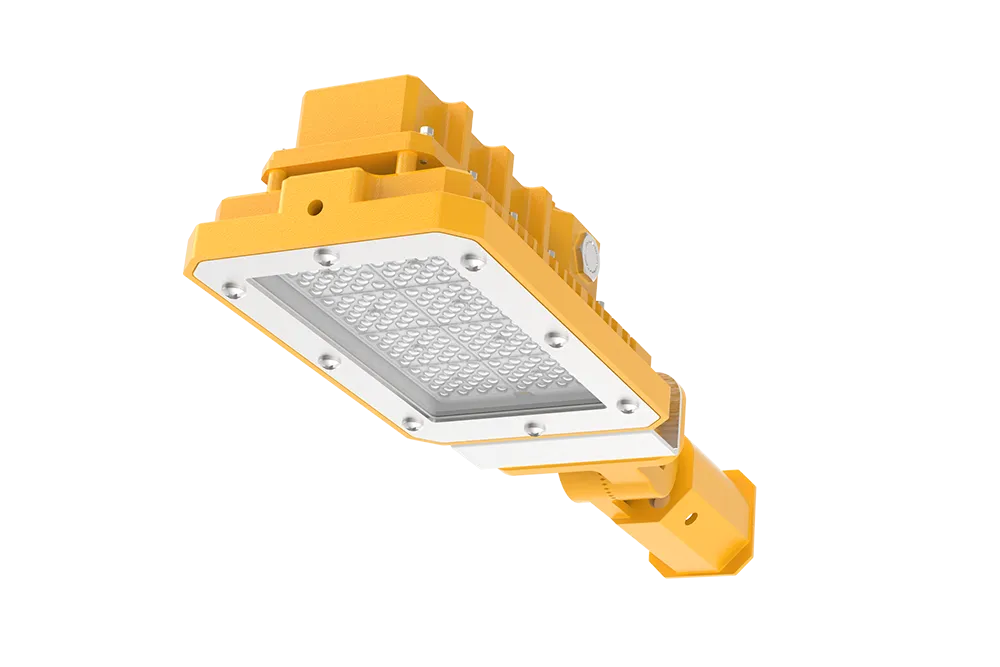
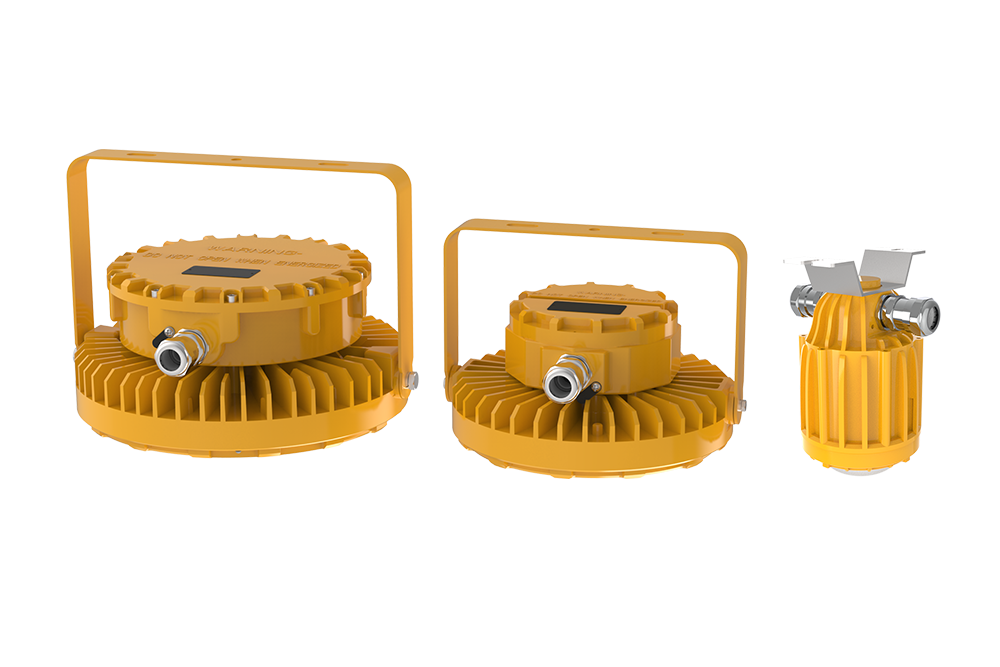
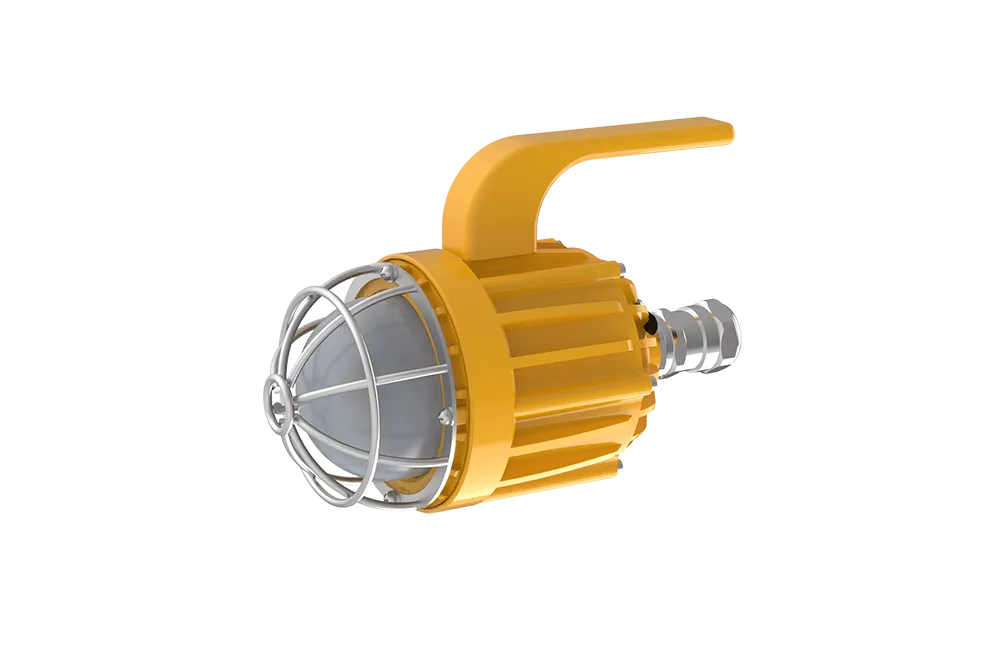
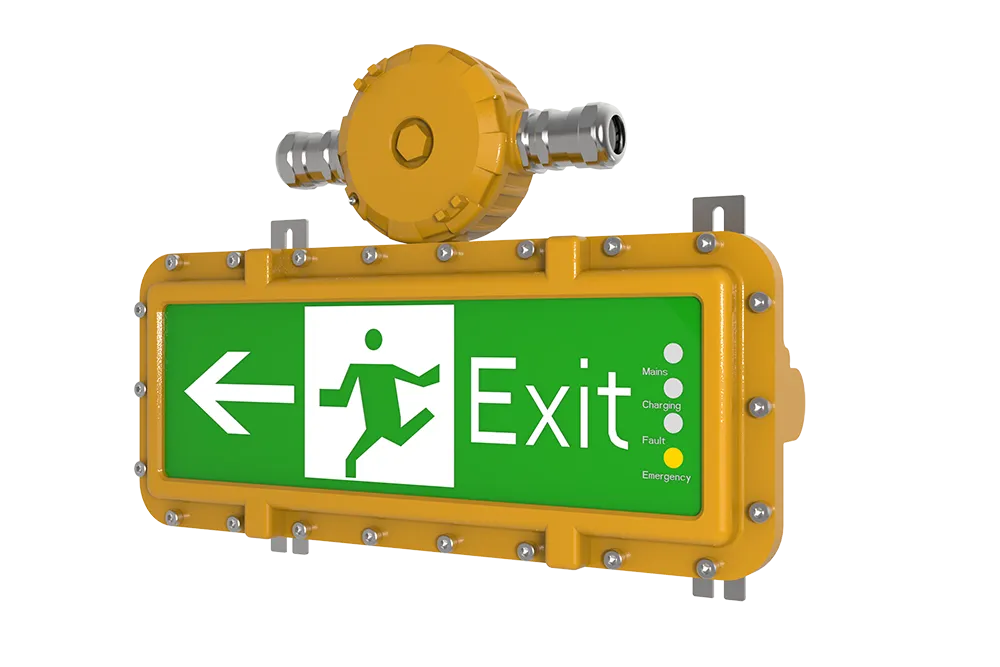
SEEKINGLED develops explosion proof LED lighting specifically for hazardous area use. Products are designed to meet ATEX and IECEx requirements and are applied in gas and dust classified zones across industrial and marine projects.
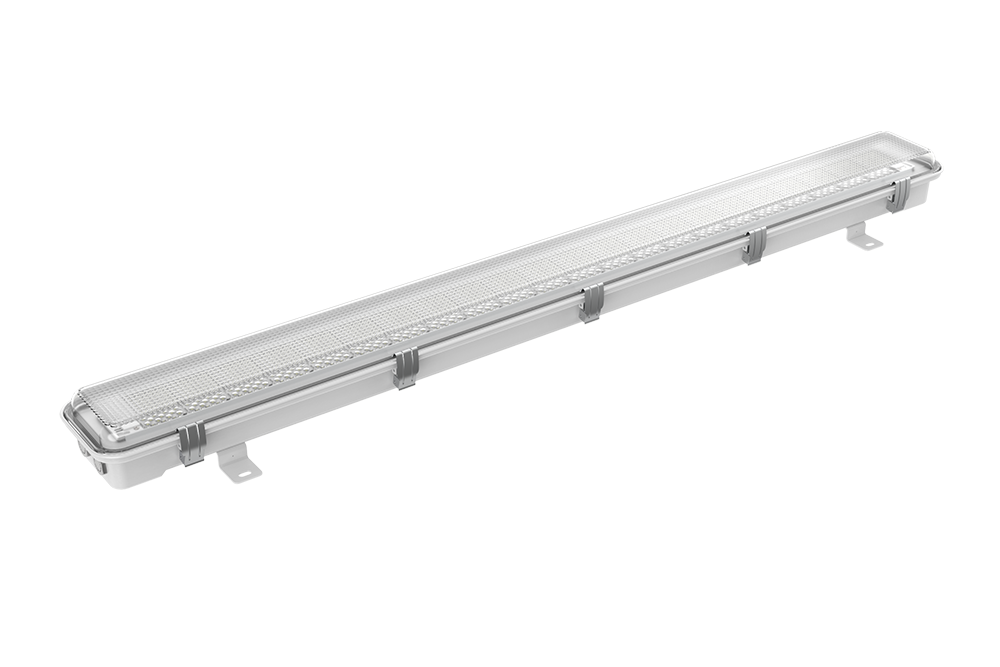
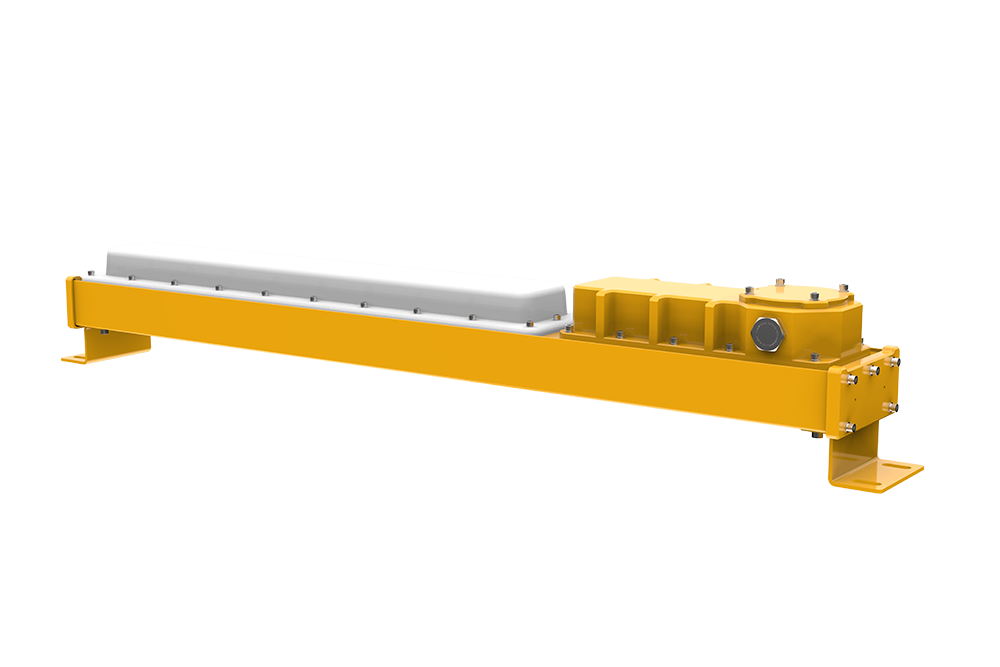
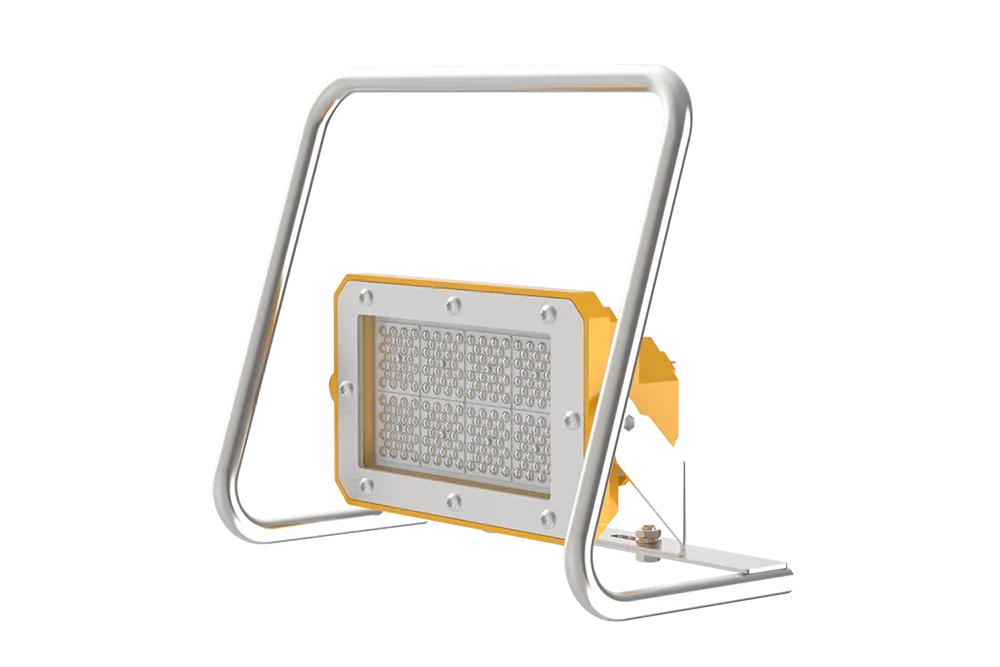
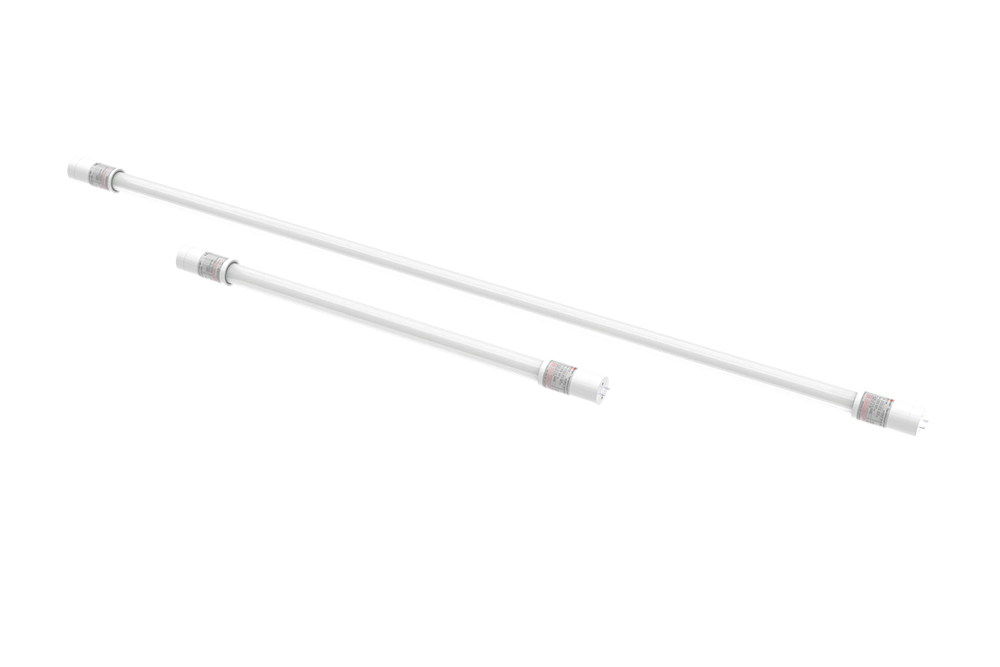
Instead of modifying standard fixtures, SEEKINGLED focuses on purpose-built explosion proof lighting solutions, including linear lights and high-output industrial luminaires.
Indoor LED floodlights for warehouses and sports halls. Discover real performance data, efficiency standards, and how to choose reliable fixtures.
View details
100 watt LED flood light delivers high brightness with low energy cost. Discover real-world performance, installation tips, and expert insights for outdoor lighting with SEEKINGLED.
View details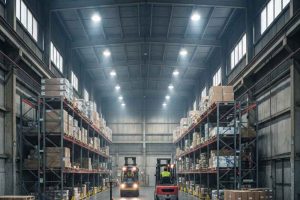
LED high bay light fixtures explained for warehouses and factories. Learn how to choose wattage, optics, and mounting height for real working spaces.
View details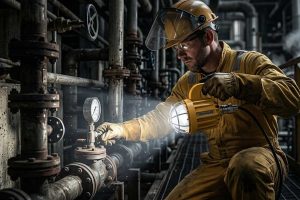
Explosion proof LED work lights provide safe, portable illumination in hazardous areas. Discover certified solutions, real use cases, and selection tips.
View details