 Seeking LED
how to get a explosive proof cap off junction box?
0Learn how to get a explosive proof cap off junction box safely without damaging flame paths or certifications. Step-by-step guide for hazardous locations.
View detailsSearch the whole station
A Zone 1 LED floodlight is a certified lighting fixture designed for hazardous locations where explosive gas atmospheres are likely to occur during normal operation. It provides safe, high-output illumination while meeting ATEX or IECEx requirements that help prevent the fixture from becoming an ignition source.
Most articles stop there.
The reality on an industrial site looks very different.
Several years ago, I was standing on a grated platform overlooking a condensate loading area shortly after midnight. The facility was quiet except for the sound of pumps cycling in the background. A maintenance supervisor pointed toward a floodlight mounted above a pipe bridge.
“That one has been running for almost eight years.”
The fixture wasn’t new. The paint showed signs of weather exposure. Salt residue sat around the mounting hardware. Yet it continued illuminating one of the most critical operating zones in the facility.
Nobody cared about the brochure anymore.
What mattered was that operators could see clearly, inspections could be completed safely, and the floodlight remained compliant in an area where flammable gas releases were considered a normal operational possibility.
That is where a Zone 1 LED floodlight earns its value.
A surprising number of buyers still focus on wattage first.
I understand why.
Wattage is easy to compare.
Certification is harder.
But hazardous area lighting projects rarely fail because a floodlight wasn’t bright enough. They fail because someone selected equipment that wasn’t appropriate for the classified environment.
According to the European Commission’s ATEX framework, equipment used in potentially explosive atmospheres must be specifically assessed and certified for those environments.
Source:
https://single-market-economy.ec.europa.eu
A standard industrial floodlight may survive rain, dust, and vibration.
A Zone 1 LED floodlight must do all of that while ensuring it does not become a source of ignition.
Those are completely different engineering objectives.
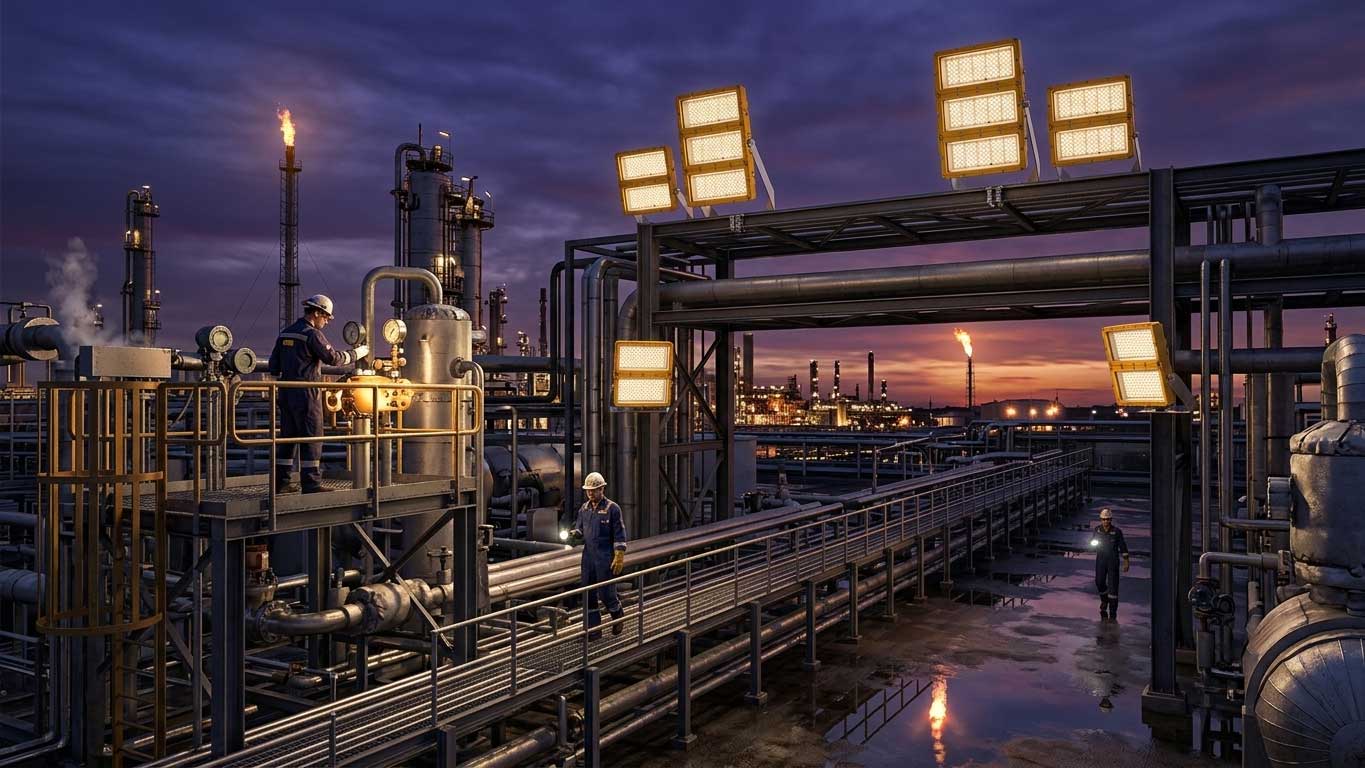
Many people picture flames, alarms, and emergency shutdowns.
Most Zone 1 locations look ordinary.
A pipe rack.
A transfer station.
A loading arm.
A processing skid.
The hazard isn’t always visible.
The risk exists because flammable gases may be released during normal operation.
According to IECEx, Zone 1 areas are locations where an explosive gas atmosphere is likely to occur occasionally during normal operations.
Source:
https://iecex.com
That single definition influences every lighting decision engineers make.
One project remains particularly memorable.
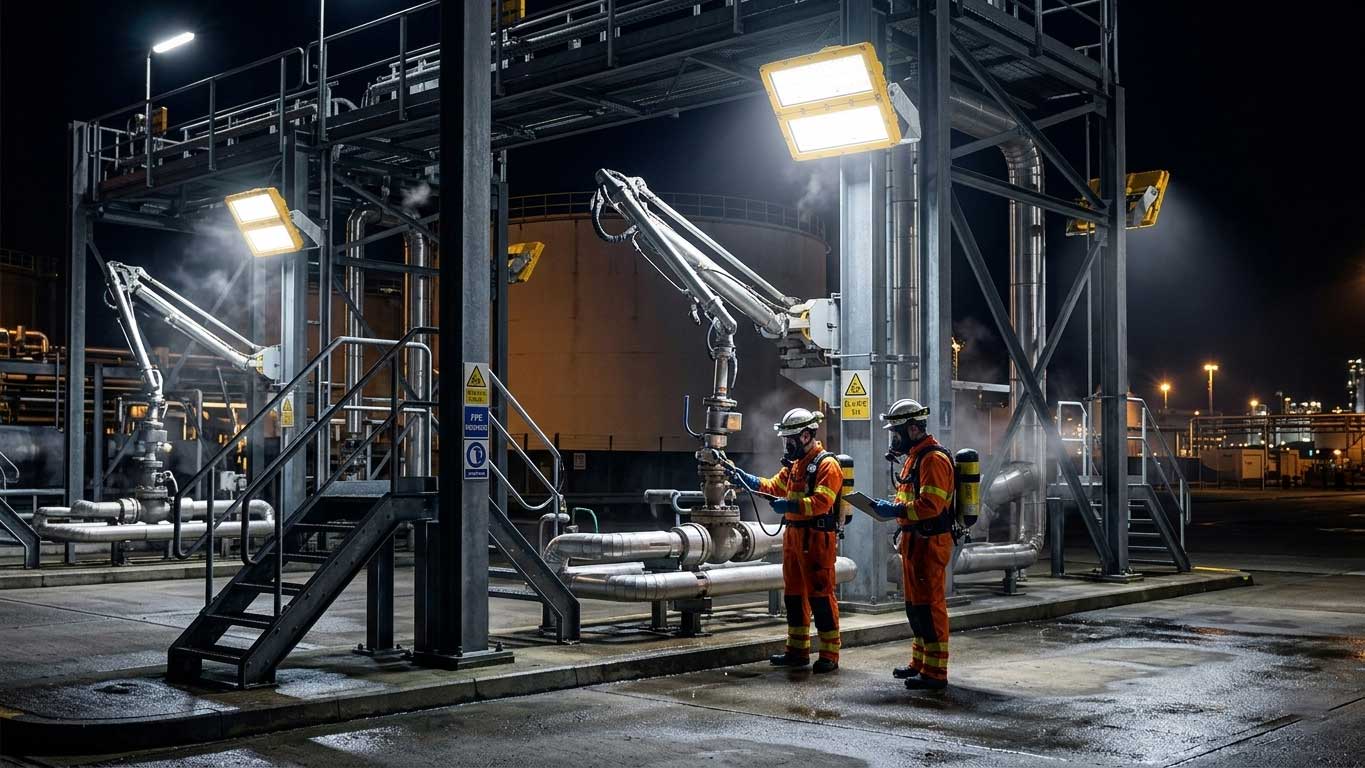
The site was a coastal fuel terminal handling refined petroleum products. We arrived just before sunset to evaluate lighting performance around a tanker loading area.
By midnight the atmosphere had completely changed.
Condensation formed on steel structures.
The sea breeze intensified.
Operators moved through the facility performing routine checks.
The floodlights mounted above the loading lanes suddenly became the most important equipment in sight.
Not because they were impressive.
Because nobody noticed them.
The lighting was consistent.
No dark spots.
No glare.
No shadows around critical valves.
When hazardous area lighting works properly, people stop thinking about it.
That is usually the best outcome.
Procurement departments often compare:
Maintenance teams ask different questions.
Questions like:
Those questions are usually more valuable.
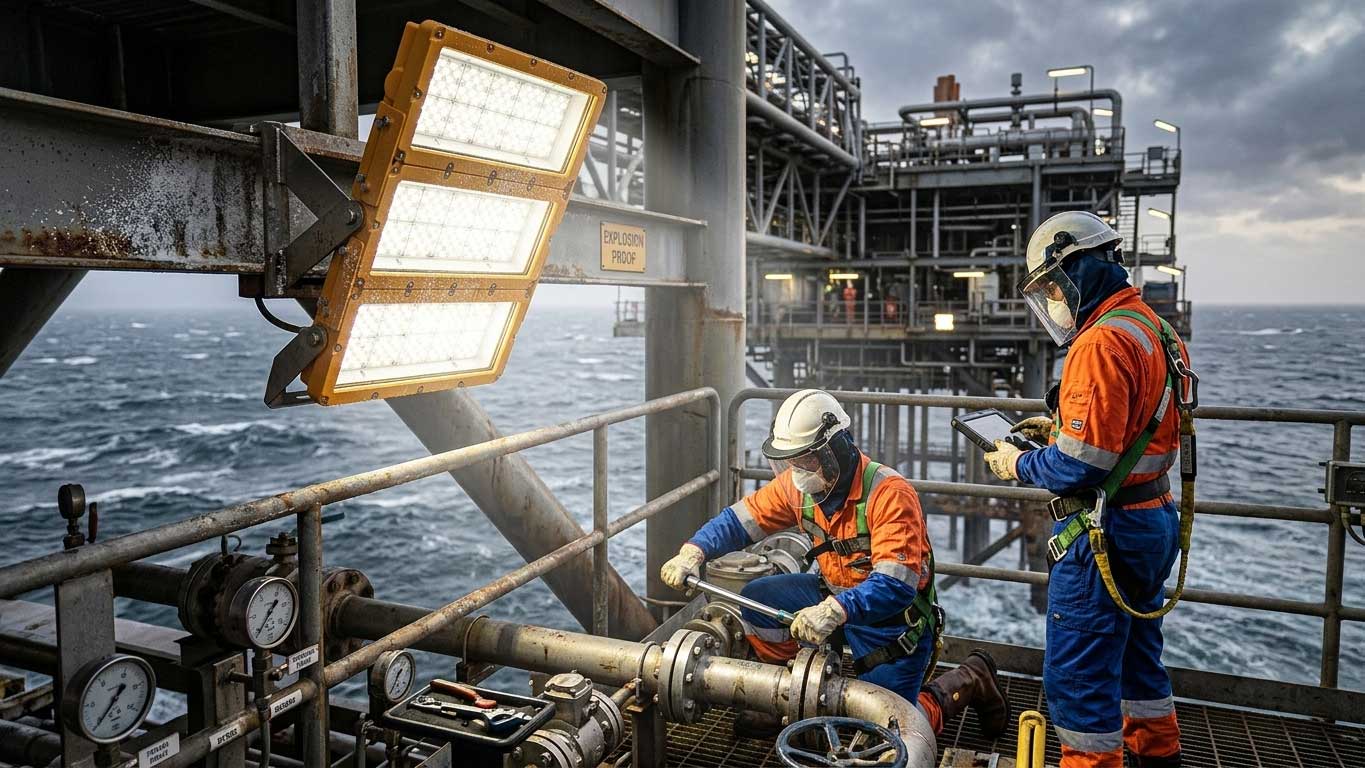
At one offshore facility, replacing a single floodlight required:
The labor cost exceeded the fixture cost several times over.
Suddenly, fixture longevity became a financial issue rather than a maintenance issue.
Corrosion rarely appears in marketing brochures.
Yet it is one of the most common reasons industrial lighting systems deteriorate.
Especially near:
I once inspected two floodlights installed less than 50 meters apart.
Both were certified.
Both met project specifications.
Five years later, one looked almost new.
The other showed severe degradation around fasteners and mounting points.
The difference wasn’t certification.
It was material quality.
That lesson appears repeatedly across hazardous area projects.
Fifteen years ago, metal halide floodlights dominated many hazardous area installations.
Today, most new projects specify LED technology.
The reason is not fashion.
It’s economics.
According to the U.S. Department of Energy, LED lighting can significantly reduce energy consumption while extending operational life compared with traditional lighting technologies.
Source:
https://www.energy.gov
For hazardous locations, the maintenance reduction is often even more valuable than the energy savings.
Fewer replacements mean:
Those benefits accumulate quickly over the lifespan of a facility.
Several years ago, an operations manager showed me a fixture that had become something of a running joke within his team.
Nobody knew exactly how old it was.
Records suggested it had been installed sometime during a facility expansion project more than a decade earlier.
The floodlight remained operational.
Nobody wanted to touch it.
Not because replacement was impossible.
Because replacing it would require paperwork, permits, elevated access equipment, and scheduling around production.
Sometimes reliability creates its own form of job security.
More watts do not automatically mean better visibility.
Optical distribution often matters more.
Certification establishes minimum compliance.
It does not guarantee equal durability.
A floodlight operating in a pharmaceutical facility faces different challenges than one mounted offshore.
The environment should influence product selection.
Before discussing lumens, experienced engineers often examine:
| Evaluation Area | Why It Matters |
|---|---|
| Certification | Confirms suitability for Zone 1 |
| Housing Material | Affects corrosion resistance |
| Thermal Design | Influences LED lifespan |
| Optical Performance | Determines coverage quality |
| Maintenance Access | Reduces service complexity |
Notice what isn’t first.
Brightness.
That surprises many buyers.
At SEEKINGLED, hazardous area lighting development is guided by actual industrial environments rather than laboratory demonstrations alone.
Real facilities introduce variables that specifications rarely capture:
Those conditions reveal strengths and weaknesses quickly.
A floodlight may perform perfectly during factory testing.
The real examination begins after years in service.
A Zone 1 LED floodlight is a hazardous-area lighting fixture certified for locations where explosive gas atmospheres may occur during normal operation.
They are commonly used in refineries, LNG terminals, chemical plants, offshore platforms, tank farms, and fuel transfer facilities.
No. Zone 1 fixtures are specifically certified and engineered to operate safely in classified hazardous environments.
Longer lifespan, lower maintenance requirements, reduced energy consumption, and improved optical control make LED technology particularly valuable in hazardous locations.
Many industrial-grade LED floodlights are designed for operational lifespans exceeding 50,000 hours when properly installed and maintained.
The best Zone 1 LED floodlight rarely becomes the center of attention.
Operators don’t talk about it during routine shifts.
Maintenance crews don’t discuss it when everything is working.
It simply performs its job year after year while helping facilities maintain visibility in environments where safety margins matter.
That quiet reliability is ultimately what separates a true industrial Zone 1 LED floodlight from an ordinary lighting fixture.
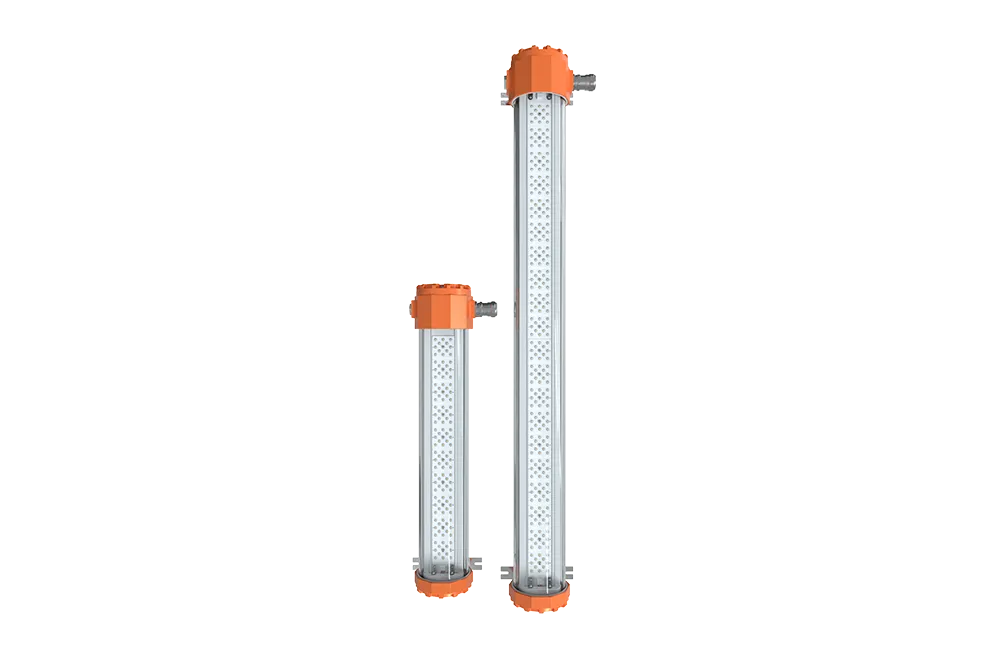
SEEKINGLED LED Linear Explosion Proof Light and Explosion Proof lighting is ATEX and IECEx certified for Zone 1, Zone 2, Zone 21 and Zone 22 hazardous locations, built for long-term industrial use.
View details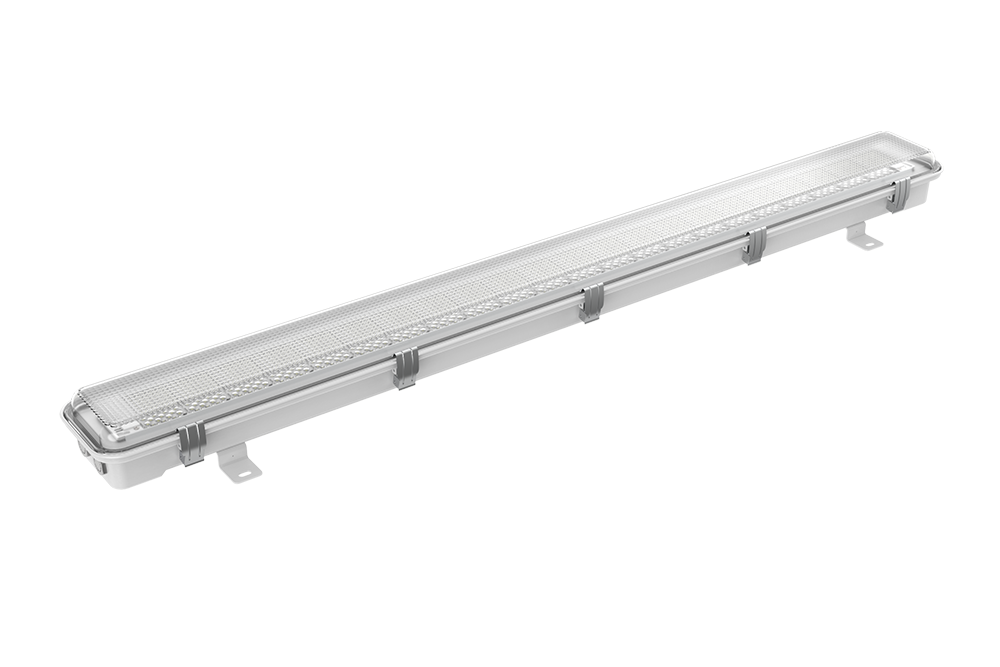
LED Linear Explosion Proof Lights and EX Proof lights for Zone 1, Zone 2, Zone 21 and Zone 22 hazardous areas. ATEX & IECEx certified explosion proof LED linear lighting with emergency function, adjustable power and IP67 protection by SEEKINGLED.
View details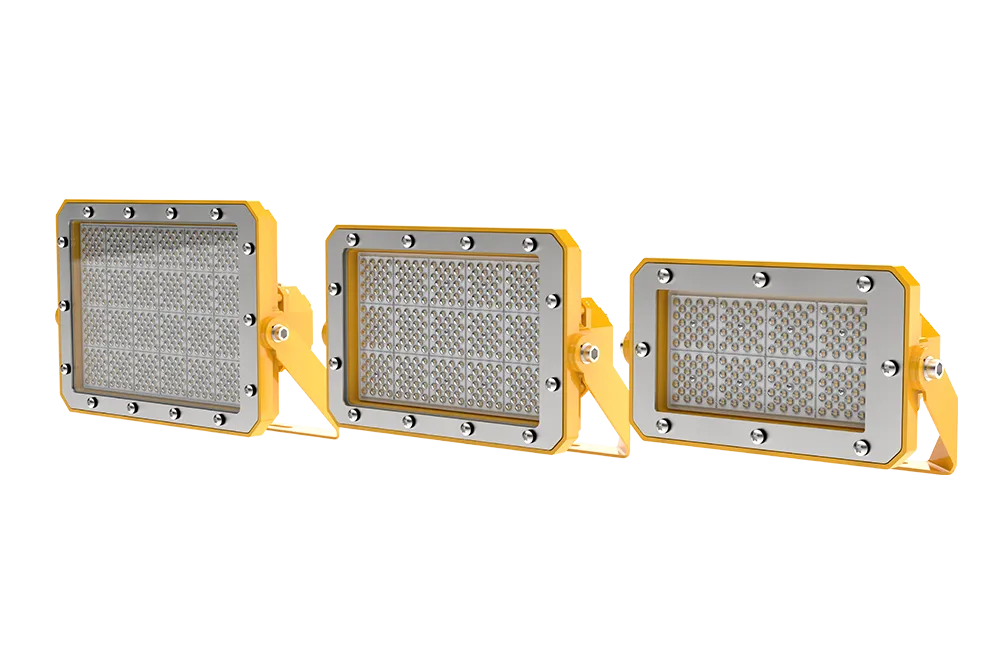
SEEKINGLED LED Explosion Proof Flood Lights are ATEX certified for Zone 2 and Zone 22 hazardous areas, offering high efficiency, adjustable power and integrated junction box.
View details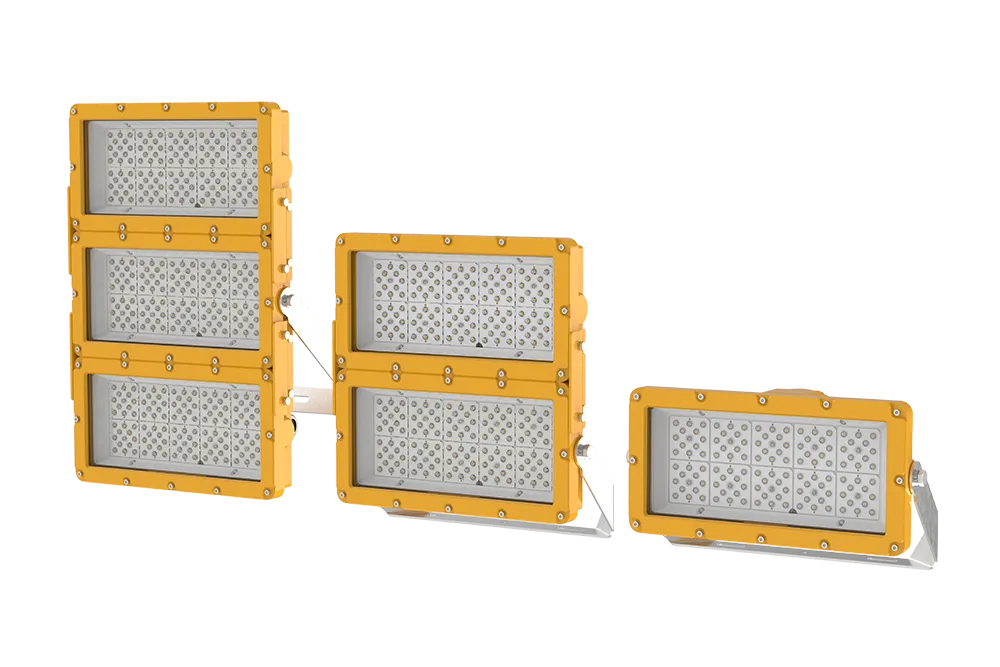
SEEKINGLED LED Explosion Proof Flood Lights are flameproof ATEX and IECEx certified for Zone 1 and Zone 2 hazardous areas, offering high power, adjustable output and long service life.
View details
SEEKINGLED LED Gas Station Canopy Lights are ATEX certified for Zone 2 and Zone 22 hazardous areas, featuring adjustable power and built-in explosion-proof junction box.
View details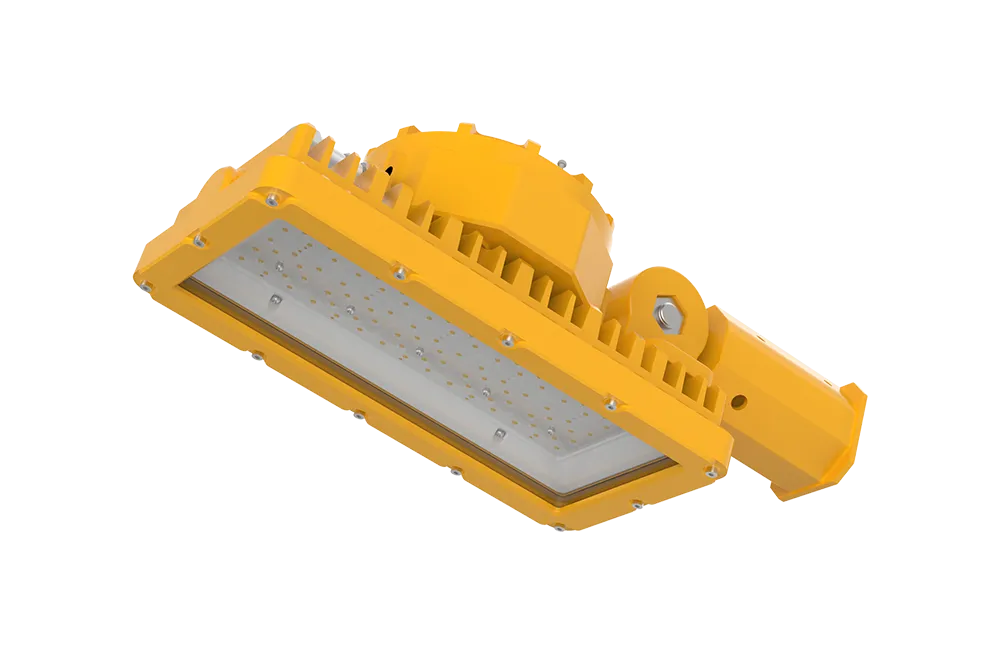
ATEX: Ex II 2G Ex db IIB T6/T5 GbEx II 2D Ex tb IIIC T80°C/ T95°C Db IECEx Ex db IIB T6 Gb;Ex tb IIIC T80°C Db Feature: ● For Zone 1,2 and Zone 21,22● Flameproof type, the strongest● 100W can replace 250W HID,energy saving● Power:60W,80W,100W Application: Oil and gas, marine, Chemical, pharmaceutical, semiconductor,mining,military industr…
View details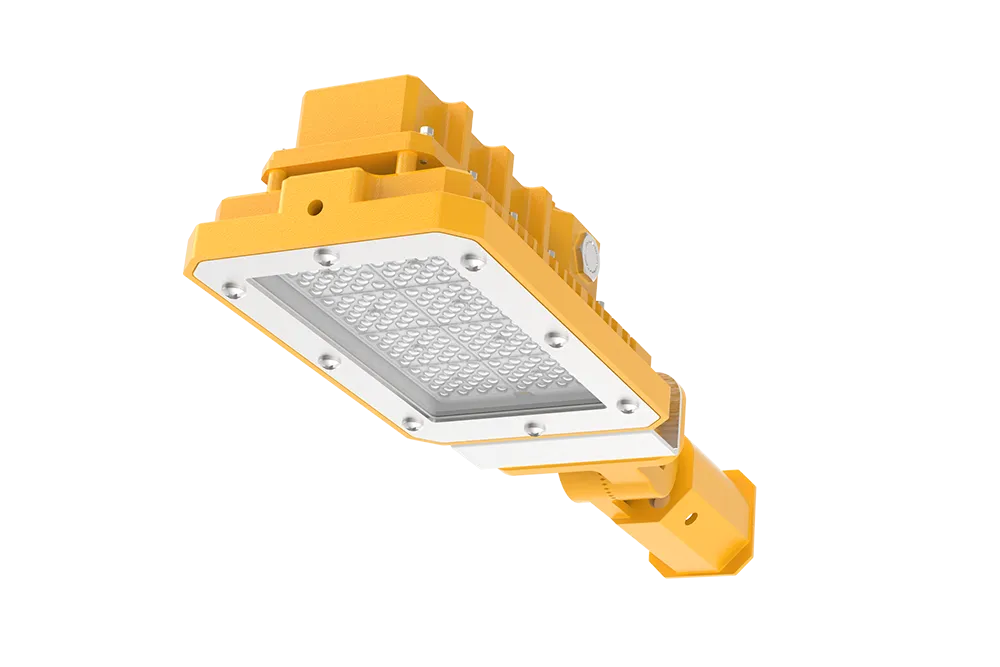
ATEX: II 3G Ex nR ⅡC T5/T6 GcII 3D Ex tc ⅢC T80℃/T95℃Dc ATEX Certificate NO: TÜV CY 26 ATEX 0207611 X Feature: ● For Zone 2 and Zone 22● 150W can replace 250W HID lamps,Energy saving● Power:50W,75W,100W,150W,200W Application: Oil and gas, marine, Chemical, pharmaceutical, semiconductor,mining,military industry, paint booth,power plant ETC…
View details
LED explosion proof high bay lights are designed for Zone 1, Zone 2, Zone 21 and Zone 22 hazardous areas. This page introduces the HB21 Series from SEEKING, including certifications, power options and real application considerations.
View details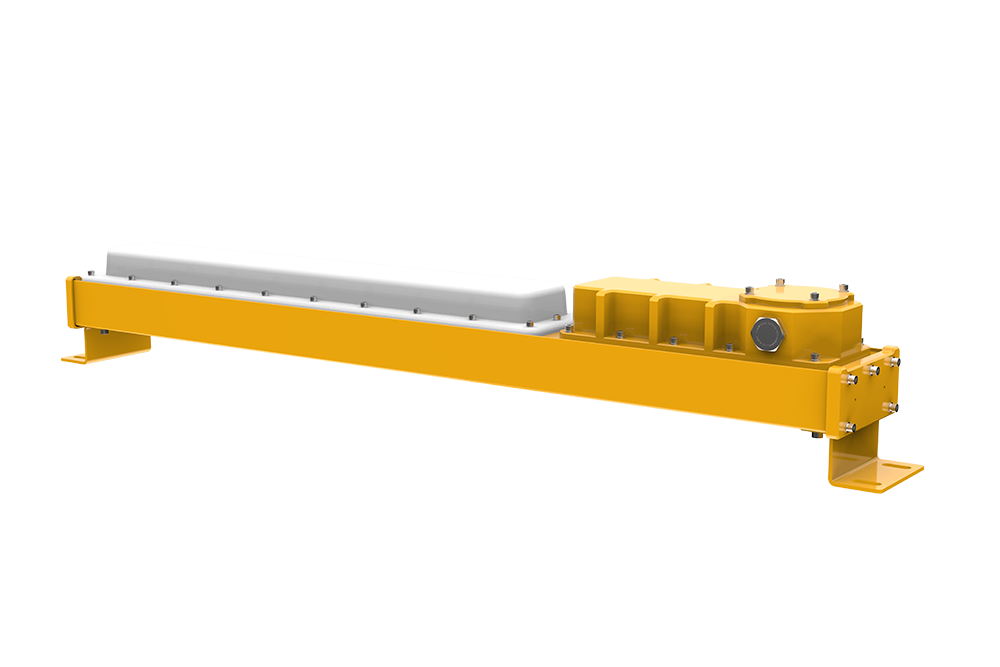
LED Linear Explosion Proof Lights from SEEKINGLED. LU Series Flame Proof lights ATEX-certified explosion proof LED linear lighting for Zone 2 gas and Zone 22 dust areas, IP69K, IK10, long lifetime and flexible power options.
View details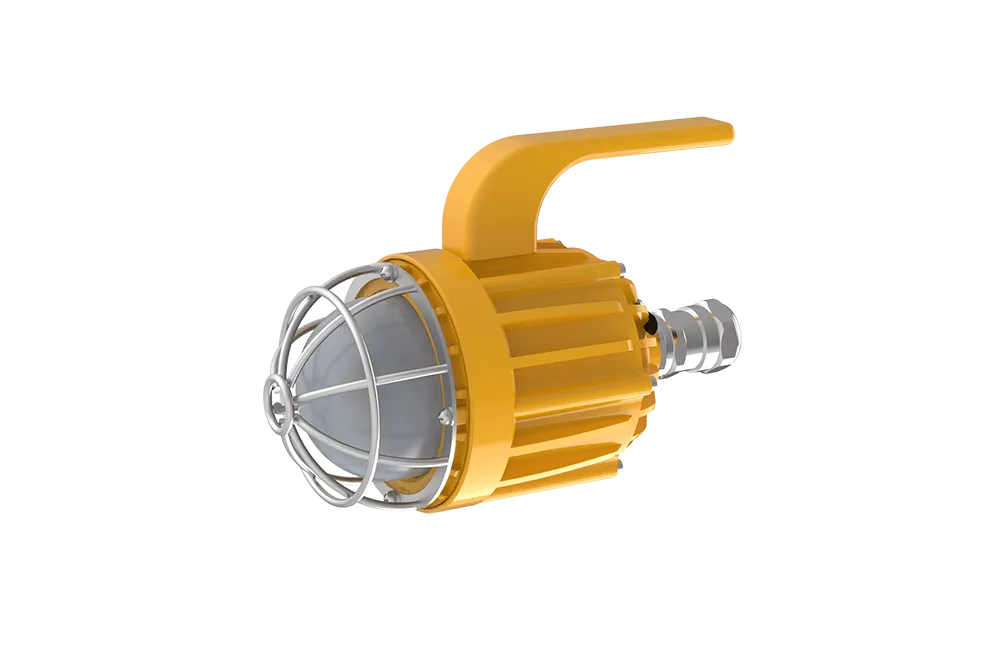
Certified explosion proof work lights for Zone 1 & 21 hazardous areas. Portable, ATEX & IECEx approved, built for oil, gas and chemical plants by SEEKINGLED.
View details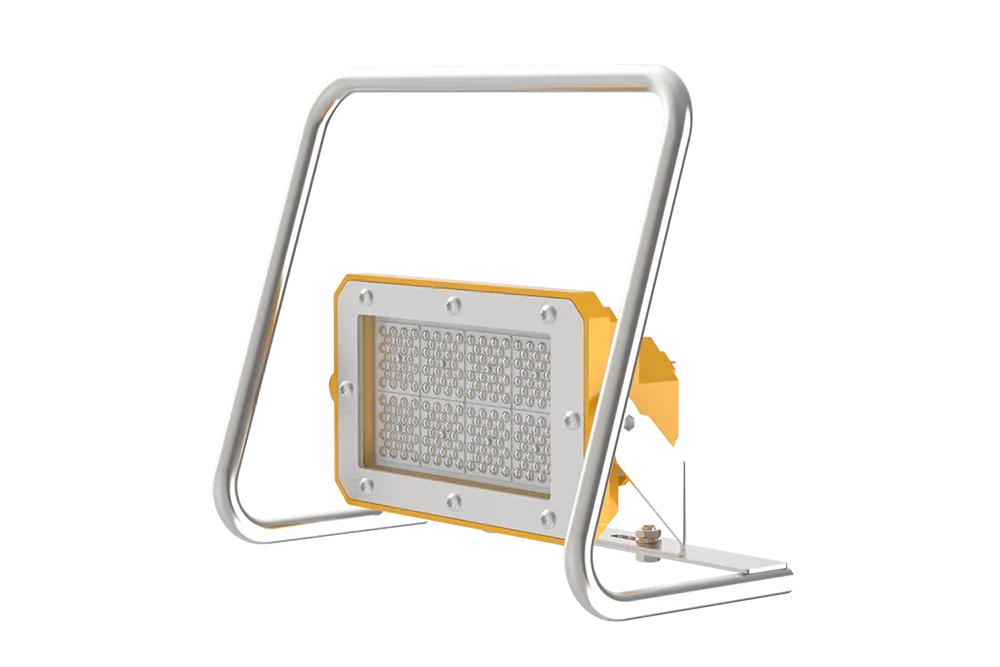
ATEX: II 3G Ex nR ⅡC T6 GcII 3D Ex tc ⅢC T80℃ Dc ATEX Certificate NO: TÜV CY 26 ATEX 0207611 X Feature: ● For Zone 2 and Zone 22● Accepts battery-powered supply● indestructible● Power:AC input:50W,75W,100WDC input:15W,25W,35W Application: Oil and gas, marine, Chemical, pharmaceutical, semiconductor,mining,military industry, paint booth,po…
View details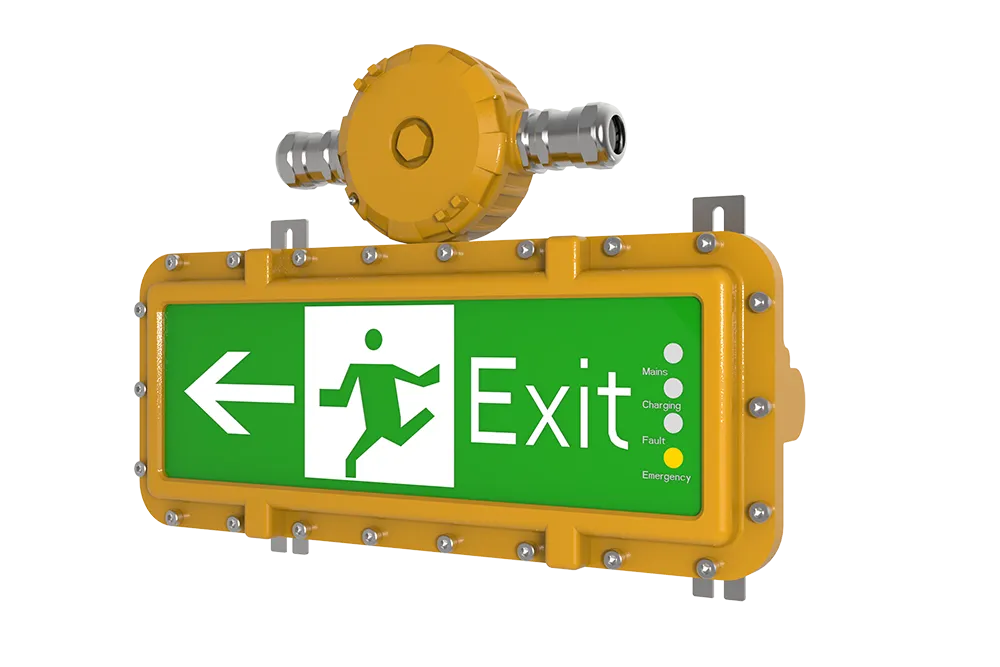
ATEX: Ex II 2G Ex db IIB T6 GbEx II 2D Ex tb IIIC T80°C Db IECEx Ex db IIB T6 Gb;Ex tb IIIC T80°C Db Feature: ● For Zone 1,2 and Zone 21,22● Flameproof type, the strongest Application: Oil and gas, marine, Chemical, pharmaceutical, semiconductor,mining,military industry, paint booth,power plant ETC hazardous area. Technical Specifications:…
View details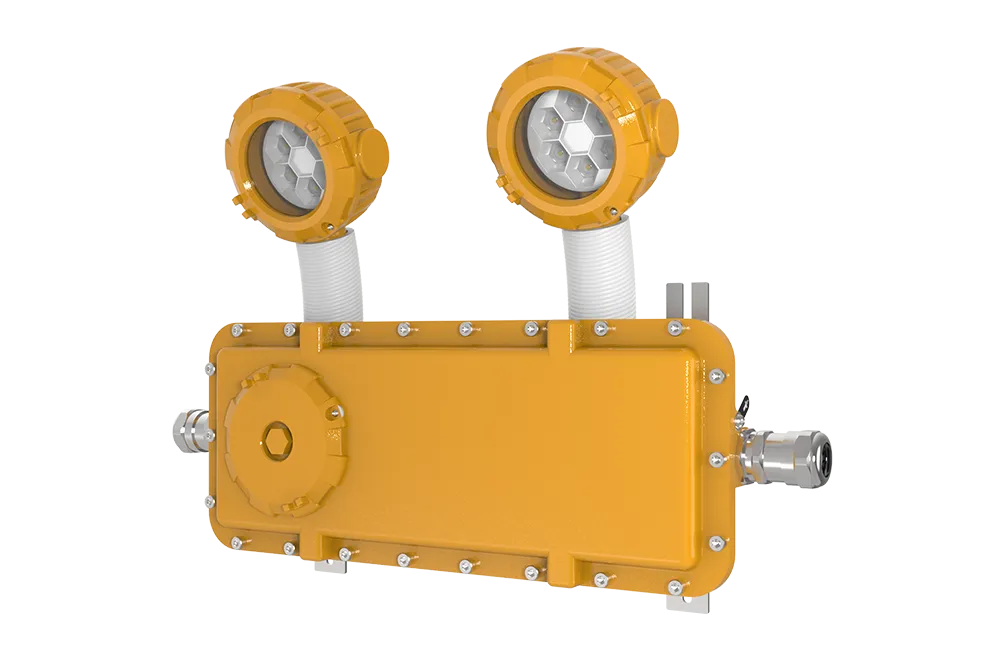
ATEX: Ex II 2G Ex db IIB T6 GbEx II 2D Ex tb IIIC T80°C Db IECEx Ex db IIB T6 Gb;Ex tb IIIC T80°C Db Feature: ● For Zone 1,2 and Zone 21,22● Flameproof type, the strongest Application: Oil and gas, marine, Chemical, pharmaceutical, semiconductor,mining,military industry, paint booth,power plant ETC hazardous area. Technical Specifications:…
View details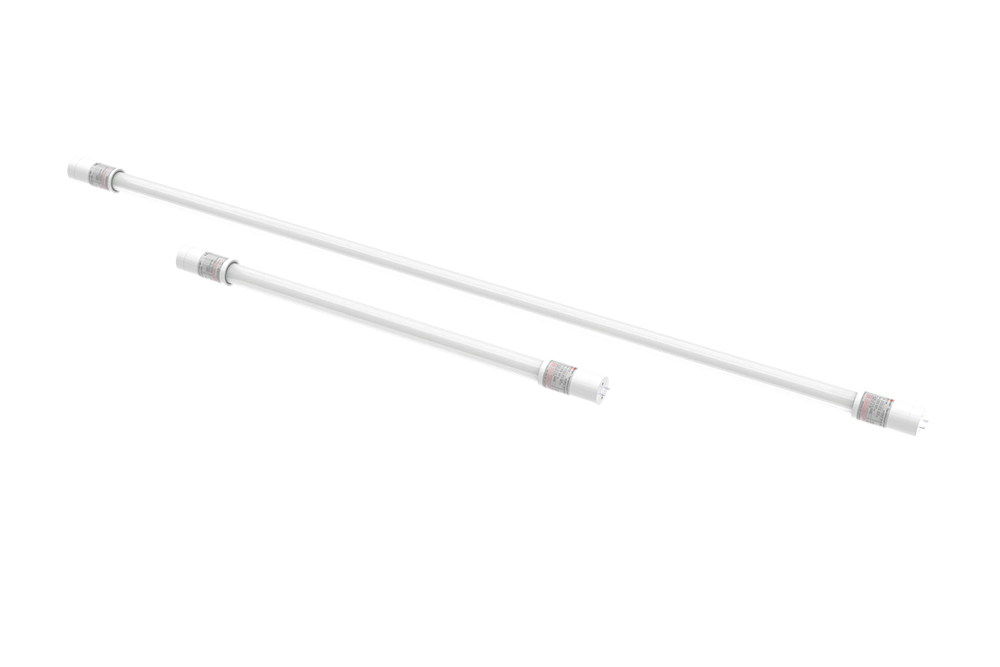
ATEX: Ex II 2G Ex d e IIB T6 Gb ATEX: Ex d e IIB T6 Gb; Feature: ● For Zone 1,2● 9W can replace 18W fluorescent lamps,50% Energy saving Application: Oil and gas, marine, Chemical, pharmaceutical, semiconductor,mining,military industry, paint booth,power plant ETC hazardous area. Technical Specifications: Standards:60079-0, 60079-1, 60079…
View details
Learn how to get a explosive proof cap off junction box safely without damaging flame paths or certifications. Step-by-step guide for hazardous locations.
View details
Explosion-proof lights are essential in natural gas midstream processing. SEEKINGLED FL7 Series LED lights offer Zone 1 Ex d protection, IECEx & ATEX certified for safe and efficient operations.
View details
High Power Flood Lighting for Port Area was required in a Frankfurt port project after high bay lights failed to meet lux targets. This record documents the switch to XJ-FLA480W flood lights and the recalculation process.
View details
Outdoor flood lights should be installed with proper electrical isolation, secure mounting, protected wiring, correct beam selection, and nighttime aiming.
View details