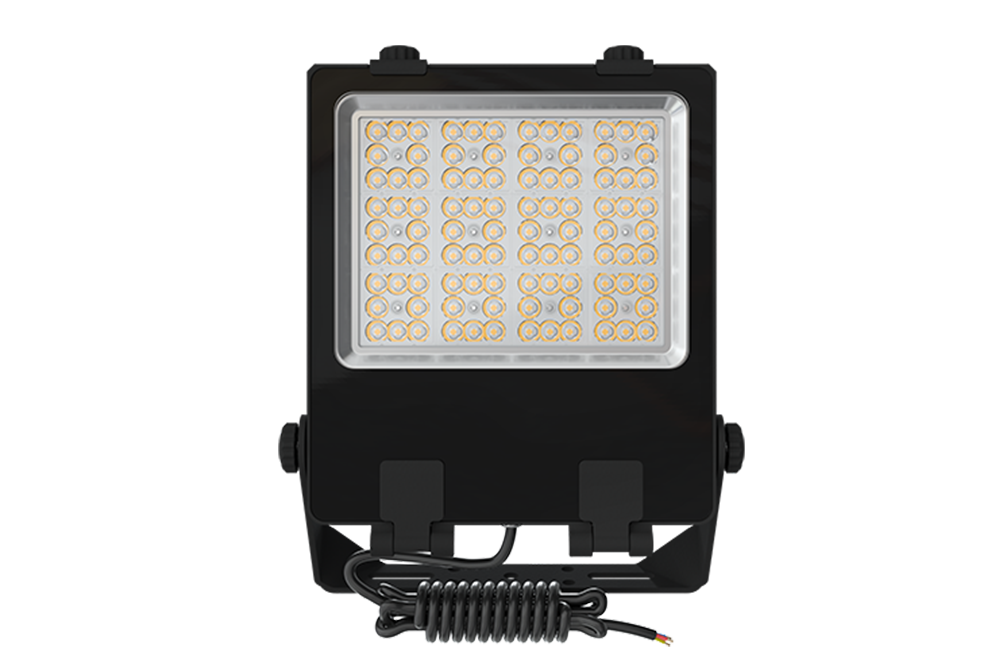
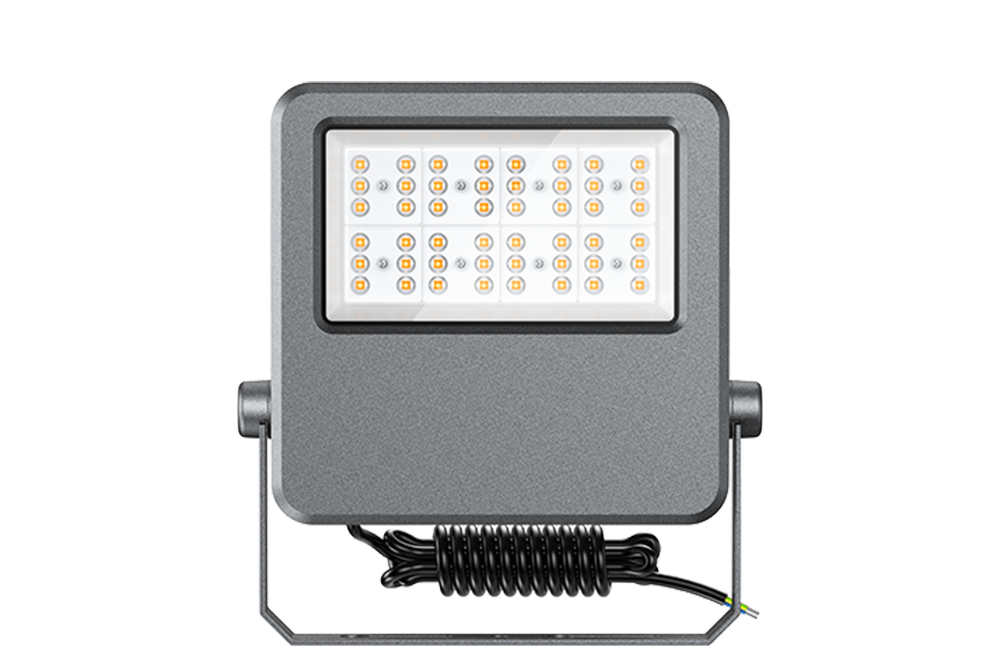
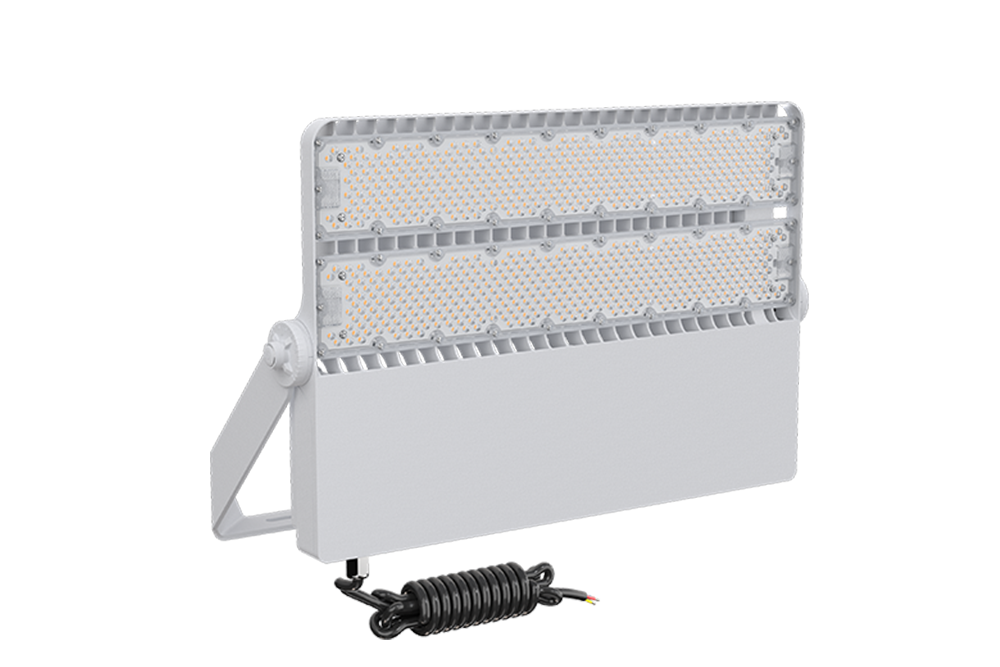
led floodlights 100w provide a balanced combination of brightness, efficiency, and cost, typically delivering 12,000–15,000 lumens for outdoor and industrial lighting needs.
That’s the direct answer. But in the field—whether it’s a warehouse yard at 2 a.m. or a parking lot retrofit—the real question isn’t “Is 100W enough?” It’s whether that 100W is being used properly.
I’ve spent over a decade working on lighting upgrades across Southeast Asia, often replacing outdated metal halide fixtures. And 100W LED floodlights? They sit right in the sweet spot—if specified correctly.
100W LED flood light outdoor performance
What 100W actually delivers on-site
On a datasheet, a led floodlights 100w unit might list 13,000 lumens. In practice, what matters is usable lux.
Typical real-world performance:
Mounting height: 4–8 meters
Ground illuminance: 80–150 lux (depending on spacing)
Coverage area: 80–120 m² per fixture
In a recent retrofit project, replacing 250W metal halide lamps with 100W LED units reduced energy consumption by over 55% while maintaining equivalent brightness levels.
The U.S. Department of Energy (energy.gov) confirms LEDs can reduce lighting energy use by up to 75% compared to traditional technologies—especially in outdoor applications.
Energy efficient LED floodlights 100w vs traditional lighting
Real comparison from retrofit projects
Lighting Type
Power
Lumen Output
Efficiency
Metal Halide
250W
~12,000 lm
~48 lm/W
LED Floodlight
100W
~13,000 lm
~130 lm/W
This isn’t theoretical. I’ve measured both under the same conditions. The LED version not only consumes less power—it stabilizes faster and maintains output longer.
Long-term cost reality
Lower electricity bills (40–70% savings typical)
Reduced maintenance (50,000+ hours lifespan)
Fewer replacements in hard-to-reach areas
According to the ENERGY STAR program (energystar.gov), high-quality LED fixtures can last 3–5 times longer than conventional lighting systems.
LED floodlight 100W lumen output and distribution
Why beam angle changes everything
Not all 100W floodlights behave the same.
60° beam → focused, higher lux
90° beam → balanced coverage
120° beam → wide but lower intensity
In one yard installation, switching from 120° to 60° optics increased ground lux by nearly 40%—same wattage, different outcome.
Uniformity vs brightness
The Illuminating Engineering Society (ies.org) emphasizes uniformity ratios (not just peak brightness) in outdoor lighting design. Uneven lighting creates shadows—and shadows create risk.
Waterproof LED floodlight 100W durability
Outdoor conditions are unforgiving
In coastal or humid environments, durability matters more than specs.
Key requirements I always verify:
IP65 or higher rating
Corrosion-resistant housing
Stable driver performance in high humidity
The International Electrotechnical Commission (iec.ch) defines IP ratings for protection against dust and water ingress. In real projects, anything below IP65 outdoors is asking for early failure.
Thermal management
Heat kills LEDs quietly. A well-designed 100W floodlight maintains consistent output even after hours of operation. Cheap units? You’ll see lumen drop within months.
Installation insights from real projects
Spacing mistakes I see too often
Installers often follow old metal halide layouts. That’s a problem.
LEDs distribute light differently. For led floodlights 100w:
Typical spacing: 2.5–3× mounting height
Avoid overlapping beams excessively
Adjust angle before increasing quantity
In one project, reducing fixture count from 18 to 14—just by optimizing layout—improved both uniformity and efficiency.
Applications: where 100W hits the sweet spot
Best-fit scenarios
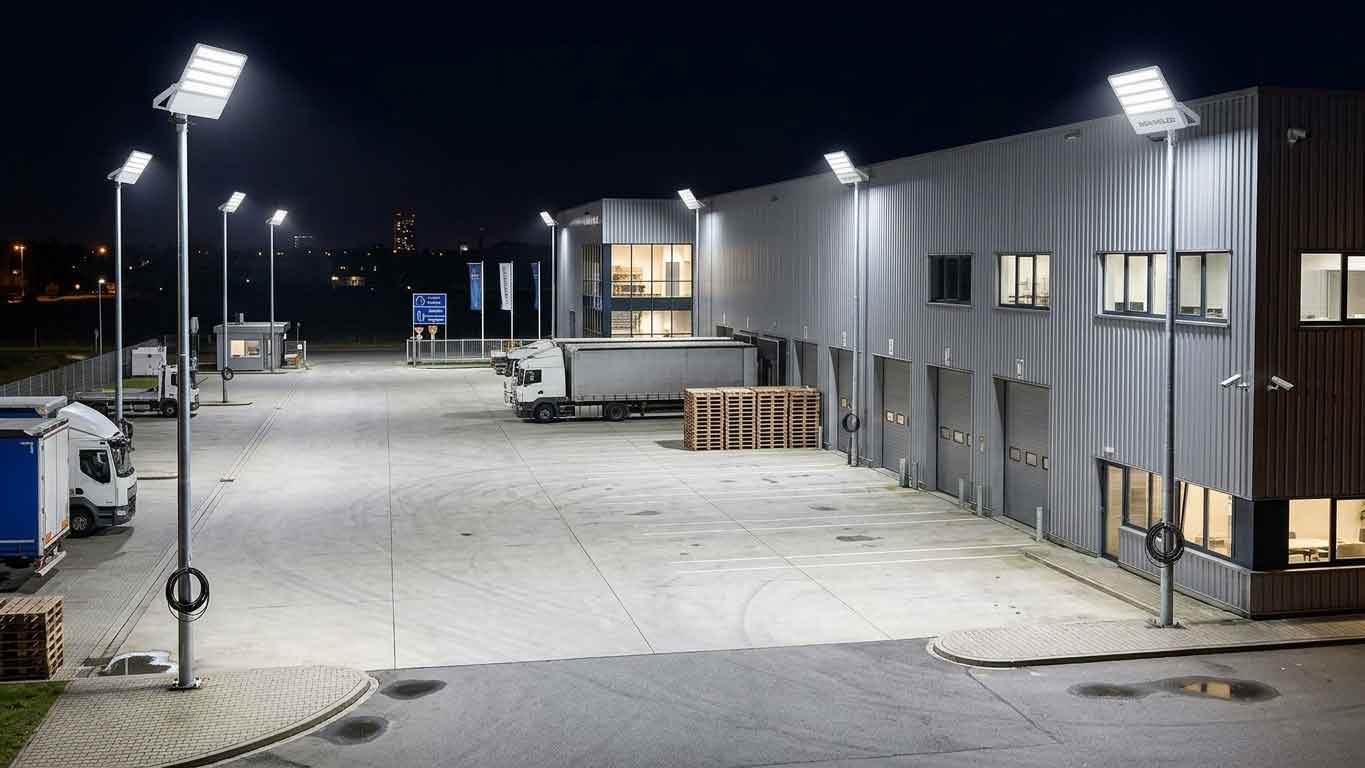
Warehouses and logistics yards
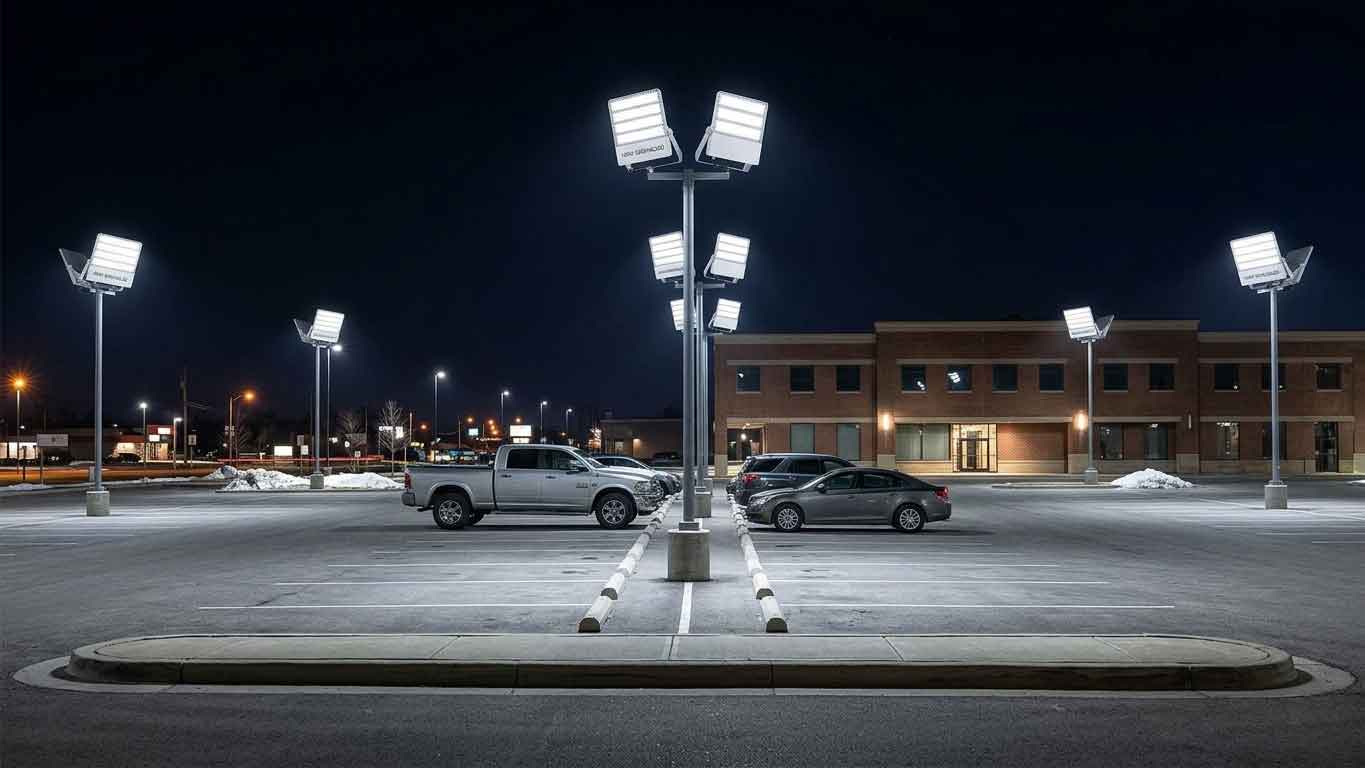
Parking lots and security lighting
Residential compounds
Small sports courts
Not too powerful, not underpowered—100W sits right in the middle.
FAQ: led floodlights 100w
Is 100W enough for outdoor lighting?
For most mid-scale applications, yes. It balances coverage and efficiency well.
How many lumens should a 100W LED floodlight have?
Typically 12,000–15,000 lumens, depending on efficiency.
Can 100W replace 250W metal halide?
In many cases, yes—especially with proper beam control and layout.
I work with SEEKINGLED on outdoor and industrial lighting deployments, focusing on:
Lighting layout optimization
On-site lux measurement
Retrofit performance validation
The insights here come from real installations—not just lab data. Every recommendation reflects measured results and post-installation feedback.
Final field observation
A led floodlights 100w setup doesn’t fail because of wattage—it fails when layout, optics, or installation are ignored. Get those right, and 100W becomes more than enough.
Sports Stadium LED Lighting by SEEKINGLED delivers high mast illumination, precise beam control, and EN 12193 compliant performance for professional venues.
SEEKING FLX Series LED flood light outdoor for sports courts and open-area projects with 170lm/W efficiency, IP66 protection and multiple beam distributions. Designed for long-life commercial and public outdoor use.
SEEKING FLE Series LED outdoor flood lights for sports grounds and open areas with multiple beam angles, IP66 protection and up to 170lm/W. Designed for long-life outdoor installations with professional driver options.
SEEKING FLD Series outdoor LED flood lights and high power led flood light deliver up to 960W with precision beam angles for sports fields, stadiums and large outdoor areas. IK08 & IP66 protection, 170lm/W efficiency and 100,000h lifetime.
Are led flood lights any good for outdoor lighting? Discover real-world performance, energy savings, and installation insights from field experience with SEEKINGLED systems.
Learn how to stop LED high bay lights from flickering in warehouses and factories. Real causes, practical fixes, and installation insights from SEEKINGLED.
What is LED linear lighting? Learn how linear LED lighting systems work, where they are used, and why they are popular in warehouses, offices, and retail spaces.
 Seeking LED