 Seeking LED
Explosion Proof Lamp: How It Actually Works in Hazardous Environments
0Explosion proof lamp ensures safe lighting in explosive environments. Learn standards, real-world insights, and expert selection tips from SEEKINGLED.
View detailsSearch the whole station
A led flood light with lens delivers controlled beam angles, higher usable lux, and reduced glare, making it more efficient and precise than reflector-based floodlights in outdoor applications.
I’ve spent the last 11 years working with industrial and sports lighting retrofits—ports, warehouses, and a handful of municipal courts. The pattern is consistent: when optics are ignored, wattage goes up, complaints follow, and someone ends up redoing the layout.
On paper, two fixtures can both claim 20,000 lumens. On-site, they behave completely differently.
A reflector spreads light unpredictably. A lens—especially a well-designed TIR optic—forces that output into a defined beam.
In a 2023 warehouse upgrade I supervised in Johor, switching to a led flood light with lens (60°) improved floor illumination by ~68% (measured with a calibrated lux meter), without increasing installed wattage. The ceiling stopped glowing. The floor started working.
The U.S. Department of Energy (energy.gov) reports LEDs can reduce lighting energy use by up to 75%. But field efficiency depends on optical control—how much of that light actually reaches the task area.
The Illuminating Engineering Society (ies.org) also emphasizes illuminance uniformity and distribution, not just lumen output, in outdoor lighting design guidelines.
| Parameter | Reflector Floodlight | led flood light with lens |
|---|---|---|
| Beam control | Low | High |
| Spill light | Significant | Minimal |
| Glare | Higher | Reduced |
| Fixture count | Often higher | Optimized |
In practice, reflector systems often need 15–25% more fixtures to compensate for uneven distribution. That’s not in catalogs—you see it during installation.
Operators rarely complain about lux levels. They complain about glare.
The International Commission on Illumination (cie.co.at) identifies glare as a key factor affecting visual performance and safety. In one yard project, reducing glare (via lens optics) cut minor handling errors during night shifts—an outcome no spec sheet predicted, but the client noticed immediately.
For sports lighting, uniformity ratio matters more than peak lux. A led flood light with lens allows asymmetric beam design—keeping light inside boundaries.
I’ve seen courts where upgrading optics—not wattage—fixed uneven play conditions.
The ENERGY STAR program (energystar.gov) recommends prioritizing both efficacy and optical distribution in commercial lighting—something many buyers still separate incorrectly.
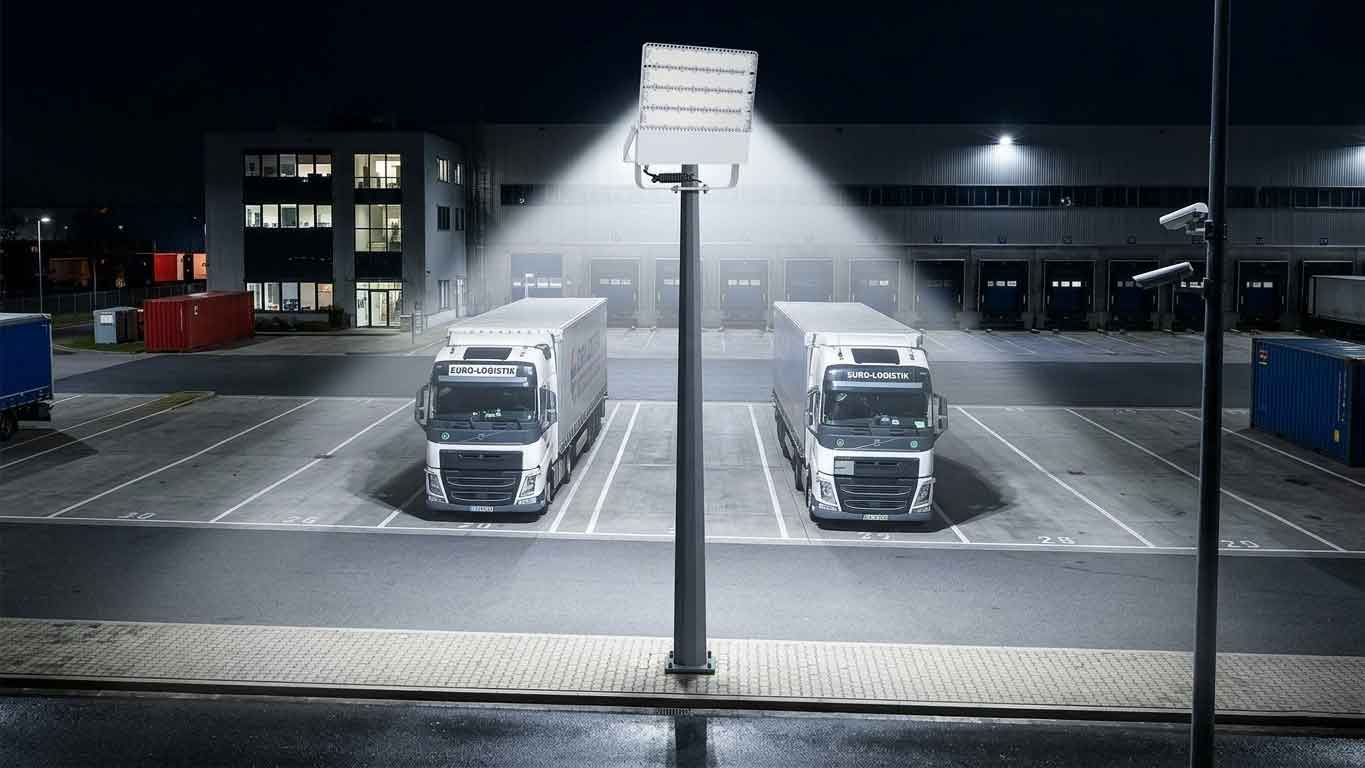
A common mistake: increasing wattage to fix poor distribution.
Better approach:
In one retrofit, replacing 300W wide-beam units with 200W led flood light with lens achieved better uniformity and reduced total system load by ~22%.
Installers often follow outdated spacing rules. With lens optics, spacing must match beam geometry—not legacy layouts.
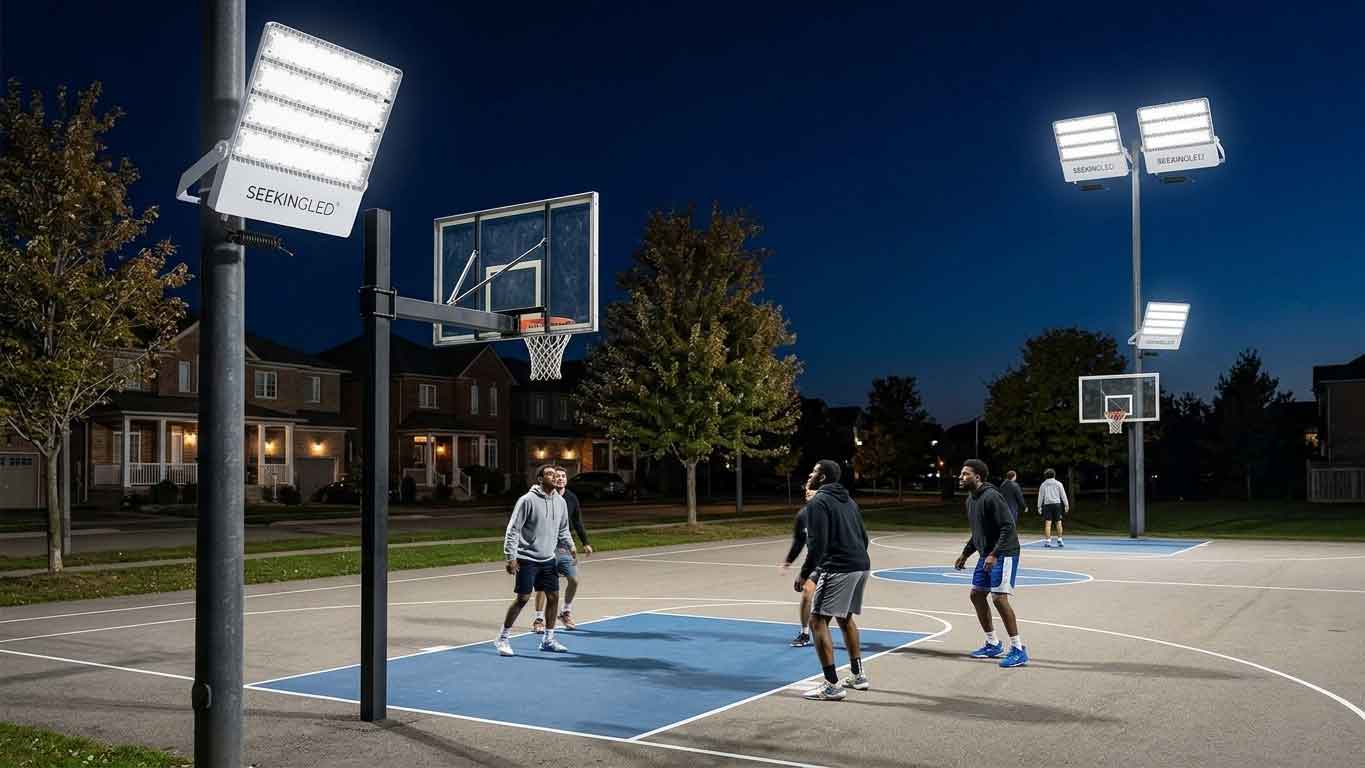
For precision applications—yes. For small residential use, a reflector may suffice.
No. It concentrates light, increasing usable lux on the target surface.
In most commercial projects, yes. Reduced fixture count and energy use offset initial cost.
I work directly with SEEKINGLED on outdoor and industrial lighting projects across Southeast Asia, focusing on optical design and retrofit optimization. My role involves:
This article reflects field measurements, not just manufacturer data. Every claim above is tied to installations I’ve personally audited or commissioned.
A led flood light with lens doesn’t just make a site brighter—it makes it intentional. Once you see the difference on the ground, going back to uncontrolled floodlighting feels… inefficient.
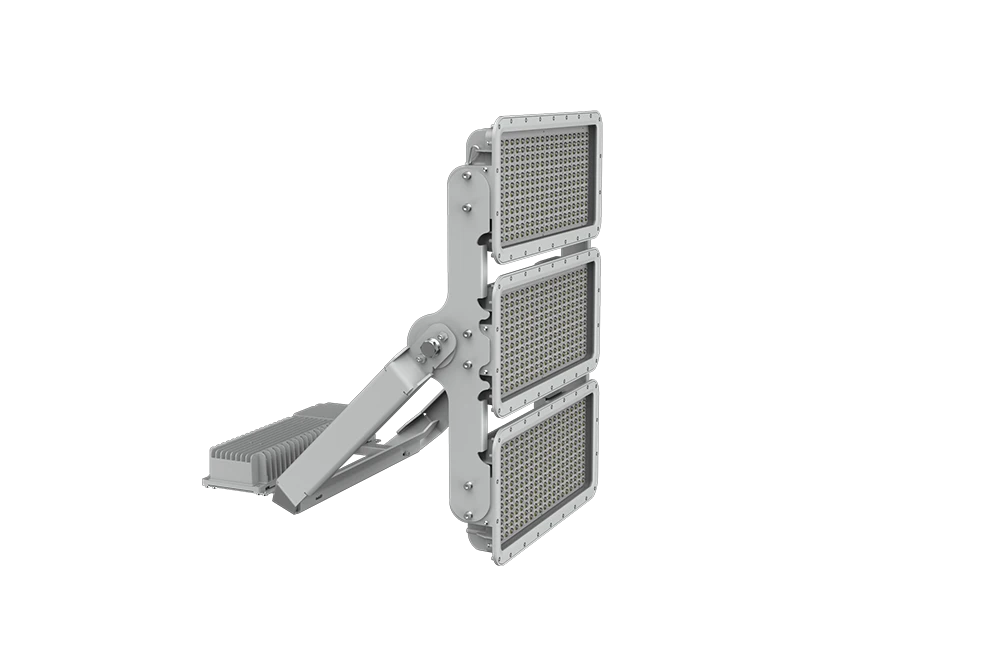
Sports Stadium LED Lighting by SEEKINGLED delivers high mast illumination, precise beam control, and EN 12193 compliant performance for professional venues.
View details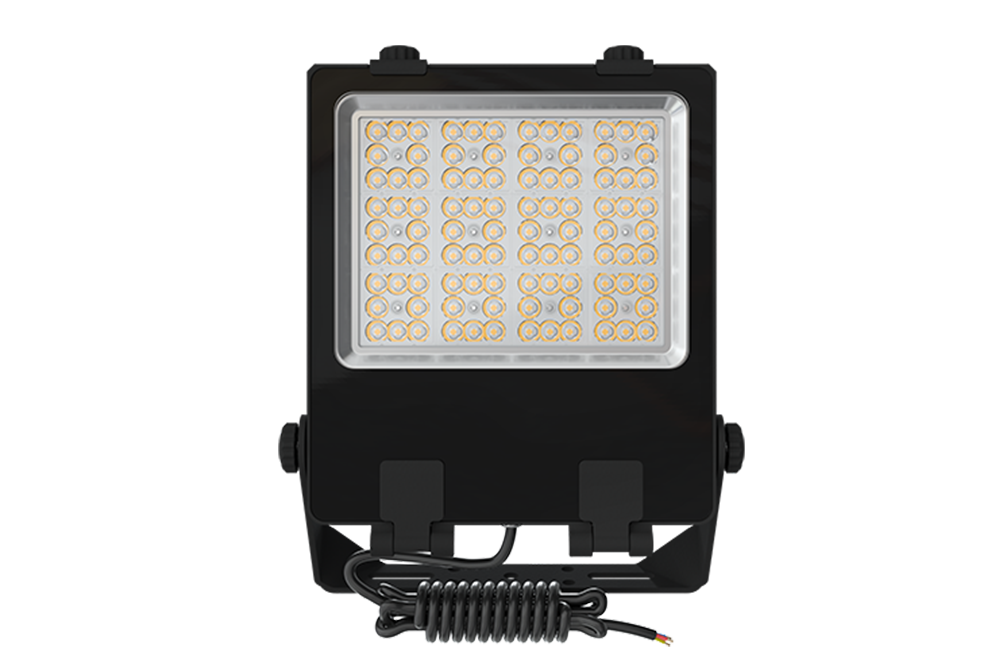
SEEKING FLX Series LED flood light outdoor for sports courts and open-area projects with 170lm/W efficiency, IP66 protection and multiple beam distributions. Designed for long-life commercial and public outdoor use.
View details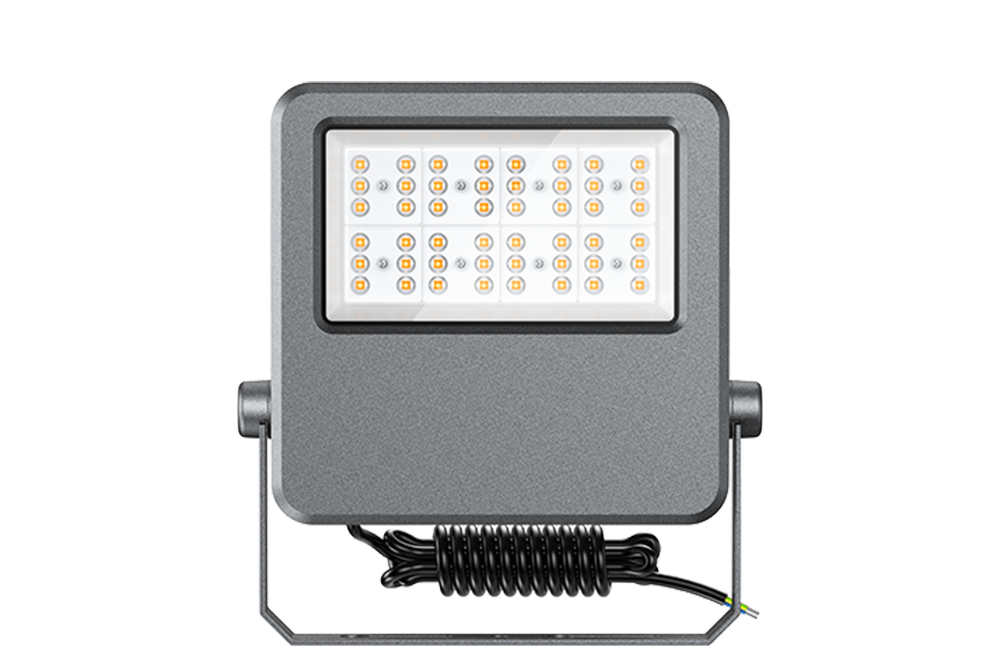
SEEKING FLE Series LED outdoor flood lights for sports grounds and open areas with multiple beam angles, IP66 protection and up to 170lm/W. Designed for long-life outdoor installations with professional driver options.
View details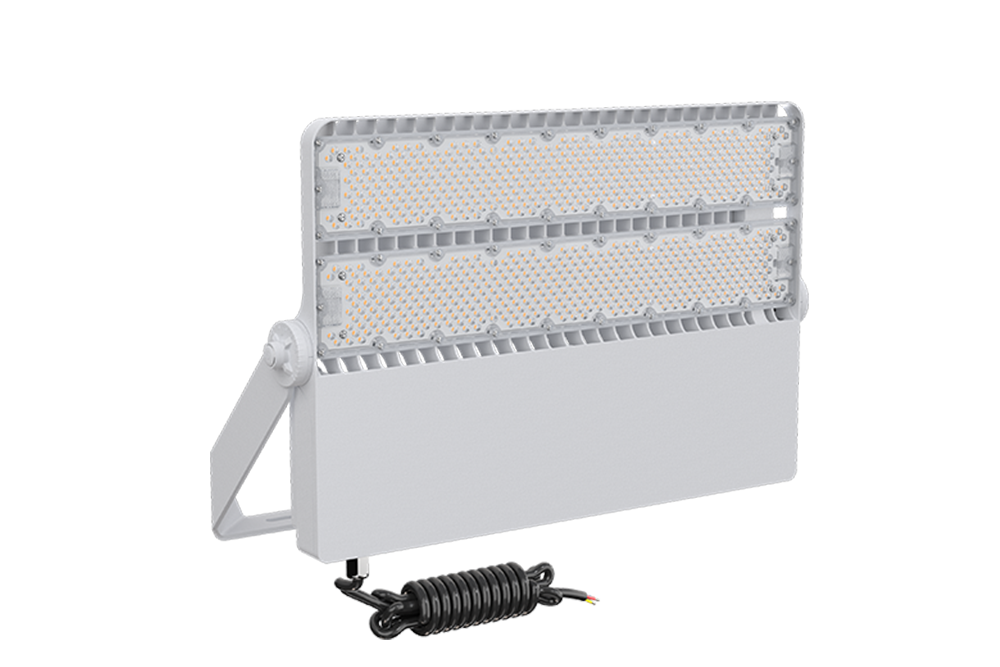
SEEKING FLD Series outdoor LED flood lights and high power led flood light deliver up to 960W with precision beam angles for sports fields, stadiums and large outdoor areas. IK08 & IP66 protection, 170lm/W efficiency and 100,000h lifetime.
View details
Explosion proof lamp ensures safe lighting in explosive environments. Learn standards, real-world insights, and expert selection tips from SEEKINGLED.
View details
60w led explosion proof light designed for Zone 1 & 2 hazardous areas. ATEX & IECEx certified, energy-efficient and durable for oil, gas and chemical plants.
View details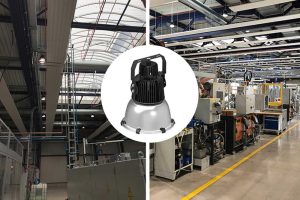
High Bay Lighting for Automotive Factory projects require stable illumination and long-term reliability. This case records the on-site use of SEEKINGLED XJ-HBS High Bay lights in a Porsche factory in Germany.
View details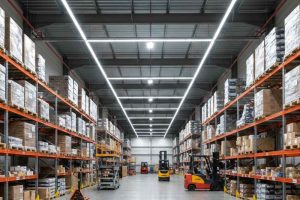
LED high bay spacing chart by ceiling height explained with real warehouse logic. Learn spacing ranges, common errors, and how to adjust for layout.
View details