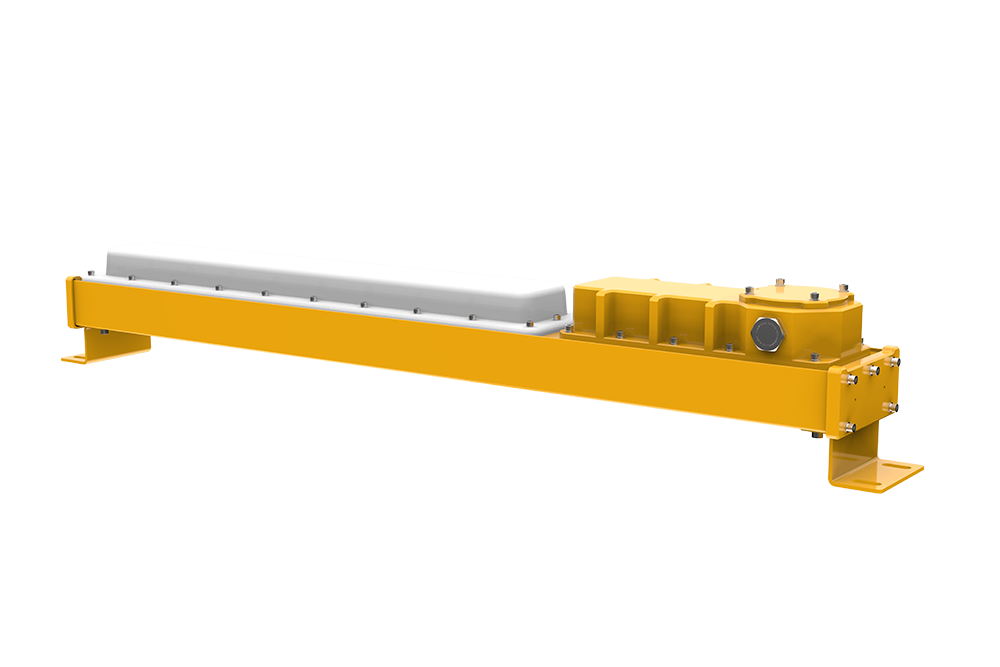
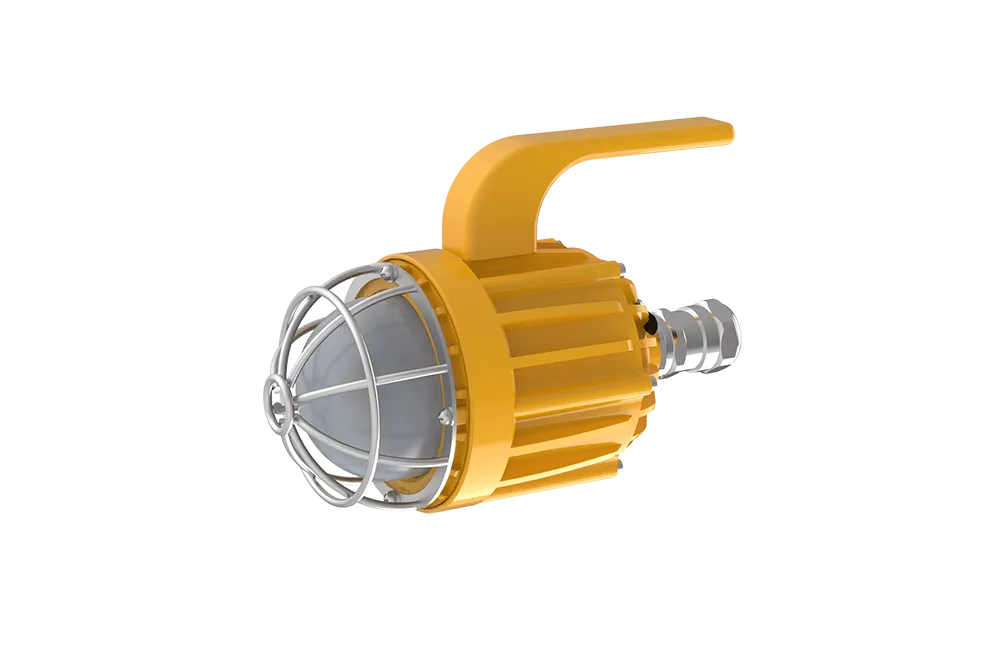
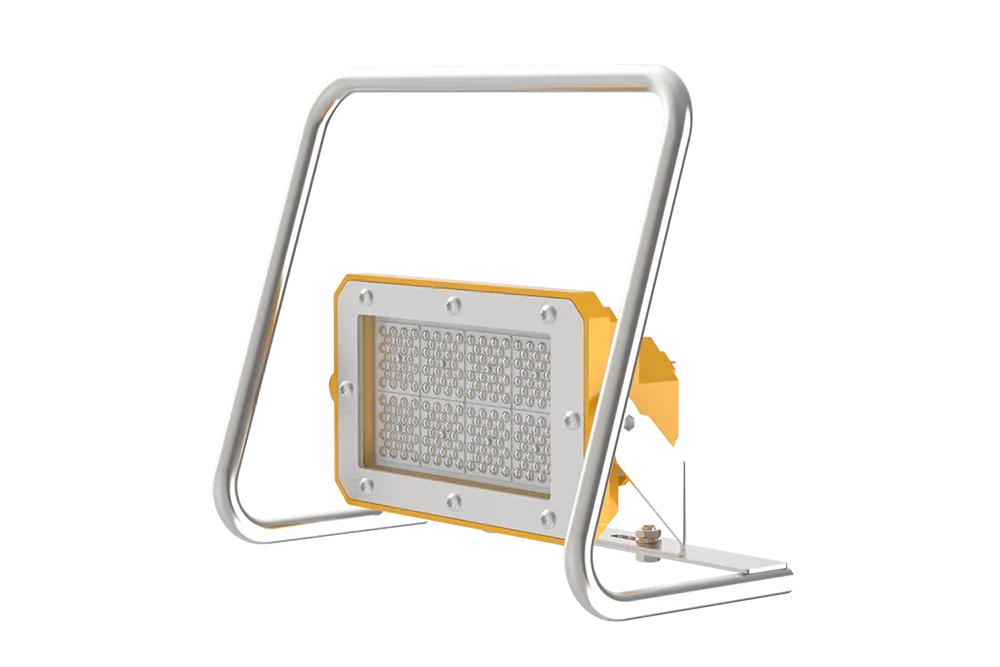
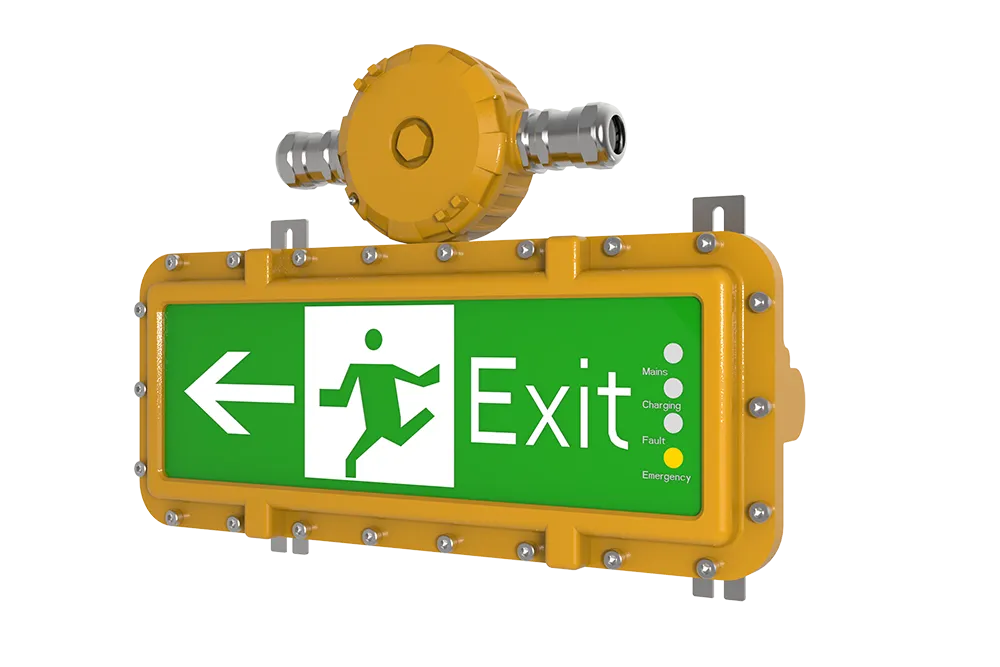
What is meant by explosion proof lighting?
What is meant by explosion proof lighting is often misunderstood. It does not mean the light cannot explode.
It means the light is engineered so that if an ignition occurs inside the fixture, it will not ignite the surrounding atmosphere.
Explosion proof lighting is designed for environments where flammable gas, vapor, or combustible dust may exist during normal operation. The fixture contains heat, sparks, and pressure within a controlled enclosure.
At SEEKINGLED, this definition guides both design and testing, not marketing language.
Why does the term “explosion proof” exist?
The term comes from industrial safety standards, not casual description. In hazardous areas, electrical equipment is one of the most common ignition sources.
Explosion proof lighting exists to:
- Prevent flame propagation
- Control surface temperature
- Maintain safe operation even under fault conditions
It is a risk-control concept, not a performance feature.
How does explosion proof lighting actually work?
From an engineering point of view, explosion proof lighting relies on:
- Thick, high-strength housings (usually aluminum alloy or stainless steel)
- Precision flame paths that cool escaping gases
- Certified sealing systems for cable entry and joints
- Thermal management to meet strict temperature classes
LED technology supports this design well because of its stable operation and lower heat output.
Is explosion proof lighting the same as sealed or waterproof lighting?
No. This is a common mistake.
Waterproof or vapor-tight lights are designed to keep things out.
Explosion proof lighting is designed to keep ignition in.
A fixture can be IP66 or IP67 and still be unsafe in a hazardous zone if it lacks proper explosion proof certification.
Where is explosion proof lighting required?
Explosion proof lighting is commonly required in:
- Oil and gas facilities
- Chemical and petrochemical plants
- Grain handling and food processing
- Pharmaceutical production areas
- Paint spray booths
- Offshore and marine installations
These areas are classified by zone, gas group, or dust type, and lighting must match those conditions.
What standards define explosion proof lighting?
Most explosion proof lighting follows:
- ATEX standards in Europe and ATEX-recognized regions
- IECEx standards for international use
These certifications define exactly what “explosion proof” means in measurable, testable terms. SEEKINGLED products are developed around these standards rather than adapted afterward.
Does explosion proof lighting look different from normal lighting?
Often yes, but not always obviously.
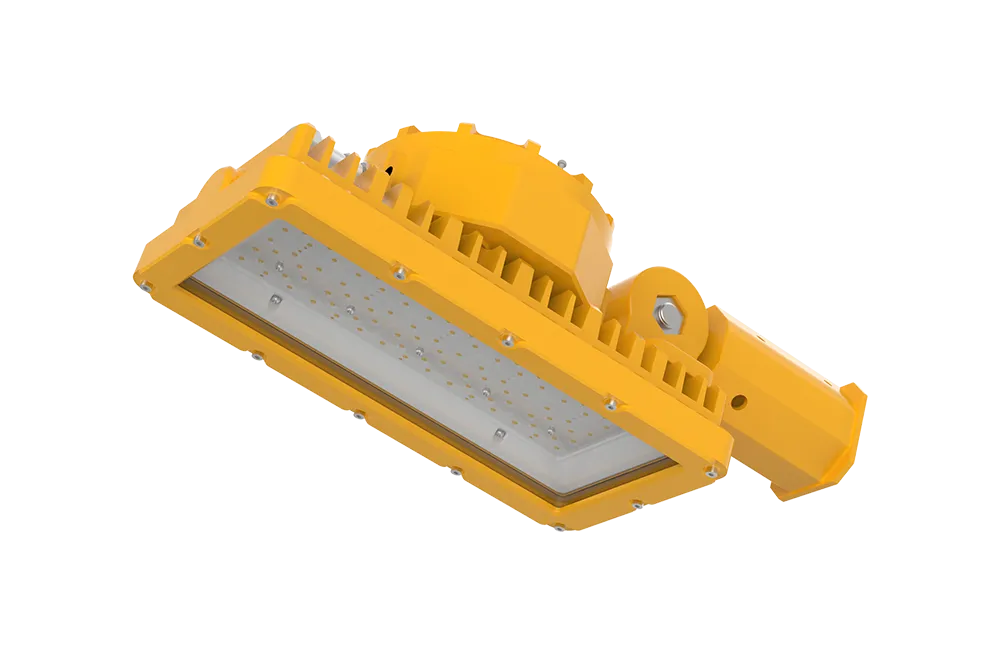
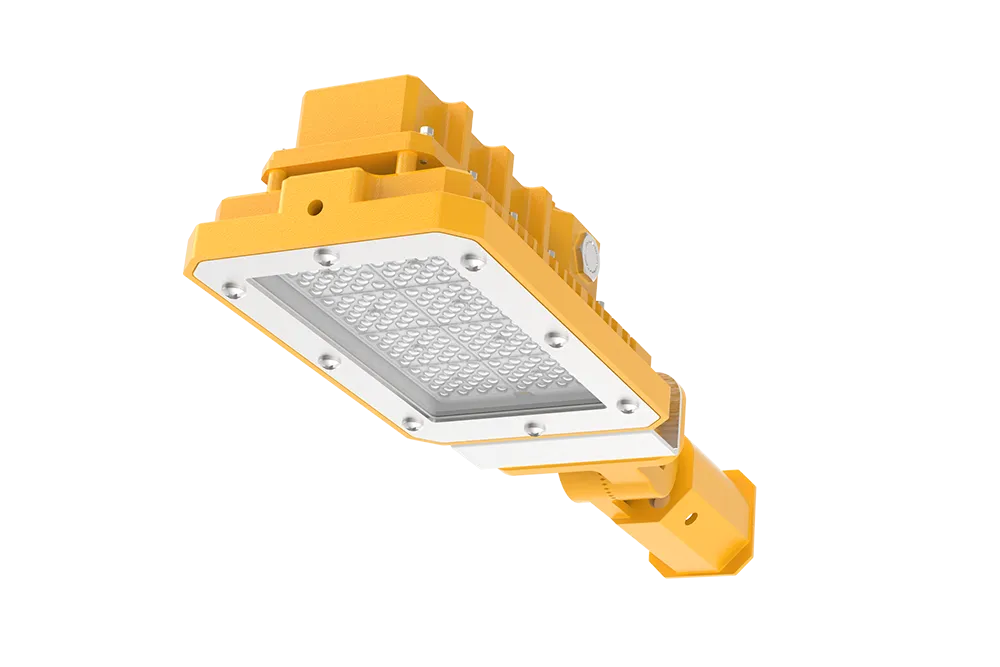
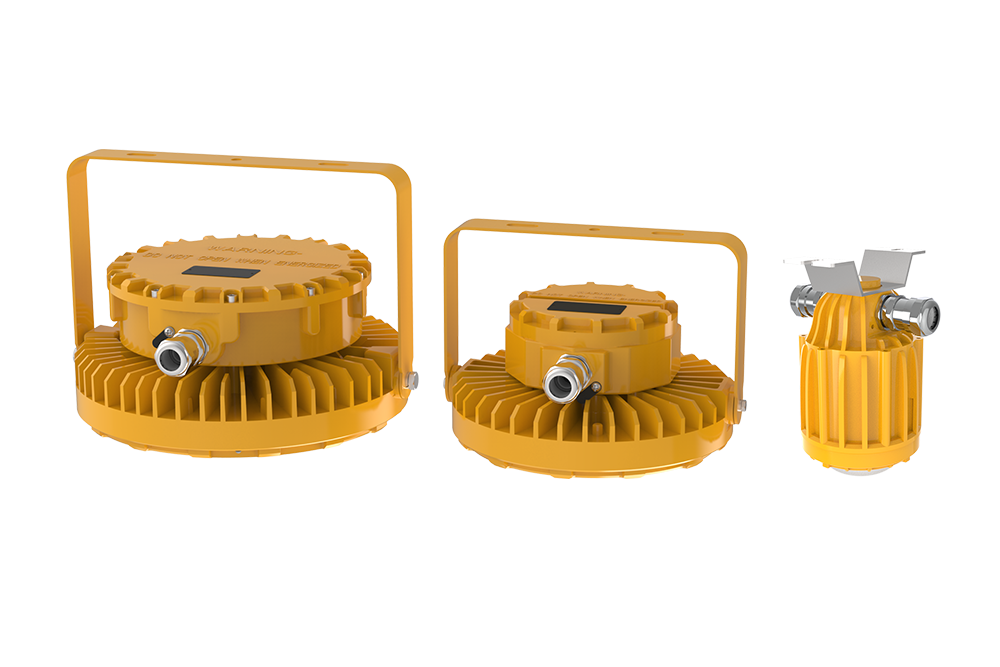
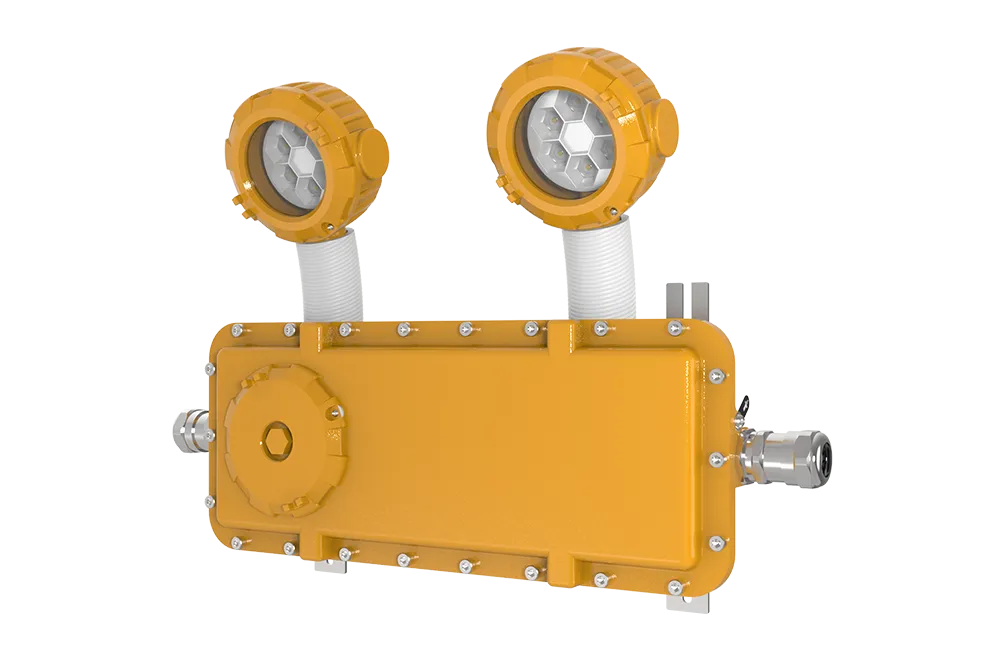
Explosion proof fixtures are usually heavier, with visible joints, bolts, or reinforced structures. The design reflects safety requirements first, appearance second.
That said, modern LED explosion proof lighting has become more compact and practical than older designs.
Why is LED commonly used for explosion proof lighting today?
LED is widely adopted because it:
- Produces less heat
- Maintains stable output
- Reduces maintenance intervals
- Performs well in continuous operation
In hazardous environments where access is limited, this reliability matters more than efficiency numbers alone.
Can explosion proof lighting fail?
Any electrical equipment can fail. The difference is how it fails.
Explosion proof lighting is designed so that even if a component fails, the failure does not create an ignition risk. This is the core meaning behind the term.
Who should specify explosion proof lighting?
Typically:
- Electrical engineers
- Safety officers
- Project contractors
- Facility managers
Working with manufacturers like SEEKINGLED helps ensure the specification matches real site conditions, not just paperwork.
Why does the correct definition matter?
Misunderstanding what is meant by explosion proof lighting can lead to:
- Incorrect fixture selection
- Failed inspections
- Safety risks
- Project delays
Understanding the real meaning helps avoid costly mistakes before installation begins.
LED Explosion proof lights Recommendations
 Seeking LED