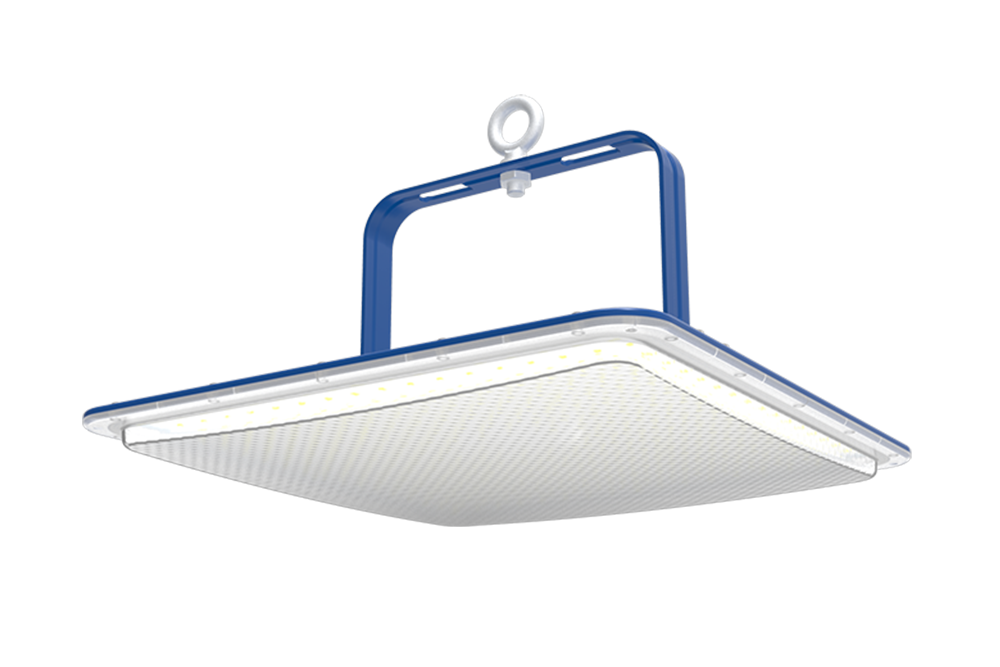
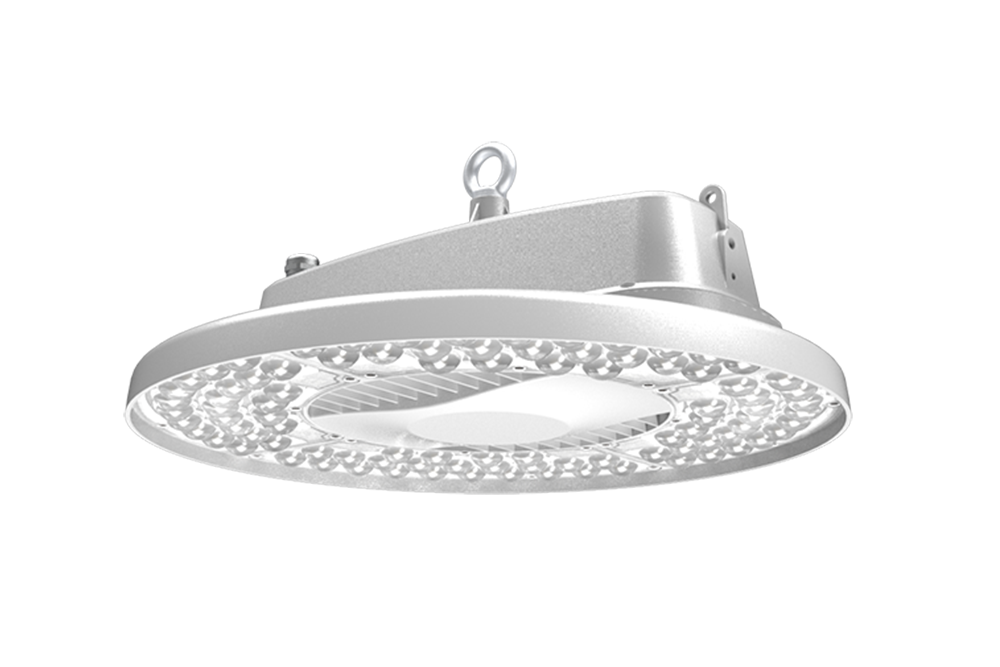
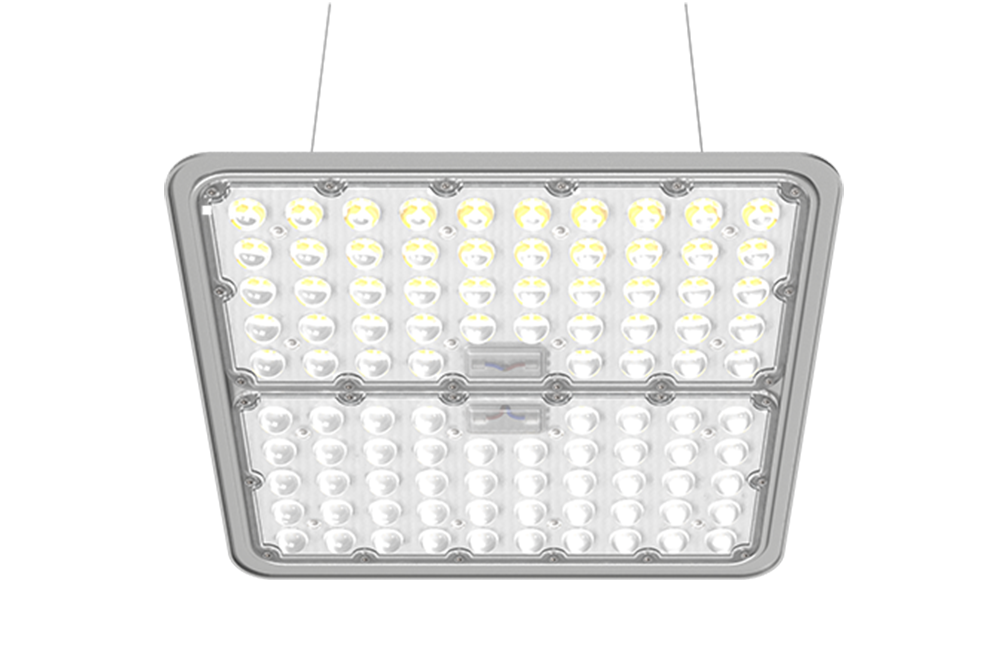
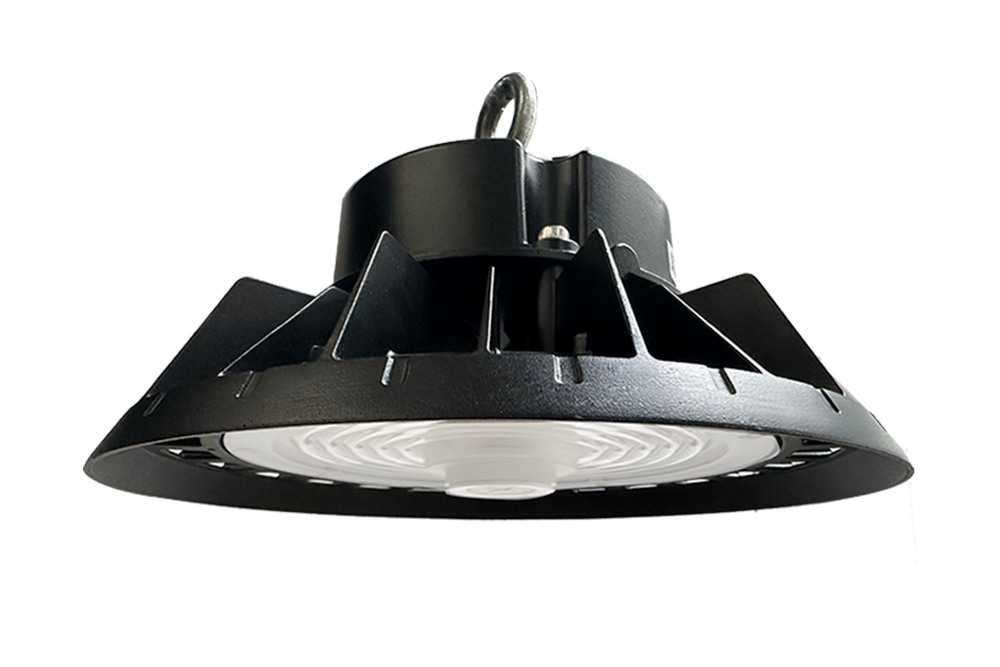
Choosing LED high bay light fixtures looks simple on paper. Pick a wattage, check the lumen number, compare prices. That’s how many projects start—and how a lot of them quietly fail two or three years later.
After more than ten years working with industrial lighting upgrades—warehouses, steel-frame factories, logistics hubs—I’ve learned one thing very clearly: most problems don’t come from LEDs themselves. They come from thermal shortcuts, unstable drivers, and designs that look good in catalogs but struggle in real buildings.
Why LED High Bay Light Fixtures Often Underperform
Industrial LED high bay lighting usually sits at the intersection of cost pressure and performance expectations. According to the U.S. Department of Energy (DOE), LED high bay retrofits can reduce lighting energy consumption by 50–70% compared to metal halide systems—but only when efficacy and long-term lumen maintenance are both controlled.
What the DOE data also shows is this: fixtures with poor thermal design experience accelerated lumen depreciation, regardless of how high the initial lm/W claim looks.
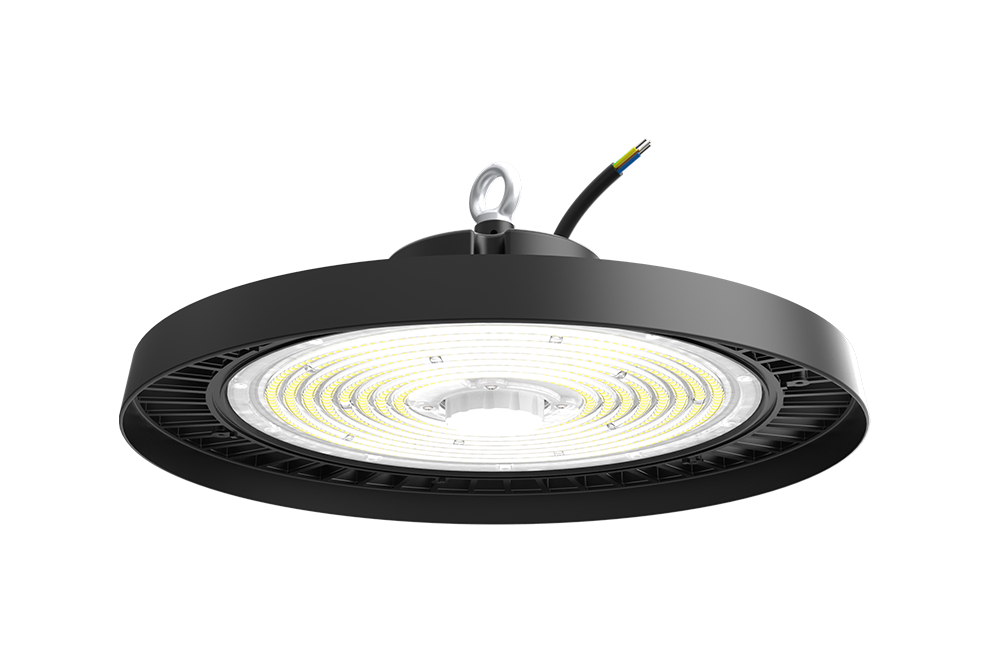
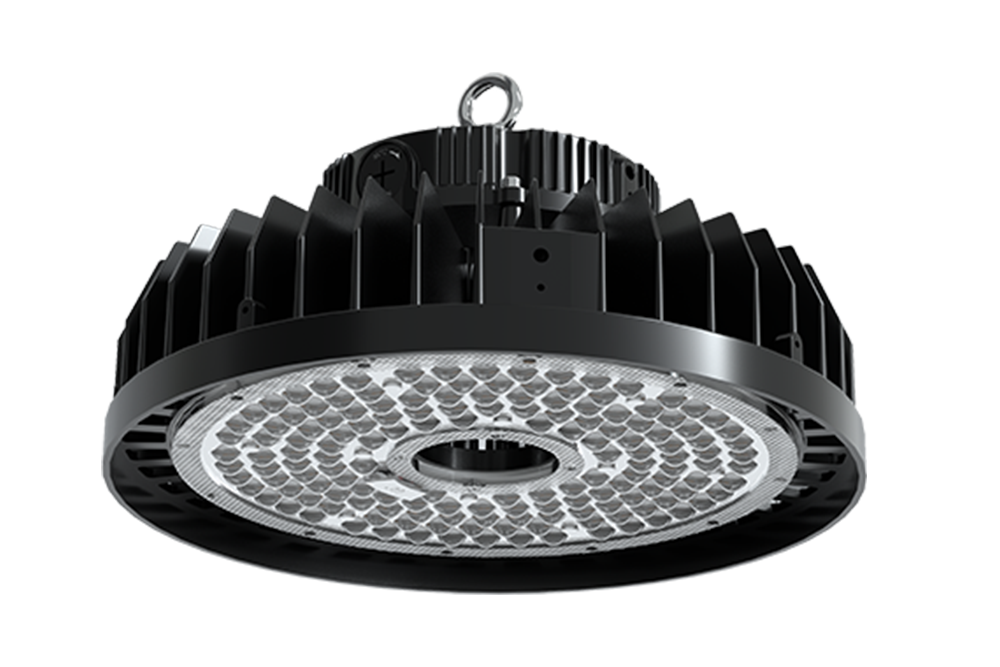
That’s why SEEKINGLED did not chase extreme specifications across every parameter. The HBF Series stays compact, manages thermal mass carefully, and uses a driver configuration intended for continuous indoor industrial operation, not showroom demos.
Real Efficiency, Not Marketing Efficiency
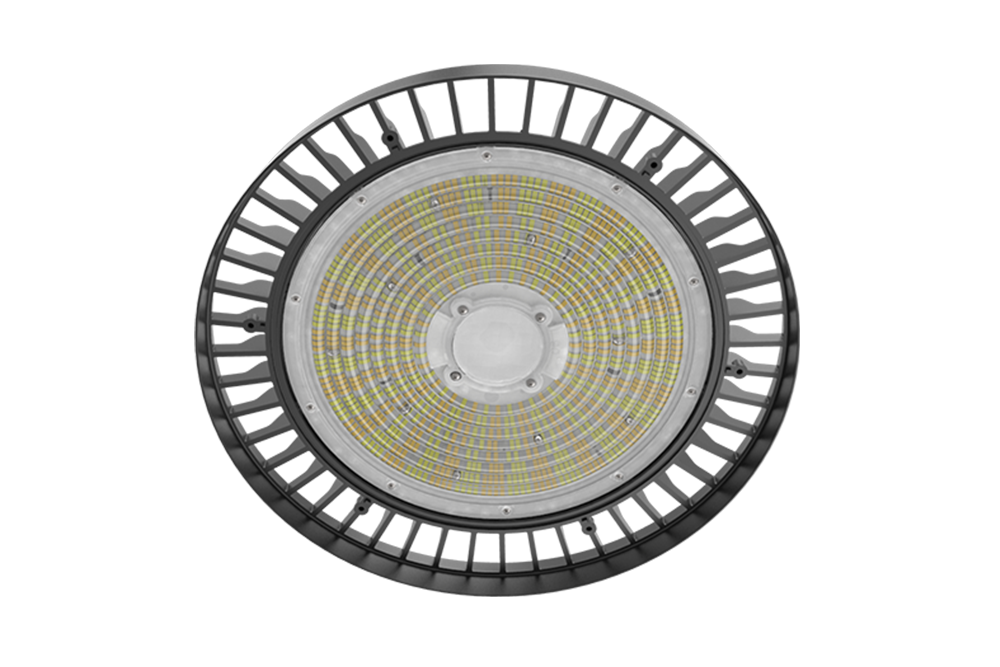
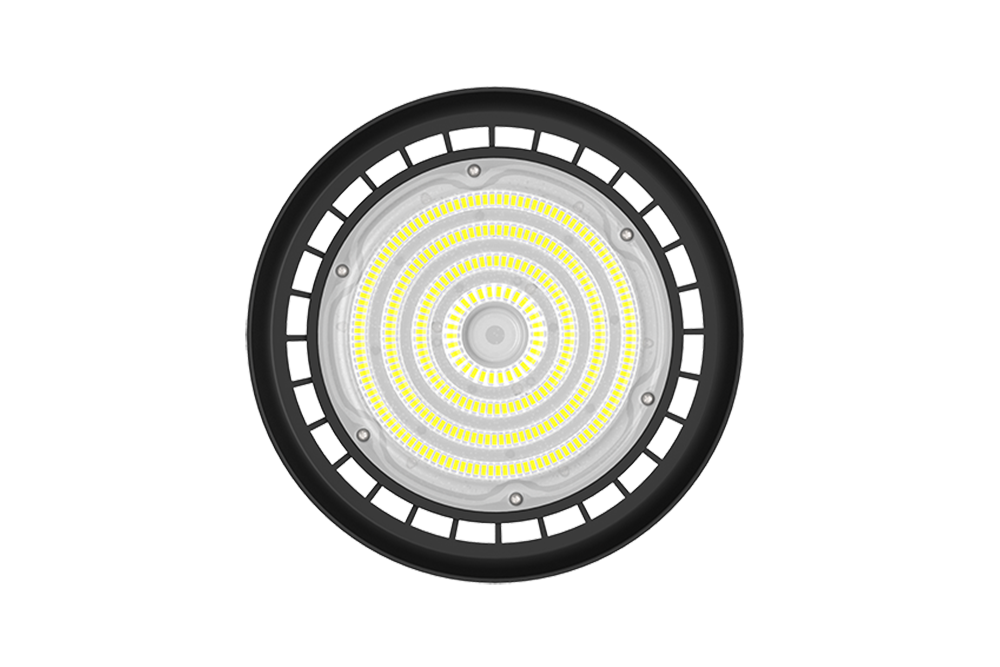
The HBF Series LED High Bay Light delivers up to 200 lm/W, measured at 5700K, Ra>70. In a warehouse running lights 14–18 hours a day, that difference is not theoretical. It shows up directly on the electricity bill.
From project audits I’ve been involved in, even a 10% improvement in fixture efficacy can reduce annual lighting costs enough to shorten payback by months—not years. That’s where high-efficiency LED high bay fixtures quietly earn their value.
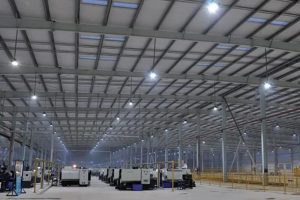
HBF Series LED high bay light fixtures illuminating a logistics warehouse with high ceilings.
Thermal Design Is Where Fixtures Live or Die
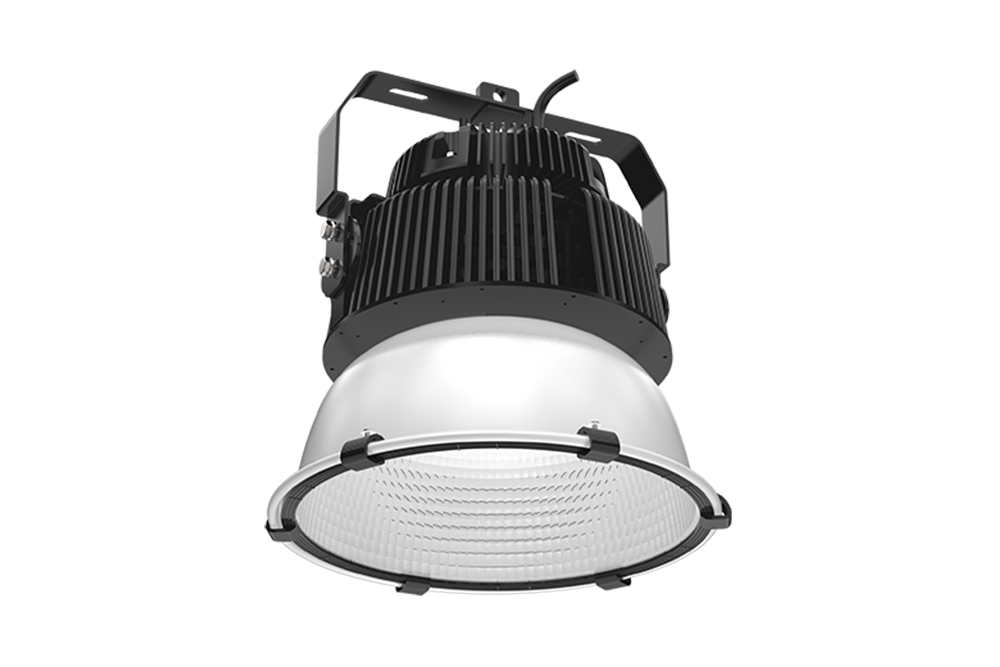
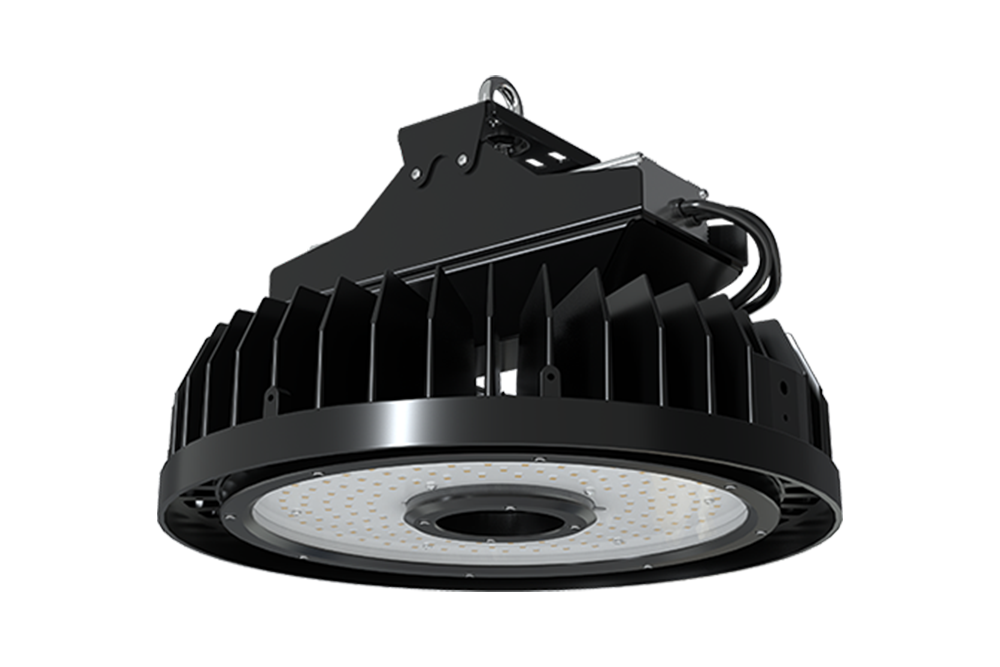
The die-cast aluminum housing used in the HBF Series is not decorative. In steel-roof factories, heat accumulates above the working plane, especially when fixtures are mounted close to the ceiling.
Independent LM-80 test reports on 2835 LED packages clearly show that junction temperature is the dominant factor affecting lumen maintenance. When paired with TM-21 lifetime projections, well-managed systems can realistically reach L80B20 beyond 100,000 hours at 25°C—which aligns with HBF’s rated performance.
This isn’t optimistic math. It’s basic thermal engineering.
Driver Stability Matters More Than Most Buyers Expect
SEEKINGLED selected SOSEN flicker-free drivers deliberately. In industrial environments with cameras, inspection lines, or automated systems, unstable light output becomes a functional issue, not a comfort one.
According to IEEE Std 1789, low-frequency flicker can interfere with visual tasks and machine vision. With PF ≥ 0.95 and low THD, the HBF Series performs reliably even on three-phase grids where voltage fluctuation is common.
I’ve seen cheaper drivers fail quietly—no dramatic outage, just gradual instability. This design avoids that scenario.
Stable, flicker-free lighting supporting industrial production and inspection.
Beam Control and Practical Installation
Beam angles of 60° and 90° are offered for a reason. Many lighting problems are not brightness issues—they are distribution issues.
Specifying the correct beam based on mounting height avoids over-lighting, glare, and wasted energy. The optional microwave motion sensor interface allows step-dimming strategies that align with energy codes increasingly enforced in Europe and North America.
This isn’t “smart lighting hype.” It’s simple, measurable energy control.
Built for Industrial Abuse, Not Office Ceilings
With IP65 and IK08, the HBF Series LED High Bay Light Fixtures handles dust-heavy logistics areas, semi-open garages, and industrial buildings where vibration and impact are normal conditions.
The C3 corrosion rating is another quiet detail that matters, especially in coastal or high-humidity regions where fixture housings degrade faster than expected.
Author Background
Written by an industrial lighting engineer with over 12 years of experience in LED high bay system design, project specification, and retrofit evaluation across warehouses, factories, and logistics facilities in Europe and Asia.
Final Thoughts on LED High Bay Light Fixtures
Good LED high bay light fixtures don’t try to impress at first glance. They stay consistent. They stay stable. And five years later, they still do what they were supposed to do.
The HBF Series from SEEKINGLED was built with that reality in mind—no shortcuts, no unnecessary complexity, just performance that holds up in real industrial buildings.
That’s usually what makes the difference.
LED High Bay Light Fixtures Product Recommendation
Discover hazardous area light fittings for Zone 1 and Zone 2 applications. Learn certifications, installation requirements, safety standards, and industrial lighting solutions.
how does explosion proof lighting work in hazardous areas? Learn the real engineering logic behind flameproof housings, ATEX compliance and industrial safety from SEEKINGLED.
In 2024, a European factory installed 360 pcs of Seeking XJ-HBF200W LED High Bay Light, reaching 200 lm/W, 300+ LUX, high uniformity and reliable performance, delivering an energy-efficient lighting solution for large industrial spaces.
Class 1 Div 2 LED lighting delivers certified hazardous-location illumination with lower maintenance, energy savings, and reliable industrial performance.
 Seeking LED