 Seeking LED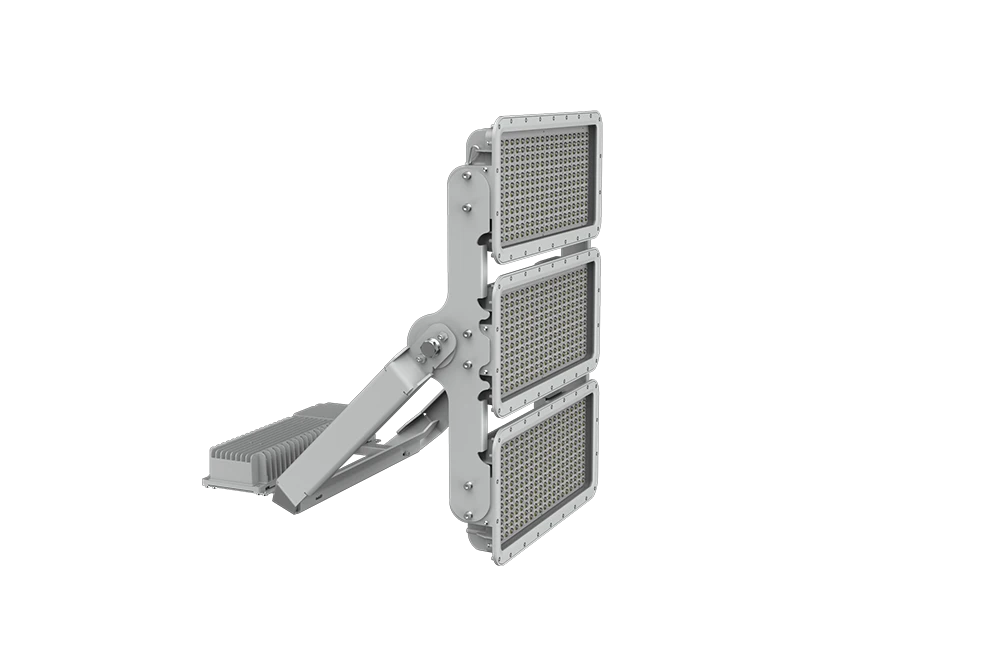
Explosion Proof Lamp: How It Actually Works in Hazardous Environments
0Explosion proof lamp ensures safe lighting in explosive environments. Learn standards, real-world insights, and expert selection tips from SEEKINGLED.
View detailsSearch the whole station
If you’ve ever stood in front of a catalog or product page trying to decide how to choose led flood lights, you probably noticed something quickly: there are too many options.
30W, 50W, 100W.
Different beam angles.
Different brightness levels.
At first glance they all look similar. But once you actually install one outdoors, the differences become obvious.
Some lights flood a large yard evenly. Others produce a tight, focused beam. Some last years without issues, while others dim faster than expected.
So choosing the right flood light isn’t just about wattage. It’s about understanding where the light will be used and what kind of coverage you need.
Let’s walk through the main things that actually matter.
Before checking specs, think about what you want to illuminate.
Flood lights are used in very different environments:
Each space needs a different amount of light.
For example, a small backyard rarely needs more than 30W–50W.
But a parking lot or commercial yard might require 100W or more.
Professional installers usually begin with the area size first, not the product itself.
That small shift in thinking makes choosing easier.
A common mistake when learning how to choose led flood lights is focusing only on watts.
Watts tell you power consumption.
Lumens tell you brightness.
Two 50W lights can look very different if one produces 5000 lumens and another produces 7000 lumens.
Higher lumens mean stronger illumination and longer reach.
High-efficiency manufacturers like SEEKINGLED often design fixtures delivering 130–150 lumens per watt, which improves brightness without increasing electricity use.
That’s where quality engineering shows.
Another specification that people overlook is beam angle.
This determines how wide the light spreads.
Common beam angles include:
Here’s a simple way to think about it.
A narrow beam acts almost like a spotlight. The light travels farther but covers less ground.
A wide beam spreads light across a larger surface but doesn’t reach as far.
For example, if you’re lighting a building wall or signage, a wide beam works best.
But if you’re trying to illuminate a long driveway, a narrower beam might make more sense.
Outdoor lighting deals with rain, dust, and temperature swings. That’s unavoidable.
So when deciding how to choose led flood lights, always check the IP rating.
Typical ratings include:
For most outdoor installations, IP65 or IP66 is sufficient.
Manufacturers like SEEKINGLED design flood lights specifically for outdoor durability, with sealed housings and corrosion-resistant aluminum bodies.
That matters more than people expect, especially in humid or coastal areas.
Brightness is only part of the experience. The color temperature affects how the space feels.
Typical options include:
Residential spaces often prefer warmer tones.
Security lighting or industrial areas usually use 5000K daylight, which improves visibility and contrast.
When installed correctly, the difference is noticeable immediately.
LED technology is efficient, but it still produces heat.
Cheap flood lights often fail early because heat builds up inside the housing.
Good fixtures include:
These details extend the lifespan significantly.
In fact, many professional LED flood lights are rated for 30,000–50,000 hours when cooling is designed properly.
A flood light that’s perfect on paper may perform poorly if installed incorrectly.
Mounting height changes how light spreads.
Typical installation heights:
Angle adjustment is also important.
A slightly tilted fixture can dramatically improve coverage and reduce dark spots.
Installers often test the beam direction before tightening the final bracket.
So, how to choose led flood lights?
Start with the area you want to illuminate.
Then look at lumens, beam angle, durability, and mounting position.
Wattage alone doesn’t tell the whole story.
In practice, a properly selected 30W or 50W LED flood light can easily transform a dark backyard or driveway into a bright, usable space.
And when the fixture itself is well designed — like many models produced by SEEKINGLED — the lighting remains stable for years.
That’s ultimately what good outdoor lighting should do: reliable brightness, efficient power use, and consistent performance night after night.
Sports Stadium LED Lighting by SEEKINGLED delivers high mast illumination, precise beam control, and EN 12193 compliant performance for professional venues.
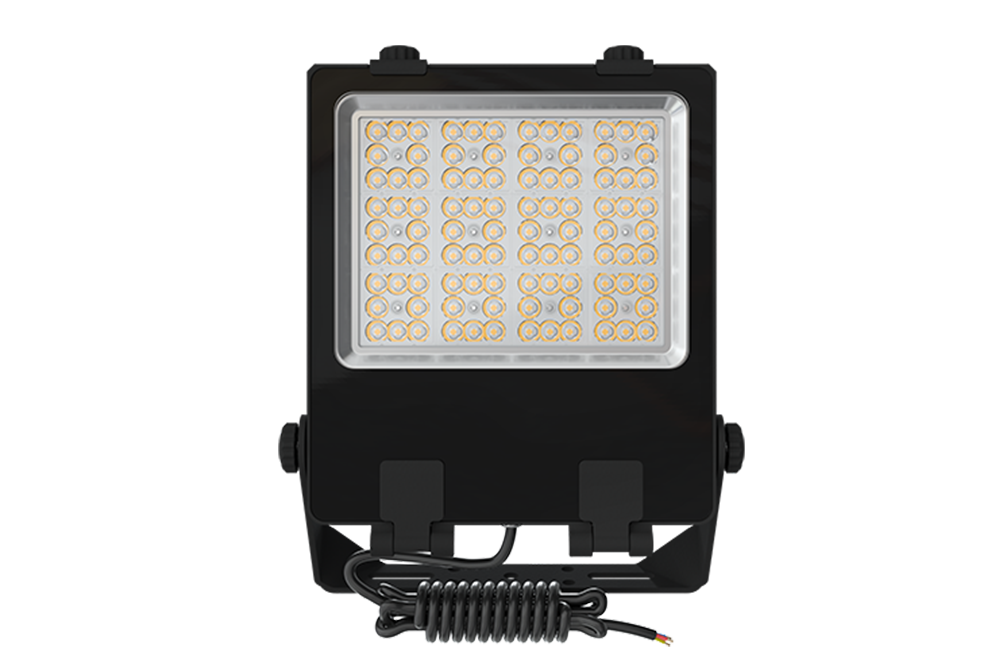
SEEKING FLX Series LED flood light outdoor for sports courts and open-area projects with 170lm/W efficiency, IP66 protection and multiple beam distributions. Designed for long-life commercial and public outdoor use.
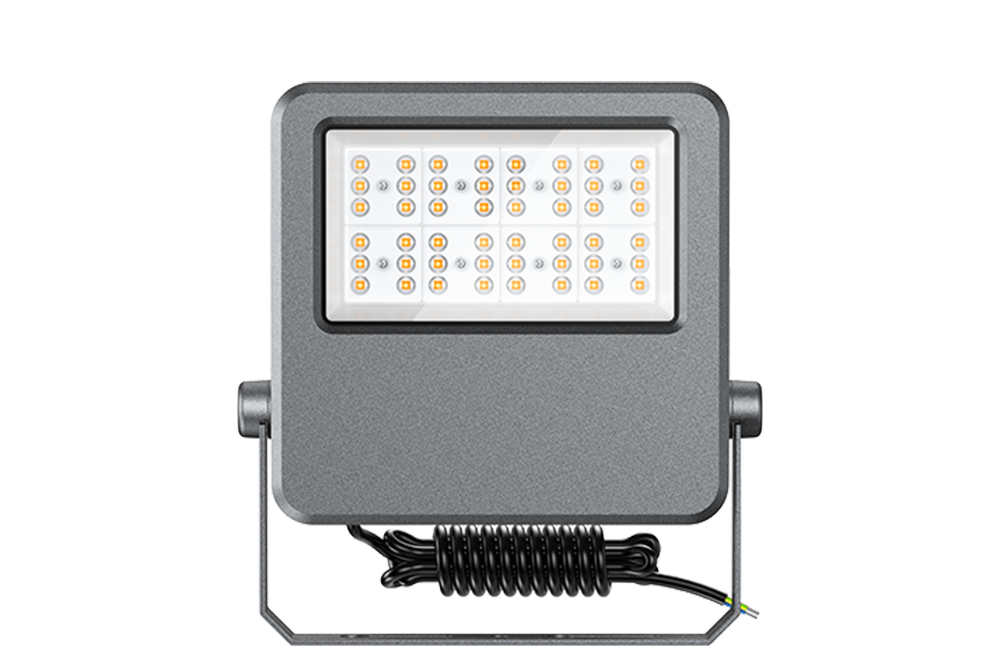
SEEKING FLE Series LED outdoor flood lights for sports grounds and open areas with multiple beam angles, IP66 protection and up to 170lm/W. Designed for long-life outdoor installations with professional driver options.
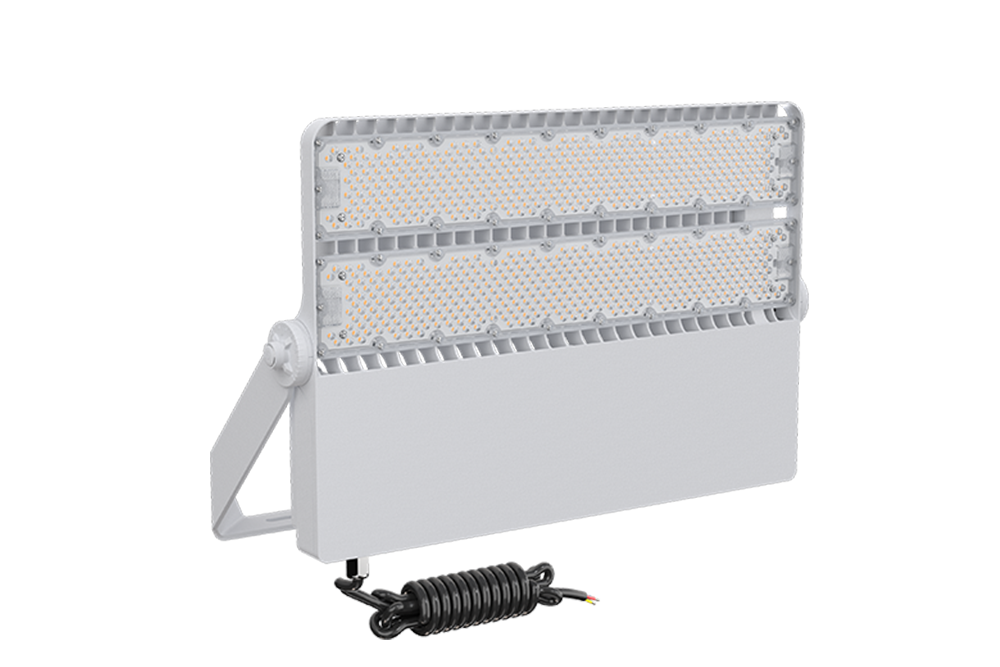
SEEKING FLD Series outdoor LED flood lights and high power led flood light deliver up to 960W with precision beam angles for sports fields, stadiums and large outdoor areas. IK08 & IP66 protection, 170lm/W efficiency and 100,000h lifetime.
loading…
This is the last post!
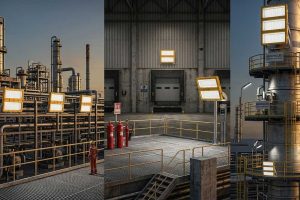
Explosion proof lamp ensures safe lighting in explosive environments. Learn standards, real-world insights, and expert selection tips from SEEKINGLED.
View details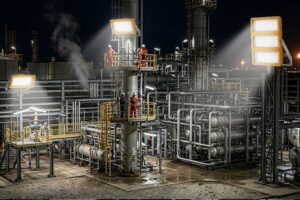
ATEX Zone 1 floodlight solutions provide certified illumination for hazardous gas environments. Learn certifications, performance, and real-world industrial applications.
View details
How to dim LED light strip? Learn safe, practical ways to control brightness using dimmers, controllers, and power solutions without damaging your LEDs.
View details
27th-30th,October,2017 Booth: 5B-E25GSL series low bay light include 80W, 100W, 150W, 200W, 240W, square appearance, IP65 protection grade. PC cover, ultrathin design, suspension, recessed, surface mounting and other installation...
View details