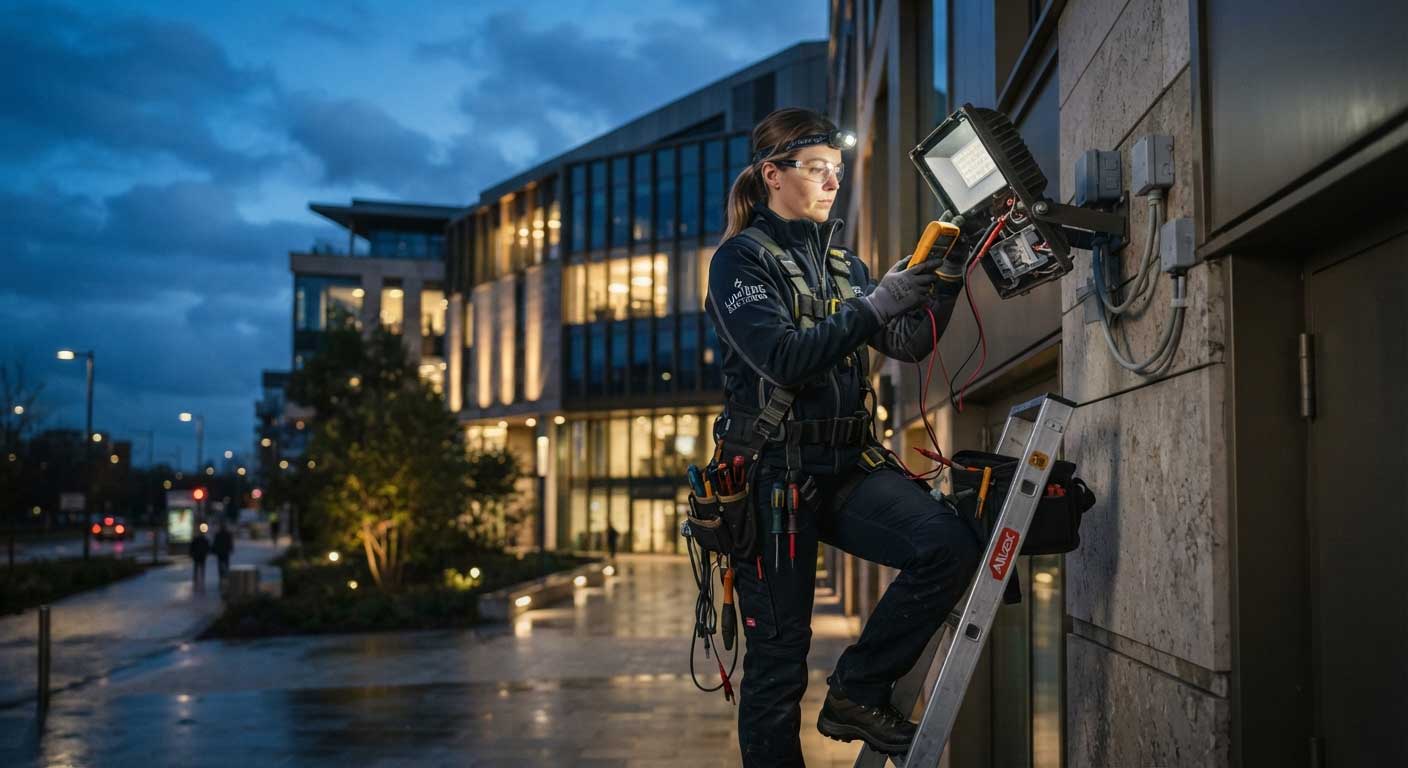
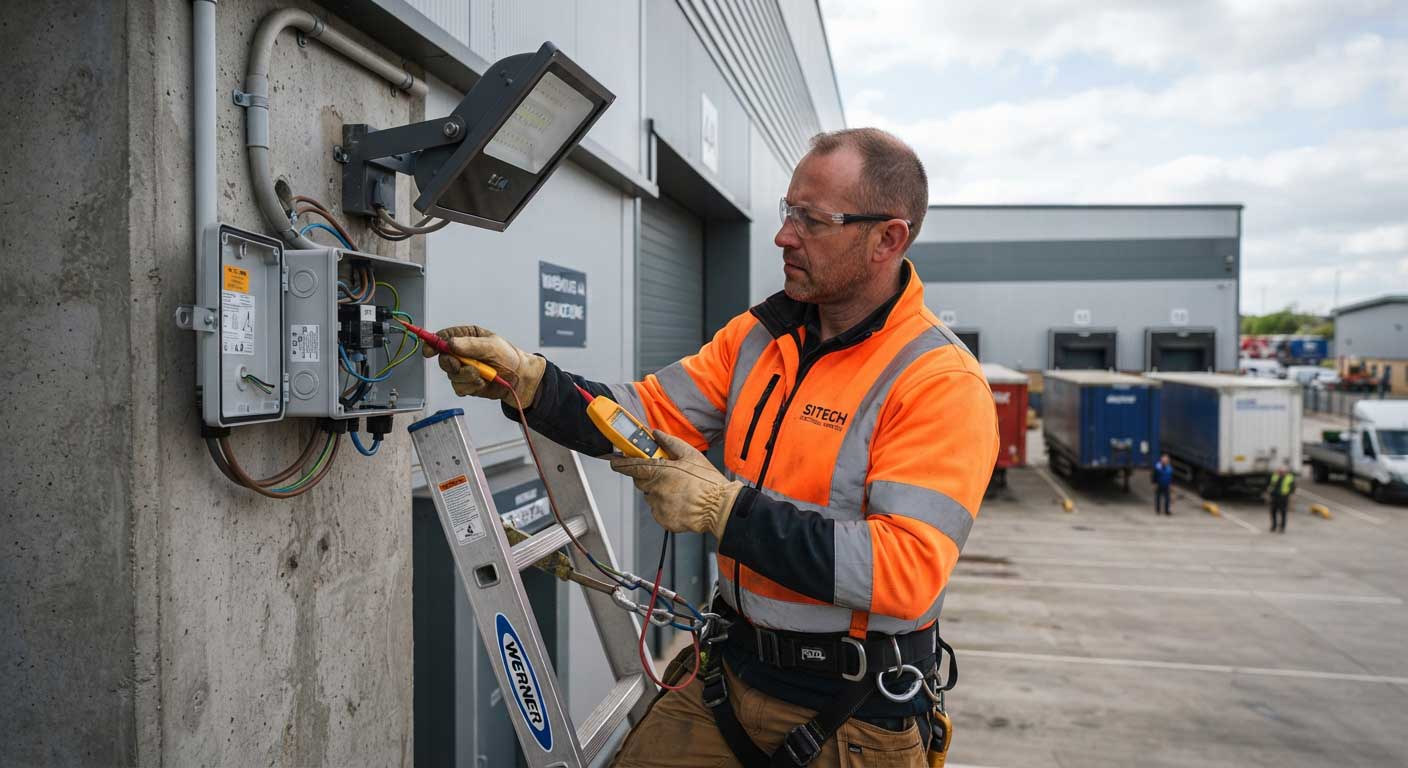
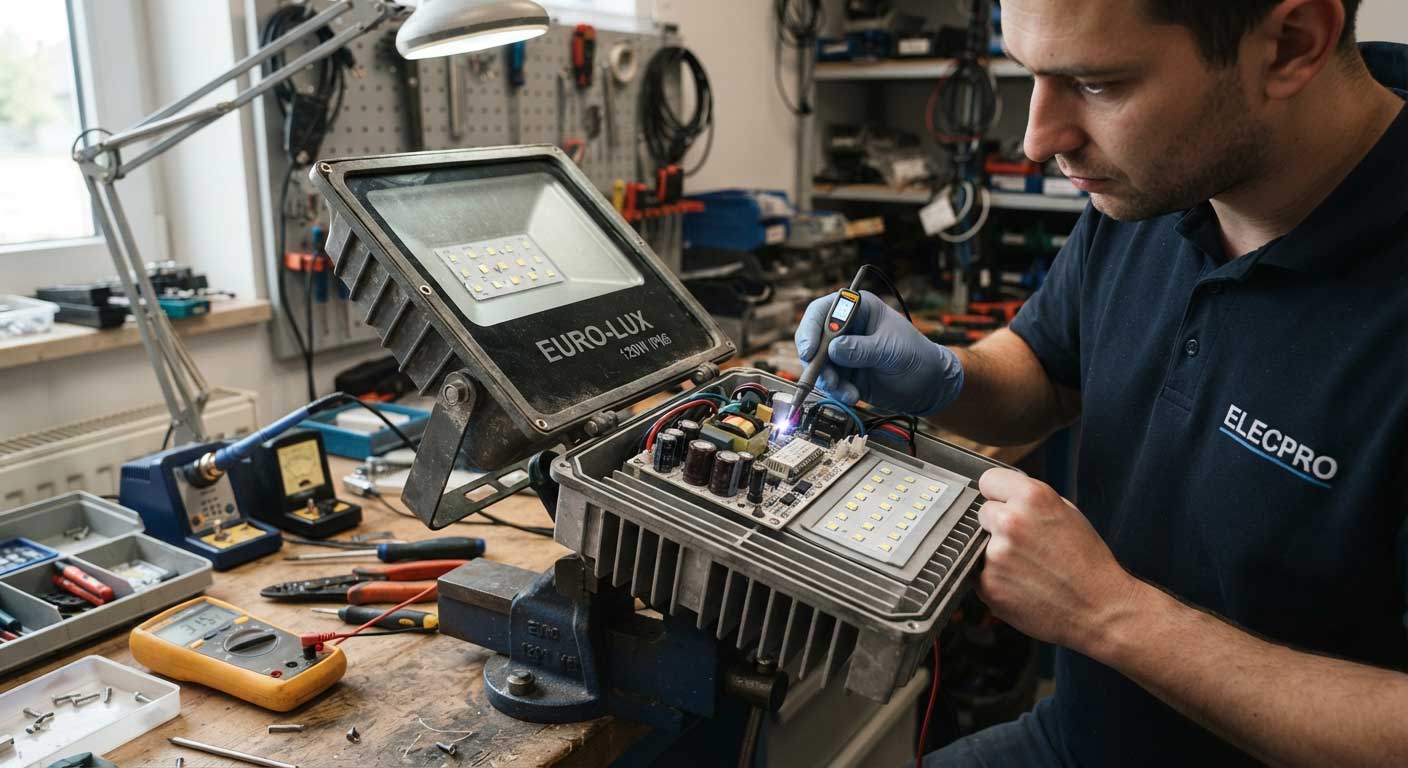
If you’re asking why is my LED flood light not working, the issue usually comes down to three things: power supply problems, driver failure, or installation issues.
The LEDs themselves are rarely the first component to fail. In fact, most modern LED chips can run for tens of thousands of hours without serious degradation.
But the electronics around them — drivers, wiring, sensors — that’s where things usually go wrong.
And once you’ve inspected a few outdoor lighting systems, the pattern becomes pretty clear.
1. No power reaching the fixture
Before assuming the flood light itself is broken, check the simplest explanation: electricity might not be reaching it.
When someone asks why is my LED flood light not working, I usually start with the circuit.
Outdoor lighting often shares power with other equipment. Breakers trip. GFCI outlets shut off. Timers get misconfigured.
Sometimes the solution is embarrassingly simple.
A few months ago I checked a flood light in a small warehouse yard that had “stopped working.” The fixture was fine. The breaker had tripped after a storm.
Reset the breaker — problem solved.
It happens more often than people admit.
2. LED driver failure
If power is present but the light still won’t turn on, the LED driver becomes the most likely suspect.
Drivers convert AC power into the constant current required by LED chips. If the driver fails, the LEDs receive no usable power even though electricity is technically available.
From the outside the fixture just looks dead.
Research from the U.S. Department of Energy Solid-State Lighting program has repeatedly shown that drivers are among the most common failure points in LED luminaires. Heat, electrical stress, and aging components gradually weaken them.
Outdoor flood lights experience particularly harsh conditions — sunlight during the day, cooler temperatures at night, sometimes moisture as well.
High-quality products try to reduce that risk. For example, SEEKINGLED LED flood lights often use larger aluminum housings that help dissipate heat away from driver electronics.
Cooler drivers tend to live longer.
3. Wiring problems or loose connections
Another very common answer to why is my LED flood light not working is simple wiring trouble.
Outdoor installations involve junction boxes, cable glands, and exposed wiring routes. Over time these connections can loosen or corrode, especially in humid climates.
A loose neutral wire alone can completely stop a fixture from operating.
Moisture can make things worse. Water inside a junction box may interrupt electrical contact or trigger protective devices.
When troubleshooting, it’s always worth inspecting the wiring before assuming the light itself is defective.
In many cases the fixture is perfectly fine.
4. Faulty motion sensors or photocells
Security flood lights often include motion detectors or daylight sensors.
If these components fail, the light may never activate.
For example, a damaged motion sensor might remain permanently inactive. The flood light receives power but never receives the “turn on” signal.
Photocells can also behave unpredictably if they are exposed to artificial light or reflections.
I’ve even seen sensors blocked by insects or debris.
The result? The light simply refuses to turn on.
5. Water damage
Outdoor fixtures face rain, humidity, and temperature changes every day. If a flood light is poorly sealed, moisture may eventually reach internal electronics.
When water enters the driver compartment, the fixture may stop working entirely.
That’s why higher-end flood lights emphasize proper sealing and durable housings.
Many professional outdoor fixtures — including those from SEEKINGLED — are designed with IP-rated enclosures that protect internal components from dust and water intrusion.
Without that protection, outdoor lighting rarely survives long.
6. The fixture has simply reached the end of its life
LED lights last a long time, but not forever.
If a flood light has been running for many years, internal components eventually wear out. Capacitors dry up. Drivers weaken. Electrical stress accumulates.
At that point replacing the fixture may be the most practical option.
Still, compared with older technologies like halogen or metal halide lamps, LED flood lights generally require far less maintenance.
That’s one reason they’ve become so popular for outdoor security and industrial lighting.
FAQ: why is my led flood light not working?
Why is my outdoor LED light not working?
An outdoor LED light not working is usually caused by a power supply issue, failed LED driver, loose wiring, or sensor malfunction. Before replacing the fixture, check the breaker, connections, and control components because the LED chips are rarely the first part to fail.
Why are my outdoor LED lights not working?
When outdoor LED lights not working, the most common causes are tripped circuits, damaged drivers, water ingress, or incorrect timer settings. Inspect the electrical supply first, then check the driver and wiring connections to identify the actual problem.
Why is my outdoor flood light not working?
An outdoor flood light not working is often related to power interruption, driver failure, damaged cables, or faulty photocells and motion sensors. In commercial lighting inspections, checking the circuit and driver condition usually finds the problem faster than replacing the whole fixture.
Why is my LED security light not working?
A LED security light not working may be caused by a faulty motion sensor, incorrect sensitivity settings, power problems, or a failed LED driver. Check whether the sensor receives power and whether the detection area is blocked before replacing the light.
Why is my LED outdoor light not working?
An LED outdoor light not working usually indicates issues with electricity supply, internal components, or environmental damage. Outdoor fixtures experience rain, temperature changes, and voltage fluctuations, so driver protection and waterproof design are important for long-term reliability.
Why are my LED outdoor lights not working?
If LED outdoor lights not working, check the circuit breaker, GFCI protection, wiring connections, sensors, and LED driver before assuming the fixture is damaged. Many outdoor lighting failures come from installation conditions rather than the LED module itself.
How Far Will a LED Flood Light Shine?
It’s a question people ask all the time when planning outdoor lighting: how far will a led flood light shine?
On paper, it sounds simple. In reality… it depends on a few things. Wattage matters, yes. But beam angle, mounting height, and even the surface around the light play a role.
I’ve seen installers expect a small flood light to light up an entire parking lot. That almost never works. At the same time, a well-positioned mid-power LED can easily cover a backyard or driveway with no problem.
So let’s talk about what actually determines the distance.Click the link to learn more:How Far Will a LED Flood Light Shine
How to Open Sealed LED Flood Light?
How to open sealed LED flood light is a question that usually comes up when a fixture stops working, traps moisture inside, or needs inspection after long-term outdoor use.
Unlike traditional lights, most modern LED flood lights are designed to stay closed for life, which makes opening them a bit tricky—and sometimes risky.
This guide explains what can be done, what should not be done, and what professionals actually do in real projects.Learn more about “How to Open Sealed LED Flood Light“
Final thoughts
So, why is my LED flood light not working?
Most of the time the explanation isn’t mysterious. Power supply issues, driver failures, wiring problems, or sensor malfunctions account for the majority of cases.
The LEDs themselves are usually the last component to fail.
Reliable flood lights are designed with stable drivers, good heat management, and solid environmental protection. That’s exactly why manufacturers like SEEKINGLED focus on durable housings and efficient thermal design for outdoor lighting products.
Because once a flood light is installed high on a wall or pole, the goal is simple.
Turn it on — and let it keep working for years.
led flood lights recommended

Sports Stadium LED Lighting by SEEKINGLED delivers high mast illumination, precise beam control, and EN 12193 compliant performance for professional venues.
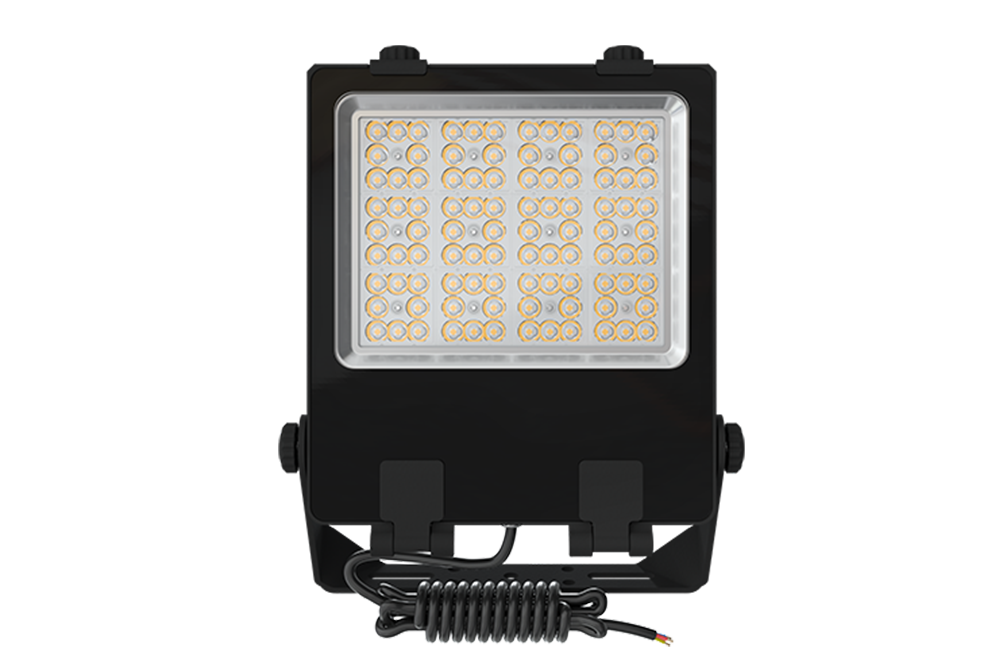
View detailsSEEKING FLX Series LED flood light outdoor for sports courts and open-area projects with 170lm/W efficiency, IP66 protection and multiple beam distributions. Designed for long-life commercial and public outdoor use.
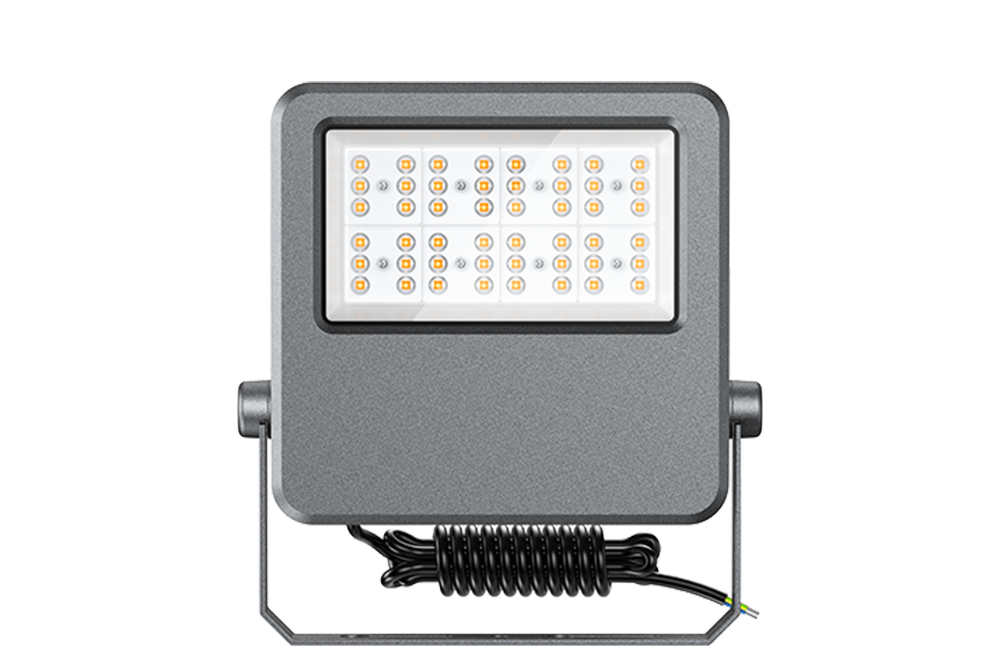
View detailsSEEKING FLE Series LED outdoor flood lights for sports grounds and open areas with multiple beam angles, IP66 protection and up to 170lm/W. Designed for long-life outdoor installations with professional driver options.
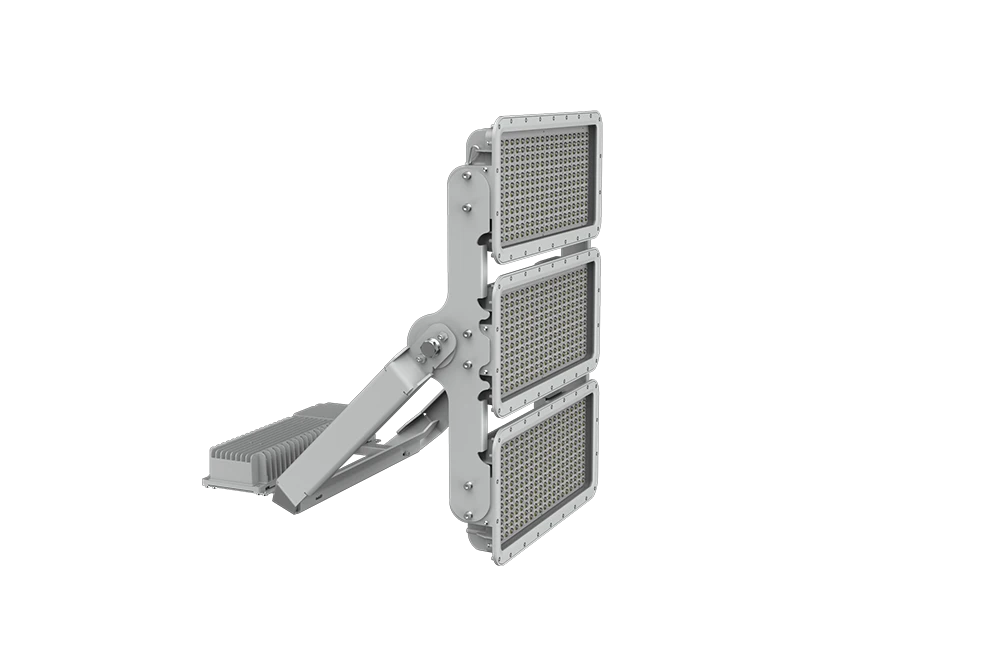
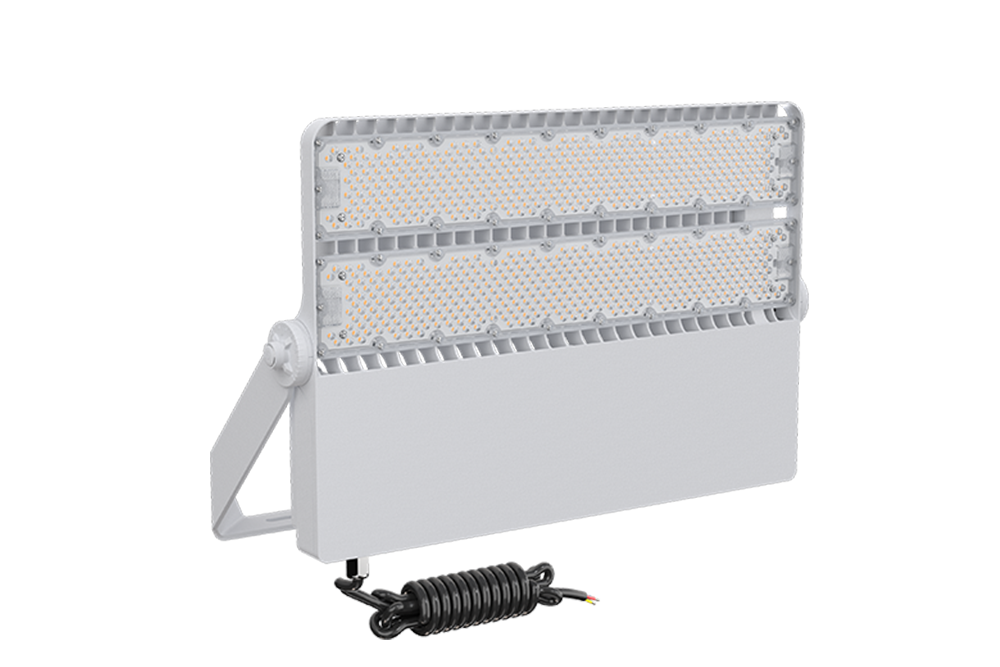
View detailsSEEKING FLD Series outdoor LED flood lights and high power led flood light deliver up to 960W with precision beam angles for sports fields, stadiums and large outdoor areas. IK08 & IP66 protection, 170lm/W efficiency and 100,000h lifetime.
View details  Seeking LED