 Seeking LED
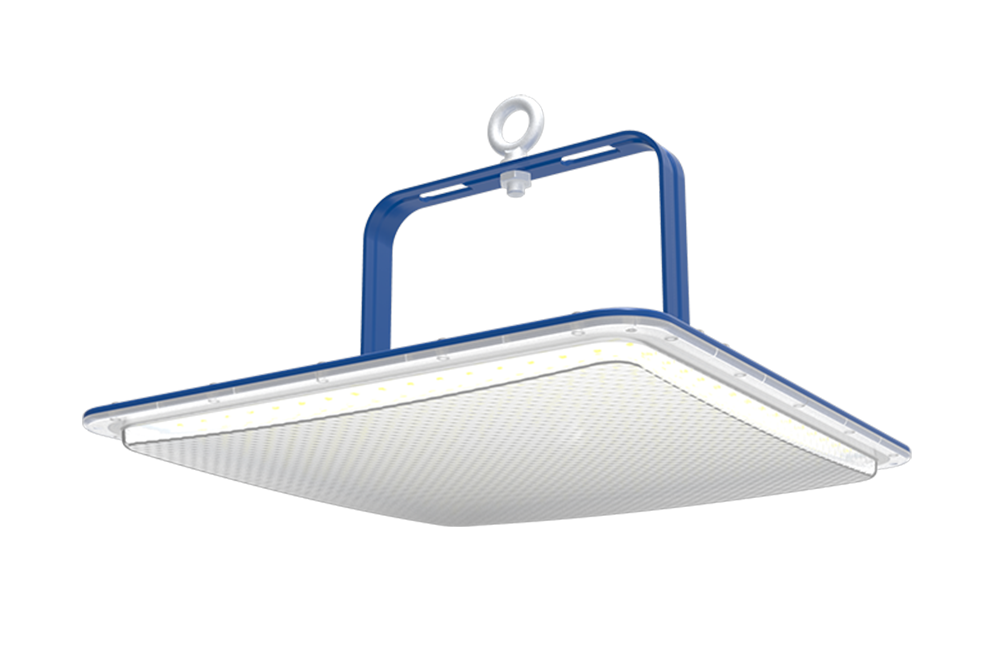
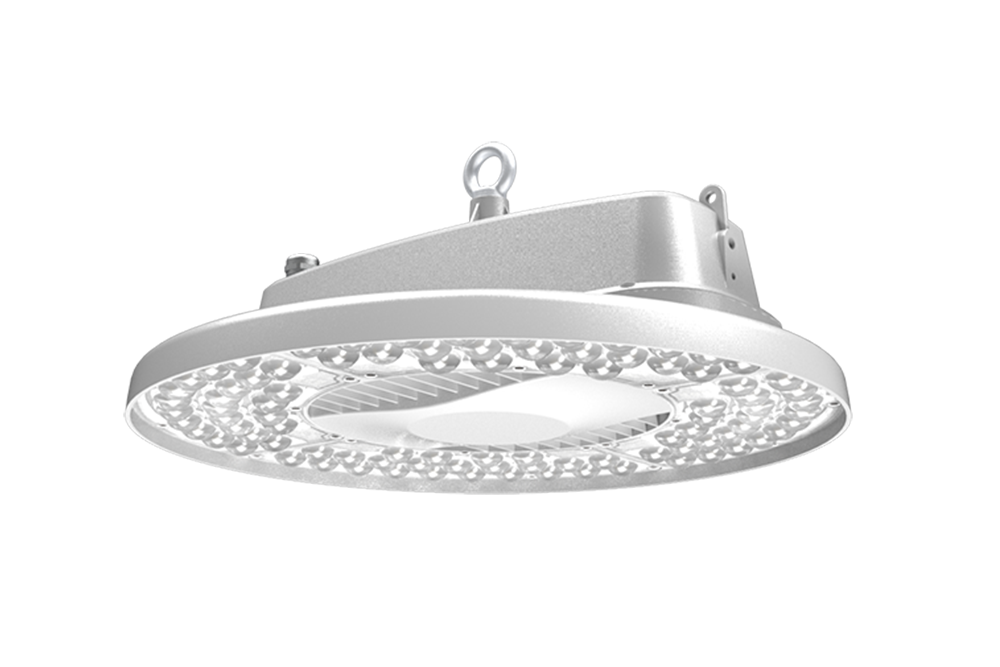
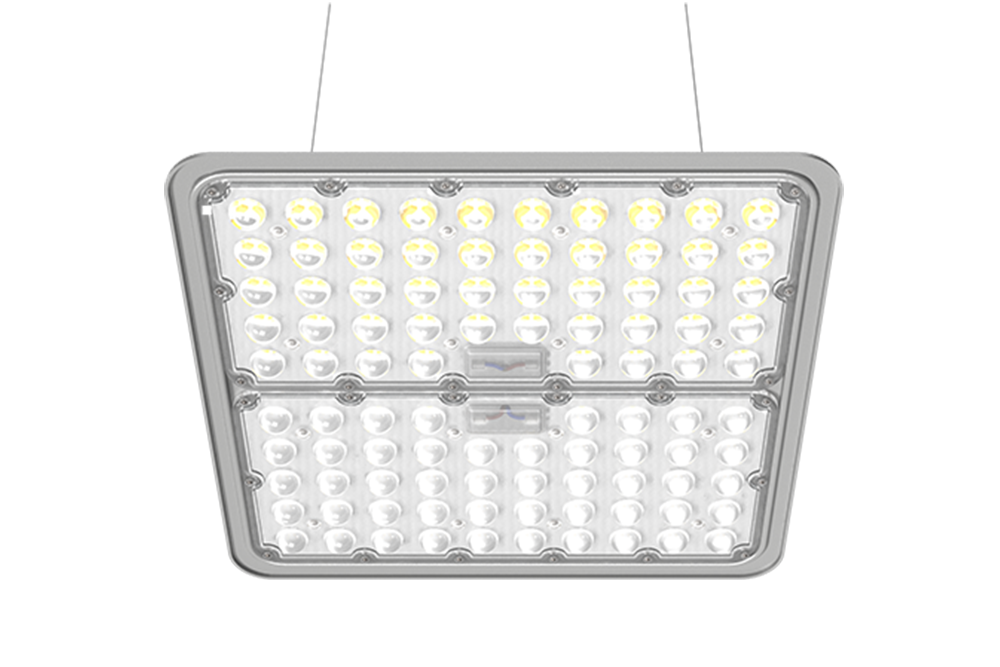
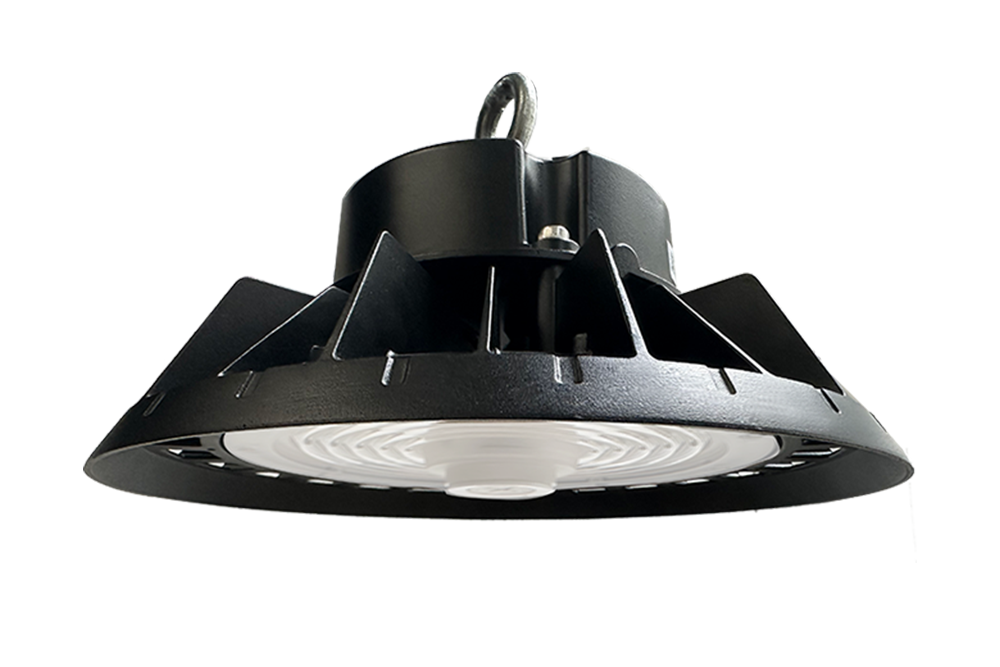
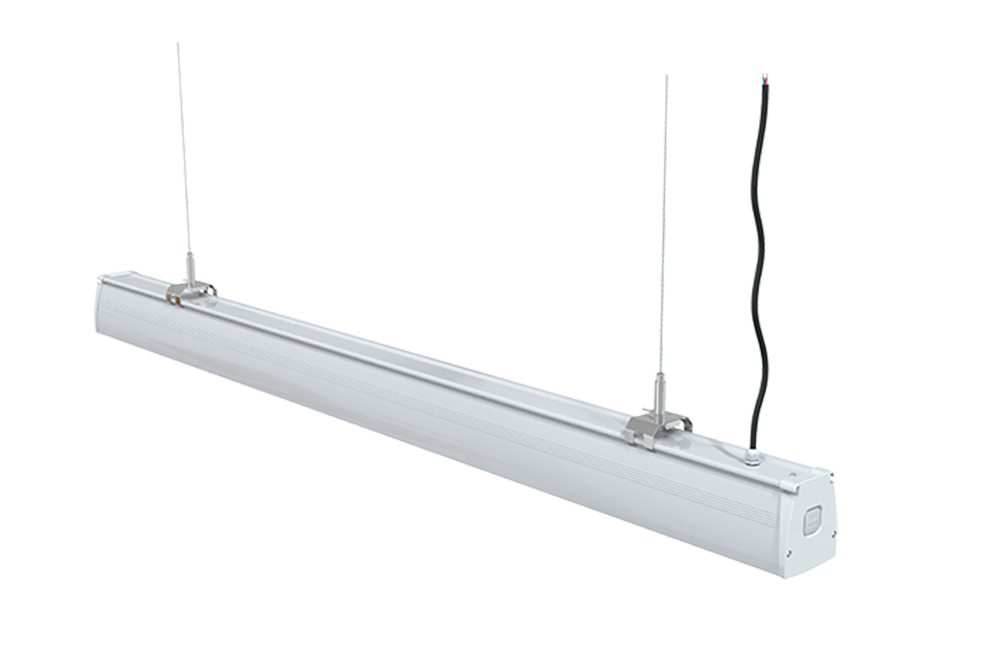
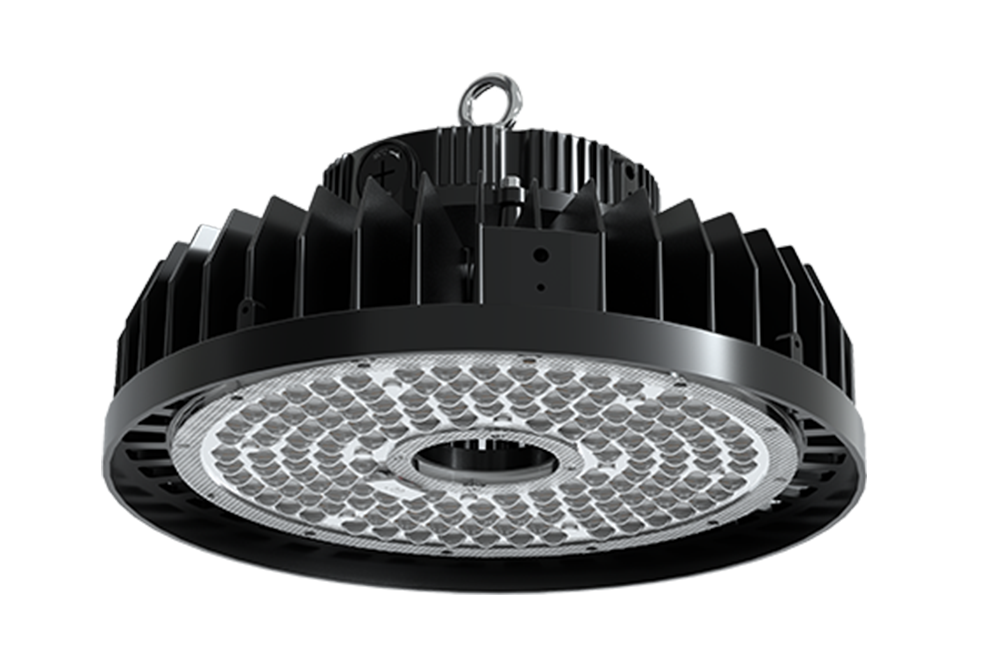
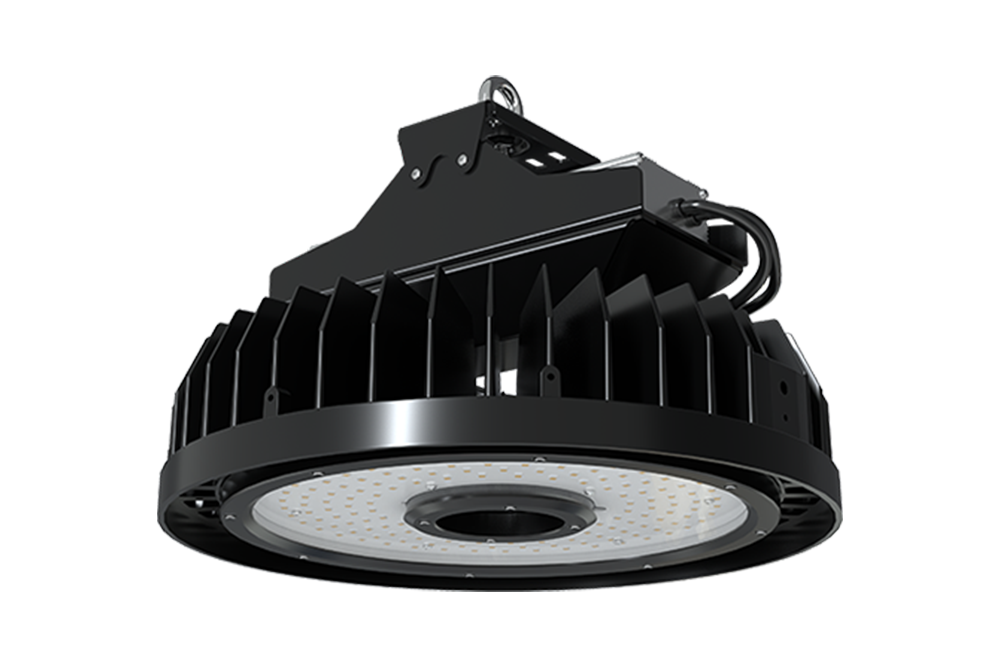
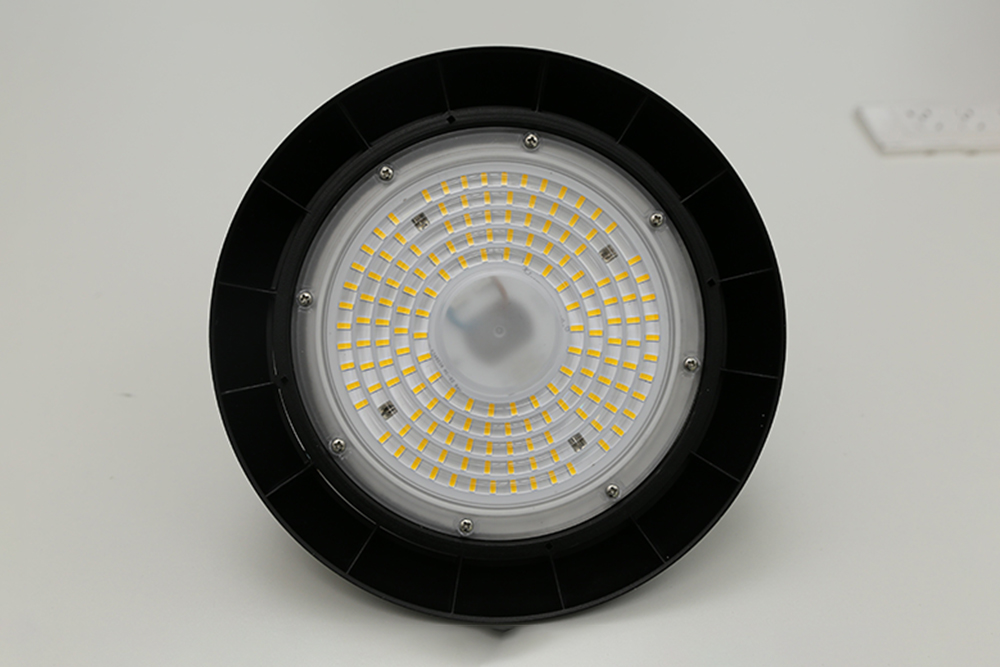
Do High Bay LED Lights Get Hot?
315Do high bay LED lights get hot during long operating hours? This FAQ explains where the heat comes from, how it is managed, and why thermal design matters for industrial high bay LED lights.
View detailsSearch the whole station
Project Location: Sweden
Application: Concrete Products Factory
Replaced Fixture: 400W HID
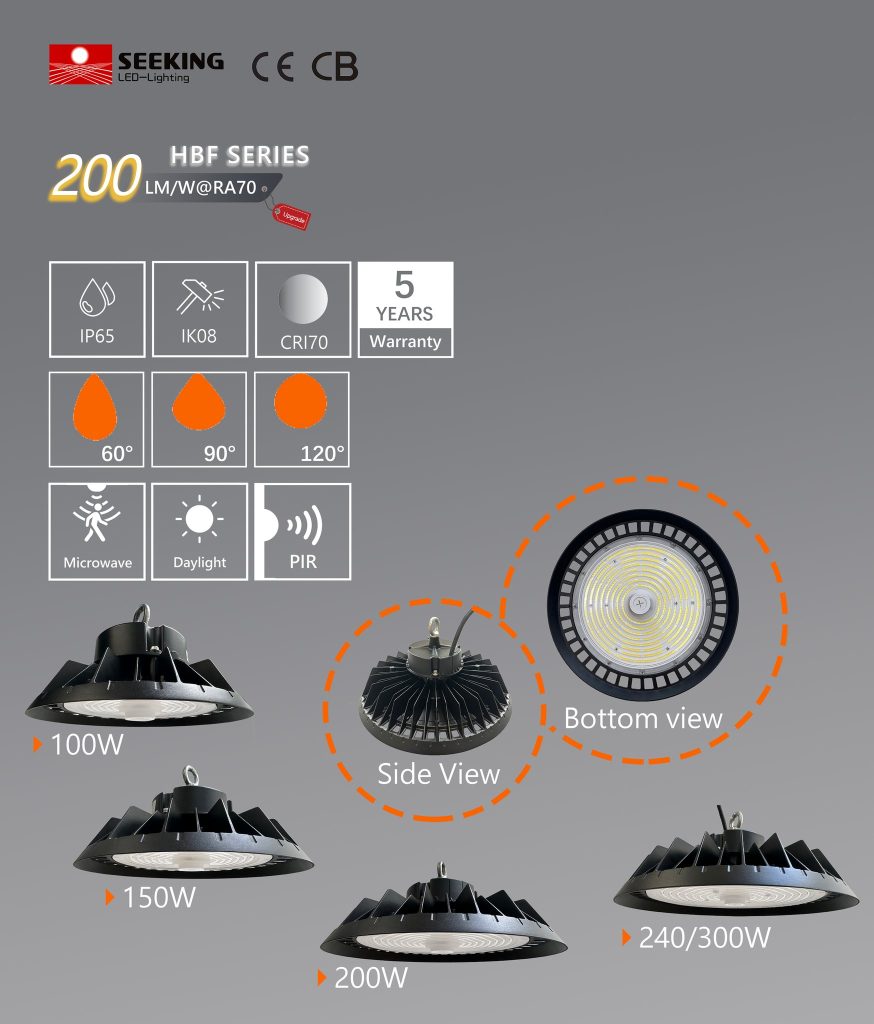
Installed Fixture: HBF Series 150W LED High Bay
Brand: SEEKINGLED
This project took place in a concrete products factory where lighting had always been treated as a background system. It worked until it didn’t.
The site had been running 400W HID high bays for years. Output was acceptable, but lamp aging was uneven. Some areas stayed bright, others dropped off gradually. Maintenance teams noticed it earlier than operators did. That gap usually leads to complaints later, so the decision was made to change the system before it became urgent.
The request was not to redesign the space. Just replace what was there, with fewer interruptions going forward.
This is not a clean factory. Concrete dust settles everywhere, including on fixtures. Heat, vibration, and long operating hours are part of the daily routine.
Ceiling height was consistent across production zones, which helped. But beam control still mattered. Too wide and light spilled into unused areas. Too narrow and shadows formed between equipment lines.
We also had to assume limited future access. Once fixtures go up, nobody wants to bring lifts back in unless something fails.
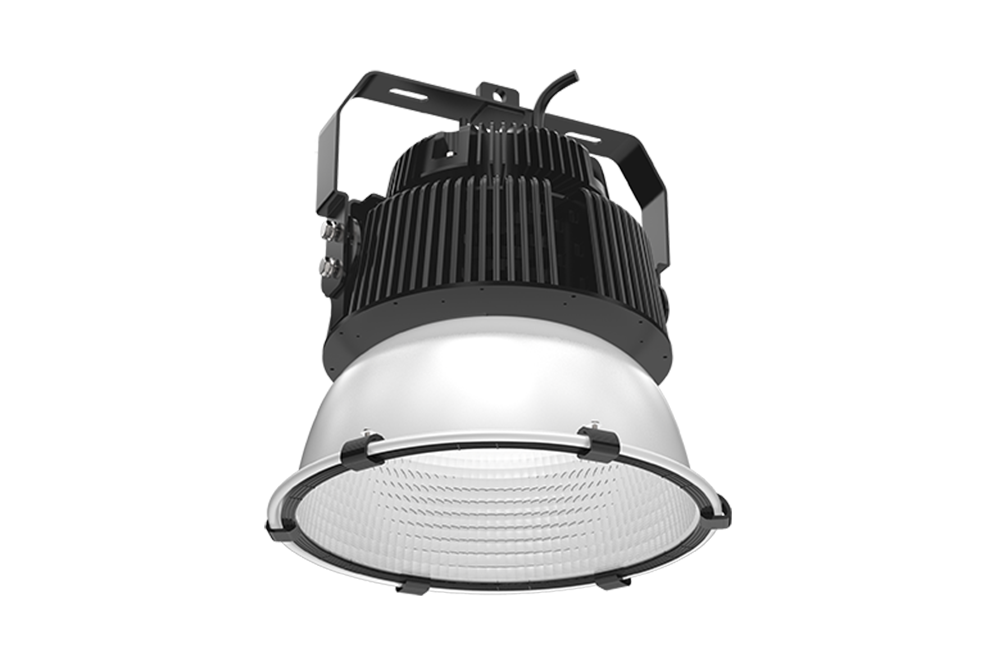
We selected the HBF Series 150W industrial LED high bay as a replacement for the existing 400W HID lamps.
The decision was not driven by lumen numbers alone. Thermal design and driver stability were higher priorities. SOSEN drivers were specified to keep the system simple and predictable over time.
CCT was set to cool white for most areas. In concrete production, color rendering is less critical than visibility and contrast. Operators need to see edges, surfaces, and movement clearly. This setting matched that need.
Beam angles were chosen based on aisle width and machine spacing rather than catalog defaults.
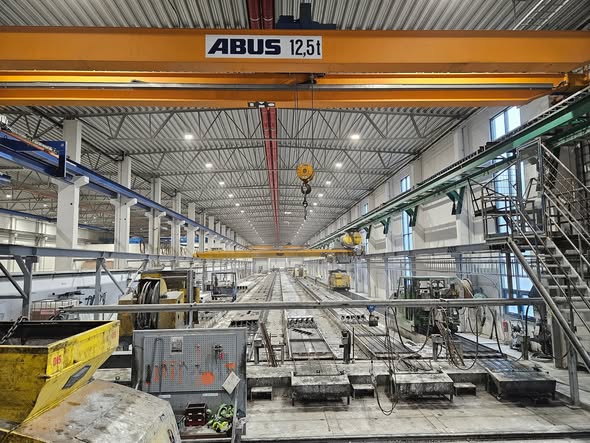
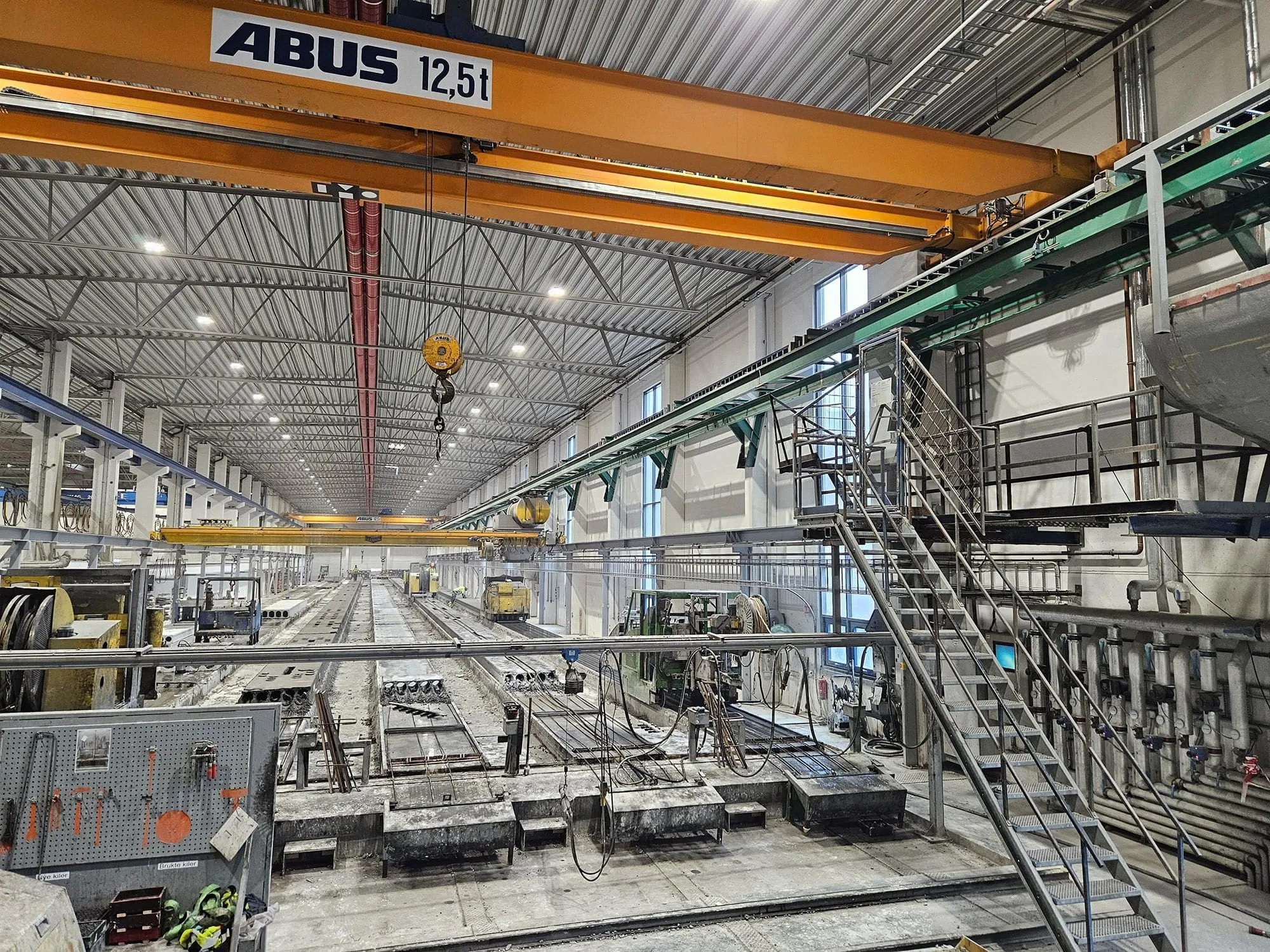
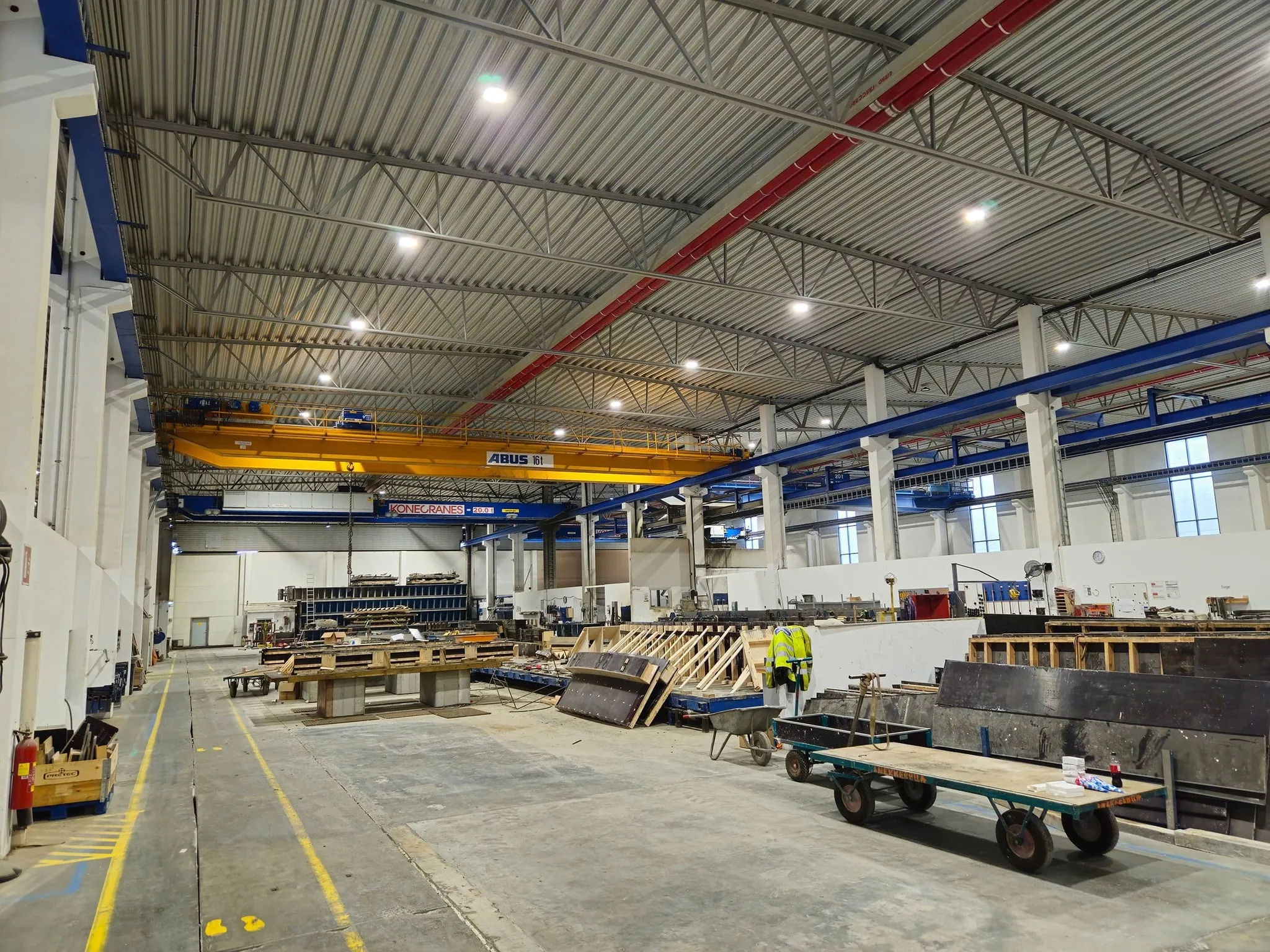
Existing mounting points were reused. That reduced downtime and avoided structural changes.
During installation, spacing was kept close to the original HID layout. We reviewed it, considered tightening it, then decided against it. The higher efficiency of the HBF fixtures covered the gaps without adding more units.
Once powered on, the difference was immediate. Full output came instantly. No warm-up period, no waiting for the space to “settle.”
Measured light levels were higher than before, even at lower wattage. Energy consumption dropped by around 70%, while working areas appeared roughly 30% brighter based on on-site readings.
More importantly, maintenance planning changed. With a rated lifespan over 100,000 hours and a 5-year warranty, lighting stopped being a recurring discussion item.
In this factory, that alone justified the change.
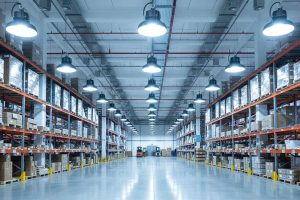
Do high bay LED lights get hot during long operating hours? This FAQ explains where the heat comes from, how it is managed, and why thermal design matters for industrial high bay LED lights.
View details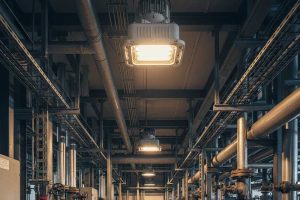
Are all LED lights explosion proof? Learn why most LED fixtures are not suitable for hazardous areas and when certified explosion proof LED lighting is required. By SEEKINGLED.
View details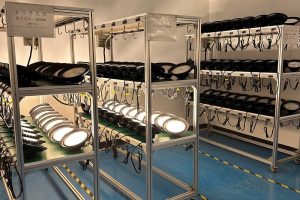
The SEEKINGLED HBD Series UFO High Bay Light features a premium Meanwell driver and is one of our classic best-sellers. Over the past five years, this series has achieved global sales exceeding 100,000 units. Its outstanding reliability a...
View details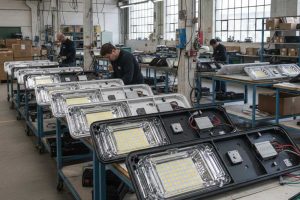
How to make LED street light from components to finished fixture. A realistic breakdown of LED street light manufacturing, design choices, and common misconceptions.
View details