 Seeking LED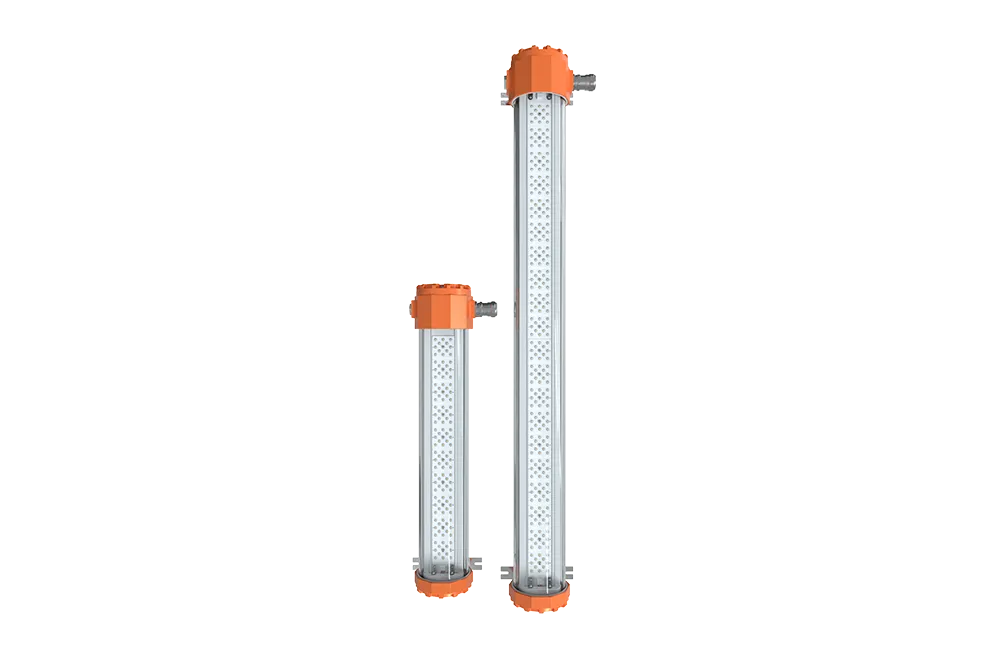
Why Do LED Flood Lights Flicker?
247Why do LED flood lights flicker outdoors? Learn the real reasons—drivers, wiring, voltage, and moisture—and how to stop flickering for good.
View detailsSearch the whole station
I have worked in hazardous area lighting projects across Southeast Asia and the Middle East for more than a decade, mainly supporting EPC contractors and refinery maintenance teams. If there is one lesson I’ve learned, it’s this: an ex proof flood light is not just another outdoor luminaire. In the wrong environment, it is either engineered correctly — or it becomes a risk.
At SEEKINGLED, our engineering discussions rarely begin with watts or lumens. We start with classification.
Hazardous locations are defined differently across regions. In North America, the NEC classification system (Class/Division) applies. In Europe and many international markets, ATEX and IECEx are the dominant frameworks.
According to the International Association of Oil & Gas Producers (IOGP), upstream oil and gas facilities routinely designate process zones as Zone 1 or Zone 2 due to the presence of hydrocarbon vapors. That means any installed lighting must prevent ignition from arcs, sparks, or surface temperature.
An ex proof flood light designed for these environments must comply with standards such as IEC 60079-0 and IEC 60079-1 (flameproof enclosure “Ex d”), or IEC 60079-7 (increased safety “Ex e”), depending on design approach.
In one refinery expansion project in Johor, we replaced legacy 400W metal halide fittings with LED ex-proof luminaires. Besides reducing energy consumption by over 50%, the real improvement was thermal management — LED surface temperatures were significantly lower, helping maintain T4 temperature class compliance.
Many buyers focus on lumen output. In hazardous areas, that is only part of the story.
The ignition temperature of gases varies. For example:
A T4-rated luminaire must ensure surface temperatures do not exceed 135°C. Selecting the wrong temperature class can invalidate site compliance.
Outdoor oil terminals and chemical plants are exposed to dust, rain, and corrosive atmospheres. An IP66 or IP67 rating is generally expected for industrial floodlighting. The IEC 60529 standard defines these ratings.
In real-world industrial yards, mechanical impact happens. IK08 or IK10 ratings (per IEC 62262) are often specified.
In one petrochemical storage tank farm, a forklift collision damaged a mounting bracket — but the die-cast aluminum housing of the SEEKINGLED unit remained sealed. That incident reinforced why mechanical integrity matters as much as certification paperwork.
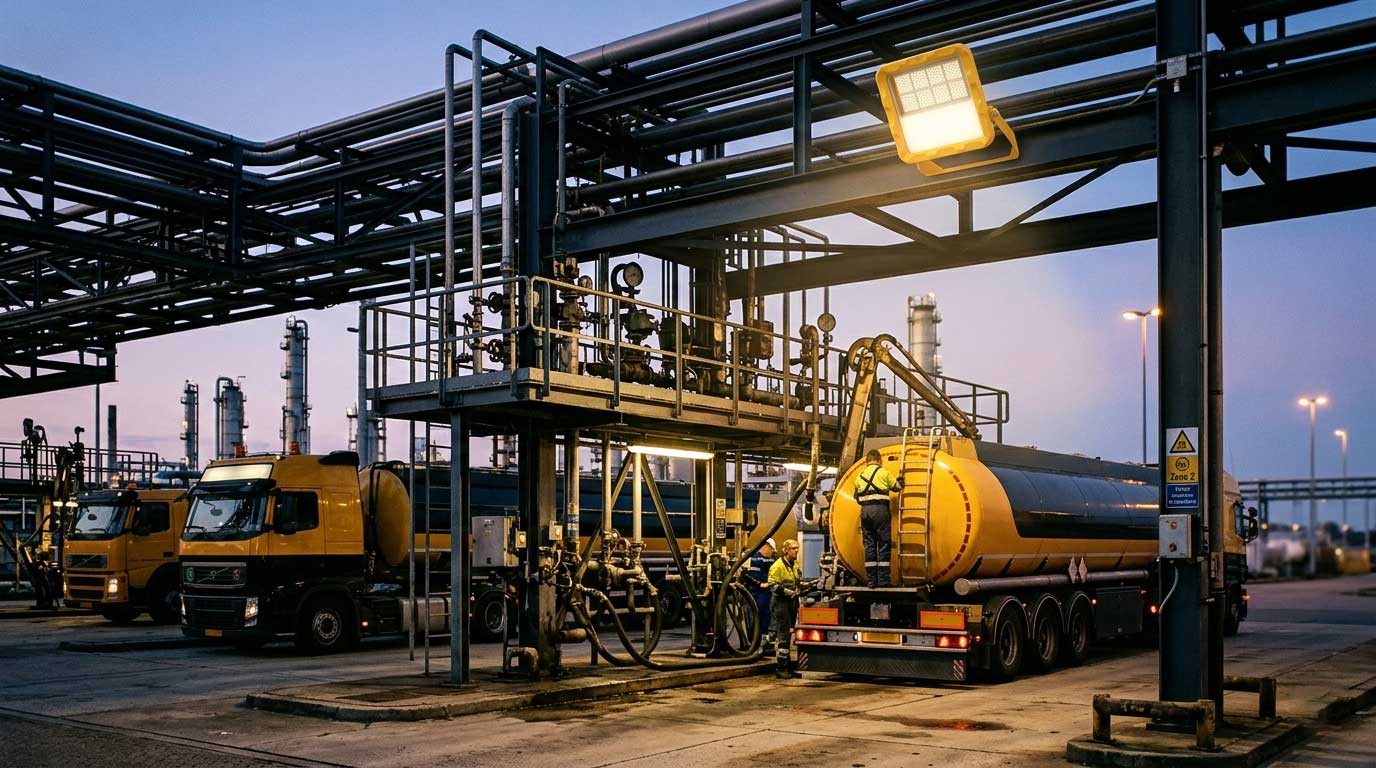
Beam distribution matters more than many realize. Narrow 25° optics work well for tall mast mounting (20–30 meters). Wider 60°–90° beams suit perimeter lighting.
When retrofitting a gas compression station, we performed a Dialux simulation comparing asymmetric and symmetric beam optics. Proper beam control reduced glare and improved uniformity ratio (U0) from 0.28 to 0.41 — a significant operational safety improvement for night shift workers.
High-quality explosion proof LED flood light for oil and gas projects should also provide stable lumen maintenance. According to LM-80 testing standards, reputable LED chips maintain at least 70% lumen output (L70) beyond 50,000 hours. That reduces maintenance in restricted hazardous zones.
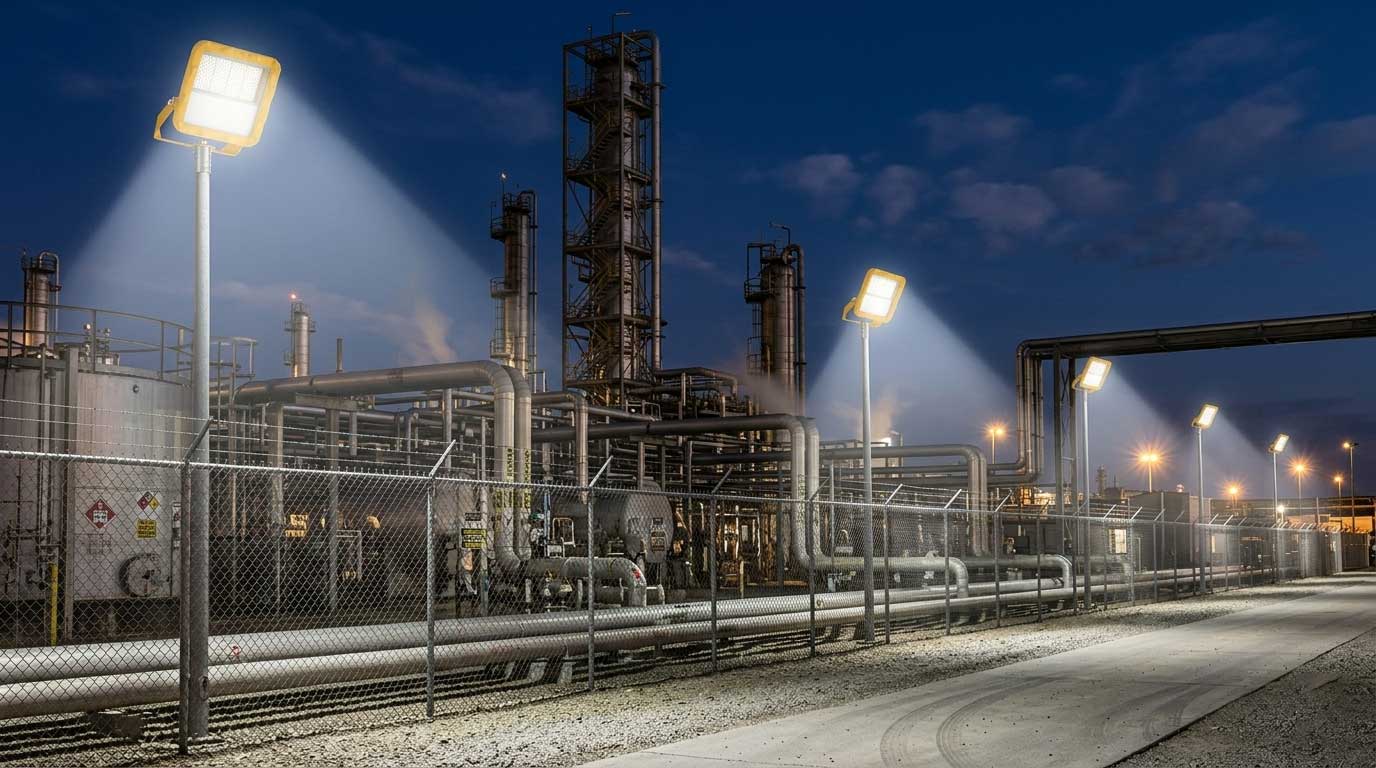
In coastal LNG terminals, salt spray corrosion is severe. ISO 12944 corrosion categories (C4–C5) guide coating requirements. Marine-grade powder coating and stainless steel fasteners are not optional — they are survival necessities.
We specify:
These details are rarely visible in marketing brochures, but they determine whether a Class 1 Division 2 LED floodlight lasts three years — or ten.
LED efficiency improves safety indirectly. The U.S. Department of Energy has documented that LED luminaires convert a higher percentage of energy into light rather than heat compared to HID sources. Lower heat generation simplifies compliance with strict T-class limits.
Poor heat dissipation leads to driver failure. In hazardous areas, replacing drivers is not a quick ladder job — it requires work permits, gas testing, and shutdown coordination.
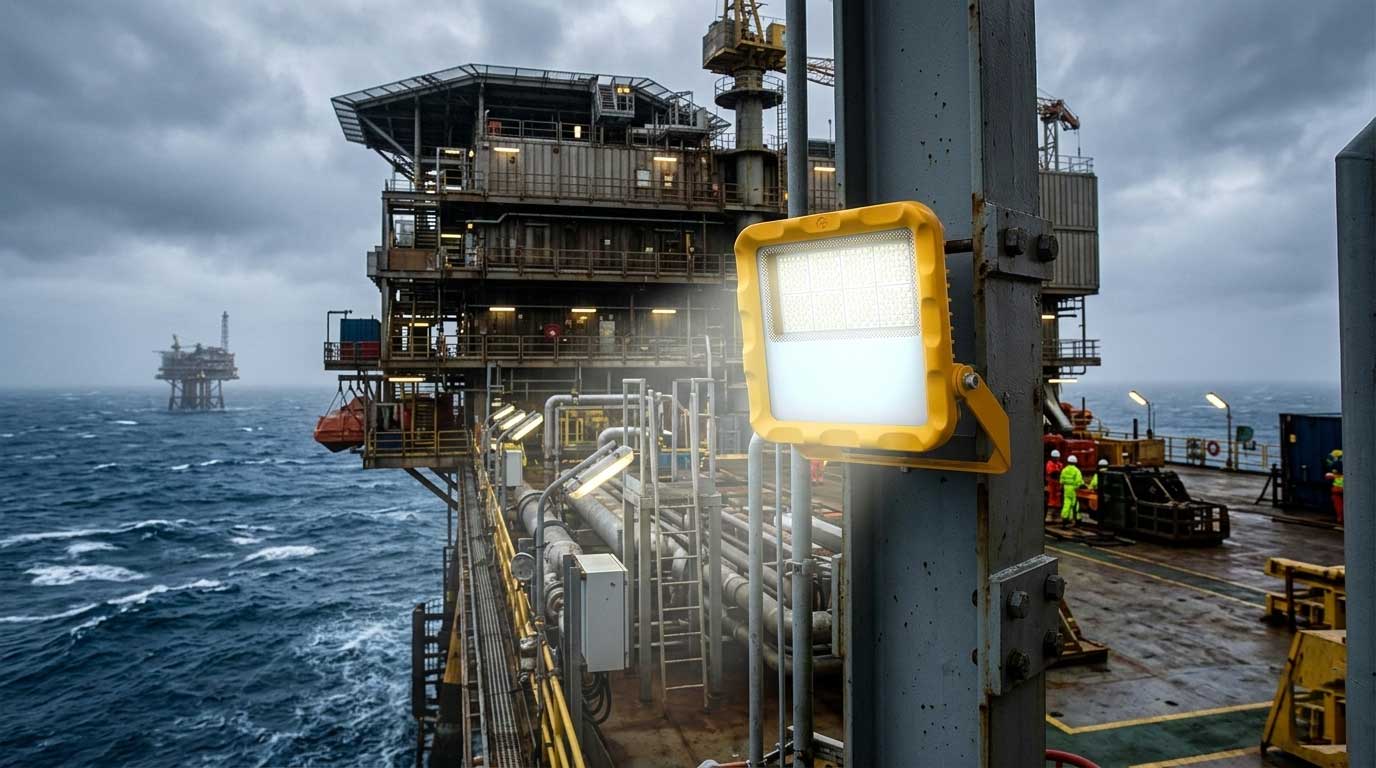
An ex proof flood light is never just about illumination. It is about compliance, durability, thermal control, and operational safety. After supervising dozens of hazardous site installations, I have learned that certification documents, material integrity, and optical design matter more than marketing claims.
At SEEKINGLED, our engineering process is grounded in IEC and ATEX requirements, real field feedback, and practical installation experience. When selecting an ex proof flood light for oil, gas, chemical or marine environments, verify certification scope, temperature class, ingress protection, and corrosion rating — not just lumen output.
Hazardous areas leave no margin for compromise. The right ex proof flood light is an investment in safety, compliance, and long-term reliability — and in my experience, that difference shows within the first year of operation.
SEEKINGLED LED Linear Explosion Proof Light and Explosion Proof lighting is ATEX and IECEx certified for Zone 1, Zone 2, Zone 21 and Zone 22 hazardous locations, built for long-term industrial use.
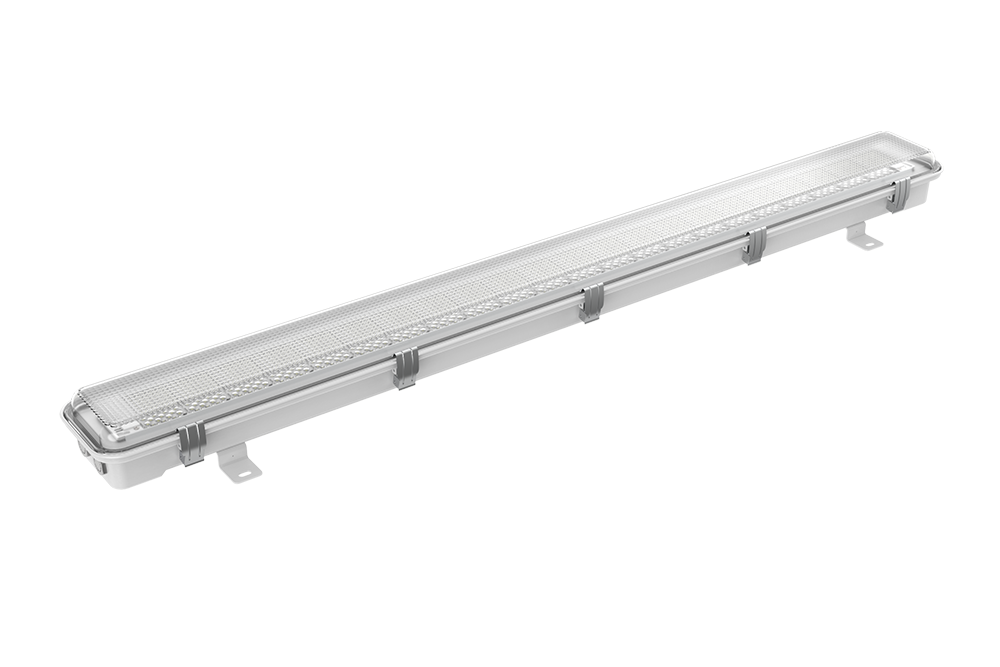
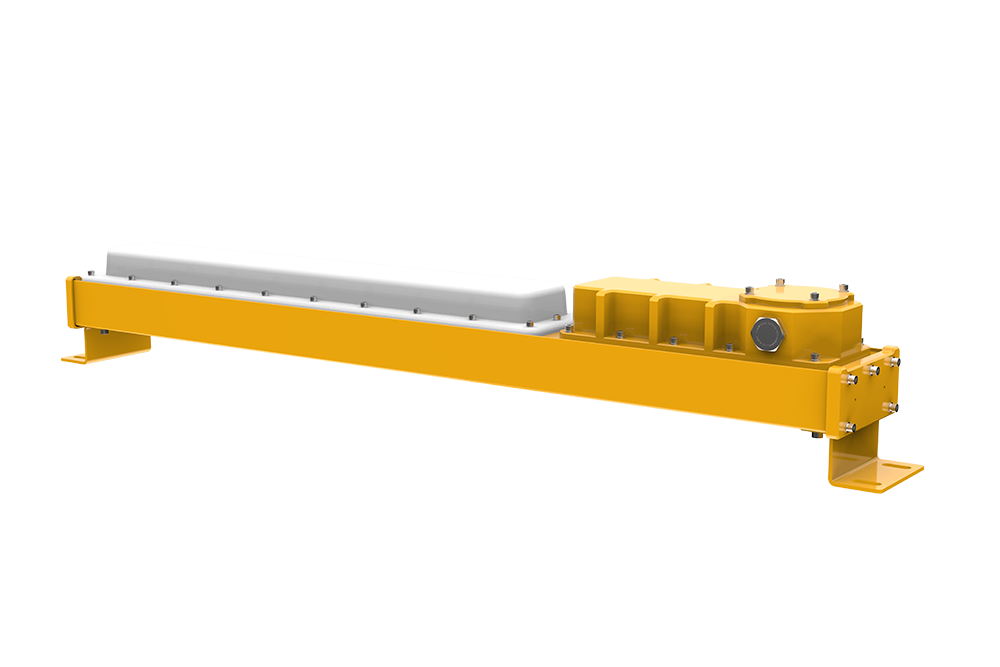
LED Linear Explosion Proof Lights and EX Proof lights for Zone 1, Zone 2, Zone 21 and Zone 22 hazardous areas. ATEX & IECEx certified explosion proof LED linear lighting with emergency function, adjustable power and IP67 protection by SEEKINGLED.
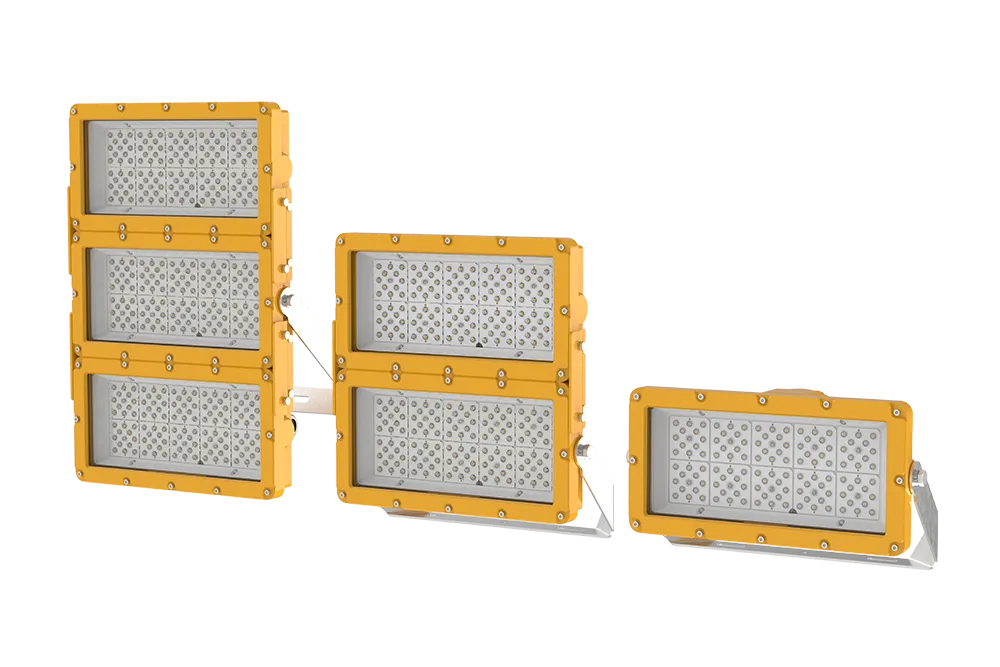
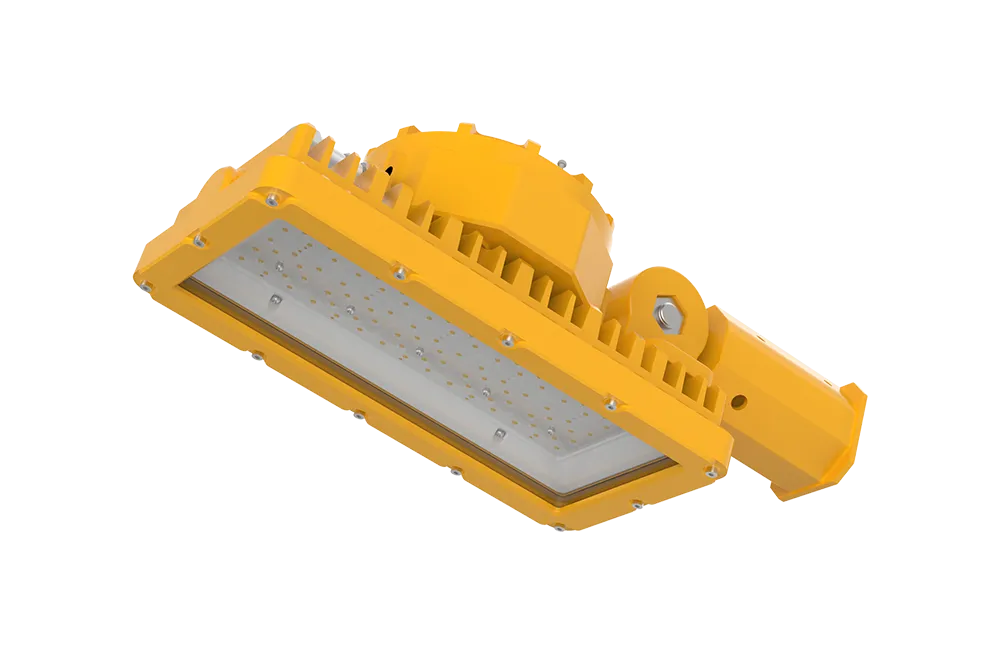
SEEKINGLED LED Explosion Proof Flood Lights are ATEX certified for Zone 2 and Zone 22 hazardous areas, offering high efficiency, adjustable power and integrated junction box.
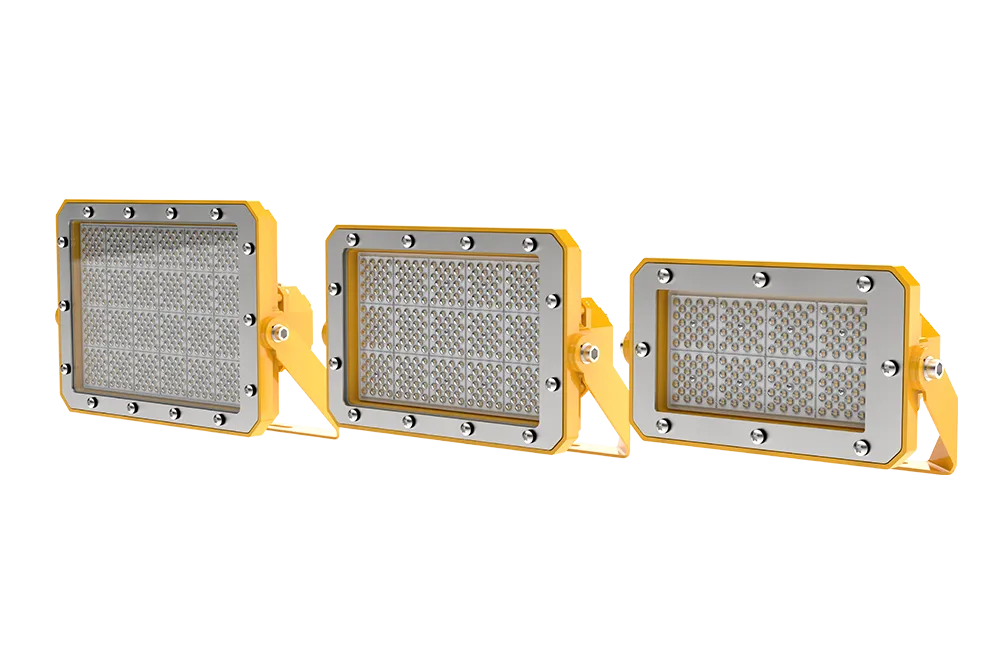
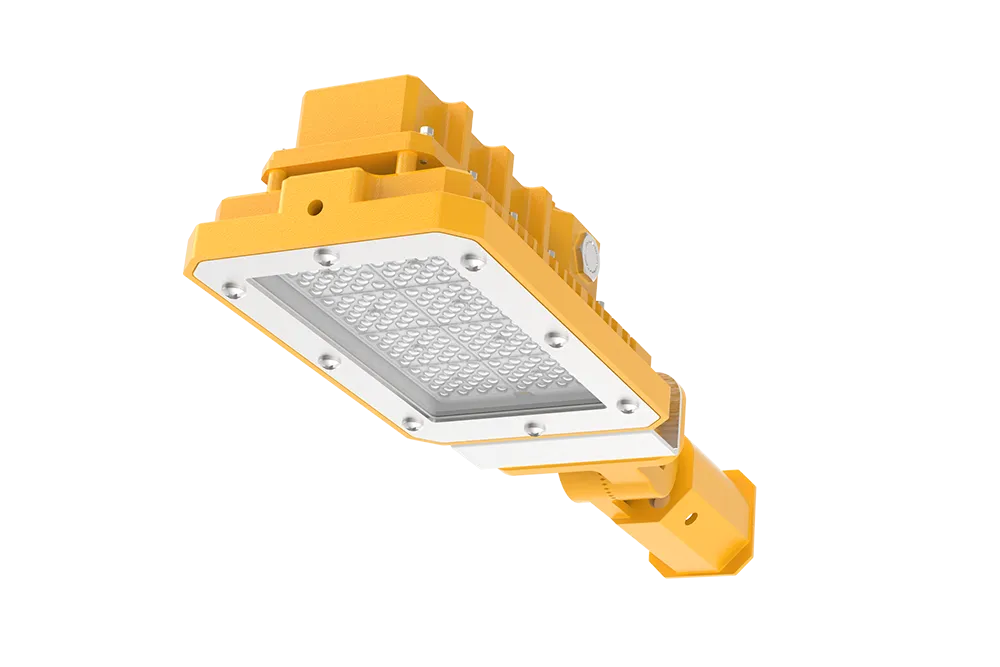
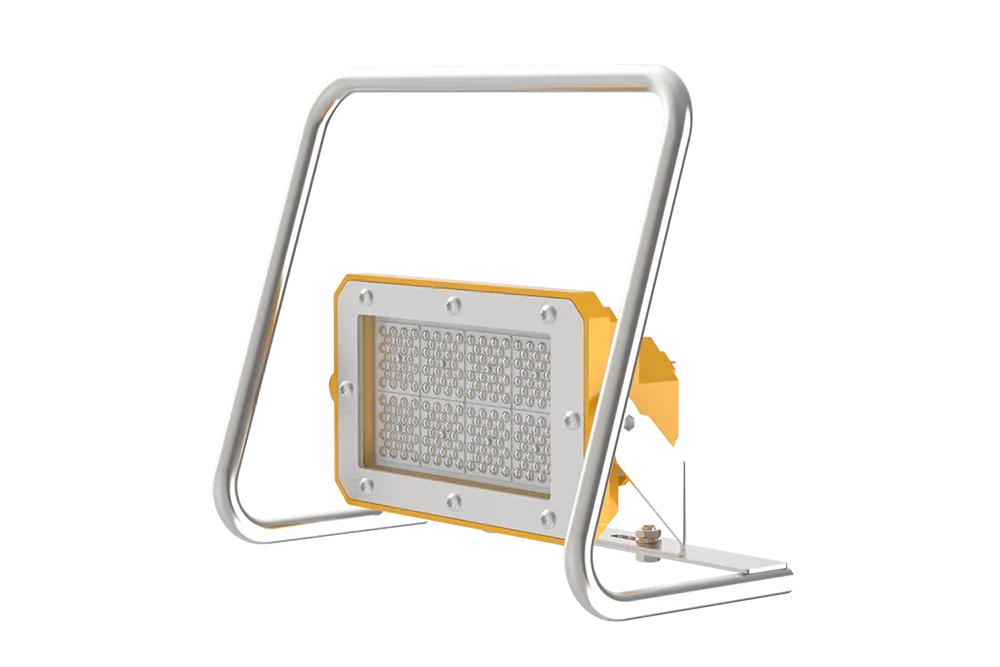
SEEKINGLED LED Explosion Proof Flood Lights are flameproof ATEX and IECEx certified for Zone 1 and Zone 2 hazardous areas, offering high power, adjustable output and long service life.
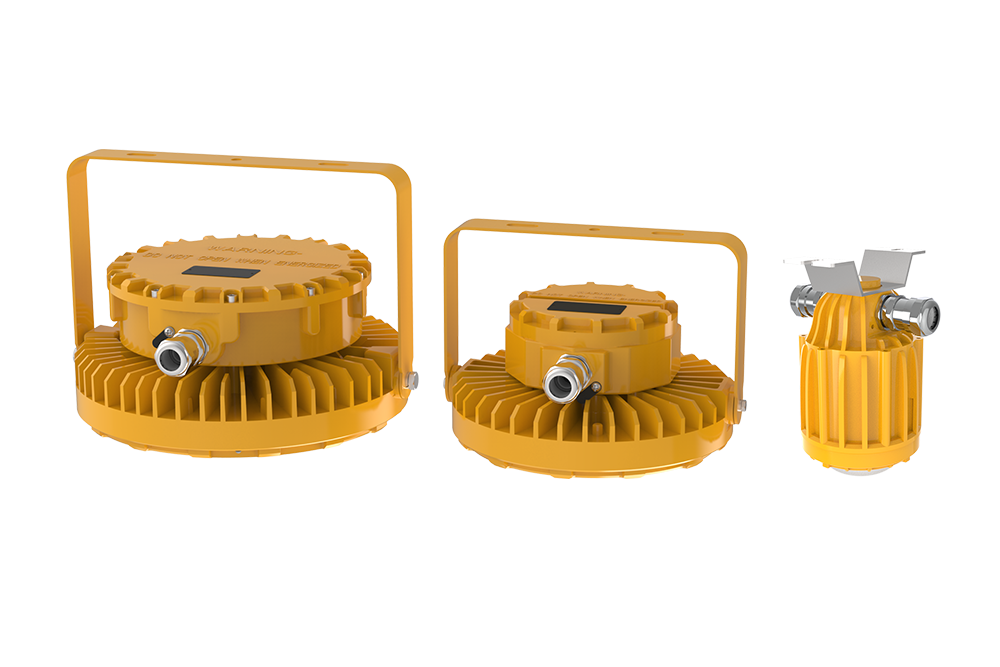
SEEKINGLED LED Gas Station Canopy Lights are ATEX certified for Zone 2 and Zone 22 hazardous areas, featuring adjustable power and built-in explosion-proof junction box.
ATEX: Ex II 2G Ex db IIB T6/T5 GbEx II 2D Ex tb IIIC T80°C/ T95°C Db IECEx Ex db IIB T6 Gb;Ex tb IIIC T80°C Db Feature: ● For Zone 1,2 and Zone 21,22● Flameproof type, the strongest● 100W can replace 250W HID,energy saving● Power:60W,80W,10…
ATEX: II 3G Ex nR ⅡC T5/T6 GcII 3D Ex tc ⅢC T80℃/T95℃Dc ATEX Certificate NO: TÜV CY 26 ATEX 0207611 X Feature: ● For Zone 2 and Zone 22● 150W can replace 250W HID lamps,Energy saving● Power:50W,75W,100W,150W,200W Application: Oil and gas, m…
LED explosion proof high bay lights are designed for Zone 1, Zone 2, Zone 21 and Zone 22 hazardous areas. This page introduces the HB21 Series from SEEKING, including certifications, power options and real application considerations.
LED Linear Explosion Proof Lights from SEEKINGLED. LU Series Flame Proof lights ATEX-certified explosion proof LED linear lighting for Zone 2 gas and Zone 22 dust areas, IP69K, IK10, long lifetime and flexible power options.
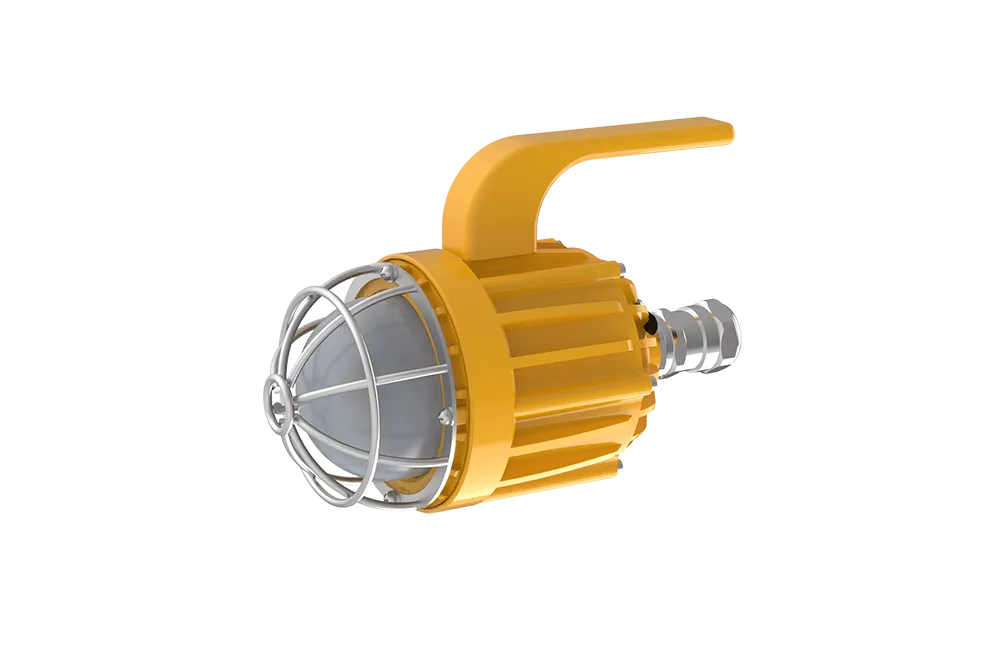
Certified explosion proof work lights for Zone 1 & 21 hazardous areas. Portable, ATEX & IECEx approved, built for oil, gas and chemical plants by SEEKINGLED.
ATEX: II 3G Ex nR ⅡC T6 GcII 3D Ex tc ⅢC T80℃ Dc ATEX Certificate NO: TÜV CY 26 ATEX 0207611 X Feature: ● For Zone 2 and Zone 22● Accepts battery-powered supply● indestructible● Power:AC input:50W,75W,100WDC input:15W,25W,35W Application: O…
ATEX: Ex II 2G Ex db IIB T6 GbEx II 2D Ex tb IIIC T80°C Db IECEx Ex db IIB T6 Gb;Ex tb IIIC T80°C Db Feature: ● For Zone 1,2 and Zone 21,22● Flameproof type, the strongest Application: Oil and gas, marine, Chemical, pharmaceutical, semicondu…
ATEX: Ex II 2G Ex db IIB T6 GbEx II 2D Ex tb IIIC T80°C Db IECEx Ex db IIB T6 Gb;Ex tb IIIC T80°C Db Feature: ● For Zone 1,2 and Zone 21,22● Flameproof type, the strongest Application: Oil and gas, marine, Chemical, pharmaceutical, semicondu…
ATEX: Ex II 2G Ex d e IIB T6 Gb ATEX: Ex d e IIB T6 Gb; Feature: ● For Zone 1,2● 9W can replace 18W fluorescent lamps,50% Energy saving Application: Oil and gas, marine, Chemical, pharmaceutical, semiconductor,mining,military industry, pain…
loading…
This is the last post!
Why do LED flood lights flicker outdoors? Learn the real reasons—drivers, wiring, voltage, and moisture—and how to stop flickering for good.
View details
what does atex stand for? Discover the meaning of ATEX, explosive atmosphere regulations, hazardous area equipment requirements, and industrial safety applications.
View details
What is class 1 division 1 light fixtures? Learn how explosion-proof lighting protects hazardous locations with Class I Div 1 standards, field insights, and safety requirements.
View details
atex light fittings provide certified illumination for explosive environments. Explore ATEX requirements, industrial applications, and expert insights from SEEKINGLED.
View details