LED High Bay Lighting vs Linear Lighting
Question & Answer
LED high bay lighting vs linear lighting: which one actually works better in real warehouses?
The honest answer?
Neither wins by default.
It depends on how the space behaves when people start working inside it.
Why This Comparison Comes Up So Often
On paper, both systems look efficient. Both save energy. Both promise uniform light.
But once forklifts move, racks block angles, and operators look up—not just down—the difference becomes obvious.
That’s why LED high bay lighting vs linear lighting keeps coming back in warehouse projects that didn’t feel right after installation.
Where LED High Bay Lighting Makes Sense
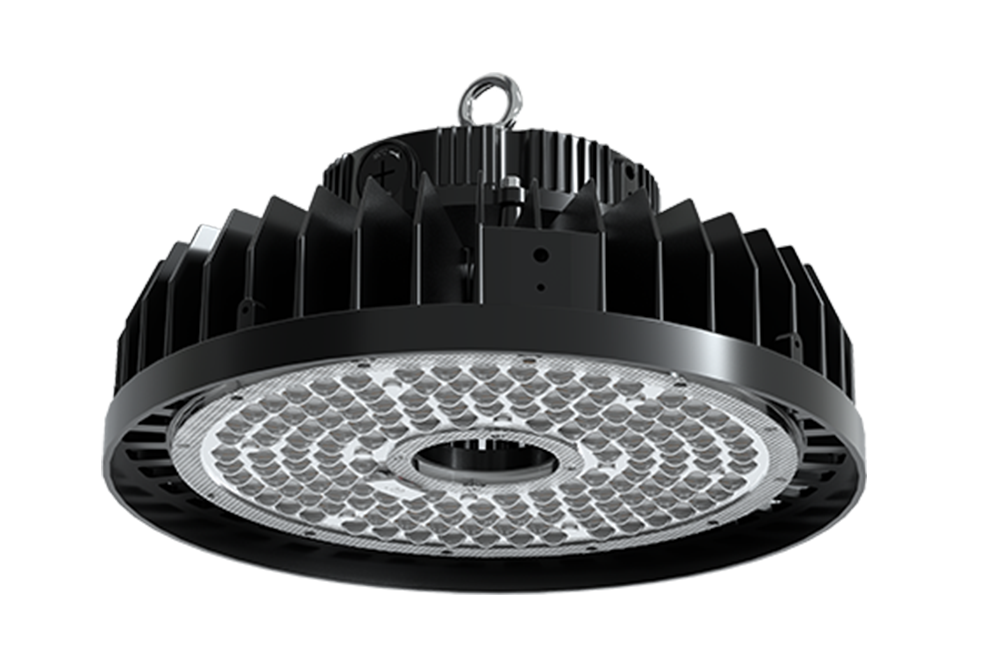
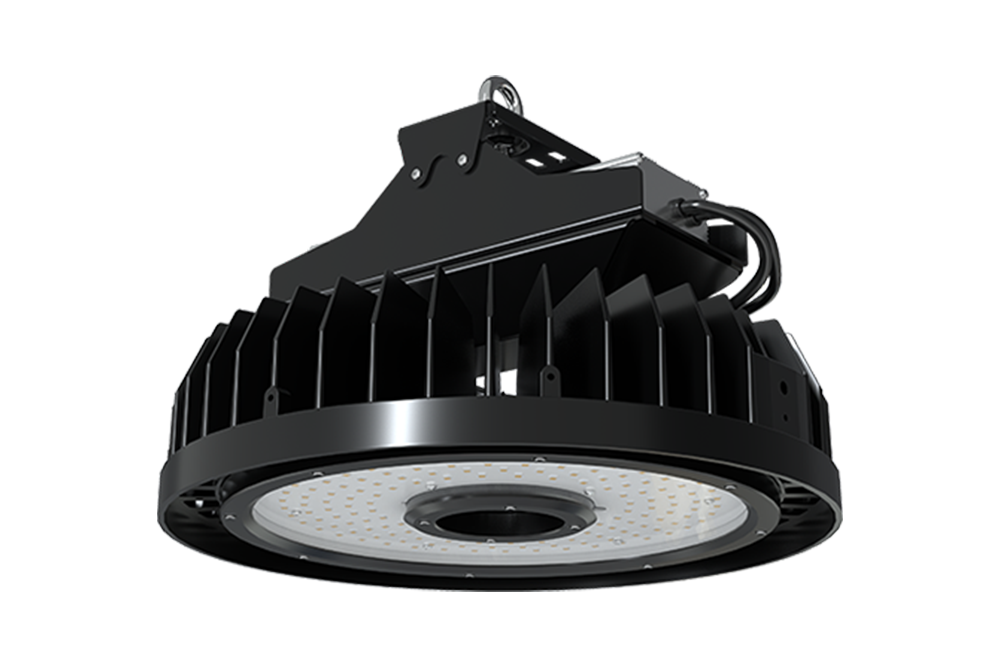
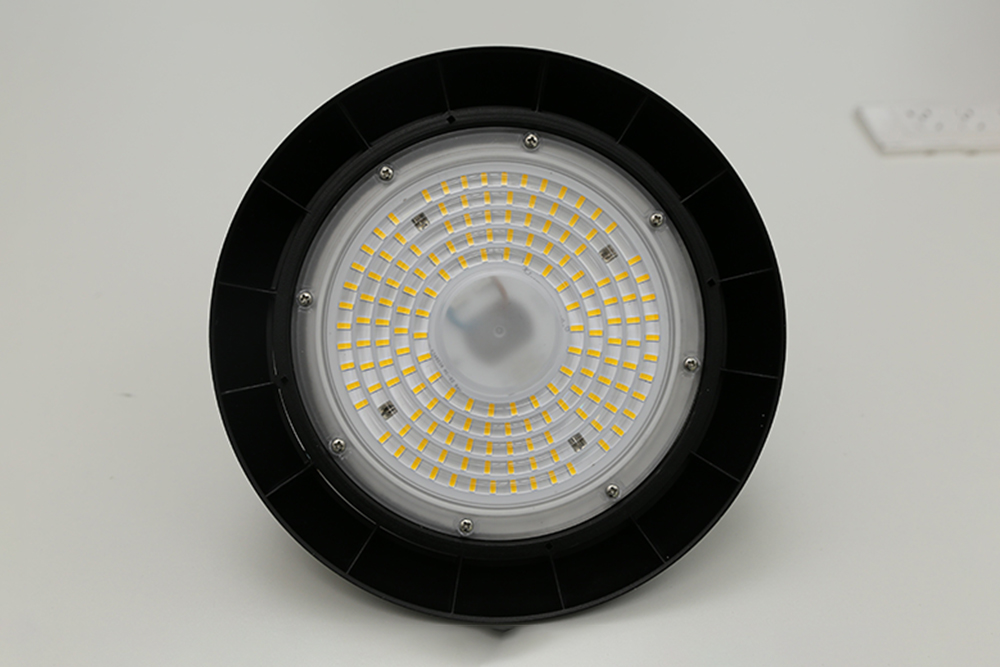
High bays are blunt tools. That’s not an insult—it’s their strength.
They work best when:
- Ceilings are high and open
- Layouts change often
- Lighting needs to cover wide floor areas
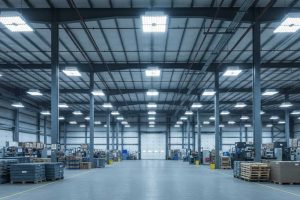
In big, square spaces, a properly designed high bay throws light where it’s needed without micromanagement.
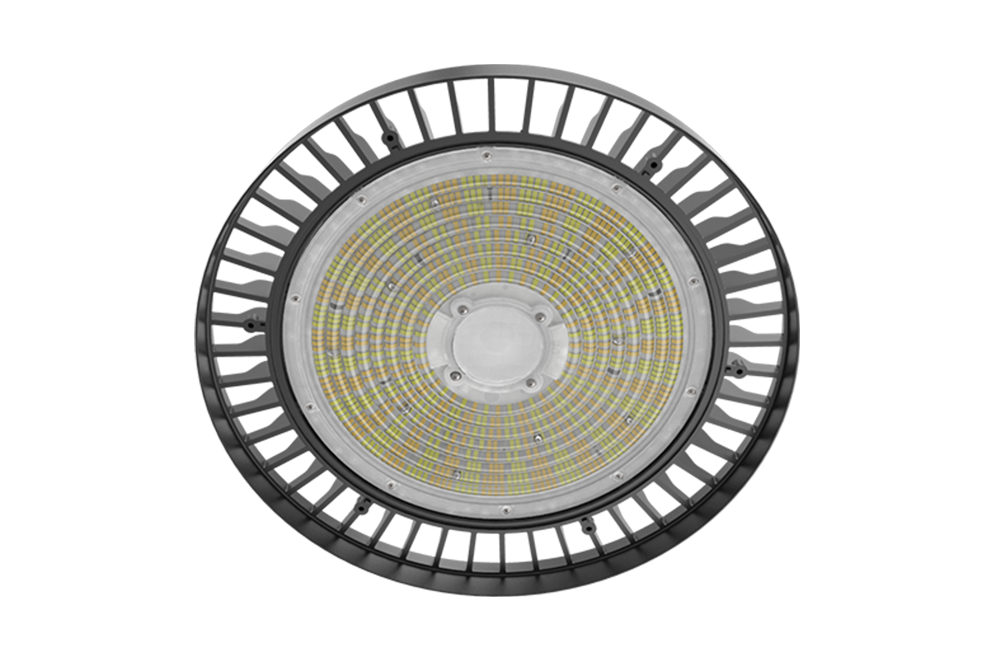
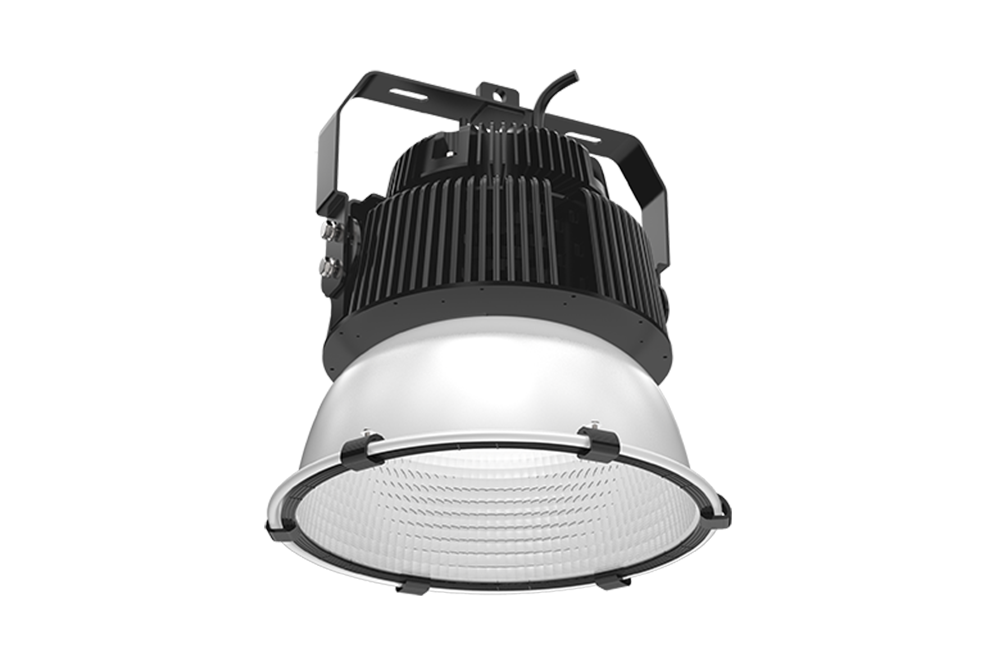
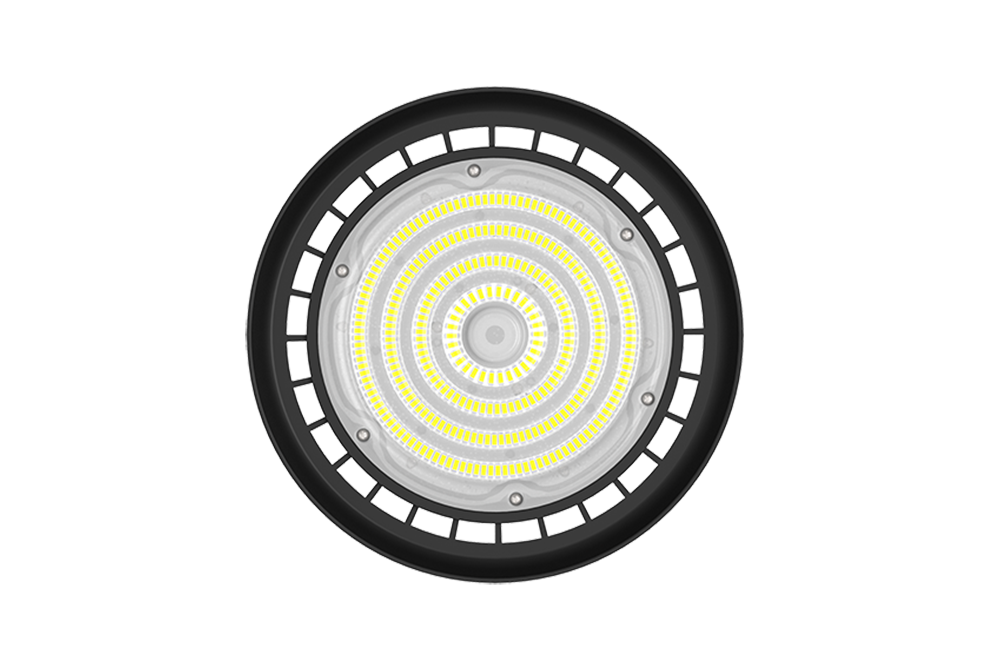
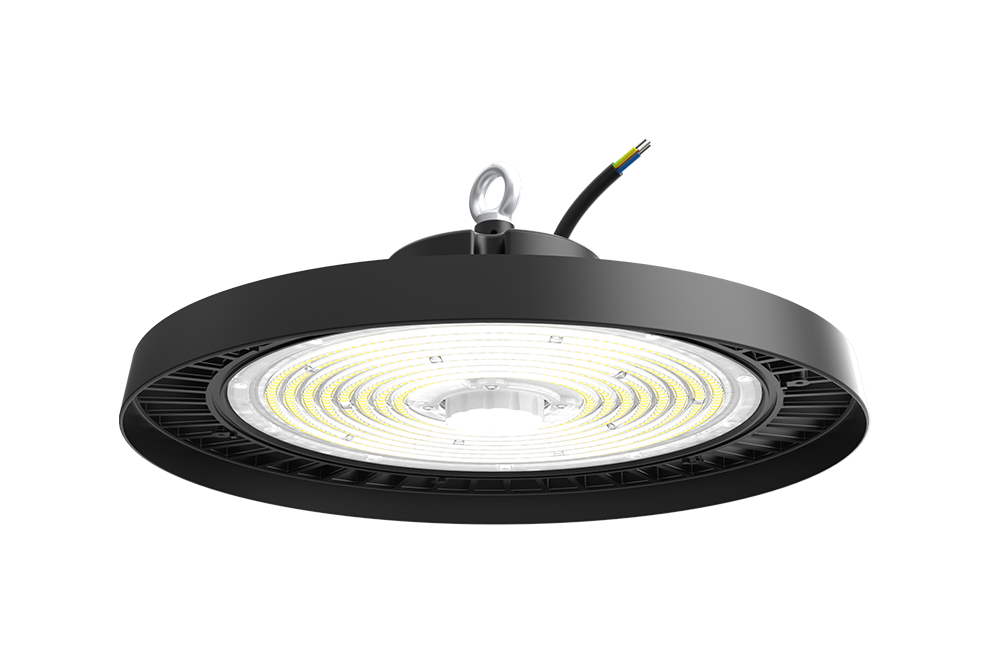
SEEKINGLED often recommends high bay solutions for general storage zones, docks, and production areas where flexibility matters more than precision.
Where Linear Lighting Quietly Outperforms
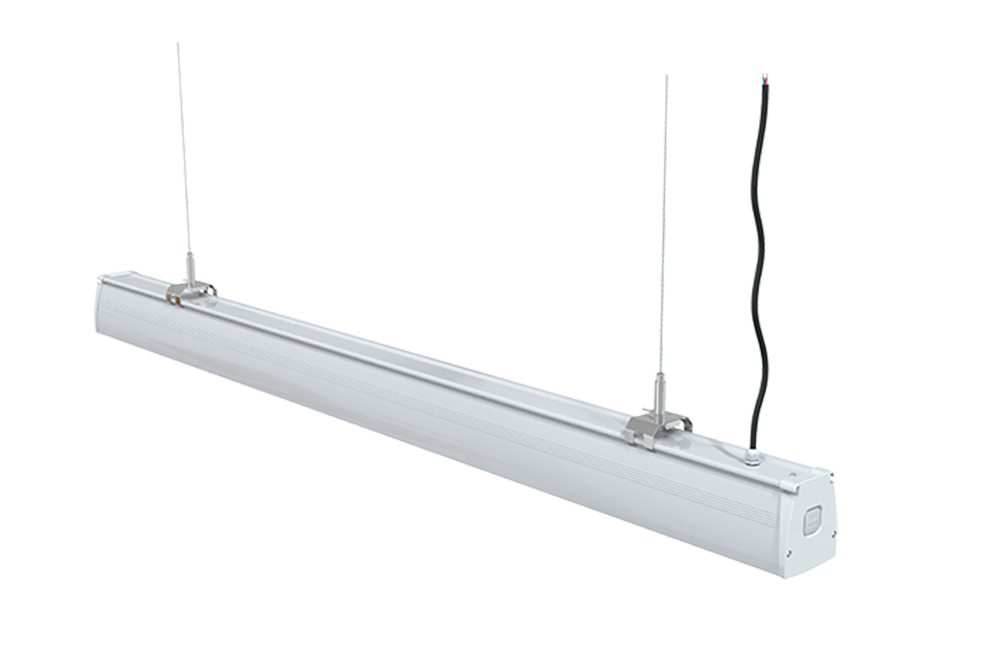
Linear fixtures don’t shout. They aim.
In long aisles, especially narrow ones, linear lighting runs parallel to movement. That matters more than people expect.
Operators don’t look into the light source as often. Shadows fall more predictably. Visual fatigue drops.
This is why in LED high bay lighting vs linear lighting comparisons, linear systems usually win in:
- Narrow aisle warehouses
- High rack environments
- Pick-heavy operations
Not because they’re brighter—but because they’re calmer.
The Common Mistake: Mixing Without a Plan
Some projects install high bays everywhere, then “patch” glare problems with linear fixtures later. Others do the opposite.
That usually costs more.
Mixing systems only works when each zone has a reason. Random overlap doesn’t balance light—it multiplies problems.
At SEEKINGLED, lighting layouts start with movement paths, not fixture types.
Energy Use Is Not the Deciding Factor
People love comparing watts. That’s easy.
What’s harder to measure is how often workers slow down, squint, or re-scan shelves because light feels harsh or uneven.
In real audits, a slightly higher wattage system with better optics often outperforms a “more efficient” one that causes glare or contrast issues.
That’s the part spreadsheets miss.
So… Which Should You Choose?
If you want a simple rule, here it is:
Anything else needs a hybrid plan, not a guess.
LED high bay lighting vs linear lighting isn’t about trend. It’s about how light behaves when people move underneath it.
Final Thought
If your lighting looks good but feels wrong, the fixture type is probably fighting the space.
Good lighting disappears. Bad lighting keeps reminding you it’s there.
That difference is where SEEKINGLED focuses.
LED high bay light Product Recommendation
The SEEKING HBC-T Series high bay lights LED offer long-lasting performance for warehouses, production plants and logistics centers. Durable IP65 & IK08 housing, 60°/90° beam angles, up to 150 lm/W, and a lifespan beyond 100,000 hours. Ideal for a…
The SEEKING HBS Series LED UFO high bay light delivers 140 lm/W efficiency, IP65 protection and MEAN WELL drivers. A durable high-rise lighting solution for factories, warehouses and commercial halls.
SEEKING HBD Series LED high bay lighting delivers 160 lm/W efficiency, IP66 protection, and long 100,000-hour lifespan. A durable UFO high bay solution for warehouses, workshops, logistics centers and commercial facilities.
The SEEKING HBC Series high bay LED light fixtures combine strong efficiency, practical design and reliable SOSEN drivers. A durable UFO high bay lighting option for warehouses, workshops and wholesale projects.
The SEEKING GSL Series high bay LED light delivers powerful, efficient lighting for industrial and commercial spaces. With IP65 protection, flexible mounting, and up to 140 lm/W performance, it’s ideal for warehouses, workshops, and retail areas.
The SEEKING HB15(GLE) Series delivers advanced high bay led lighting with UGR 100,000 h) and reliable illumination for demanding commercial environments.
Discover the SEEKING HB13(GLK) Series ufo led high bay light, engineered for sports halls, airport lounges, showrooms, and large commercial spaces. UGR 100,000 h). Ideal for industrial ufo high bay lighting fixtures and commercial retrofits.
SEEKING HBF Series offers industrial LED high bay lighting with up to 200lm/W efficiency, SOSEN flicker-free driver, IP65 protection and optional microwave motion sensor. Ideal for warehouses, factories and commercial distribution projects.
The HLD Series linear high bay LED lights from SEEKING deliver up to 200 lm/W with multiple beam angles and adjustable CCT options for warehouse, workshop, corridor and general industrial lighting.
The HBK Series LED high bay light by SEEKING combines 500W power, 160–175 lm/W efficiency and IP65 durability for heavy-duty industrial lighting. Designed for warehouse, factory and production facilities with demanding ceiling heights.
LED high bay lights engineered for extreme heat and low-temperature industrial sites. SEEKING HBK Ultua Series operates from -40°C to +70°C with Nichia LEDs and Inventronics driver.
High bay LED lights built for warehouses, production plants and wholesale distribution. SEEKING HBI Series offers up to 200lm/W, IP65, IK08 and optional microwave motion sensor for energy saving operation.
loading…
This is the last post!
 Seeking LED