 Seeking LED
What Is the Brightest LED Flood Light Bulb?
186What is the brightest LED flood light bulb in real use? Learn how brightness is judged on site, not just by lumen claims.
View detailsSearch the whole station
When fixing LED high bay lighting costs more than replacing—how do you know you’ve crossed that line?
You feel it before you calculate it.
One fix turns into two.
Two invoices become four.
Suddenly, you’re spending real money just to make the space acceptable, not good.
That’s usually the moment fixing LED high bay lighting costs more than replacing. And pretending otherwise only stretches the pain.
Fixes look cheap individually.
But they stack. Fast.
Labor repeats. Downtime repeats. And every adjustment assumes the base fixture is worth saving. That assumption is often wrong.
At SEEKINGLED, we’ve audited projects where 70% of the replacement cost was already spent—without solving glare, shadows, or uniformity.
That’s not optimization. That’s hesitation.
If the fixture has:
Then every “fix” is a workaround.
You can reposition. You can dim. You can space differently. But you can’t change how the light leaves the fixture. At some point, effort turns into friction.
That’s when fixing LED high bay lighting costs more than replacing it with the right tool.
When labor costs exceed hardware costs, pause.
If technicians are returning multiple times just to chase light patterns, something is fundamentally mismatched. Good fixtures don’t need babysitting. They land right the first or second time.
Repeated labor is usually the quiet signal that replacement is cheaper—even if no one wants to say it yet.
One reason people keep fixing instead of replacing is sunk cost.
But if the system still:
Then energy savings flatten out. You’re maintaining inefficiency, not correcting it.
Replacing becomes the faster path to payback.
Here’s the reality check we use:
If fixing costs more than 40–50% of full replacement, and still doesn’t solve:
Then replacement is no longer “expensive.” It’s controlled.
SEEKINGLED often recommends replacement not because fixtures fail—but because fixes stop being honest.
To be clear—fixing isn’t wrong.
Fixing works when:
But when the base design is flawed, fixing becomes cosmetic. It looks productive. It isn’t.
When fixing LED high bay lighting costs more than replacing, the problem isn’t budget. It’s timing.
Replacing earlier feels painful. Replacing later feels inevitable.
The smart move is choosing the moment when replacement still feels optional—because that’s when it’s cheapest.
The SEEKING HBC-T Series high bay lights LED offer long-lasting performance for warehouses, production plants and logistics centers. Durable IP65 & IK08 housing, 60°/90° beam angles, up to 150 lm/W, and a lifespan beyond 100,000 hours. Ideal for a…
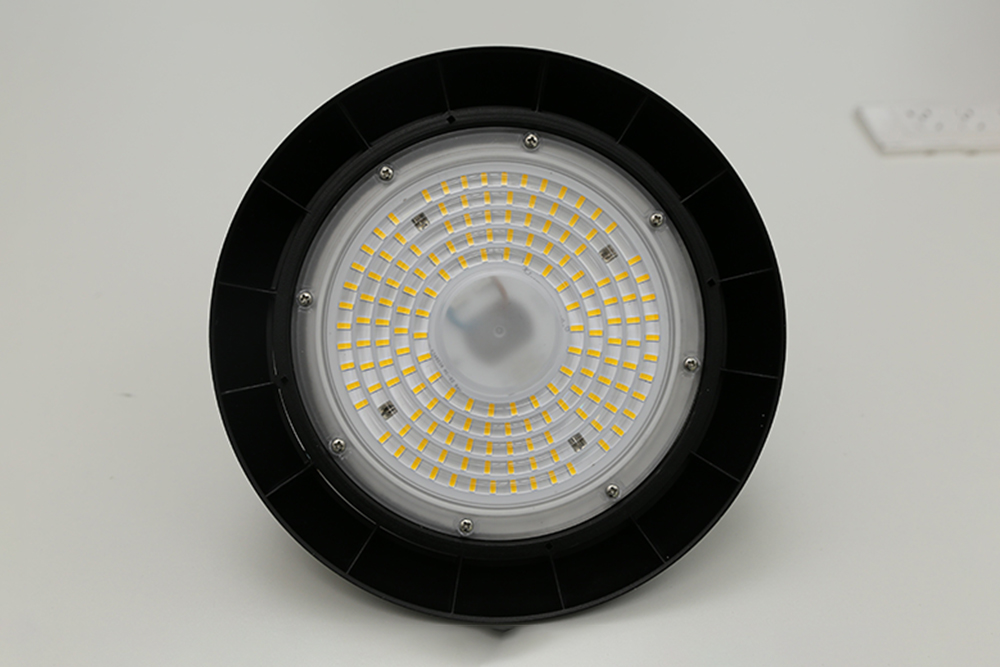
The SEEKING HBS Series LED UFO high bay light delivers 140 lm/W efficiency, IP65 protection and MEAN WELL drivers. A durable high-rise lighting solution for factories, warehouses and commercial halls.
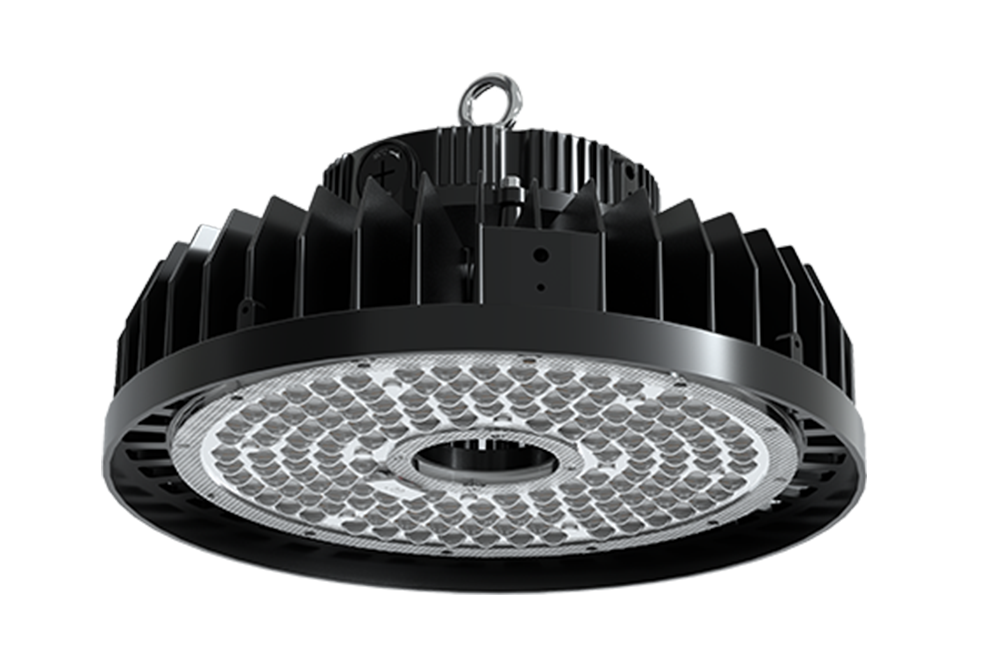
SEEKING HBD Series LED high bay lighting delivers 160 lm/W efficiency, IP66 protection, and long 100,000-hour lifespan. A durable UFO high bay solution for warehouses, workshops, logistics centers and commercial facilities.
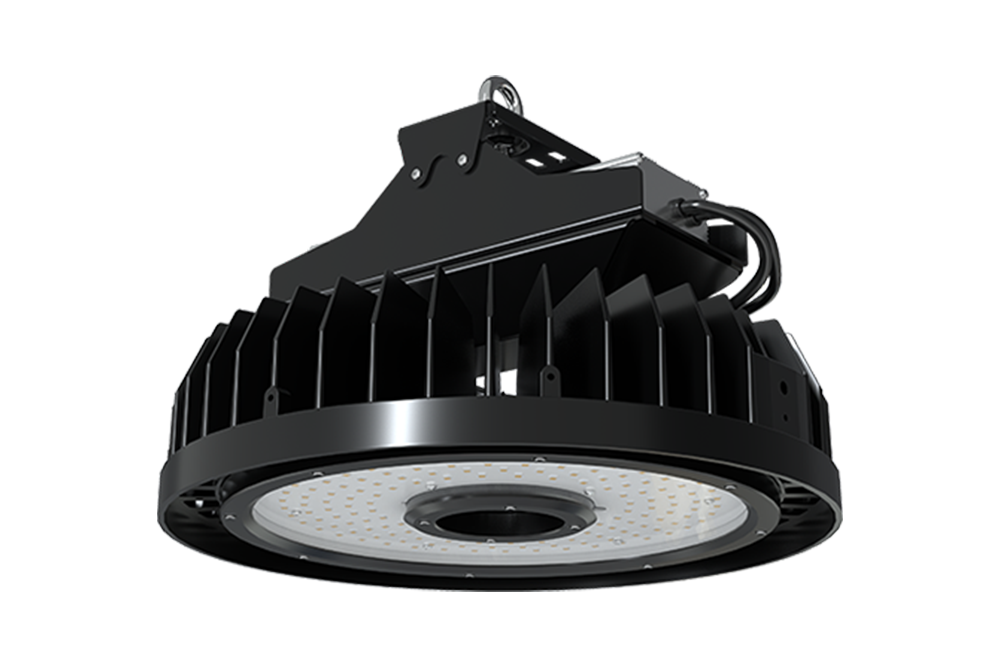
The SEEKING HBC Series high bay LED light fixtures combine strong efficiency, practical design and reliable SOSEN drivers. A durable UFO high bay lighting option for warehouses, workshops and wholesale projects.
The SEEKING GSL Series high bay LED light delivers powerful, efficient lighting for industrial and commercial spaces. With IP65 protection, flexible mounting, and up to 140 lm/W performance, it’s ideal for warehouses, workshops, and retail areas.
The SEEKING HB15(GLE) Series delivers advanced high bay led lighting with UGR 100,000 h) and reliable illumination for demanding commercial environments.
Discover the SEEKING HB13(GLK) Series ufo led high bay light, engineered for sports halls, airport lounges, showrooms, and large commercial spaces. UGR 100,000 h). Ideal for industrial ufo high bay lighting fixtures and commercial retrofits.
SEEKING HBF Series offers industrial LED high bay lighting with up to 200lm/W efficiency, SOSEN flicker-free driver, IP65 protection and optional microwave motion sensor. Ideal for warehouses, factories and commercial distribution projects.
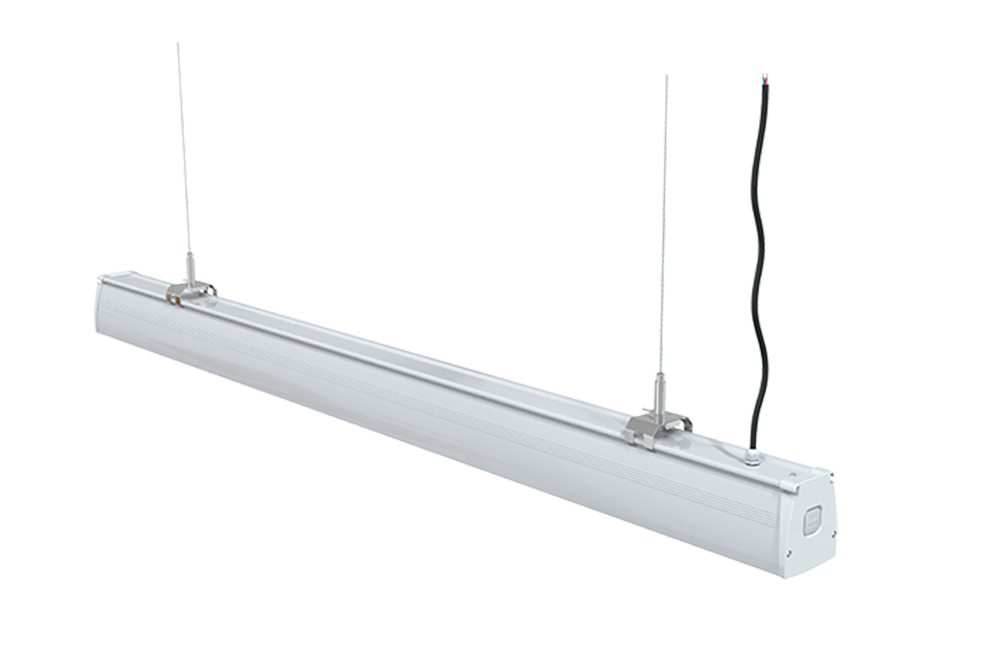
The HLD Series linear high bay LED lights from SEEKING deliver up to 200 lm/W with multiple beam angles and adjustable CCT options for warehouse, workshop, corridor and general industrial lighting.
The HBK Series LED high bay light by SEEKING combines 500W power, 160–175 lm/W efficiency and IP65 durability for heavy-duty industrial lighting. Designed for warehouse, factory and production facilities with demanding ceiling heights.
LED high bay lights engineered for extreme heat and low-temperature industrial sites. SEEKING HBK Ultua Series operates from -40°C to +70°C with Nichia LEDs and Inventronics driver.
High bay LED lights built for warehouses, production plants and wholesale distribution. SEEKING HBI Series offers up to 200lm/W, IP65, IK08 and optional microwave motion sensor for energy saving operation.
loading…
This is the last post!
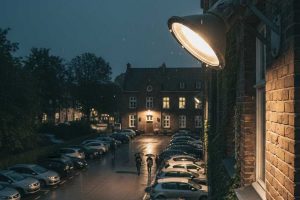
What is the brightest LED flood light bulb in real use? Learn how brightness is judged on site, not just by lumen claims.
View details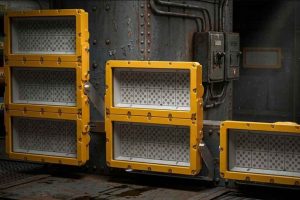
Atex led light customized for hazardous areas. Built for real conditions, not just specs. Discover durable, project-based solutions from SEEKINGLED.
View details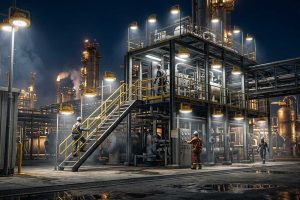
LED explosion-proof lights for hazardous industries. Certified, energy-efficient, and durable lighting solutions by SEEKINGLED for safe operations.
View details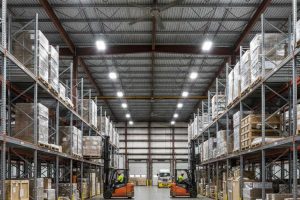
Where to buy durable industrial LED high bay lights? This Q&A explains sourcing options, what durability really means, and how to choose reliable suppliers.
View details