Which high bay LED lights offer the best ROI is a question we hear often from warehouse owners, plant managers, and electrical contractors. The short answer is: the best return does not come from the lowest price or the highest lumen number alone. ROI is decided by how the light performs over years of real use.
From an engineering point of view, ROI is about what happens after installation—energy bills, maintenance cycles, and how stable the lighting stays during long daily operating hours.
What “Best ROI” Really Means in High Bay Lighting
When people calculate ROI, they usually start with wattage and lumen output. That’s important, but incomplete. In real industrial projects, ROI comes from three combined factors:
- How much power is saved every day
- How long the fixture runs before noticeable lumen drop or failure
- How often someone has to go up and replace or repair it
This is why energy efficient high bay LED lighting with stable thermal design often beats cheaper options within the first two or three years.
Efficiency Helps, but Only If It Stays Stable
High efficacy numbers look good on paper. A fixture rated up to 180 or even 200 lm/W can reduce the total number of lights in a warehouse. That directly improves ROI.
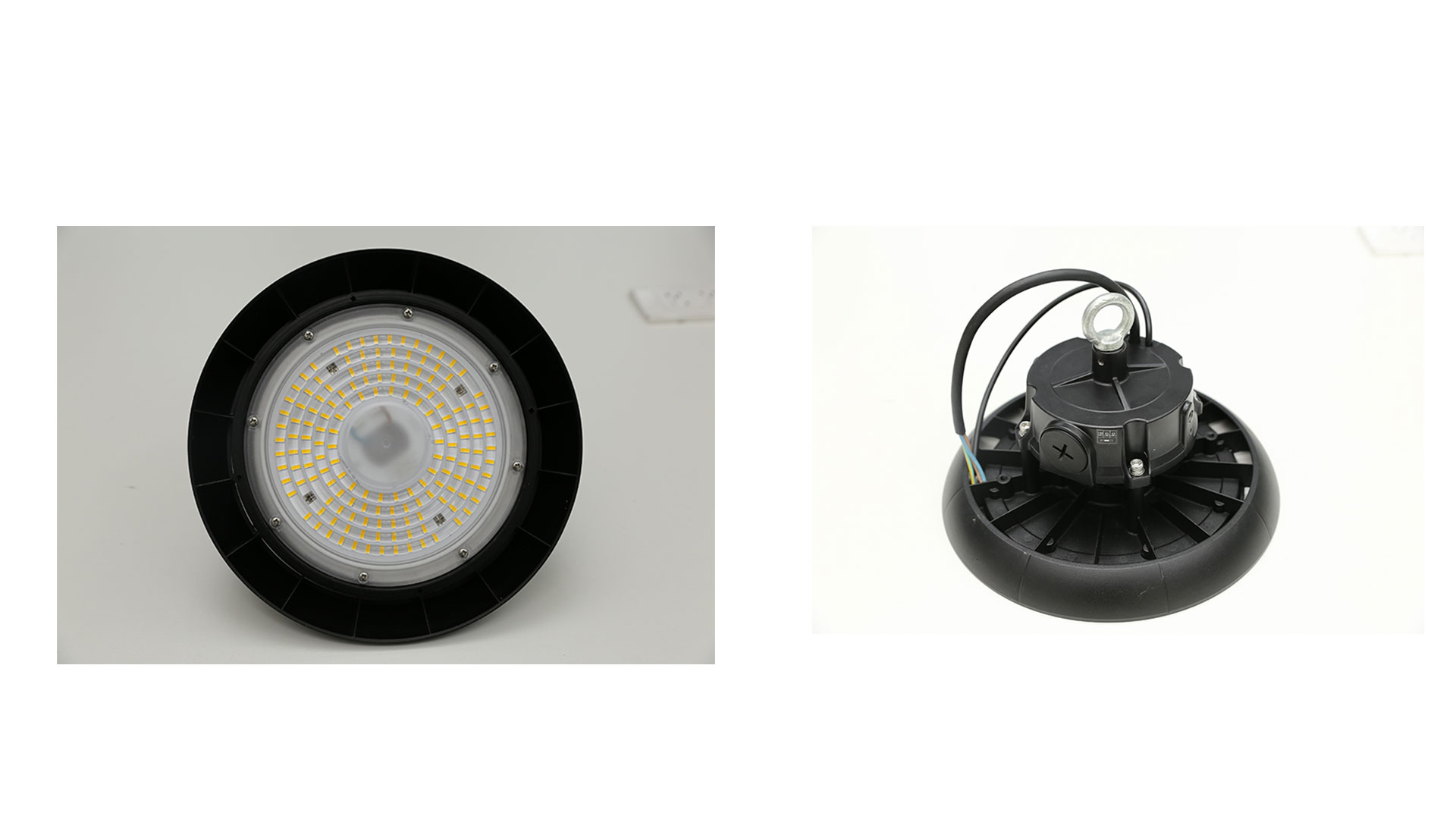
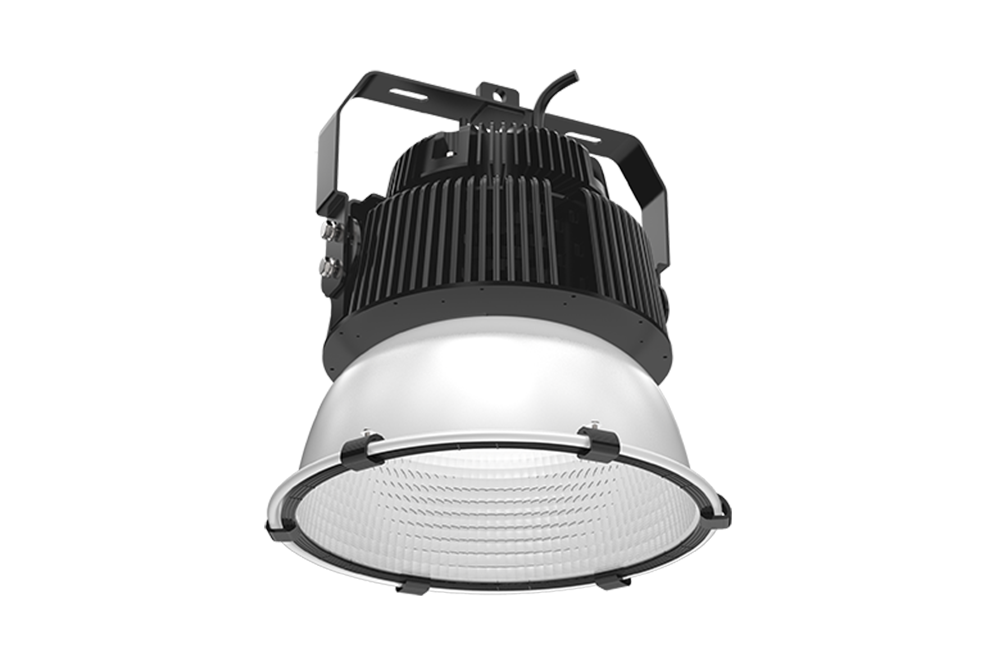
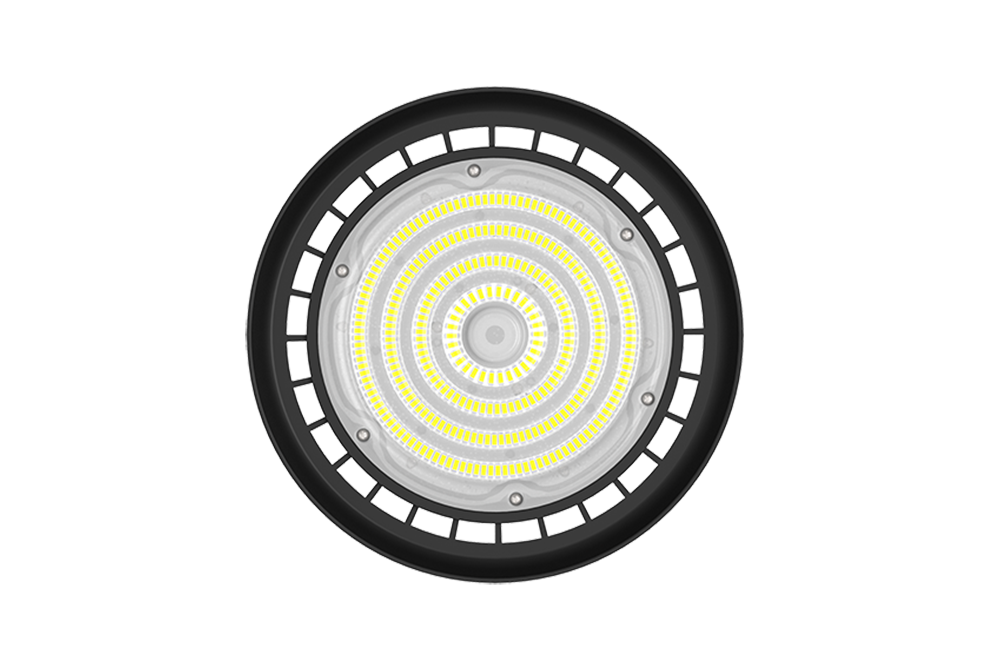
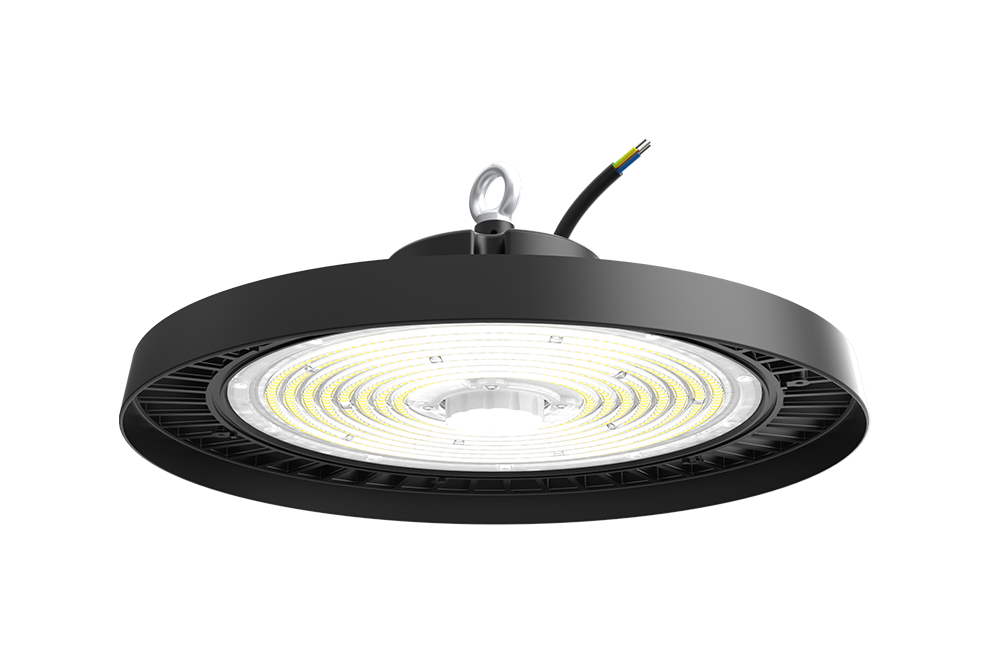
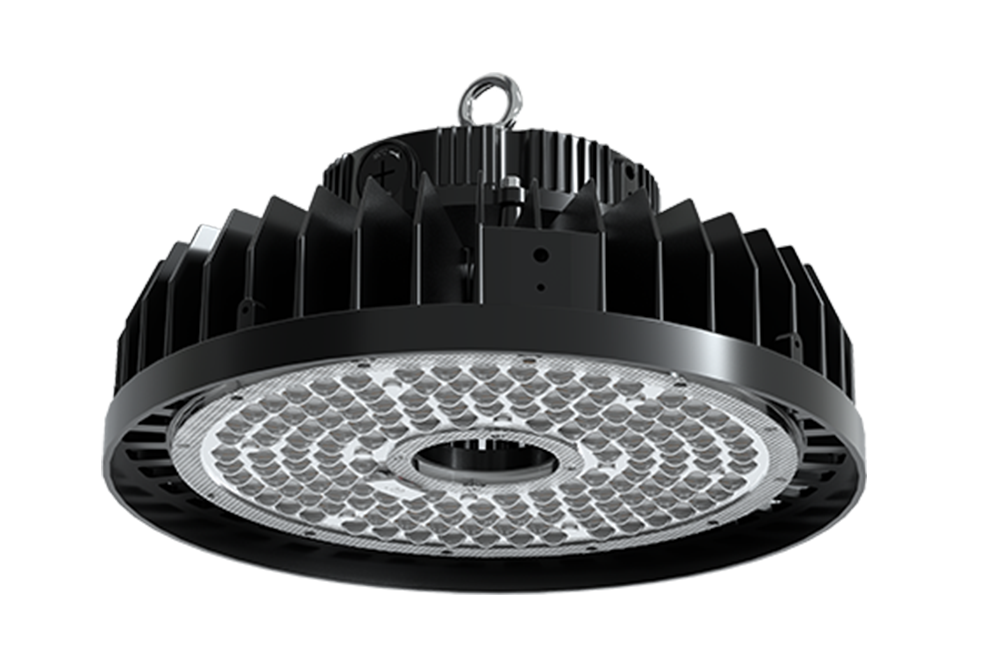
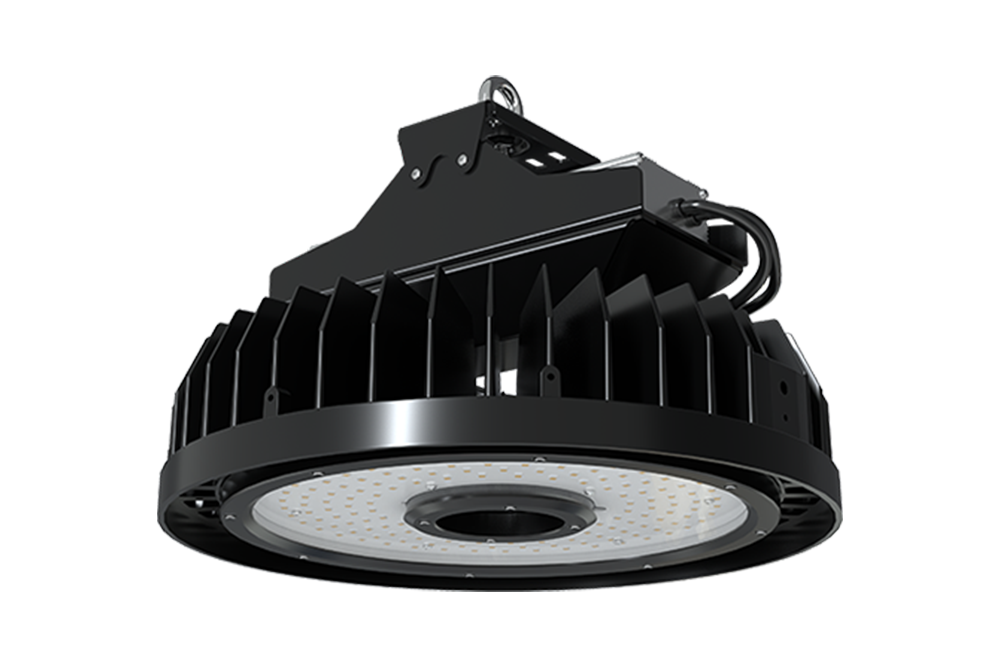
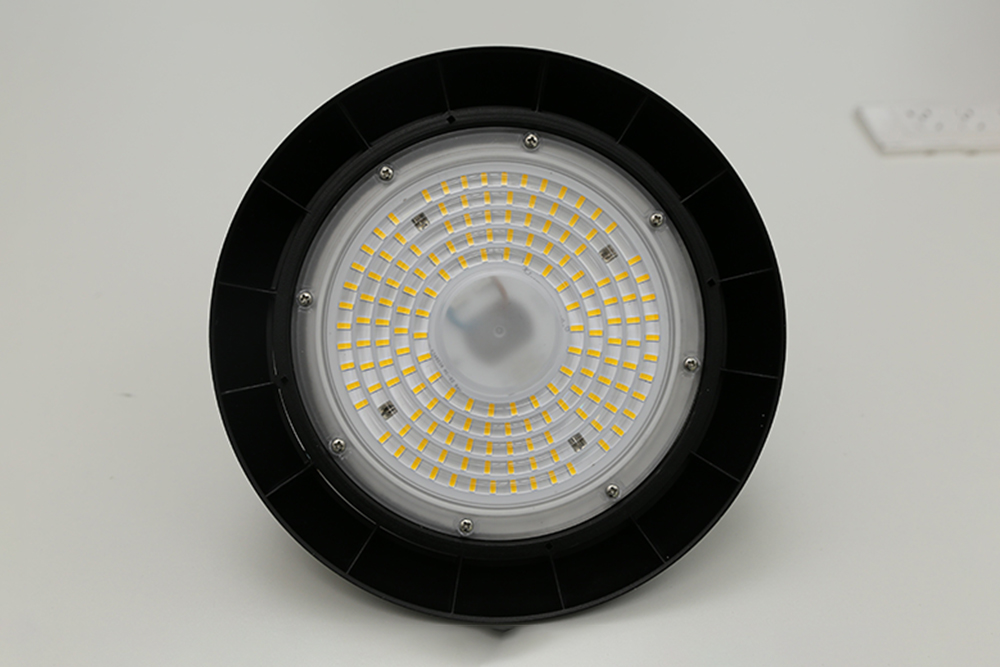
However, efficiency only matters if it holds over time. Poor heat dissipation causes LEDs to lose output faster, which quietly eats into savings. LED High bay lights with a solid die-cast aluminum heat sink and wide fins usually maintain lumen output better during long shifts.
This is where many low-cost fixtures fall short in actual ROI calculations.
Driver Quality Has a Direct Impact on ROI
The LED driver is rarely visible, but it affects operating cost more than most people expect. Flicker-free drivers with stable current control reduce stress on LED chips and extend usable life.
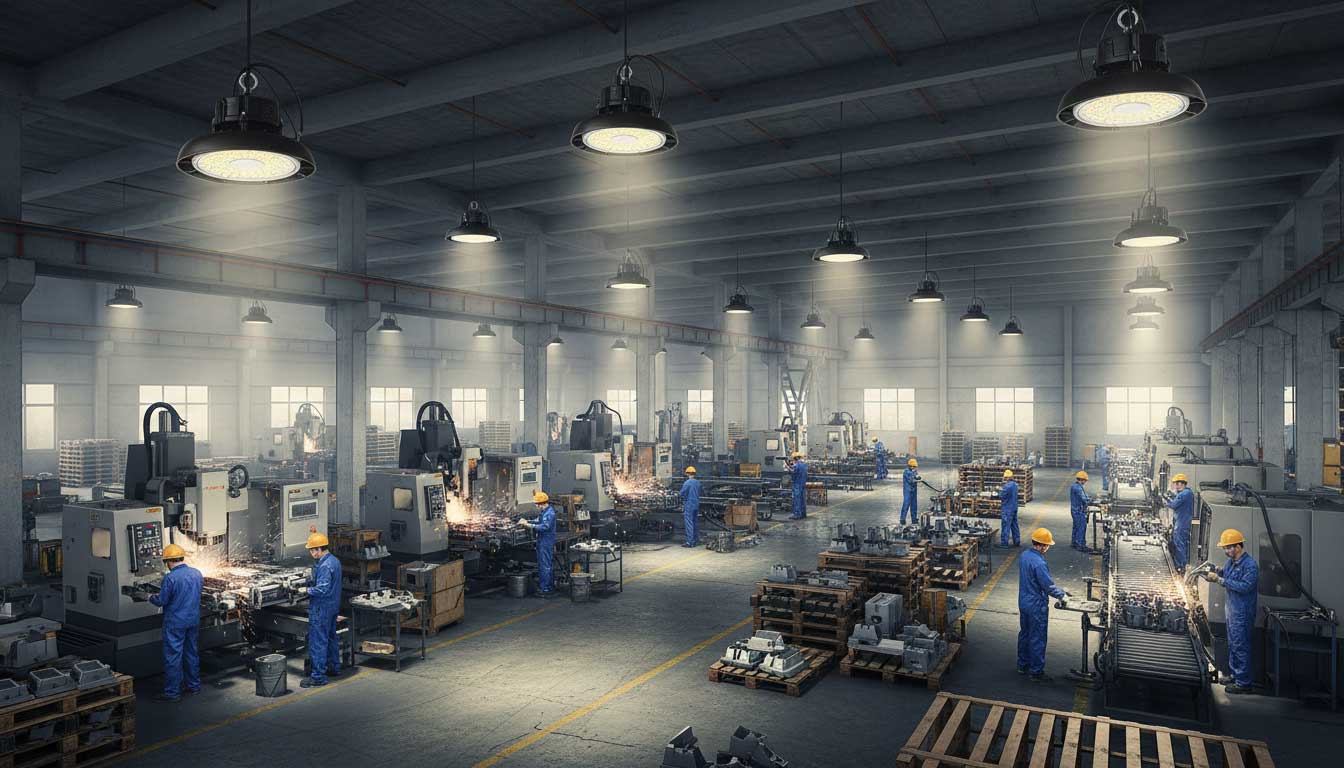
In warehouses running 10–16 hours per day, driver stability often decides whether a fixture lasts five years or needs replacement early. Fewer failures mean fewer lifts, fewer labor hours, and less disruption—real savings that show up in ROI, not in brochures.
Matching Power Levels to Ceiling Height Matters
Another mistake that hurts ROI is oversizing. Using higher wattage than needed increases upfront cost and long-term energy use.
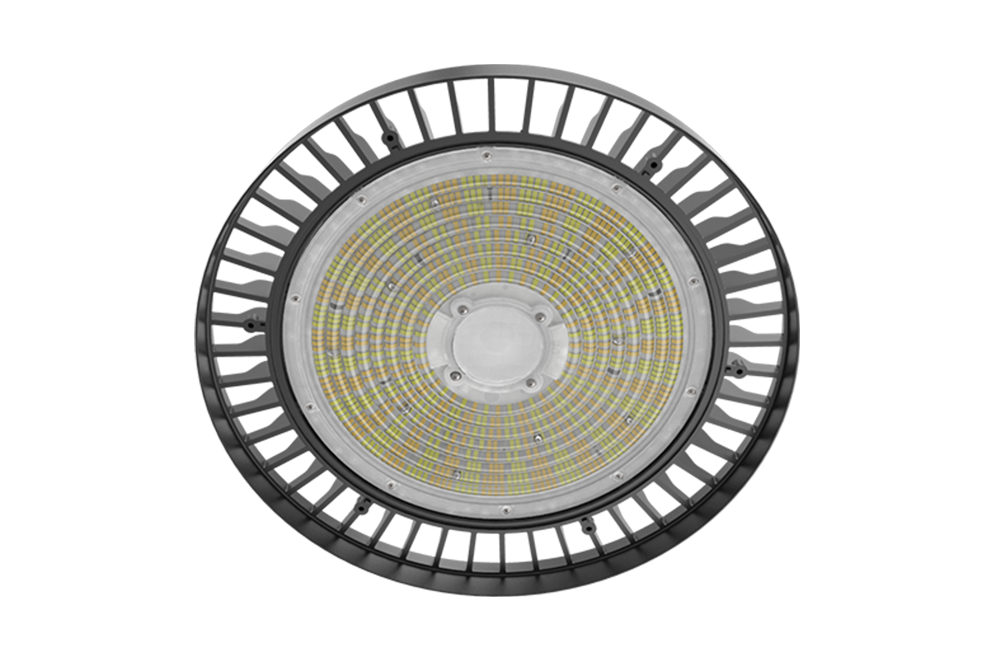
High bay LED lights that offer multiple wattage and flux options allow better matching to ceiling height and aisle layout. In many projects, using a 150W or 200W fixture correctly spaced delivers better ROI than installing fewer oversized units.
This is especially relevant when calculating high bay LED lights ROI calculation for logistics centers and production halls.
Smart Control Options Improve ROI in Real Use
In facilities where traffic is intermittent, motion-based control can significantly improve ROI. Lights that stay at low output when areas are empty and rise to full brightness only when needed reduce wasted energy.
A plug-and-play microwave sensor interface gives flexibility without forcing complex systems. Over a few years, this alone can shift ROI noticeably in favor of the right high bay LED lights.
So, Which High Bay LED Lights Offer the Best ROI?
From practical project experience, the best ROI usually comes from high bay LED lights that combine:
- Proven luminous efficiency, not just peak values
- Strong thermal design that supports long daily operation
- Reliable, flicker-free drivers
- Multiple power configurations for proper lighting design
- Optional smart control for real-world usage patterns
When these factors work together, the return is predictable and measurable—lower energy bills, fewer replacements, and stable lighting conditions year after year.
High Bay LED Lights Recommendations
 Seeking LED