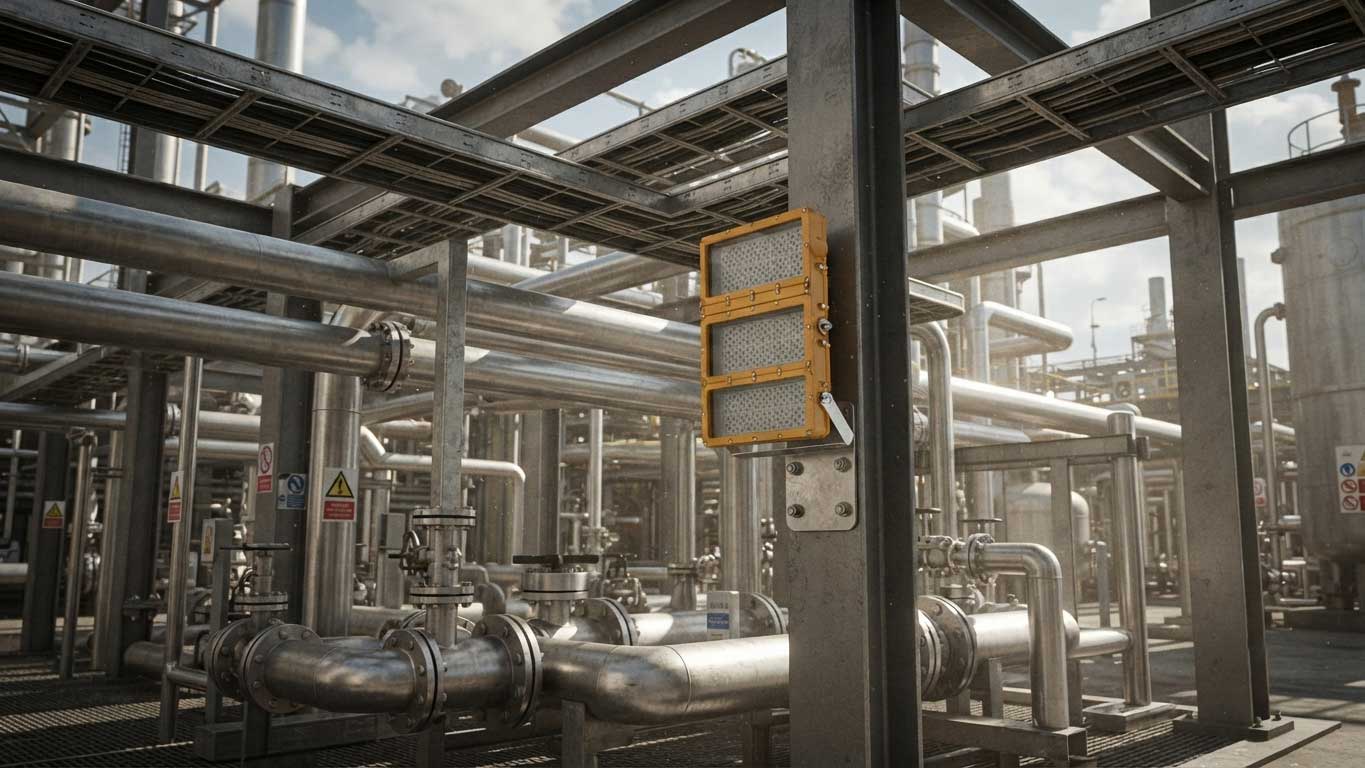
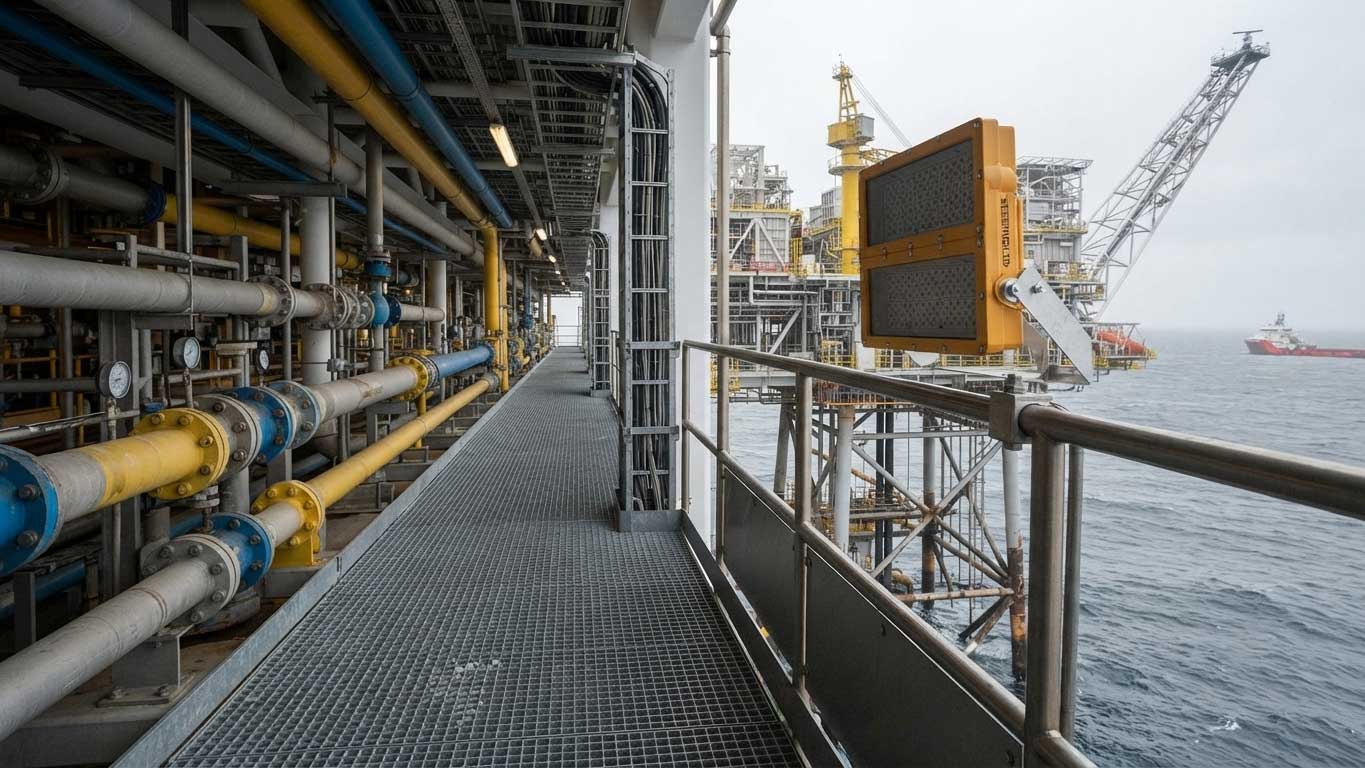
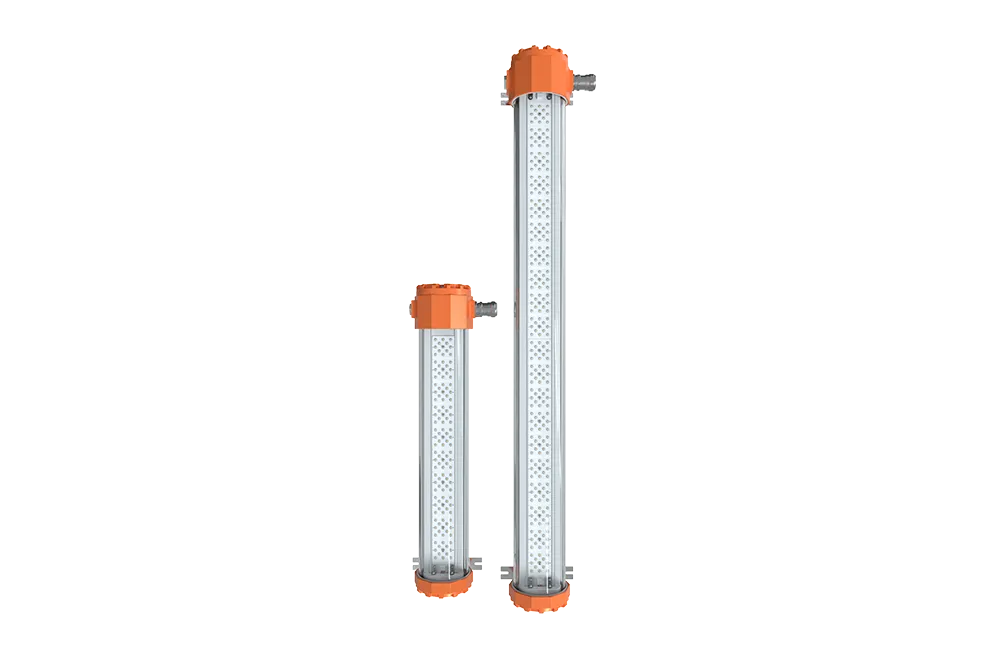
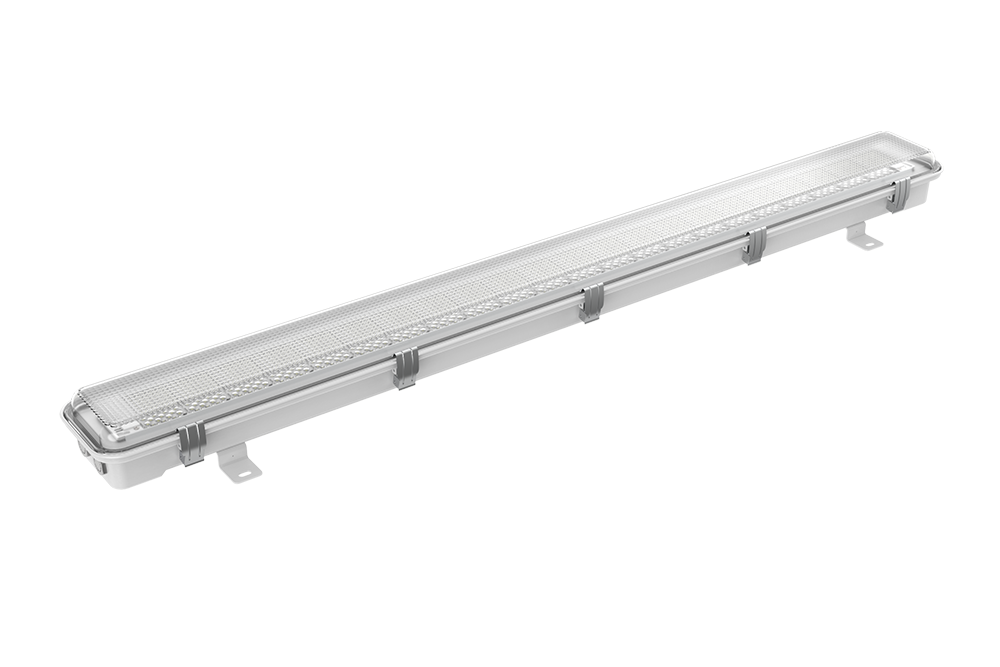
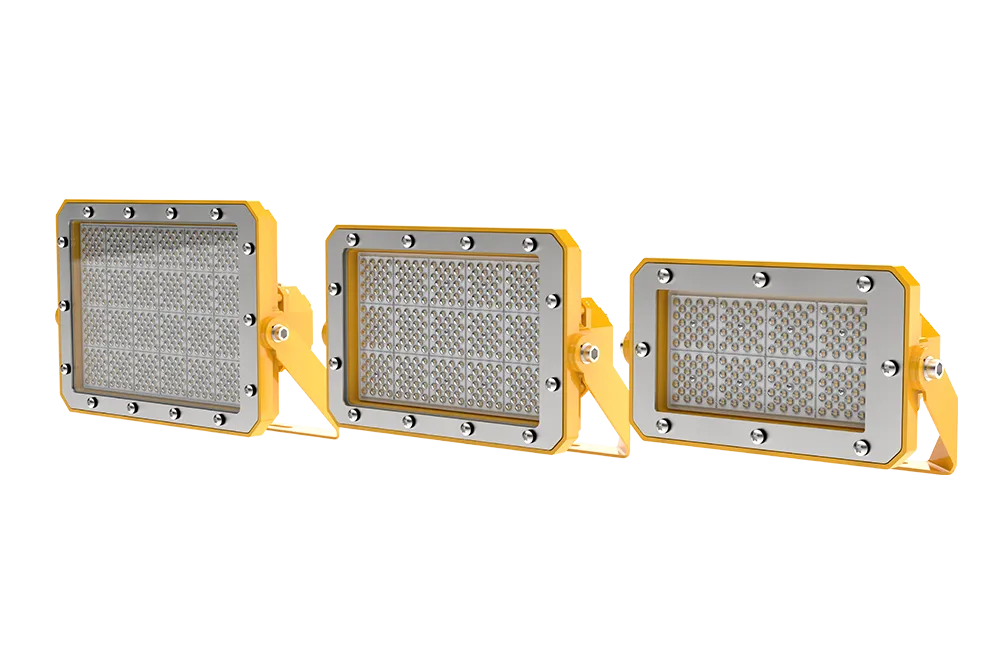
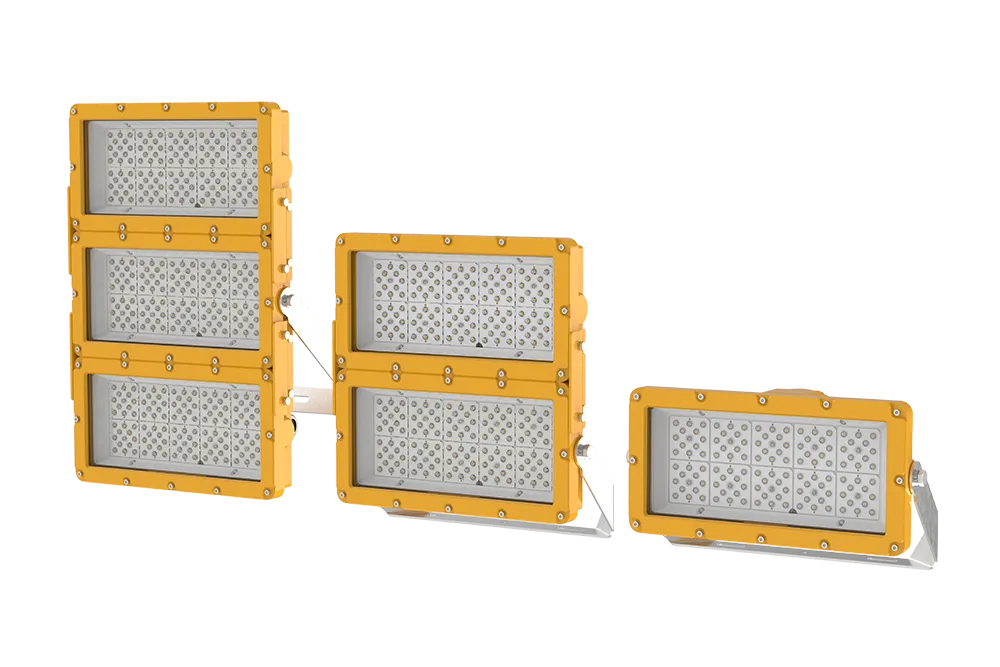
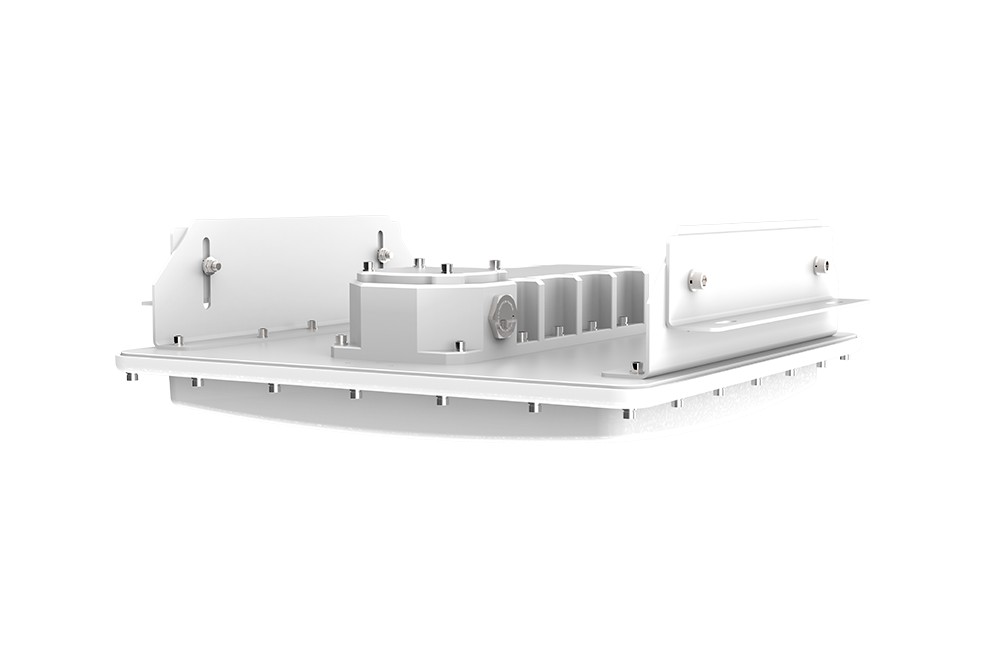
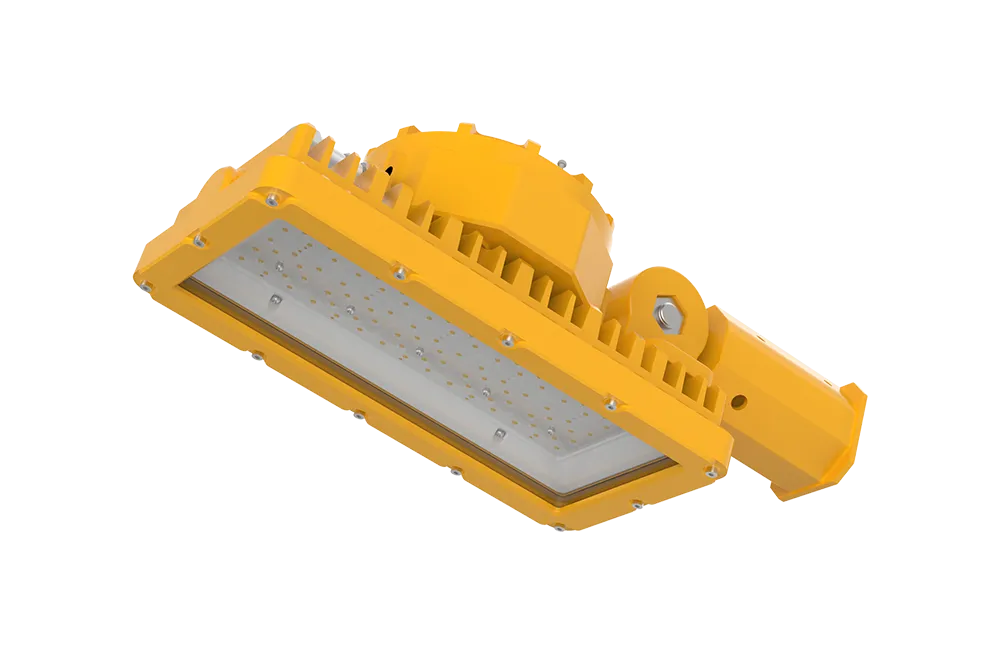
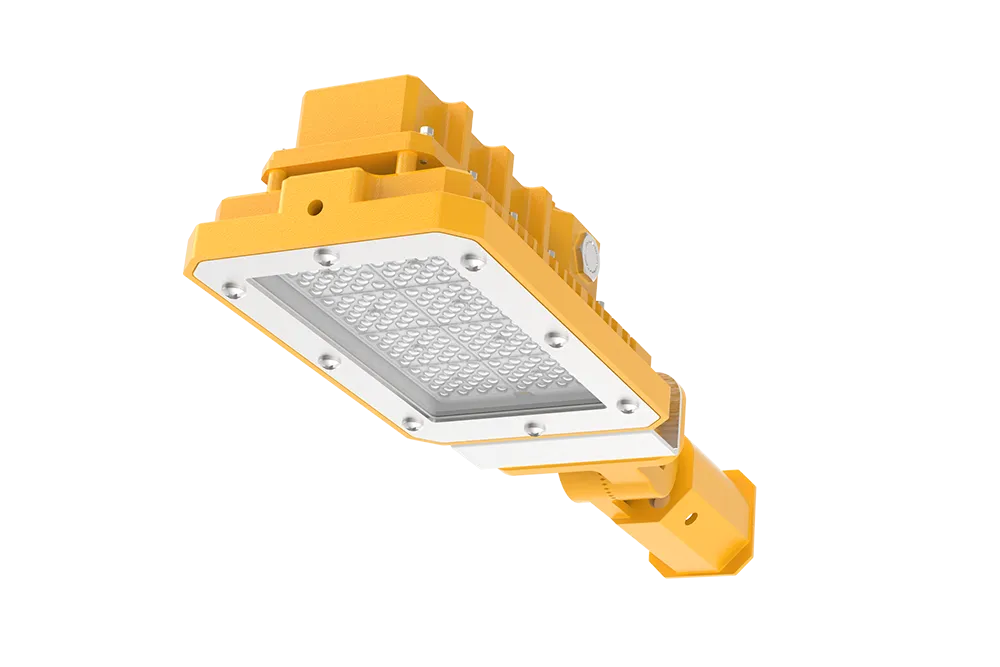
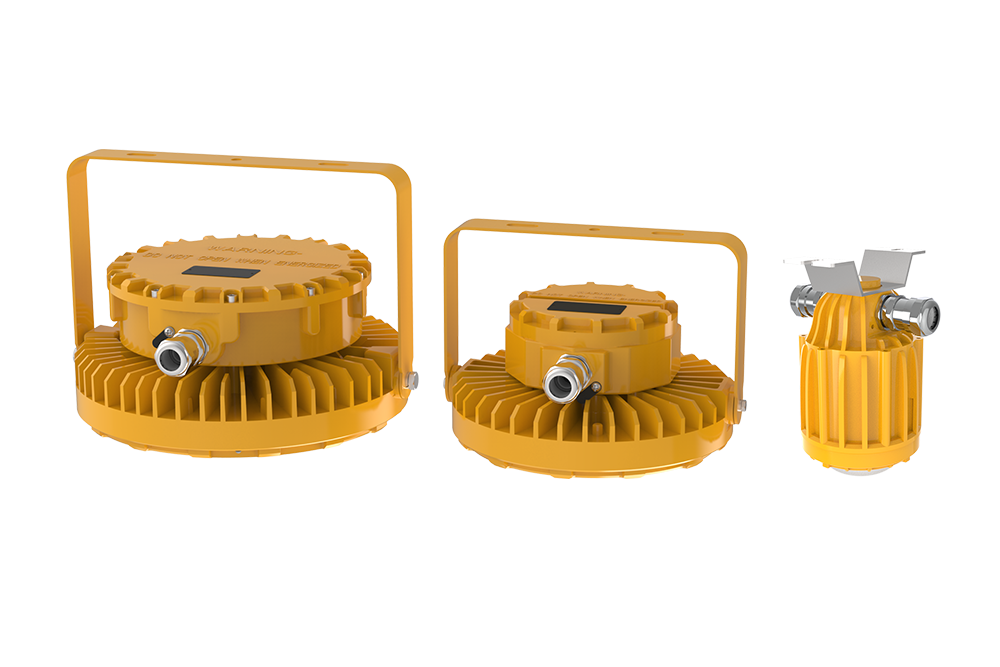
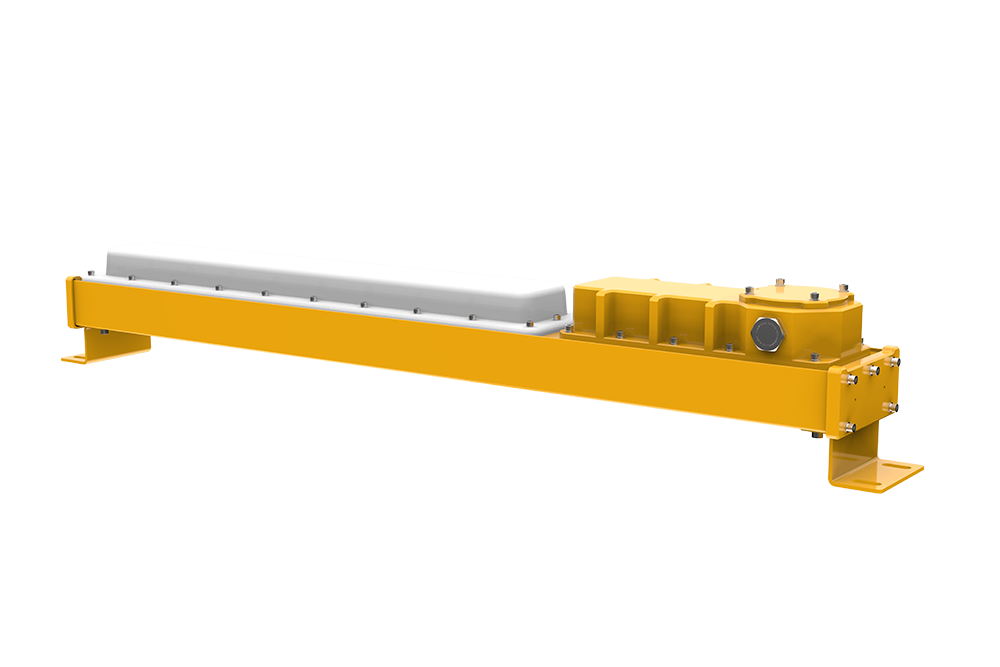
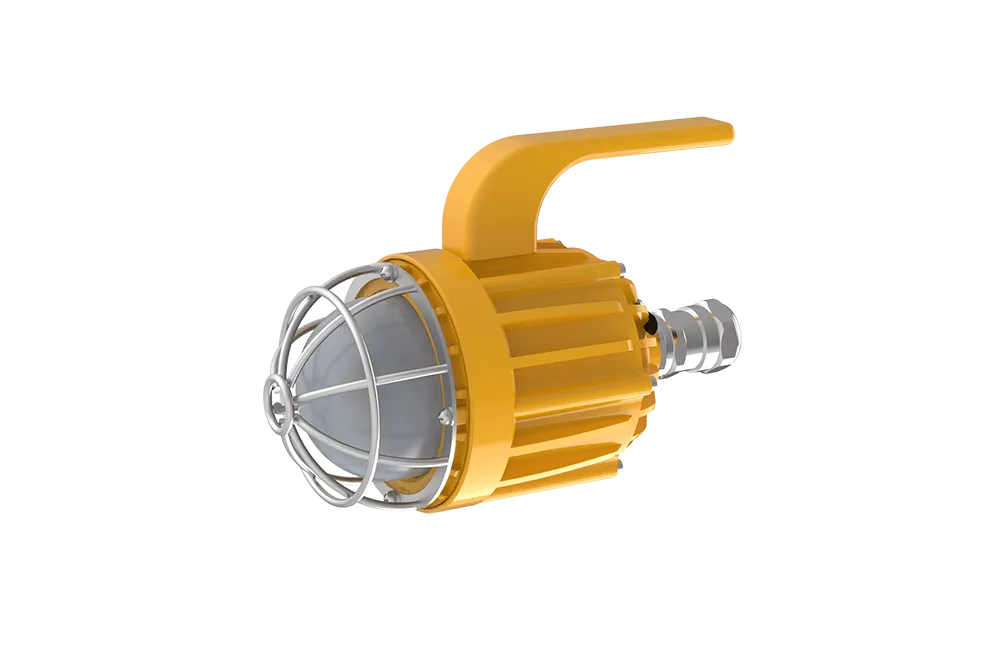
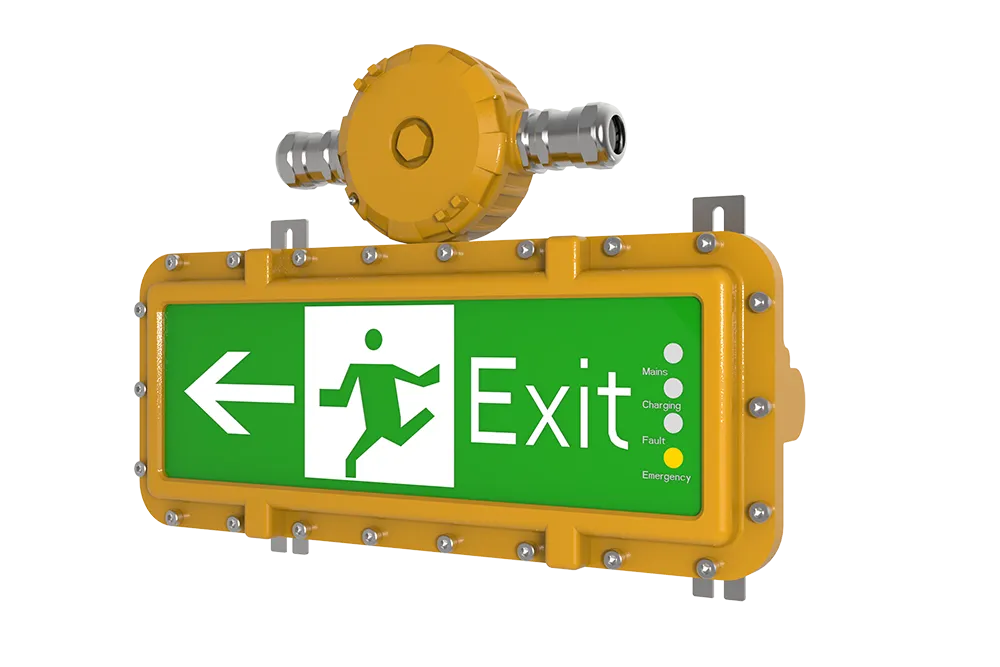
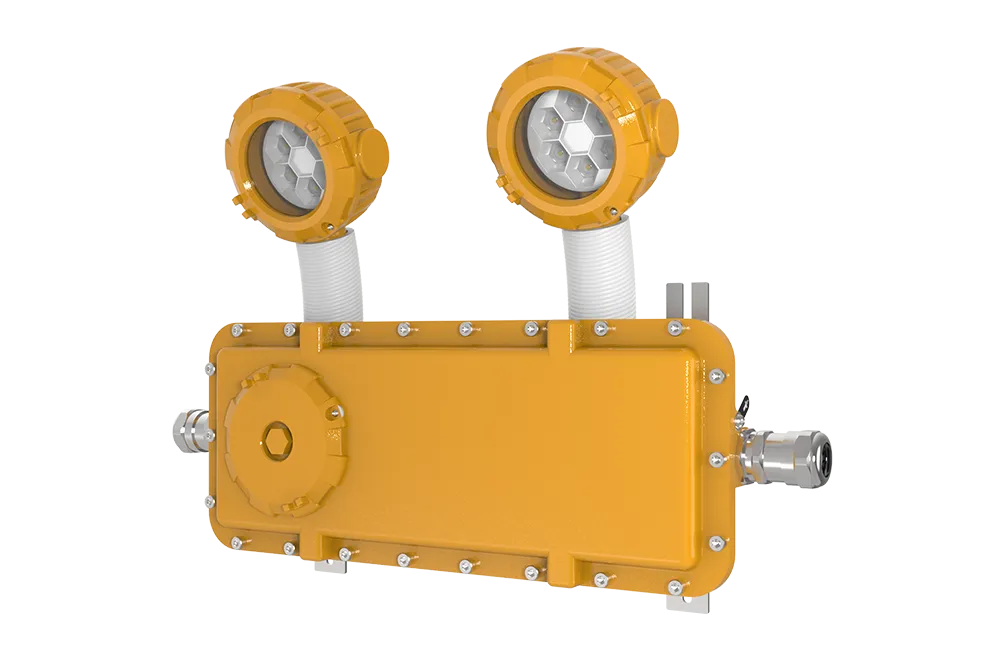
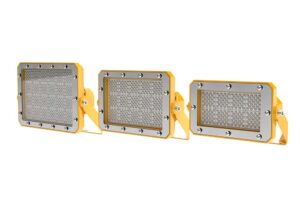
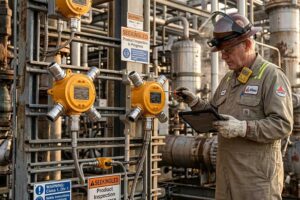
Explosion proof lights are primarily cast from copper-free die-cast aluminum or stainless steel because these materials provide exceptional mechanical strength, corrosion resistance, and heat dissipation while meeting hazardous-area certification requirements. The housing is engineered to contain an internal explosion rather than prevent one from occurring.
People often assume the lens or LED chip is the most important part of an explosion proof luminaire. After spending years working alongside production engineers, ATEX inspectors, and oil & gas contractors, I have reached a different conclusion.
The housing determines everything.
If the enclosure fails, every other component immediately becomes irrelevant.
I still remember watching a pressure test during a product validation session. The fixture looked almost overbuilt—thick walls, deep flamepath threads, oversized stainless steel bolts. Someone unfamiliar with hazardous-area lighting even joked that it looked like industrial equipment instead of a lamp.
That reaction actually proved the point.
Explosion proof lights are not designed to look elegant. They are designed to survive events that ordinary lighting can never tolerate.
Why Material Selection Matters More Than Many Buyers Realize
Many purchasing teams compare products using wattage, lumen output, or price.
Experienced engineers usually ask another question first:
“What is the housing made from?”
The answer directly affects:
Mechanical strength
Corrosion resistance
Operating temperature
Heat dissipation
Product lifespan
Certification performance
Maintenance frequency
According to the International Electrotechnical Commission (IEC), equipment installed in explosive atmospheres must maintain enclosure integrity throughout its service life because mechanical failure can compromise explosion protection.
Likewise, the European Commission’s ATEX legislation requires equipment to continue meeting essential health and safety requirements under expected operating conditions.
Maintenance crews often install fixtures several meters above ground, on pipe racks, towers, or offshore structures. Every kilogram saved reduces installation effort.
Many hazardous-area standards recommend limiting copper content because excessive copper may reduce corrosion performance in harsh industrial environments.
During factory audits, I often notice customers focusing on LED brands while ignoring housing composition. Ironically, the enclosure usually contributes far more to long-term durability than the LED chip itself.
Why Stainless Steel Is Preferred Offshore
Some environments simply overwhelm aluminum.
Offshore platforms continuously expose equipment to:
Salt spray
Chlorides
High humidity
Wind-driven rain
Temperature cycling
These conditions accelerate corrosion dramatically.
This is where stainless steel becomes the preferred solution.
Especially 316 stainless steel, which contains molybdenum for improved resistance against chloride attack.
According to the Nickel Institute, molybdenum-containing stainless steels significantly improve resistance to pitting and crevice corrosion in chloride-rich environments.
Of course, stainless steel also introduces trade-offs.
Higher material cost.
More difficult machining.
Greater shipping weight.
For projects on offshore drilling platforms, LNG terminals, and marine loading facilities, however, these disadvantages are usually accepted because maintenance costs are far higher than initial equipment cost.
How the Housing Is Actually Manufactured
Many buyers imagine a housing being “poured into a mold.”
The real manufacturing process is considerably more controlled.
A simplified workflow looks like this:
High-quality alloy preparation
High-pressure die casting
Cooling under controlled conditions
CNC precision machining
Flamepath machining
Thread machining
Surface treatment
Powder coating
Assembly
Pressure testing
Explosion protection verification
Final inspection
Among these steps, CNC machining deserves special attention.
The flamepath—the precision-machined joint that cools escaping hot gases—is measured in fractions of a millimeter.
Even a beautifully cast housing becomes unusable if machining tolerance exceeds certification requirements.
During one production visit, I watched technicians reject an entire batch because several threaded flamepaths failed dimensional inspection.
The housings looked identical to approved products.
They simply were not precise enough.
That moment permanently changed how I evaluate explosion proof lighting.
Certification is built on manufacturing precision, not appearance.
Beyond Metal: Other Critical Components
Although buyers usually ask what explosion proof lights are “cast from,” several non-metal materials contribute equally to overall safety.
Tempered Glass
The front lens must withstand:
Mechanical impact
Thermal shock
High temperatures
Chemical exposure
High-strength tempered glass remains the preferred solution because it maintains optical clarity while protecting internal electronics.
Unlike ordinary architectural glass, explosion proof lenses are selected to survive demanding industrial conditions over many years.
Powder Coating Is More Important Than Many Buyers Think
When buyers compare hazardous area luminaires, they usually focus on the housing alloy. In reality, the coating system often determines how well that housing survives after years in aggressive industrial environments.
A high-quality die-cast aluminum housing without a durable coating can begin to corrode surprisingly quickly in coastal refineries or fertilizer plants.
Most premium explosion proof luminaires follow a finishing process similar to this:
Surface blasting
Chemical cleaning
Conversion coating
Electrostatic powder coating
High-temperature curing
Thickness inspection
Adhesion testing
A properly applied polyester powder coating protects the enclosure against:
Salt spray
UV degradation
Moisture
Industrial chemicals
Abrasion
According to ISO 12944, protective coating systems significantly extend the service life of steel and metal structures exposed to corrosive environments.
From our own manufacturing experience at SEEKINGLED, the projects that achieve the longest field life rarely rely on expensive materials alone. The combination of copper-free aluminum, proper machining, and a well-controlled coating process consistently delivers better long-term performance than simply selecting a premium alloy.
Aluminum vs Stainless Steel: Which Material Should You Choose?
There is no universal winner.
The correct material depends on the operating environment rather than marketing claims.
Working Environment
Recommended Housing Material
Reason
Oil refinery
Copper-free die-cast aluminum
Excellent heat dissipation and lower weight
Chemical processing plant
Copper-free aluminum with corrosion-resistant coating
Good balance between cost and durability
Offshore platform
316 stainless steel
Superior chloride resistance
Marine dock
316 stainless steel
Long-term resistance to salt spray
Grain handling facility
Die-cast aluminum
Strong mechanical performance and efficient cooling
Pharmaceutical plant
Stainless steel
Easier cleaning and corrosion resistance
LNG terminal
Depends on corrosion class and certification
Engineering assessment required
The biggest purchasing mistake is assuming stainless steel is always better.
In many inland industrial facilities, a certified copper-free die-cast aluminum luminaire provides outstanding performance while reducing installation weight and overall project cost.
Common Myths About Explosion Proof Light Materials
After discussing projects with contractors across oil & gas, mining, chemical processing, and marine industries, several misconceptions appear repeatedly.
Myth 1: Explosion Proof Lights Cannot Explode
False.
The term “explosion proof” does not mean an explosion is impossible.
It means the enclosure is designed to safely contain an internal ignition and prevent surrounding explosive gases or dust from igniting.
Myth 2: Thicker Metal Always Means Better Safety
Not necessarily.
Certification depends on the complete enclosure design, including:
Flamepath dimensions
Thread engagement
Material properties
Fastener strength
Manufacturing tolerances
Certification testing
An oversized housing with poor machining can perform worse than a lighter enclosure manufactured within precise tolerances.
Myth 3: Aluminum Is Too Weak
This misconception usually comes from comparing aluminum with structural steel.
High-quality copper-free die-cast aluminum alloys used in certified explosion proof lighting provide excellent mechanical strength while significantly reducing installation weight.
That balance explains why aluminum remains the dominant housing material across much of the hazardous lighting industry.
How SEEKINGLED Selects Housing Materials
At SEEKINGLED, material selection begins with the customer’s operating environment rather than the product catalog.
Our engineering team evaluates factors including:
Hazardous area classification
Ambient temperature
Corrosion exposure
Installation height
Maintenance accessibility
Wind and vibration
Chemical compatibility
Certification requirements
Instead of recommending one material for every project, we match the enclosure to the actual application.
For example:
Inland petrochemical plants generally benefit from copper-free die-cast aluminum.
Offshore drilling platforms often require 316 stainless steel.
Food-processing facilities frequently prioritize stainless steel for hygiene and washdown resistance.
This application-driven approach has helped our products operate reliably across demanding industrial environments worldwide.
FAQ About What Are Explosion Proof Lights Cast From?
Are explosion proof lights made entirely from aluminum?
No. While many housings use copper-free die-cast aluminum, certified luminaires also incorporate tempered glass, stainless steel hardware, silicone sealing systems, electronic drivers, and LED modules.Visit the product page: Explosion Proof Lighting
Why isn’t ordinary cast aluminum used?
Standard cast aluminum may not provide the corrosion resistance, alloy consistency, or certification performance required for hazardous locations.
Why do offshore projects often specify stainless steel?
Because marine environments contain high concentrations of chlorides that accelerate corrosion. Stainless steel—especially grade 316—offers much better long-term resistance.
Does housing material affect LED lifespan?
Yes.
Efficient heat dissipation helps maintain lower LED junction temperatures, improving lumen maintenance and extending driver reliability.
According to the U.S. Department of Energy, thermal management is one of the key factors influencing LED system performance and lifetime.
A properly coated die-cast aluminum luminaire can operate for many years in inland industrial facilities, while stainless steel generally provides longer service life in harsh marine environments.
The right material always depends on the installation conditions.
Final Thoughts
So, what are explosion proof lights cast from?
In most certified hazardous-area luminaires, the enclosure is manufactured from copper-free die-cast aluminum or 316 stainless steel, paired with tempered glass, stainless steel fasteners, precision-machined flamepaths, and industrial sealing materials. These components work together to contain internal explosions, dissipate heat efficiently, and maintain structural integrity throughout years of operation in hazardous locations.
At SEEKINGLED, we’ve learned that long-term reliability is never determined by one material alone. The true performance of an explosion proof luminaire comes from the combination of certified materials, precision manufacturing, corrosion protection, and rigorous quality control. That’s why understanding what are explosion proof lights cast from is about much more than metal—it is about the engineering philosophy behind every certified fixture.
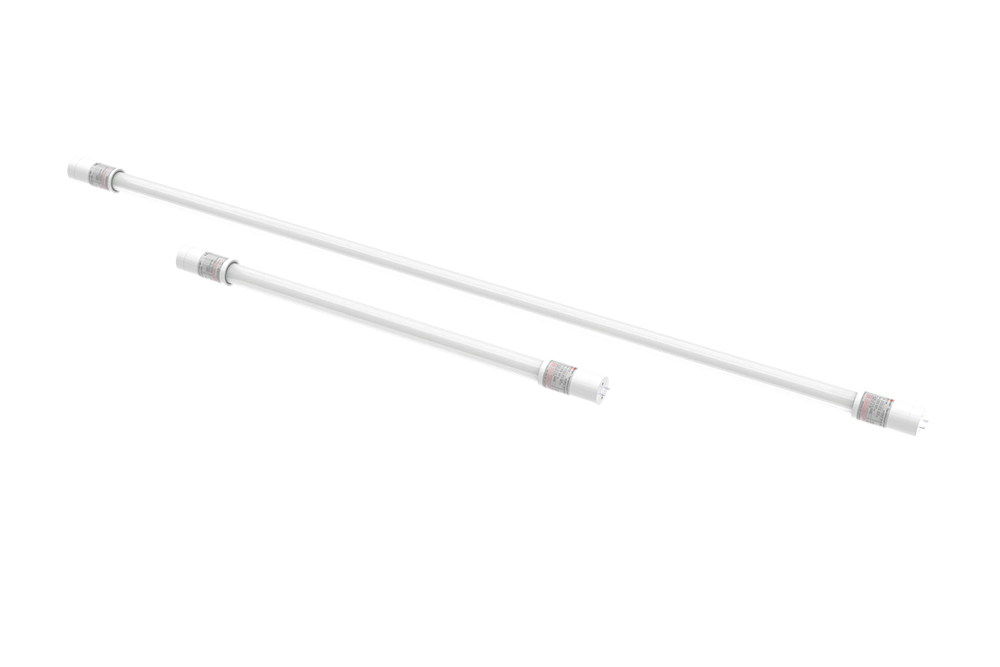
SEEKINGLED LED Linear Explosion Proof Light and Explosion Proof lighting is ATEX and IECEx certified for Zone 1, Zone 2, Zone 21 and Zone 22 hazardous locations, built for long-term industrial use.
LED Linear Explosion Proof Lights and EX Proof lights for Zone 1, Zone 2, Zone 21 and Zone 22 hazardous areas. ATEX & IECEx certified explosion proof LED linear lighting with emergency function, adjustable power and IP67 protection by SEEKINGLED.
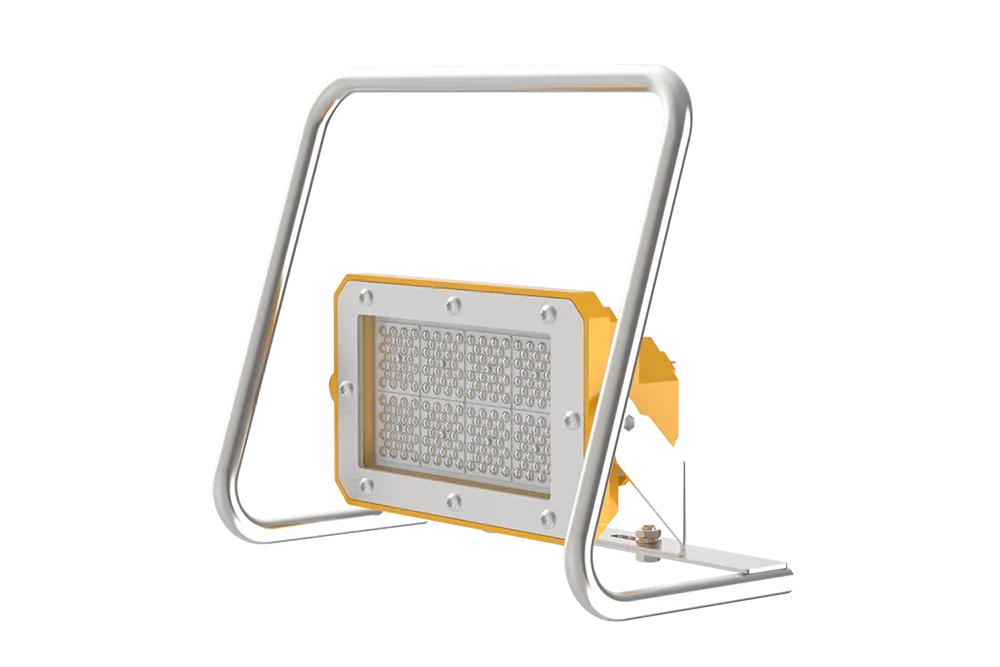
SEEKINGLED LED Explosion Proof Flood Lights are ATEX certified for Zone 2 and Zone 22 hazardous areas, offering high efficiency, adjustable power and integrated junction box.
SEEKINGLED LED Explosion Proof Flood Lights are flameproof ATEX and IECEx certified for Zone 1 and Zone 2 hazardous areas, offering high power, adjustable output and long service life.
SEEKINGLED LED Gas Station Canopy Lights are ATEX certified for Zone 2 and Zone 22 hazardous areas, featuring adjustable power and built-in explosion-proof junction box.
ATEX: Ex II 2G Ex db IIB T6/T5 GbEx II 2D Ex tb IIIC T80°C/ T95°C Db IECEx Ex db IIB T6 Gb;Ex tb IIIC T80°C Db Feature: ● For Zone 1,2 and Zone 21,22● Flameproof type, the strongest● 100W can replace 250W HID,energy saving● Power:60W,80W,100W Application: Oil and gas, marine, Chemical, pharmaceutical, semiconductor,mining,military industr…
ATEX: II 3G Ex nR ⅡC T5/T6 GcII 3D Ex tc ⅢC T80℃/T95℃Dc ATEX Certificate NO: TÜV CY 26 ATEX 0207611 X Feature: ● For Zone 2 and Zone 22● 150W can replace 250W HID lamps,Energy saving● Power:50W,75W,100W,150W,200W Application: Oil and gas, marine, Chemical, pharmaceutical, semiconductor,mining,military industry, paint booth,power plant ETC…
LED explosion proof high bay lights are designed for Zone 1, Zone 2, Zone 21 and Zone 22 hazardous areas. This page introduces the HB21 Series from SEEKING, including certifications, power options and real application considerations.
LED Linear Explosion Proof Lights from SEEKINGLED. LU Series Flame Proof lights ATEX-certified explosion proof LED linear lighting for Zone 2 gas and Zone 22 dust areas, IP69K, IK10, long lifetime and flexible power options.
Certified explosion proof work lights for Zone 1 & 21 hazardous areas. Portable, ATEX & IECEx approved, built for oil, gas and chemical plants by SEEKINGLED.
ATEX: II 3G Ex nR ⅡC T6 GcII 3D Ex tc ⅢC T80℃ Dc ATEX Certificate NO: TÜV CY 26 ATEX 0207611 X Feature: ● For Zone 2 and Zone 22● Accepts battery-powered supply● indestructible● Power:AC input:50W,75W,100WDC input:15W,25W,35W Application: Oil and gas, marine, Chemical, pharmaceutical, semiconductor,mining,military industry, paint booth,po…
ATEX: Ex II 2G Ex db IIB T6 GbEx II 2D Ex tb IIIC T80°C Db IECEx Ex db IIB T6 Gb;Ex tb IIIC T80°C Db Feature: ● For Zone 1,2 and Zone 21,22● Flameproof type, the strongest Application: Oil and gas, marine, Chemical, pharmaceutical, semiconductor,mining,military industry, paint booth,power plant ETC hazardous area. Technical Specifications:…
ATEX: Ex II 2G Ex db IIB T6 GbEx II 2D Ex tb IIIC T80°C Db IECEx Ex db IIB T6 Gb;Ex tb IIIC T80°C Db Feature: ● For Zone 1,2 and Zone 21,22● Flameproof type, the strongest Application: Oil and gas, marine, Chemical, pharmaceutical, semiconductor,mining,military industry, paint booth,power plant ETC hazardous area. Technical Specifications:…
ATEX: Ex II 2G Ex d e IIB T6 Gb ATEX: Ex d e IIB T6 Gb; Feature: ● For Zone 1,2● 9W can replace 18W fluorescent lamps,50% Energy saving Application: Oil and gas, marine, Chemical, pharmaceutical, semiconductor,mining,military industry, paint booth,power plant ETC hazardous area. Technical Specifications: Standards:60079-0, 60079-1, 60079…
Learn how to get a explosive proof cap off junction box safely without damaging flame paths or certifications. Step-by-step guide for hazardous locations.
Enhance building appearance with facade lighting LED solutions. Energy-efficient, durable outdoor lighting designed for real architectural projects by SEEKINGLED.
Looking for the right flood light for basketball court projects? Learn how to choose outdoor court lighting that delivers uniform brightness, safety, and long-term reliability.
 Seeking LED