 Seeking LED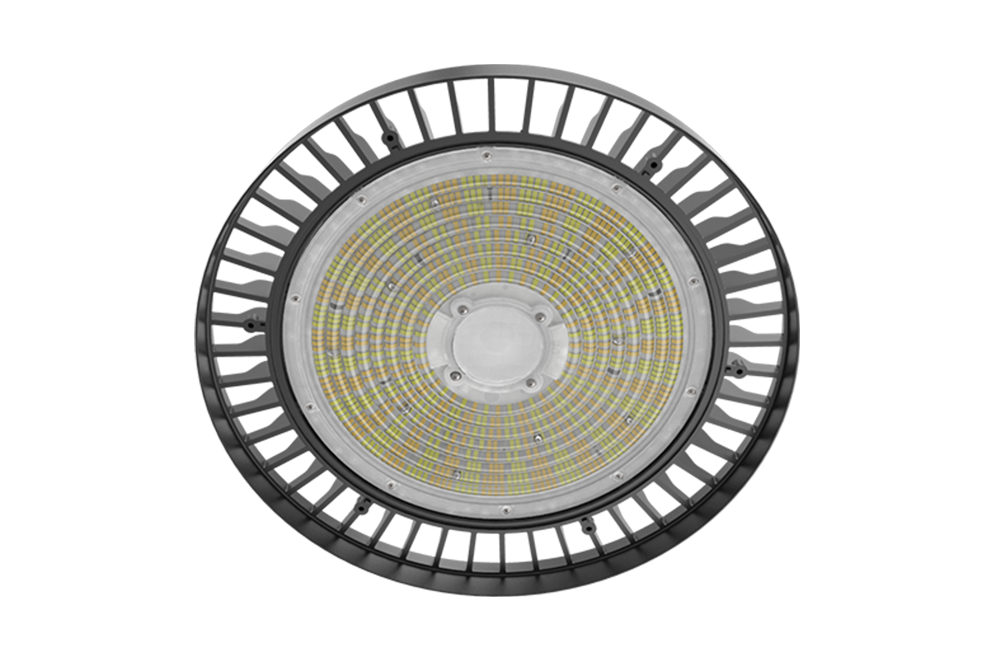
What Is Portable Explosion Proof Lighting?
0Discover what portable explosion proof lighting is, where it is used, and why certified hazardous-area work lights are critical for safety and compliance.
View detailsSearch the whole station
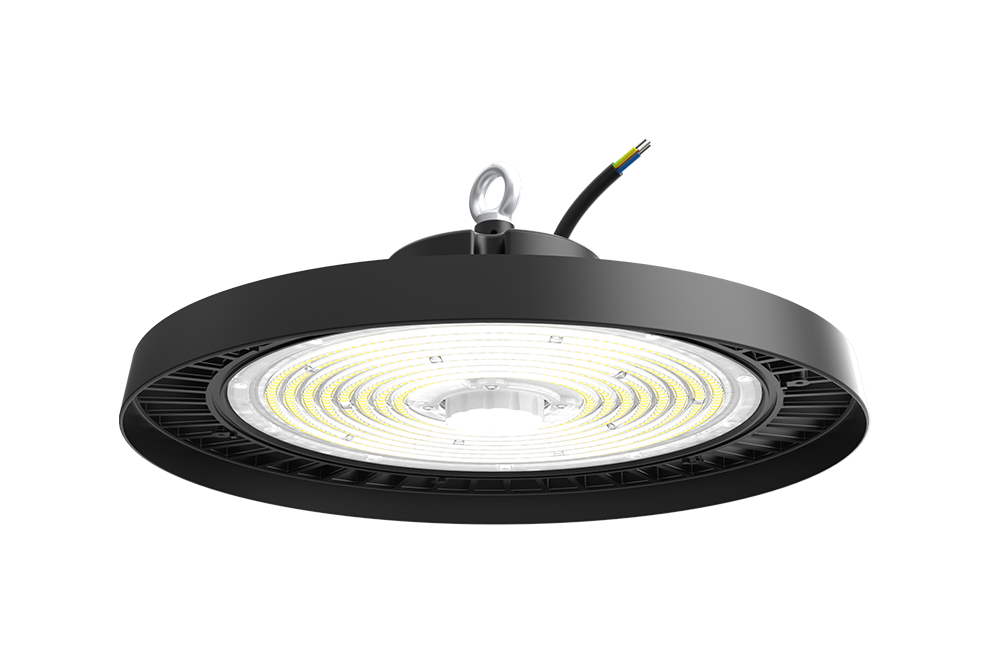
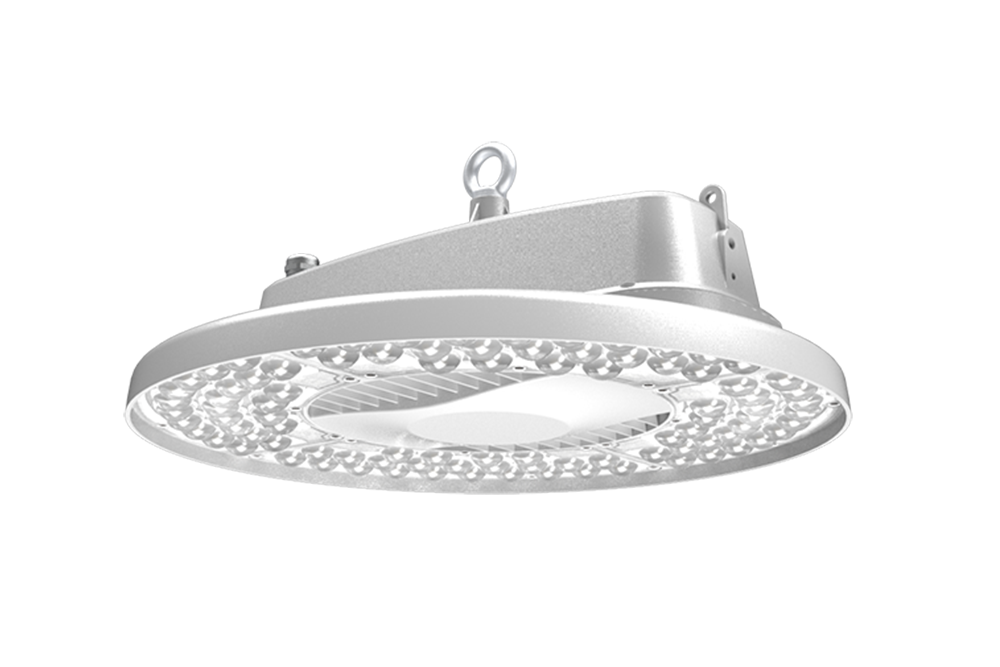
When people talk about ufo high bay LED lighting, the conversation usually goes straight to lumen numbers. Bigger numbers, brighter claims, faster payback. After working on industrial lighting upgrades for over a decade—mostly warehouses, steel-frame factories, and logistics hubs—I’ve learned that raw output alone rarely solves the real problems on site.
What matters is control. Thermal control. Driver stability. Beam discipline. And whether the light still performs the same way after five years of daily operation, not just on a spec sheet.
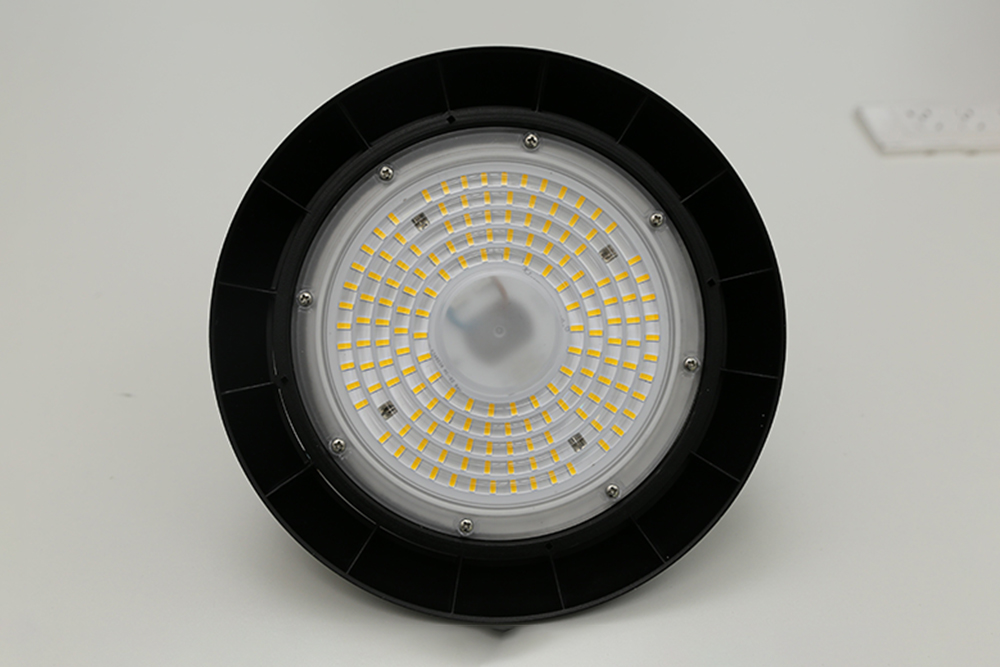
That mindset is exactly why the HBF Series UFO High Bay LED Lighting from SEEKINGLED exists.
In North America and Europe, UFO-style high bays replaced linear HID fixtures for a reason. According to the U.S. Department of Energy (DOE), LED high bay systems can reduce lighting energy consumption in industrial buildings by 50–70% compared with metal halide or HPS fixtures, primarily due to higher efficacy and instant-on control.
But the DOE reports also highlight a less-discussed issue: performance degradation caused by poor thermal and driver design. Many early LED high bays failed not because of LEDs, but because heat management and power quality were underestimated.
That’s where the HBF Series differs from typical market offerings.
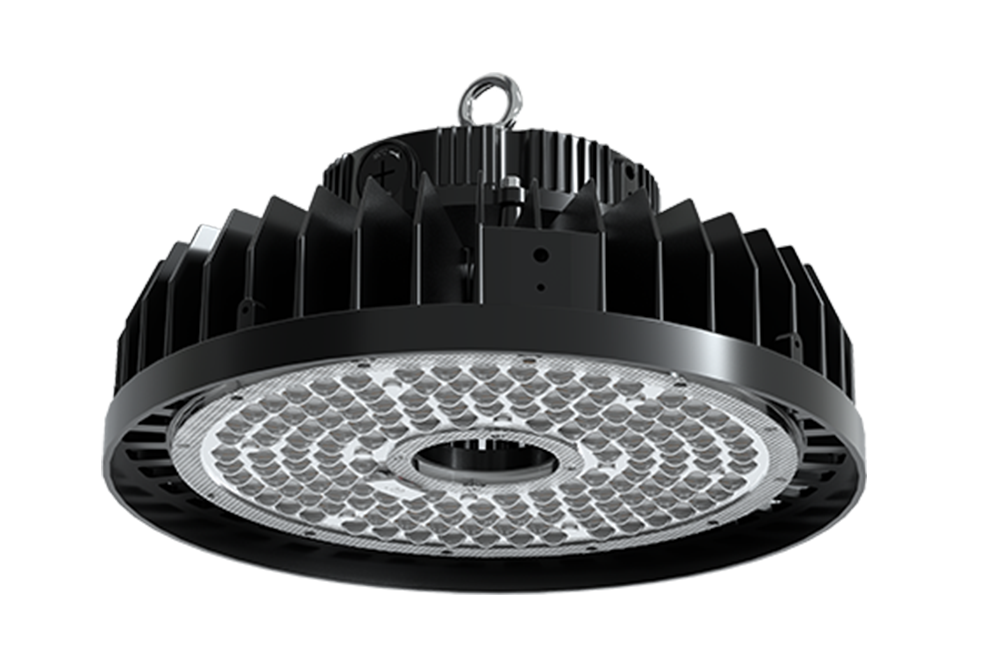
In steel-roof factories, mounting height is often limited. UFO fixtures sit close to the ceiling, where hot air accumulates. The die-cast aluminum housing used in the HBF Series is not oversized for appearance—it’s proportioned to move heat away from the LED board efficiently.
Independent LM-80 test data on 2835 LED packages shows that junction temperature is the dominant factor affecting lumen maintenance. When paired with TM-21 projections, well-managed systems can realistically reach L80B20 beyond 100,000 hours at 25°C, which aligns with HBF’s rated lifetime.
That’s not marketing math. That’s thermal physics.
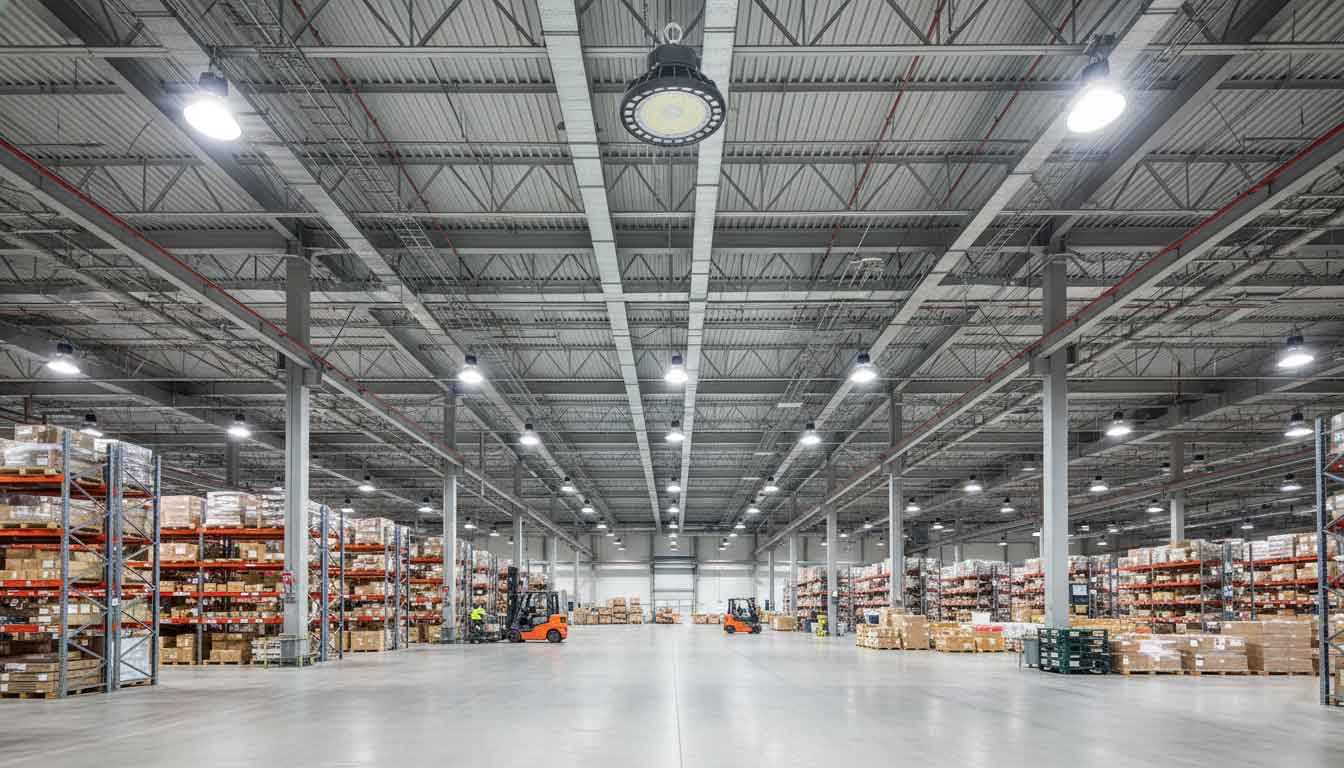
The HBF Series delivers up to 200 lm/W, which places it among the higher-efficiency industrial UFO high bay lights currently in commercial use. More importantly, that efficiency is maintained under continuous operation.
In facilities running 12–18 hours per day, even a 10–15% efficiency difference materially affects annual energy spend. Over a typical 5-year lighting cycle, that gap often outweighs the initial fixture cost—something facility managers learn the hard way.
SEEKINGLED selected SOSEN industrial-grade drivers for the HBF Series deliberately. In production lines with cameras, quality inspection, or automated systems, flicker isn’t a comfort issue—it’s a functional one.
IEEE Std 1789 highlights the risks of low-frequency flicker, especially in industrial environments. With PF ≥ 0.95 and low THD, the HBF Series maintains stable output even on three-phase grids where voltage fluctuations are common.
I’ve personally seen cheaper drivers cause nuisance tripping and uneven dimming after less than two years. This design avoids that trap.
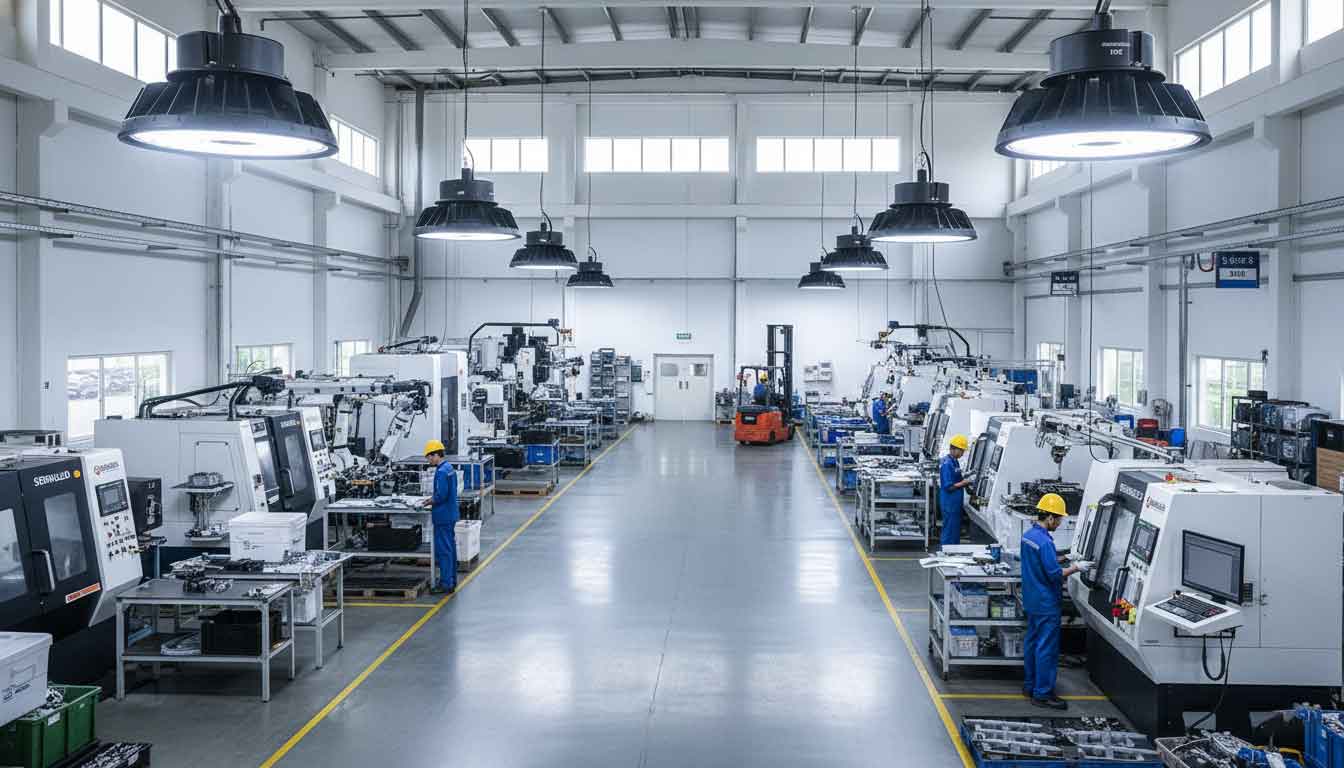
Offering 60° and 90° beam angles might sound basic, but it solves a real installation problem. Too many projects rely on over-bright fixtures to compensate for poor beam selection.
The optional microwave motion sensor interface enables step-dimming strategies that align with energy codes increasingly adopted across Europe and North America. When aisles are empty, lights don’t need to run at 100%.
With IP65 and IK08, the HBF Series is designed for dust-heavy logistics environments, semi-open garages, and industrial buildings where vibration and accidental impact are normal—not exceptional.
The C3 corrosion rating also matters more than most spec sheets admit, especially in coastal or high-humidity regions.
Written by an industrial lighting engineer with 12+ years of experience specifying and commissioning LED high bay systems across warehouses, factories, and logistics centers in Europe and Southeast Asia. Experience includes on-site audits, retrofit planning, and long-term performance evaluation.
Good ufo high bay LED lighting doesn’t try to impress on paper. It performs quietly, consistently, and predictably—year after year. The HBF Series LED High Bay light from SEEKINGLED was built around that philosophy: efficiency without fragility, output without instability, and design choices grounded in real industrial use.
At the end of a long shift, that’s what actually matters.
The SEEKING HBC-T Series high bay lights LED offer long-lasting performance for warehouses, production plants and logistics centers. Durable IP65 & IK08 housing, 60°/90° beam angles, up to 150 lm/W, and a lifespan beyond 100,000 hours. Ideal for a…
The SEEKING HBS Series LED UFO high bay light delivers 140 lm/W efficiency, IP65 protection and MEAN WELL drivers. A durable high-rise lighting solution for factories, warehouses and commercial halls.
SEEKING HBD Series LED high bay lighting delivers 160 lm/W efficiency, IP66 protection, and long 100,000-hour lifespan. A durable UFO high bay solution for warehouses, workshops, logistics centers and commercial facilities.
The SEEKING HBC Series high bay LED light fixtures combine strong efficiency, practical design and reliable SOSEN drivers. A durable UFO high bay lighting option for warehouses, workshops and wholesale projects.
The SEEKING GSL Series high bay LED light delivers powerful, efficient lighting for industrial and commercial spaces. With IP65 protection, flexible mounting, and up to 140 lm/W performance, it’s ideal for warehouses, workshops, and retail areas.
The SEEKING HB15(GLE) Series delivers advanced high bay led lighting with UGR 100,000 h) and reliable illumination for demanding commercial environments.
Discover the SEEKING HB13(GLK) Series ufo led high bay light, engineered for sports halls, airport lounges, showrooms, and large commercial spaces. UGR 100,000 h). Ideal for industrial ufo high bay lighting fixtures and commercial retrofits.
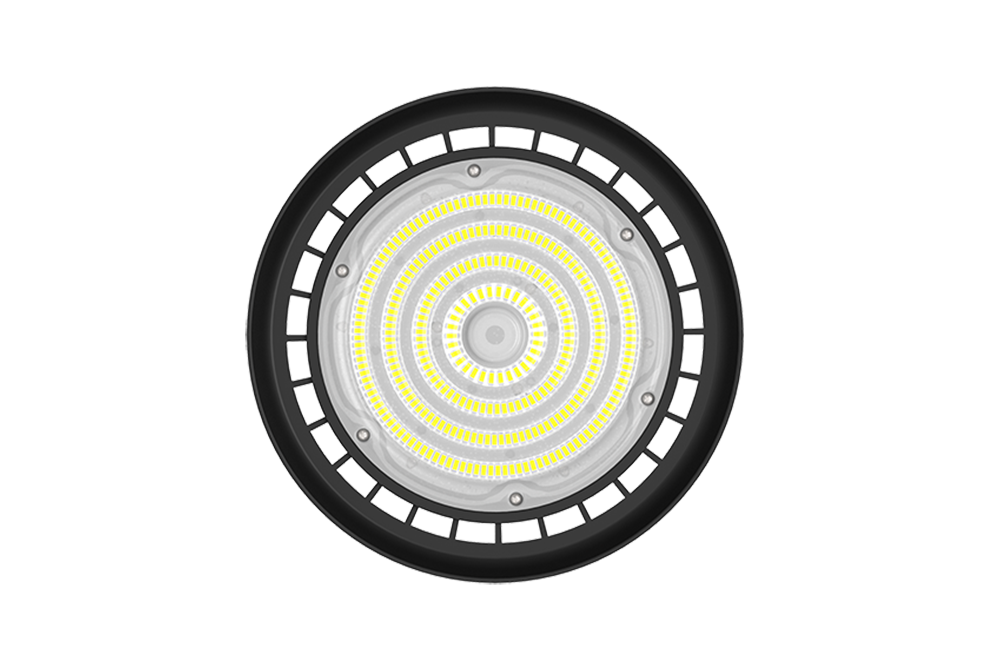
SEEKING HBF Series offers industrial LED high bay lighting with up to 200lm/W efficiency, SOSEN flicker-free driver, IP65 protection and optional microwave motion sensor. Ideal for warehouses, factories and commercial distribution projects.
The HLD Series linear high bay LED lights from SEEKING deliver up to 200 lm/W with multiple beam angles and adjustable CCT options for warehouse, workshop, corridor and general industrial lighting.
The HBK Series LED high bay light by SEEKING combines 500W power, 160–175 lm/W efficiency and IP65 durability for heavy-duty industrial lighting. Designed for warehouse, factory and production facilities with demanding ceiling heights.
LED high bay lights engineered for extreme heat and low-temperature industrial sites. SEEKING HBK Ultua Series operates from -40°C to +70°C with Nichia LEDs and Inventronics driver.
High bay LED lights built for warehouses, production plants and wholesale distribution. SEEKING HBI Series offers up to 200lm/W, IP65, IK08 and optional microwave motion sensor for energy saving operation.
loading…
This is the last post!
Discover what portable explosion proof lighting is, where it is used, and why certified hazardous-area work lights are critical for safety and compliance.
View details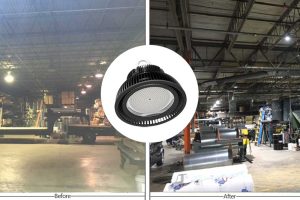
LED High Bay Replacement for 400W Metal Halide was carried out in Germany using XJ-HBG150W. This project record documents how 192 MH fixtures were replaced by 72 LED high bays through a new lighting calculation.
View details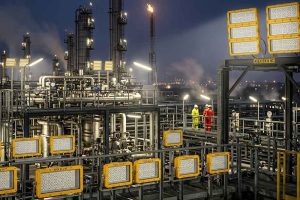
ATEX approved LED lighting supply for hazardous industries. Learn how certified lighting improves safety in oil, chemical, and marine facilities with SEEKINGLED solutions.
View details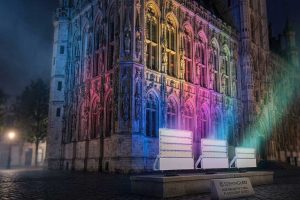
rgb led floodlight delivers flexible color-changing illumination for outdoor, architectural, and event lighting with efficient performance and precise control.
View details