 Seeking LED
what are flood lights used for?
0Learn what are flood lights used for in security, sports, warehouses, parking, and architecture. Discover how beam angle and aiming shape real lighting results.
View detailsSearch the whole station
What are hazardous light fixtures?
Hazardous light fixtures are certified lighting products specifically designed for locations where flammable gases, vapors, combustible dust, or explosive atmospheres may exist. They prevent sparks, excessive heat, and electrical faults from igniting hazardous environments while providing reliable industrial illumination.
Several years ago, during a maintenance inspection at a fuel storage terminal, I noticed that every luminaire above the loading area looked unusually heavy. Thick housings, stainless hardware, sealed cable entries—nothing resembled the standard warehouse lights installed nearby.
The maintenance supervisor smiled and said:
“Those aren’t lights. They’re safety equipment that happens to produce light.”
That sentence explains hazardous light fixtures remarkably well.
They illuminate industrial facilities.
But their primary purpose is preventing ignition.
Hazardous light fixtures are designed for areas where explosive atmospheres may exist.
These atmospheres can contain:
Conventional lighting equipment may generate:
In ordinary environments, these risks may be acceptable.
Inside a refinery or chemical plant, they are not.
Hazardous light fixtures are engineered to reduce these ignition risks.
A standard industrial LED high bay may perform perfectly inside a warehouse.
The same fixture installed above a gasoline loading station could become dangerous.
The difference lies in the environment.
Standard luminaires focus on:
Hazardous light fixtures must additionally control:
This additional engineering changes almost every component.
The housing.
The driver.
The sealing system.
The cable entries.
Even the mounting hardware.
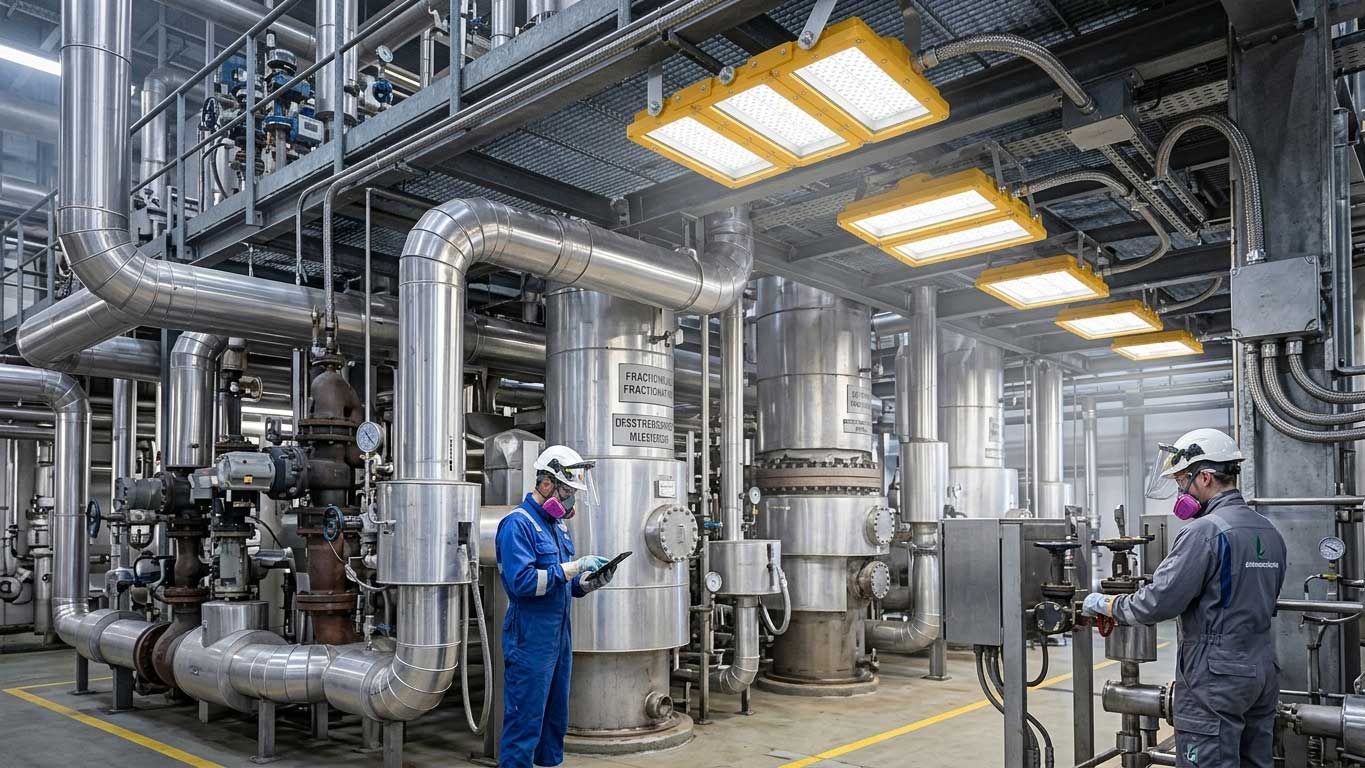
Hazardous environments appear in more industries than many people realize.
Common applications include:
The atmosphere often determines the lighting requirements.
Not the building itself.
Area classification determines which hazardous light fixtures may be installed.
| Zone | Description |
|---|---|
| Zone 0 | Explosive atmosphere continuously present |
| Zone 1 | Explosive atmosphere likely during operation |
| Zone 2 | Explosive atmosphere unlikely and temporary |
Most industrial hazardous lighting projects involve:
The higher the risk level, the stricter the certification requirements become.
Examples include:
Gas release may occur during normal operations.
Examples include:
The risk remains present but occurs less frequently.
Several certification systems govern hazardous lighting.
| Certification | Region |
|---|---|
| ATEX | European Union |
| IECEx | International |
| UL844 | North America |
| NEC Class/Division | United States |
According to the European Commission, ATEX equipment must comply with essential health and safety requirements before being sold for explosive atmospheres.
Source:
European Commission
https://single-market-economy.ec.europa.eu
The IECEx system also provides internationally recognized certification requirements.
Source:
IECEx System
https://iecex.com
Certification is not simply a label.
It represents testing, engineering evaluation, and compliance verification.
Many hazardous light fixtures carry markings such as:
Ex db IIC T6 Gb
At first glance, these codes seem intimidating.
In practice, they provide useful information.
| Marking | Meaning |
|---|---|
| Ex | Explosion protected equipment |
| db | Flameproof protection |
| IIC | Gas group |
| T6 | Maximum surface temperature |
| Gb | Equipment protection level |
These markings tell engineers exactly where the luminaire may safely operate.
One letter can determine whether a fixture is approved or rejected.
Surface temperature can ignite certain gases.
Hazardous light fixtures therefore carry temperature classifications.
| Temperature Class | Maximum Surface Temperature |
|---|---|
| T1 | 450°C |
| T2 | 300°C |
| T3 | 200°C |
| T4 | 135°C |
| T5 | 100°C |
| T6 | 85°C |
Many oil and gas facilities specify T4 or T6 equipment.
I once reviewed a project where the fixture had the proper certification but the wrong temperature class.
The entire lighting package had to be replaced.
The lesson was simple.
The full marking matters.
Twenty years ago, hazardous facilities commonly used:
Today, LED technology dominates.
According to the International Energy Agency, LED lighting remains the world’s most energy-efficient mainstream lighting technology.
Source:
International Energy Agency
https://www.iea.org
LED hazardous light fixtures offer:
In hazardous facilities, maintenance reduction often delivers greater savings than energy reduction.
Surprisingly, lumen output often appears late in the discussion.
Experienced engineers usually evaluate:
Brightness matters.
Reliability matters more.
A fixture that survives ten years offshore usually provides more value than a brighter fixture that requires replacement after three.
The least expensive product frequently becomes the most expensive over time.
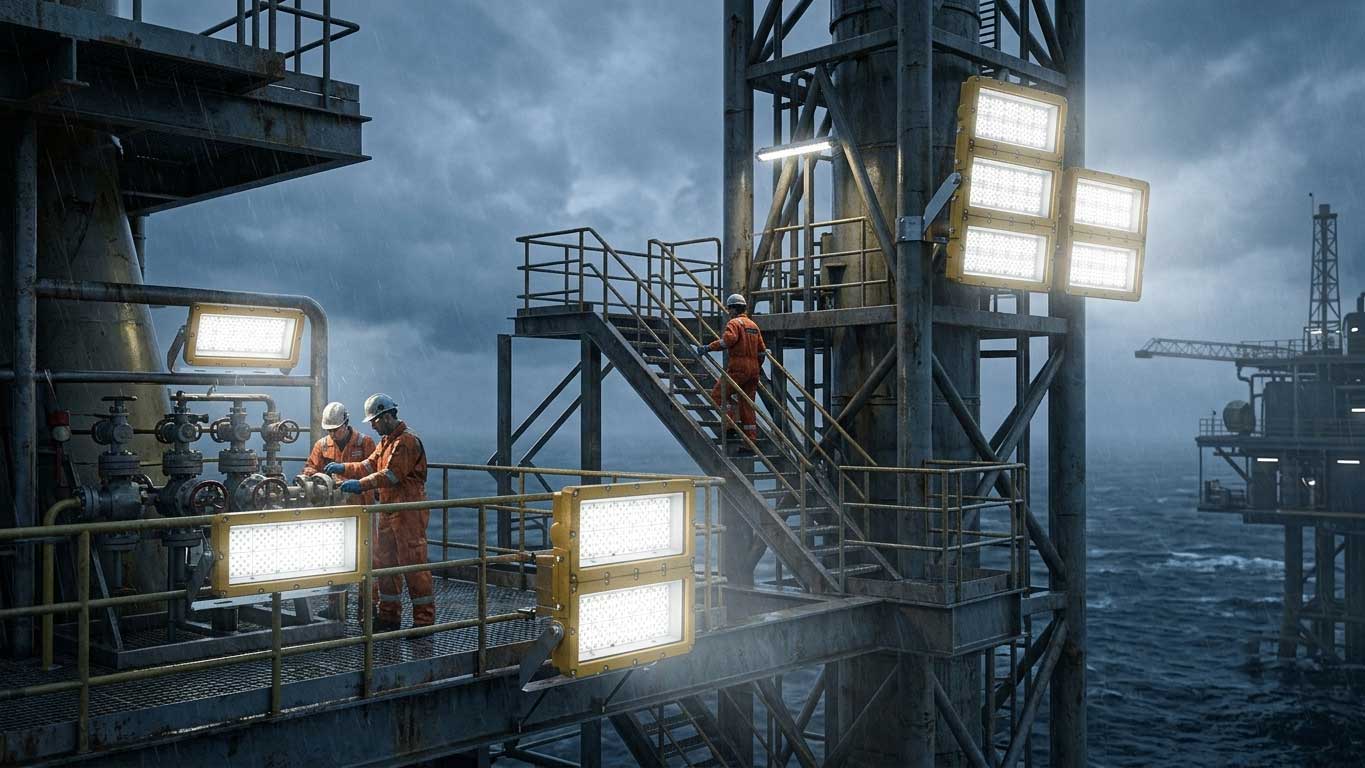
Salt spray destroys many fixtures before electronics fail.
Always request:
Higher wattage does not necessarily mean better lighting.
Optics and application matter.
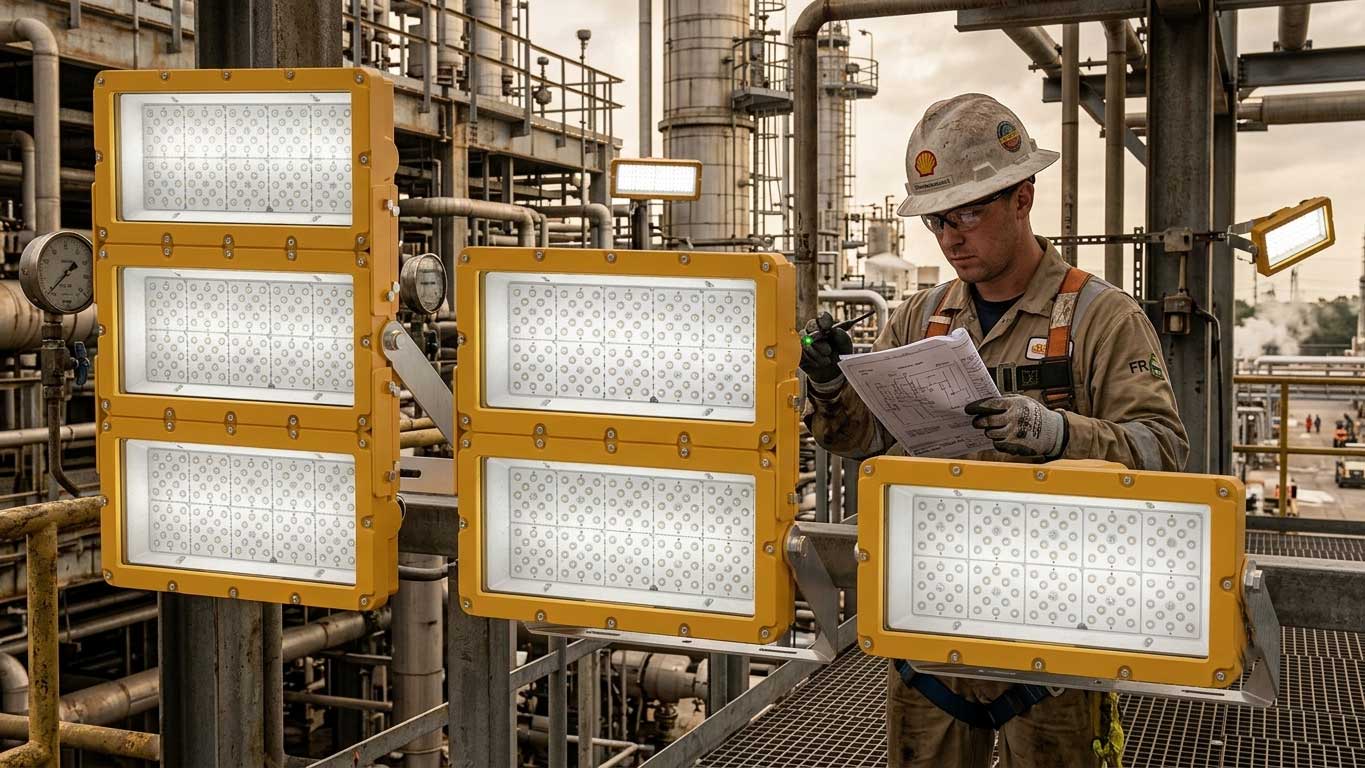
Hazardous light fixtures are certified luminaires designed for locations containing explosive gases, vapors, or combustible dust.
Many are, although several protection methods exist depending on the application and certification requirements.
They are commonly installed in refineries, chemical plants, offshore platforms, fuel terminals, and hazardous industrial areas.
No. Standard luminaires generally lack the required certifications and safety protections.
Premium hazardous light fixtures often achieve operating lives between 50,000 and 100,000 hours depending on environmental conditions.
Visit the product page:Explosion Proof Lighting
At SEEKINGLED, hazardous lighting projects are treated as safety systems rather than ordinary lighting installations.
Our engineering teams regularly evaluate:
The most successful projects rarely become memorable because of brightness.
They become memorable because nobody needs to think about the lighting again.
The fixture works.
The inspections pass.
The operation continues.
So, What are hazardous light fixtures?
They are specialized safety luminaires designed to operate where ordinary lighting cannot. Through certified construction, controlled temperatures, robust materials, and rigorous testing, hazardous light fixtures protect personnel, facilities, and industrial operations.
At SEEKINGLED, properly specified What are hazardous light fixtures solutions are not simply lighting products. They are long-term investments in safety, reliability, and operational continuity.
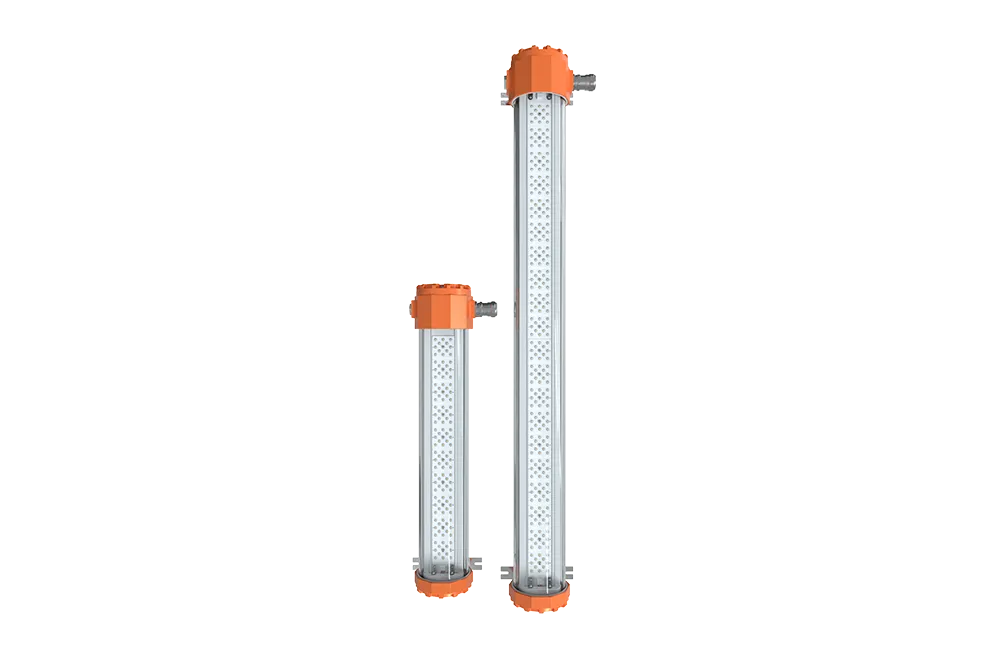
SEEKINGLED LED Linear Explosion Proof Light and Explosion Proof lighting is ATEX and IECEx certified for Zone 1, Zone 2, Zone 21 and Zone 22 hazardous locations, built for long-term industrial use.
View details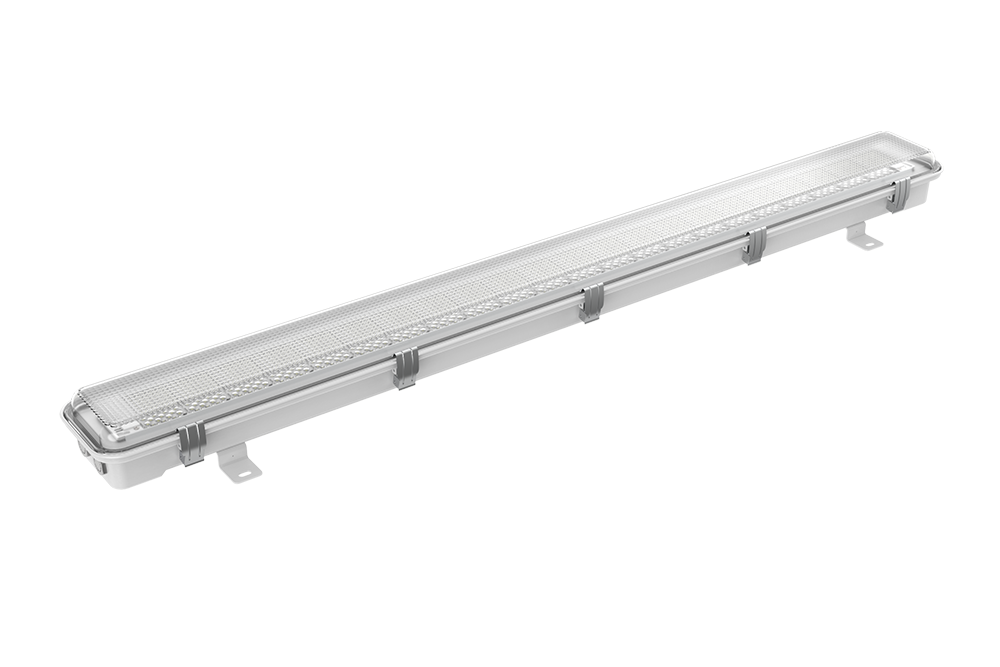
LED Linear Explosion Proof Lights and EX Proof lights for Zone 1, Zone 2, Zone 21 and Zone 22 hazardous areas. ATEX & IECEx certified explosion proof LED linear lighting with emergency function, adjustable power and IP67 protection by SEEKINGLED.
View details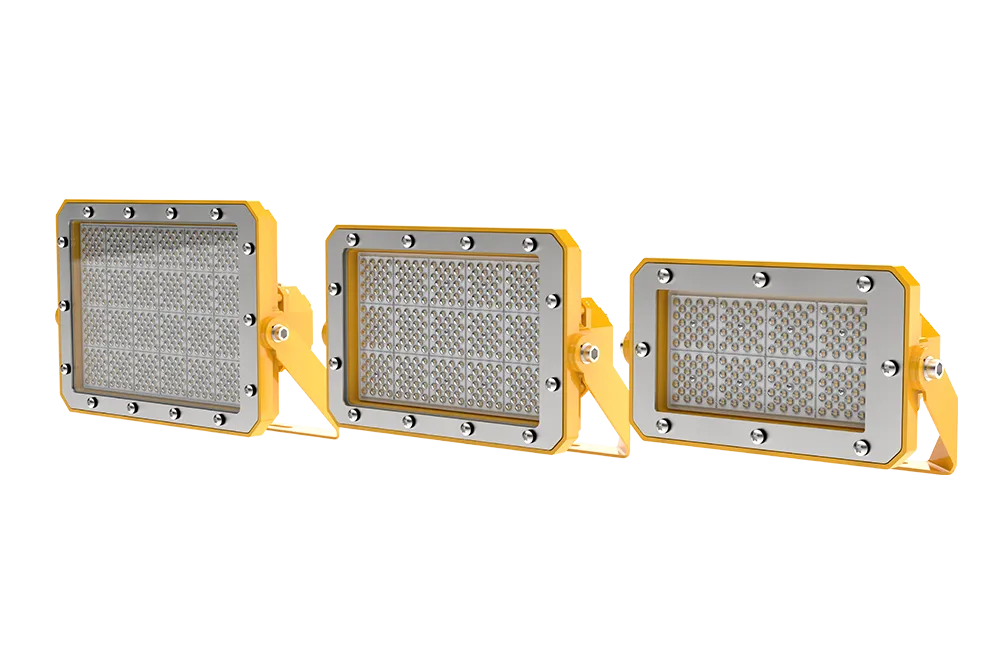
SEEKINGLED LED Explosion Proof Flood Lights are ATEX certified for Zone 2 and Zone 22 hazardous areas, offering high efficiency, adjustable power and integrated junction box.
View details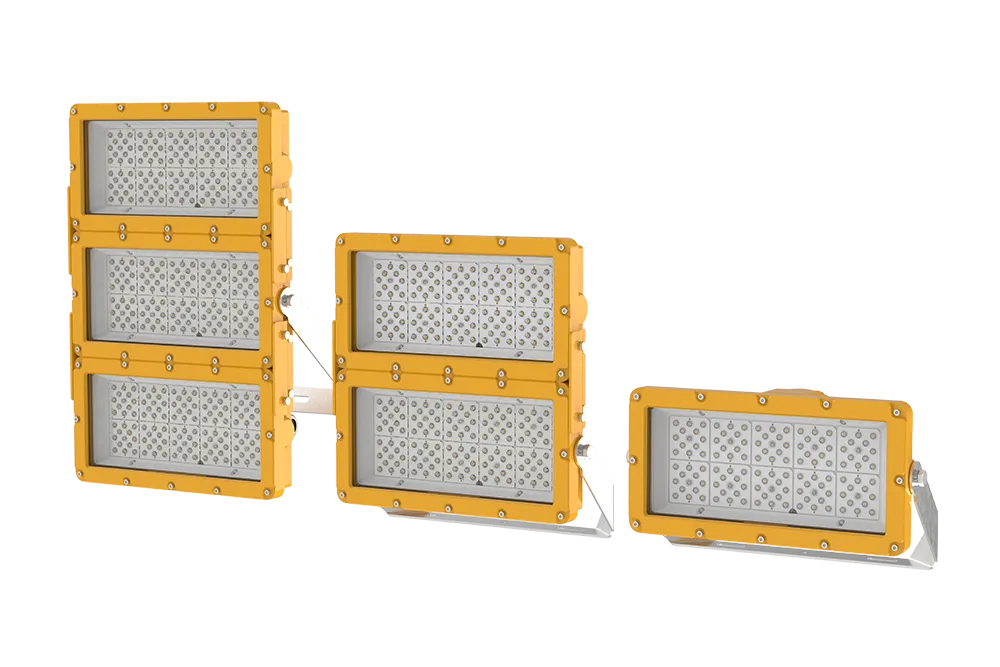
SEEKINGLED LED Explosion Proof Flood Lights are flameproof ATEX and IECEx certified for Zone 1 and Zone 2 hazardous areas, offering high power, adjustable output and long service life.
View details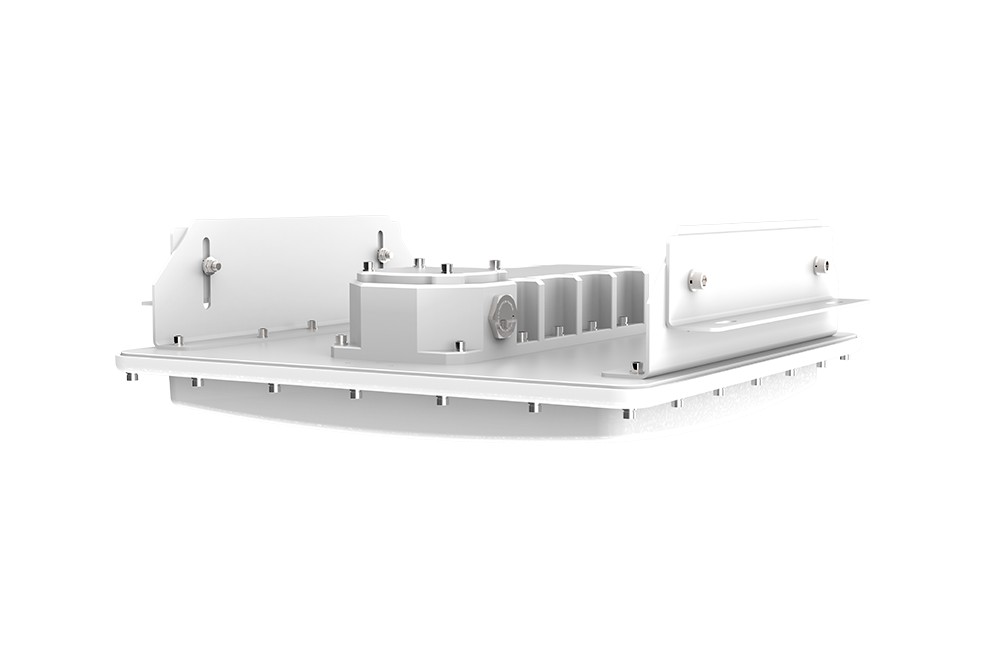
SEEKINGLED LED Gas Station Canopy Lights are ATEX certified for Zone 2 and Zone 22 hazardous areas, featuring adjustable power and built-in explosion-proof junction box.
View details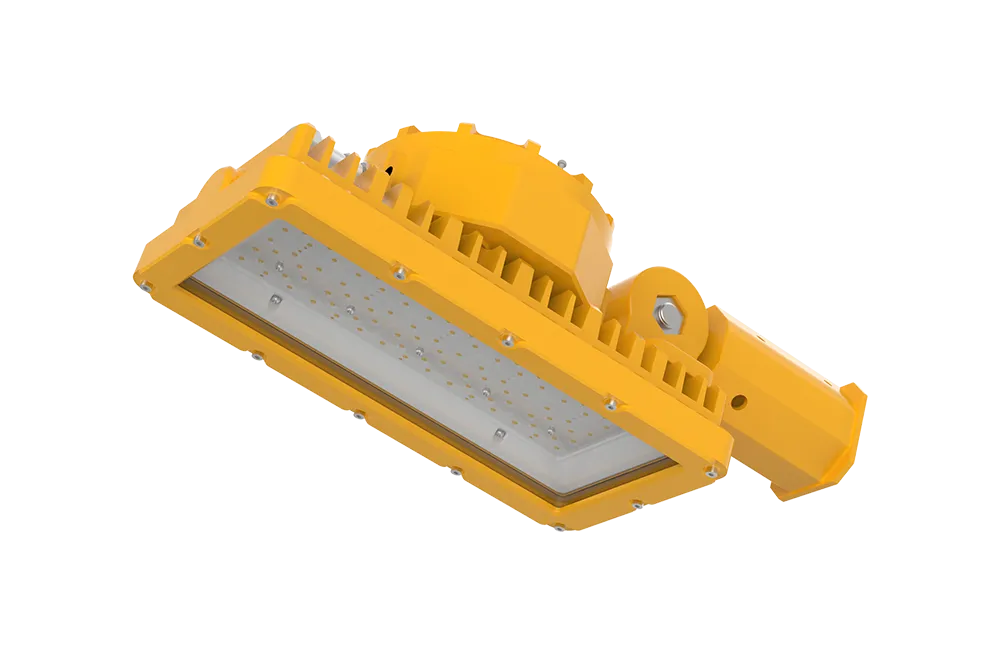
ATEX: Ex II 2G Ex db IIB T6/T5 GbEx II 2D Ex tb IIIC T80°C/ T95°C Db IECEx Ex db IIB T6 Gb;Ex tb IIIC T80°C Db Feature: ● For Zone 1,2 and Zone 21,22● Flameproof type, the strongest● 100W can replace 250W HID,energy saving● Power:60W,80W,100W Application: Oil and gas, marine, Chemical, pharmaceutical, semiconductor,mining,military industr…
View details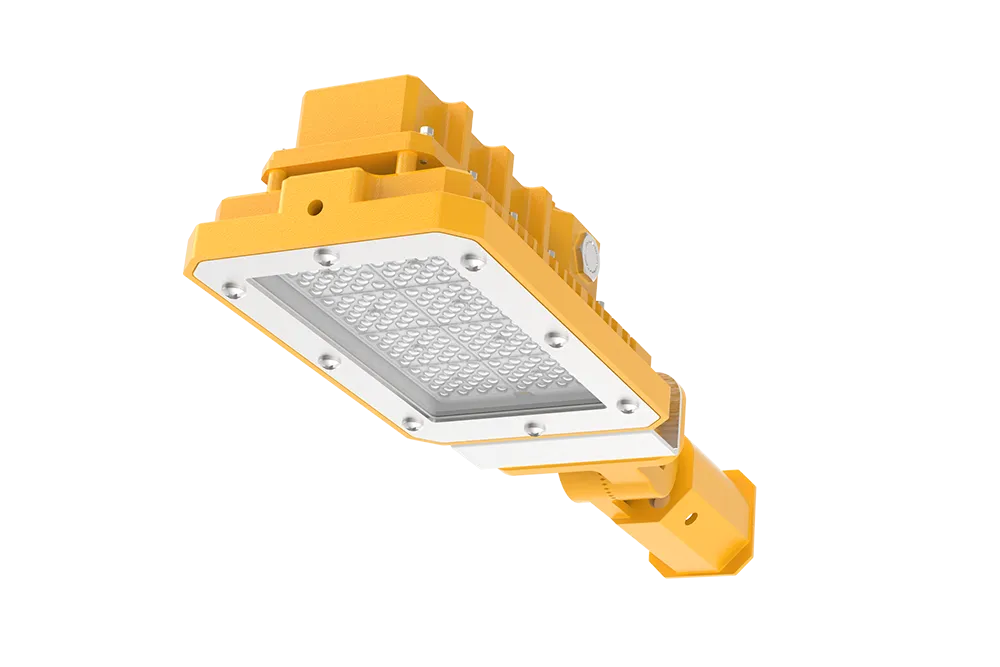
ATEX: II 3G Ex nR ⅡC T5/T6 GcII 3D Ex tc ⅢC T80℃/T95℃Dc ATEX Certificate NO: TÜV CY 26 ATEX 0207611 X Feature: ● For Zone 2 and Zone 22● 150W can replace 250W HID lamps,Energy saving● Power:50W,75W,100W,150W,200W Application: Oil and gas, marine, Chemical, pharmaceutical, semiconductor,mining,military industry, paint booth,power plant ETC…
View details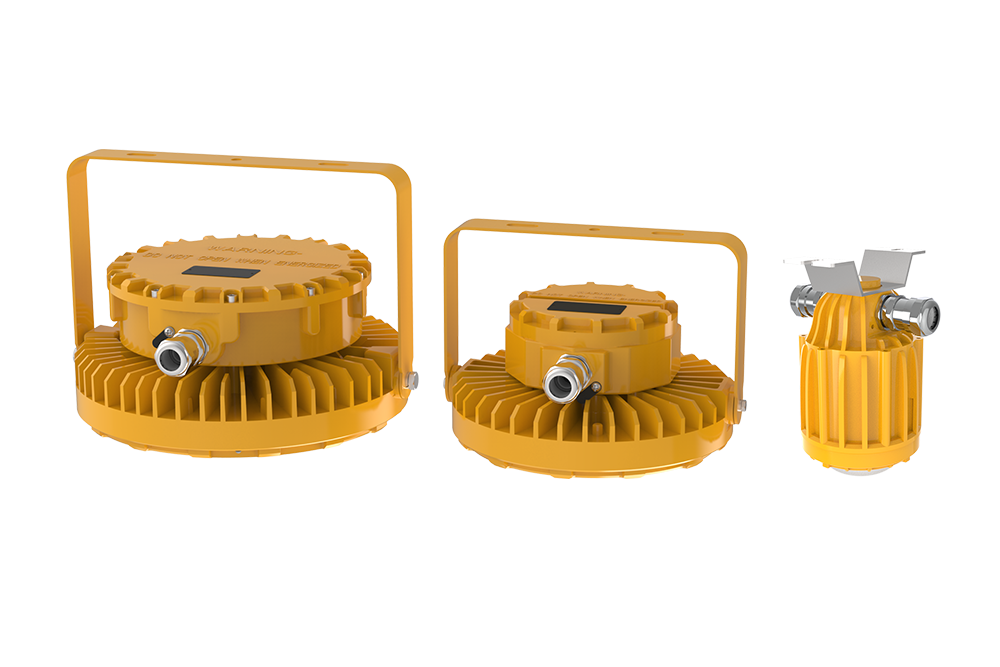
LED explosion proof high bay lights are designed for Zone 1, Zone 2, Zone 21 and Zone 22 hazardous areas. This page introduces the HB21 Series from SEEKING, including certifications, power options and real application considerations.
View details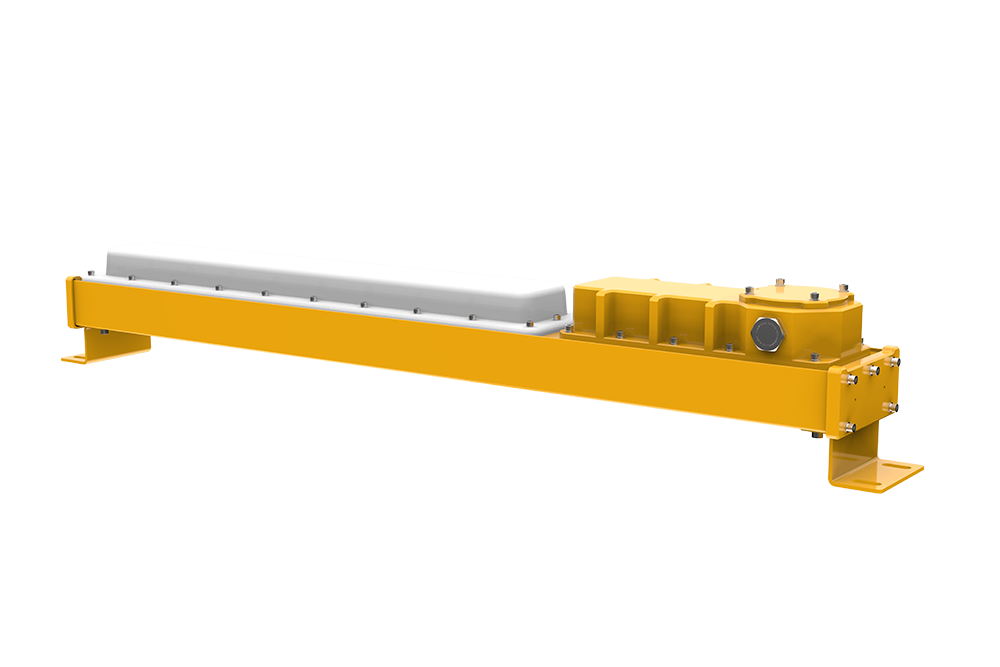
LED Linear Explosion Proof Lights from SEEKINGLED. LU Series Flame Proof lights ATEX-certified explosion proof LED linear lighting for Zone 2 gas and Zone 22 dust areas, IP69K, IK10, long lifetime and flexible power options.
View details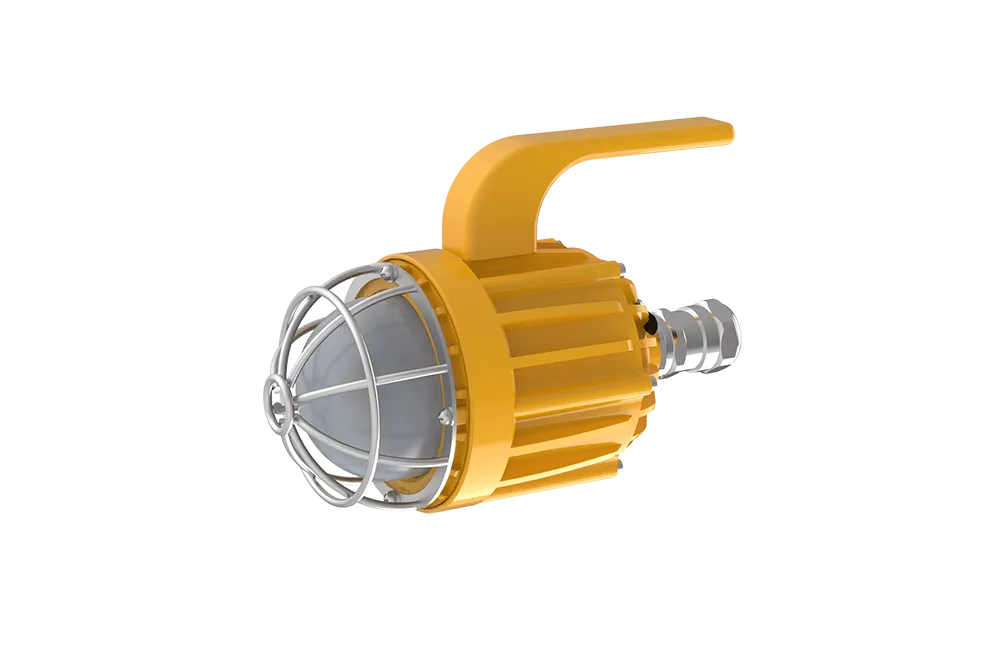
Certified explosion proof work lights for Zone 1 & 21 hazardous areas. Portable, ATEX & IECEx approved, built for oil, gas and chemical plants by SEEKINGLED.
View details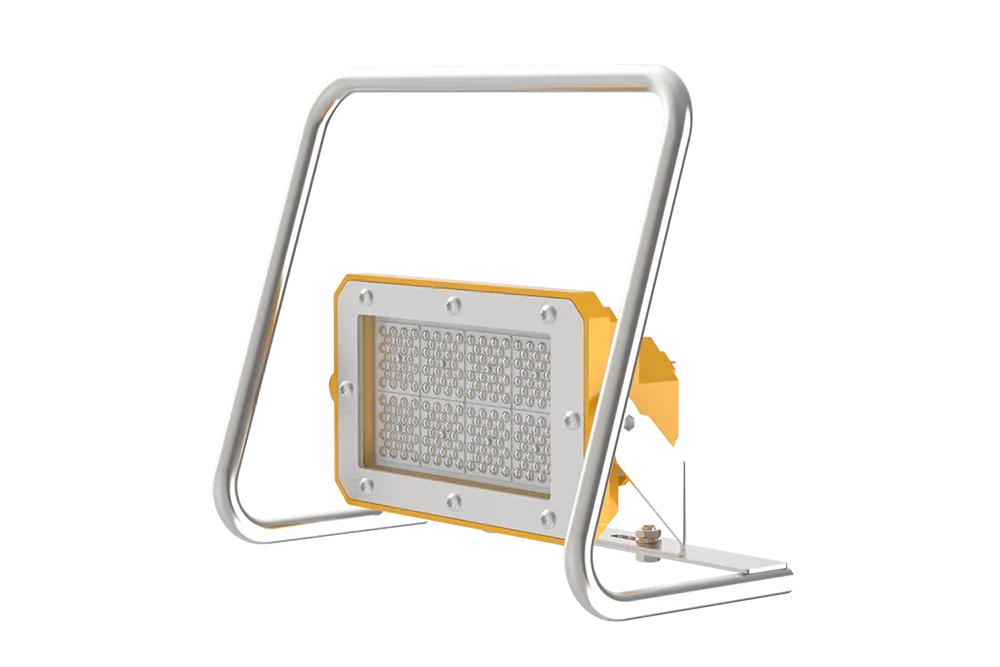
ATEX: II 3G Ex nR ⅡC T6 GcII 3D Ex tc ⅢC T80℃ Dc ATEX Certificate NO: TÜV CY 26 ATEX 0207611 X Feature: ● For Zone 2 and Zone 22● Accepts battery-powered supply● indestructible● Power:AC input:50W,75W,100WDC input:15W,25W,35W Application: Oil and gas, marine, Chemical, pharmaceutical, semiconductor,mining,military industry, paint booth,po…
View details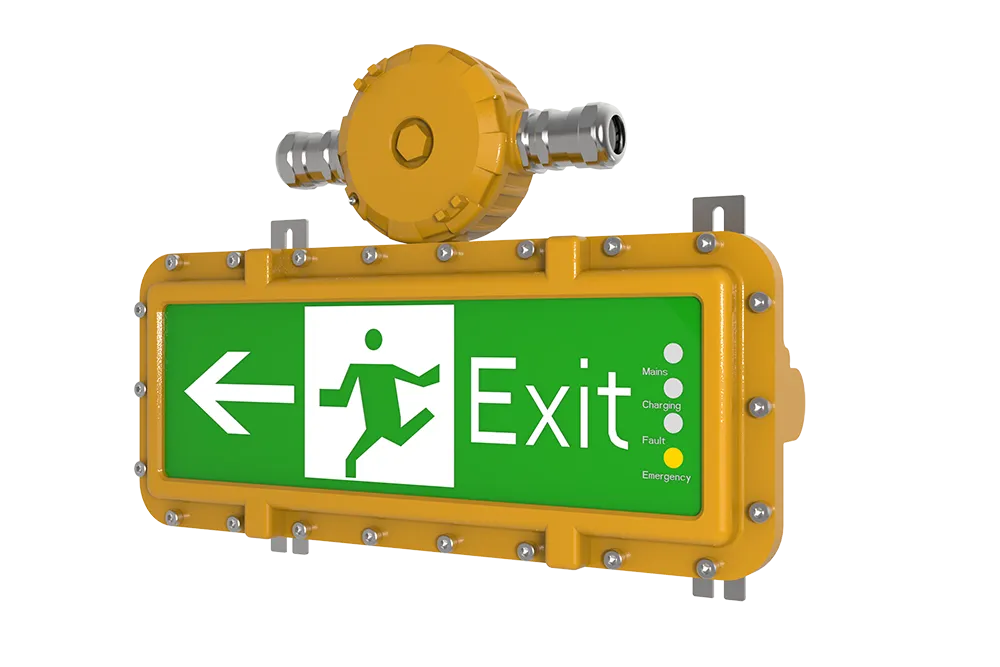
ATEX: Ex II 2G Ex db IIB T6 GbEx II 2D Ex tb IIIC T80°C Db IECEx Ex db IIB T6 Gb;Ex tb IIIC T80°C Db Feature: ● For Zone 1,2 and Zone 21,22● Flameproof type, the strongest Application: Oil and gas, marine, Chemical, pharmaceutical, semiconductor,mining,military industry, paint booth,power plant ETC hazardous area. Technical Specifications:…
View details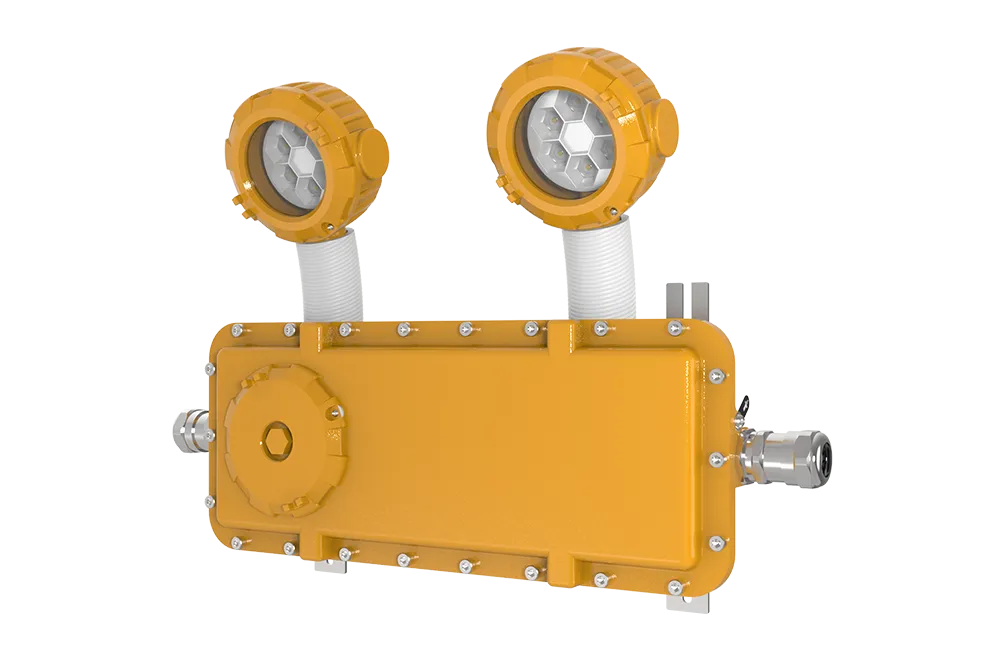
ATEX: Ex II 2G Ex db IIB T6 GbEx II 2D Ex tb IIIC T80°C Db IECEx Ex db IIB T6 Gb;Ex tb IIIC T80°C Db Feature: ● For Zone 1,2 and Zone 21,22● Flameproof type, the strongest Application: Oil and gas, marine, Chemical, pharmaceutical, semiconductor,mining,military industry, paint booth,power plant ETC hazardous area. Technical Specifications:…
View details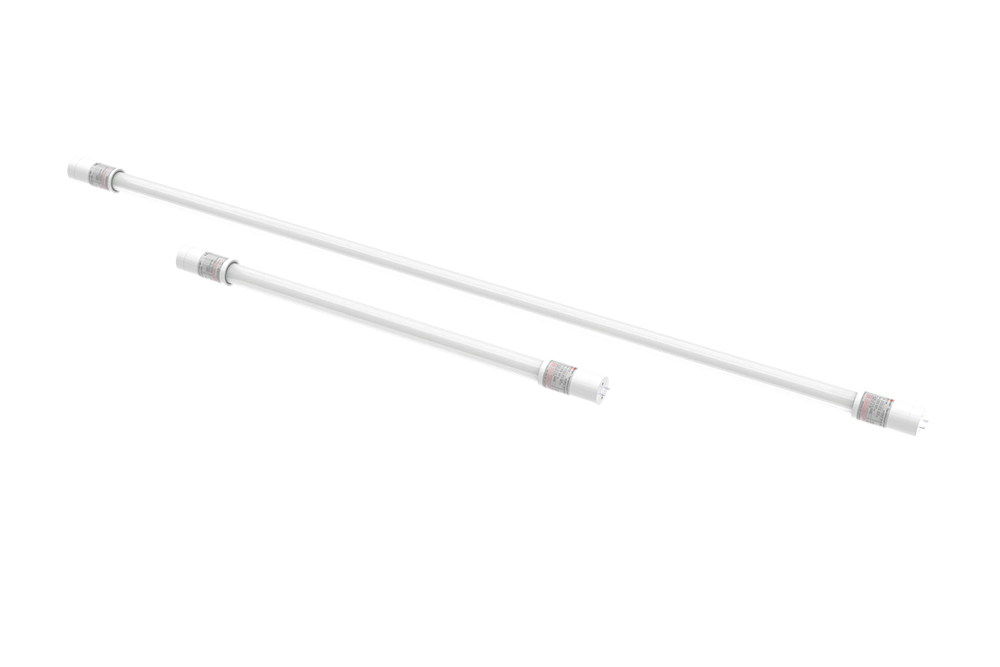
ATEX: Ex II 2G Ex d e IIB T6 Gb ATEX: Ex d e IIB T6 Gb; Feature: ● For Zone 1,2● 9W can replace 18W fluorescent lamps,50% Energy saving Application: Oil and gas, marine, Chemical, pharmaceutical, semiconductor,mining,military industry, paint booth,power plant ETC hazardous area. Technical Specifications: Standards:60079-0, 60079-1, 60079…
View details
Learn what are flood lights used for in security, sports, warehouses, parking, and architecture. Discover how beam angle and aiming shape real lighting results.
View details
How to replace LED flood light bulb safely outdoors. Practical steps, common mistakes, and when replacement is not possible. By SEEKINGLED.
View details
Do LED lights get hot? Learn how much heat LED lights produce, where the heat goes, and whether LED lights are safe to touch in home and commercial lighting applications.
View details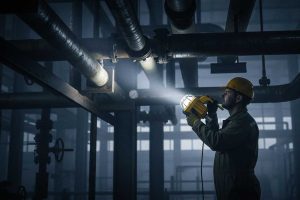
What is an explosion-proof LED work light? Learn how it works, where it is used, and why certified explosion-proof LED work lights are critical for hazardous environments.
View details