 Seeking LED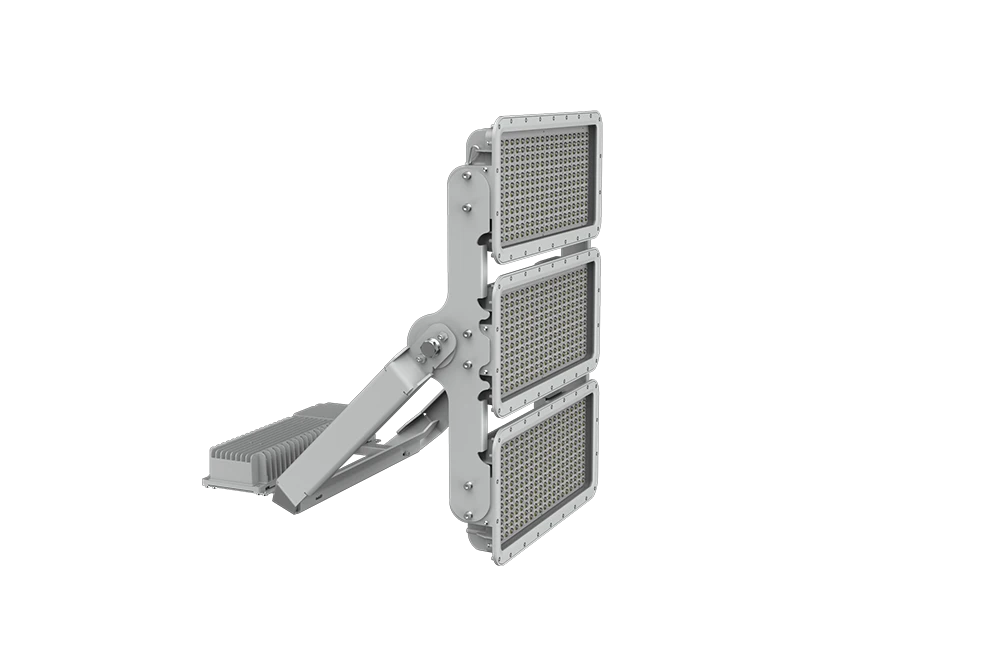
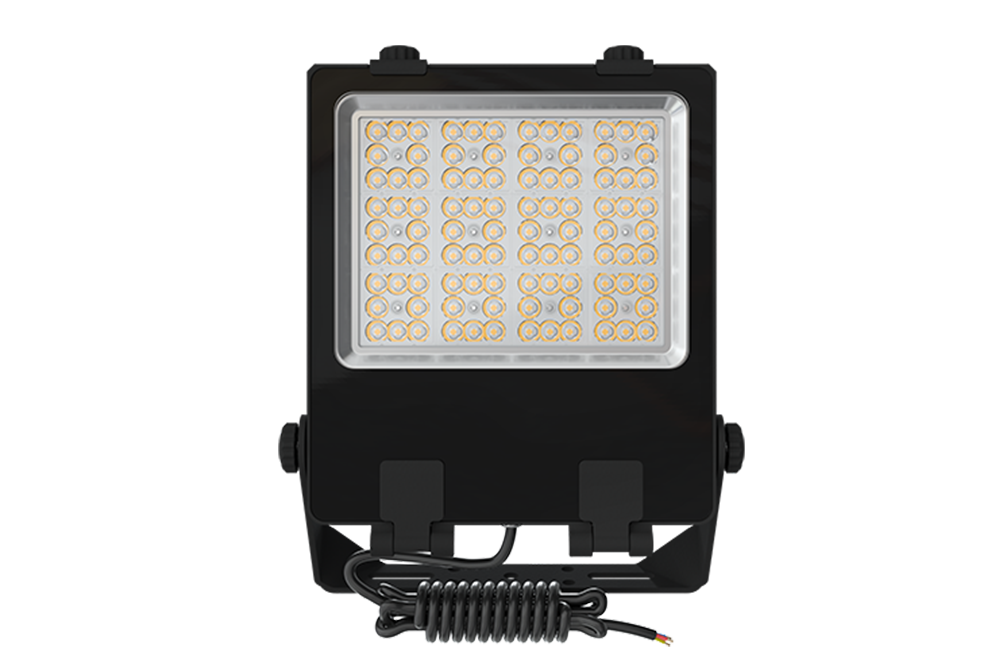
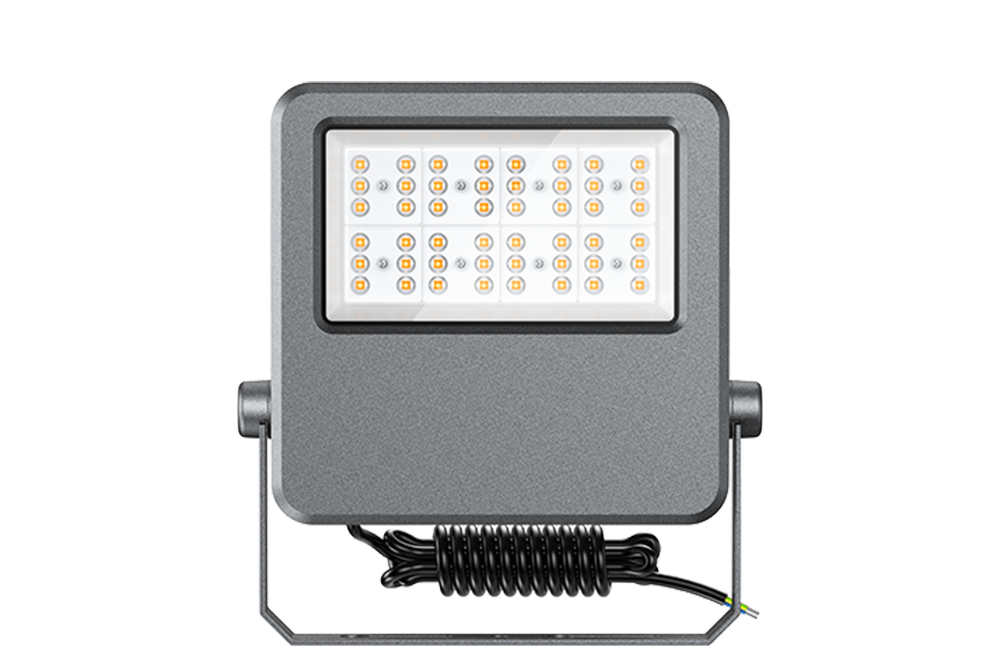
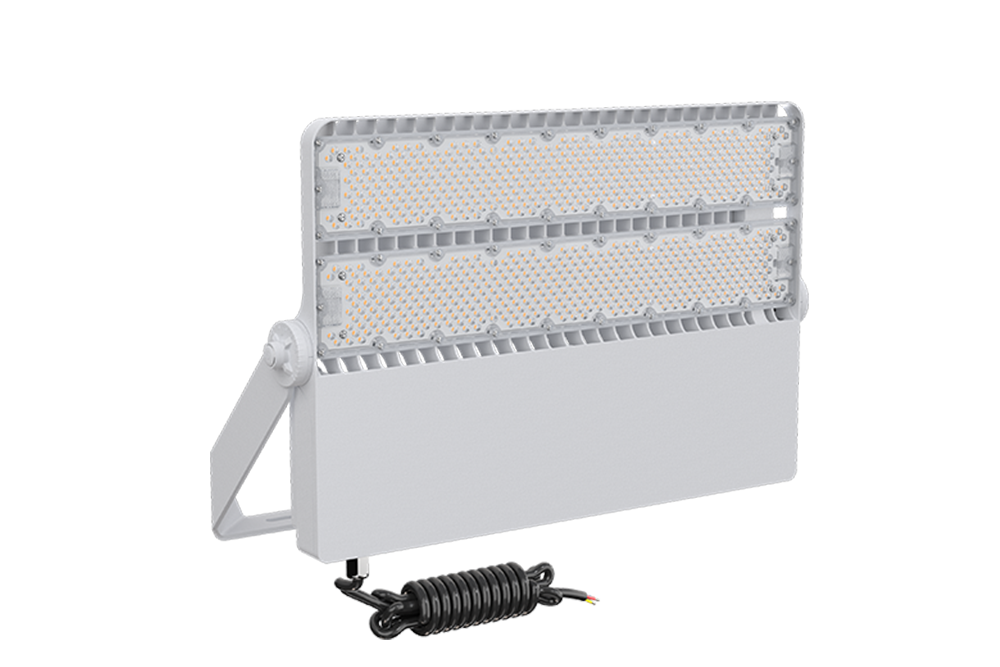
How to Make LED Street Light?
268How to make LED street light from components to finished fixture. A realistic breakdown of LED street light manufacturing, design choices, and common misconceptions.
View detailsSearch the whole station
how to install flood lights?
To install flood lights, mount the fixture securely, connect wiring to a suitable power source, seal all joints against moisture, and test alignment—ensuring proper grounding and compliance with electrical safety standards.
That’s the straightforward answer.
But in real projects—especially outdoors—the difference between a “working light” and a reliable installation often comes down to small details: sealing, angle, and wiring discipline.
Flood lights are rarely just “lighting.” They are used for:
From field experience, poor placement—not poor product—causes most complaints.
Typical LED flood lights operate on:
According to the U.S. Department of Energy (energy.gov), LEDs use at least 75% less energy than incandescent lighting, but improper installation can negate efficiency gains.
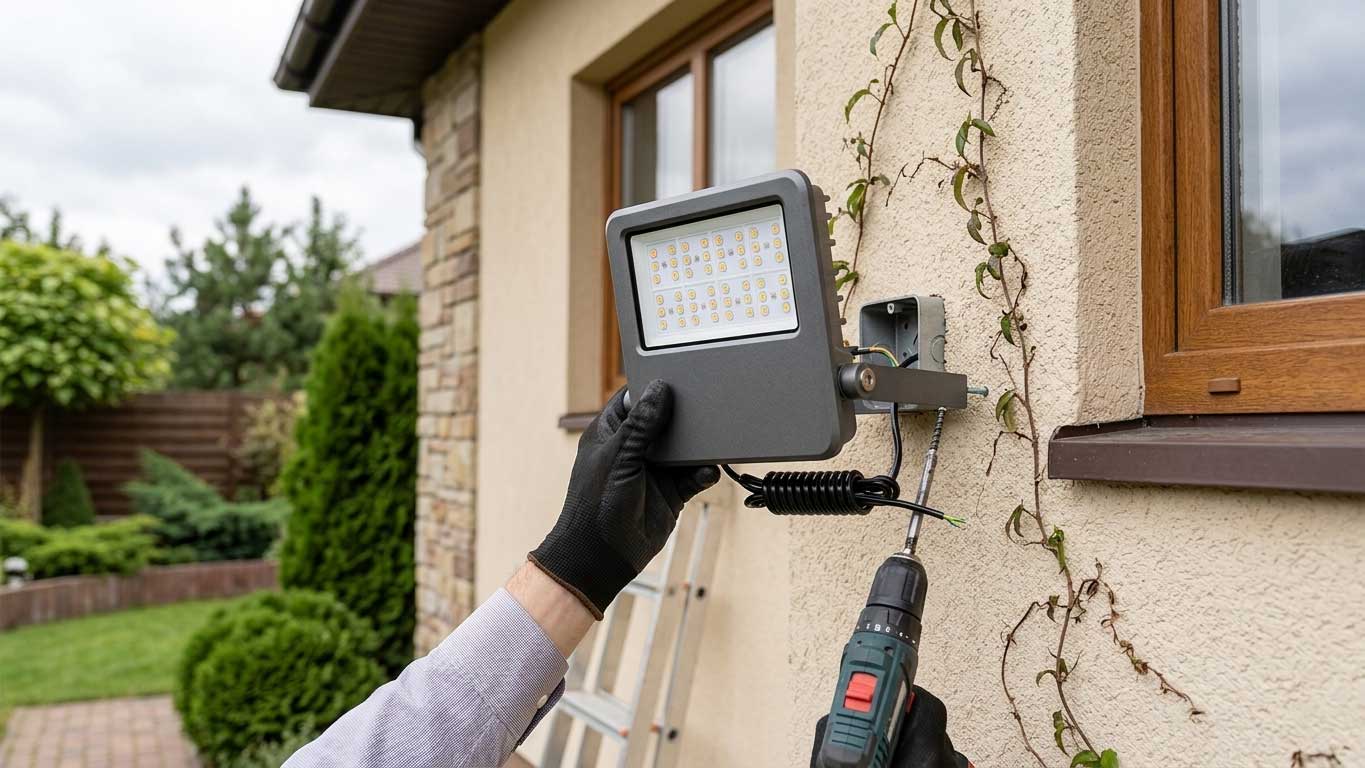
Always:
This isn’t optional. It’s basic safety.
Tip from site work:
If the wall vibrates (common in industrial settings), use anti-loosening washers.
Standard wiring:
Key detail often missed:
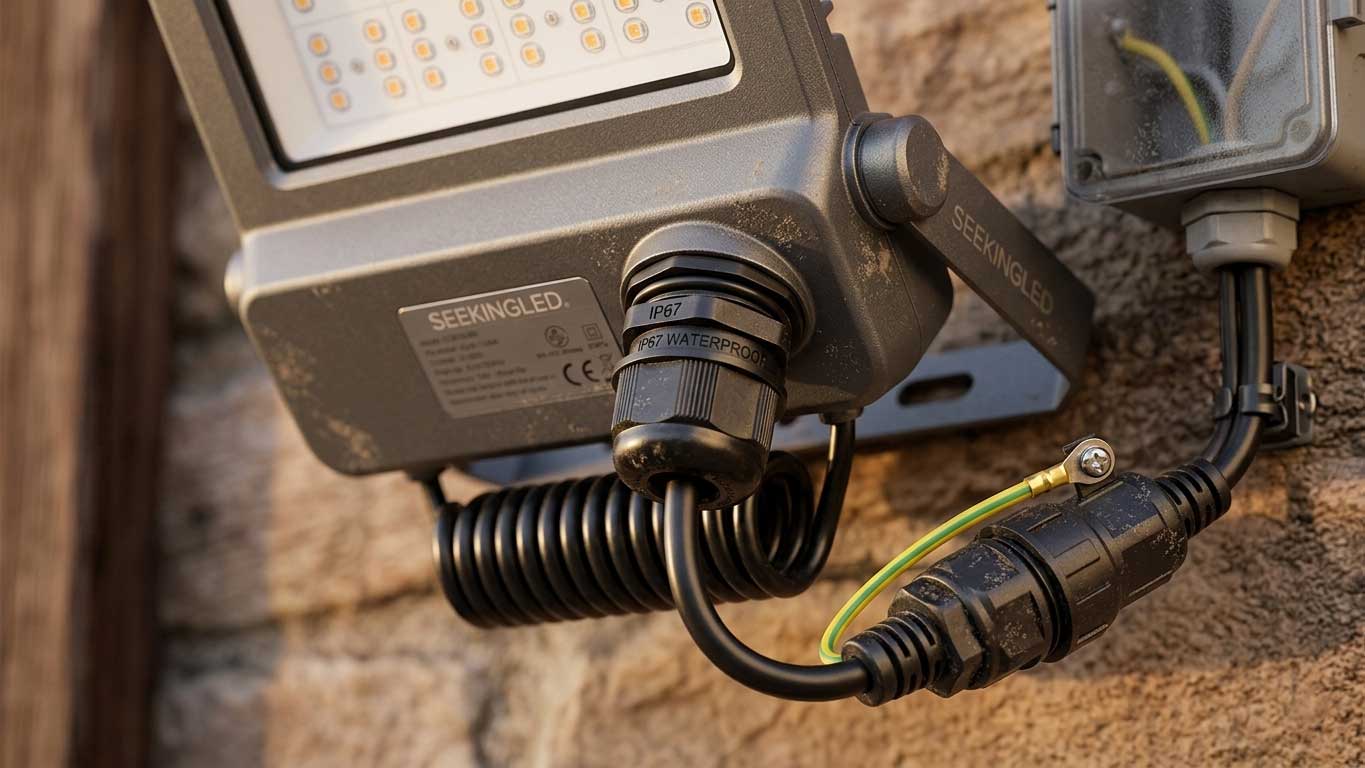
Outdoor installations require:
From experience:
Unsealed joints are the #1 cause of early failure—not the LED itself.
Too high:
Too low:
Recommended:
Even IP65 fixtures fail if:
LED lifespan depends on heat control.
The DOE notes LED lifespan can exceed 50,000 hours, but overheating reduces this significantly.
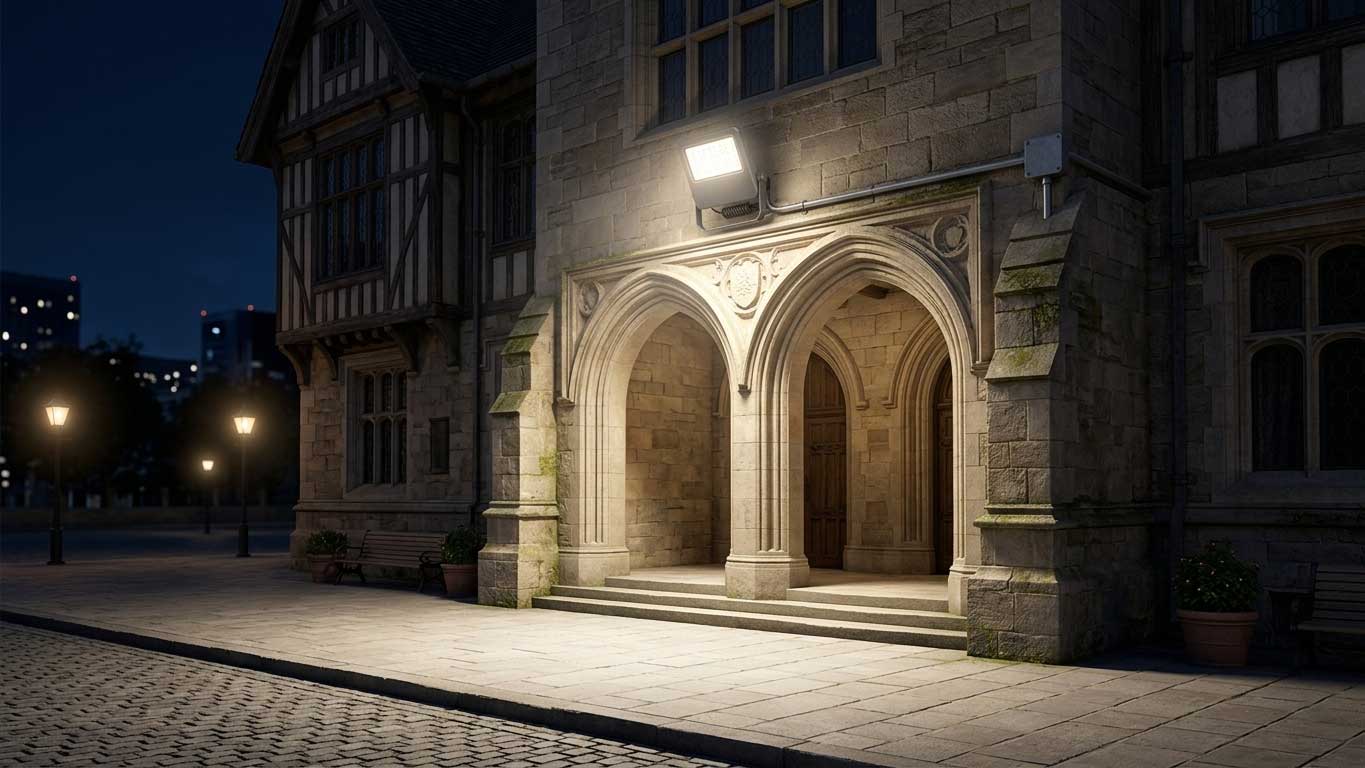
| Item | Check |
|---|---|
| Power off | ✔ |
| Secure mounting | ✔ |
| Correct wiring | ✔ |
| Waterproof sealing | ✔ |
| Proper angle | ✔ |
In one warehouse project:
Across multiple outdoor installs:
Users perceive lighting quality based on:
Not raw brightness.
Yes, for simple setups. For high-voltage or industrial use, professional installation is recommended.
Typically 3–6 meters, depending on coverage needs.
Yes. Proper grounding is essential for safety.
This guide is based on hands-on experience with:
In practice:
More than half of installation issues were traced to wiring and sealing—not the lighting product itself.
Understanding how to install flood lights isn’t about following steps mechanically.
It’s about execution quality:
Because once installed correctly, flood lights should disappear into the background—quietly doing their job for years.

How to make LED street light from components to finished fixture. A realistic breakdown of LED street light manufacturing, design choices, and common misconceptions.
View details
SEEKINGLED delivers a high-efficiency linear high bay lighting solution for South Africa’s first Walmart-branded store, achieving low glare, high lux levels, and 65% energy savings.
View details
Discover what are the main certification standards for explosion proof lights, including ATEX, IECEx, UL844, and NEC Class/Division. Ensure safety and compliance worldwide.
View details
How Bright Is 10W LED Flood Light? Learn lumen output, coverage, and real use cases. Discover if a 10W LED flood light is enough for your space.
View details