 Seeking LED
Can I Convert a Street Light to LED?
229Can I convert a street light to LED? A practical explanation of when conversion works, when it doesn’t, costs involved, and real-world considerations.
View detailsSearch the whole station
What Is ATEX Hazardous Lighting? ATEX hazardous lighting is specially certified lighting equipment designed for areas where flammable gases, vapors, mists, or combustible dust may create explosive atmospheres. These luminaires prevent ignition while providing reliable illumination in hazardous industrial environments.
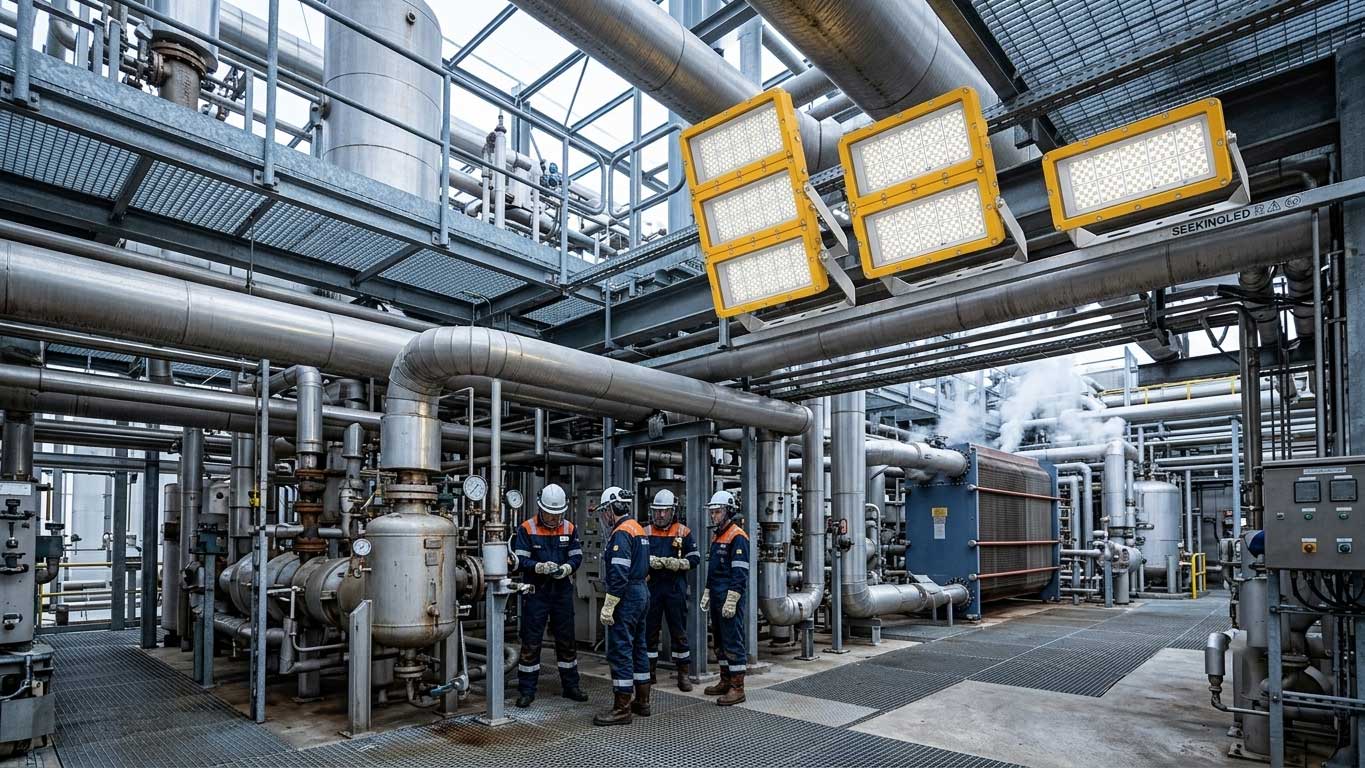
Several years ago, during a nighttime inspection at a coastal fuel terminal, the lighting immediately stood out.
The fixtures looked oversized.
The cast aluminum housings were thicker than ordinary industrial lights.
Every cable gland appeared heavily sealed.
The maintenance manager noticed me looking upward and said:
“Those fixtures aren’t purchased because they’re bright. They’re purchased because nobody wants to see what happens if they fail.”
That conversation explains ATEX hazardous lighting remarkably well.
The goal is not simply illumination.
The goal is preventing ignition.
ATEX comes from the French phrase:
ATmosphères EXplosibles
The ATEX framework governs equipment intended for potentially explosive atmospheres within the European Union.
The primary legislation is:
According to the European Commission, ATEX equipment must satisfy essential health and safety requirements before entering the market.
Source:
European Commission
https://single-market-economy.ec.europa.eu
ATEX certification applies to equipment operating in areas containing:
Lighting is one category of this equipment.
An explosion requires three elements:
Industrial facilities cannot always eliminate fuel.
Gas remains present.
Hydrocarbons remain present.
Dust remains present.
The practical approach is controlling ignition sources.
Lighting equipment may potentially generate:
ATEX hazardous lighting reduces these risks.
That is its primary function.
Many people assume ATEX lighting only appears inside refineries.
The reality is broader.
The atmosphere determines the lighting requirements.
Not the building itself.
ATEX hazardous lighting is selected according to area classification.
| Zone | Description |
|---|---|
| Zone 0 | Explosive atmosphere continuously present |
| Zone 1 | Explosive atmosphere likely during operation |
| Zone 2 | Explosive atmosphere unlikely and temporary |
Most lighting projects involve:
The classification determines:
Choosing the wrong zone rating can result in equipment rejection during inspection.
Most ATEX luminaires carry markings similar to:
Ex db IIC T6 Gb
Although these codes appear complicated, they contain essential information.
| Marking | Meaning |
|---|---|
| Ex | Explosion protected equipment |
| db | Flameproof protection |
| IIC | Gas group |
| T6 | Temperature class |
| Gb | Equipment protection level |
Every letter matters.
One incorrect marking may make the fixture unsuitable for the application.
Surface temperature can ignite gases.
ATEX therefore limits maximum surface temperatures.
| Class | Maximum Temperature |
|---|---|
| T1 | 450°C |
| T2 | 300°C |
| T3 | 200°C |
| T4 | 135°C |
| T5 | 100°C |
| T6 | 85°C |
Many oil and gas facilities specify:
Several years ago, I reviewed a lighting schedule for a tank farm project.
The fixtures had valid certification.
The temperature class was incorrect.
The entire order had to be replaced.
That experience changed how I read product markings.
Traditional hazardous lighting once relied on:
Today, LED technology dominates.
According to the International Energy Agency, LED lighting remains the world’s most efficient mainstream lighting technology.
Source:
International Energy Agency
https://www.iea.org
Modern ATEX LED lighting offers:
Maintenance reduction is particularly valuable.
Every maintenance intervention may require:
Less maintenance often means lower operational risk.
Brightness rarely becomes the first discussion.
Experienced engineers usually evaluate:
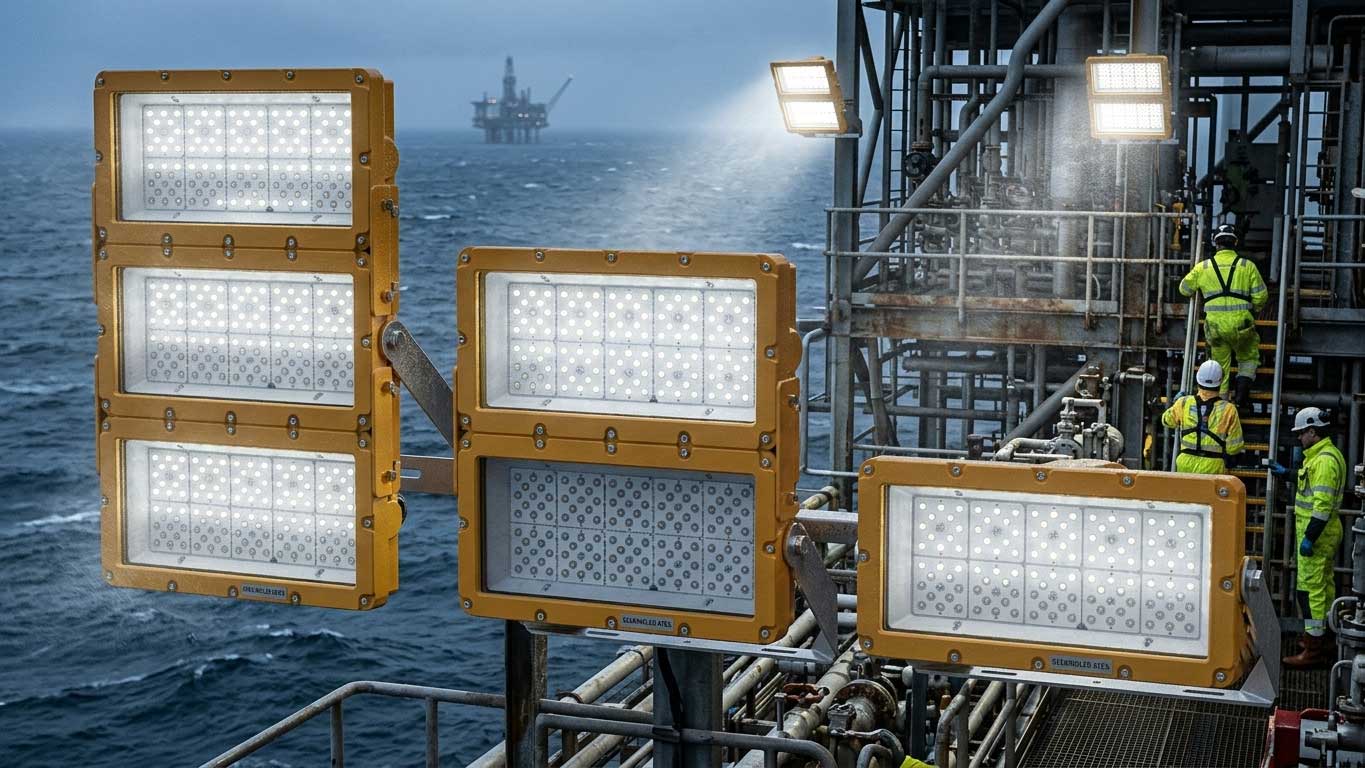
An offshore engineer once told me:
“The brightest fixture isn’t always the best fixture. The best fixture is the one nobody has to replace.”
That philosophy appears repeatedly in hazardous facilities.
Low initial cost may lead to higher maintenance expenses.
Salt spray destroys many fixtures before LEDs fail.
Certification alone does not guarantee suitability.
Optics and application often matter more than raw lumen output.
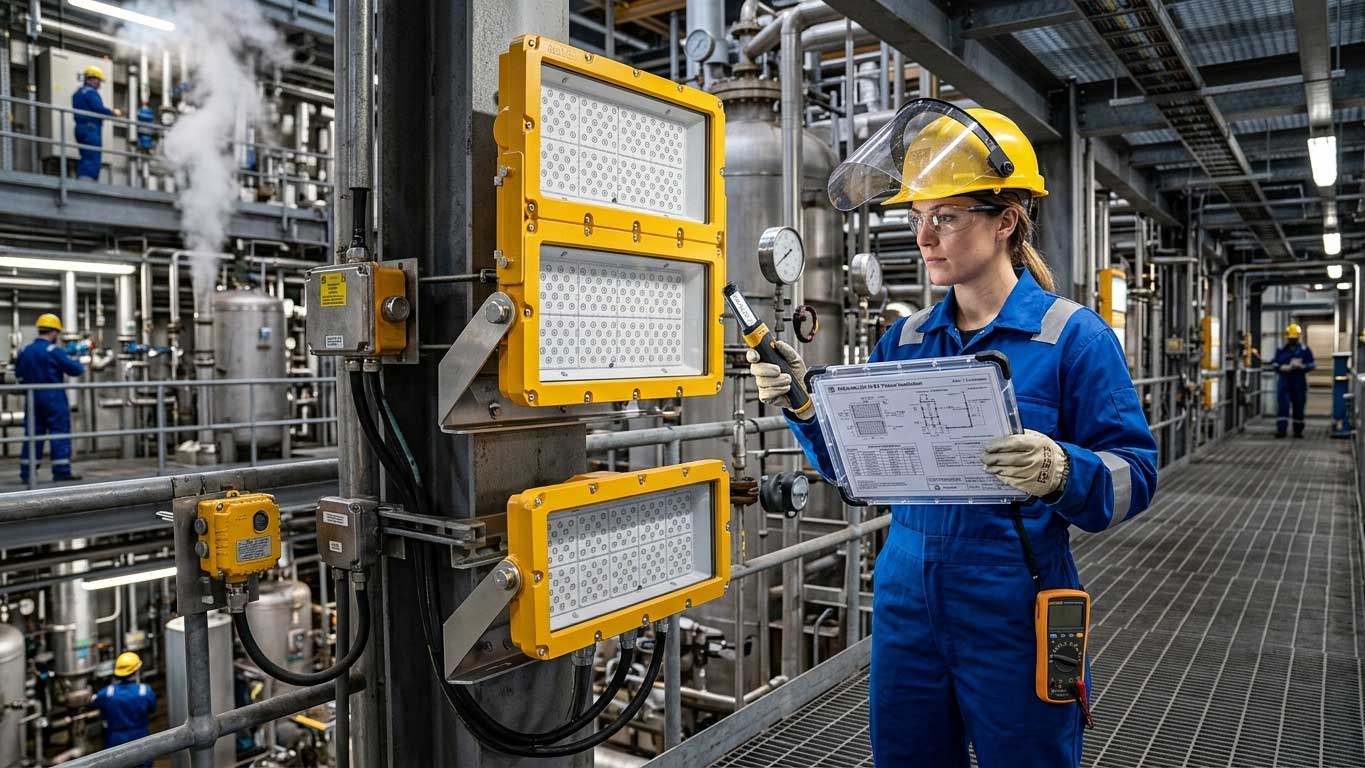
Always request:
ATEX hazardous lighting is certified lighting equipment designed for explosive atmospheres where flammable gases, vapors, or dust may exist.
No. ATEX is a certification system, while explosion-proof protection is one type of protection method.
ATEX lighting is commonly used in refineries, chemical plants, offshore platforms, LNG facilities, and hazardous industrial areas.
Ex indicates equipment intended for explosive atmospheres.
No. Standard industrial luminaires generally lack the required certifications and protection systems.
Visit the product page:ATEX Hazardous Explosion Proof Lighting
At SEEKINGLED, hazardous lighting projects are approached as safety systems rather than standard lighting installations.
Our engineering teams evaluate:
The most successful installations rarely attract attention.
The fixtures continue operating.
The inspections pass.
The maintenance intervals remain long.
That reliability ultimately defines successful ATEX lighting.
So, What Is ATEX Hazardous Lighting?
It is specialized lighting equipment designed to prevent ignition in hazardous environments where explosive atmospheres may exist. Through certification, controlled temperatures, robust construction, and proven engineering, ATEX hazardous lighting protects industrial facilities, personnel, and operations every day.
For refineries, chemical plants, offshore platforms, and fuel terminals, properly selected What Is ATEX Hazardous Lighting solutions provide far more than illumination. They deliver safety, compliance, and long-term reliability.
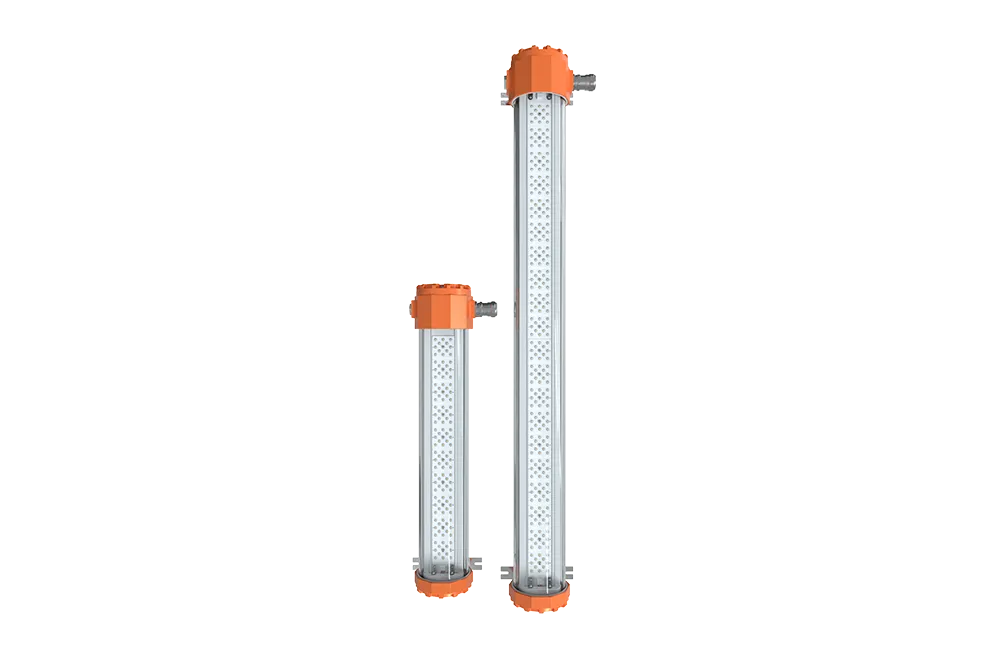
SEEKINGLED LED Linear Explosion Proof Light and Explosion Proof lighting is ATEX and IECEx certified for Zone 1, Zone 2, Zone 21 and Zone 22 hazardous locations, built for long-term industrial use.
View details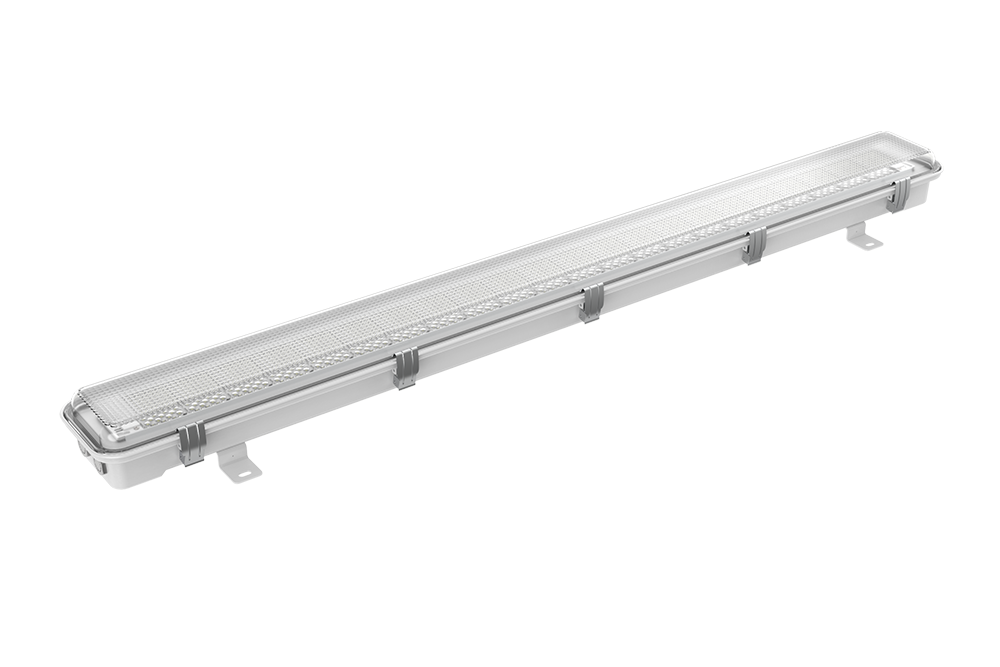
LED Linear Explosion Proof Lights and EX Proof lights for Zone 1, Zone 2, Zone 21 and Zone 22 hazardous areas. ATEX & IECEx certified explosion proof LED linear lighting with emergency function, adjustable power and IP67 protection by SEEKINGLED.
View details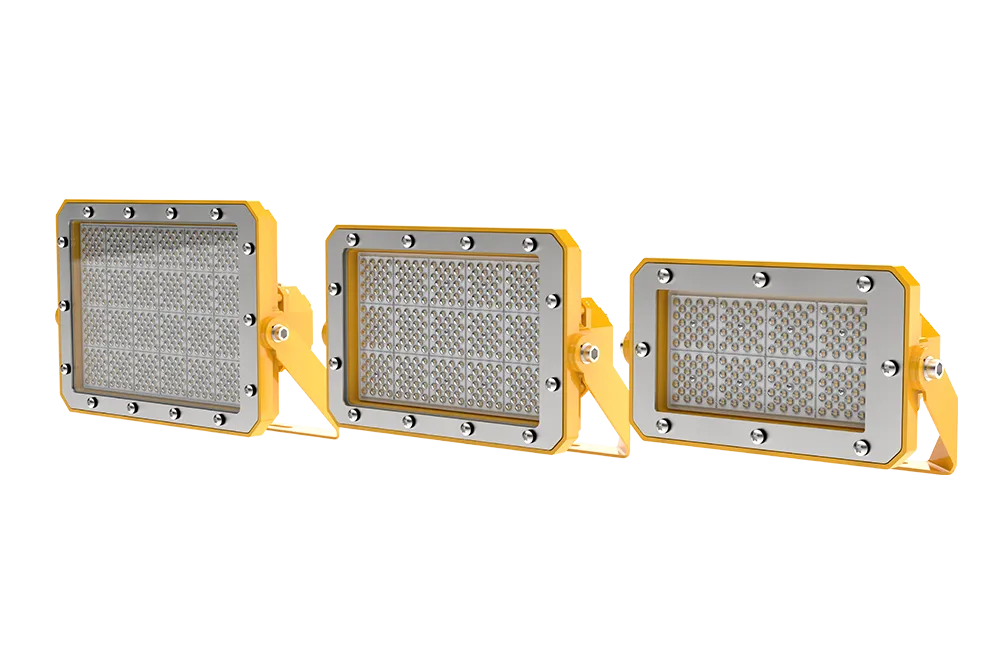
SEEKINGLED LED Explosion Proof Flood Lights are ATEX certified for Zone 2 and Zone 22 hazardous areas, offering high efficiency, adjustable power and integrated junction box.
View details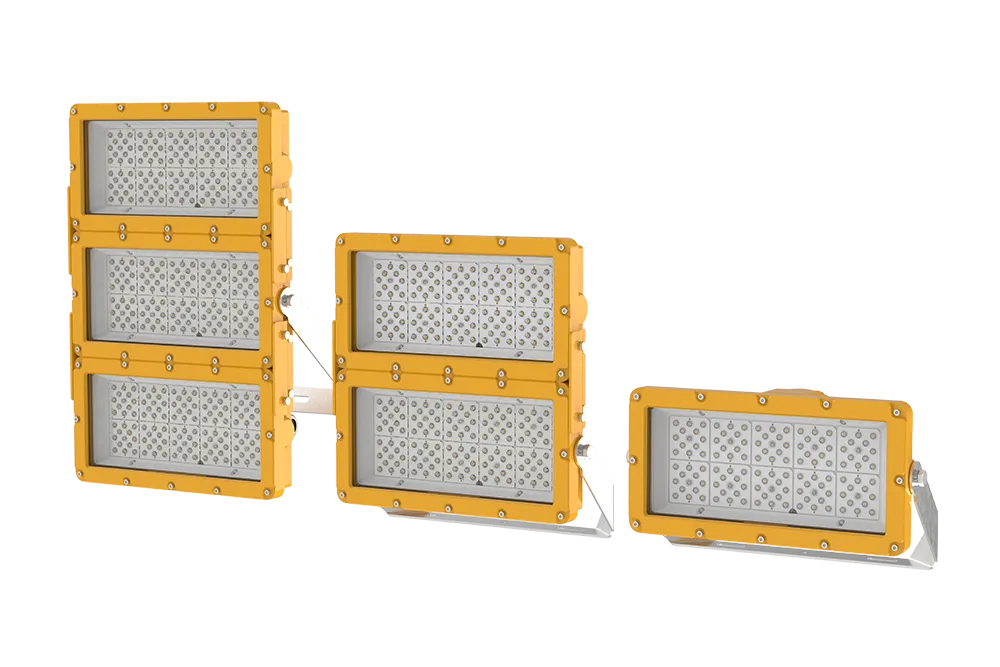
SEEKINGLED LED Explosion Proof Flood Lights are flameproof ATEX and IECEx certified for Zone 1 and Zone 2 hazardous areas, offering high power, adjustable output and long service life.
View details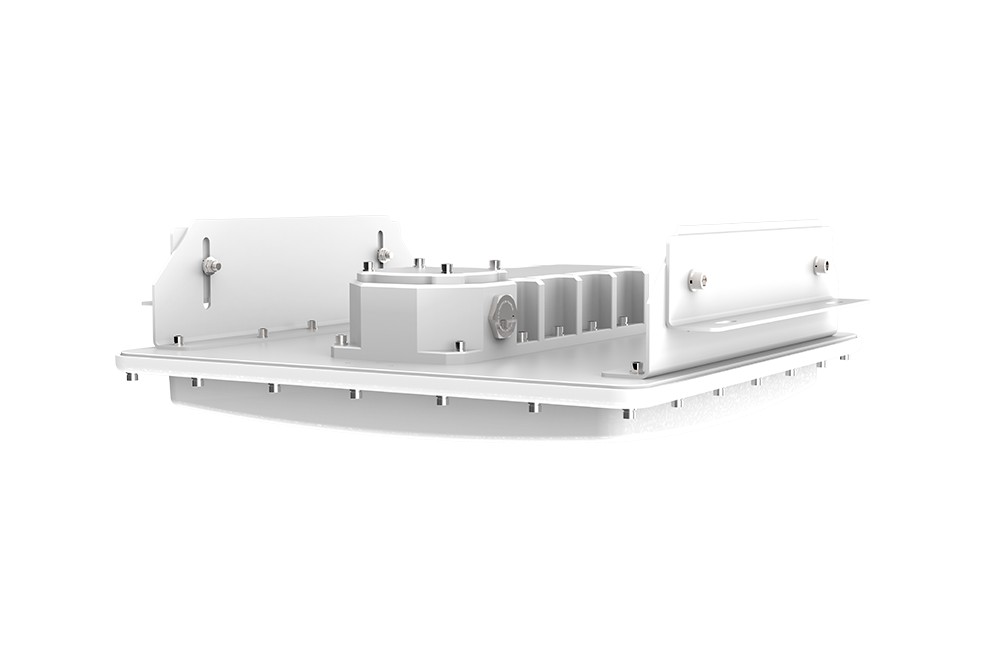
SEEKINGLED LED Gas Station Canopy Lights are ATEX certified for Zone 2 and Zone 22 hazardous areas, featuring adjustable power and built-in explosion-proof junction box.
View details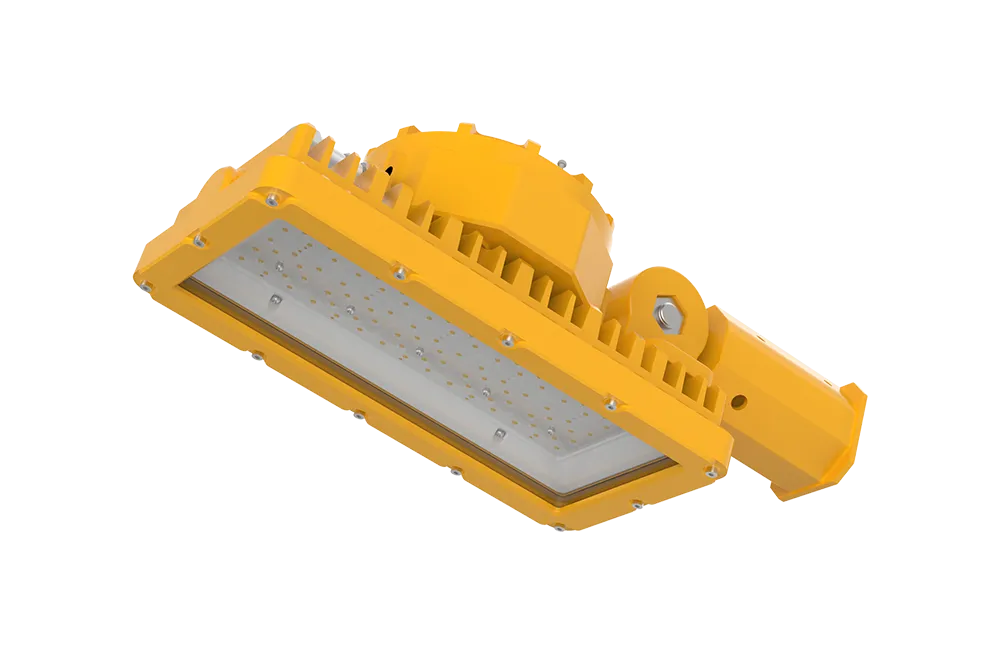
ATEX: Ex II 2G Ex db IIB T6/T5 GbEx II 2D Ex tb IIIC T80°C/ T95°C Db IECEx Ex db IIB T6 Gb;Ex tb IIIC T80°C Db Feature: ● For Zone 1,2 and Zone 21,22● Flameproof type, the strongest● 100W can replace 250W HID,energy saving● Power:60W,80W,100W Application: Oil and gas, marine, Chemical, pharmaceutical, semiconductor,mining,military industr…
View details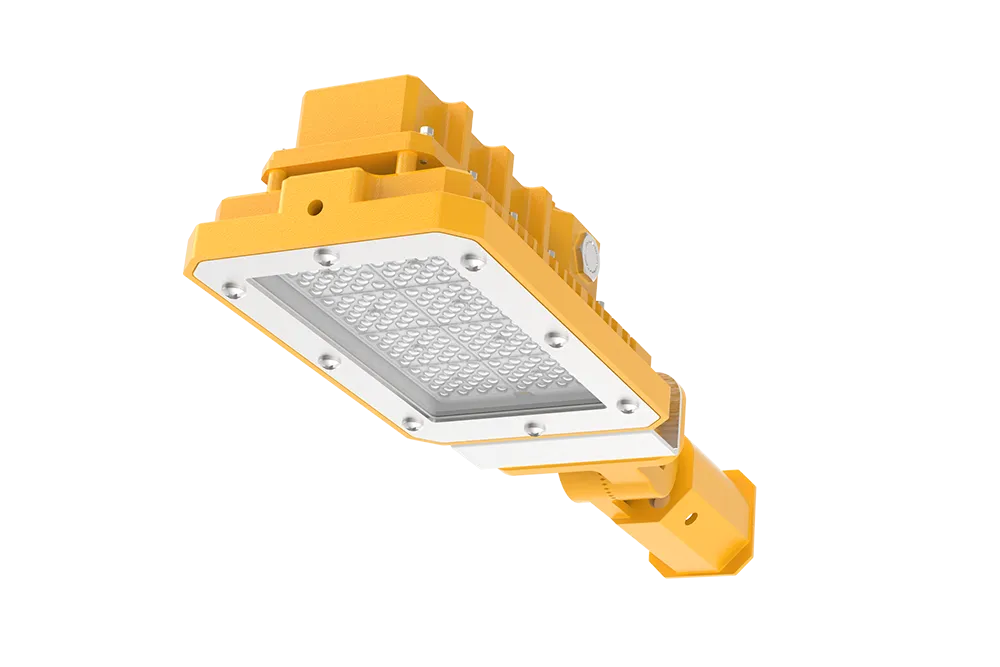
ATEX: II 3G Ex nR ⅡC T5/T6 GcII 3D Ex tc ⅢC T80℃/T95℃Dc ATEX Certificate NO: TÜV CY 26 ATEX 0207611 X Feature: ● For Zone 2 and Zone 22● 150W can replace 250W HID lamps,Energy saving● Power:50W,75W,100W,150W,200W Application: Oil and gas, marine, Chemical, pharmaceutical, semiconductor,mining,military industry, paint booth,power plant ETC…
View details
LED explosion proof high bay lights are designed for Zone 1, Zone 2, Zone 21 and Zone 22 hazardous areas. This page introduces the HB21 Series from SEEKING, including certifications, power options and real application considerations.
View details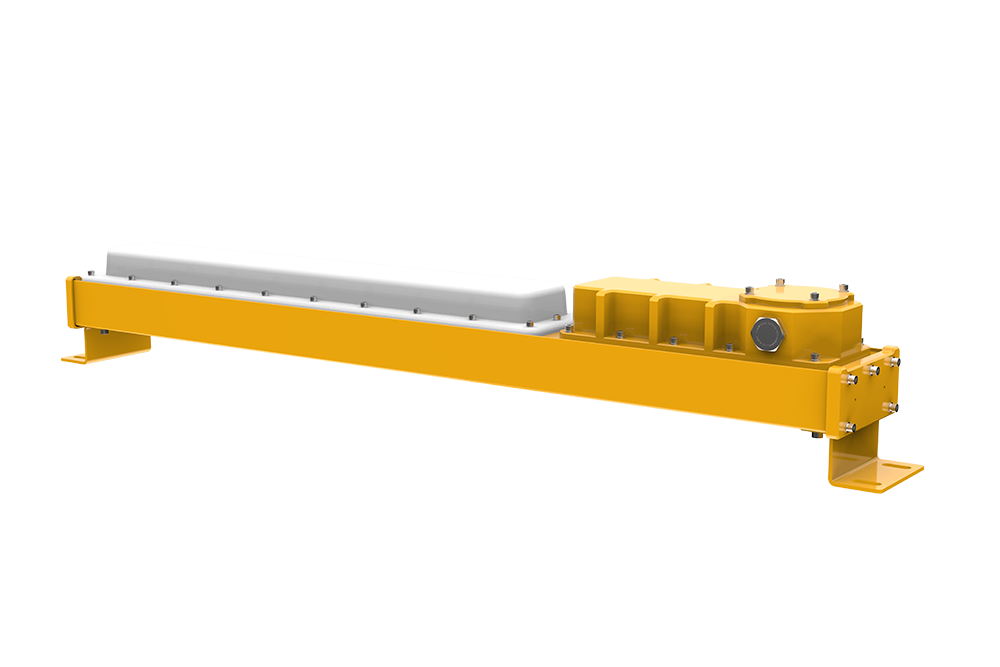
LED Linear Explosion Proof Lights from SEEKINGLED. LU Series Flame Proof lights ATEX-certified explosion proof LED linear lighting for Zone 2 gas and Zone 22 dust areas, IP69K, IK10, long lifetime and flexible power options.
View details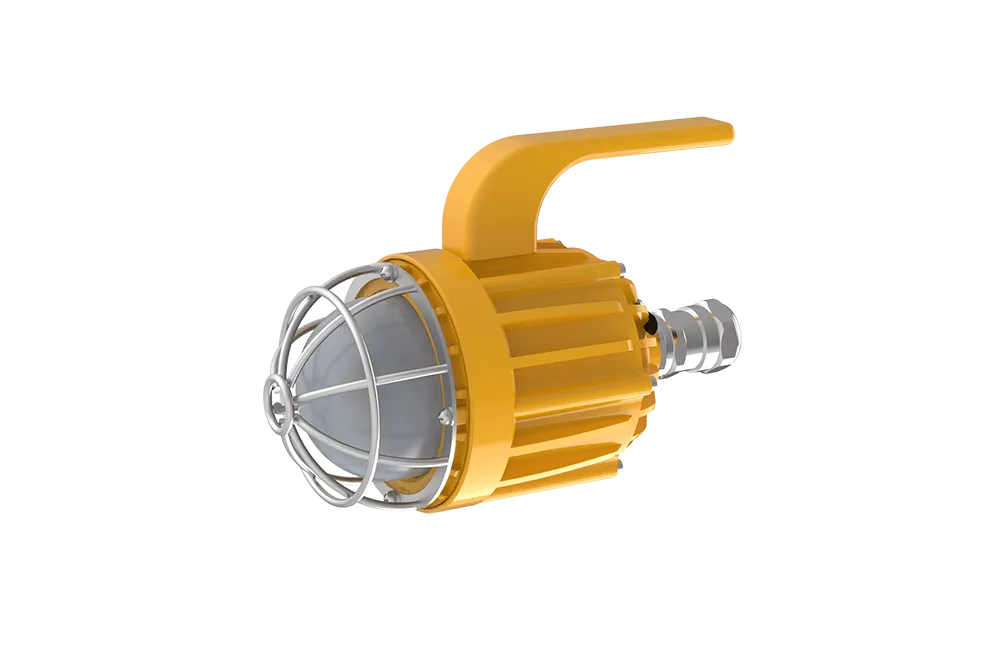
Certified explosion proof work lights for Zone 1 & 21 hazardous areas. Portable, ATEX & IECEx approved, built for oil, gas and chemical plants by SEEKINGLED.
View details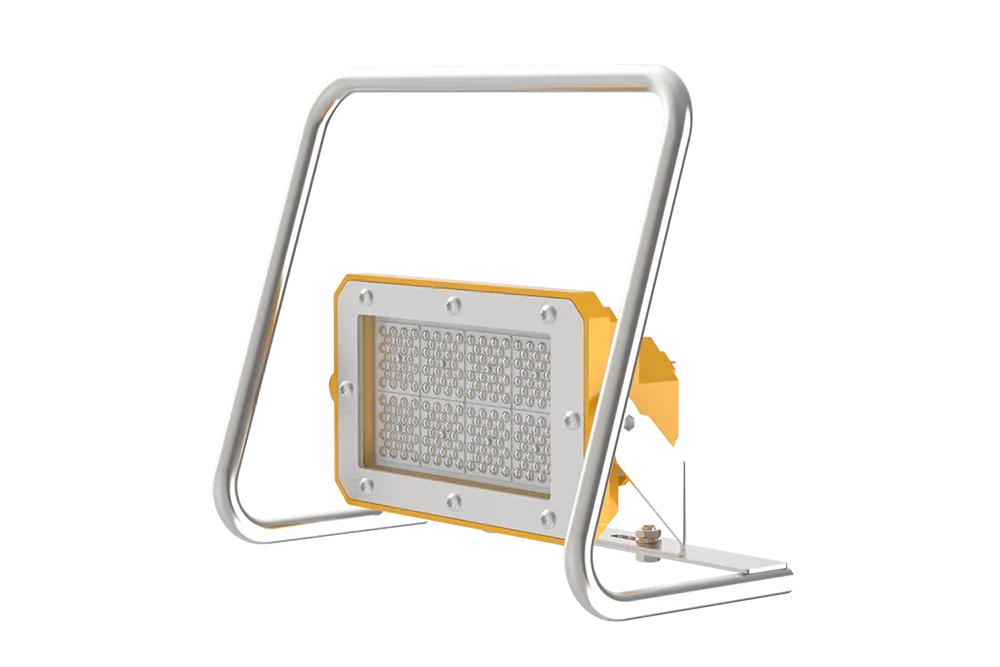
ATEX: II 3G Ex nR ⅡC T6 GcII 3D Ex tc ⅢC T80℃ Dc ATEX Certificate NO: TÜV CY 26 ATEX 0207611 X Feature: ● For Zone 2 and Zone 22● Accepts battery-powered supply● indestructible● Power:AC input:50W,75W,100WDC input:15W,25W,35W Application: Oil and gas, marine, Chemical, pharmaceutical, semiconductor,mining,military industry, paint booth,po…
View details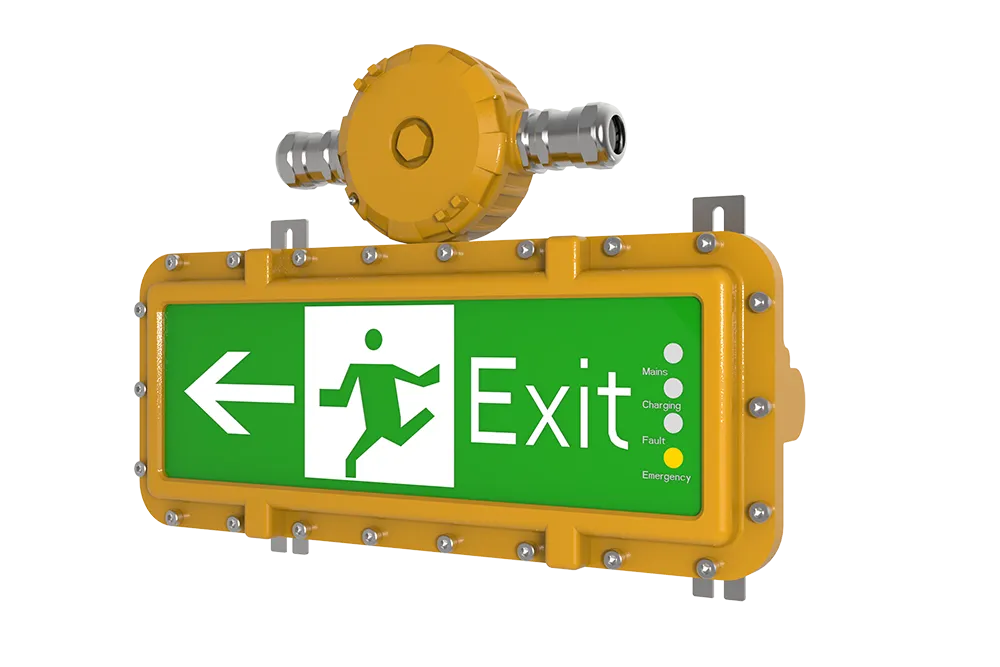
ATEX: Ex II 2G Ex db IIB T6 GbEx II 2D Ex tb IIIC T80°C Db IECEx Ex db IIB T6 Gb;Ex tb IIIC T80°C Db Feature: ● For Zone 1,2 and Zone 21,22● Flameproof type, the strongest Application: Oil and gas, marine, Chemical, pharmaceutical, semiconductor,mining,military industry, paint booth,power plant ETC hazardous area. Technical Specifications:…
View details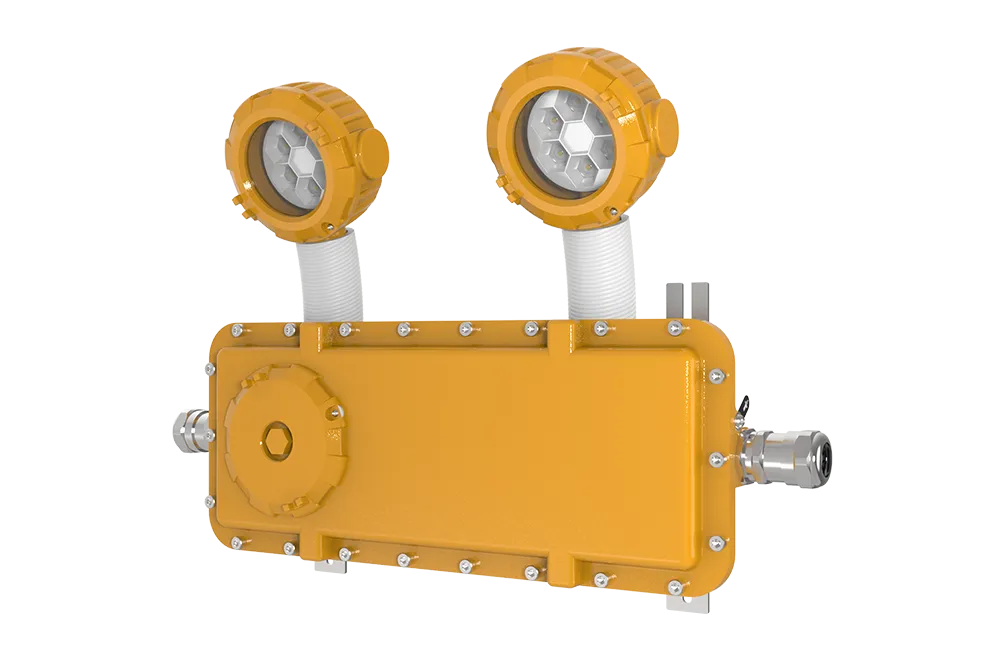
ATEX: Ex II 2G Ex db IIB T6 GbEx II 2D Ex tb IIIC T80°C Db IECEx Ex db IIB T6 Gb;Ex tb IIIC T80°C Db Feature: ● For Zone 1,2 and Zone 21,22● Flameproof type, the strongest Application: Oil and gas, marine, Chemical, pharmaceutical, semiconductor,mining,military industry, paint booth,power plant ETC hazardous area. Technical Specifications:…
View details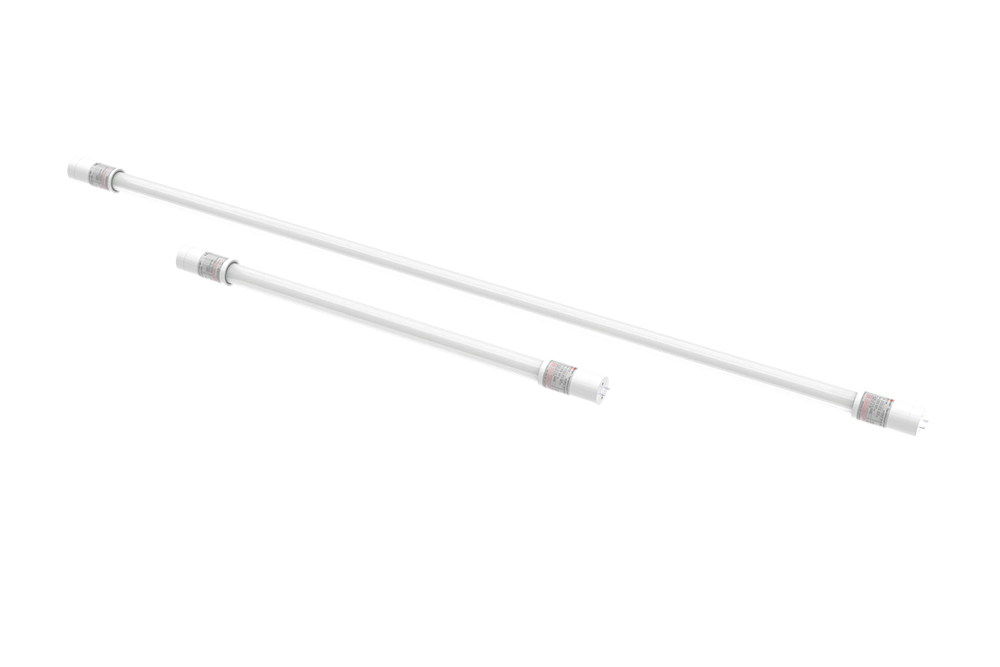
ATEX: Ex II 2G Ex d e IIB T6 Gb ATEX: Ex d e IIB T6 Gb; Feature: ● For Zone 1,2● 9W can replace 18W fluorescent lamps,50% Energy saving Application: Oil and gas, marine, Chemical, pharmaceutical, semiconductor,mining,military industry, paint booth,power plant ETC hazardous area. Technical Specifications: Standards:60079-0, 60079-1, 60079…
View details
Can I convert a street light to LED? A practical explanation of when conversion works, when it doesn’t, costs involved, and real-world considerations.
View details
Choose eco friendly flood lights for lower energy use, longer lifespan, and reduced carbon impact. Reliable outdoor LED solutions built by SEEKINGLED.
View details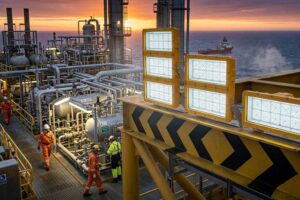
What explosion proof LED floodlights are best suited for offshore platforms? Learn key certifications, corrosion resistance, and offshore lighting requirements from industry experts.
View details
Are led flood lights any good for outdoor lighting? Discover real-world performance, energy savings, and installation insights from field experience with SEEKINGLED systems.
View details