 Seeking LED
how far apart are street lights?
3how far apart are street lights? Learn standard spacing ranges, design factors, and expert insights for efficient road lighting and uniform illumination.
View detailsSearch the whole station
What is an ATEX Zone 1 Floodlight?
An ATEX Zone 1 floodlight is a certified hazardous-area lighting fixture designed for locations where explosive gas atmospheres are likely to occur during normal operation. It provides powerful illumination while meeting ATEX safety requirements that prevent the lighting equipment from becoming an ignition source.
That definition is technically correct.
But after spending more than a decade working around refineries, LNG facilities, tank farms, and offshore platforms, I’ve learned that the real significance of an ATEX Zone 1 floodlight isn’t found in the certification label.
It’s found in the environments where people trust it every night.
The first time a customer asks, “What is an ATEX Zone 1 floodlight?” they’re usually focused on purchasing.
The experienced engineers ask a different question.
“What happens if a gas release occurs underneath that light?”
That’s where the discussion changes.
At a refinery expansion project I visited several years ago, a maintenance manager pointed toward a floodlight mounted above a process area and said something I still remember:
“That fixture doesn’t make us money. It helps us stay safe while we make money.”
Simple.
Accurate.
Easy to overlook.
Hazardous-area lighting is not decorative infrastructure. It is part of a facility’s overall safety strategy.
One of the most common misconceptions is that Zone 1 describes a type of lighting fixture.
It doesn’t.
Zone 1 describes a classified hazardous area.
According to the International Electrotechnical Commission (IEC), Zone 1 locations are areas where explosive gas atmospheres are likely to occur occasionally during normal operations.
Source:
Examples include:
In these environments, flammable gases may occasionally be present during normal operating conditions.
That creates a completely different set of engineering requirements.
Most industrial floodlights are designed to provide visibility.
An ATEX Zone 1 floodlight has a second responsibility.
It must help ensure the lighting system itself cannot ignite a hazardous atmosphere.
That sounds straightforward.
The engineering behind it isn’t.
A certified ATEX Zone 1 floodlight typically incorporates:
The objective is simple.
Prevent ignition.
Everything else comes after that.
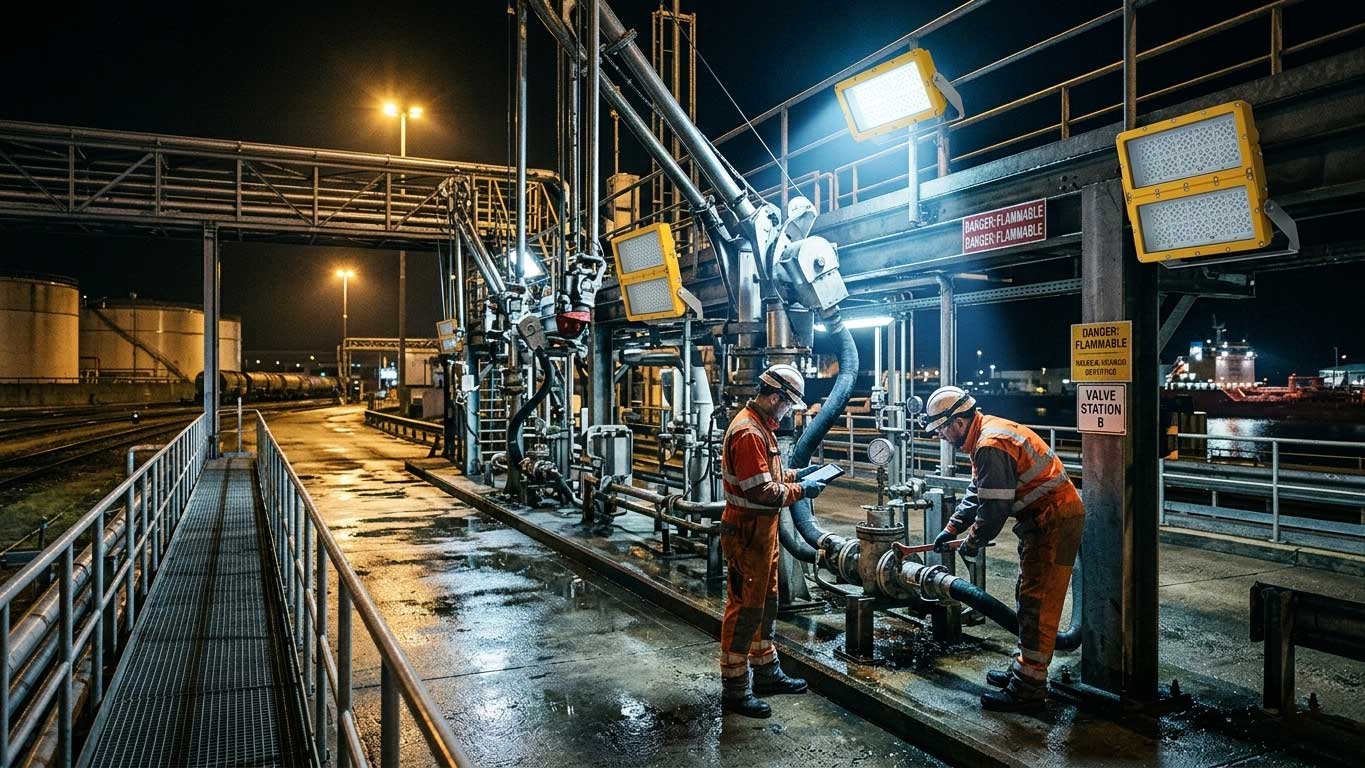
Several years ago, I spent an evening at a coastal fuel terminal during a routine inspection.
Nothing dramatic happened.
No alarms.
No emergency response.
No incidents.
Just normal operations.
Tankers arrived.
Loading arms connected.
Operators completed inspections.
As darkness settled across the facility, the floodlights became the primary source of visibility.
One operator climbed a steel platform to inspect instrumentation mounted above a transfer manifold.
The floodlight illuminated every valve, gauge, and walkway.
Nobody commented on the fixture.
Nobody even looked at it.
That may sound insignificant.
In hazardous-area lighting, being unnoticed is often the highest compliment possible.
It means the equipment is simply doing its job.
ATEX stands for “Atmosphères Explosibles,” the European regulatory framework governing equipment intended for explosive atmospheres.
According to the European Commission, ATEX certification helps ensure equipment is suitable for operation in potentially explosive environments.
Source:
https://single-market-economy.ec.europa.eu
Without ATEX certification, a floodlight may not be legally suitable for use in many hazardous-area installations throughout Europe and other regions that recognize ATEX requirements.
The certification process evaluates:
Certification is not a marketing feature.
It is a safety requirement.
Twenty years ago, metal halide technology was common across refineries and chemical plants.
Today, LED technology dominates most new installations.
There are practical reasons.
According to the U.S. Department of Energy, LED lighting can significantly reduce energy consumption while delivering longer service life than many traditional lighting technologies.
Source:
Energy savings matter.
But in hazardous locations, maintenance savings often matter more.
Replacing a floodlight may require:
Reducing replacement frequency directly lowers operating costs.
| Industry | Typical Installation Areas |
|---|---|
| Oil & Gas | Process units, pipe racks |
| LNG Facilities | Transfer stations, process modules |
| Chemical Plants | Production zones, mixing areas |
| Petrochemical Sites | Tank farms, loading terminals |
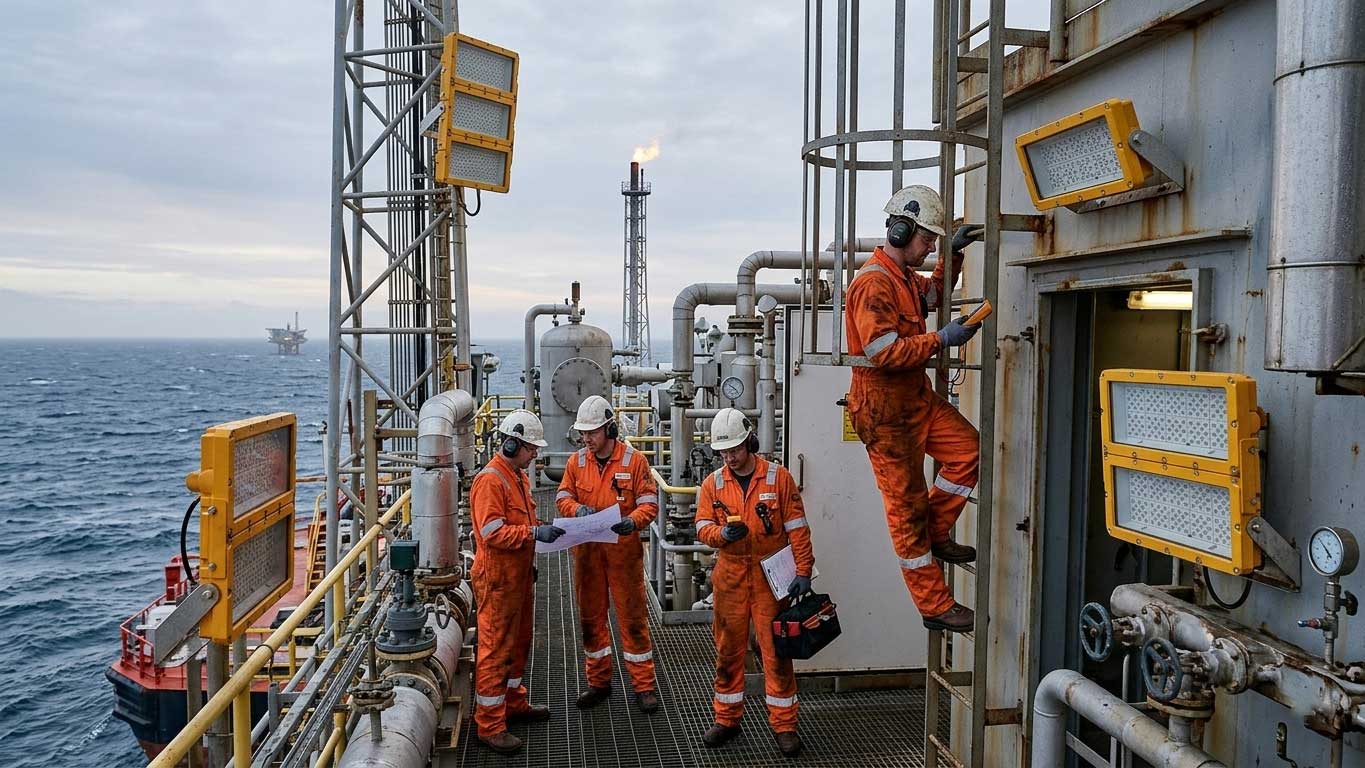
| Offshore Platforms | Decks, maintenance routes |
| Marine Terminals | Fuel handling equipment |
Different facilities.
Same challenge.
Safe illumination where hazardous gases may be present.
Interestingly, engineers rarely begin with lumen output.
Instead, they evaluate:
Can it legally operate in the classified area?
Can it control temperatures effectively?
Will it survive harsh industrial environments?
Can operators clearly identify equipment and hazards?
How difficult will servicing be?
Brightness matters.
It simply isn’t the first priority.
I’ve visited facilities where lighting systems cost millions of dollars.
I’ve also seen projects where budget pressures forced difficult decisions.
One pattern remains consistent.
The most successful hazardous-area lighting installations share the same characteristic:
Reliability.
Not brightness.
Not aesthetics.
Not marketing claims.
Reliability.
Because operators work around these fixtures every day.
When a floodlight continues operating year after year without unexpected issues, people stop thinking about it.
That is often the clearest sign that the engineering is sound.
At SEEKINGLED, hazardous-area lighting development is influenced by actual industrial environments.
Our engineering teams consider:
Because laboratory conditions rarely reflect reality.
Reality includes salt spray, process heat, chemical exposure, and years of continuous operation.
Those conditions reveal the true quality of a floodlight.
An ATEX Zone 1 floodlight is a hazardous-area lighting fixture certified for locations where explosive gas atmospheres may occur during normal operation.
They are commonly installed in refineries, chemical plants, LNG facilities, fuel terminals, offshore platforms, and petrochemical processing sites.
Many ATEX Zone 1 floodlights utilize flameproof or other approved protection methods designed to prevent ignition of surrounding hazardous atmospheres.
LED technology provides long operational life, reduced maintenance requirements, improved efficiency, and better optical control.
Many industrial-grade LED floodlights are designed for service lives exceeding 50,000 hours when properly installed and maintained.
So, what is an ATEX Zone 1 floodlight?
Technically, it is a certified lighting fixture designed for hazardous gas environments.
Operationally, it is something more important.
It is a piece of infrastructure that operators rely on every shift, every inspection, and every maintenance activity without thinking about it. The best ATEX Zone 1 floodlights quietly provide visibility, support safety, and continue performing long after the installation team has left the site.
That is ultimately why an ATEX Zone 1 floodlight remains essential in hazardous industrial environments.
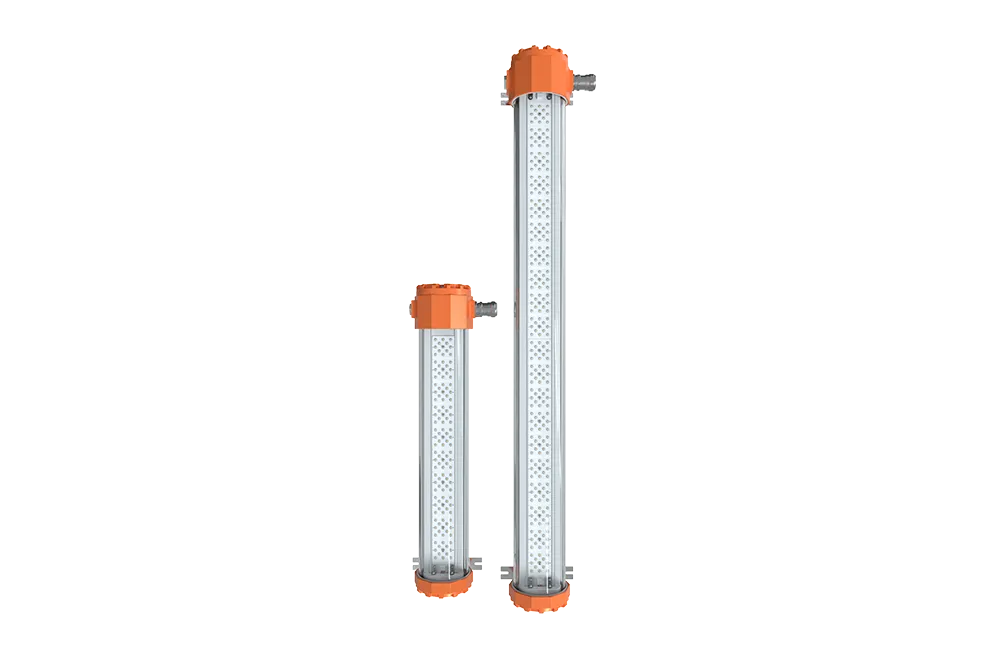
SEEKINGLED LED Linear Explosion Proof Light and Explosion Proof lighting is ATEX and IECEx certified for Zone 1, Zone 2, Zone 21 and Zone 22 hazardous locations, built for long-term industrial use.
View details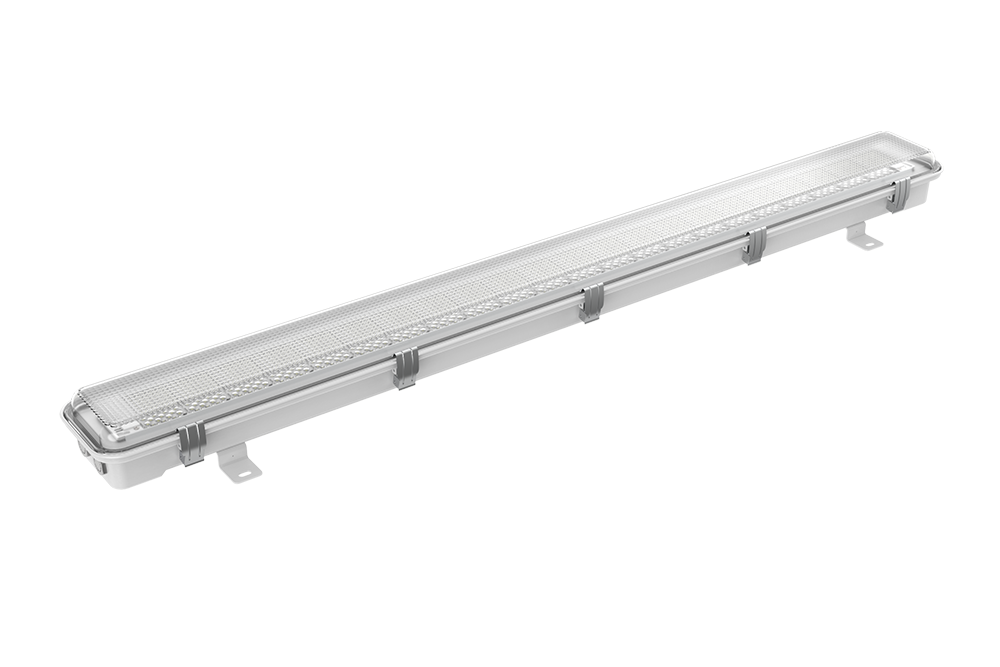
LED Linear Explosion Proof Lights and EX Proof lights for Zone 1, Zone 2, Zone 21 and Zone 22 hazardous areas. ATEX & IECEx certified explosion proof LED linear lighting with emergency function, adjustable power and IP67 protection by SEEKINGLED.
View details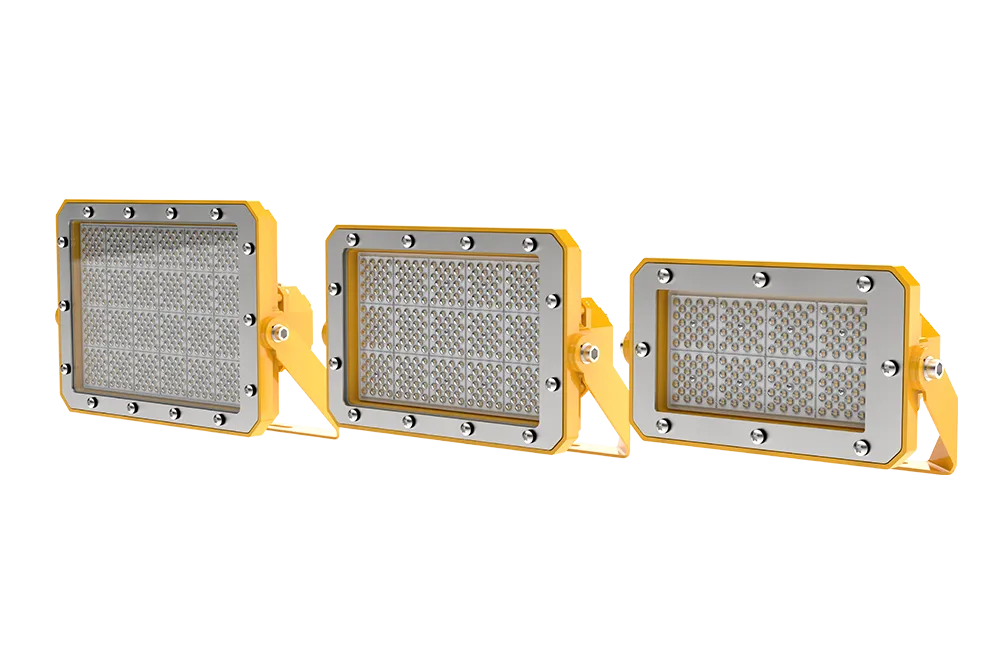
SEEKINGLED LED Explosion Proof Flood Lights are ATEX certified for Zone 2 and Zone 22 hazardous areas, offering high efficiency, adjustable power and integrated junction box.
View details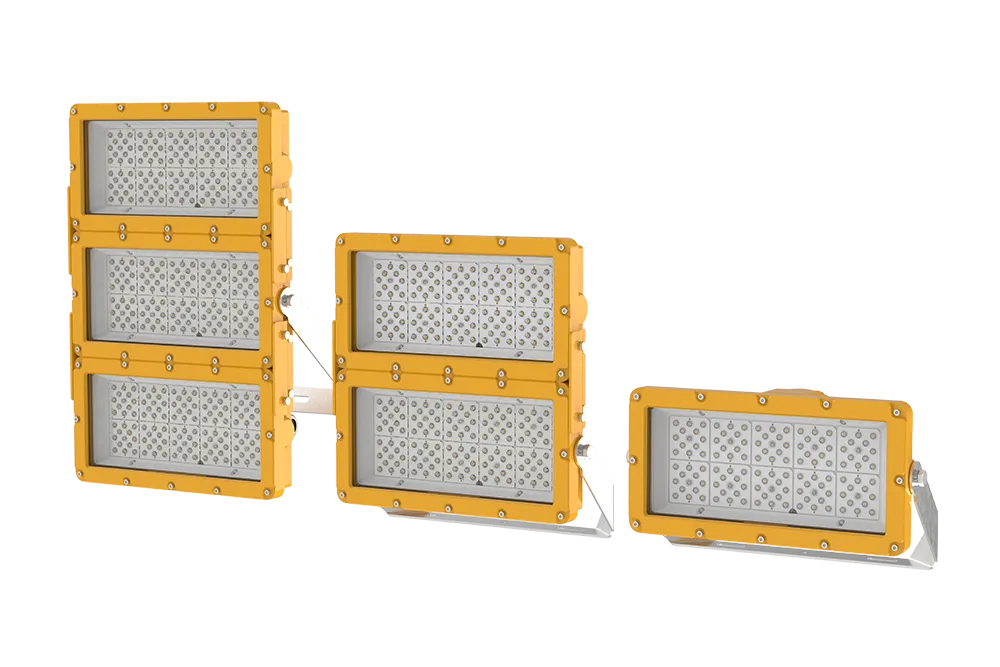
SEEKINGLED LED Explosion Proof Flood Lights are flameproof ATEX and IECEx certified for Zone 1 and Zone 2 hazardous areas, offering high power, adjustable output and long service life.
View details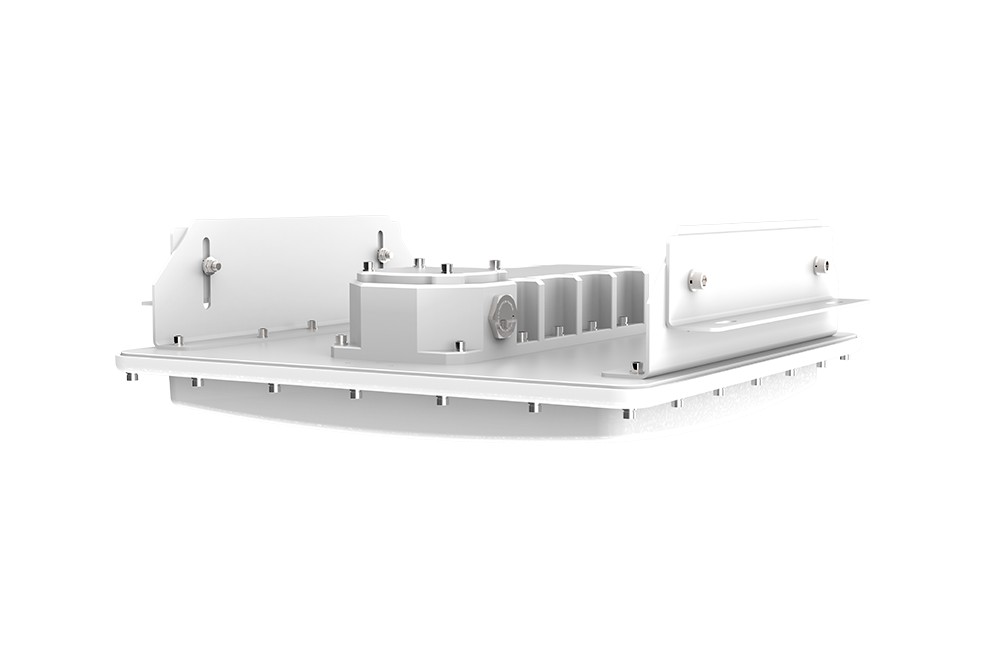
SEEKINGLED LED Gas Station Canopy Lights are ATEX certified for Zone 2 and Zone 22 hazardous areas, featuring adjustable power and built-in explosion-proof junction box.
View details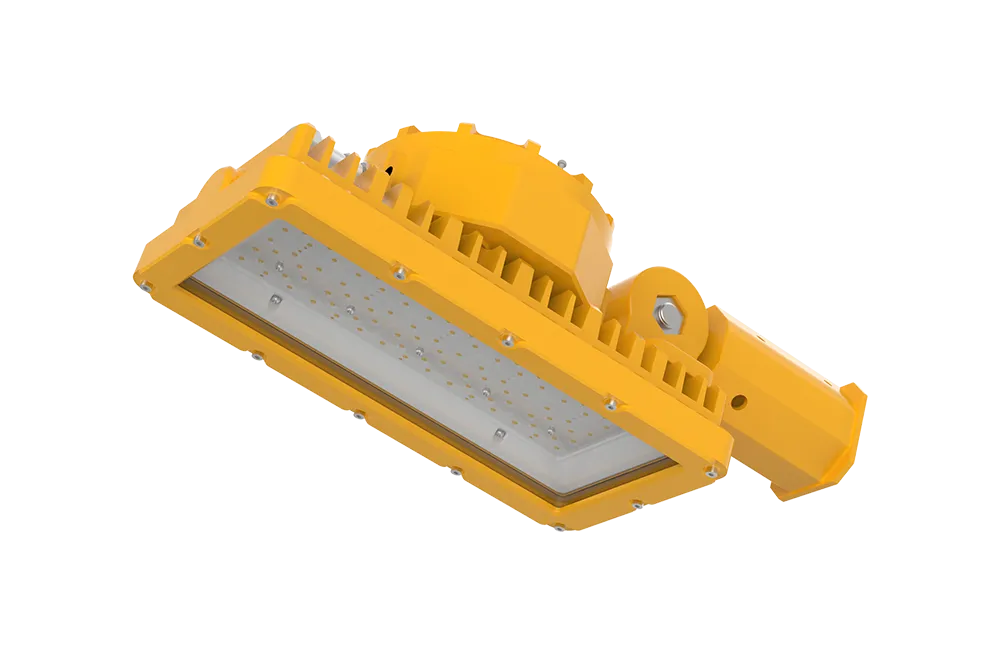
ATEX: Ex II 2G Ex db IIB T6/T5 GbEx II 2D Ex tb IIIC T80°C/ T95°C Db IECEx Ex db IIB T6 Gb;Ex tb IIIC T80°C Db Feature: ● For Zone 1,2 and Zone 21,22● Flameproof type, the strongest● 100W can replace 250W HID,energy saving● Power:60W,80W,100W Application: Oil and gas, marine, Chemical, pharmaceutical, semiconductor,mining,military industr…
View details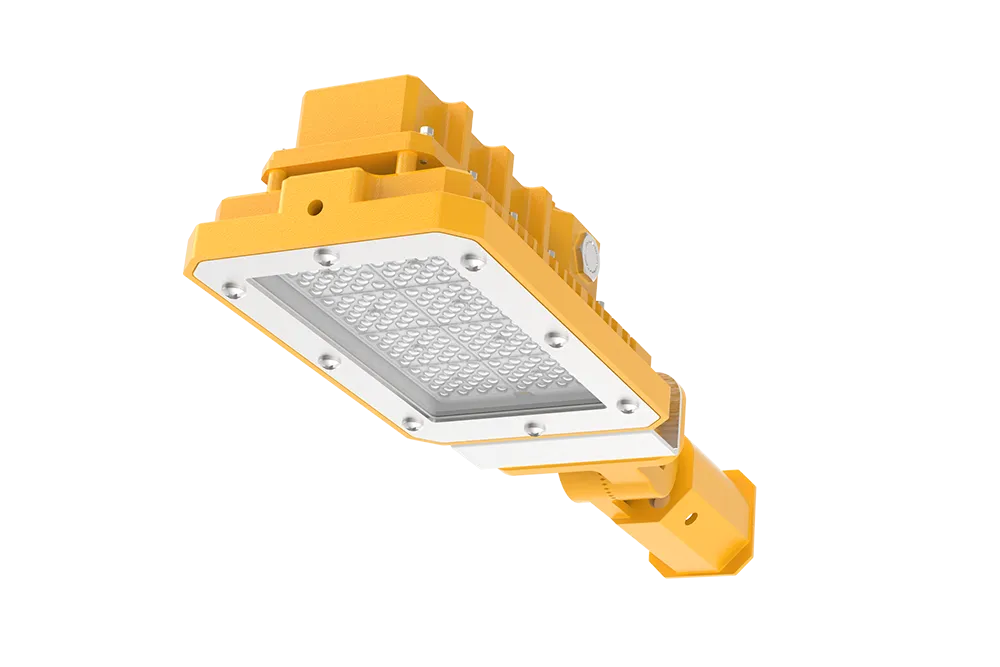
ATEX: II 3G Ex nR ⅡC T5/T6 GcII 3D Ex tc ⅢC T80℃/T95℃Dc ATEX Certificate NO: TÜV CY 26 ATEX 0207611 X Feature: ● For Zone 2 and Zone 22● 150W can replace 250W HID lamps,Energy saving● Power:50W,75W,100W,150W,200W Application: Oil and gas, marine, Chemical, pharmaceutical, semiconductor,mining,military industry, paint booth,power plant ETC…
View details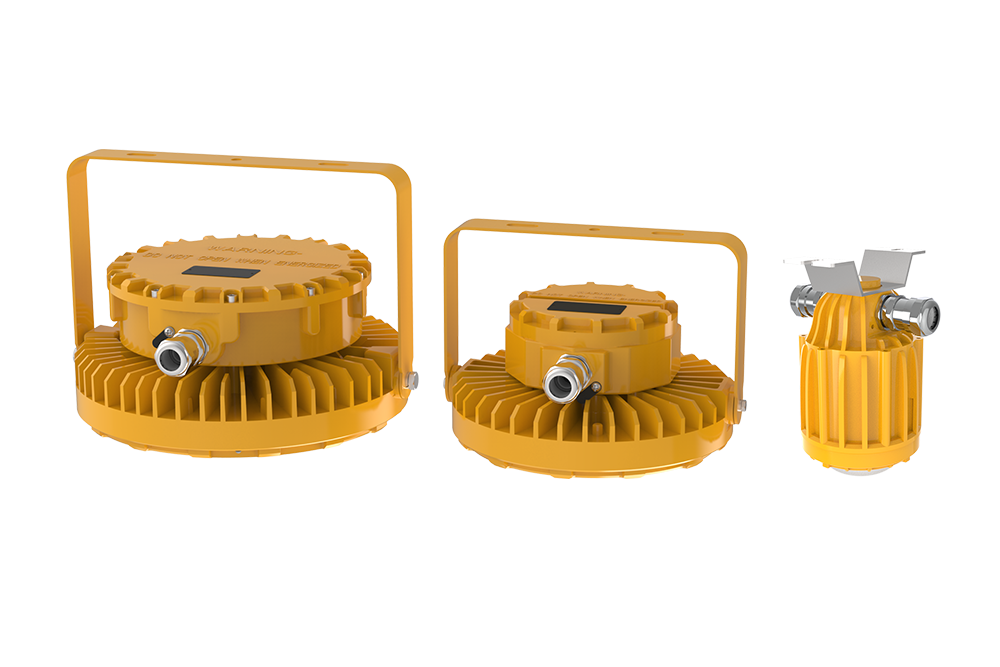
LED explosion proof high bay lights are designed for Zone 1, Zone 2, Zone 21 and Zone 22 hazardous areas. This page introduces the HB21 Series from SEEKING, including certifications, power options and real application considerations.
View details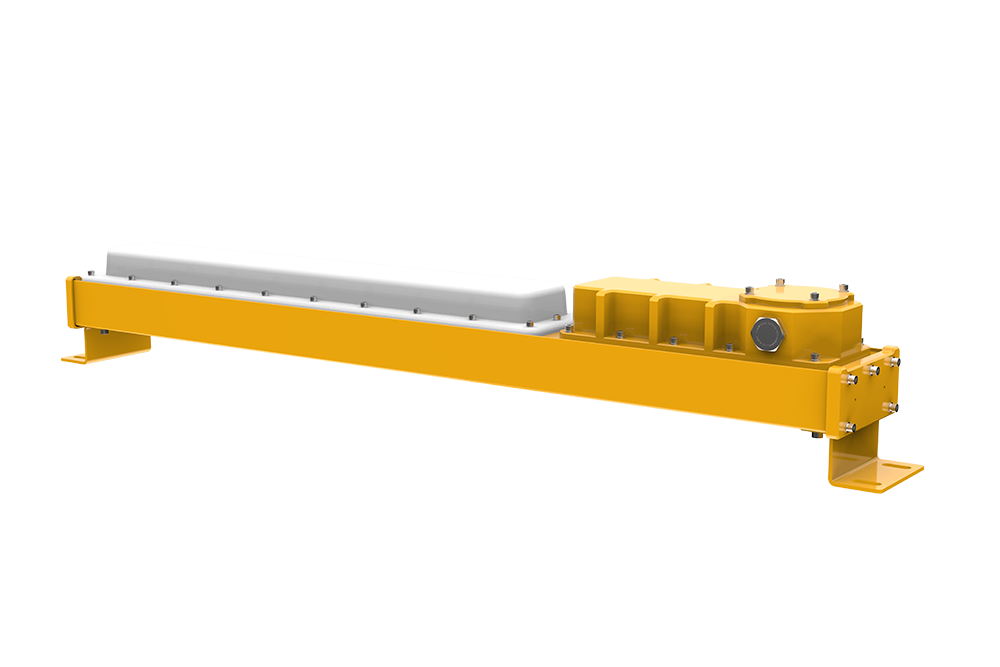
LED Linear Explosion Proof Lights from SEEKINGLED. LU Series Flame Proof lights ATEX-certified explosion proof LED linear lighting for Zone 2 gas and Zone 22 dust areas, IP69K, IK10, long lifetime and flexible power options.
View details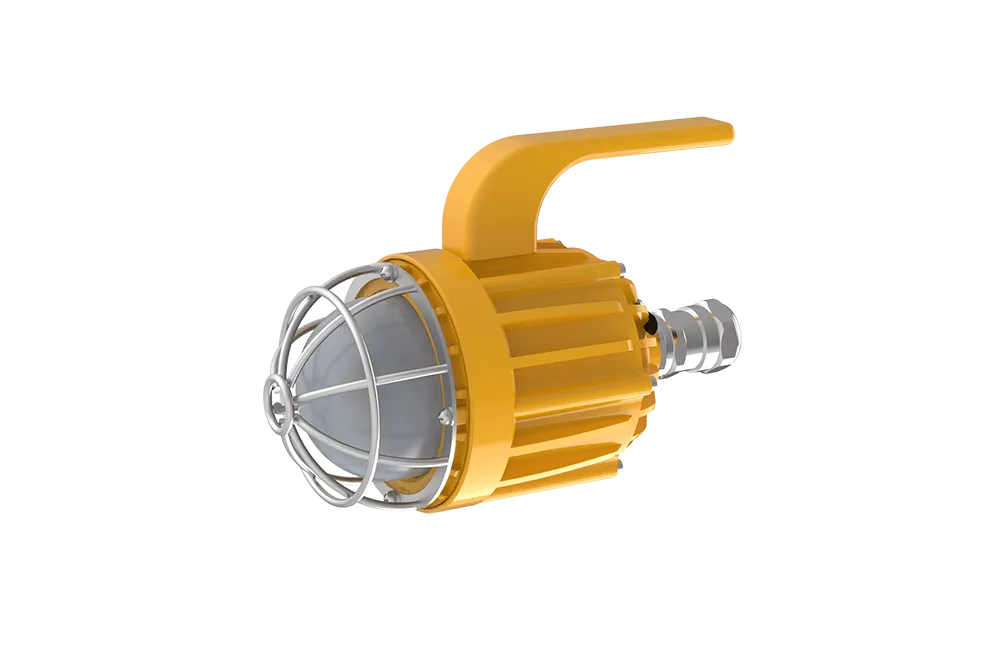
Certified explosion proof work lights for Zone 1 & 21 hazardous areas. Portable, ATEX & IECEx approved, built for oil, gas and chemical plants by SEEKINGLED.
View details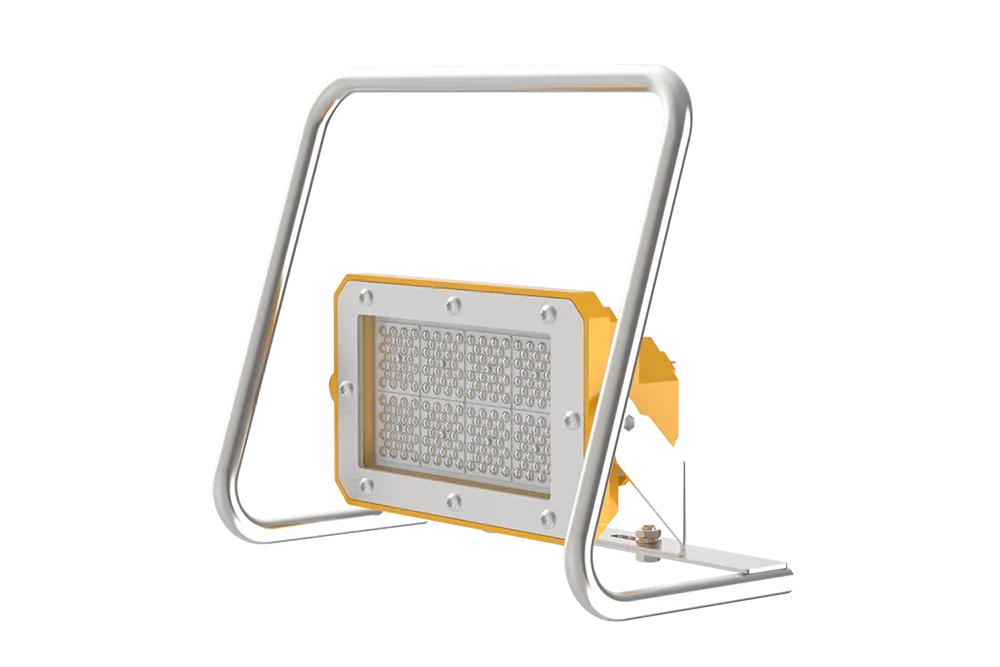
ATEX: II 3G Ex nR ⅡC T6 GcII 3D Ex tc ⅢC T80℃ Dc ATEX Certificate NO: TÜV CY 26 ATEX 0207611 X Feature: ● For Zone 2 and Zone 22● Accepts battery-powered supply● indestructible● Power:AC input:50W,75W,100WDC input:15W,25W,35W Application: Oil and gas, marine, Chemical, pharmaceutical, semiconductor,mining,military industry, paint booth,po…
View details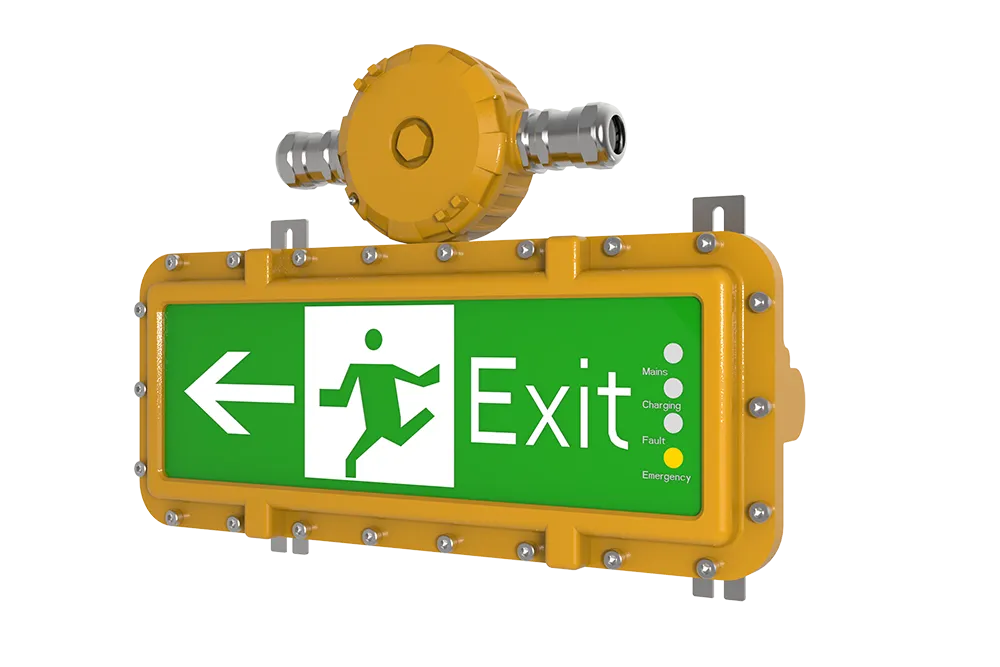
ATEX: Ex II 2G Ex db IIB T6 GbEx II 2D Ex tb IIIC T80°C Db IECEx Ex db IIB T6 Gb;Ex tb IIIC T80°C Db Feature: ● For Zone 1,2 and Zone 21,22● Flameproof type, the strongest Application: Oil and gas, marine, Chemical, pharmaceutical, semiconductor,mining,military industry, paint booth,power plant ETC hazardous area. Technical Specifications:…
View details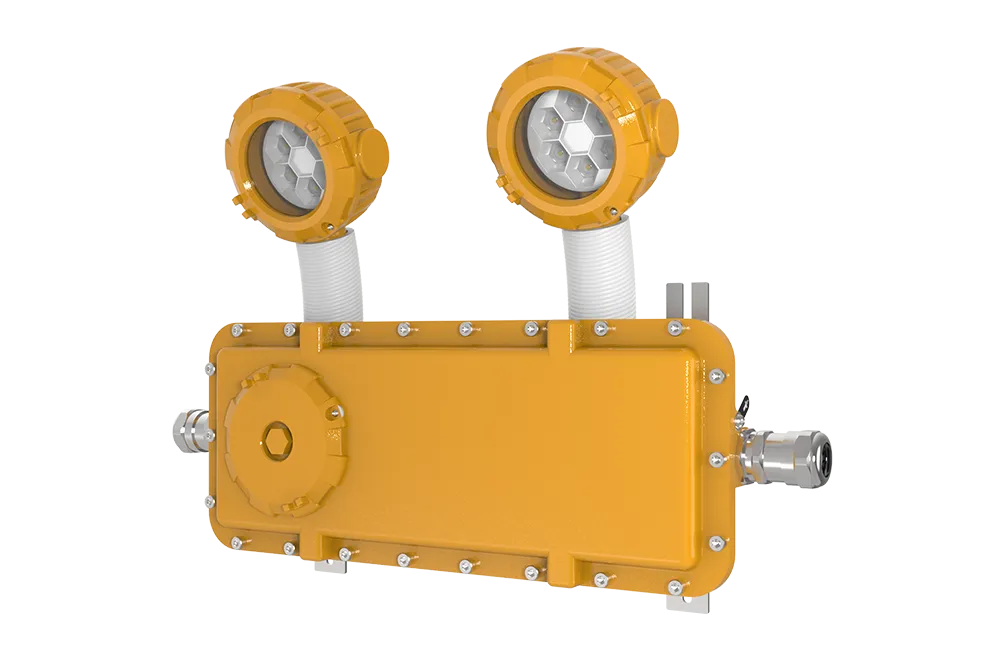
ATEX: Ex II 2G Ex db IIB T6 GbEx II 2D Ex tb IIIC T80°C Db IECEx Ex db IIB T6 Gb;Ex tb IIIC T80°C Db Feature: ● For Zone 1,2 and Zone 21,22● Flameproof type, the strongest Application: Oil and gas, marine, Chemical, pharmaceutical, semiconductor,mining,military industry, paint booth,power plant ETC hazardous area. Technical Specifications:…
View details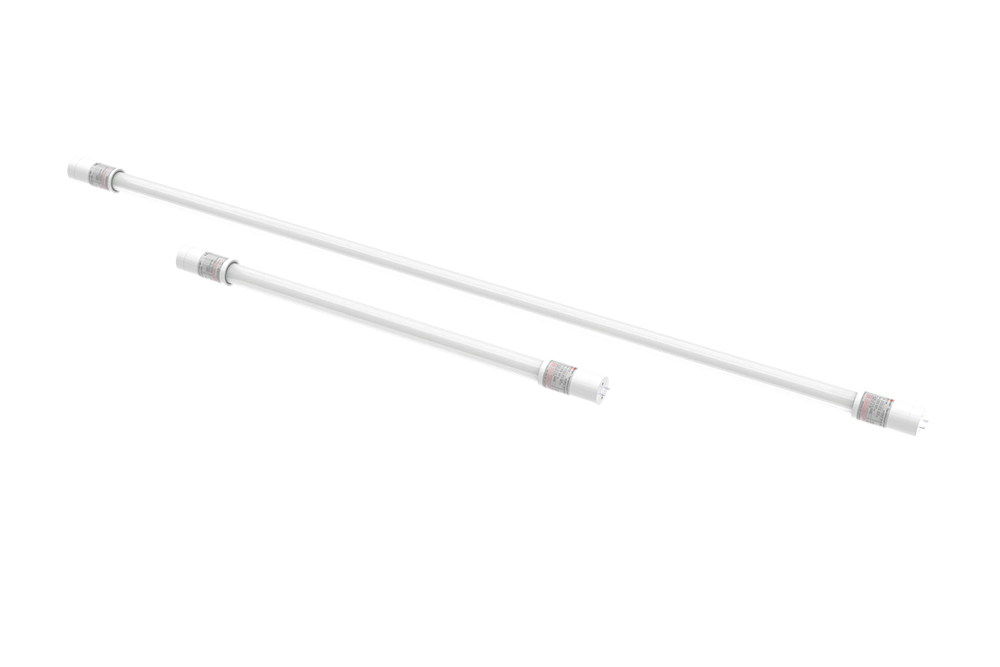
ATEX: Ex II 2G Ex d e IIB T6 Gb ATEX: Ex d e IIB T6 Gb; Feature: ● For Zone 1,2● 9W can replace 18W fluorescent lamps,50% Energy saving Application: Oil and gas, marine, Chemical, pharmaceutical, semiconductor,mining,military industry, paint booth,power plant ETC hazardous area. Technical Specifications: Standards:60079-0, 60079-1, 60079…
View details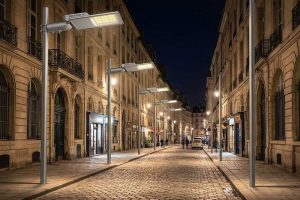
how far apart are street lights? Learn standard spacing ranges, design factors, and expert insights for efficient road lighting and uniform illumination.
View details
Are LED lights UL listed by default? Not always. Learn what UL listing really means, how to check it, and why SEEKINGLED treats UL as non-negotiable.
View details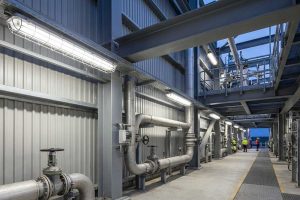
Are LED lights explosion proof? Learn why standard LED lights are not safe for hazardous areas and how certified explosion proof LED lighting works. Practical guidance from SEEKINGLED.
View details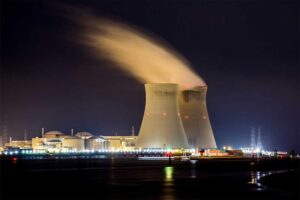
Explosion-proof lights are essential in refineries to prevent sparks and fires. SEEKINGLED FL7 Series LED lights provide Zone 1 Ex d protection, ATEX & IECEx certified for safe operations.
View details